
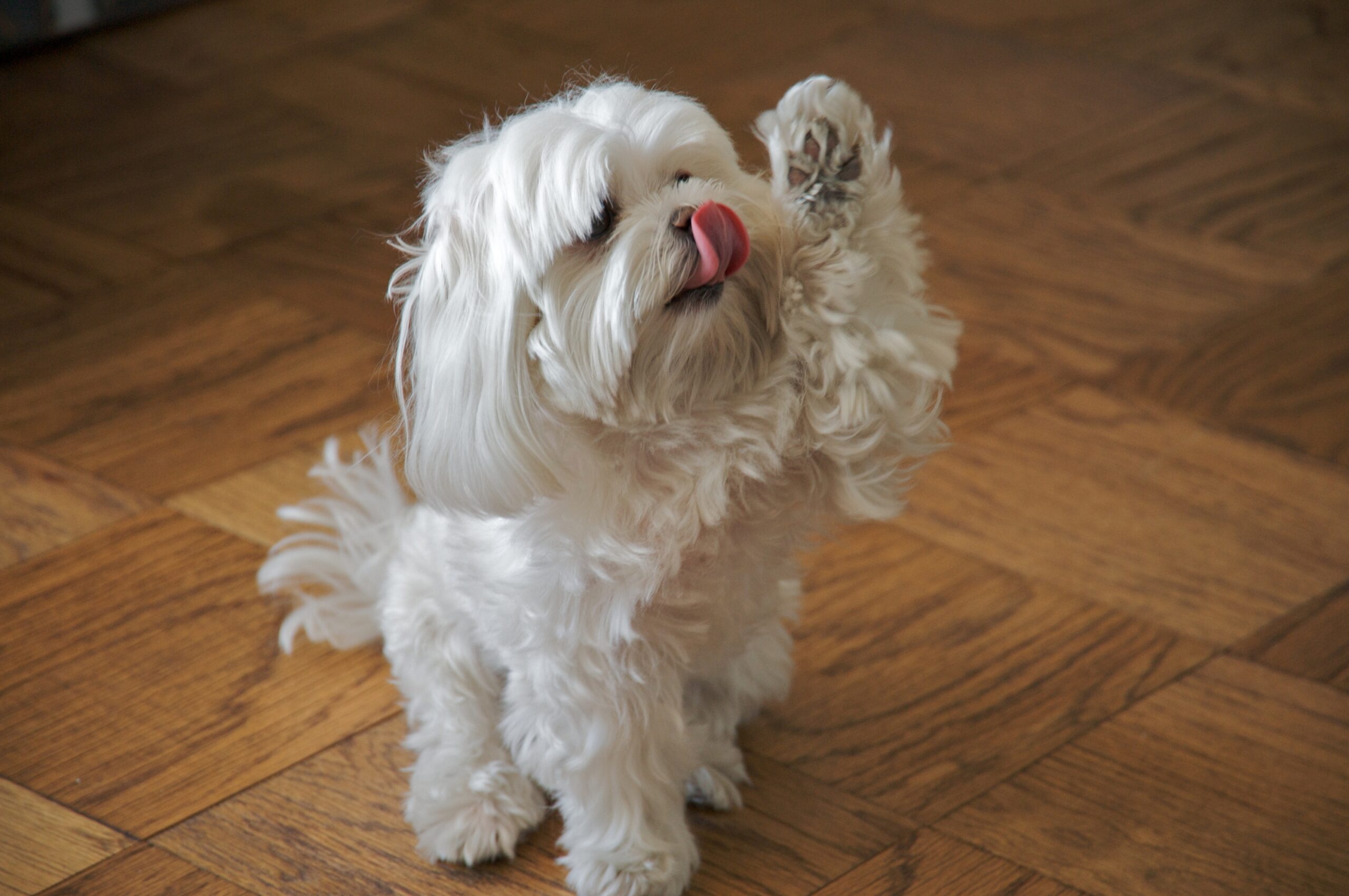
You’re relaxing on the couch, your dog curled up next to you, and then you notice it again: that constant, rhythmic lick-lick-lick that never seems to stop. At first it was kind of cute, almost soothing. But now you’re wondering: is this just normal dog behavior, or is my dog trying to tell me something’s wrong?
That question is more important than most people realize. Licking can be a self-soothing habit, a grooming routine, a way to show affection, or a red flag for pain, anxiety, or even an underlying medical issue. The tricky part is that the difference between “no big deal” and “call the vet” often comes down to small changes in pattern, intensity, and context. Let’s break it down in a way that’s scientific but still real-world, so you can trust your gut and protect your dog’s health.
Normal Grooming vs. Obsession: What “Typical” Licking Really Looks Like

Here’s the surprising truth: a healthy dog that never licks at all would actually be more worrying than a dog that licks regularly. Licking is part of normal grooming, especially after walks, meals, or bathroom breaks. Most dogs will briefly clean their paws, tail area, or fur, then move on to whatever else they were doing, like sniffing, playing, or napping.
Normal grooming has a clear on-and-off rhythm. It tends to be short, situational, and purposeful: your dog licks off dirt, dries wet fur, or smooths out a spot they just scratched. If the licking is occasional, changes locations, and stops easily when you distract your dog with a toy, treat, or voice, that’s usually in the healthy zone. Think of it like you quickly washing your hands after cooking – routine, focused, and then done.
When Licking Becomes a Red Flag: Frequency, Intensity, and “Can’t Stop” Behavior
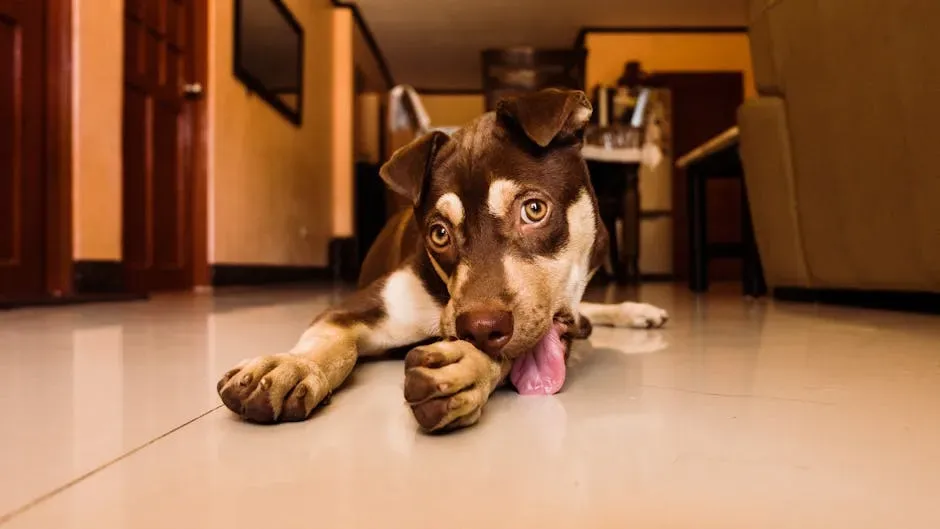
The line gets crossed when licking stops looking like a quick clean-up and starts to feel like a compulsion. If your dog is licking the same body part over and over, for long stretches, or multiple times a day, that’s a sign to pay attention. It’s especially concerning when the licking seems to be their main activity instead of just a side habit.
Another warning sign is what happens when you gently interrupt. If you say their name, offer a toy, or move them, and they immediately go back to licking like they were in a trance, that suggests they’re not just casually grooming. It can look eerily similar to a person biting their nails without realizing it. That kind of “can’t stop, won’t stop” pattern deserves a closer look, because it’s often rooted in discomfort, stress, or pain.
Targeted Licking: What It Means When Your Dog Focuses on One Spot
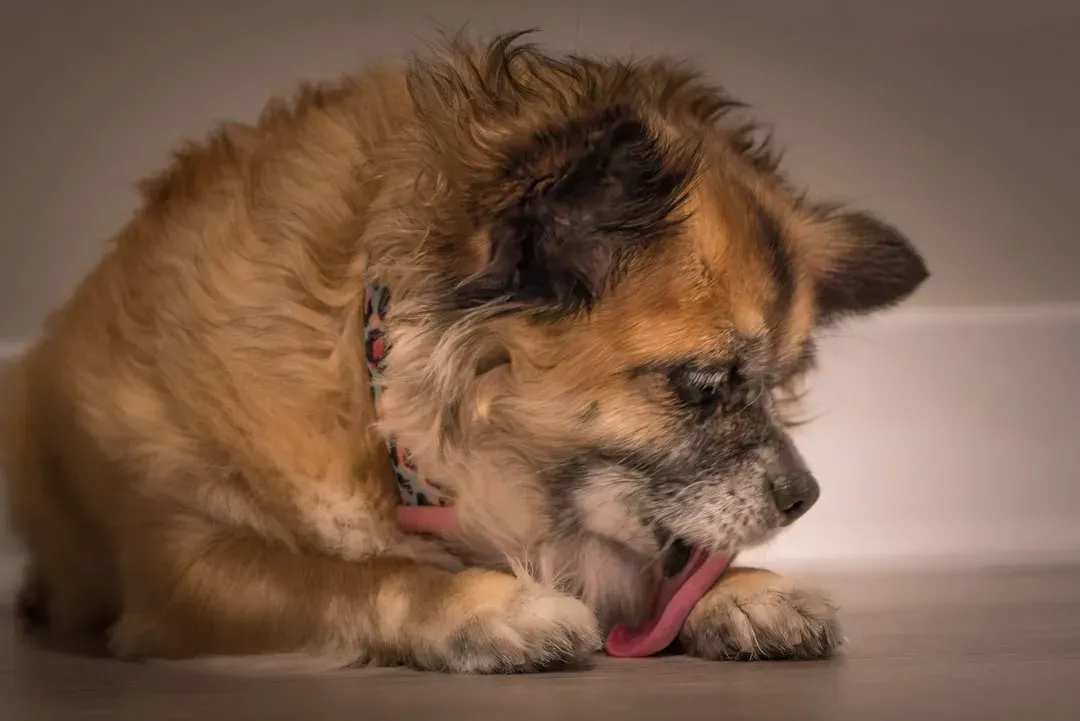
One of the biggest clues that licking has shifted from normal to concerning is when it’s locked onto a specific area: one paw, one joint, one patch of skin, or a particular spot on the tail or belly. Dogs will zero in on painful or itchy places the way we rub a sore shoulder or keep touching a hangnail. If you always see your dog going back to the same spot, the message is usually simple: something there is bothering me.
Over time, that focused licking can cause visible changes: red or pink skin, hair thinning, staining from saliva (often brownish on light fur), or even open sores and thickened skin. Some dogs develop what’s called a lick granuloma – a persistent, irritated patch caused by nonstop licking. When the body starts to show clear “wear and tear” from licking, it’s gone way past normal grooming and into the territory where a vet visit is not optional but necessary.
Licking Paws Nonstop: Allergies, Irritants, and Environmental Triggers
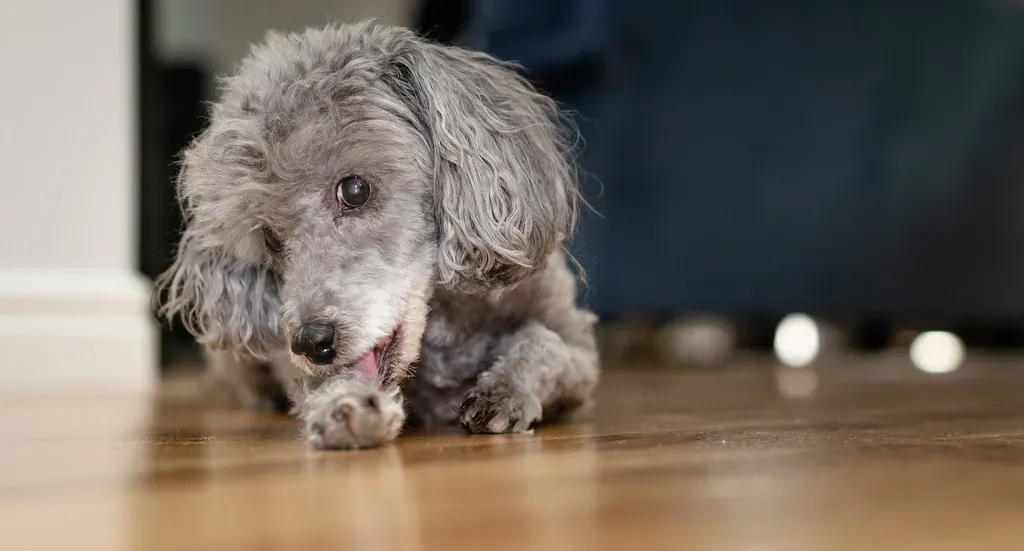
If there’s one excessive-licking pattern that is almost never just “cute,” it’s constant paw licking. Mild paw licking after a walk or playing outside can be perfectly normal, especially if the ground was wet, rough, or dirty. But when your dog lies down and immediately starts working on their paws like it’s their full-time job, allergies and irritation jump to the top of the list of possible causes.
Common triggers include grass, pollen, dust, mold, cleaning products, lawn chemicals, or even certain food ingredients. The paws are like little sponges, picking up everything your dog walks on. Over time, the skin can become itchy, inflamed, and painfully raw. If you notice your dog licking or chewing the paws daily, especially in certain seasons or after specific walks, that’s a strong sign to talk to your vet about allergies, skin health, and ways to protect or clean those paws more intentionally.
Belly, Groin, and Tail Area: When Licking Hints at Pain, Infection, or Discomfort
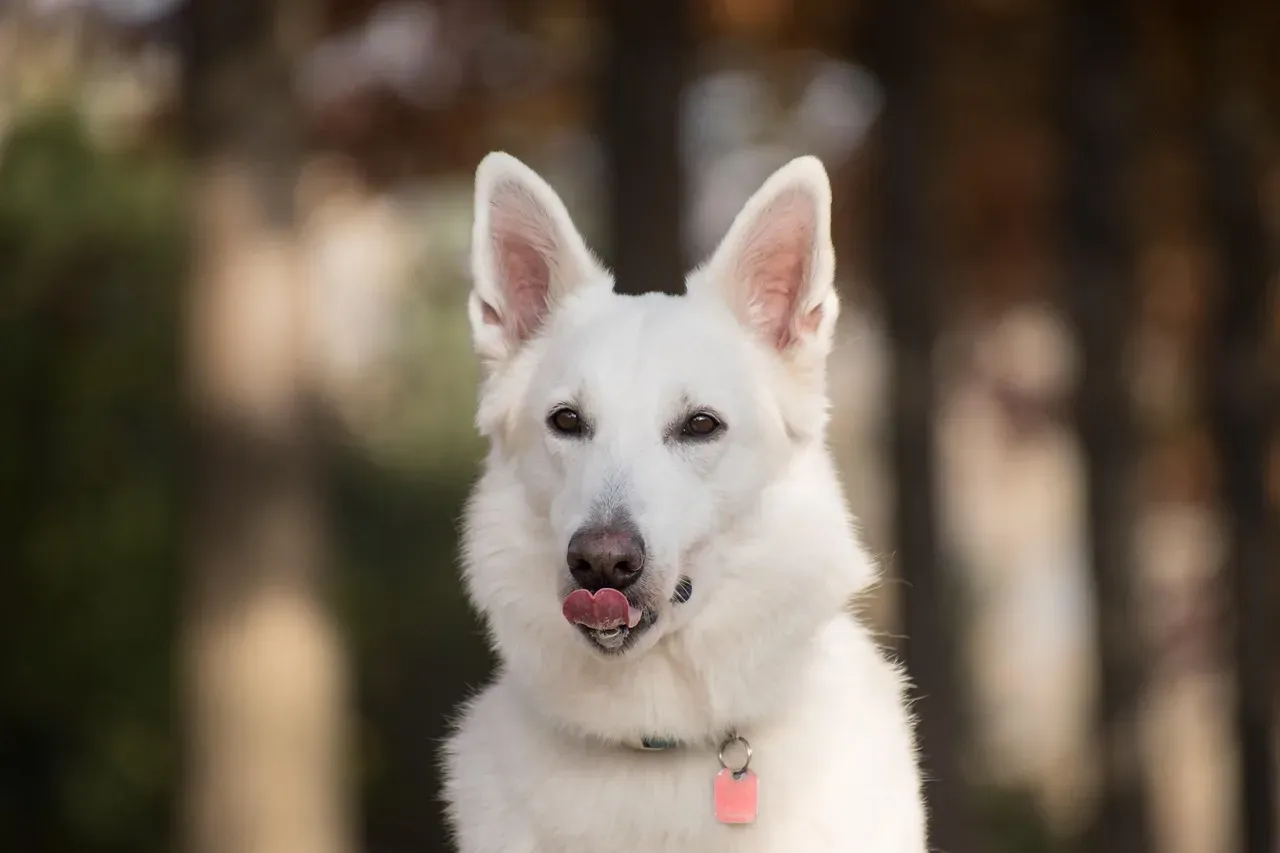
Licking around the belly, groin, rear, or tail base can be easy to dismiss as “gross but normal,” yet these areas are major hotspots for problems. Dogs often lick their rear or tail area if they have anal gland issues, parasites, skin infections, or irritation from diarrhea. Similarly, repeated licking of the lower belly or groin can be linked to urinary tract issues, skin fold irritation, or even pain radiating from the hips or spine.
What makes this tricky is that dogs are experts at being subtle. You might not see them limp or whine, but the relentless licking is their way of coping with discomfort they can’t explain. If you notice a pattern like scooting, strong odor, redness, or your dog suddenly guarding that area when you touch it, take that seriously. It’s one of those moments where “it’s probably nothing” is not worth the risk, because these issues usually do not go away on their own and can escalate if ignored.
Full-Body or Air Licking: Anxiety, Compulsive Behavior, and Emotional Stress
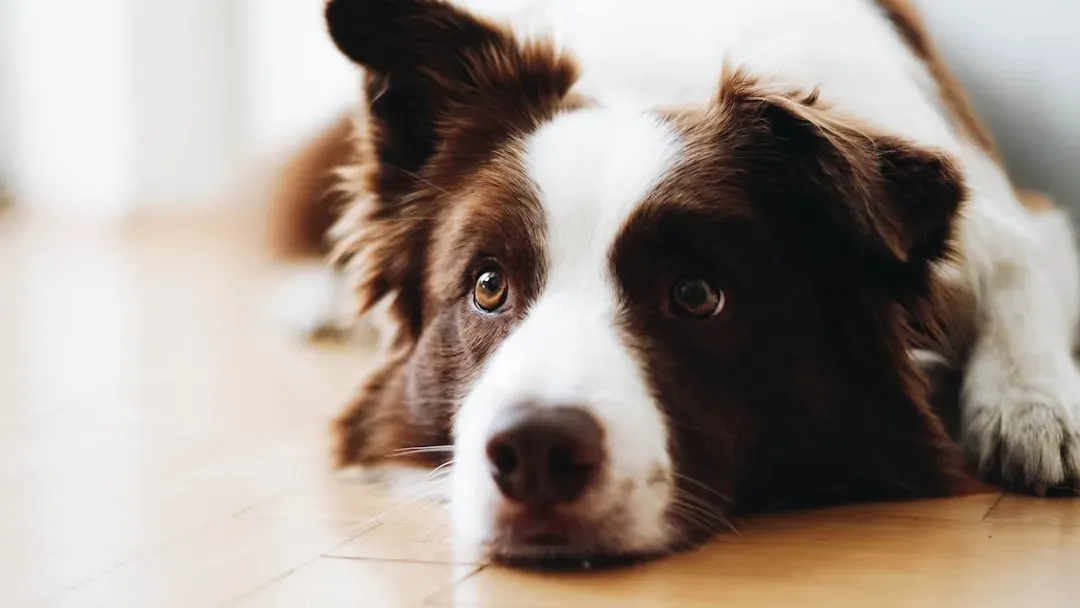
Not all problem licking is about skin or pain; sometimes it is about what’s going on inside your dog’s mind. Dogs under chronic stress or anxiety may lick their paws, legs, or body as a way to self-soothe, much like a person pacing or fidgeting. Some dogs even lick the air, furniture, blankets, or their humans obsessively, especially during storms, fireworks, separations, or after a big change in the household.
Watch what happens before and after the licking starts. If your dog seems restless, clingy, startled by sounds, or overly alert, and then drops into a licking “zone,” anxiety or compulsive behavior is a strong possibility. I’ve seen this firsthand in a dog who started air-licking and licking the couch corners every time someone grabbed keys or put on shoes. Once the family addressed the underlying separation anxiety, the licking slowly decreased. Emotional health and physical behavior are deeply connected in dogs, and licking is often where those worlds visibly collide.
Subtle Clues It’s Time for the Vet: Patterns, Timing, and Your Own Gut Feeling
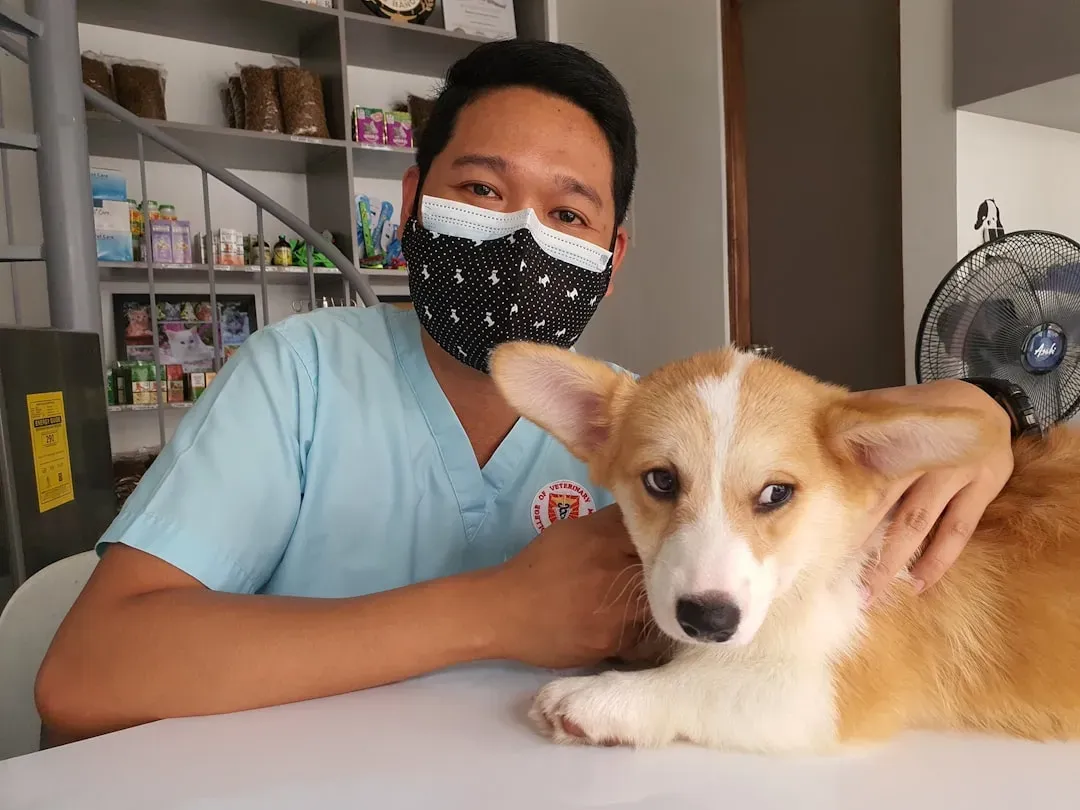
The best way to catch a problem early is to think like a quiet detective. Pay attention to when the licking happens: only at night, only after walks, suddenly after a food change, or only in certain seasons. Notice if your dog is also scratching more, shaking their head, scooting, drinking more water, eating less, or seeming more tired or grumpy than usual. Licking rarely shows up alone when something is really wrong; it often travels with other small clues.
If you’re asking yourself whether you are overreacting, that in itself is important information. You know your dog’s normal better than anyone. If the behavior is new, more intense, or just feels off, it’s almost always worth at least a call to your vet. They may suggest monitoring for a few days, trying simple changes like paw rinses or diet tweaks, or bringing your dog in for an exam. Catching things early usually means fewer meds, less discomfort, and a faster return to that happy, relaxed version of your dog you love.
What You Can Do at Home (And What You Absolutely Should Not Do)
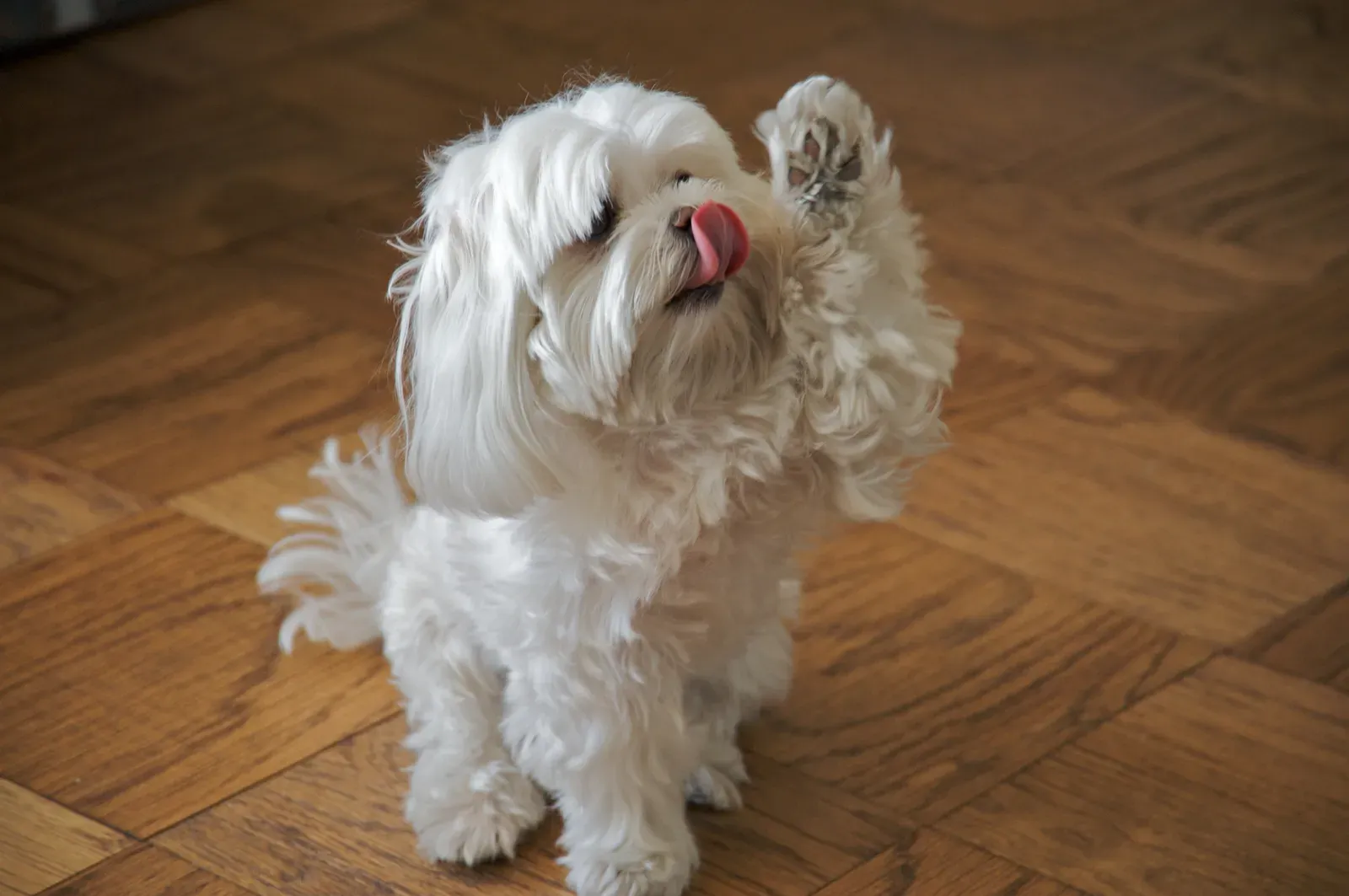
While your vet is the ultimate partner here, there are small, practical things you can do at home to support your dog and get clearer answers. Regularly check the areas your dog licks: spread the fur gently, look for redness, bumps, cuts, or moisture. Rinse paws with plain water after walks if you suspect environmental irritants, dry them well, and keep bedding clean. You can also keep a simple log for a week – when they lick, where, and what was happening before – to bring with you to the vet. That kind of pattern-tracking can be more helpful than any single photo or quick description.
What you should not do is cover the area with random creams, essential oils, or human medications without guidance. Some substances that seem harmless to us can be toxic or irritating when licked. Also, simply putting a cone on your dog to block licking without addressing the underlying cause is like putting tape over a car’s “check engine” light. Short-term protection can be useful, but the goal is always to find out why your dog needed to lick so much in the first place and fix that root issue.
Conclusion: Licking Is Your Dog’s Language – Are You Listening?
Excessive licking is not just a quirky habit to shrug off; it is one of the clearest ways your dog communicates that something is off, whether that is itchy skin, joint pain, allergies, or a mind that won’t settle down. Normal grooming is brief, flexible, and easy to interrupt. Once it morphs into focused, repetitive, or almost trance-like behavior, your dog is no longer just “being a dog” – they are asking for help in the only way they know how.
My personal take is simple and a bit blunt: when in doubt, believe your dog. It is far better to book a vet visit and be told it is nothing serious than to wait and find out you missed early signs of a painful problem. You share a home, a life, maybe even your pillow with this animal; learning to read their licking as a form of language is part of that deal. The next time you hear that familiar lick-lick-lick, will you brush it off – or will you pause and ask what your dog might be trying to tell you?


