
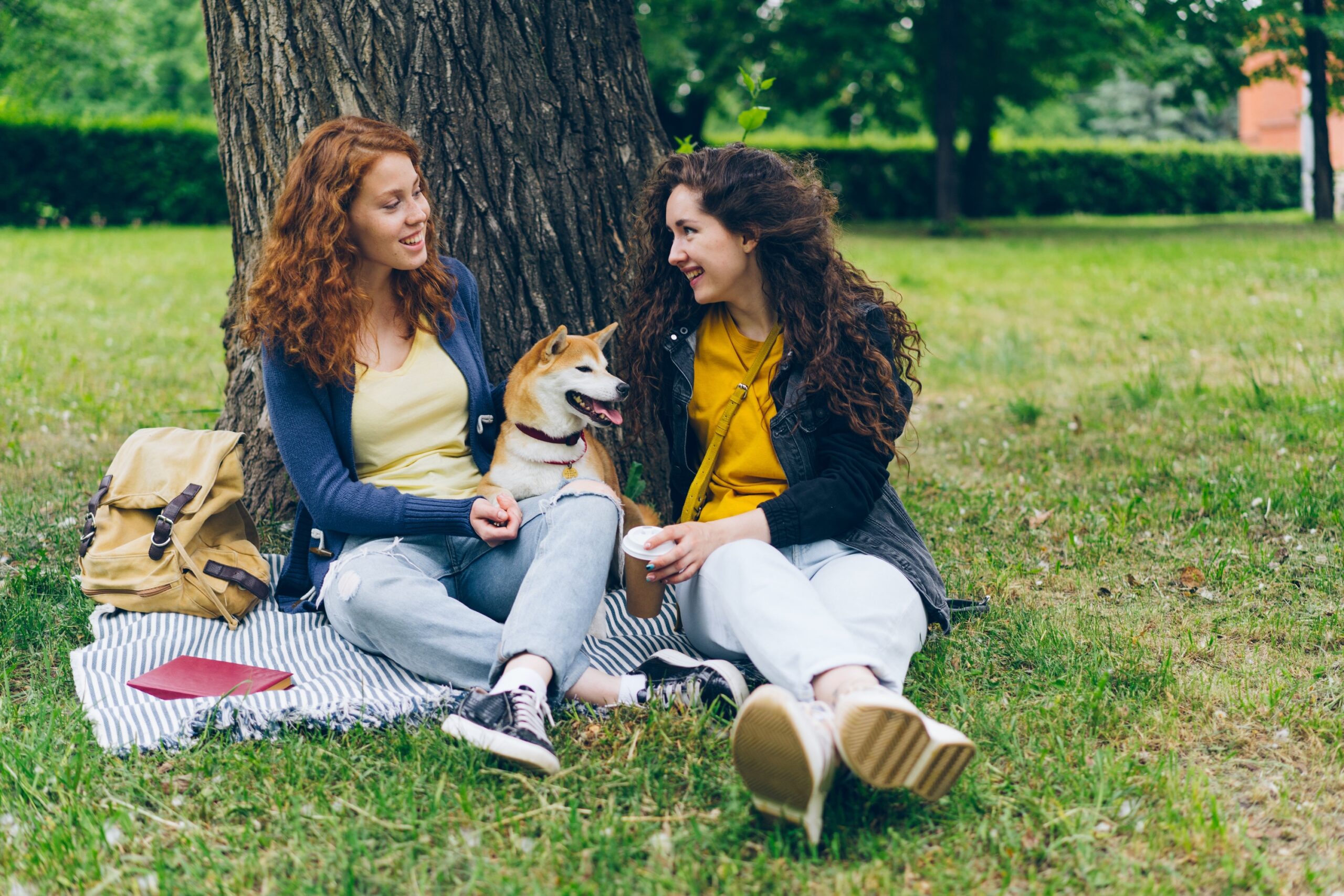
Living alone can feel wonderfully peaceful one minute and brutally quiet the next. The silence after you close your front door can either feel like freedom or like a weight pressing down on your chest. That emotional swing is exactly where dogs quietly step in and change everything.
When you share your home with a dog, you are no longer just a person who lives alone. You become a team of two. Daily routines turn into shared rituals; small moments suddenly have witnesses. Below are 12 deep emotional needs that dogs fill when you’re on your own, explained in a way that’s both heartfelt and grounded in what we actually know about human–animal bonds.
1. The Need To Feel Truly Seen And Noticed
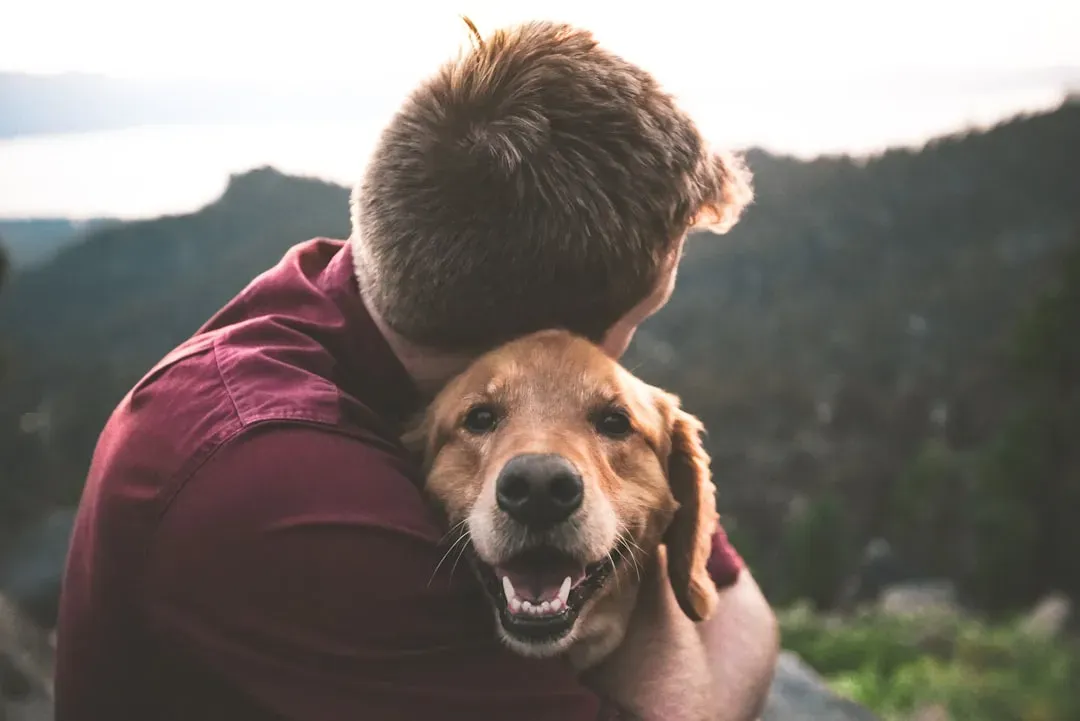
One of the hardest parts of living alone is the sense that no one really knows what your day felt like. A dog changes that, because from the moment you wake up, there’s a pair of eyes tracking you, watching your mood, reading your body language. Many dogs get visibly excited if you stir in bed, tilt your head toward the door, or even just sigh after a long call.
Dogs are unusually tuned in to human cues. Studies show they can read our facial expressions, interpret our tone of voice, and even distinguish between happy and angry faces. You feel seen not because your dog understands every detail of your job or your history, but because they respond to the emotional “weather” around you. On days when no one texts back, that deep sigh in the kitchen is still noticed by someone.
2. The Need For Uncomplicated, Non-Judgmental Love

Human relationships can be beautiful, but they’re also layered with expectations, misunderstandings, and old baggage. Dogs, by comparison, offer something that feels shockingly pure: they don’t care what you weigh, how much you earn, or whether you answered that email on time. They care if you come home, if you’re safe, and if you’re there with them.
Psychologists sometimes describe the dog–human bond as a form of attachment similar to that between a child and a caregiver: secure, soothing, and predictable when it goes well. You can talk to your dog about things you wouldn’t tell anyone else, precisely because you know they will not judge or gossip. That safe emotional space can be a lifeline when you’re going through breakups, job stress, or family drama on your own.
3. The Need For Physical Touch And Comfort

Touch is a basic human need, but when you live alone, it can quietly disappear from your day-to-day life. A dog brings it back in the most natural way: warm fur under your hand, a head on your knee, a sleeping body pressed against your leg on the couch. Those small contacts are not just cute; they’re biologically meaningful.
Research suggests that gentle petting can lower heart rate and blood pressure in people, and can increase levels of oxytocin, a hormone linked with bonding and stress reduction. The routine of cuddling your dog before bed or scratching their chest while you drink coffee turns touch into a daily calming ritual. You might not think “I need physical affection” in words, but your nervous system feels the difference.
4. The Need For Structure, Purpose, And Daily Rhythm
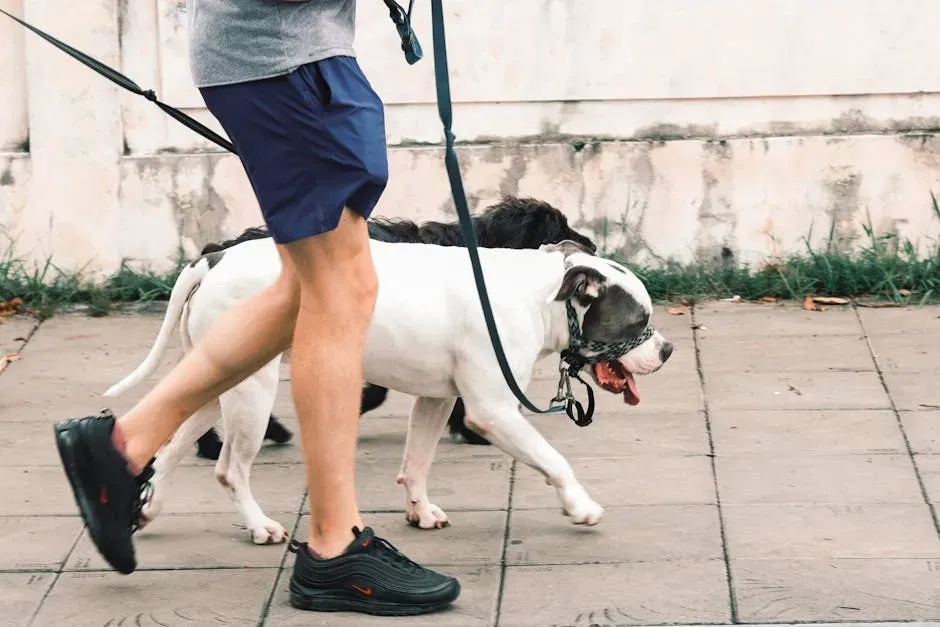
When no one else depends on you, it’s easy for your schedule to slide: you eat at odd times, work too late, sleep too little, and drift. A dog anchors your day with needs that cannot be ignored. They have to be fed, walked, let out, engaged. You become the person who makes those things happen, which quietly gives your day a skeleton to hang everything else on.
There is solid evidence that routines support mental health, especially for people struggling with low mood or anxiety. Dogs enforce this in the softest way possible. Even on your worst days, you get up because a living creature needs you, and that single act can keep you tethered to the world outside your own head. It’s not just responsibility; it’s purpose that arrives on four paws.
5. The Need To Feel Safe And Protected At Home
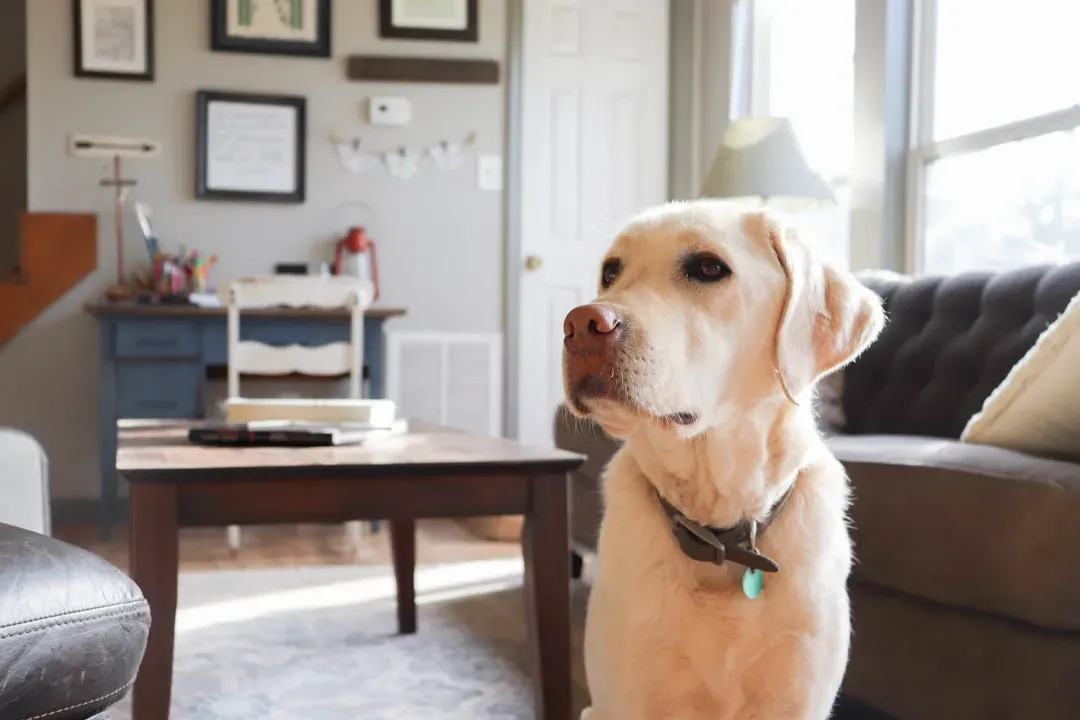
The sounds of an empty apartment at night can feel louder when you live alone. A creak in the hallway, a car door slamming outside, footsteps in the stairwell – your brain can spin stories fast. Having a dog, especially one that barks at unusual noises, can dramatically change how secure you feel in your own space.
Even small dogs tend to alert to unfamiliar sounds or visitors. That early-warning system creates a sense of shared vigilance: you are not the only one listening. Many people report that they sleep better and feel safer walking from the car to their front door when they know there is a dog waiting at home. The feeling of being protected might not be perfect logic, but it’s a powerful emotional buffer against fear and nighttime anxiety.
6. The Need For Social Connection And Belonging
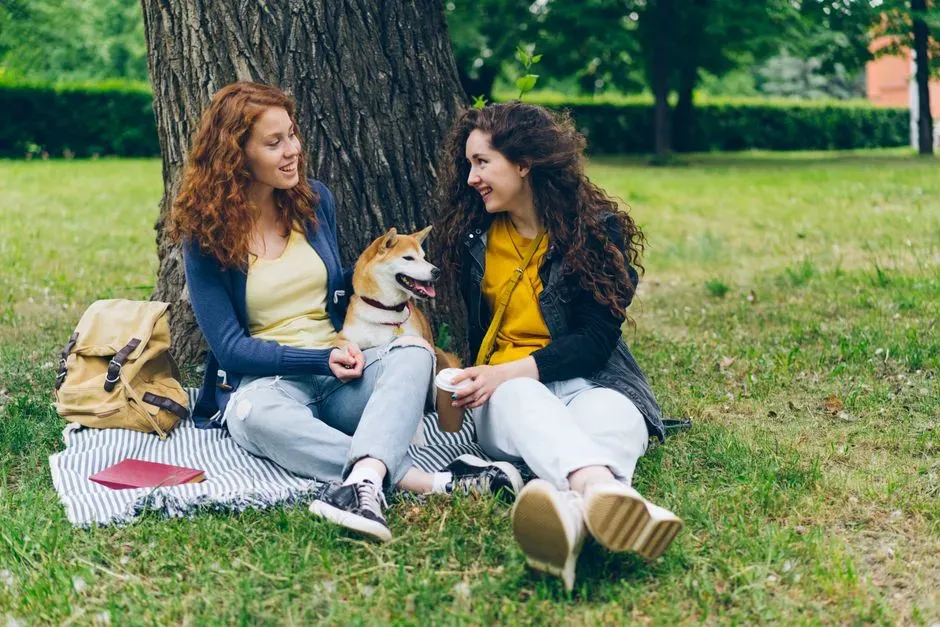
Loneliness is not just about being physically alone; it’s about feeling cut off from meaningful connection. Dogs help bridge that gap in two ways. First, they themselves are companions, reacting to your voice, joining you from room to room, greeting you when you return, making you feel that you are part of a small “pack.”
Second, dogs act as social magnets in the human world. People are more likely to smile, stop, and chat when you are out walking with a dog. Dog parks, training classes, and even your building’s elevator rides become tiny social touchpoints. Over time, that can build into real friendships or at least a sense of being woven into the social fabric of your neighborhood, instead of drifting through it alone.
7. The Need To Express Care, Nurturing, And Generosity

We often talk about what dogs give us, but an overlooked emotional need is the desire to give care. When you live alone, you may not have children, a partner, or family nearby to pour that energy into. A dog invites the nurturing side of you out into the open: you plan meals, choose toys, learn training methods, and pay attention to their comfort.
Being needed in a healthy way can be deeply stabilizing. There is evidence that prosocial behavior – doing kind things for others – boosts well-being and can reduce feelings of isolation. Caring for your dog’s health, grooming, enrichment, and happiness gives that instinct somewhere to land. It reminds you that you can make another living being’s world better every single day.
8. The Need For Joy, Play, And Lightness

Adult life can become painfully serious, especially when you are carrying all the responsibilities of home, work, and finances alone. Dogs are constantly pulling you back toward play. They wiggle with joy at a squeaky toy, spin in circles for a walk, dive into blankets like it’s the best game ever. That silliness is not trivial; it’s emotional medicine.
Play is linked with creativity, stress relief, and resilience. When your dog drops a ball at your feet or bows in that goofy play pose, they are offering you a tiny vacation from your own thoughts. Laughing at your dog’s antics – the zoomies after a bath, the dramatic flop on the bed – breaks up the heaviness of the day. You might not schedule “joy” on your calendar, but your dog insists on it anyway.
9. The Need For Emotional Regulation And Stress Relief

When you come home after a brutal day, your emotional state can swing from numb to overwhelmed. Dogs help regulate that swing in a surprisingly sophisticated way. They respond to your tone and posture, often becoming calmer when you are upset, or more energetic when they sense you need distraction. Their steady presence acts almost like an external emotional anchor.
There is growing research showing that interacting with dogs can reduce perceived stress, ease feelings of loneliness, and even help with symptoms of anxiety in some people. Sitting with your dog and unconsciously matching your breathing to theirs, or absentmindedly stroking their ears while you replay a tough conversation, gives your nervous system something soothing to focus on. It is not a cure-all, but it can be a powerful part of your personal coping toolkit.
10. The Need To Be Accepted In Your Messiest Moments

When you live alone, you see yourself at your worst – ugly crying after a breakup, pacing at 2 a.m., eating cereal for dinner in yesterday’s clothes. Dogs witness all of that and respond in the same way they always do: they come closer. They do not flinch from your tears or punish you for bad days; many will literally lean against you when you are upset.
That kind of wordless acceptance can be disarming. You start to learn that you can be a bit broken, exhausted, or emotionally tangled and still be worthy of affection. Over time, your dog’s unwavering acceptance can soften the harsh voice in your own head. You look down at those trusting eyes and, even if only for a moment, you see yourself the way they seem to see you: as someone fundamentally good and worth staying close to.
11. The Need For Identity, Meaning, And A Sense Of “Home”
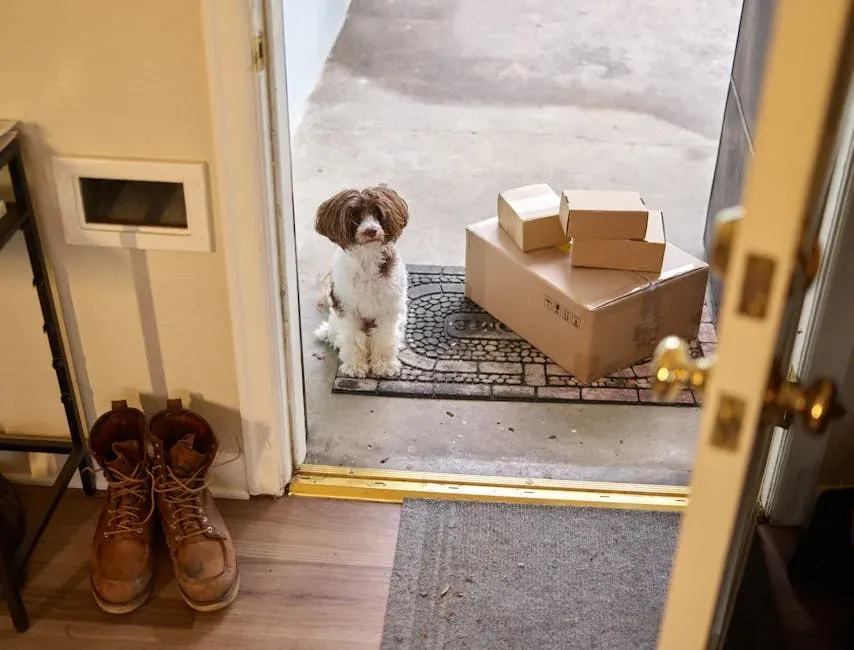
When you live alone, your identity can feel fluid. Are you the person at work, the friend in the group chat, the child in your family? A dog adds another, deeply grounding identity: you are their person. You become the center of their small universe, the one constant in their day, and that role can shape how you see yourself in powerful ways.
There is also the emotional meaning of the word “home.” An empty apartment is just a space; a place with a dog waiting at the door turns into something else. Your key in the lock is no longer the start of silence; it’s the trigger for a joyful reunion ritual you share every single day. That repetition builds a sense of continuity and belonging that goes beyond furniture or decor. Home becomes the place where this relationship lives.
12. The Need To Stay Connected To The World Beyond Your Thoughts
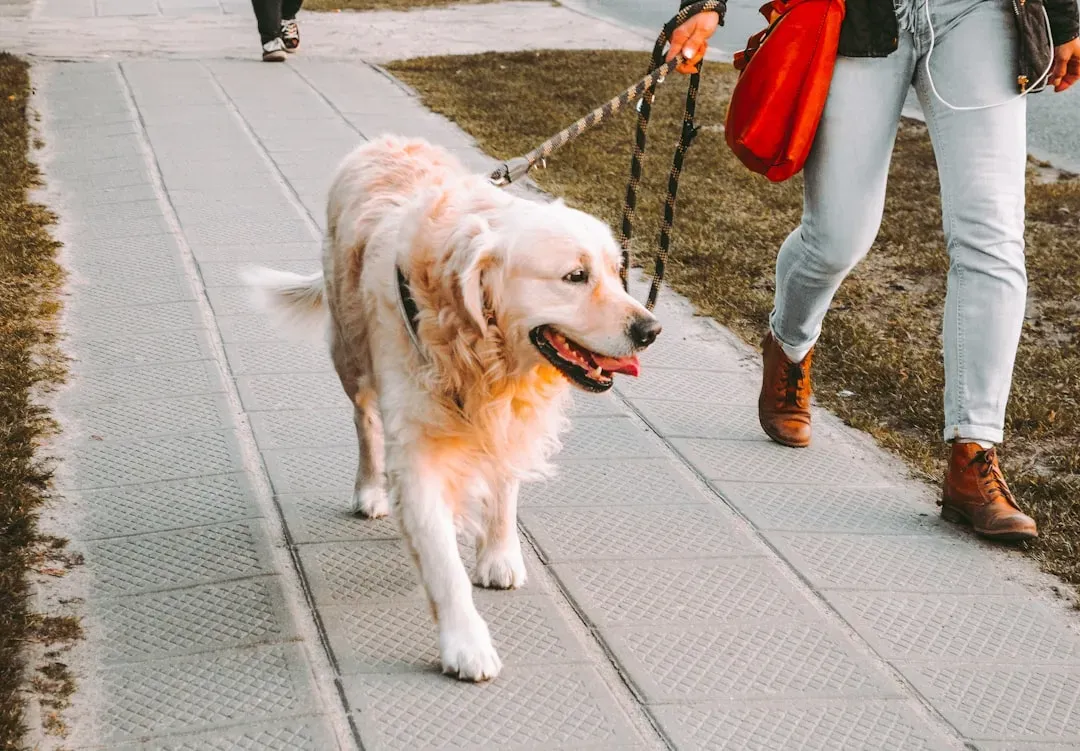
One of the quiet dangers of living alone is slipping too far into your own head. You can replay old arguments, worry about future disasters, or scroll endlessly just to numb out. Dogs pull you back into the present over and over again. They have needs that exist in real time: a walk in the rain, breakfast at 7 a.m., sniffing that one tree for much longer than seems reasonable.
It might sound simple, but being pulled outside, feeling the weather on your face, noticing your dog’s ears perk at a bird or their paws splash through puddles – all of that is grounding. It keeps you connected to the physical world and to the flow of daily life in your neighborhood. When your mind wants to spiral, your dog still needs to pee, and that mundane fact can be shockingly protective.
Conclusion: Dogs Don’t “Fix” Loneliness – But They Transform It
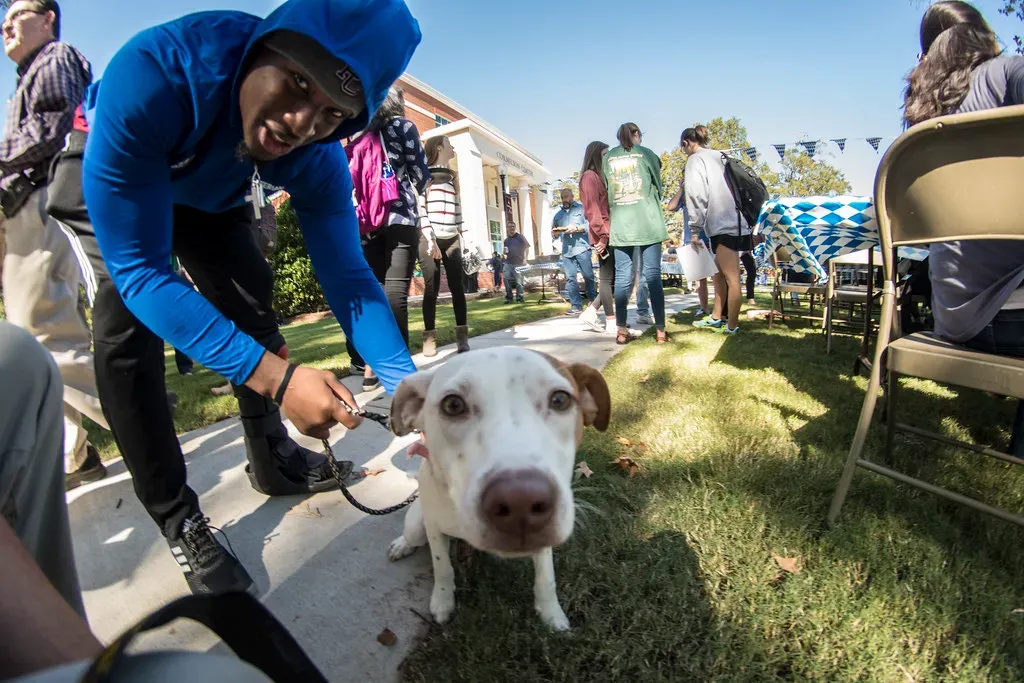
Living alone with a dog is not a magic cure for every emotional struggle, and it would be dishonest to pretend otherwise. There are costs, responsibilities, vet bills, and hard days. But emotionally, the difference between walking into an empty home and walking into a home where a dog races to greet you is enormous. It turns solitude into something warmer, more inhabited, more alive.
If you are considering getting a dog while living alone, the most honest opinion I can offer is this: a dog will not remove all your loneliness, but they will shape it into something gentler and more bearable. You will still have quiet nights and hard mornings, but you will not face them completely alone. In a world that can feel disconnected and rushed, is there anything more powerful than having one loyal, slightly ridiculous creature who is simply thrilled that you exist?


