
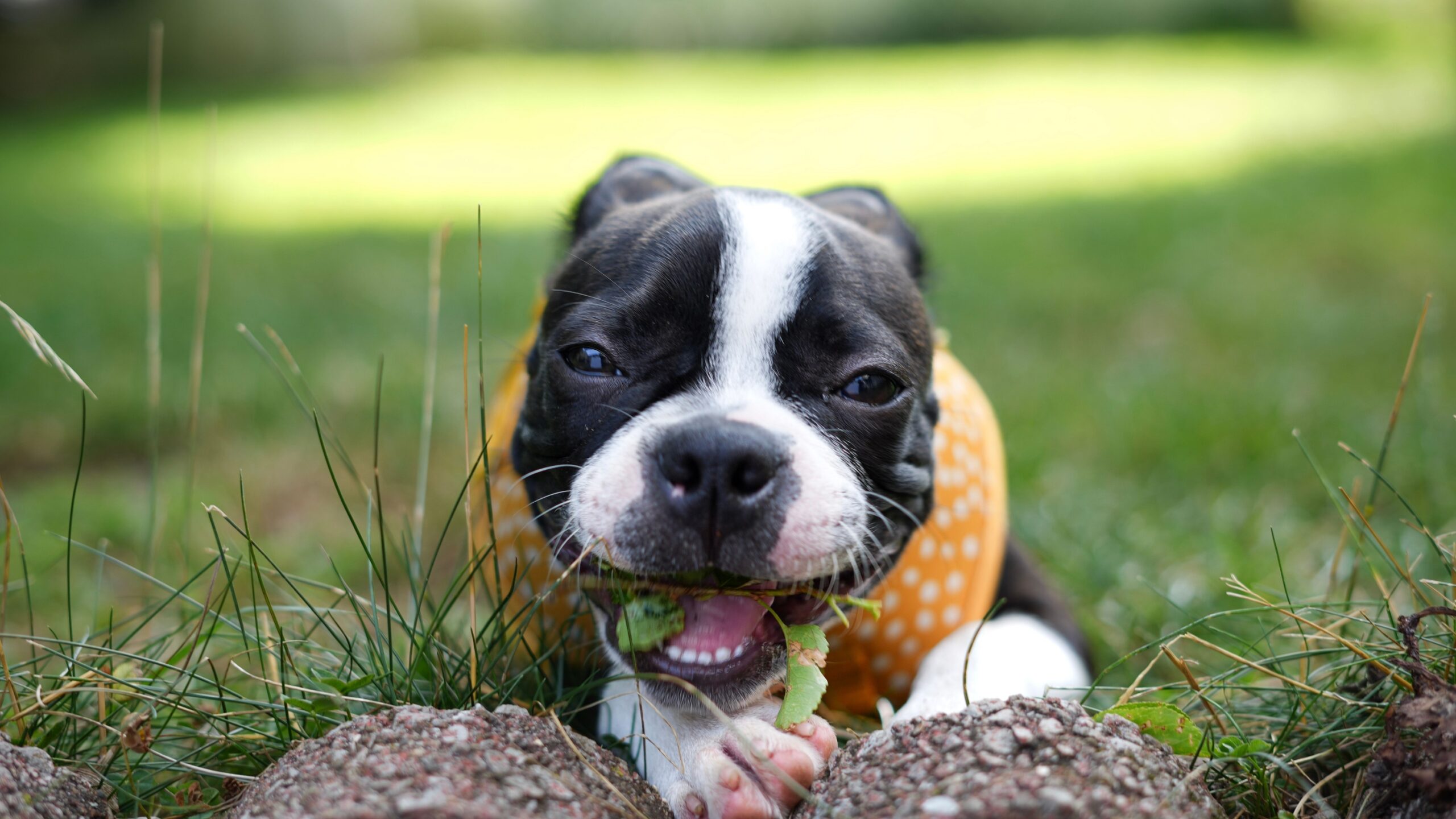
Most dog owners insist they “just know” when something’s wrong with their dog. Vets have heard that line so many times they don’t even bother arguing anymore – they just quietly check the gums, the gait, the eyes, and move on.
Here’s the part that stings a little: by the time a human notices something is “off,” a dog’s body has often been sending clear signals for weeks, sometimes months. Your vet reads those signals like a medical chart while you’re still just seeing “my dog being my dog.” From the color of their gums to the way they shift their weight standing still, here are 13 things your dog’s body confesses to the vet long before it ever tells you.
#13 – Their Coat Is Snitching On Their Organs

To most owners, a dull, flat coat just means “time for a bath” or “needs more fish oil.” To a vet, it can be the first whisper of liver trouble, thyroid disease, or chronic stress hiding underneath the fur.
A truly healthy coat is glossy without being greasy, and smooth without flaking or thinning out. When it suddenly looks dry, patchy, or just “different,” your vet isn’t thinking shampoo brand – they’re thinking hormones, nutrition, parasites, or something deeper.
- Sudden shedding “out of season” is a red flag vets take seriously.
- Symmetrical hair loss on both sides of the body often points to endocrine problems.
They’ll run their hands along the spine, behind the ears, and around the tail base, feeling for flea dirt, seborrhea, or skin infections that hint at something systemic. That “weird” coat change you brushed off for months is often the very first clue that something bigger was already brewing underneath.
#12 – Their Gums Reveal Secrets You Never See
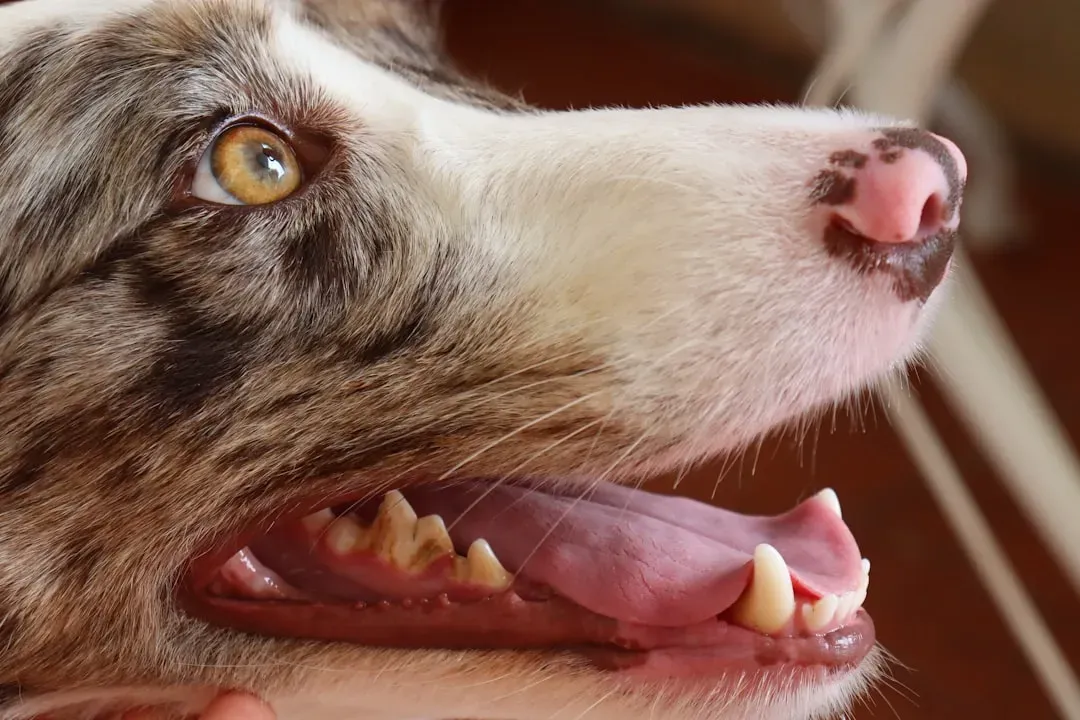
Most people only look at their dog’s mouth when the breath could knock them backward. Vets go straight for the gums, because gum color and moisture can quietly reveal shock, anemia, dehydration, and early heart disease.
Healthy gums are bubble-gum pink and slick to the touch. Pale gums can mean blood loss or anemia. Brick red can mean inflammation or overheating. Yellow can mean the liver is struggling. Lifting your dog’s lip is basically a mini life-or-death check most owners never realize they could be doing at home.
Quick Compare
- Pink and moist – normal, healthy circulation
- Pale or white – possible anemia or blood loss
- Yellow tinge – liver concern worth checking
- Brick red – inflammation or overheating
- Bluish or purple – emergency, low oxygen levels
Vets press a finger on the gum and watch how fast the color rushes back – what’s called capillary refill time. A healthy dog’s color should return in under two seconds. It’s one of the fastest ways to catch a circulation problem long before a dog ever collapses. You’re thinking “needs a dental cleaning.” Your vet is thinking, “Is this dog stable?”
#11 – Their Eyes Whisper About Pain And Pressure
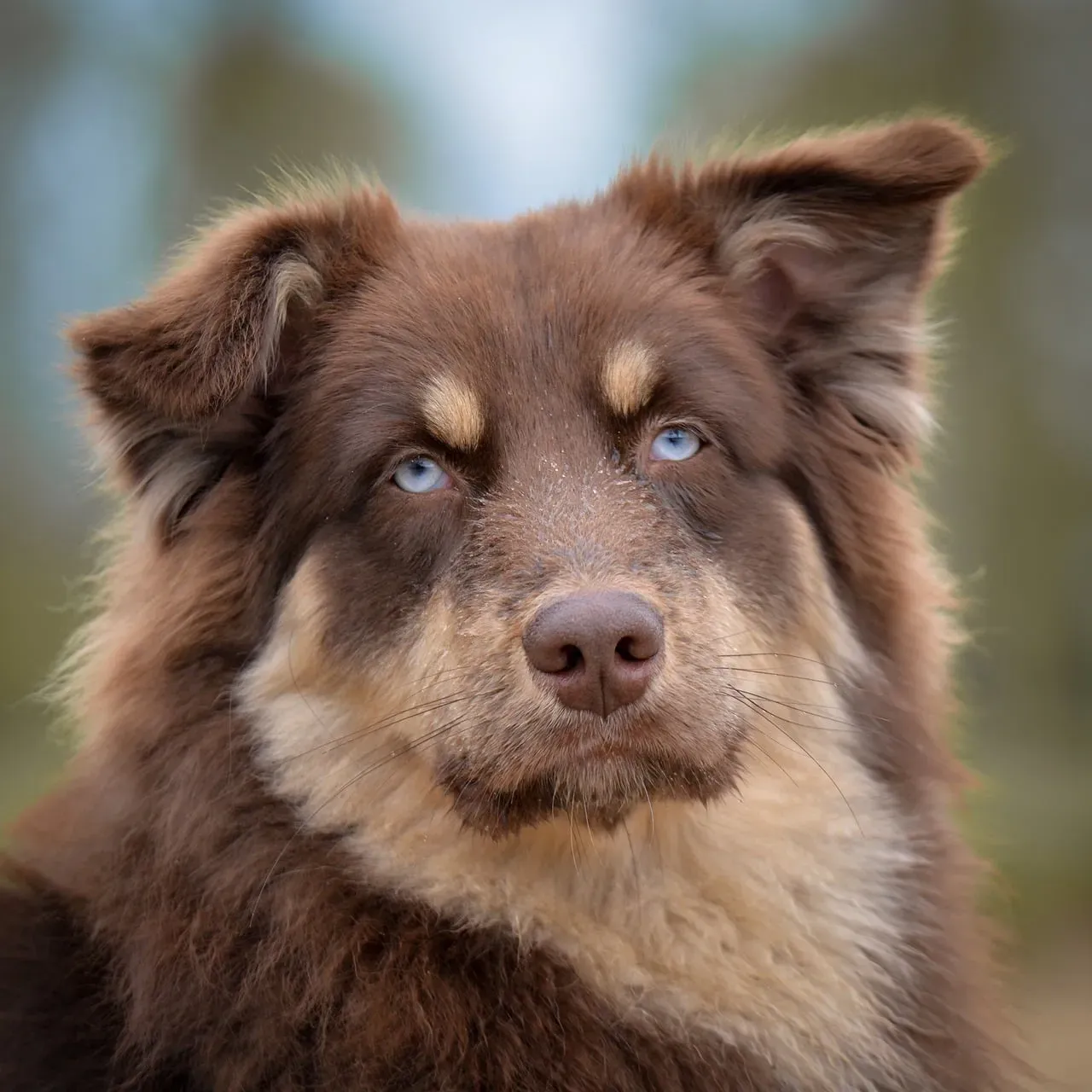
You see “cute puppy eyes.” Your vet sees pressure, pain, and age creeping in early. That faint cloudiness you assumed was just “getting older” can actually signal cataracts, high blood sugar, or lens changes tied to disease elsewhere in the body.
Redness in the whites of the eyes isn’t automatically allergies – it can mean elevated blood pressure, glaucoma risk, or an immune system already under attack. Vets also clock small details you’d never think to check: how wide the pupils are, how fast they react to light, whether one eye looks slightly different from the other.
Squinting, excessive blinking, or a suddenly “sunken” eye can mean serious pain, even while your dog is still eating and wagging his tail like nothing’s wrong. A lot of dogs suffer in total silence because owners chalk it up to “sleepy eyes today.” Your vet knows those eyes are already shouting for help.
#10 – Their Breath Can Predict Organ Trouble Years Early
Everyone jokes about “dog breath,” but vets take it dead serious. Different types of bad breath point toward very different problems, and most of them have nothing to do with what your dog ate for lunch.
A rotten, putrid smell usually means advanced dental disease – the kind that seeds bacteria straight into the bloodstream and slowly hammers the heart and kidneys over time. A sweet, fruity smell can point to uncontrolled diabetes. A sharp, ammonia-like odor raises concern for failing kidneys.
While you’re Googling “breath-freshening treats,” your vet is checking for thick tartar, bleeding gums, loose teeth, and ulcers, because oral bacteria almost never stay politely in the mouth. That smell you keep ignoring might be your dog’s body quietly announcing how long it’s been under attack.
#9 – Their Weight Quietly Tracks Hormones And Lifestyle
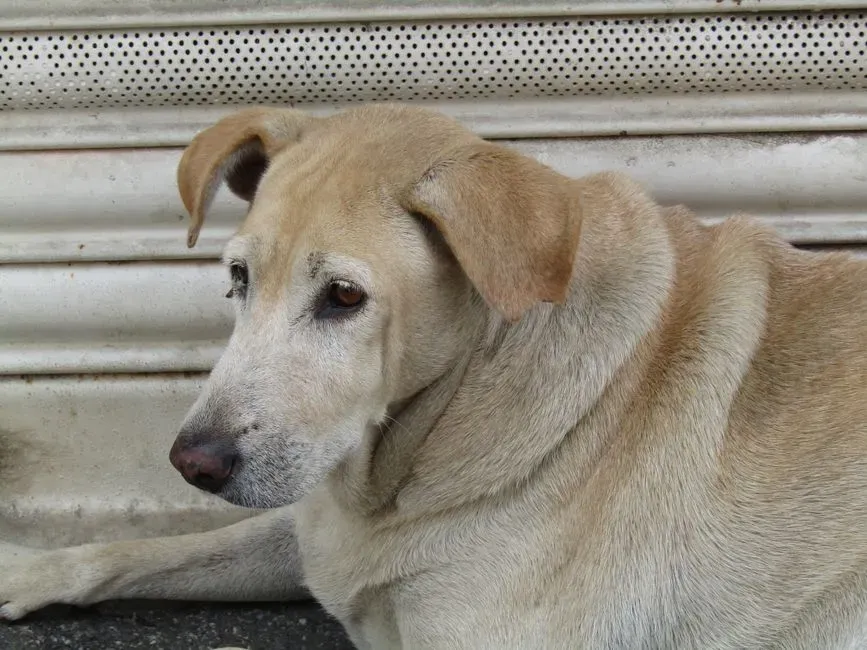
A lot of owners joke that their dog is “just fluffy.” Vets don’t laugh, because even a handful of extra pounds can dramatically raise the risk of arthritis, diabetes, and heart disease. The uncomfortable truth is that most owners genuinely can’t see their own dog’s weight creeping up – that’s why vets run their hands over the ribs and spine instead of trusting a glance.
Sudden weight loss is just as alarming in the other direction. A dog slowly shrinking with no diet change could be quietly fighting cancer, poor nutrient absorption, kidney disease, or a chronic infection. The scale becomes a silent witness – a few pounds up or down over a year can tell your vet a health story you never even noticed unfolding. You insist “he eats the same.” Your vet is seeing a pattern that points straight at hormones, joints, and lifespan.
#8 – Their Nails And Paws Tell On Hidden Inflammation
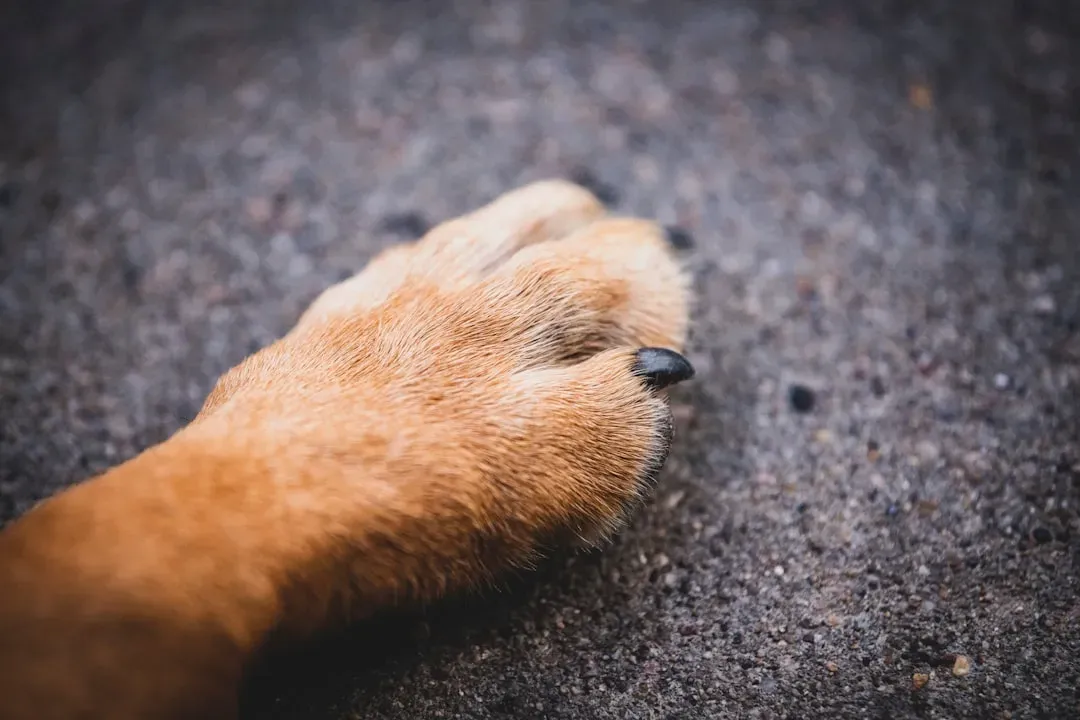
You probably only notice your dog’s nails when they’re clicking too loudly across the floor. Vets watch nail shape, thickness, and breakage as quiet clues to something bigger – brittle or misshapen nail beds can be early signs of autoimmune disease, chronic allergies, or fungal infections.
That constant paw licking you’ve written off as a “quirk” is often a dog trying to tell you something hurts.
- Red, stained fur between the toes is a major allergy red flag.
- Thickened, scaly pads can suggest an underlying endocrine issue.
Your vet will gently spread each toe, check between the pads, and press on nails you never look at closely. In some breeds, chronically irritated paws are the very first sign of food sensitivities or environmental triggers, long before any full-body symptoms show up. While you’re focused on a torn nail, your vet is wondering what your dog’s immune system has been quietly dealing with for months.
#7 – Their Stance And Walk Map Out Joint Damage
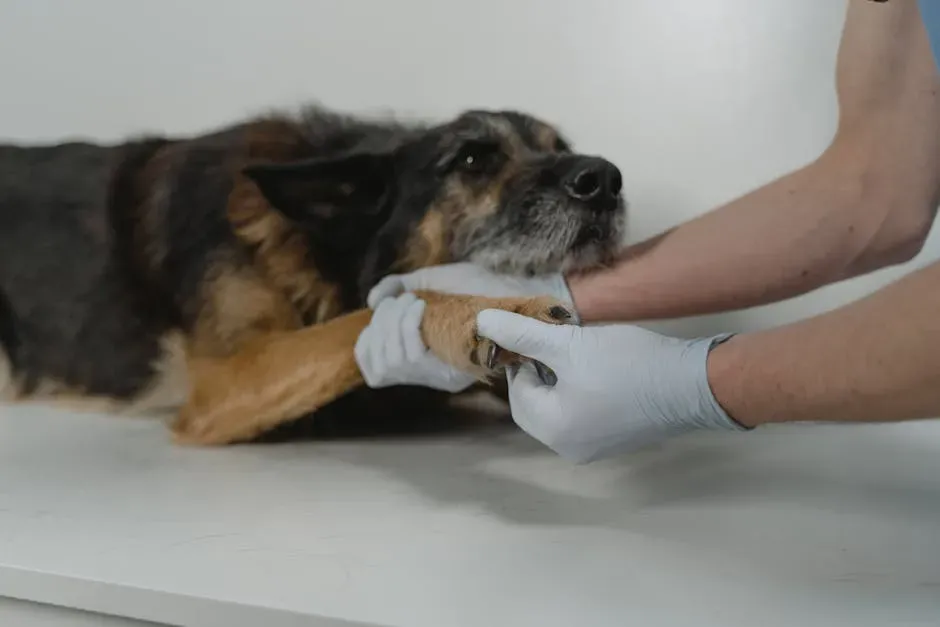
You might think your dog is just “slowing down with age.” Vets are watching how your dog stands, sits, and moves from the second they walk through the door. A slightly shortened stride, a bunny-hop run, or a new reluctance to jump can signal early arthritis, hip dysplasia, or spinal pain – long before an obvious limp ever shows up.
Many dogs compensate so well that their owners never notice anything unusual. Vets are watching how weight shifts across each leg, and whether your dog constantly repositions while just standing still. A dog that always sits with one leg stuck out, or struggles getting up off the floor, is sending a clear signal of joint discomfort.
Worth Knowing
- Hesitating before jumping into the car or onto the couch is often an early pain signal, not stubbornness.
- A “bunny hop” gait when running can point to hip dysplasia, especially in larger breeds.
- Struggling to rise after resting is one of the most classic early arthritis signs.
- Uneven nail wear can reveal which legs a dog quietly favors to avoid pain.
People love to say, “he’s fine once he warms up,” without realizing that “warming up” is literally the body fighting through stiffness and pain to get moving. By the time you finally spot a limp, your vet has often been quietly tracking these warning signs for years.
#6 – Their Belly Shape Can Hint At Silent Emergencies

Most owners only notice their dog’s belly when it looks “cute” or a little chubby. Vets pay close attention to abdominal shape, tightness, and how a dog reacts to gentle pressure – because a suddenly tight, drum-like belly paired with restlessness can signal life-threatening bloat in deep-chested breeds.
A pot-bellied look on a dog that isn’t old can hint at Cushing’s disease or fluid buildup. Even mild flinching when the belly is touched can point to pancreatitis, intestinal trouble, or organ pain hiding under the surface. You think, “he just doesn’t like his tummy touched.” Your vet knows that flinch can be the earliest sign of something serious cooking inside.
Sometimes it shows up as subtle muscle wasting along the back combined with slow abdominal weight loss – a pattern that screams chronic illness long before appetite or energy ever changes. Your dog’s belly shape is almost never “just how he’s built.”
#5 – Their Skin Is A Giant Allergy And Hormone Billboard
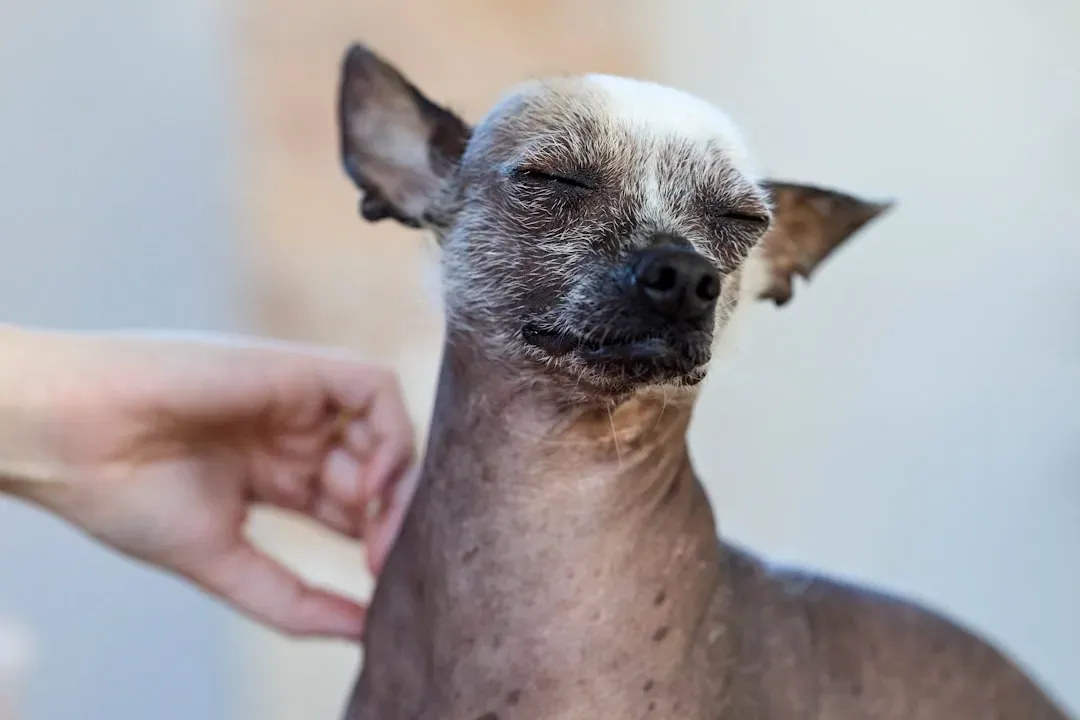
Flaky skin, random bumps, and constant scratching aren’t just “dog things” – your dog’s skin is one of the first places systemic problems show up, especially allergies, hormone disorders, and chronic infections. Vets read patterns most owners miss entirely: blackened skin on the belly, thickened neck folds, or hot spots that keep coming back all tell very specific stories.
- Itchy ears and paws often show up before whole-body scratching begins.
- Red rashes in armpits and groin signal irritation where moisture builds up.
Many owners chase shampoos and “hypoallergenic” treats while their vet is thinking about immune response, environment, and sometimes years of steroid overuse. A weird smell coming off the skin can mean yeast overgrowth or a bacterial infection your dog has been quietly fighting for months. The wild part is dogs will act completely normal while their skin is waging an actual war underneath.
#4 – Their Heart And Breathing Patterns Tell A Long Story
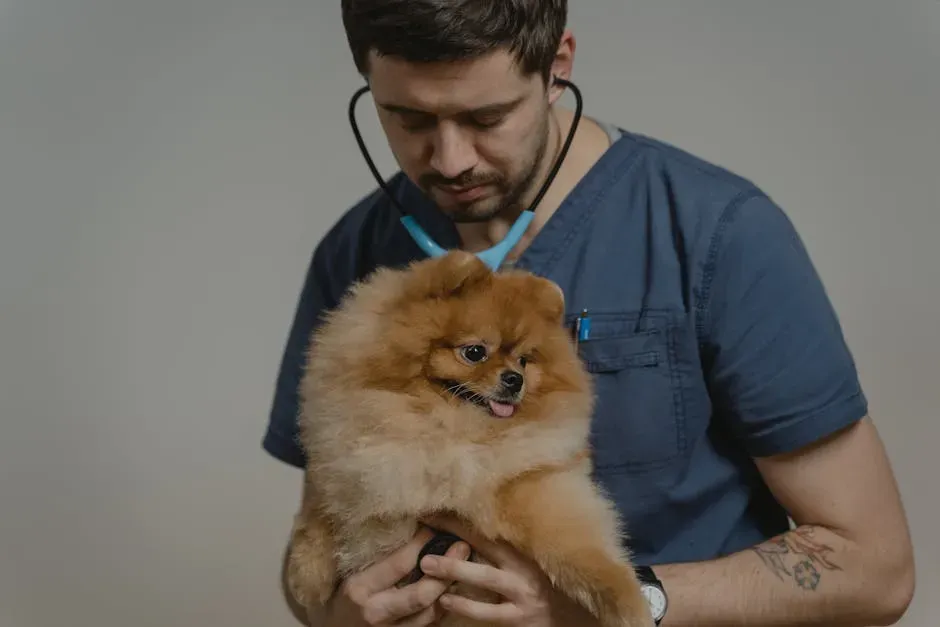
You hear panting. Your vet hears rhythm, rate, and effort. Subtle changes – a slightly faster resting breath, or soft wheezing – can hint at early heart disease, lung problems, or hidden pain long before anything looks dramatic.
Most people only notice trouble once a dog is visibly struggling. Vets are watching how fast a dog breathes while fully relaxed, and how quickly they recover after mild excitement. They’re also listening for faint murmurs or irregular rhythms most owners would never catch in a hundred years.
Fast Facts
- A normal resting respiratory rate for dogs is roughly 15 to 30 breaths per minute.
- A resting rate that creeps consistently above 30 can be an early red flag for heart trouble.
- Heart murmurs are graded on a scale of 1 to 6, with higher numbers signaling bigger concerns.
- A cough that worsens at night or after lying down often points to fluid buildup, not just “kennel cough.”
Plenty of dogs with early heart disease still eat, play, and act “totally fine” at home – and that’s exactly the danger. The body compensates right up until it suddenly can’t. An experienced vet can spot trouble months or even years before a collapse or a sudden cough scares you into an emergency visit. It feels like it “came out of nowhere.” Really, your dog’s heart had been whispering the whole time.
#3 – Their Behavior Changes Reveal Brain And Mood Imbalances
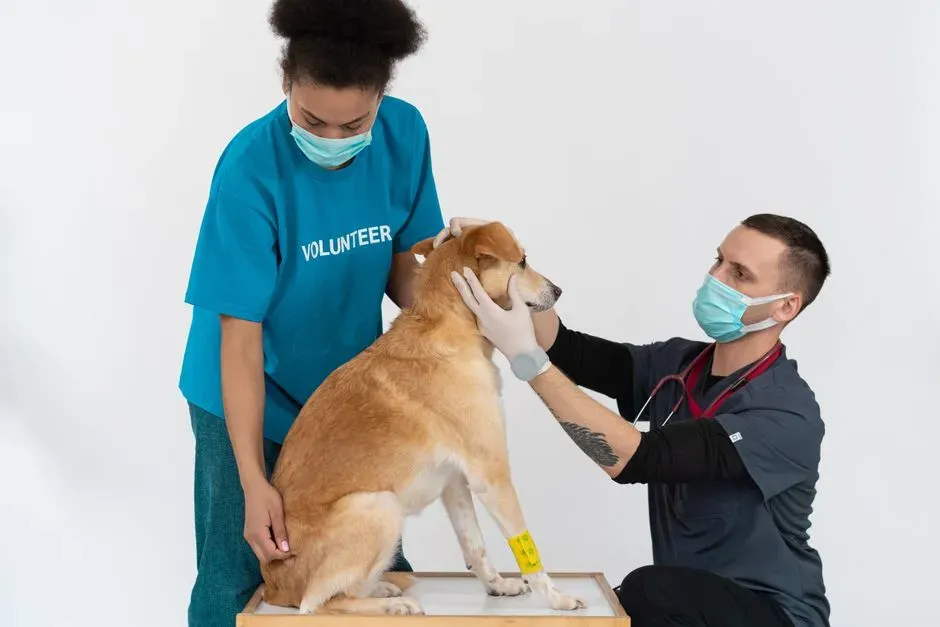
Owners love to say, “he’s just being stubborn,” but vets know personality shifts almost always have a medical root. A dog that suddenly turns clingy, withdrawn, snappy, or restless may be dealing with pain, cognitive decline, anxiety, or a hormonal shift you can’t see.
You see a “bad day.” Your vet sees a possible neurological or endocrine problem forming underneath it. A normally confident dog suddenly startled by every noise, or a housetrained dog forgetting where to go, can point to canine cognitive dysfunction, vision loss, or chronic pain hiding in plain sight.
Social media loves to slap a label like “reactive” or “anxious” on everything, but your vet is looking for the medical explanation first. Here’s the hard part: behavior is often the only language a dog has to tell you their brain or body feels wrong. Writing it off as “attitude” is one of the most common – and costly – mistakes owners make.
#2 – Their Bathroom Habits Track Their Internal Health
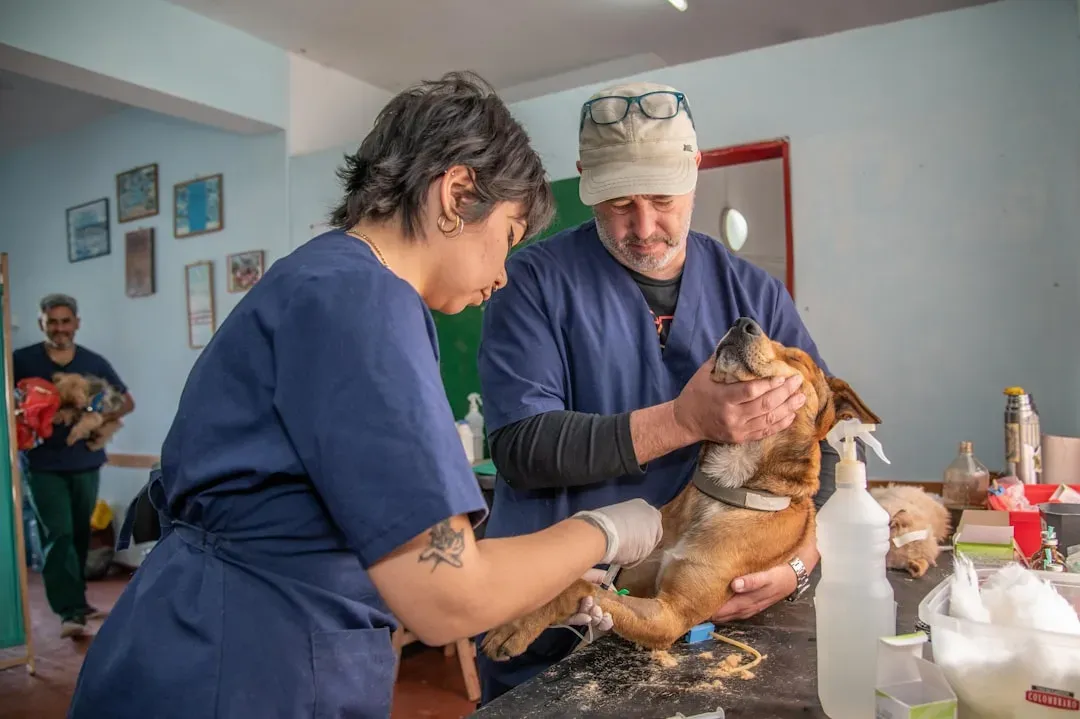
Most owners barely glance at what comes out of their dog. Vets practically want a photo album. Subtle changes in poop or pee – frequency, color, consistency – often reveal kidney issues, intestinal disease, parasites, or even early cancer long before anything else looks wrong.
Soft-serve stools that come and go, streaks of mucus or blood, or straining to go aren’t “normal dog stomach stuff” – they’re data points your vet is quietly collecting. Drinking more and peeing more can hint at diabetes or failing kidneys. Straining, frequent attempts, or only producing a few drops can signal a dangerous urinary blockage, especially in male dogs.
While you’re annoyed about another accident on the carpet, your vet is thinking about crystals, infections, and organ function. A litter box is for cats. For dogs, your backyard is basically a lab report you’ve been walking past without reading.
#1 – Their “Normal” Pain Face Is The Biggest Lie Of All
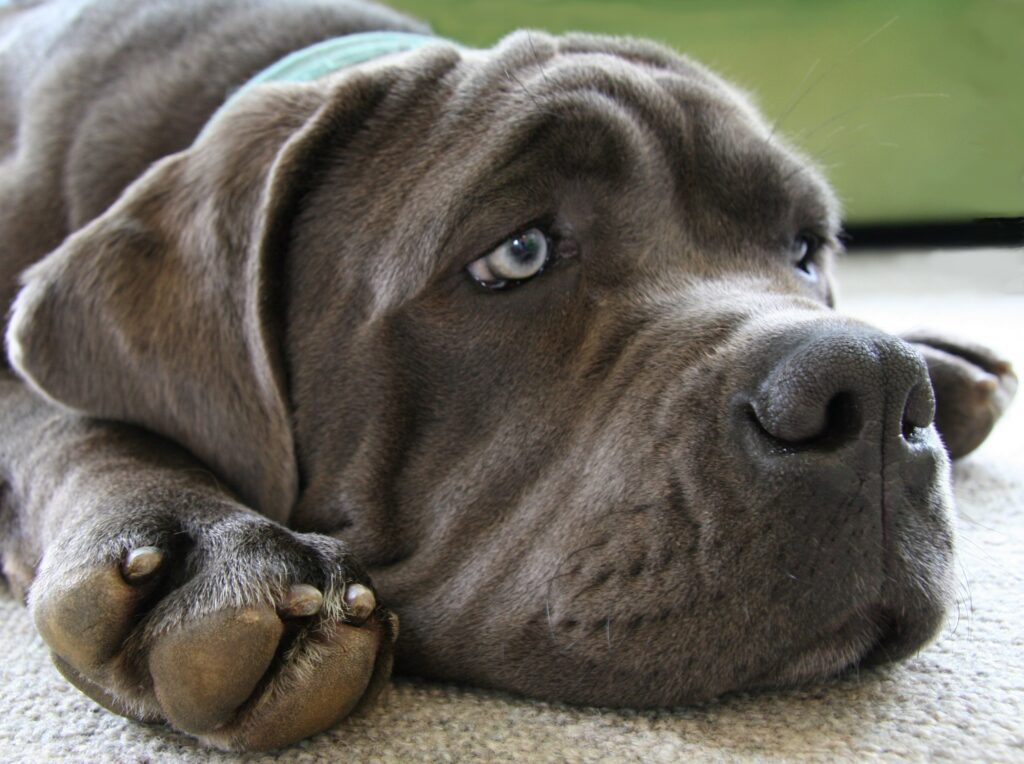
Here’s the brutal truth: dogs are world-class pain deniers. By the time a dog yelps, cries, or stops eating, they’re often already in severe distress. Vets are trained to catch the micro-expressions and tiny behaviors that scream “I hurt” long before an owner ever notices anything wrong.
A slightly tense jaw, ears pinned back just a touch, lip licking when touched, or a frozen, wide-eyed look can all mean real discomfort. Most people believe, “if he’s in pain, he’ll let me know.” That belief is dangerously wrong – dogs are wired to hide weakness, not announce it.
At A Glance
- A tense jaw, pinned-back ears, or a fixed stare are subtle but real pain signals.
- Hiding weakness is an instinct dogs inherited from their wild ancestors, not a personality trait.
- Appetite loss and refusing to play are often late-stage signs of pain, not early ones.
- Restlessness or withdrawal usually shows up long before a dog ever vocalizes discomfort.
They’ll still chase a ball on a torn ligament. They’ll still wag their tail through a raging tooth abscess. Vets read the truth in how a dog shifts weight, avoids certain movements, or suddenly refuses stairs. The calm, stoic dog you brag about at the dog park might actually be the one suffering the most silently – and that gap, right there, is the single biggest thing owners get wrong.
The Bottom Line
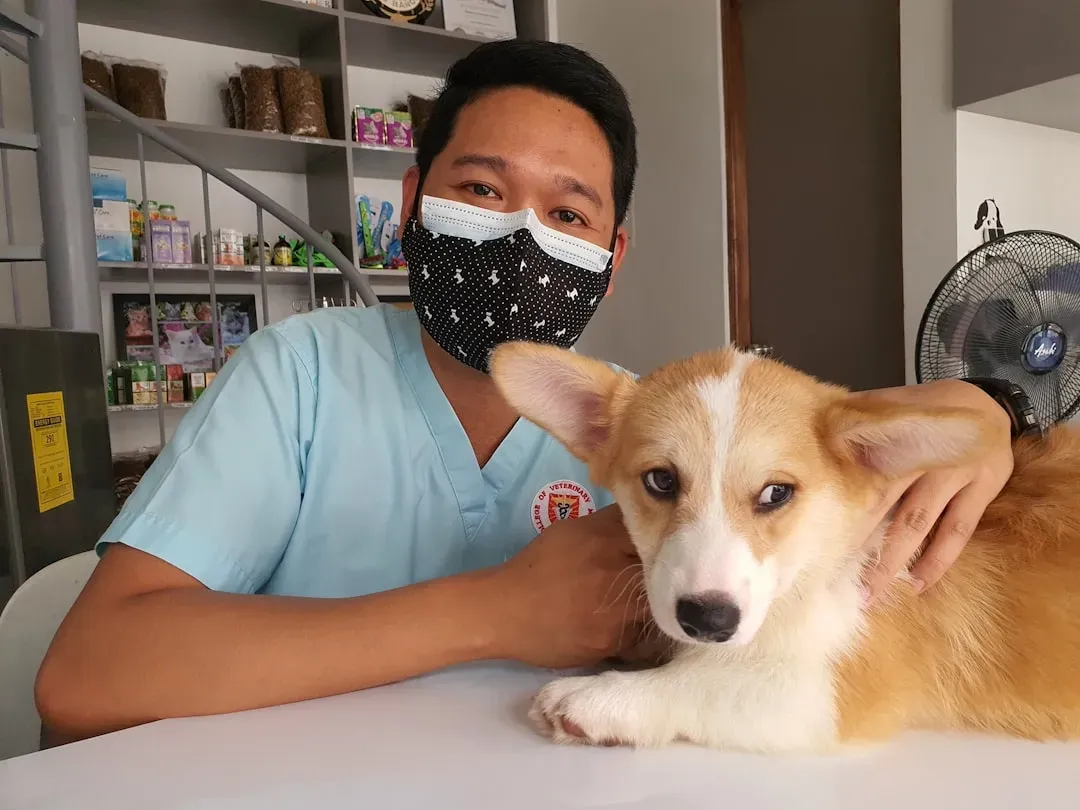
Your dog’s body never stops talking – even when you’re convinced everything is “totally fine.” Vets aren’t magicians. They’re just trained to read the dozens of quiet clues your dog’s coat, gums, eyes, paws, weight, stance, belly, skin, heart, behavior, and bathroom habits are broadcasting every single day.
Here’s my honest take: most “sudden” emergencies were never actually sudden. They were slow, quiet, and completely visible to anyone trained to look – which is exactly why skipping checkups because your dog “seems fine” is one of the riskiest habits a loving owner can fall into.
If anything on this list made you think, “wait… my dog does that,” take it as the sign it actually is. Early detection isn’t about squeezing out a few extra months. It’s about giving your dog a better, more comfortable life while there’s still time to change the outcome. So which of these thirteen signs have you been quietly ignoring – and are you finally ready to admit your vet probably already knows?


