
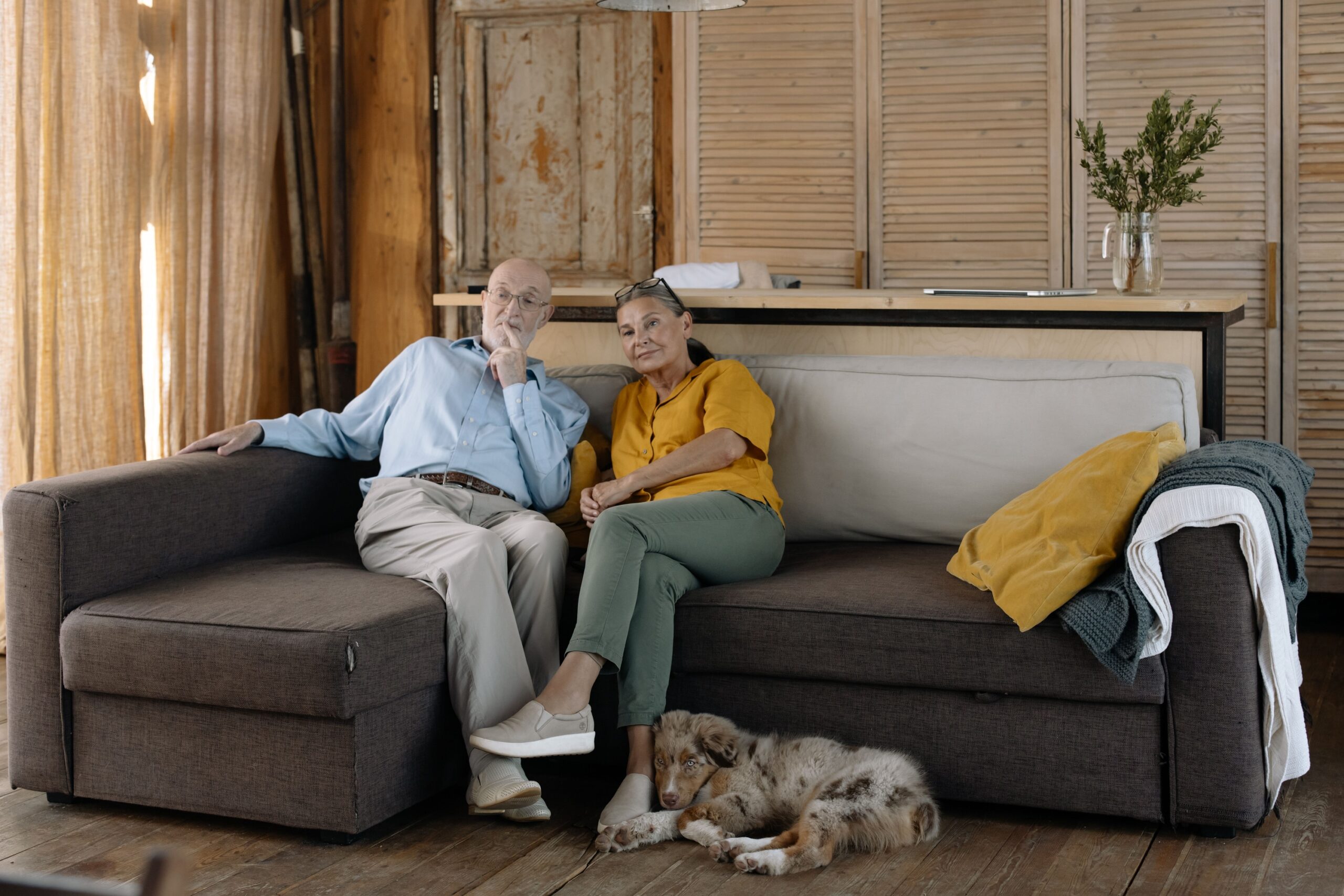
Everyone talks about the “golden years” like they’re all sunbeams and slow walks. Nobody mentions that the love doesn’t shrink, but the bill does the opposite – it quietly explodes behind the scenes.
Owners go in thinking “we’ll just slow down a bit” and come out the other side blindsided by vet bills, ruined sleep, and grief they never budgeted for. It’s not that senior dogs aren’t worth every bit of it. It’s that nobody warns you what “worth it” actually costs until you’re already too deep in to turn back. Here’s what long-time owners and vets don’t say out loud until it’s too late.
#1 – The Vet Bill Spike You Never See Coming
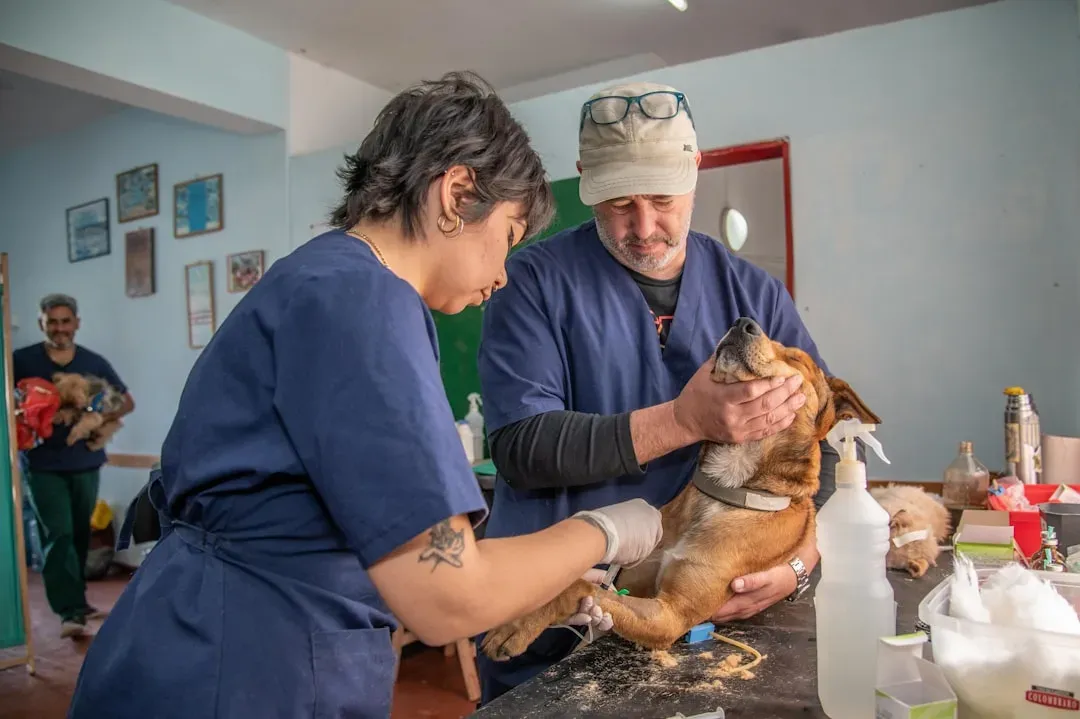
Everyone knows older dogs “need more care,” but almost nobody realizes how fast it snowballs. One year you’re paying $60 for an annual checkup. The next, you’re staring down bloodwork, X-rays, ultrasounds, and medications that repeat every few months instead of once a year – before you’ve even mentioned a cardiologist or neurologist.
The real shock isn’t one giant emergency bill. It’s death by a thousand follow-ups: $200 here for labs, $150 there for a recheck, until you’re budgeting for your dog like you would a used car payment. Most owners quietly swipe the card and never tell anyone the real total, admitting – only to themselves – that they’d have planned differently if someone had just been honest sooner.
Fast Facts
- Annual checkups often start around $60 for a healthy adult dog
- Senior bloodwork and diagnostic rechecks can run $150-$200 per visit
- Specialist referrals like cardiology or neurology add costs beyond routine care
- Many senior dogs need labs and rechecks several times a year instead of once
#2 – The Sleep You Lose (For Years, Not Weeks)

Everyone braces for rough puppy nights. Nobody warns you about senior nights that last for years. Anxiety, pain, cognitive decline, and bathroom trouble turn quiet houses into 2 a.m., 4 a.m., and 5:30 a.m. wake-up calls – like caring for an elderly relative and a newborn at the same time.
You start sleeping with one ear open, listening for paws on the floor or a thump that might mean they slipped. Owners quietly migrate to the couch, sleep on the floor beside the dog, or set alarms for nighttime meds. Chronic sleep loss turns even the kindest person short-tempered and raw, and most feel too guilty to admit it out loud while everyone else just sees cute photos.
#3 – The Quiet Grief of Watching Them Fade

There’s a cost no spreadsheet can capture: the slow grief of loving a dog who’s clearly fading. One month they’re trotting up the stairs. The next, they hesitate. They forget commands they’ve known for years and sometimes wander into a room and just look lost.
Most people assume grief starts when a dog dies. For senior dog owners, it often starts months or even years earlier, in the space between gratitude that they’re still here and heartbreak that they’re not quite the same anymore. You start taking more photos, savoring every good day, and quietly wondering if this is the last summer – and that kind of anticipatory grief is exhausting in a way nobody prepares you for.
#4 – The House Modifications You Didn’t Budget For
Senior dogs don’t just get older – they quietly rewire how your whole home functions. Suddenly you’re buying non-slip rugs for every hallway, ramps or steps for the couch and the car, and orthopedic beds that cost more than your own mattress topper.
You block off the stairs, rearrange furniture into a straight walking path, maybe even move your bedroom downstairs. Then come the less glamorous purchases: washable pads, enzymatic cleaners, extra laundry detergent, waterproof mattress covers. None of it makes it onto social media, so nobody talks about it, and by the time you notice how much you’ve adjusted your life, you can barely remember what “before dog” even looked like.
#5 – The Time Tax of Constant Monitoring
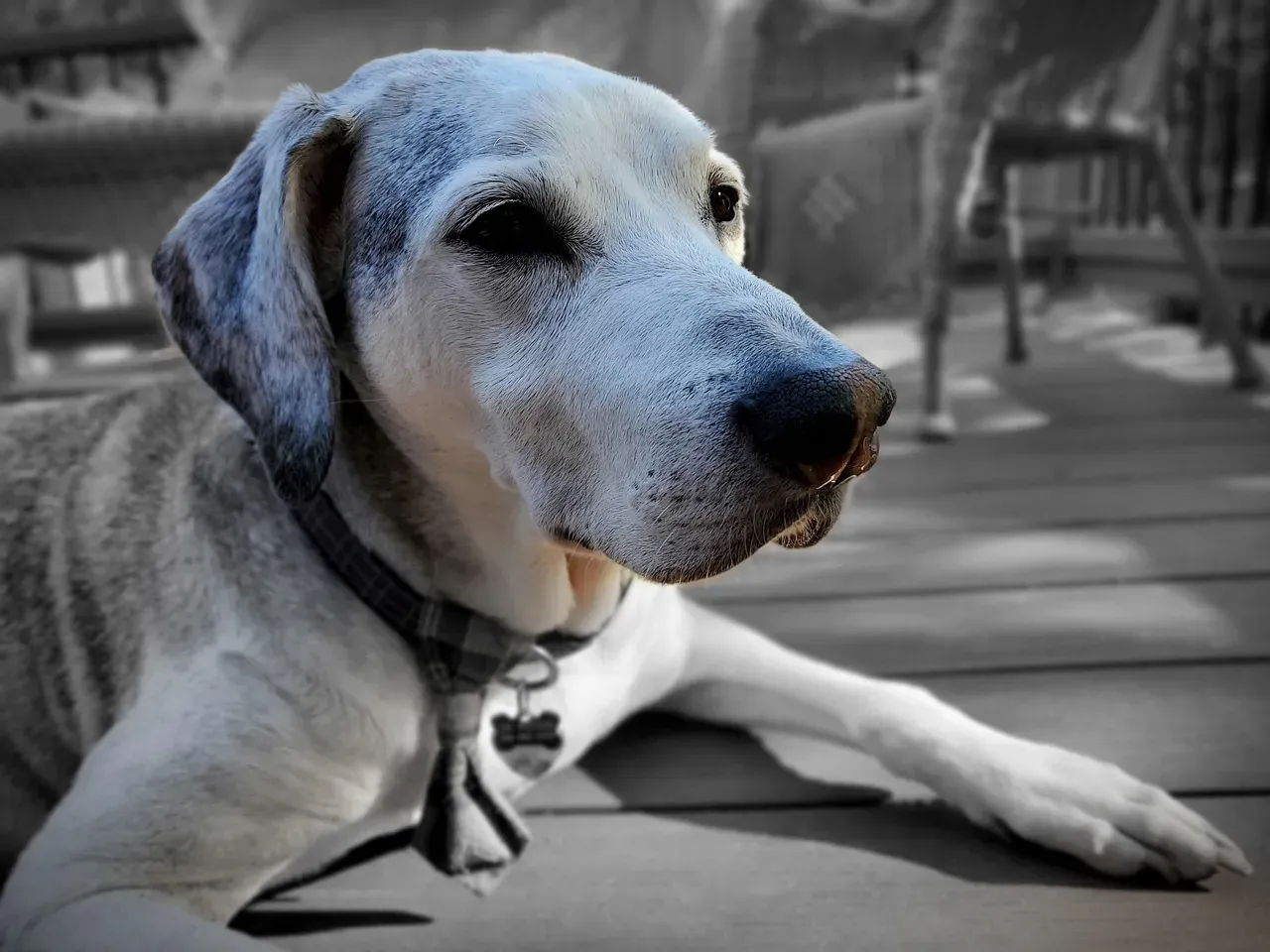
With a young dog, you leave the house and don’t think twice. With a senior dog, your whole life quietly shrinks around their need for supervision. “Can I stay late at work?” “Is two hours alone too long?” “What if they fall, or seize, or get stuck somewhere?” The mental checklist never fully switches off.
You start turning down trips because no one else knows the medication schedule, coming home on lunch breaks just to check if they’ve eaten, leaving parties early because you don’t trust their bladder anymore. This is the unpaid labor of senior dog ownership – free time diced into three- and four-hour windows between check-ins, until your social life and hobbies quietly dissolve without you ever making a conscious choice to give them up.
#6 – The Guilt That Follows Every Decision

With a senior dog, every choice feels loaded. Push for another test, or accept that it might not change anything? Try the more aggressive treatment, or prioritize comfort over intervention? Every yes and every no feels like it could be the wrong one, and you carry that weight alone, usually around 3 a.m.
Owners rarely admit how often they second-guess themselves: Did I miss the early signs? Am I keeping them alive for them, or for me? Should I have done the surgery, or spared them the pain? There’s no clean answer, only trade-offs – and almost nobody talks about the days you secretly resent the responsibility, wish for relief, and then feel like a monster for even thinking it.
#7 – The Strain on Relationships at Home
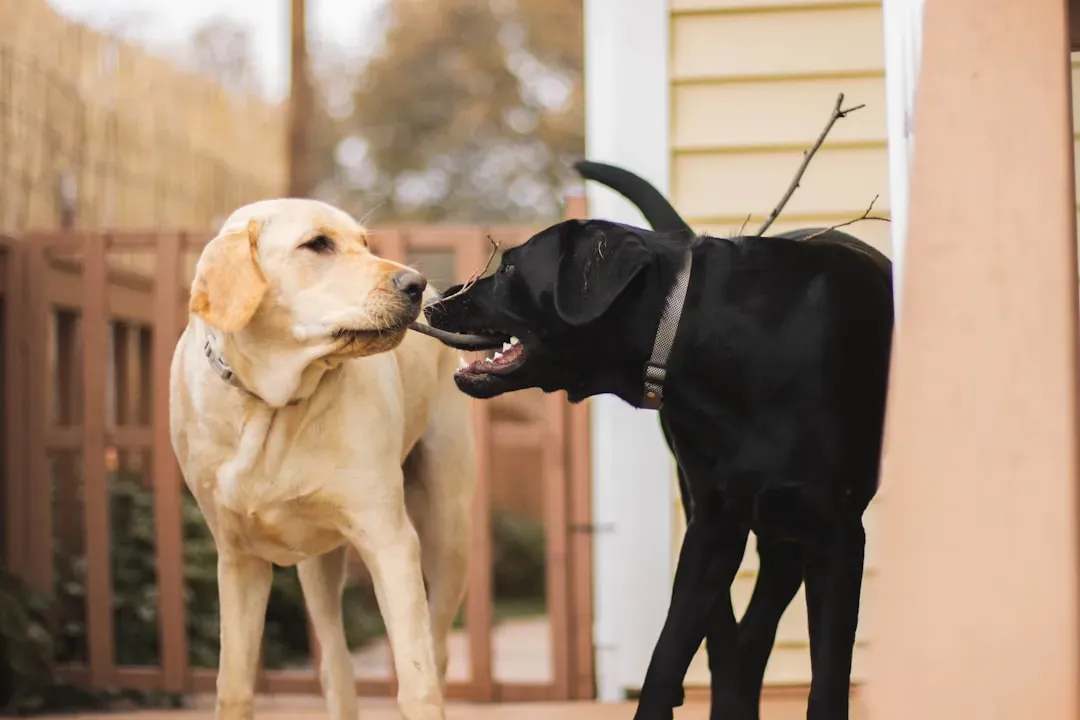
Most people assume a senior dog brings a family closer. Often, the opposite happens. When the costs climb and the decisions get heavier, small disagreements about care can turn into full-blown conflict fast.
One partner wants every possible treatment; the other worries about money or quality of life. Kids don’t understand why their best friend can’t play anymore and act out from fear and confusion. Roles harden – one person does the late-night bathroom runs, another handles the vet calls, someone quietly becomes “the soft one” or “the practical one” – and resentment builds in silence, exactly when everyone is bonding hardest with the dog and pulling away from each other.
At a Glance
- Money disagreements often center on treatment costs versus quality of life
- Kids may act out from confusion when a beloved pet can’t play like before
- Caregiving roles often split into “the practical one” and “the soft one”
- Resentment can build quietly even as everyone bonds harder with the dog
#8 – The Reality of Messes (And the Shame Around Them)

Bladder and bowel accidents aren’t a rare maybe for many senior dogs – they’re part of daily life. Incontinence, medication-related diarrhea, or simply not making it in time turns cleanup into a regular chore, on the carpet, on the couch, sometimes on you. The smell can linger no matter how much you scrub.
Here’s the part people hate admitting: you start feeling frustrated, even grossed out. You stop inviting guests over. You spend more on cleaning products than on your own toiletries. You snap at the dog once, then feel physically sick with guilt. Most conversations about senior dogs skip straight to “they’re such angels” and never mention the literal mess you’re quietly managing in the background.
#9 – The Lifestyle Sacrifices You Don’t Realize You’re Making

Loving a senior dog makes your world smaller, and you usually only notice when someone else points it out. Spontaneous weekends away vanish because you don’t trust a kennel or sitter with the special needs. Long hikes shrink into short, flat walks. Your whole day starts orbiting medication times and feeding windows.
Slowly you say no more often – no to late events, no to flights, no to a move or job change that might stress the dog out. People tell you to “just live your life,” but they don’t see the limp or the anxious pacing when routines change. The real cost is that you stop being just “you” and become the person whose life revolves around an elderly dog, and balancing that new identity with everything else you value is genuinely hard.
#10 – The Hidden Cost of “Trying Every Supplement”
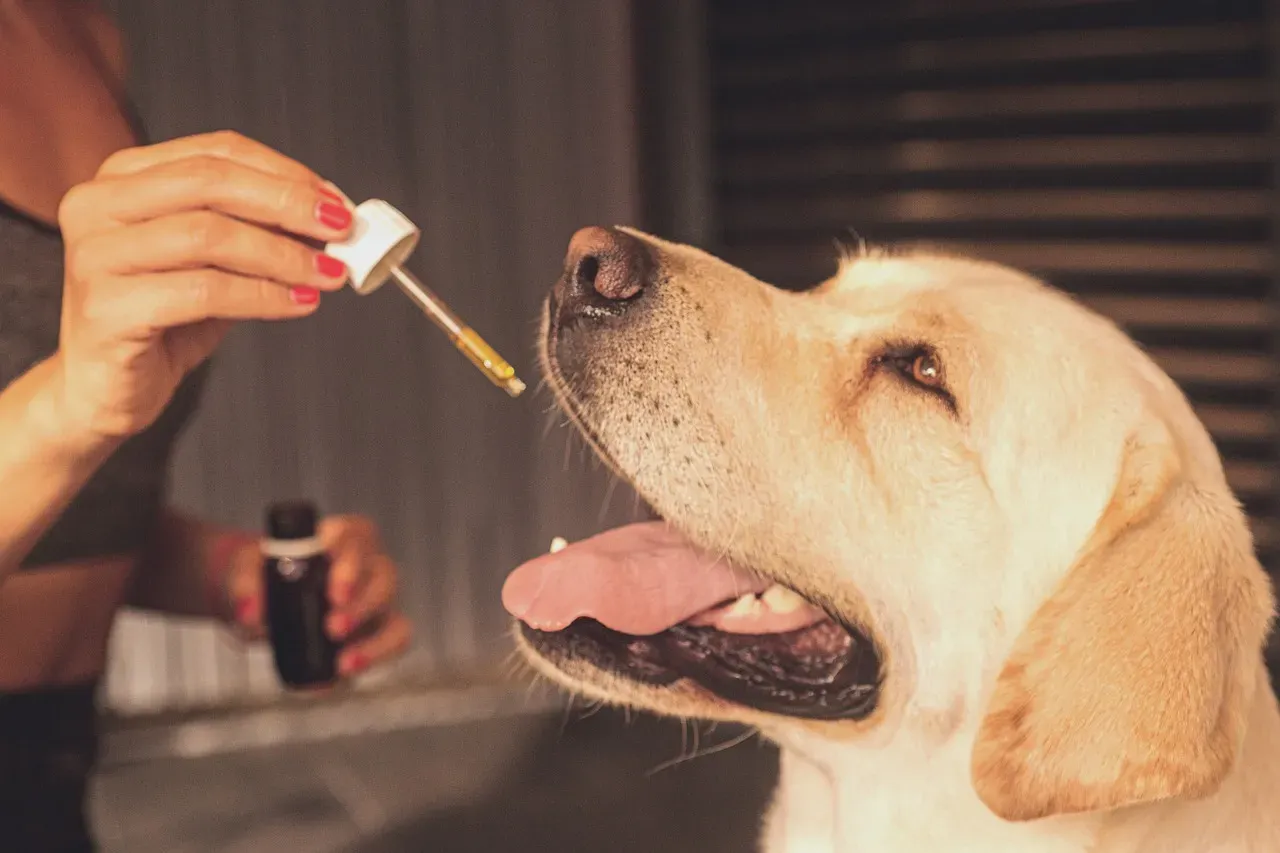
When a dog gets old, the internet becomes both a comfort and a trap. Joint powders, CBD oil, brain-support chews, herbal drops, special diets – suddenly you’re spending more on your dog’s supplements than on your own groceries, because each new bottle promises just a little more mobility, a little more calm, a little more time.
It always feels harmless at $30 a month. Then you add $50 for joint support, $40 for brain health, $30 for calming chews, $20 for probiotics – and multiply that every single month. Most owners never sit down and total the yearly number, partly because they’re scared of what it’ll say, and partly because they don’t want to face the possibility that some of it isn’t doing much at all.
Quick Compare
- Starter joint powder or CBD oil: about $30/month
- Added joint support supplement: about $50/month
- Brain-support chews: about $40/month
- Calming chews: about $30/month
- Probiotics: about $20/month
Add it up, and a “just one more supplement” habit can quietly total more than $2,000 a year.
#11 – The Emotional Price of Comparing Yourself to “Perfect” Owners
Social media is full of “we did everything” montages – hydrotherapy, acupuncture, custom wheelchairs, gourmet homemade meals. It’s inspiring, right up until you check your bank account and realize you simply can’t afford to be that person. That’s when a new cost shows up: shame.
If I really loved them, wouldn’t I pay for the $4,000 surgery? That person drives three hours for physical therapy; I barely manage twenty minutes of stretching. Why do they seem so calm about it when I’m falling apart? The truth almost nobody admits is that plenty of those “perfect” owners are drowning too, just off camera – but the curated version is what you see, and feeling “not enough” is a cost that never shows up on any receipt.
#12 – The Financial and Emotional Blow of Emergency Crises
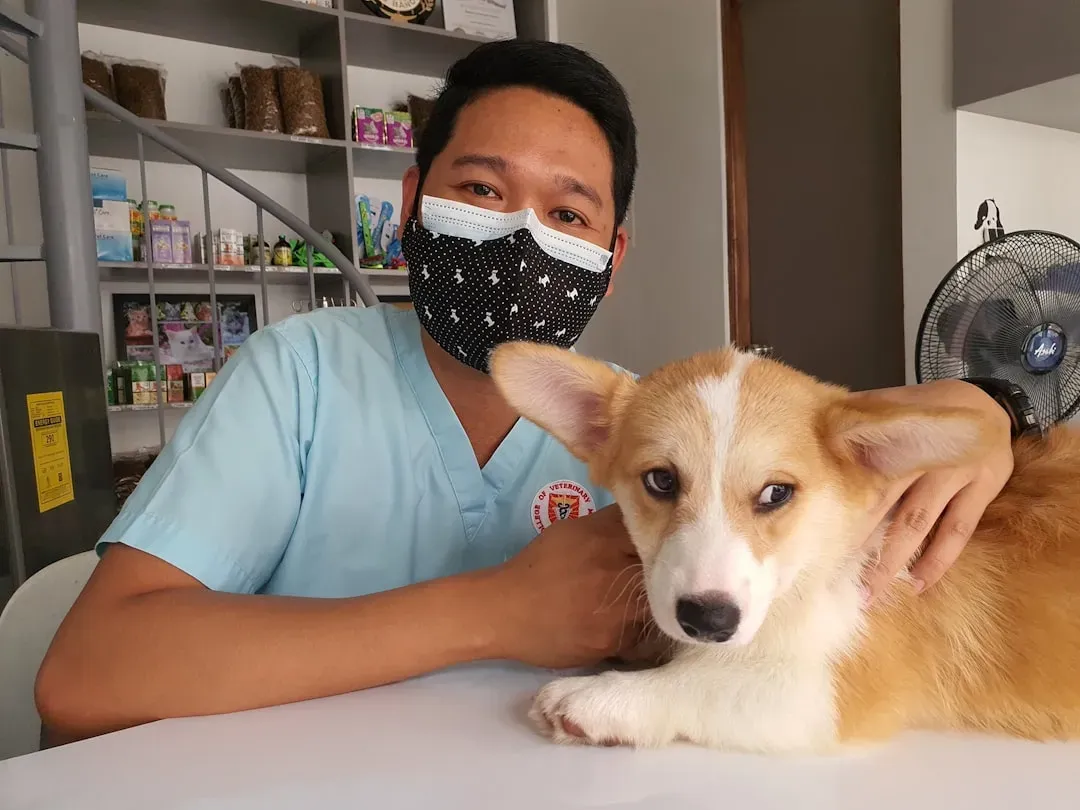
Senior dogs have a cruel way of turning ordinary days into full-blown emergencies. One minute they’re fine. The next, they collapse, can’t breathe right, or are in sudden, severe pain – and you’re racing to an emergency vet at midnight, where everything costs triple and decisions have to be made on the spot.
Under fluorescent lights, you’re handed four-figure estimates to approve or decline in minutes, medical jargon about prognosis and suffering, and the ultimate pressure: keep going, or let them go. Most people are financially unprepared and emotionally wrecked in that exact moment. You can walk in with a dog and walk out with an empty leash and a $2,000 bill, and that kind of trauma doesn’t fade – it reshapes how you see money, pets, and emergencies for the rest of your life.
#13 – The Aftermath of Euthanasia That No One Prepares You For
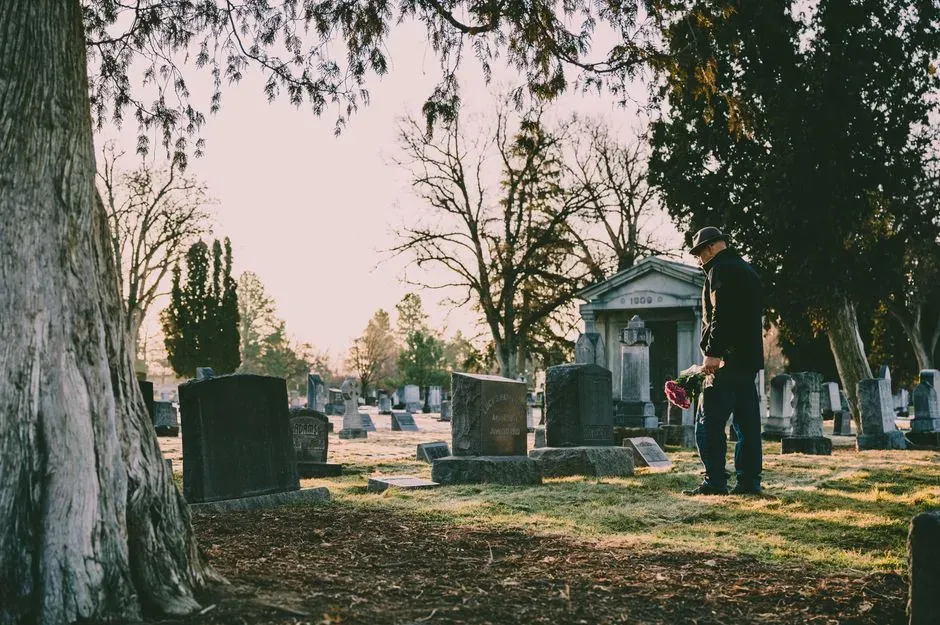
People call euthanasia “the last kindness,” and it is – but it’s also one of the most psychologically brutal choices a person ever makes. You’re not just losing your dog. You’re actively choosing the moment it happens, and that responsibility sits on your chest long after the room goes quiet.
In the weeks after, owners replay it endlessly: Was it too soon? Did I wait too long? Did I rush it because I was tired, or because of the money? Even when the vet reassures you, your brain writes cruel alternate timelines where you did something different and they lived longer, or suffered less.
Grief is the price we pay for love.
Queen Elizabeth II
Some people quietly develop anxiety or depression symptoms afterward, and almost nobody around them connects it back to that day in the vet’s office. Grief groups exist, but they’re rarely mentioned when it matters, and most owners are left to process it completely alone.
#14 – The Way It Changes How You Love Every Dog After
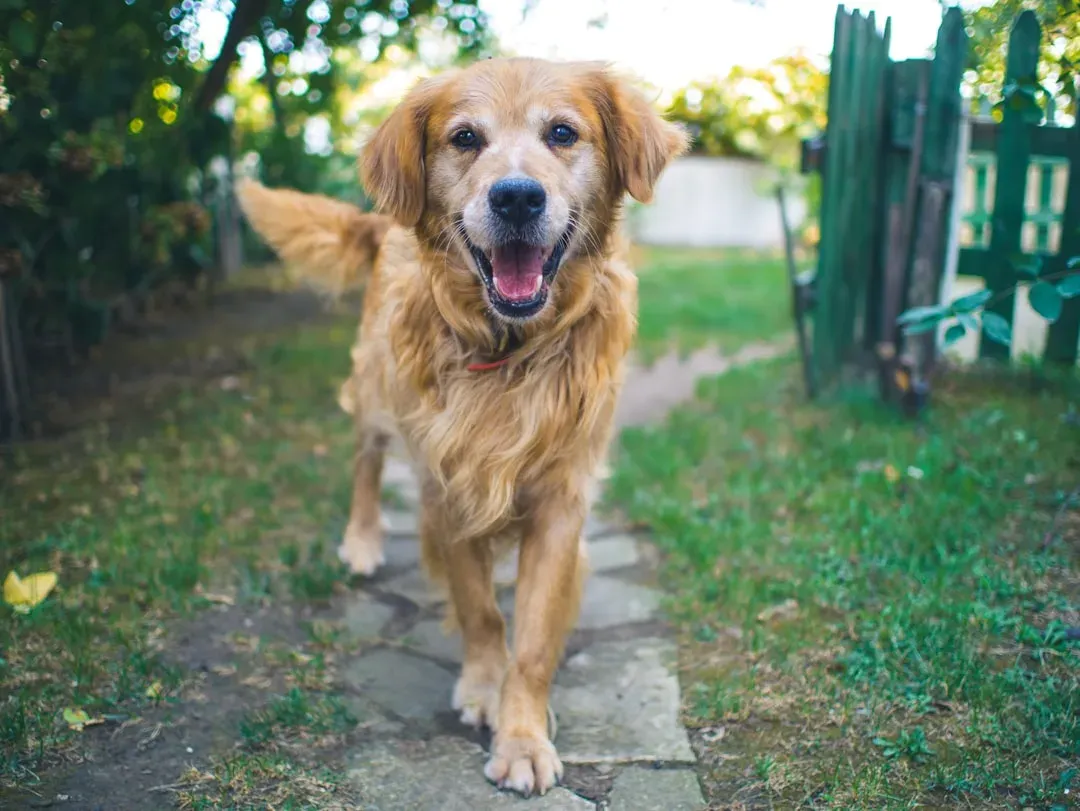
Here’s the cost nobody talks about: once you’ve walked the full path with a senior dog, you never love another animal quite so innocently again. You know exactly how the story ends, down to the smell of the vet room and the weight of an empty collar in your hand – and that knowledge follows you into every new adoption, every puppy breath, every first walk.
Some people become almost anxious protectors, panicking over every limp or cough, over-researching food and vaccines, struggling to relax because they know exactly how fast it can all change. Others hesitate to adopt again at all – not because the love wasn’t worth it, but because they now fully understand the emotional cost that waits at the end. Loving a senior dog makes your heart bigger, but it also leaves it more cautious, more scarred, and far more aware of what “forever” actually costs.
Worth Knowing
- Some owners become hyper-vigilant with future pets, over-monitoring minor symptoms
- Others delay adopting again, needing time before opening their heart fully
- Grief from a senior dog’s decline often reshapes how the next bond is approached
- Many owners say the experience made them more patient, not more guarded
The Bottom Line
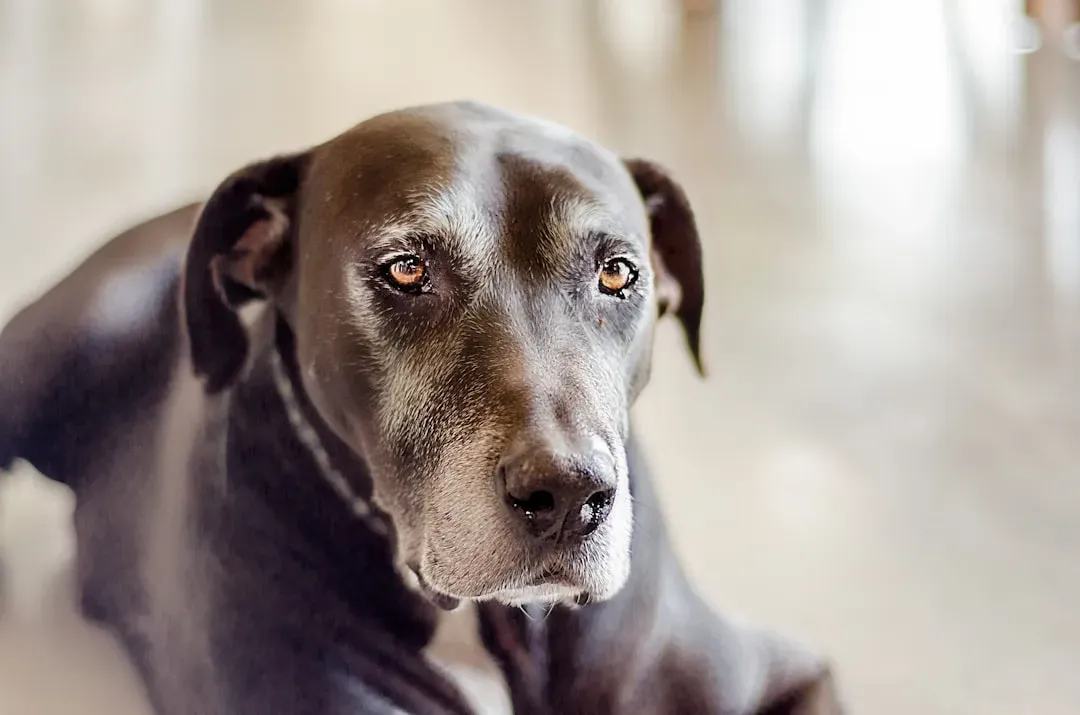
Loving a senior dog was never just about soft gray muzzles and slower walks. It’s a full sign-up for emotional, financial, and lifestyle sacrifice that most people only understand once it’s too late to back out – the vet bills climbing, the sleep vanishing, the house rearranging itself around a body that’s slowing down, your inner life turning into a quiet storm of guilt, grief, and relentless love.
And here’s the uncomfortable truth: most of us would still do it again, eyes open this time. The real mistake was never loving a dog into old age. It’s pretending love is the only currency you’ll ever need to spend on them. Knowing the real costs upfront isn’t cynical – it’s the only honest way to actually earn the right to say yes.
Did we miss a cost you’ve paid for your senior dog? Drop it in the comments.


