
Ask a brand-new dog owner what good pet parenting looks like, and they’ll tell you about premium kibble, yearly vet visits, and maybe a fancy orthopedic bed. Ask someone who’s raised three or four dogs into old age, and they’ll pause, then say something like, “You just… know when something’s wrong.”
That gap between the two answers is exactly where dogs quietly suffer, or get saved in time. The real skill isn’t learned at the vet’s office. It’s built at 7 a.m. on a random Tuesday, when a dog doesn’t bark at the mail truck and something in your gut flinches. Here are the 23 small, easy-to-dismiss signals that experienced dog owners catch almost without realizing it, and what each one is actually trying to tell you.
#1 – The “Just a Bit Quieter” Dog
When a normally social dog gets a little quieter, a seasoned owner’s radar goes off instantly. A dog doesn’t have to be dramatically lethargic for something to be wrong. Long-time owners notice when their dog greets them a second slower, plays for five minutes instead of fifteen, or picks the bed over the usual couch patrol.
That small 10-20% drop in energy is often the very first sign of pain, infection, or brewing illness, and it usually shows up before any limping, vomiting, or obvious symptom appears. People who live with dogs for years become fluent in their pet’s “baseline,” and they feel it in their gut when it dips. A “just a bit quieter” dog today can be a genuinely sick dog tomorrow, so they watch closely over the next 24 to 48 hours instead of shrugging it off.
#2 – The Sudden “Velcro” Clinginess
Most people assume a suddenly clingy dog is just being needy. Long-time owners know it can be a red flag. When a usually confident dog starts shadowing you from room to room, pawing for attention, or refusing to settle unless they’re physically touching you, it isn’t always about affection.
Sudden, out-of-character clinginess is a classic early sign of anxiety, pain, nausea, or cognitive decline in older dogs, and experienced owners have seen this pattern before with pancreatitis, joint pain, and even early dementia. They pay attention to timing and combinations: clinginess plus pacing worries them about pain, while clinginess plus staring or confusion makes them think neurological. Casual owners call it “extra cuddly.” Long-timers quietly start monitoring, and call the vet if it doesn’t fade.
#3 – The Blink-and-You-Miss-It Limp
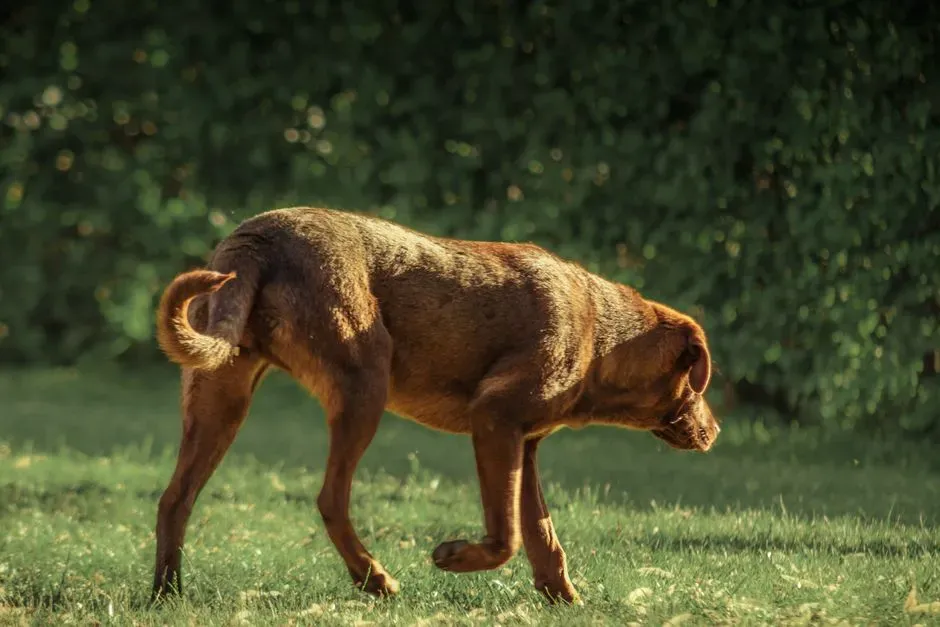
A lot of people ignore a dog’s quick stumble or one weird step. Experienced owners don’t, because they’ve learned that a single odd step is often the first sign of joint issues, cruciate ligament problems, or paw injuries. It might show up as one skipped step off the couch, a tiny head bob on the trot, or a slightly shorter stride on one leg.
The dog still runs, still plays, still jumps, but the veteran owner’s brain immediately goes, “Okay, which leg was that?” Then comes the quiet investigation: paw pads, nails, between the toes, joint warmth. They know dogs, especially working and high-drive breeds, are experts at hiding pain, so if a dog hesitates to jump into the car after doing it a thousand times before, that hesitation gets taken seriously. One micro-limp might be a fluke. The same one showing up twice is data.
#4 – The “Different” Water Bowl Pattern
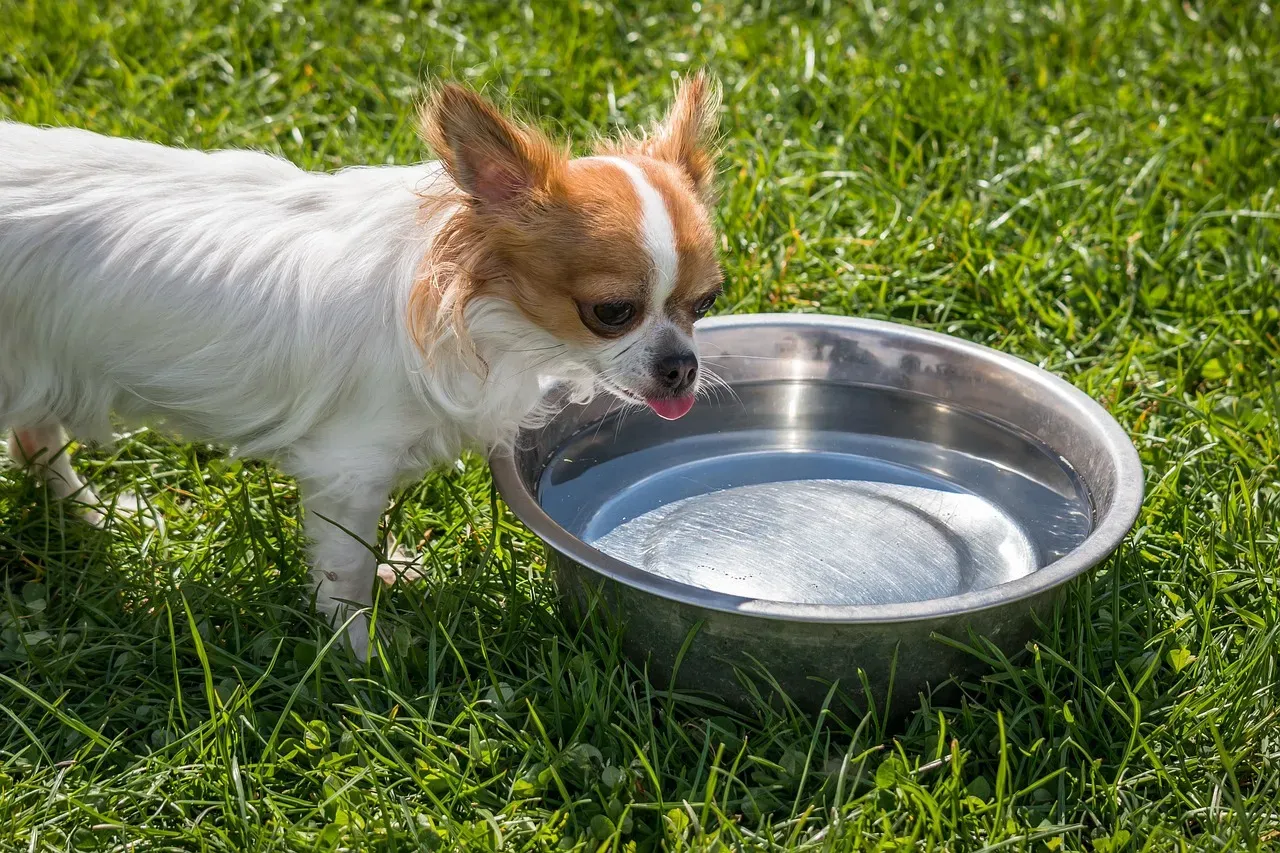
Most owners notice when the water bowl is empty. Experienced ones notice when it isn’t emptying the way it should. Long-time owners know that both increased and decreased thirst can signal disease, including kidney trouble, diabetes, Cushing’s, fever, or pain, and they mentally track it: “He usually drains this by night. Why is it still half full?”
It isn’t about obsessing over ounces, it’s about noticing the pattern over a few days while accounting for weather and activity level. On a hot, active day, more drinking is normal. On a mild, lazy day, suddenly chugging water is not. They know frequent nighttime drinking or peeing is a red flag many people ignore for months, so they quietly start a log or a few bowl-level photos, because vets take a tracked pattern far more seriously than “I think it’s more.”
Fast Facts
- Healthy adult dogs typically drink about 1 ounce of water per pound of body weight each day.
- Increased thirst is one of the earliest signs of diabetes, kidney disease, and Cushing’s disease.
- Decreased drinking paired with low energy can point to nausea, pain, or fever.
- Tracking bowl levels for 2-3 days gives vets far more useful data than a one-off guess.
#5 – The “Weird” Dog Breath That Isn’t Just Bad
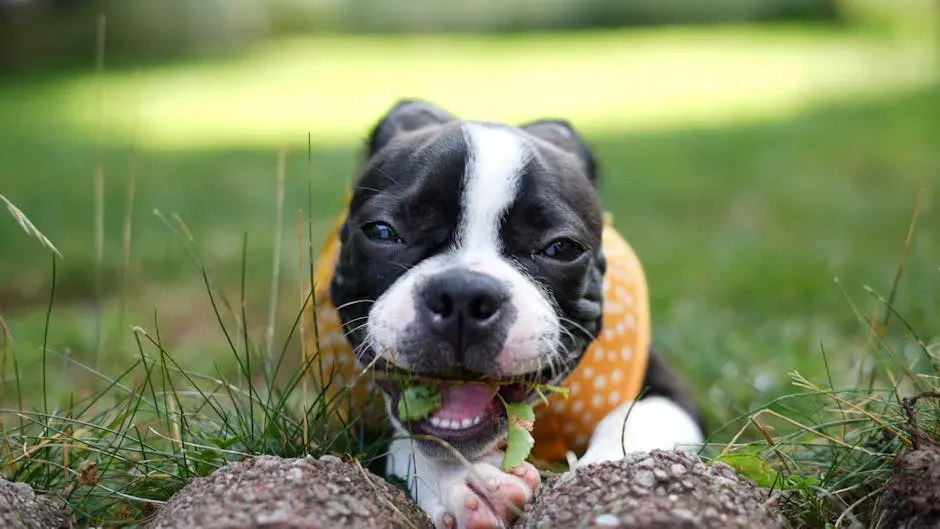
People joke about dog breath. Long-time owners know exactly when it stops being funny. Experienced owners can tell the difference between normal doggy smell and sudden, foul, or sweet and fruity breath that often signals dental disease, GI upset, diabetes, or kidney problems.
A dog who suddenly smells like rotten garbage may have infected teeth or gum disease, while a strangely sweet or ammonia-like odor can be an early metabolic warning. They don’t wait for drooling or visible tartar to take it seriously; they lift the lips regularly, checking for red gums, buildup, or broken teeth. Enough long-timers have watched a senior dog lose weight and develop heart issues from a dental infection that started as “just bad breath.” Casual owners buy breath mints. Experienced ones book a dental check.
#6 – That One Odd Cough or “Goose Honk”

Many people only worry about coughing when it’s constant and dramatic. Seasoned owners perk up at the very first strange sound. A new, unexplained cough, especially one that shows up at night or after light activity, can be an early preview of heart disease, collapsing trachea, kennel cough, or allergies.
Long-time owners know the infamous “goose honk” sound in small breeds can point to airway issues, and they mentally bookmark the first occurrence: does it repeat tomorrow, or trigger with leash pressure or excitement? Many dogs with early heart problems start with what looks like a random throat clear, nothing dramatic, just new. So when it happens again, veteran owners grab a ten-second phone video, because they’ve learned that clip is often more useful to a vet than any verbal description.
#7 – The Subtle “Stare at the Wall”

Most people laugh when a dog stares into a corner or at a blank wall. Long-time owners see potential trouble. When a dog begins repeatedly staring at walls, getting “stuck” in corners, or seeming confused in a familiar room, experienced owners think beyond quirky behavior.
They know these can be early signs of canine cognitive dysfunction, vision loss, or neurological problems. It often starts tiny: a longer pause in a doorway, a blank look mid-room, hesitation on the usual stairs. Seasoned owners also watch for the emotional shift that often rides alongside it, like more nighttime pacing or odd barking, and respond with mental enrichment, steady routines, and a conversation with the vet about cognitive health rather than dismissing it as “getting weird with age.”
#8 – The New Scratch, Lick, or Chew

Most owners notice when their dog is already covered in hot spots. Experienced ones catch it long before that. When a dog starts repeatedly licking one paw, chewing a specific spot, or shaking their head more than usual, long-time owners know something is brewing, whether it’s allergies, infection, parasites, or hidden pain.
Location tells them a lot: constant ear scratching suggests yeast or mites, paw licking after walks points to environmental allergies, and chewing the same joint over and over raises concern for arthritis or a buried injury. A “cute” paw nibble can turn into raw, infected skin within days, so instead of calling it fussiness, they inspect closely, between the toes, under the armpits, inside the ears, and adjust food, washing routines, or schedule a vet check before it snowballs.
#9 – The Tiny Change in Posture
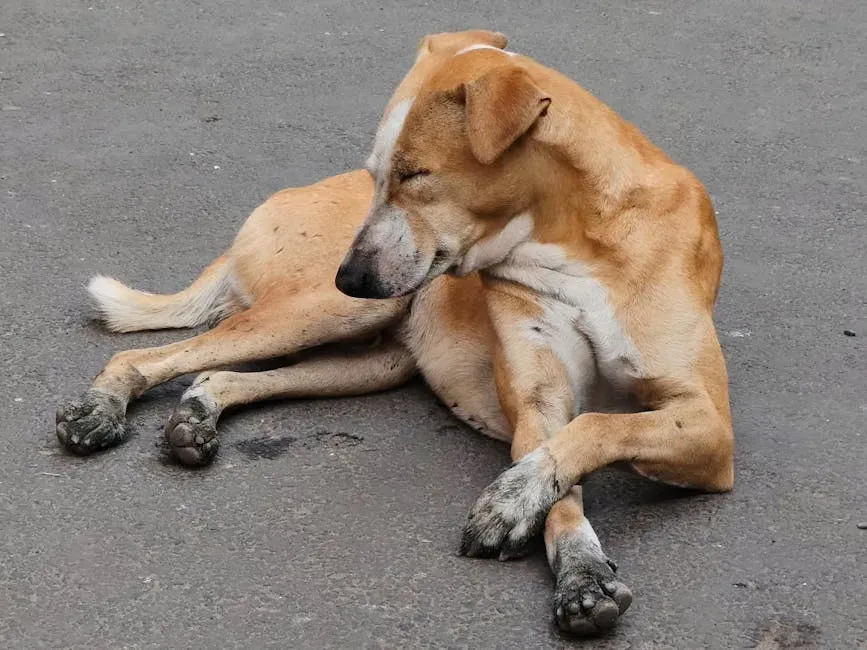
Experienced dog people watch how a dog stands, not just whether they’re standing. A dog who suddenly holds a hunched back, a tucked tail, or a slightly arched neck is often uncomfortable, even if they’re still eating and walking normally.
Sometimes it’s a subtle “cat-back,” a slower sit, or a reluctance to lie fully on one side, all of which can hint at spinal issues, abdominal pain, or orthopedic trouble long before a dog cries out or limps. Long-time owners also notice what a dog suddenly avoids, like a dog who always flopped frog-legged on the floor and now won’t. They’ve watched enough dogs mask pain until it became severe, so they treat posture shifts as early whispers from the body rather than random quirks.
#10 – The “Not Hungry, But Still Interested” Look

Most people only worry when a dog completely stops eating. Long-time owners catch the step before that. A dog who comes to the bowl, sniffs, takes maybe one bite, and walks away, but still wants treats later, is often telling you something is off, whether it’s nausea, dental pain, anxiety, or general discomfort.
Experienced owners spot the difference between “I’m not hungry at all” and “I want to eat but something feels wrong,” and they clock exactly how long the pattern lasts. One off day after a big training session is nothing. Two or three half-hearted meals in a row puts them on alert, because pancreatitis, GI issues, and fevers often start as “meh” toward regular food while the dog will still happily take a treat.
#11 – The Slightly Faster Breathing at Rest
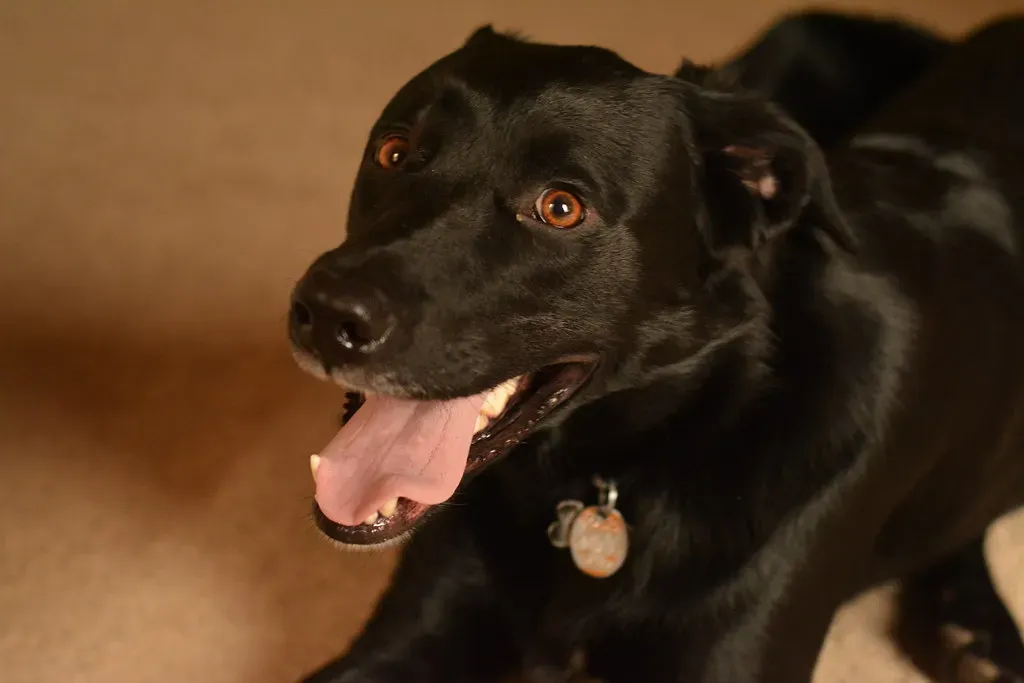
Panting after a run is normal. Subtle, faster breathing while fully resting is not, and veteran owners know the difference cold. When a dog is truly relaxed, sleeping on the couch or lying on a cool floor, their breathing should be slow and easy. A new pattern of quick, shallow, or effortful breaths at rest can point to pain, heart disease, lung problems, or overheating.
Long-time owners will literally count respirations per minute when something feels off, because they’ve learned an elevated resting rate, especially during sleep, is a crucial early clue for cardiac issues. They pair it with other micro-signs, like restlessness or refusing to lie on one side, and while casual owners chalk fast breathing up to “dreaming,” experienced ones crack a window, cool the room, recheck later, and call the vet if the rate stays high.
At a Glance
- Normal resting respiratory rate for dogs: roughly 15 to 30 breaths per minute.
- Count one full rise-and-fall of the chest as a single breath.
- The most reliable time to check is during deep, quiet sleep, not right after waking or exercise.
- A resting rate that stays above 30 breaths per minute warrants a vet call, especially in dogs with known heart murmurs.
#12 – The Sudden “Zoomies Gone Missing”
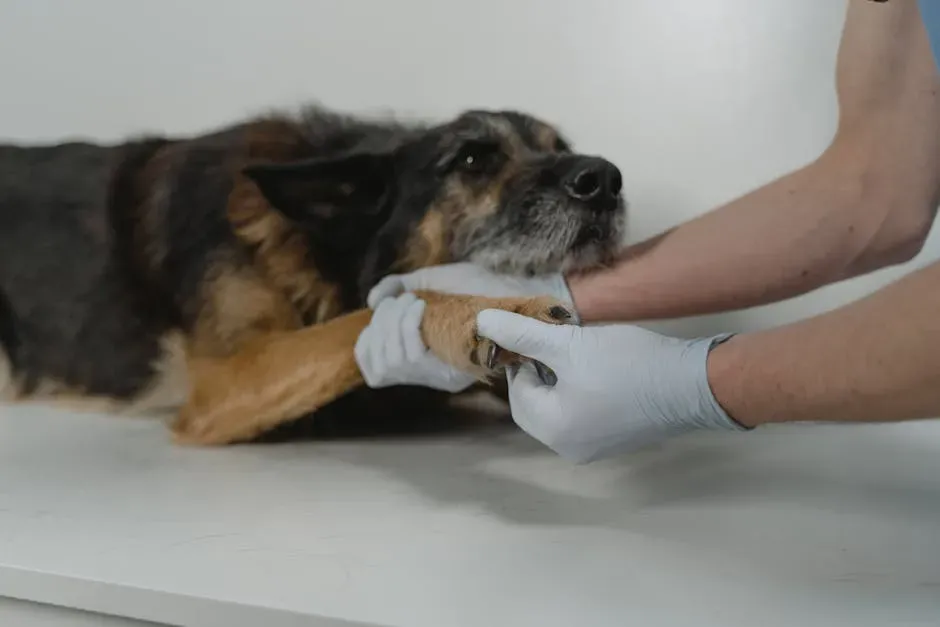
Everyone laughs at zoomies. Long-time owners get quietly worried when they disappear. When those spontaneous, joyful bursts of running suddenly stop, it can be one of the earliest, easiest-to-miss signs of chronic pain, joint disease, or low-grade illness. The dog might still walk and fetch a little, but that pure, unprompted sprint around the yard is just gone.
Experienced owners know dogs rarely give up their favorite chaos for no reason, so they notice what replaces it, like extra cuddling, hanging back during other dogs’ play, or watching the action instead of joining it. This is the emotional side of pain that most people overlook entirely. Others say, “He’s just maturing.” Veteran owners quietly ask, “Or is he hurting?”
#13 – The New Nighttime Restlessness
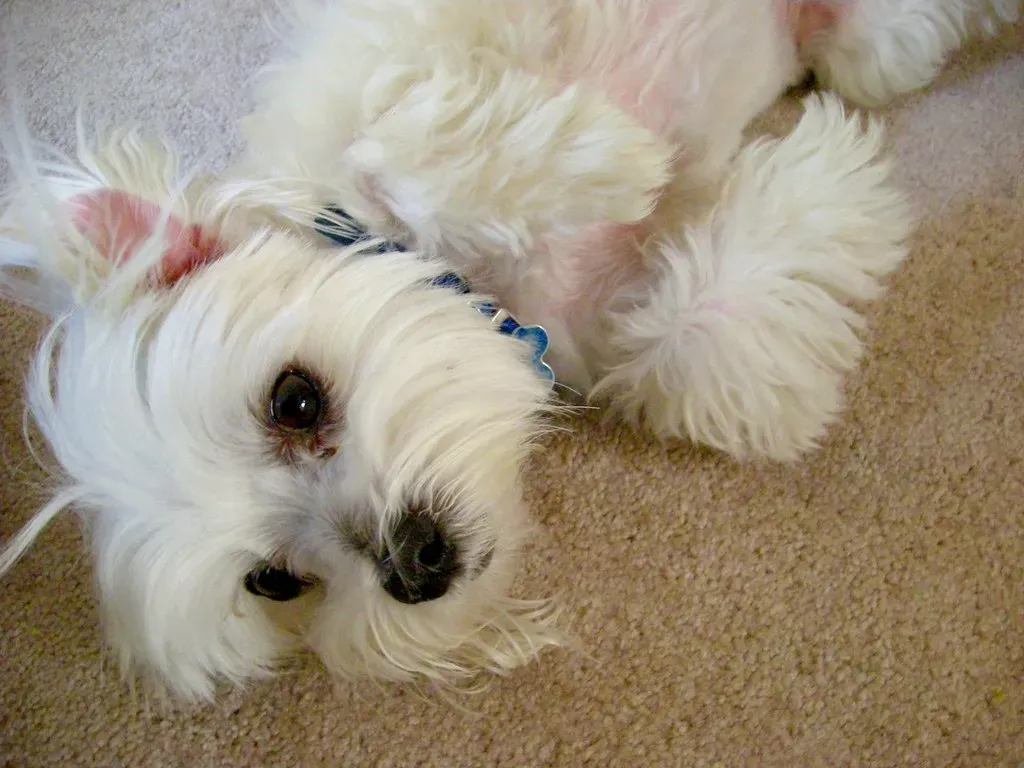
A dog who suddenly can’t settle at night makes seasoned owners deeply suspicious. If a previously good sleeper starts pacing, panting, changing spots constantly, or waking the house up at odd hours, long-time owners think “pain or anxiety” first, not misbehavior.
They know this can point to arthritis discomfort, GI upset, urinary issues, or cognitive changes in seniors, and it’s rarely random. Dogs who are physically or mentally uncomfortable often struggle most when the house goes quiet and there’s nothing left to distract them. Instead of scolding or crating harder, experienced owners problem-solve with extra padding, a warmer layer for old joints, or a later potty break, knowing that many heart and lung conditions first show up as restless nights because lying flat becomes uncomfortable.
#14 – The Odd Eye Squint or “Red Rim”
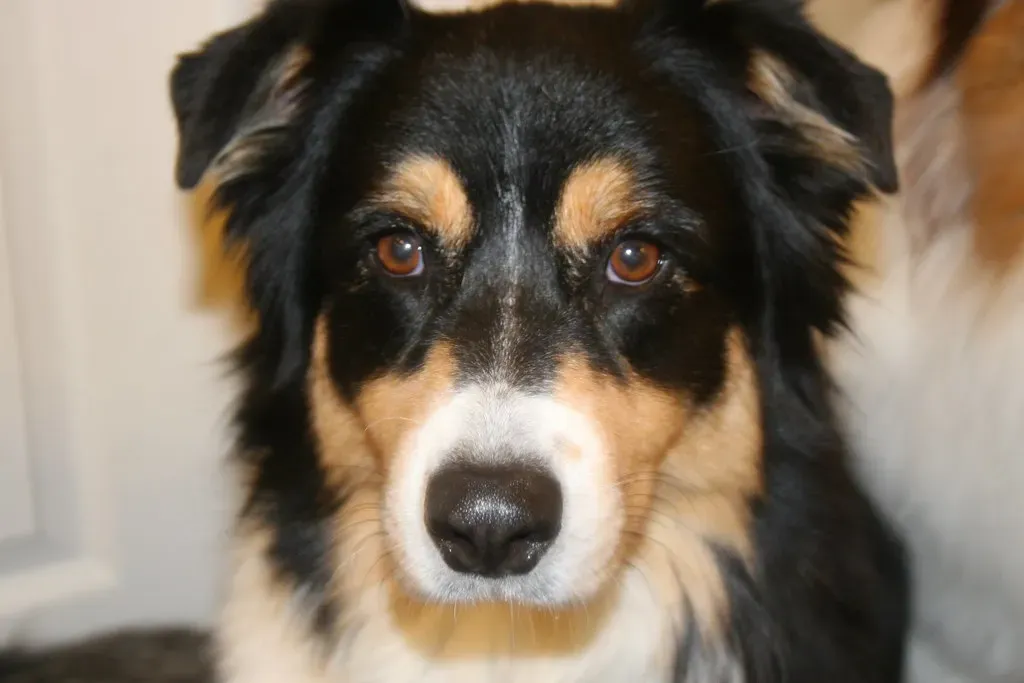
Most people only react when a dog’s eye looks dramatically wrong. Long-timers spring into action at the very first squint, because eye issues can go bad fast. A mild squint, excessive blinking, red-rimmed eyes, or new discharge can signal ulcers, increased eye pressure, or infection, and these are conditions where hours matter, not days.
It was just a little red yesterday, and today he might lose the eye.
A warning experienced owners have heard, and repeat, often
They also recognize subtler clues, like a dog turning their head to see out of one eye, bumping into doorframes, or hesitating on stairs. Casual owners wipe the gunk away and move on. Seasoned ones grab saline, limit rubbing, and call the vet, because when it comes to eyes, “small” rarely stays small for long.
#15 – The New “Flinch” at Touch
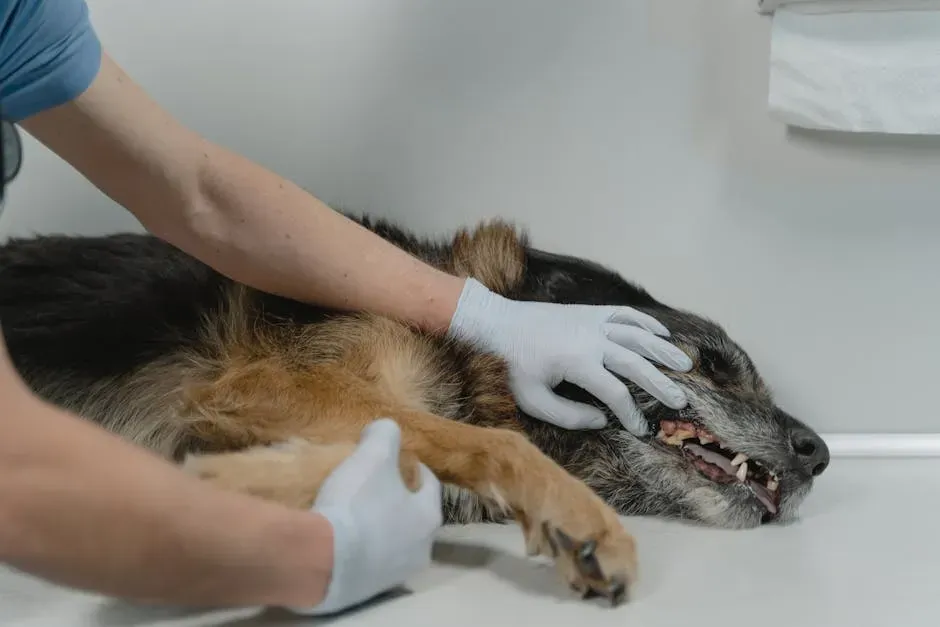
Dogs who flinch at touch often get labeled “sensitive.” Long-time owners know better. When a normally easygoing dog suddenly pulls away, stiffens, or flinches when you touch a specific area, whether that’s the spine, hips, tail base, or ribs, that’s pain until proven otherwise.
Experienced owners note exactly where and how strong the reaction is, and they connect it to behavior shifts, like a dog getting “grumpy” with kids, avoiding being picked up, or suddenly resisting grooming. Many dogs punished for “snapping” were simply giving early, subtle pain signals that got missed entirely. Long-time owners trust the dog’s discomfort over the assumption that it’s suddenly disobedient, and that shift in perspective saves a lot of dogs from suffering in silence.
#16 – The Slight Change in Poop (Yes, Really)
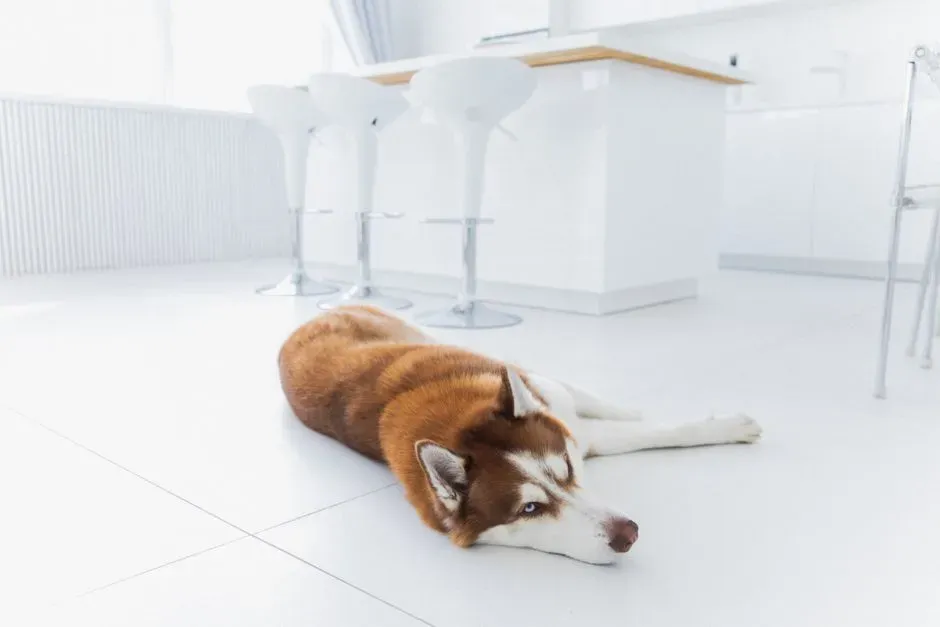
Most people glance at poop just to confirm it’s there. Experienced owners read it like a report card. Small changes in stool, like mucus, slight softness, odd color, or intermittent diarrhea, can be early signs of GI disease, parasites, food intolerance, or stress, and it doesn’t have to be a full-blown mess to matter.
Long-timers notice frequency too, including straining or going more often than usual. They don’t panic over one off poop after a garbage raid, but if it repeats, they track it: photos, notes, what was fed that day. Too many chronic gut issues and serious infections start out as “occasional weird poop” that nobody ever bothered to record.
#17 – The “He’s Just Slowing Down” Myth
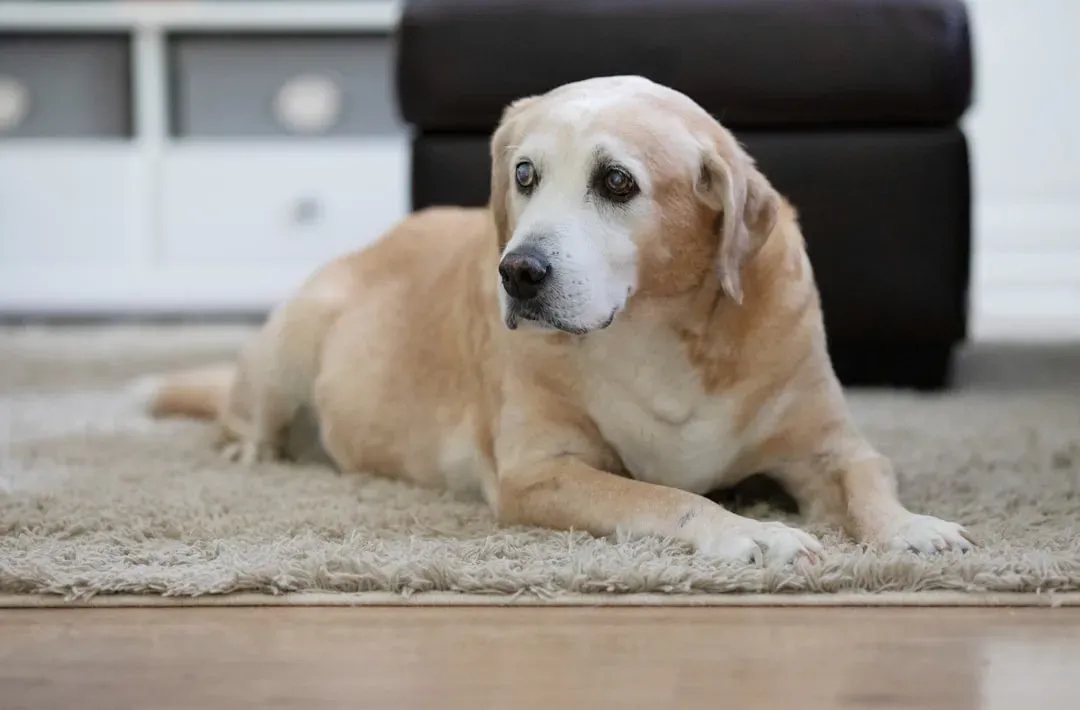
This one sparks arguments, but long-time owners hold the line: aging and pain are not the same thing. Many people excuse stiffness, reluctance to jump, and shorter walks as “just getting old,” but experienced owners know these are often treatable signs of arthritis or joint disease, not an automatic sentence.
They’ve watched dogs who could barely get off the floor move like puppies again with proper pain management, joint support, and weight control, and that transformation permanently changes how they read “slowing down.” So instead of shrugging and saying, “Well, he’s a senior now,” they ask, “What hurts?” Far more “old” dogs are quietly uncomfortable than most people are willing to admit.
Worth Knowing
- An estimated 1 in 5 dogs over age one already has some degree of osteoarthritis.
- By age 8, roughly 80% of dogs show measurable joint degeneration, according to veterinary research.
- Weight control and joint support can meaningfully slow how fast arthritis progresses.
- Many “slowing down” senior dogs regain visible spring in their step within weeks of proper pain management.
#18 – The New Odd Sound When Moving
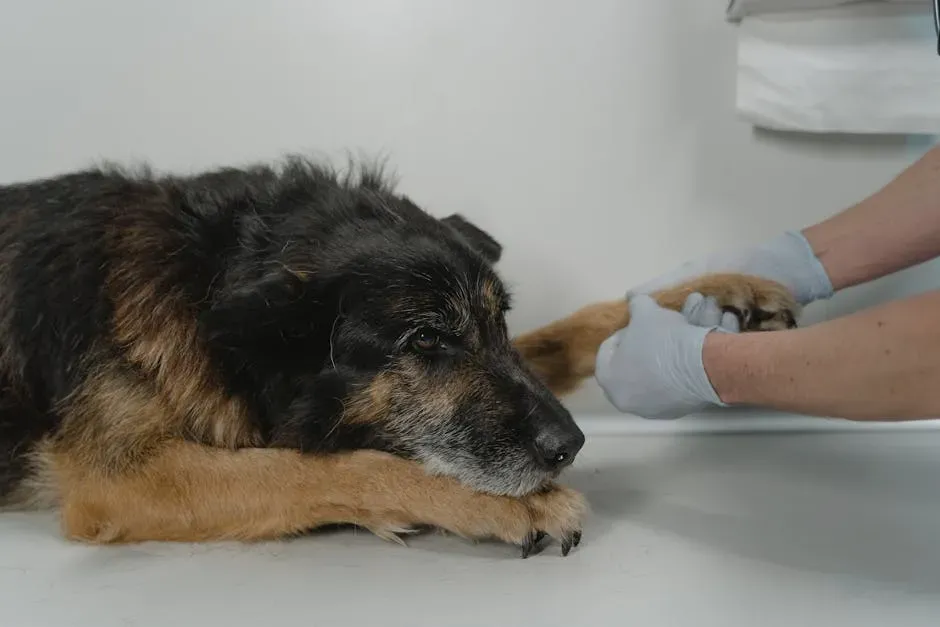
Tiny noises during movement make experienced owners pause. A dog who starts grunting when lying down, groaning when getting up, or sighing heavily during certain movements may not just be “dramatic.” Those small vocalizations can flag joint pain, spinal discomfort, or pressure on internal organs.
Long-time owners know the soundtrack of their dog’s normal flops and stretches so well that a new noise, repeated with the same movement, stands out instantly. They also listen for nail clicks, dragging toes, or scuffing on hard floors, sounds that can suggest weakness or nerve issues. Dogs don’t usually add new sound effects for no reason, and when they do, experienced humans listen closely.
#19 – The Sudden “Weird” Odor from Skin or Ears
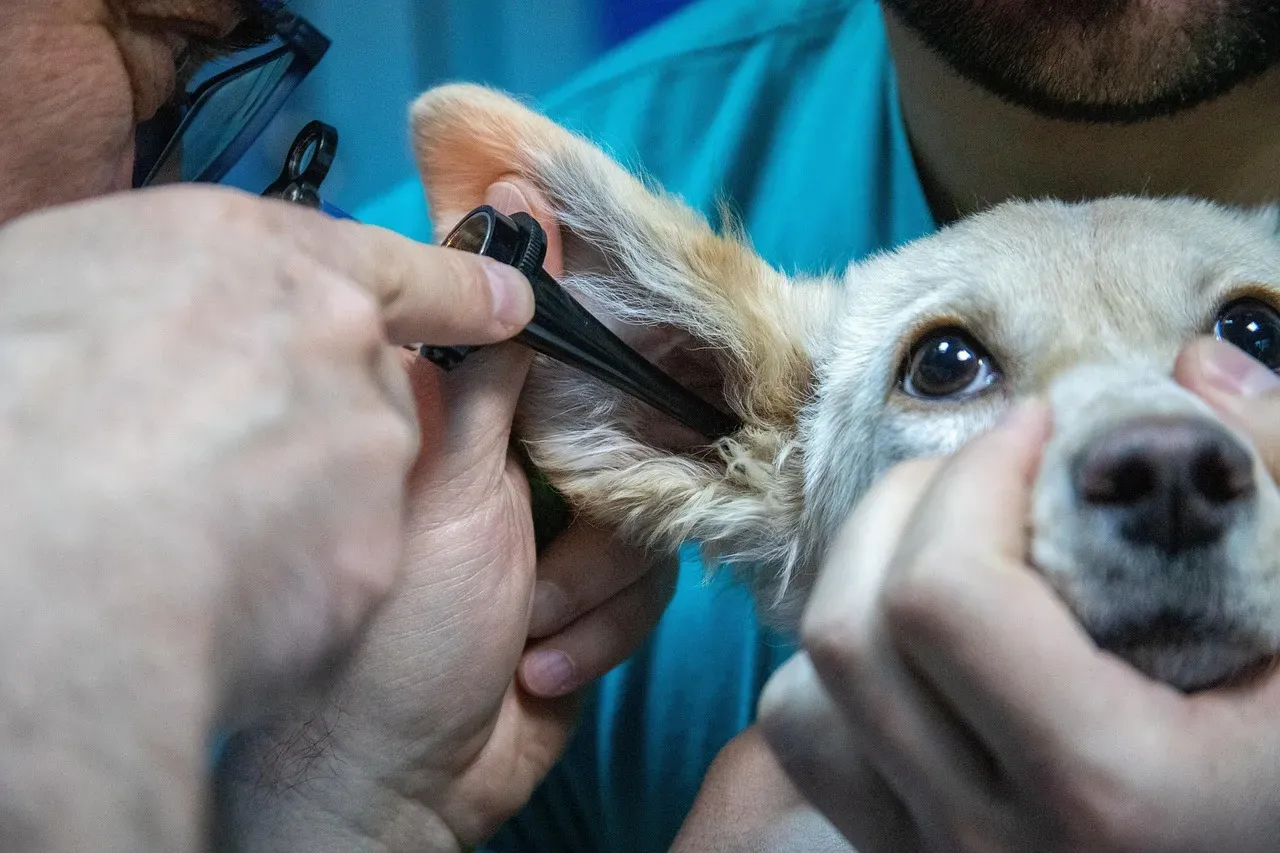
Everyone expects dogs to smell a little like dogs. Seasoned owners can smell when something’s actually wrong. A sudden, strong, yeasty, metallic, or sour smell from the skin or ears almost always means infection, allergies, or a hormonal issue, and it’s not about being picky, it’s about catching disease early.
Ear infections often start as a mild yeasty smell long before nonstop head-shaking begins, and skin infections can start as a faint “corn chip and funk” combo before redness ever shows up. Long-timers connect the smell to other signs, like scratching or a duller coat, and address the root cause instead of just bathing more or reaching for air freshener. Casual owners light a candle. Experience tells veteran owners to book a vet appointment.
#20 – The Tiny Behavioral “Personality Flip”
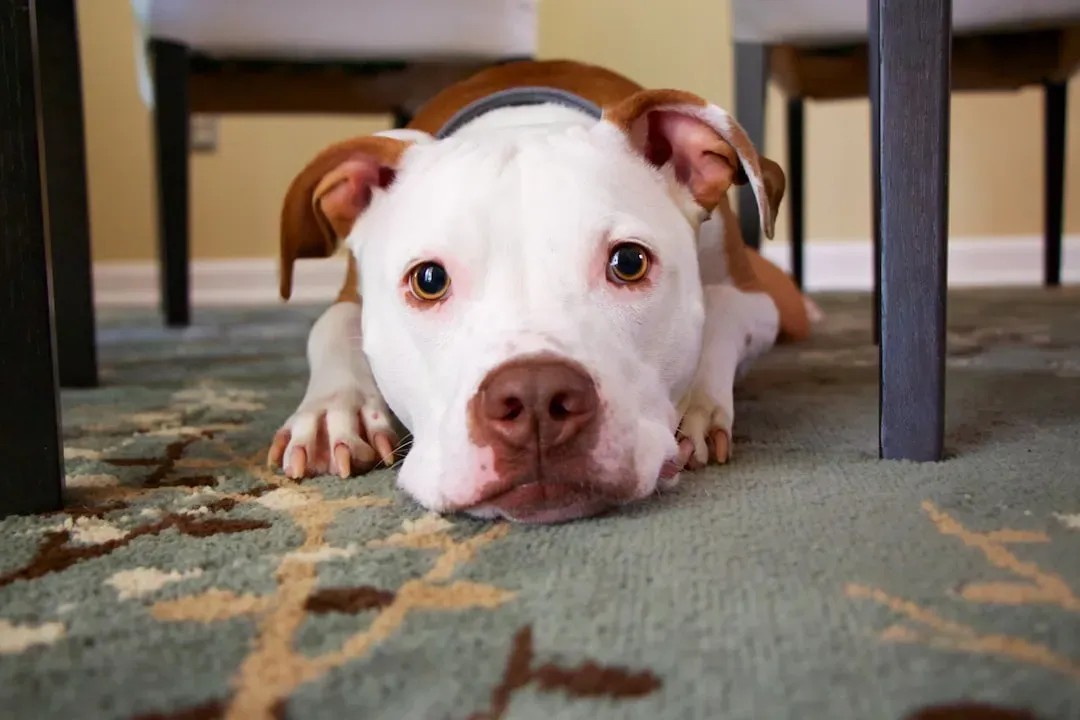
Long-time owners trust personality changes as much as physical ones. When a gentle dog gets snappy, a confident dog turns fearful, or a chill dog goes hypervigilant, they don’t jump straight to “training problem.” Sudden or gradual personality flips can be linked to pain, thyroid issues, neurological conditions, or chronic stress.
A dog who suddenly guards the couch may simply be defending the only spot that still feels comfortable. Veteran owners look backward for triggers, like new meds, an injury, or a big life stress, and they’ll often request a medical workup before bringing in a trainer, or alongside one. They’ve simply seen too many dogs punished for “bad behavior” that was actually their only way of saying something was wrong.
#21 – The Subtle Change in Gums
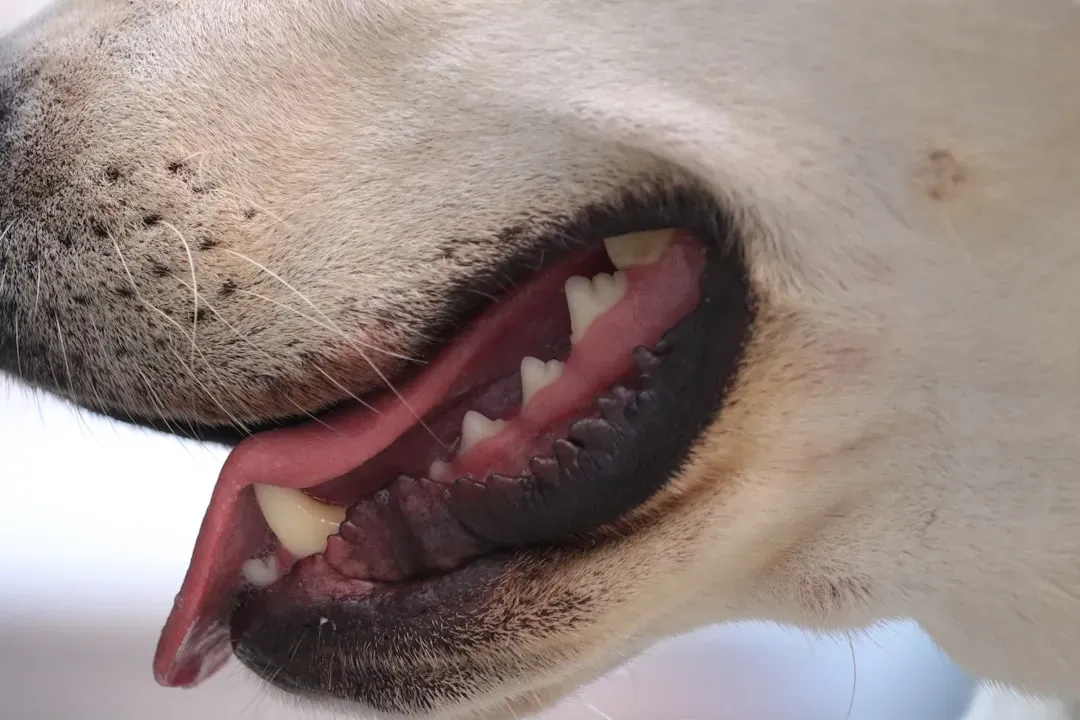
Most people never look at their dog’s gums unless someone tells them to. Long-time owners check them on pure instinct, because gums hold early clues about hydration, circulation, blood loss, and overall health. Pink and moist is the baseline; pale, white, blue, brick red, or tacky-feeling gums can mean anything from shock to internal bleeding to severe illness.
Seasoned owners don’t even have to remember the rule anymore, it’s automatic in any situation that feels off. They also watch for texture and swelling, since puffy or ulcerated gums can signal dental disease or immune issues. They might be the only person in the room saying, “Open his mouth, let me see his gums,” and they’d rather look like the dog nerd than miss a life-threatening clue.
Quick Compare
- Pink and moist: the healthy baseline
- Pale or white: possible anemia, blood loss, or shock
- Blue or gray: possible lack of oxygen, treat as an emergency
- Brick red: possible heatstroke, sepsis, or toxin exposure
- Yellow tinge: possible liver trouble
#22 – The “Something’s Off” Smell of Urine or Pee Habits
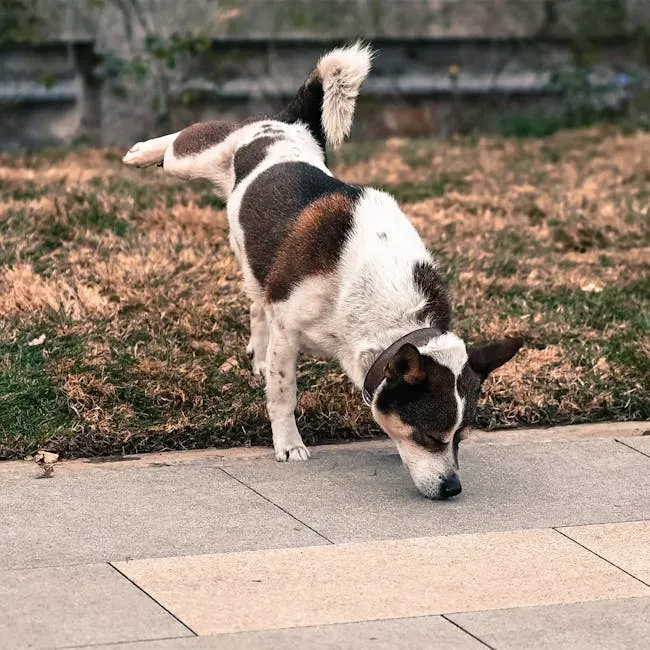
Pee isn’t glamorous, but long-time dog people pay close attention anyway. New straining, frequent small pees, accidents, blood tinges, or a strong new urine odor can mean a UTI, crystals, kidney issues, or diabetes, and experienced owners often notice before anyone else that the dog is asking to go out more or licking more often.
Even a single accident in a fully house-trained adult dog raises a big internal flag, this is probably health, not bratty behavior. They notice color and volume too, since darker or unusually large amounts of urine can be meaningful data. Instead of shaming the dog, they watch for a pattern and, if it continues, show up at the vet with a fresh sample and a clear timeline.
#23 – The Gut Feeling: “This Is Not My Dog”
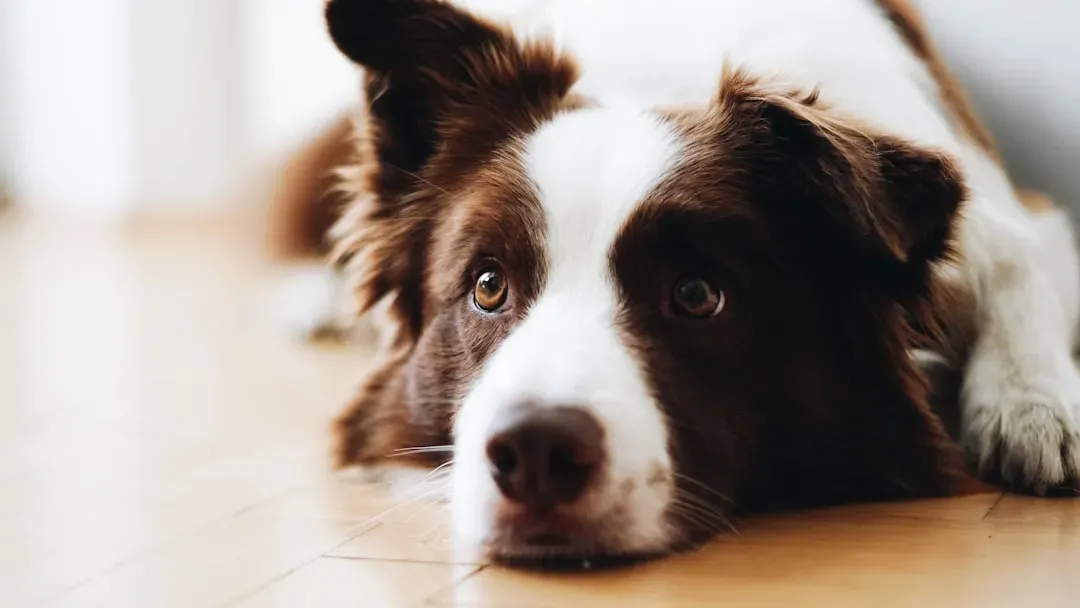
The most powerful sign of all isn’t in any textbook, it’s in the relationship. Long-time dog owners eventually develop an almost eerie sense of when their dog is off, even when they can’t point to one concrete symptom. Maybe the eyes look duller. Maybe the dog feels out of sync with the household rhythm, or their movements just feel “heavy.”
On paper, nothing screams emergency, but the human feels it deeply, and experienced owners have been burned enough times by ignoring that feeling to take it seriously now. Some people roll their eyes at “intuition,” but when you’ve watched a dog every single day for years, you become the world’s leading expert on their normal. Vets read labs. You read the whole dog. That instinct has saved more dogs than most people will ever realize.
The Bottom Line
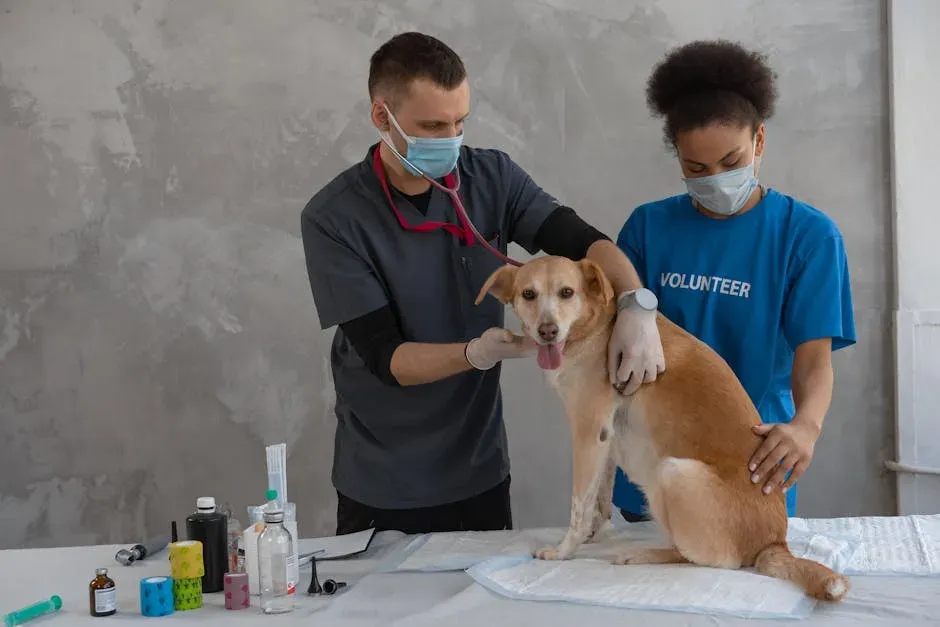
The truth most people don’t want to hear is this: by the time a dog looks obviously sick, you’re already in catch-up mode. Long-time owners aren’t magically wiser, they’re just paying ruthless attention to the tiny things everyone else writes off, the missing zoomies, the half-finished meal, the odd stare, the one strange breath.
They’ve learned the hard way that “wait and see” is often just code for “wait until it’s worse and more expensive.” Are some of these signs harmless on their own? Absolutely. But the quiet pattern over days and weeks is where the real story lives, and that’s where seasoned owners buy their dogs extra years of comfort.
You don’t need decades of experience to start seeing what they see. You just need to decide your dog’s normal is sacred, and that every change deserves a second look. So, which subtle sign has your dog shown that everyone else told you to ignore?


