

Most people think getting a dog just means more walks, more slobber, and more couch cuddles. Doctors know better. Look closely at the research and dog owners show up with different blood pressure patterns, different stress hormones, and even different immune responses than people who don’t share their home with an animal.
Some of these changes are the good kind of surprising. A few are the kind nobody posts about on Instagram. This isn’t wellness-influencer magic – it’s biology, routine, and daily habits quietly colliding, one belly rub and one 6 a.m. walk at a time. Here’s what actually happens to your body when a dog moves in, according to what doctors and long-term studies keep finding.
#1 – Your Heart Risk Quietly Starts to Shift
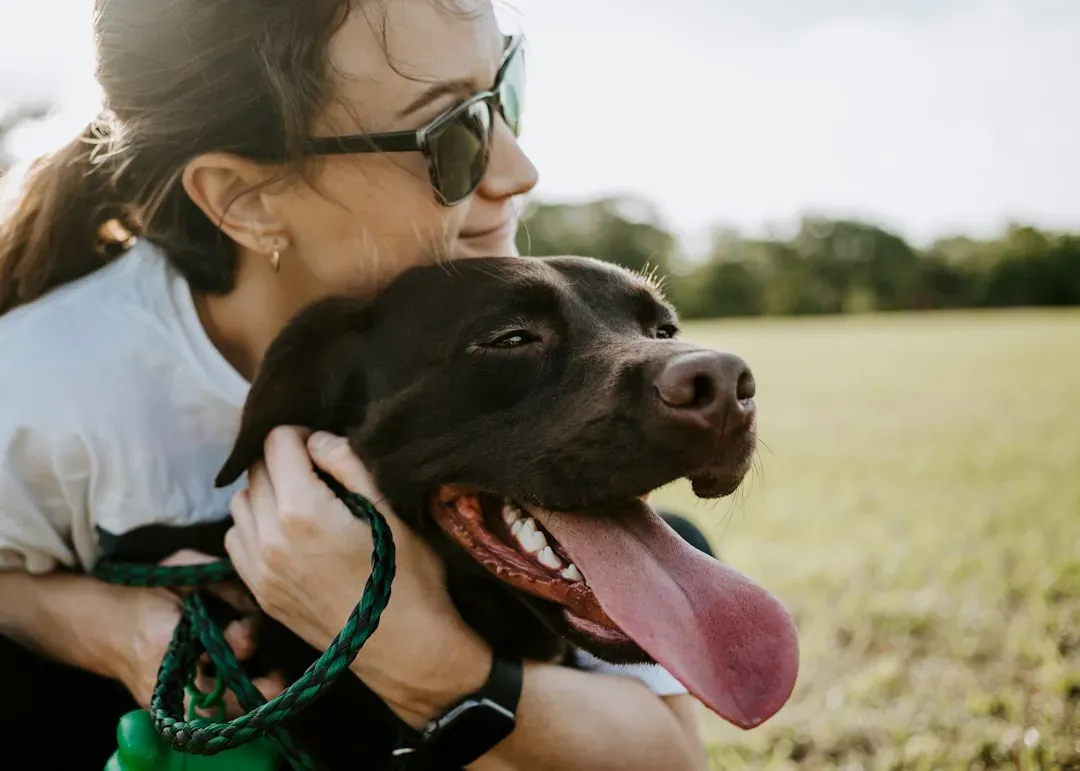
Doctors don’t just see “cute pet” when they look at dog owners – they see cardiovascular risk profiles. Multiple large studies have found that people who live with dogs often have lower resting blood pressure and a slightly lower risk of dying from heart disease, especially if they walk their dogs regularly. The dog isn’t a magic pill; it’s that you’re being pushed into a more active, less isolated lifestyle whether you feel like it or not.
There’s also heart rate variability, a marker doctors use to measure stress resilience, and it can genuinely improve when you’re bonded to a dog. Stroking a familiar dog has been linked to lower cortisol and a bump in oxytocin, the feel-good bonding chemical. Over years, that tiny daily calm can matter more than any weekend spa trip ever could.
Fast Facts
- Dog owners show roughly a 24% lower risk of dying from any cause compared to non-owners
- Dog ownership is linked to about a 31% lower risk of death from cardiovascular disease
- Heart attack survivors living alone see up to a 33% lower risk of death if they own a dog
#2 – Your Daily Step Count Jumps, Even If You Hate Exercise

Ask any cardiologist and they’ll tell you the most underrated medicine on earth is walking. Dog owners don’t just talk about moving more, they actually do it. Research consistently shows dog owners are more likely to hit the recommended 150 minutes of weekly activity, mostly because the dog does not care if you’re tired, grumpy, or still in yesterday’s sweatpants.
It adds up in sneaky ways. Bathroom breaks, quick loops around the block, longer weekend hikes – they stack quietly until they’re a real fitness habit. For plenty of sedentary adults, a dog is the only thing standing between them and a full desk-to-couch existence, and some doctors will admit that a demanding dog outperforms a gym membership nobody actually uses.
#3 – Your Stress Chemistry Literally Changes
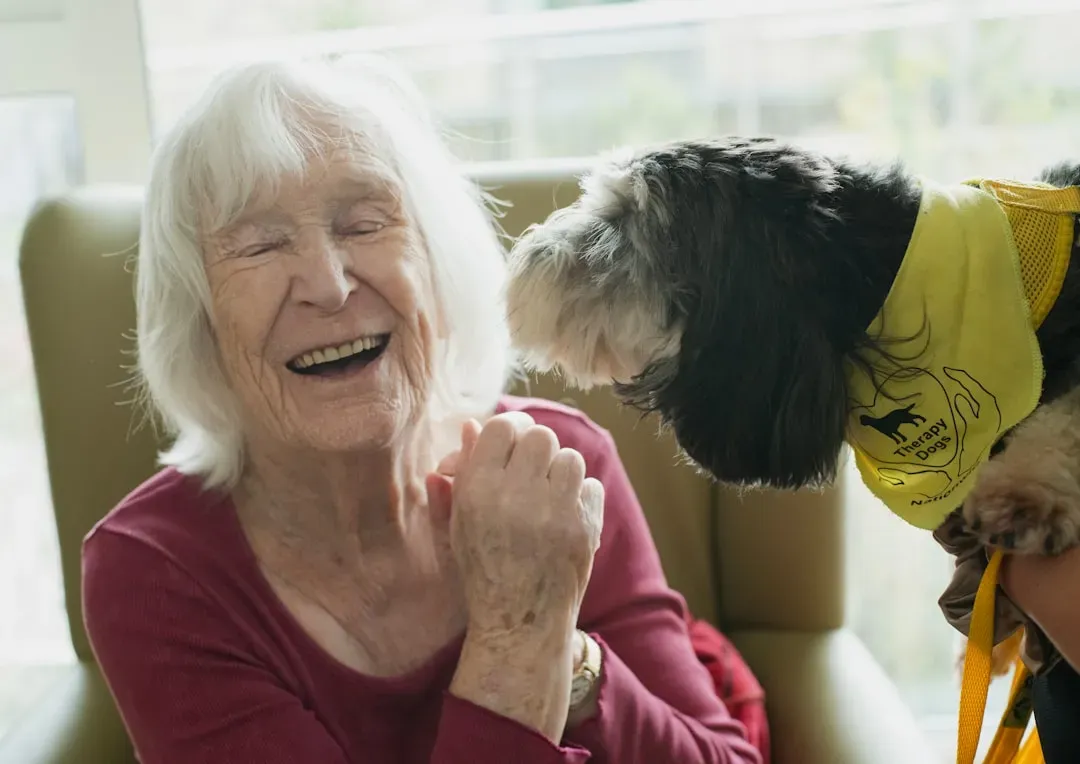
Stress isn’t just a feeling – it shows up in your blood. Medical researchers have repeatedly found that interacting with a familiar dog lowers cortisol and reduces sympathetic nervous system activation, basically turning your fight-or-flight dial down a notch. That’s part of why hospitals now bring therapy dogs into high-stress wards and pre-surgery rooms.
Doctors even see it in blood pressure readings taken before and after a dog interaction. A few minutes of slow petting and rhythmic dog presence can produce a measurable drop in heart rate, especially in anxious patients. It won’t replace therapy or medication, but it’s a real physiological nudge toward calm, and the effect tends to be stronger with your own dog than a stranger’s.
#4 – Your Immune System Gets Tougher, Especially If You Have Kids

Here’s where it gets controversial. Some people still think dogs are “dirty” and bad for health, but many pediatricians see the opposite. Growing up in a home with a dog, especially from infancy, has been linked to lower rates of certain allergies and asthma across multiple studies. The theory is simple: everyday exposure to dog dander, outdoor microbes, and a bit of mess trains a child’s immune system not to overreact.
Adults may benefit indirectly too. Dog owners spend more time outdoors, get more sunlight, and encounter more varied environmental microbes, all of which can shape gut and immune health. Doctors call this the hygiene hypothesis playing out in real life – though if you already have severe pet allergies, allergists won’t sugarcoat it: a dog can absolutely make things worse.
#5 – Your Sleep Gets Better, or Falls Apart

Sleep doctors will tell you a blunt truth: dogs are either your best sleep buddy or your loudest 2 a.m. saboteur. Studies suggest people who let a calm, well-behaved dog share the bedroom report feeling safer, less lonely, and more emotionally secure, which can genuinely improve sleep quality – especially for women and people living alone.
But the flip side is real. Dogs that snore, pace, whine, or demand early-morning potty breaks can fragment your sleep and cut into your deep sleep time. Over months, that chronic disruption can quietly hit your mood, your weight, and your heart health. Sleep specialists will even say that “my dog needs me at night” sometimes masks an actual undiagnosed sleep problem.
Quick Compare
- Good-night dog: Calm, house-trained, settles quickly, no midnight demands
- Rough-night dog: Snores, paces, whines, needs early bathroom breaks
- The result: One supports deep sleep and eases loneliness; the other fragments it and drains your mornings
#6 – Your Mental Health Baseline Often Shifts
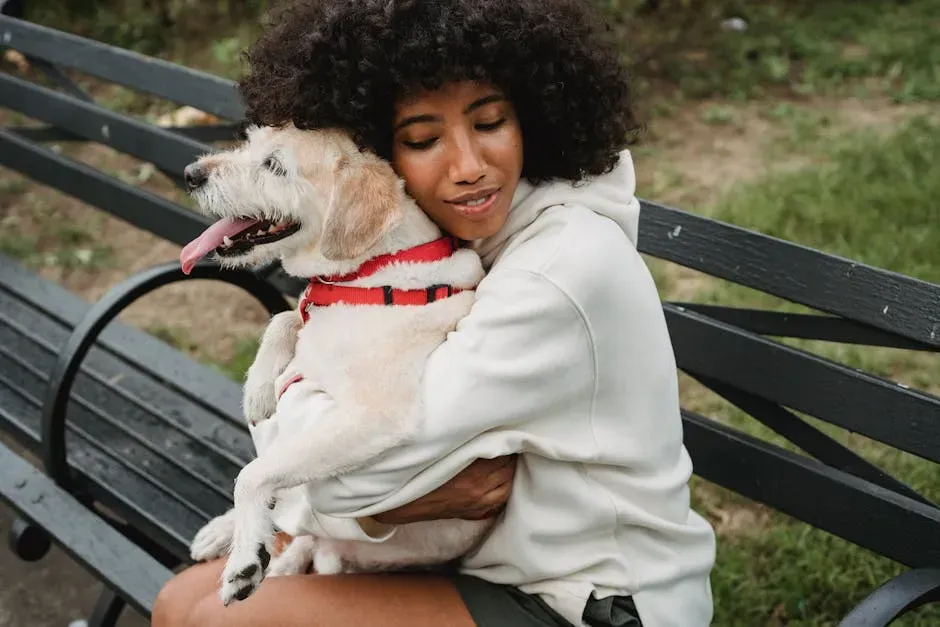
Psychiatrists won’t claim dogs “cure” depression or anxiety – that would be dishonest. But they do see that for many patients, a dog introduces structure, routine, and non-judgmental company that supports whatever treatment is already in motion. Feeding times and walks become anchors on days a person might otherwise stay in bed and shut the world out.
There’s an emotional layer too. Dogs don’t know your job title, your weight, or your bank balance; they respond to tone, presence, and affection. That predictable bond can translate into lower reported loneliness and higher day-to-day life satisfaction for many owners.
Dogs are not our whole life, but they make our lives whole.
Roger Caras
#7 – Your Social Life Quietly Expands

Most people think of a dog as “family.” Sociologists see something else: built-in social technology. Walking a dog dramatically increases how often strangers approach you, make small talk, or actually remember your face around the neighborhood. Doctors treating older adults often worry more about isolation than cholesterol, and a dog fights that isolation on the sidewalk every single day.
Beyond casual chats, dog ownership tends to pull people into recurring social settings, such as:
- Local dog parks and neighborhood walking groups
- Training classes, rescue events, or breed meet-ups
These are low-pressure, repeat contacts that can grow into real friendships. Loneliness has been called as dangerous as smoking by some public health experts, and dog-driven interaction quietly chips away at it – you still have to show up and talk, but the dog does half the ice-breaking for you.
#8 – Your Weight and Metabolism Can Be Nudged

Obesity medicine specialists won’t tell you “get a dog and lose 20 pounds.” That’s fantasy. But they do see that dog owners who actually walk their dogs daily often have slightly lower BMI and better metabolic markers than non-owners, even when their diet isn’t perfect.
It’s the small, non-negotiable habits that matter: getting up earlier, walking after dinner, taking the stairs since you’re already out with the leash. Over time, those modest habits can help stabilize blood sugar and improve insulin sensitivity, which doctors care about far more than any bikini photo. The catch: if you outsource the walks to a dog walker or your kids, the dog does nothing for your weight at all. It’s the movement, not the ownership, that counts.
#9 – Your Sense of Purpose Gets Heavier, in a Good Way

Psychologists increasingly link having a sense of purpose with better long-term health and even longer life. Living with a dog forces a level of daily responsibility you can’t snooze or cancel. Dogs need food, bathroom breaks, vet care, and stimulation, and they need it on the days you feel great and the days you absolutely don’t.
Doctors see this play out often in older patients and those recovering from illness or grief. Knowing “someone depends on me” can be the reason a person gets out of bed, takes their meds, and keeps a doctor’s appointment they’d otherwise skip. The flip side: that same responsibility can feel crushing if the owner is already overwhelmed, ill, or financially stretched. For most, though, the weight becomes a lifeline rather than a burden.
Worth Knowing
- Daily care routines like feeding, walks, and vet visits create structure that’s hard to skip
- Caregiving responsibility is tied by psychologists to a stronger overall sense of purpose
- A stronger sense of purpose is associated with better long-term health and greater longevity
- That same responsibility can feel overwhelming for owners who are already stretched thin
#10 – Your Home Gets Healthier and Dirtier at the Same Time

Here’s a paradox almost nobody talks about: living with a dog makes your home healthier psychologically but undeniably “dirtier” in a microbiological sense. Mental health experts see that a dog can make a home feel safer, warmer, and more alive, all factors linked to lower stress, especially for people who live alone or work from home.
At the exact same time, your floors, couch, and air filters collect more hair, dander, and outdoor microbes. For most healthy people, this doesn’t cause illness and may even diversify your home microbiome in a beneficial way. But for those with severe allergies, asthma, or compromised immunity, that added “life” in the house can trigger real problems. The dog isn’t inherently good or bad here – the effect depends entirely on your body’s starting point.
#11 – Your Risk Tolerance Changes in Subtle Ways

Emergency doctors see both sides of dog ownership: fewer sedentary-lifestyle complications for some patients, but more bite injuries, falls, and overuse injuries for others. Leash pulling, tripping over a dog in the dark, or rough play sends plenty of otherwise healthy people to urgent care. Orthopedic specialists half-jokingly call active dog owners their “accidental athletes.”
There’s a psychological shift too – people take risks they wouldn’t otherwise, like hiking alone because the dog is there, walking late at night, or letting an unfamiliar dog approach without asking. Most of the time this ends fine, until it doesn’t. Doctors quietly remind patients that a dog is not a security system, and it’s not a seatbelt either.
#12 – Your Finances and Stress Load Can Spike

Cardiologists and psychologists agree on one thing: chronic financial stress is brutal on the body. Here’s the part pet lovers hate hearing – dogs are expensive, and money worries raise blood pressure more reliably than any salty snack ever could. Food, grooming, vet bills, emergencies, boarding – it adds up fast, especially with larger breeds or chronic health issues.
Some owners quietly take on credit card debt or skip their own medical appointments to keep up with a pet’s care. Doctors see this pattern and worry, because sacrificing your own health to keep a pet afloat can backfire long-term. Owners who budget realistically for pet costs tend to report less guilt and more genuine joy – loving a dog is great, going into financial free fall for one is not.
At a Glance
- Average annual dog ownership costs run around $1,500 for moderate, routine care
- Costs can climb toward $2,500 or more per year for larger breeds or dogs with ongoing health needs
- A single emergency vet visit can run into the thousands, which is often where budgets break
- Owners who plan ahead for these costs report far less financial stress and guilt
#13 – Your Aging Process May Look Completely Different
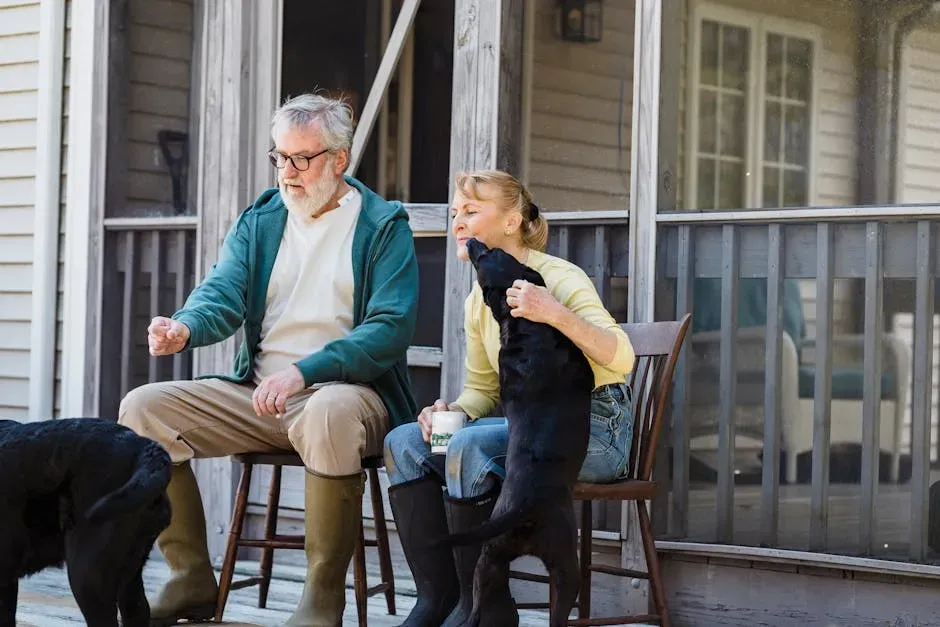
When doctors examine older dog owners, they often notice more daily movement, more routine, and more social contact – all factors tied to healthier aging. For seniors, a dog can be the difference between shuffling from bed to the TV and actually leaving the house multiple times a day, which means better joint mobility, balance practice, and mental stimulation.
There’s a cognitive angle too. Remembering feeding times, medications, and vet appointments keeps the brain engaged. Some geriatric specialists believe caring for a dog can slow the slide into inactivity and social withdrawal, both of which accelerate decline. But they’re equally blunt that a high-energy, untrained dog can be genuinely dangerous for someone with frailty or mobility issues. The right dog at the right stage of life gently bends your aging curve – the wrong one can bend it the other way.
The Bottom Line

Living with a dog doesn’t just add fur to your couch – it rewires your health in a dozen quiet ways. Doctors see lower blood pressure, more walking, less loneliness, and sometimes better immunity in dog homes, but they also see sleep disruption, injuries, allergies, and real financial stress.
The truth is brutally simple: a dog is neither a miracle cure nor a harmless accessory. It’s a daily lifestyle intervention with side effects, just like any serious treatment. Pick a dog that matches your health, your budget, and your energy, and take the responsibility seriously, and the benefits will almost certainly outweigh the downsides. Skip that homework and the “therapy dog” fantasy can collapse fast. Do you think the health perks beat the costs, or have doctors oversold life with dogs? Tell us how your own dog actually changed your health.


