
You bought pet insurance thinking you were buying peace of mind. You pictured cancer treatments covered, emergency surgeries covered, that one inevitable “why did my dog eat that” vet visit covered. Then the bill comes, the claim gets denied, and you’re staring at a policy that suddenly reads like it was written by someone who has never met a dog.
Here’s the uncomfortable part: insurers aren’t lying to you. They’re just letting vague language do the dirty work while you fill in the blanks with assumptions. Below are the 15 gaps owners discover only after it’s already expensive – and by the end, you’ll never read a policy the same way again.
#1 – Pre-Existing Conditions (The Shock Everyone Finds Out Too Late)
Most people assume that if a health issue “wasn’t a big deal” the first time, their plan will still cover it down the road. It usually won’t. If your dog had one ear infection before you signed up, many insurers quietly treat every future ear issue as a pre-existing condition for life.
That means zero coverage for chronic ear meds, surgery, or follow-up visits – even years later. The same fate can hit a single limp, a small skin lump, or one vomiting episode buried in an old vet record. Insurers dig through your pet’s entire history looking for a paper trail, and it doesn’t matter how minor you thought it was at the time. If it’s on file, it can be used against the claim.
#2 – Hereditary & Breed-Specific Issues (Especially in “Problem Breeds”)
If you own a Frenchie, Bulldog, German Shepherd, Golden, or Ragdoll, you probably assumed insurance was your safety net for exactly the health problems your breed is famous for. Insurers see it differently – to them, your dog is a walking risk profile with a price tag attached.
Hip dysplasia in Shepherds, airway trouble in flat-faced breeds, eye disease in Pugs and Persians – these are frequently limited, excluded, or locked behind expensive riders. Some owners don’t find out until they’re staring down a $6,000 to $10,000 surgery quote, having assumed “comprehensive” meant “everything my breed is known for.” It doesn’t.
Fast Facts
- Large breeds like German Shepherds and Golden Retrievers are prone to hip dysplasia.
- Flat-faced breeds such as Bulldogs and Pugs commonly face airway and eye problems.
- Breed-linked surgeries can run $6,000 to $10,000 out of pocket.
- Coverage for hereditary conditions is often limited unless you pay for an add-on rider.
#3 – Routine Wellness, Vaccines & Preventive Care
People hear “pet insurance” and picture human health coverage – checkups, vaccines, and screenings all bundled in. In reality, most base plans cover accidents and illnesses only. No annual exam, no vaccines, no heartworm test, no flea and tick prevention, no dental cleaning.
Insurers usually offer wellness as a paid add-on, and even then it comes with a tiny annual cap that runs out fast. Owners are stunned to learn their “comprehensive” plan reimburses 0% of a routine visit. The industry counts on you assuming insurance equals “all vet stuff.” It never has.
#4 – Dental Disease & Routine Cleanings
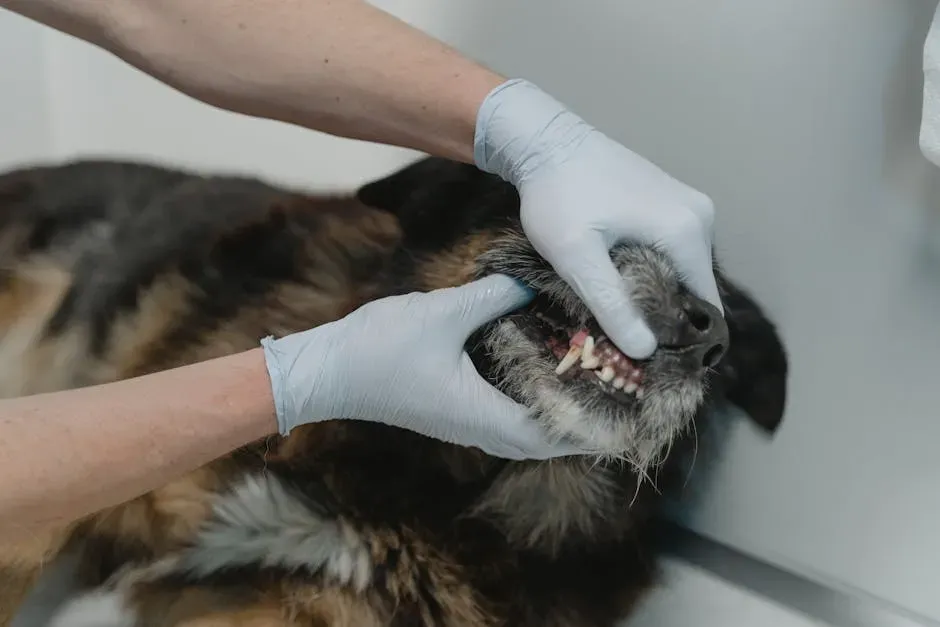
Here’s one of the most painful surprises: chronic dental disease is usually not covered at all. Most policies will only pay for dental work tied to an accident, like a tooth broken in a fall. Regular cleanings, x-rays, and extractions from periodontal disease are frequently excluded or heavily restricted.
That $600 to $1,200 cleaning your vet recommends, plus extractions for bad teeth, often lands entirely on you. Even full-mouth extractions for severe disease can get labeled “preventable maintenance” and denied outright. Owners assume teeth count as health. Insurers quietly disagree.
#5 – Behavioral Problems, Anxiety & Training Costs

Separation anxiety, aggression, compulsive licking, noise phobias – these are some of the top reasons pets get surrendered, yet many standard policies either exclude behavior entirely or only cover the initial vet consult, not the actual treatment plan.
Obedience classes, behaviorist sessions, anti-anxiety tools, and even the damage your anxious dog causes at home are commonly left out. Some insurers will only reimburse if you see a board-certified veterinary behaviorist – a specialist many areas simply don’t have. Insurers treat behavior as a training issue, not a medical one, and that framing costs owners real money.
#6 – Pregnancy, Breeding & Whelping Complications

Owners often assume that if their pet gets pregnant, complications will be treated like any other medical emergency. Most insurers see it differently: breeding is classified as a voluntary, high-risk choice, not an accident.
C-sections, fertility treatments, and newborn care are frequently capped or excluded outright – even accidental pregnancies can fall under a broad “reproduction” exclusion. Owners who assumed “it’s still health care” end up facing $2,000 to $5,000 in bills with zero help. Insurers treat breeding like a business decision, not a medical one.
#7 – Elective & Cosmetic Procedures (Including Ones That Feel Medical)
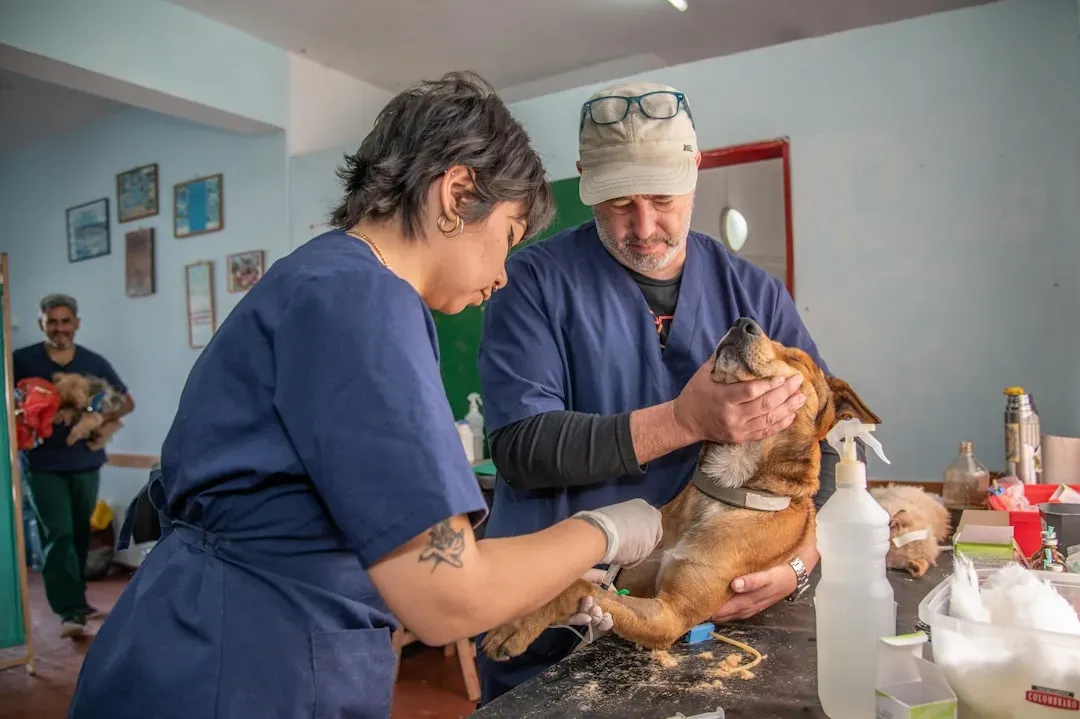
Most policies exclude anything labeled “elective” or “cosmetic” – and the insurer gets to decide what qualifies. Ear cropping and tail docking being excluded won’t shock anyone. What does shock owners is when medically necessary-feeling procedures get quietly filed under the same label.
Airway surgery in short-nosed breeds, eyelid correction in dogs prone to entropion, even lump removal can get flagged as “cosmetic” if the vet’s notes use the wrong wording. A single phrase like “owner preference” in the chart can give an insurer all the excuse it needs. Owners assume if a vet calls it surgery, insurance pays. Insurers quietly disagree.
Worth Knowing
- “Elective” and “cosmetic” are defined by the insurer, not your veterinarian.
- Airway surgery in short-nosed breeds can still get flagged as cosmetic.
- A chart note like “owner preference” can be enough to trigger a denial.
- Lump removals have been reclassified over nothing more than chart wording.
#8 – Alternative Therapies: Acupuncture, Chiropractic, Hydrotherapy & More
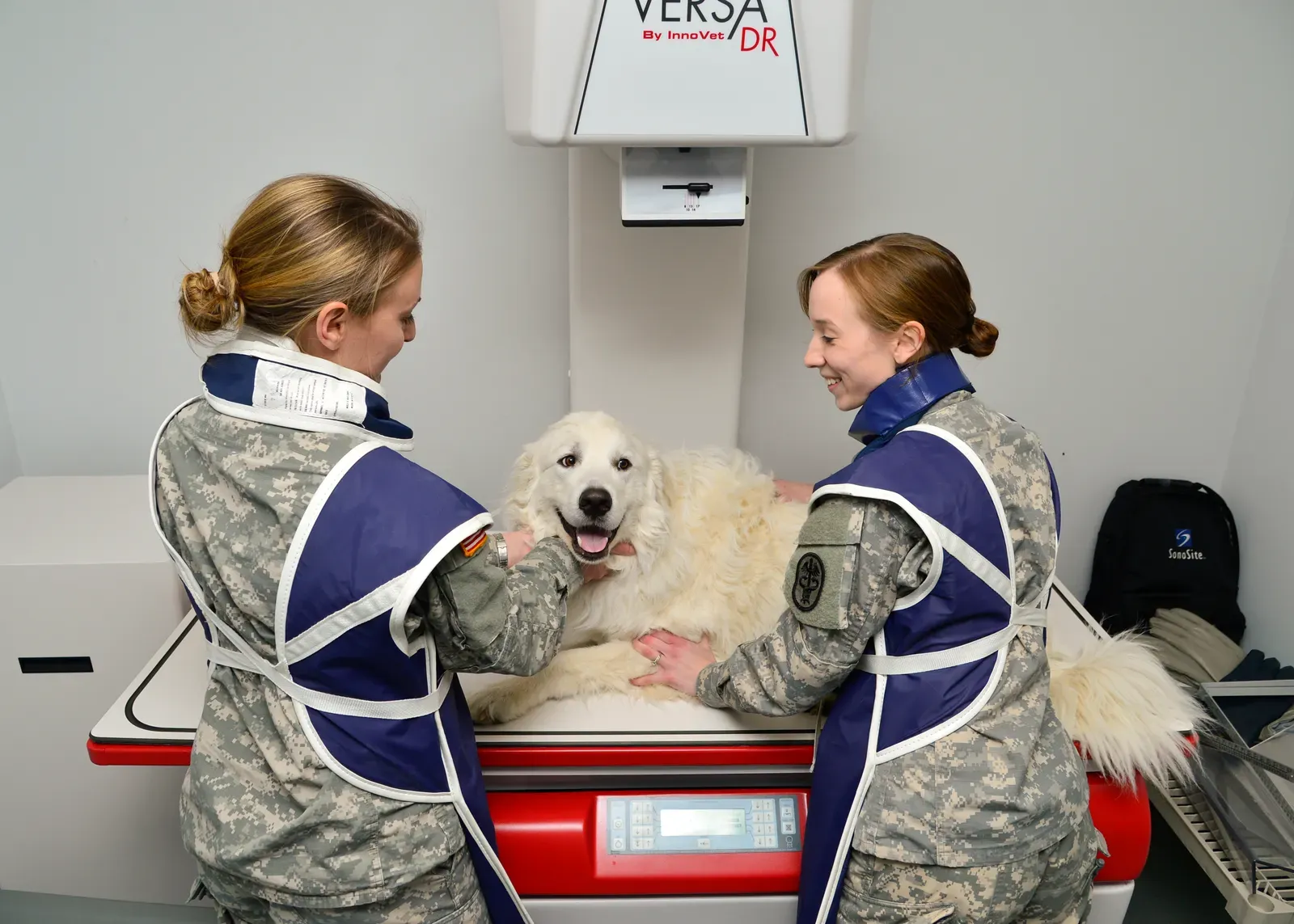
More owners than ever are turning to acupuncture, laser therapy, hydrotherapy, and rehab treadmills for chronic pain and recovery. Most assume insurance will chip in something. A lot of basic plans pay exactly zero unless you bought a specific add-on.
Even with the add-on, coverage is usually capped at a handful of sessions per year, a low dollar ceiling, or restricted to treatment performed by a licensed vet rather than a certified therapist. Owners often discover this only after they’ve already spent hundreds or thousands on sessions their own vet recommended.
#9 – Out-of-Network, Overseas & Certain Specialist Care

Pet insurance is supposed to be simple: see any licensed vet, get reimbursed. The reality is messier. Many policies quietly reduce reimbursement for emergency hospitals, university referral centers, telehealth visits, or care received abroad, buried in an “eligible providers” list almost no one reads.
Snowbird in another state part of the year, move overseas, or need a top specialist for a rare condition, and you may discover your “any vet, anywhere” assumption was never actually true. Telemedicine in particular often gets zero reimbursement, even when it’s the exact care your vet recommended.
#10 – Prescription Diets, Supplements & Routine Parasite Prevention
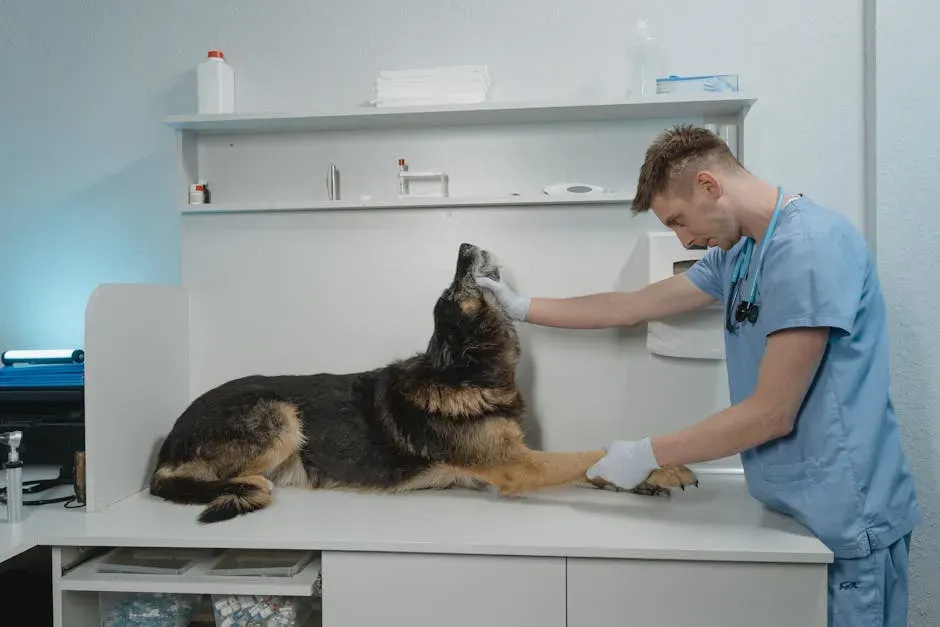
This is where many owners feel genuinely misled. Your vet prescribes a special diet for kidney disease, allergies, or GI issues. You pay triple the price of regular food and think, “good thing I have insurance.” Most policies don’t reimburse pet food – even prescription food.
Omega-3 supplements, joint chews, probiotics, and routine flea and heartworm prevention fall into the same uncovered bucket. A few plans cover a prescription diet short-term after certain surgeries, but chronic use is almost always on you. Insurers file food and supplements under “maintenance,” and maintenance is code for “we’re not paying.”
Quick Compare
- Prescription diets: Almost never reimbursed, even with a formal vet prescription.
- Joint chews, probiotics, omega-3s: Excluded as routine supplements.
- Flea, tick & heartworm prevention: Treated as maintenance, not medical care.
- Short-term post-surgery diet: Occasionally covered by a small number of plans.
#11 – Euthanasia, Cremation & Other End-of-Life Costs

This one feels cruel to a lot of owners. You’d assume the most humane, unavoidable part of pet ownership – a peaceful, medically necessary euthanasia – would automatically be covered. It’s not always. Some insurers only pay if the euthanasia is directly tied to a covered illness or accident, and others exclude it as a “non-medical service fee.”
In-home euthanasia visits, cremation, urns, and after-hours emergency fees are frequently left uncovered even when the underlying illness was reimbursed. People remember these denials for years, and it’s easy to see why – losing a pet is hard enough without discovering the goodbye itself wasn’t covered.
#12 – The Second Knee, The Other Hip & Other “Bilateral Conditions”
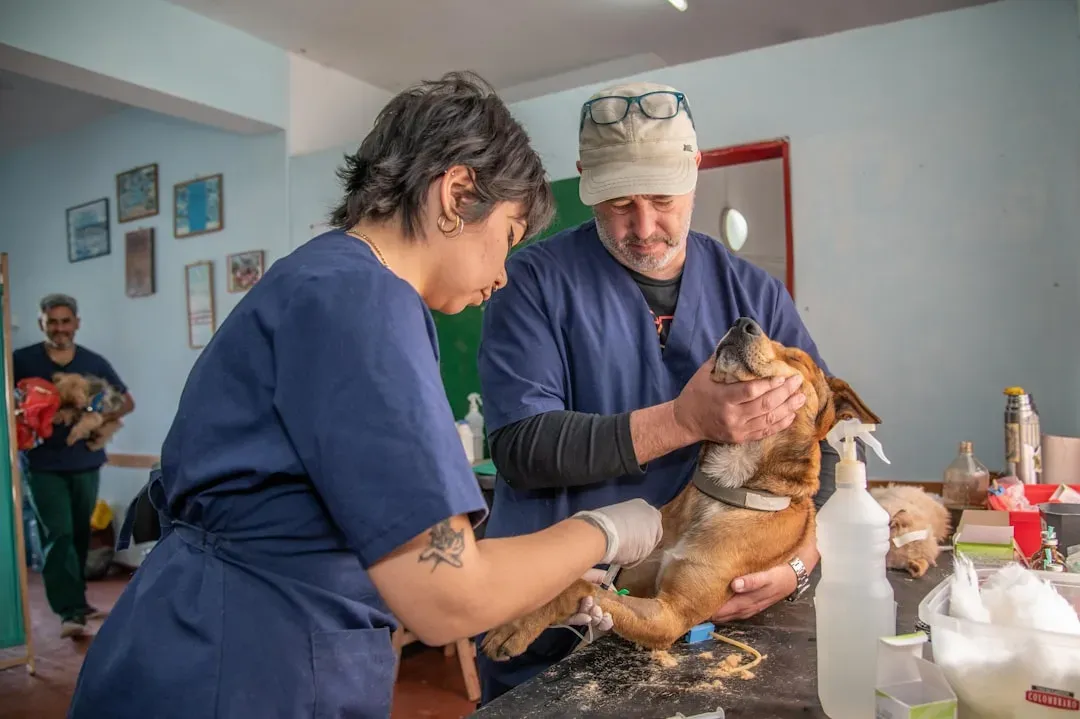
This is one of the industry’s most hated fine-print tricks. If your dog tears the ligament in one knee before or early in coverage, many insurers will flatly refuse to cover the same injury in the other knee later – even if it happens years afterward.
The same logic applies to hip dysplasia, certain eye diseases, and some ear conditions affecting both sides of the body. The insurer’s reasoning: the second side is “related” to the first, so it’s treated as pre-existing. Owners see a brand-new $3,000 to $8,000 surgery. Insurers see a loophole.
#13 – Boarding, Travel Costs & Your Own Emergency Expenses

Most pet insurance focuses only on direct vet treatment costs. Nearly everything else surrounding an emergency – travel, hotels, time off work – falls entirely on you. Boarding fees if you’re hospitalized, gas and flights for an emergency vet visit, lost wages from taking time off, none of it counts.
A handful of premium plans offer token travel allowances if your pet is injured far from home, but they’re rare and often capped at amounts that barely cover a tank of gas. Owners assume “emergency” means help with the whole situation. Insurers define help as strictly what the vet bills for.
#14 – Liability, Property Damage & Bites (That’s a Different Policy)

When a dog bites someone or wrecks a neighbor’s fence, plenty of owners instinctively reach for their pet insurance. Standard pet health insurance almost never covers third-party liability or property damage – that’s your homeowners, renters, or a separate liability policy’s job.
Medical bills for a bitten stranger, legal fees if you’re sued, repairs for chewed doors or broken fences, none of it is covered here. Owners assume pet insurance means “anything bad that happens because of my pet.” Insurers define it strictly as the pet’s own medical expenses, full stop.
#15 – Annual, Per-Condition & Lifetime Caps (The Limits No One Reads)

Here’s the punchline most people never see until they’re mid-crisis: even when something is technically covered, the payout has limits, and they’re often harsher than owners realize. Annual payout caps, per-condition caps, and lifetime caps can all quietly apply to the exact diagnosis you thought was fully handled.
Your cat’s cancer might be covered – until you hit the lifetime limit. Your dog’s chronic allergy might be fully reimbursed the first year, then you slam into the annual cap and start paying out of pocket for the rest of its life. Owners proudly say “my policy covers cancer” without realizing that might mean up to $3,000, ever. Insurers bank on the fact that most people never run the math until it’s too late.
At a Glance
- Annual caps: Reset each policy year and limit total yearly payouts.
- Per-condition caps: Set a ceiling for one specific diagnosis, no matter how long treatment lasts.
- Lifetime caps: A hard, permanent ceiling on what the insurer will ever pay for that condition.
- Real-world example: A “covered” cancer diagnosis can still max out around $3,000, ever.
The Bottom Line

Pet insurance isn’t a scam, but it’s absolutely not what most owners think they’re buying. The industry wins quietly on assumption: that “comprehensive” includes pre-existing issues, breed problems, behavior, wellness, dental, end-of-life care, and everything swirling around an emergency. In reality, policies are engineered to cover the narrowest, most predictable slice of risk, and everything else gets nudged into categories like “maintenance,” “elective,” or “not medically necessary.”
If you don’t know what’s excluded, you don’t actually know what you’re paying for every month. Read every exclusion before you sign, ask the ugly “what if” questions out loud, and get the answers in writing. Otherwise you’re not buying peace of mind – you’re financing a surprise bill with a monthly payment plan. Which of these 15 caught you off guard, and did your insurer earn the benefit of the doubt, or just hide behind the fine print?


