
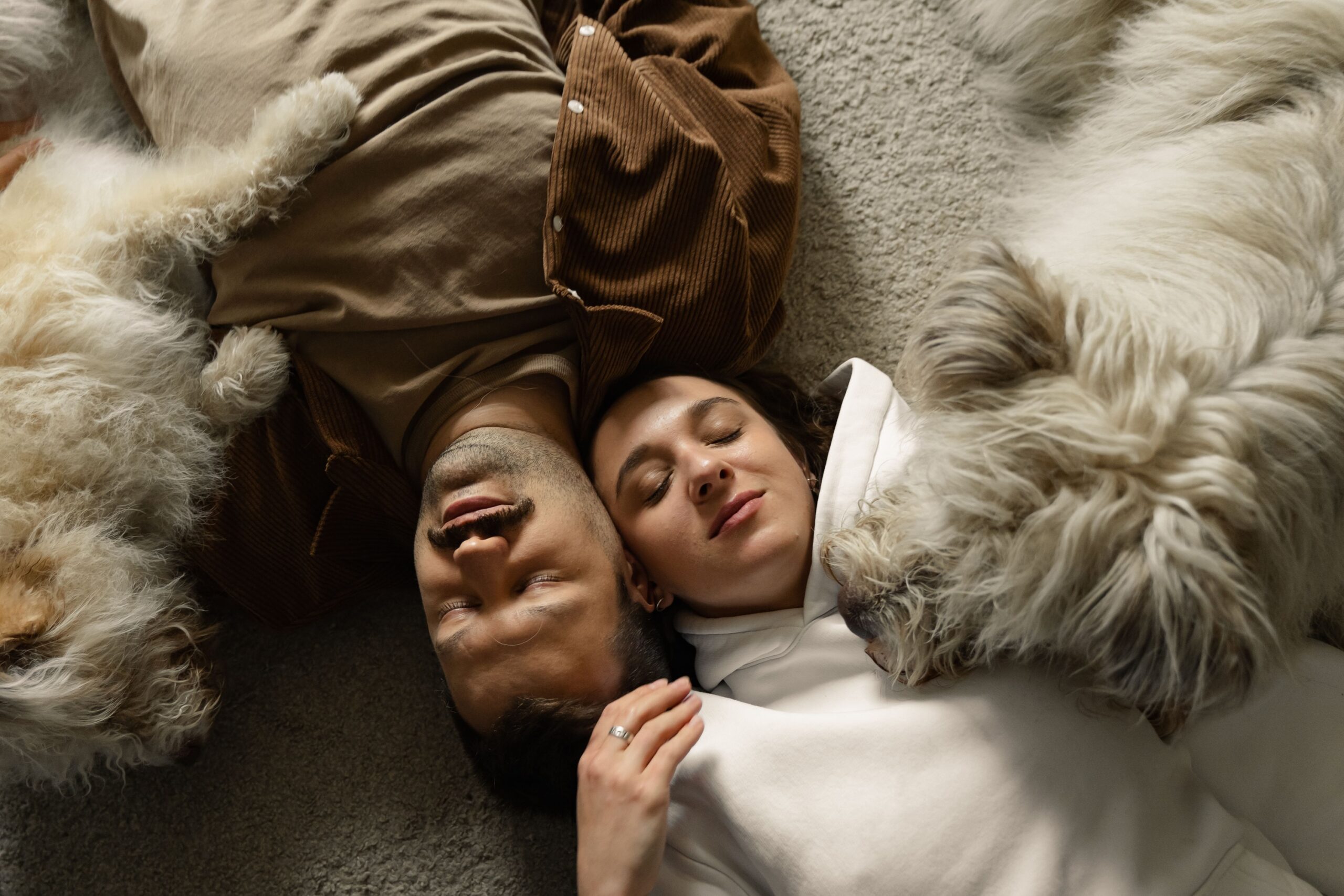
There’s a moment every long-time dog owner recognizes: you look over one day and realize your wild tornado of a puppy has quietly turned into an old soul. The white on their muzzle has spread, the springs in their legs are softer, and somehow your bond feels deeper than any words can cover. It’s beautiful, a little scary, and strangely sacred all at once.
Living with a senior dog is like reading the last chapters of your favorite book: every page hits harder, every detail matters more, and you start paying attention in a way you never did before. If you’re in that season now, you know exactly what I mean. Here are twelve things that only people who love an older dog truly, deeply understand.
1. The New Meaning Of “A Good Day”
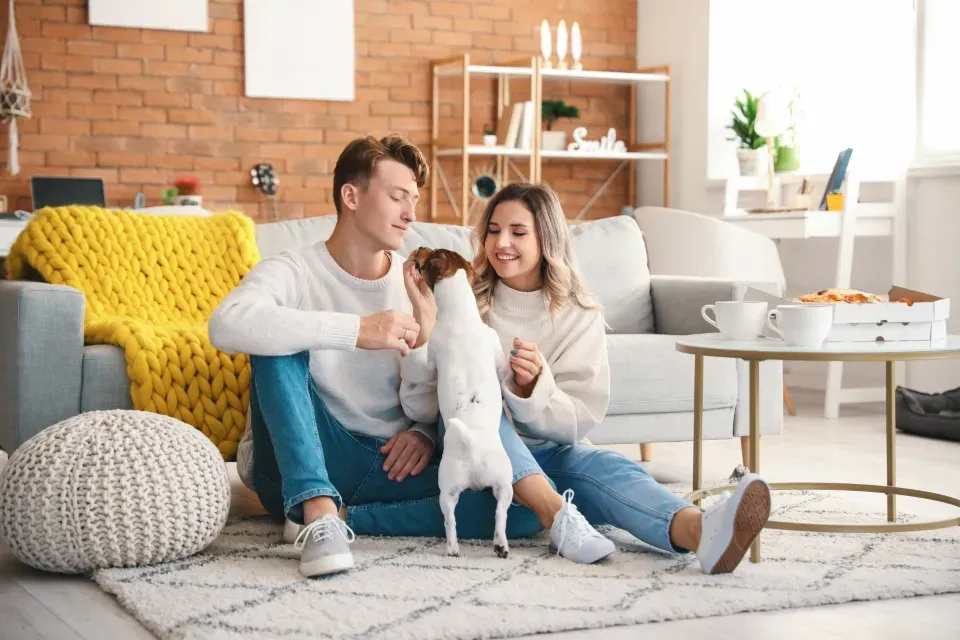
At some point, “a good day” shifts from epic hikes and long games of fetch to something much quieter. A good day is when they eat well, walk without limping, and fall asleep snoring softly at your feet. You start measuring time in little wins: no accidents in the house, no coughing, no new lumps, and a tail that still wags when you say their name.
You learn to savor the simple routines: a slow stroll to the mailbox, a sun nap in the same warm spot on the floor, a relaxed, comfortable evening with no signs of pain. It’s not that you’ve lowered your standards; it’s that you’ve finally figured out what actually matters. Comfort, calm, and presence suddenly outrank everything else.
2. The Art Of The Slow Walk
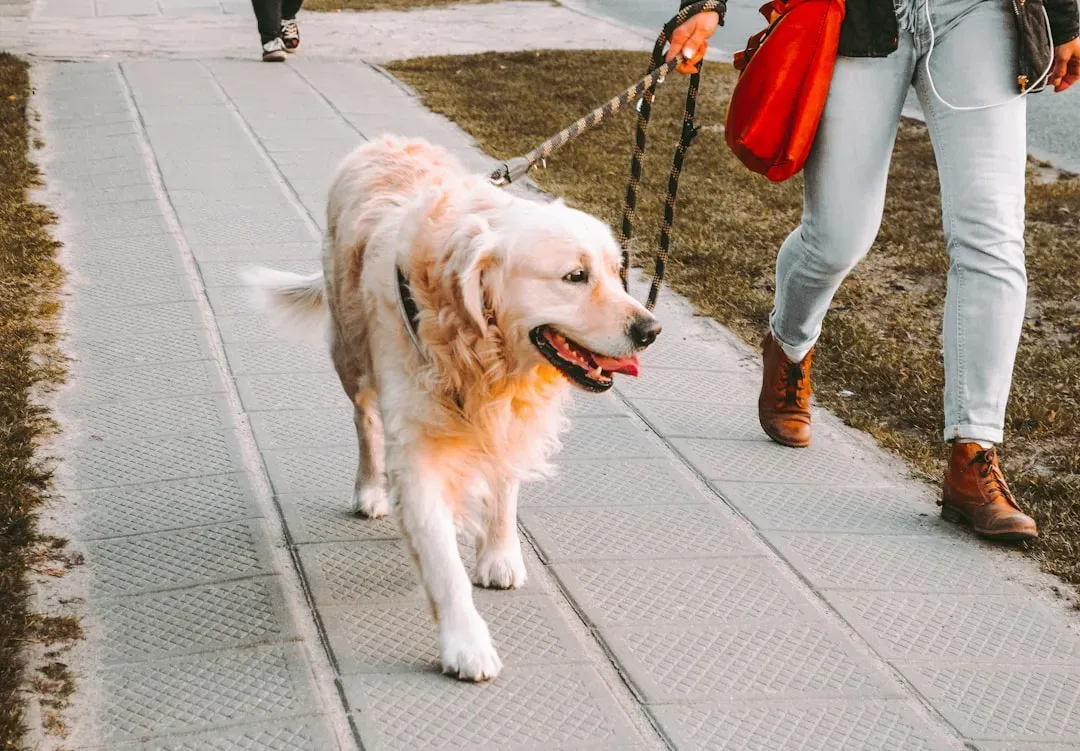
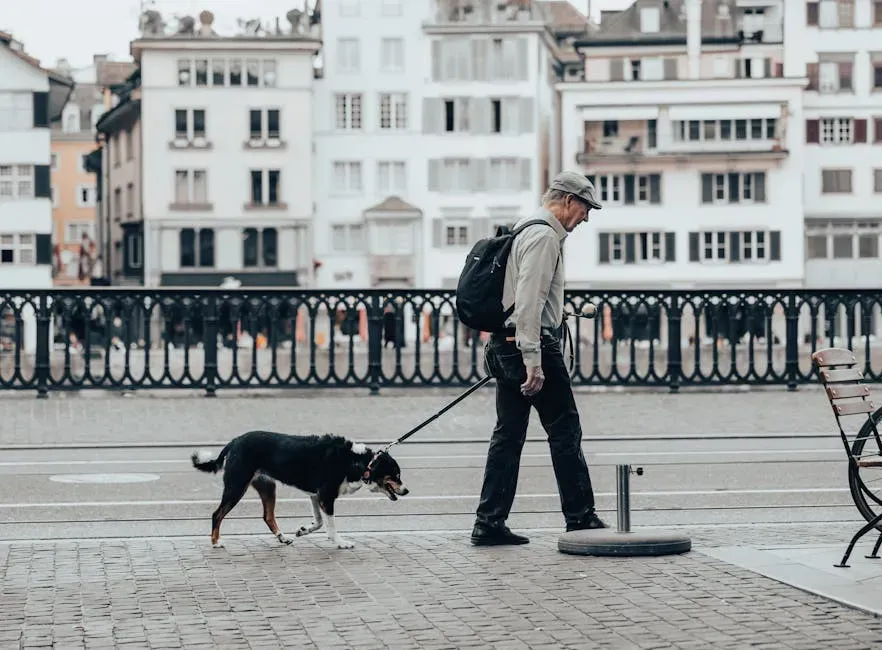
Senior dog walks are a masterclass in patience. What used to be a power walk around the block is now a fifteen-minute journey to the corner and back, with plenty of pauses to sniff invisible things only they seem to notice. Their body might have slowed down, but their curiosity often hasn’t, and you realize that the walk was never about cardio anyway.
You stop checking your step counter and start watching your dog instead. Are they dragging their paws a little more today? Are they stopping to rest sooner than usual? You become a quiet observer, tailoring the route and pace to match how they’re feeling in that exact moment. That slow walk turns into your daily ritual of tuning in and saying, without words, “I’m right here with you.”
3. The Senior Sit-Down Conversations
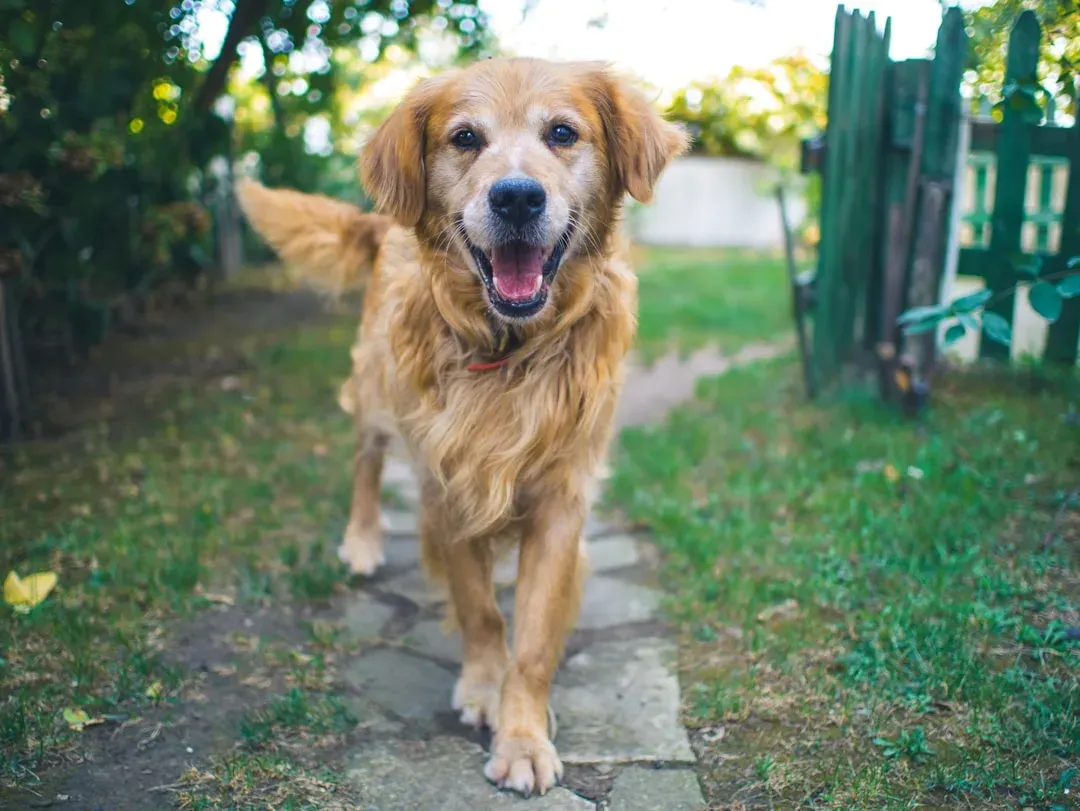
People joke that we talk to our dogs, but senior dog owners know it hits different when your dog is old. You find yourself sitting on the floor next to their bed, rubbing that soft spot behind their ears, whispering things you might not admit to another human. You talk to them about your day, your stresses, your fears about losing them, and somehow their quiet gaze makes it all feel lighter.
They might not hear as sharply as they used to, but their presence feels more tuned in than ever. A small head tilt, a slow blink, a sigh as they lean their weight into you – it feels like a response. You realize these “conversations” are as much for you as they are for them, a way of making sense of love and time and the ache of knowing nothing lasts forever.
4. The Science Of Tiny Health Changes
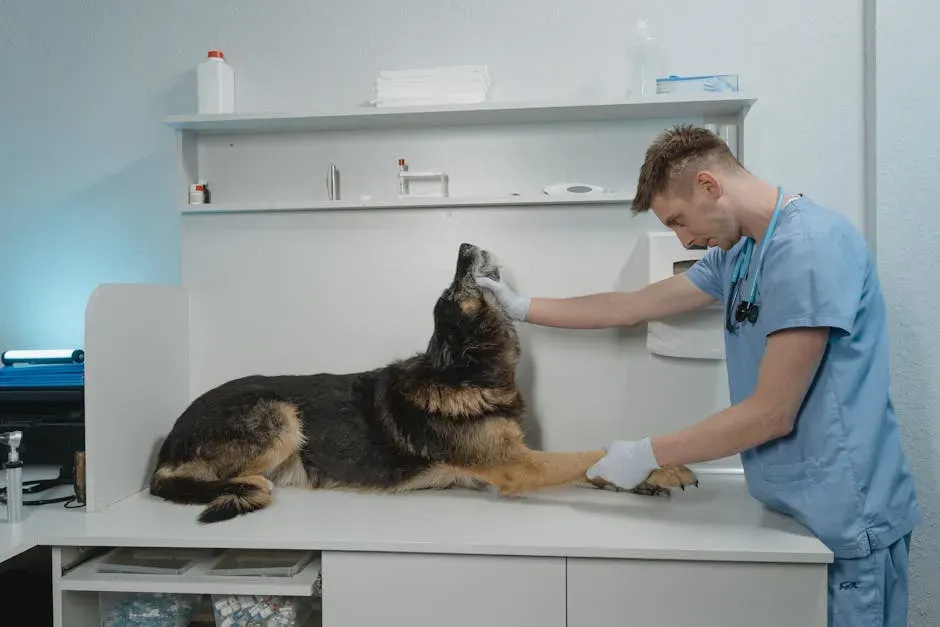
Ask a senior dog owner about their dog’s health, and you might as well be speaking with a nurse. You learn to track patterns: how much they drank today, whether their breathing sounds different, if that one back leg is weaker than it was last week. Things you barely noticed when they were younger now feel like important data points in a story you’re trying to understand early.
Regular vet visits become less about panic and more about prevention and planning. You ask about supplements, joint support, vision changes, kidney numbers, heart murmurs. You do your best not to spiral, but you do pay attention, because you know that catching something early can make their last years more comfortable. It’s not anxiety so much as fierce, informed loyalty.
5. The Weird Beauty Of White Muzzles
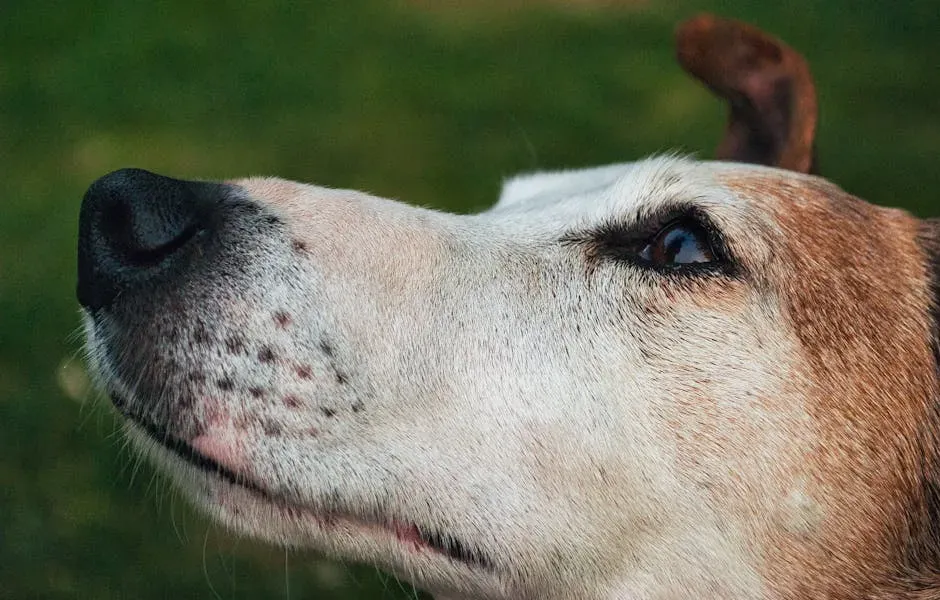
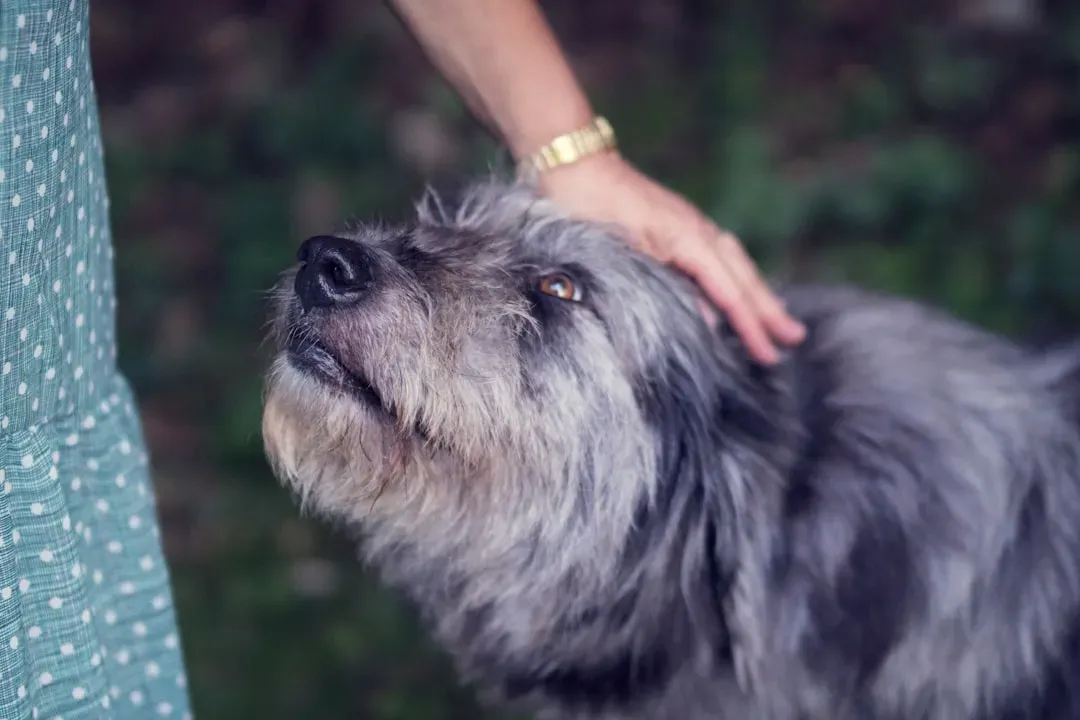
One day you’re scrolling through old photos and it hits you: your dog’s face used to be almost entirely dark. Now there’s that frosted sugar look around their eyes and nose, and instead of making you sad, it weirdly fills you with tenderness. That white muzzle is a timeline you can touch – the result of years of walks, naps, car rides, and shared secrets.
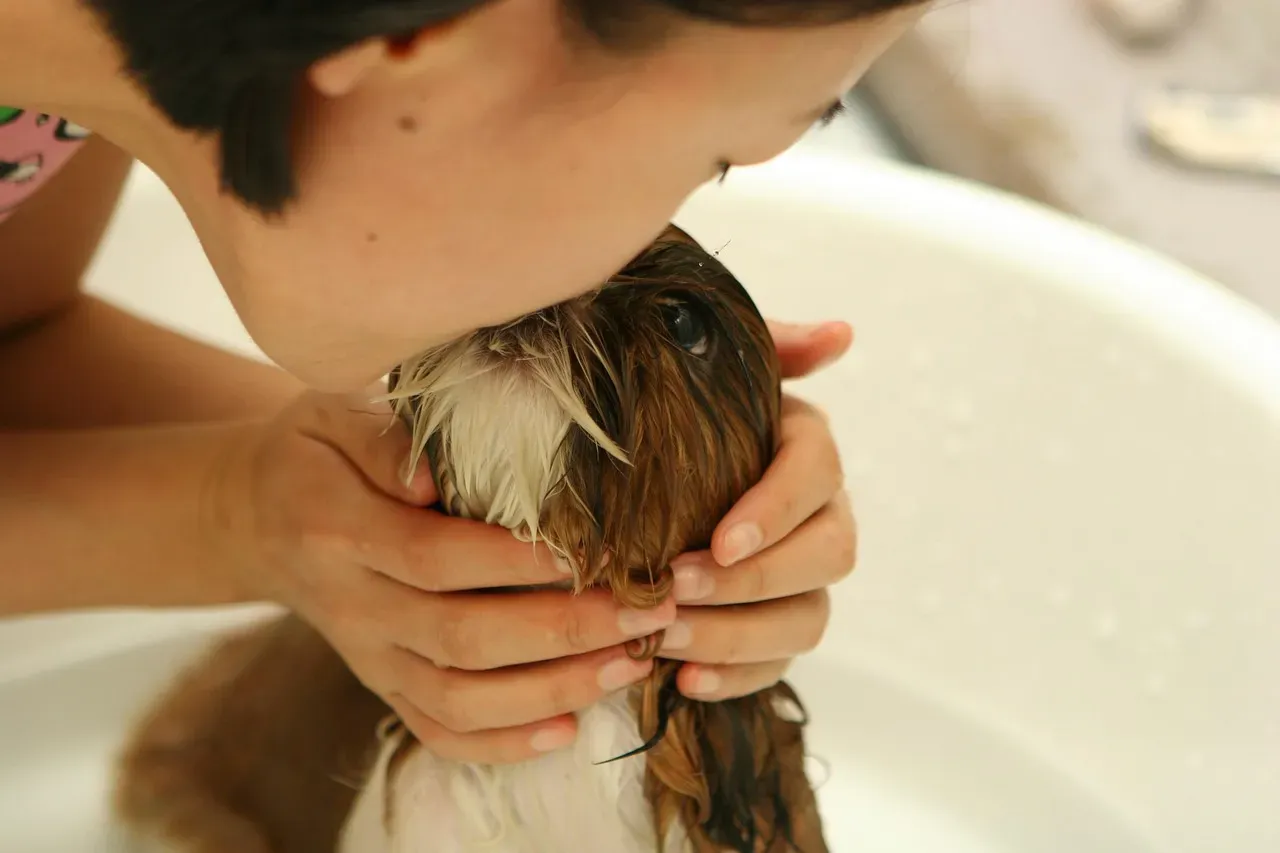
Strangers might say your dog looks “old,” but you see something else: softness, wisdom, and a kind of gentle nobility that puppies simply don’t have yet. That white fur makes you more protective and more grateful all at once. You start kissing their face more often, like you’re trying to thank time itself for letting you keep them this long.
6. The Shift From Training To Accommodating
When your dog was young, you focused on training: sit, stay, leave it, heel. With a senior, the script flips. You find yourself rearranging furniture to make space for ramps, adding rugs so they don’t slip on hardwood, lifting their back end gently into the car, and adjusting feeding times around their new medication schedule. It’s less about shaping their behavior and more about reshaping their world.
That shift is subtle but profound. You stop thinking, “How can I teach them to fit my life?” and start asking, “How can I adjust my life to fit what they need now?” It’s not always convenient – carrying a forty-pound dog up the stairs isn’t exactly glamorous – but it feels strangely honoring. This is you paying back, in small, practical ways, all the joy they gave you without asking for much in return.
7. The Quiet Fear In The Back Of Your Mind
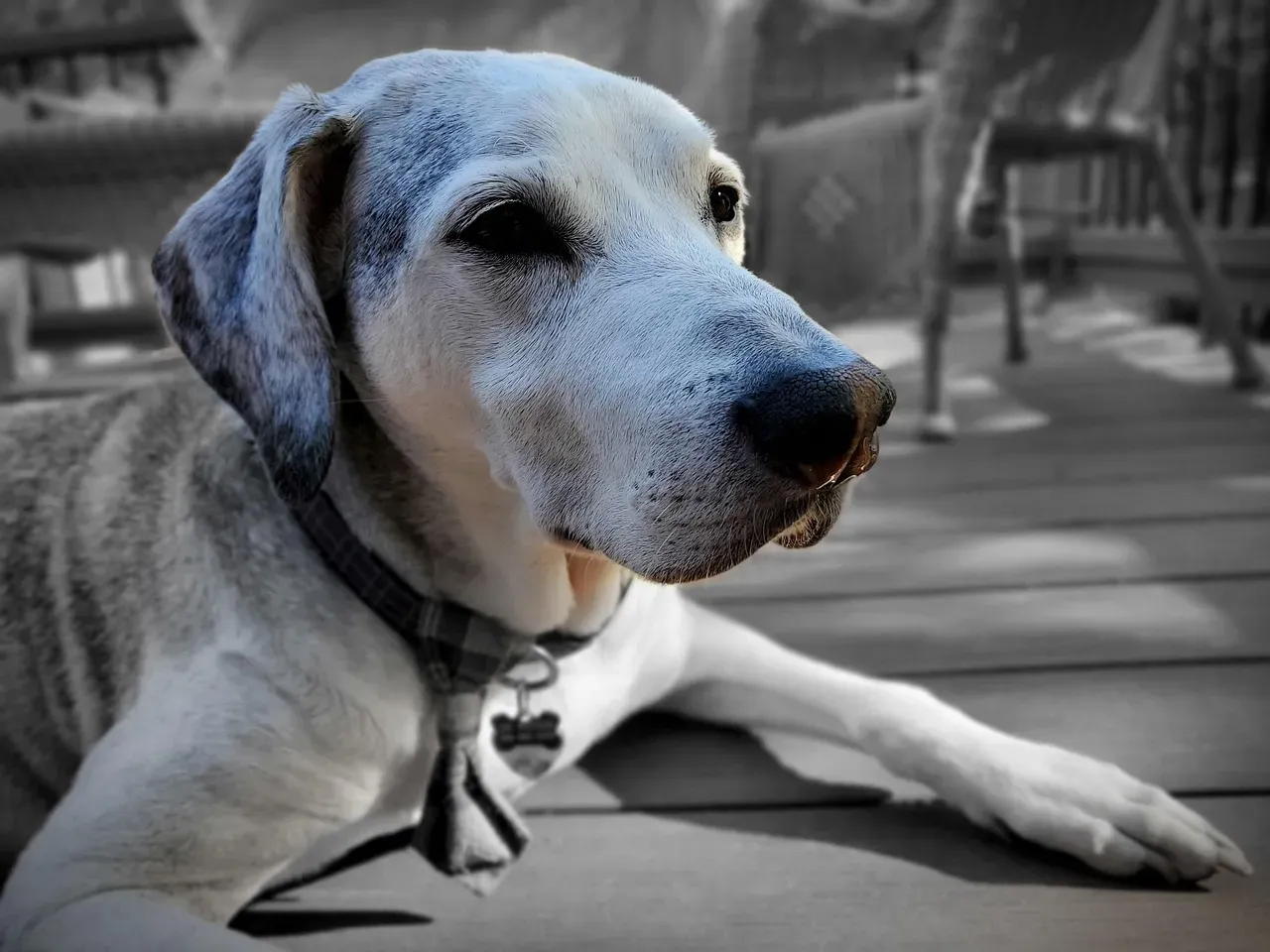
Senior dog owners live with a kind of background hum that never fully goes away. Every strange cough, long nap, or skipped meal makes your mind jump three steps ahead to the worst-case scenario. You hate that your brain does this, but you also understand it: loving an older dog means knowing, very clearly, that time together is finite.
Over time, though, that fear strangely softens. It doesn’t vanish, but it sits alongside gratitude instead of replacing it. You start to think in terms of “today we still have” instead of “someday we’ll lose.” That mental reframing does not make the future less painful, but it does make the present more alive. You stop postponing joy and start saying yes to more cuddles, more treats, more photos, more presence.
8. The Deep Comfort Of Routine
Senior dogs usually love routine even more than they did as youngsters. Same bed, same blanket, same feeding time, same route for the afternoon walk. At first, you might worry that life has gotten boring, but then you notice how much calmer they seem when the day unfolds predictably. Their aging brain and body find safety in knowing what comes next.
You also end up clinging to those routines because they become the skeleton of your shared life. Morning pills hidden in a tiny ball of food. The exact way they circle three times before settling on the couch. The nightly “last call” trip to the yard. These little patterns anchor you, especially when so much else feels uncertain. When their world gets smaller, routine is the map that keeps it feeling safe and familiar.
9. The Way Sleep Changes – For Both Of You
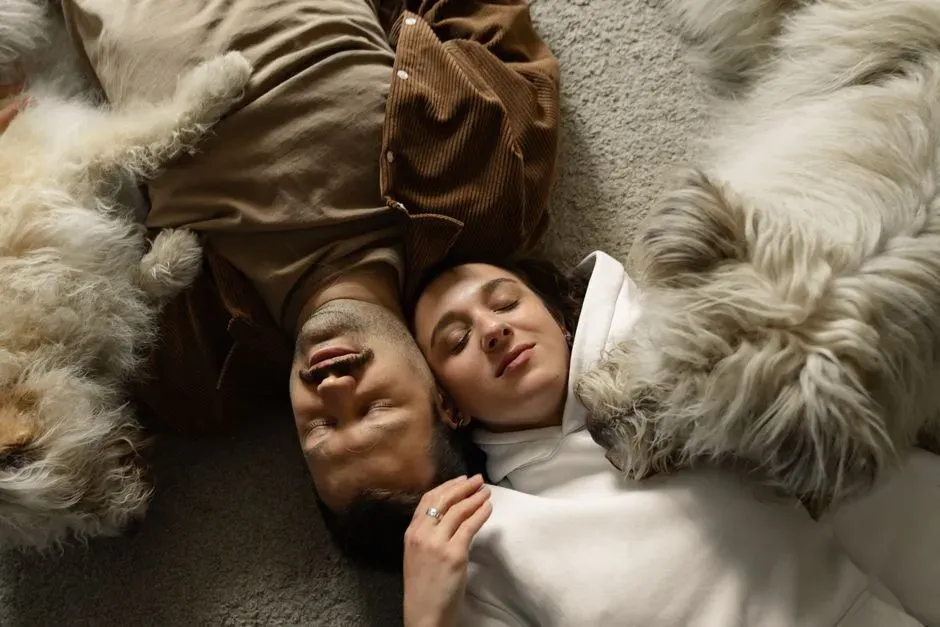
Older dogs sleep more, and in some ways, watching them rest becomes its own pastime. You notice the twitching paws, the quieter breathing, the way they sometimes wake up a little disoriented and look to you for reassurance. Nighttime can get trickier with bathroom breaks, stiffness, or anxiety, and you find yourself adjusting your own sleep to match theirs.
Maybe you move their bed closer to yours, or you keep a nightlight on in the hallway so they can find you. You start sleeping a bit lighter, tuned in to the sound of their paws on the floor or their tag gently tapping the water bowl. It’s a trade you accept without much thought: a little less deep sleep for you in exchange for them never feeling alone in the dark.
10. The Joy Of Little Bursts Of Puppy Energy
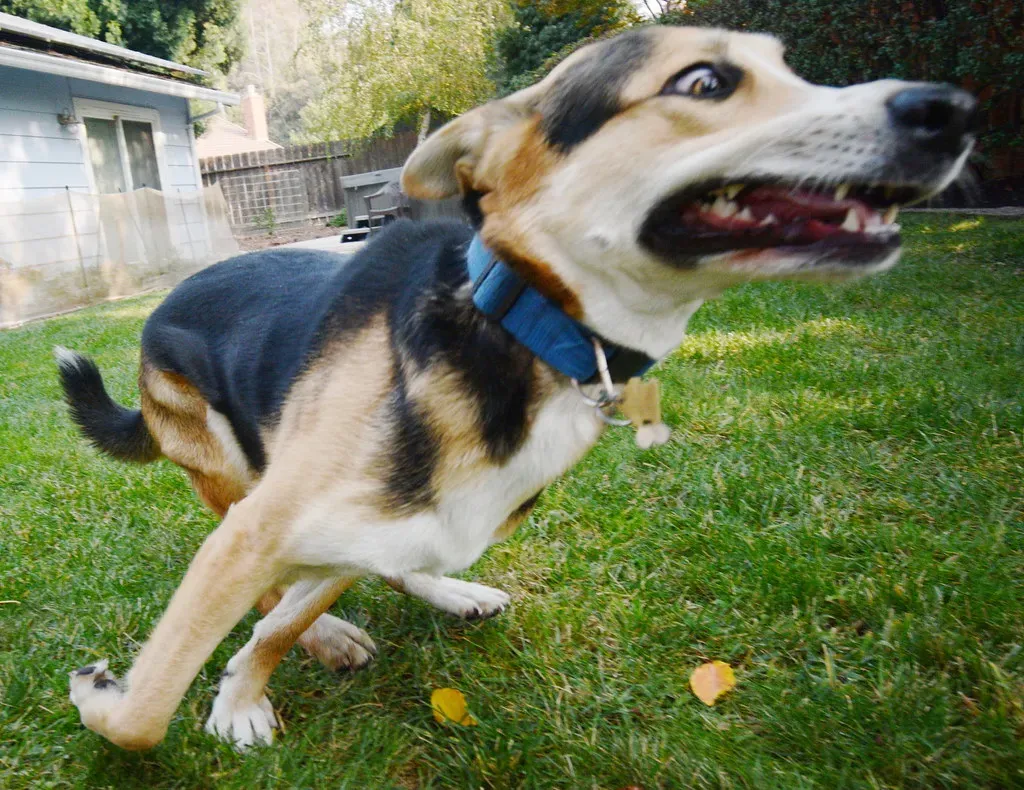
There is nothing on earth like the moment your arthritic, slow-moving senior suddenly gets a random burst of energy. Maybe they grab a toy and trot around with it, or do a clumsy little zoomie in the living room. For a few seconds, you get a flash of the dog they were years ago, and it hits you straight in the chest – part joy, part nostalgia, part disbelief.
You don’t take these moments for granted anymore. You pause whatever you’re doing and just watch, grinning like an idiot, recording it with your phone and also with your heart. You know it might be a while before you see that spark again, so you let yourself love it fully, without worrying about why it showed up or how long it will last. Those tiny bursts of puppy energy become your favorite surprise.
11. The Strange Mix Of Grief And Gratitude – Before Anything Even Happens
One of the hardest parts of loving a senior dog is what people sometimes call anticipatory grief: that ache that shows up before the actual goodbye. You can be sitting peacefully on the couch, your dog sleeping next to you, and suddenly your throat tightens at the thought of them not being there someday. It feels unfair, because nothing is wrong in that moment, and yet your heart is already bracing.
But mixed into that grief is a powerful wave of gratitude. You realize how lucky you are to have made it this far together when so many dogs never reach old age. Instead of letting the sadness steal the joy, you start using it as a reminder: this is special, this is rare, pay attention. In a way, the grief trains you to notice the good stuff more fiercely than you ever did before.
12. The Understanding That Every Senior Dog Is A Living Legacy
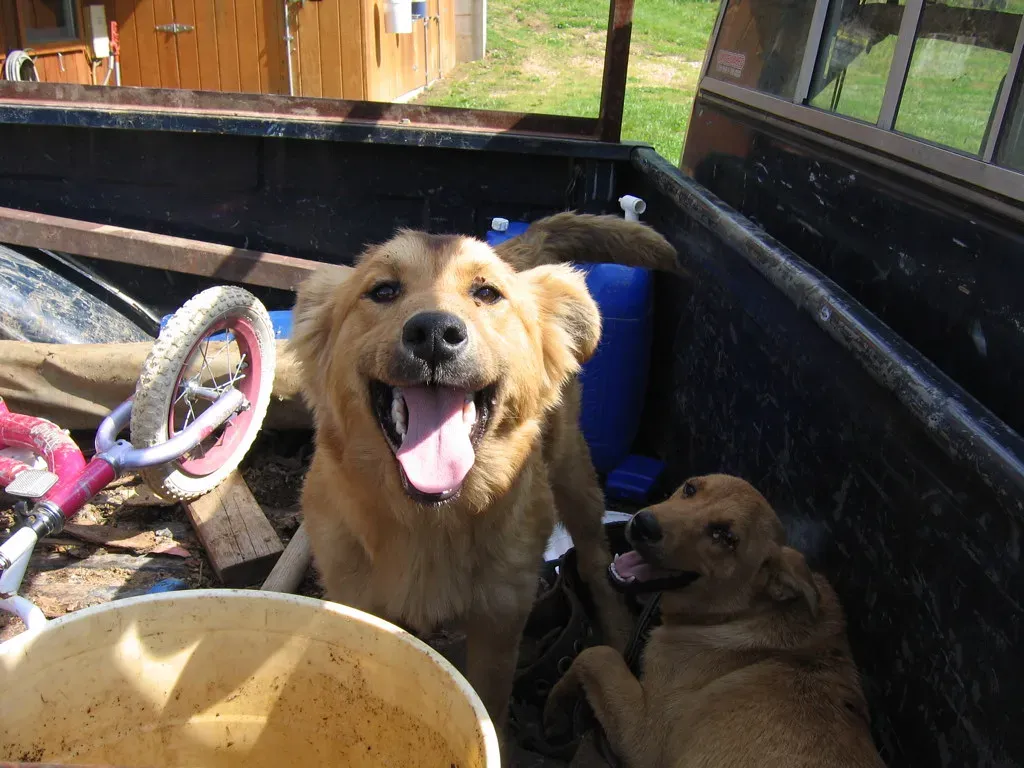
By the time your dog is a senior, they have woven themselves into the fabric of your life in a thousand subtle ways. They’ve seen you through breakups, moves, illnesses, new jobs, late-night tears, and random kitchen dance parties. Their habits and quirks are stitched into your daily rhythms, and even the house itself seems to bend around them: the worn patch of carpet where they always lie, the door that never fully closes because they like it slightly open.
You start realizing that when they eventually go, they will leave behind more than silence. They leave you softer, more patient, more empathetic. You love differently because of them – less performance, more presence. That, to me, is the real legacy of a senior dog: not just the memories you keep, but the person you become because you walked with them all the way to the edge.
Conclusion: Why Senior Dogs Quietly Change Us
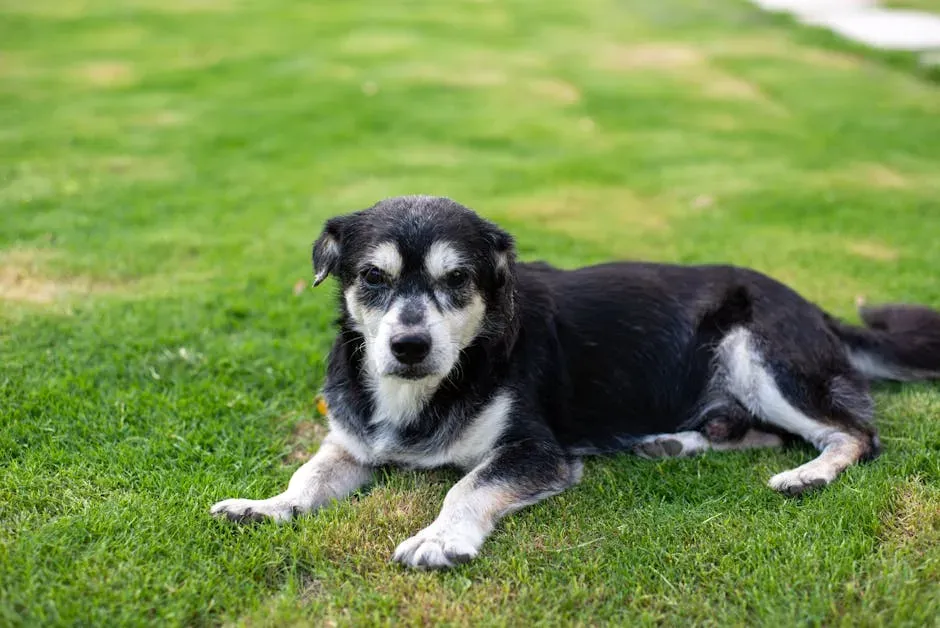
Living with a senior dog forces you to grow up in ways you might not expect. You learn to sit with discomfort instead of running from it, to love without pretending it will last forever, and to find meaning in ordinary days rather than chasing constant excitement. In a world obsessed with new and fast and shiny, loving an old dog is almost rebellious – it says, very clearly, that slowness and softness still matter.
If I’m honest, my younger self loved my dogs enthusiastically, but my older self loves my senior dog deliberately. I show up more, notice more, and take less for granted, and that change has spilled into every other relationship in my life. Maybe that’s the secret only senior dog people really get: yes, it hurts more, but it also makes life feel more real than almost anything else. When you look at your gray-faced friend, what part of you do you see reflected back?


