
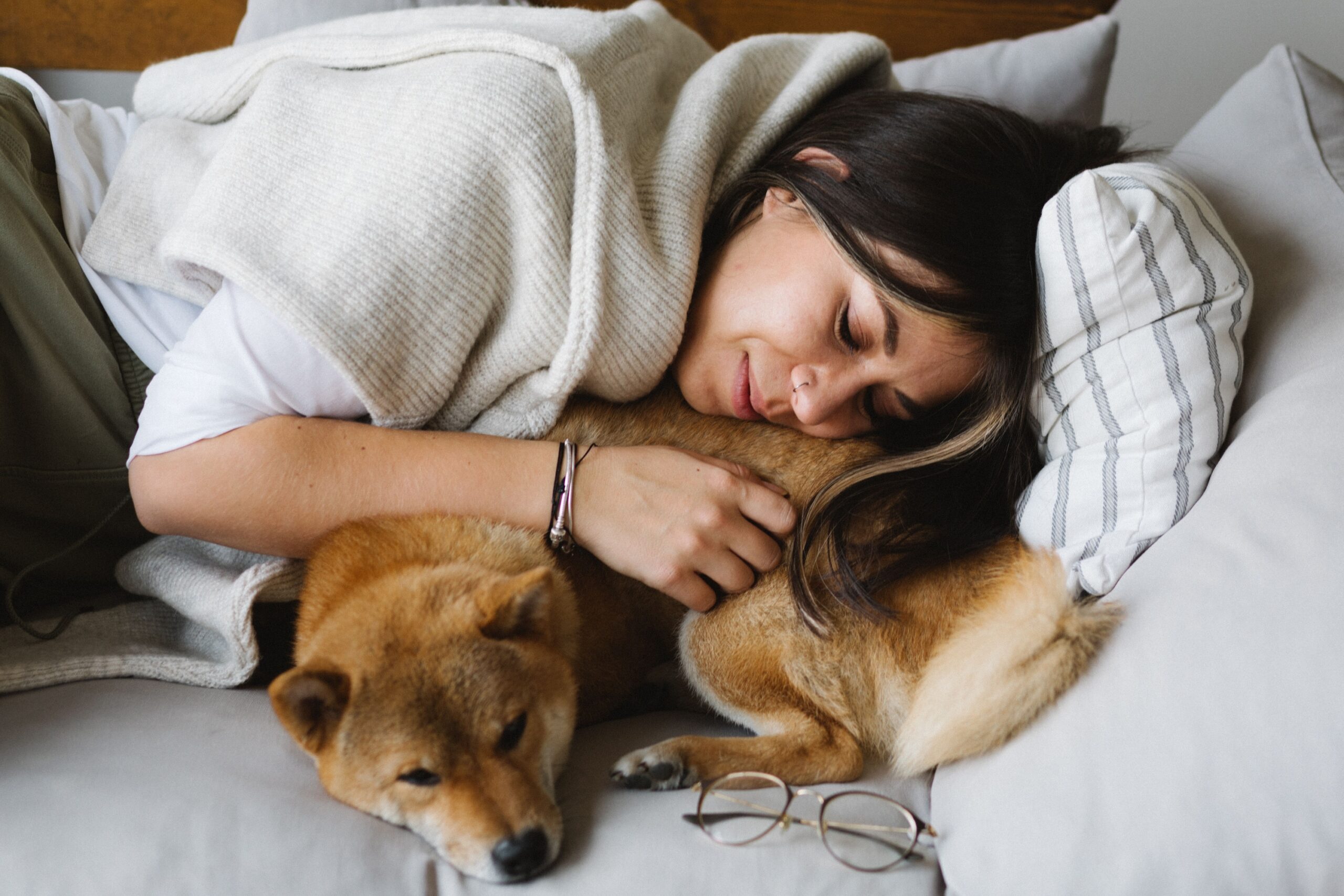
If you’ve ever felt like your dog somehow knows you’re home before you even touch the doorknob, you’re not imagining it. Science is steadily revealing that dogs live in a world where your smell is like a permanent signature, hanging in the air long after you’ve left the room. To them, your scent is not just a smell; it’s a story about where you’ve been, what you’ve done, and how you’re feeling.
I still remember coming home from a trip, dropping my suitcase in the hallway, and watching my dog rush straight past me to sniff the bag like it contained the secrets of the universe. That was the moment it really clicked: he already knew me, knew my scent, even before we made eye contact. Let’s dig into how research backs this up, and what it means about how deeply dogs experience us, even in our absence.
The Science Behind a Dog’s Superpowered Nose
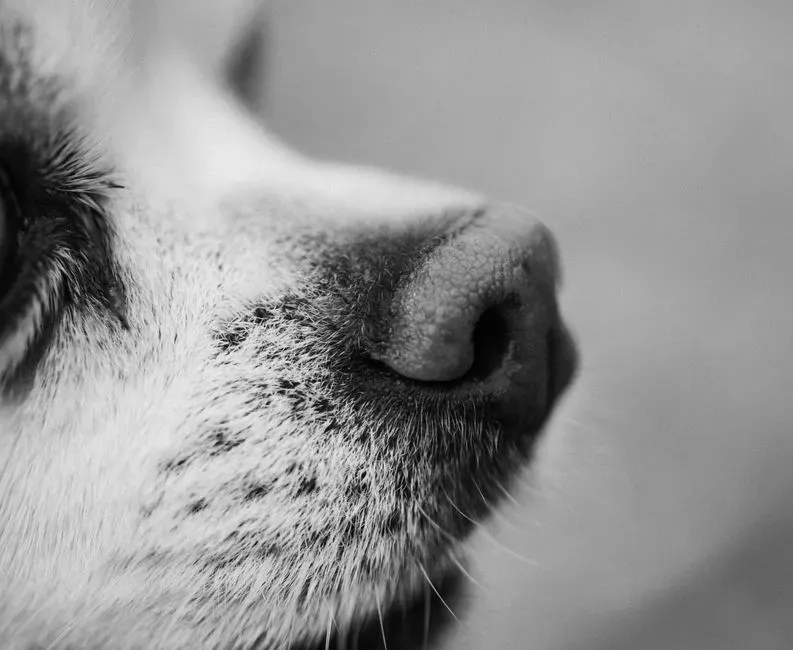
Dogs do not just smell better than we do; they smell in a completely different dimension. Their noses contain hundreds of millions of scent receptors, while humans only have a small fraction of that, which means what is faint or invisible to us can be intensely clear to them. On top of that, a specialized structure in their noses helps trap scent particles and send them to the brain with incredible efficiency.
Inside a dog’s brain, the area dedicated to processing smells is much larger relative to their overall brain size than it is in humans. It is as if our black and white printout were compared to their full-color, ultra high-definition image. So when a dog walks into an empty room where you were sitting half an hour ago, the scent map you left behind is still rich and readable, like footprints in fresh snow rather than a faint trace.
How Studies Show Dogs Recognize Their Owners by Smell Alone
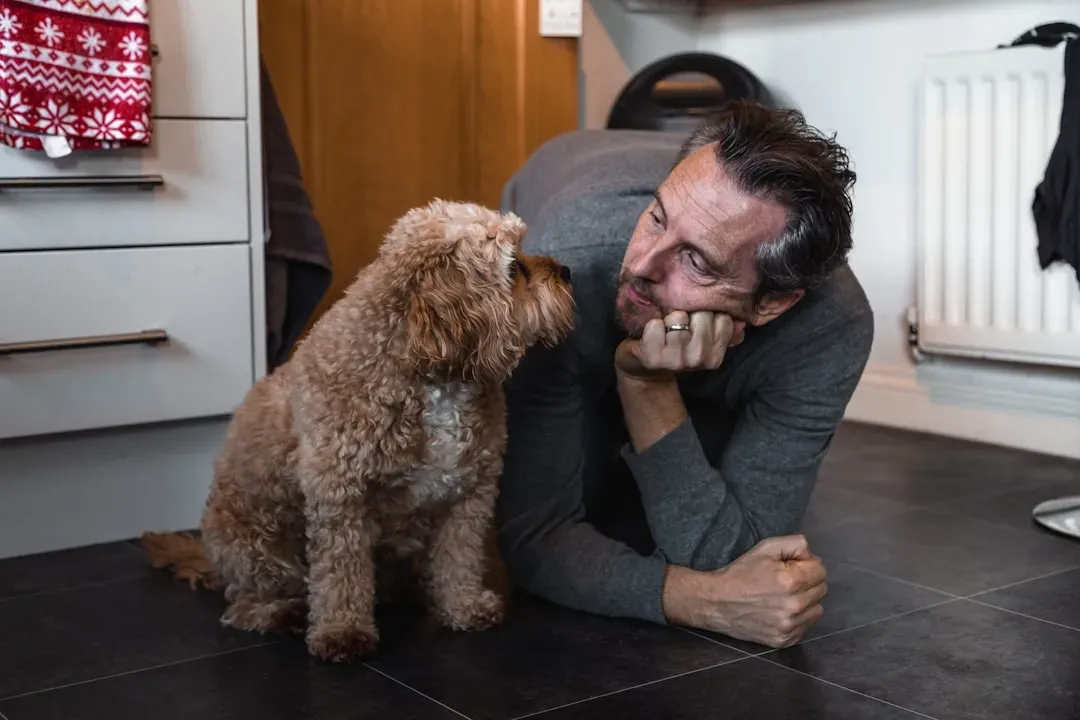
Researchers have designed clever experiments to figure out what dogs actually recognize when they sniff. In controlled settings, dogs are exposed to different scent samples: their owner, a familiar person, a stranger, or even themselves. By measuring dogs’ reactions and where they focus their attention, scientists can see whose scent matters most to them.
Across various studies, dogs consistently show a special response to their owner’s scent, even when the owner is not physically present. Their brain activity changes, their posture can shift, and they may linger longer at the owner’s smell like it’s a favorite song they are not ready to turn off. What is striking is that this recognition happens with scent alone, no voice, no face, no footsteps down the hall, which really drives home how central smell is to how dogs know us.
Your Scent as a Source of Comfort and Emotional Security
For many dogs, their owner’s scent is basically emotional home base. Even if you are not in the room, your smell on a blanket, a T-shirt, or the couch can make a nervous dog visibly relax. Some shelters and trainers even recommend leaving an item of clothing with your scent when a dog has to stay overnight or is adjusting to a new environment, because it helps them feel anchored and less alone.
There is growing evidence that when dogs encounter their owner’s scent, areas of the brain linked to positive emotions and reward become more active. It is like the smell of you is emotionally tagged as safe, familiar, and deeply important. That helps explain why some dogs nap on shoes, bury their faces in laundry baskets, or steal socks: it is weird for us, but for them it is a way of snuggling closer to the person they love, even when that person is not there.
Dogs Use Scent to Track Where You’ve Been and What You’ve Done

Your dog is not just recognizing that it is you; they are often picking up extra details about your day from your scent. Sweat, skin cells, and tiny chemical changes in your body can tell them if you have been exercising, if you met other animals, or even if you are stressed. To a dog’s nose, your scent is more like a news feed than a static label.
That is why some dogs seem almost offended when you come home smelling like another dog or cat. They are reading those overlapping odor layers and piecing together a story you did not realize you were carrying on your clothes. While humans rely on words and screens for updates, dogs are running their own quiet, scent-based detective work every time you walk through the door or move from room to room.
What This Means for Separation Anxiety and Alone Time
Understanding how strongly dogs respond to their owner’s scent changes how we think about leaving them alone. For dogs that struggle with separation anxiety, your smell can be a powerful tool to ease that emotional gap. Leaving worn, unwashed clothing that smells like you can sometimes make the difference between a dog pacing anxiously and a dog settling down more quickly.
That said, scent is not a magic cure-all for deeper behavioral issues, and it is not fair to assume that a T-shirt alone will fix serious anxiety. But it does show that even when you are not there, part of you, in a very real sense, still is. To me, that is both comforting and a reminder to take their inner world seriously: they are not being dramatic; they are reacting to a relationship they experience much more intensely through their nose than we ever could.
Smell Versus Sight and Sound: Which Matters More to Dogs?

Humans default to sight and sound first: we recognize a friend across the street by their walk or their voice. Dogs, on the other hand, often treat smell as the foundation, with vision and hearing layering on top. In some tests where dogs are given conflicting information, like the owner’s scent paired with a stranger’s appearance, they tend to trust their nose more strongly than their eyes.
That does not mean sight and sound are unimportant; dogs obviously recognize voices, footsteps, and faces too. But from a dog’s point of view, if your smell says it is you, then it is you, even if everything else is confusing. It is a little like having a friend you would recognize anywhere by their laugh, except for dogs, that instant familiarity comes from the scent trail you cannot help leaving behind.
Real-Life Moments You’ve Probably Seen Without Realizing the Science
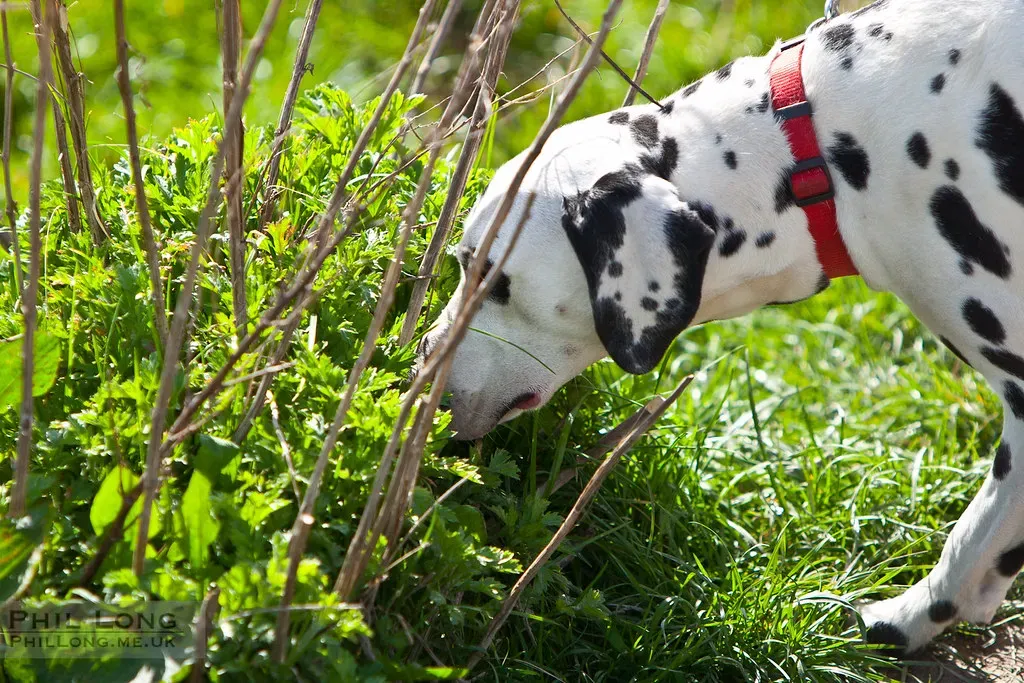
Once you know how central scent is, everyday dog behavior starts to look a lot less random. The way your dog circles the spot on the couch where you were just sitting, or jumps straight into your side of the bed, starts to feel like them literally leaning into your ghost scent. Even walking into an empty room where you changed clothes earlier can be like sudden proof to them that you were there, even if they missed you by a few minutes.
Many people notice that dogs seem to get excited, or head to the door, minutes before the car pulls into the driveway. One explanation is that subtle changes in the home’s scent environment, air movement, or outdoor smells build up a pattern the dog has quietly learned over time. To us, it looks almost psychic, but under the surface it is just a very powerful nose and a brain that takes scent far more seriously than we ever do.
How This Changes the Way We Think About Our Relationship with Dogs
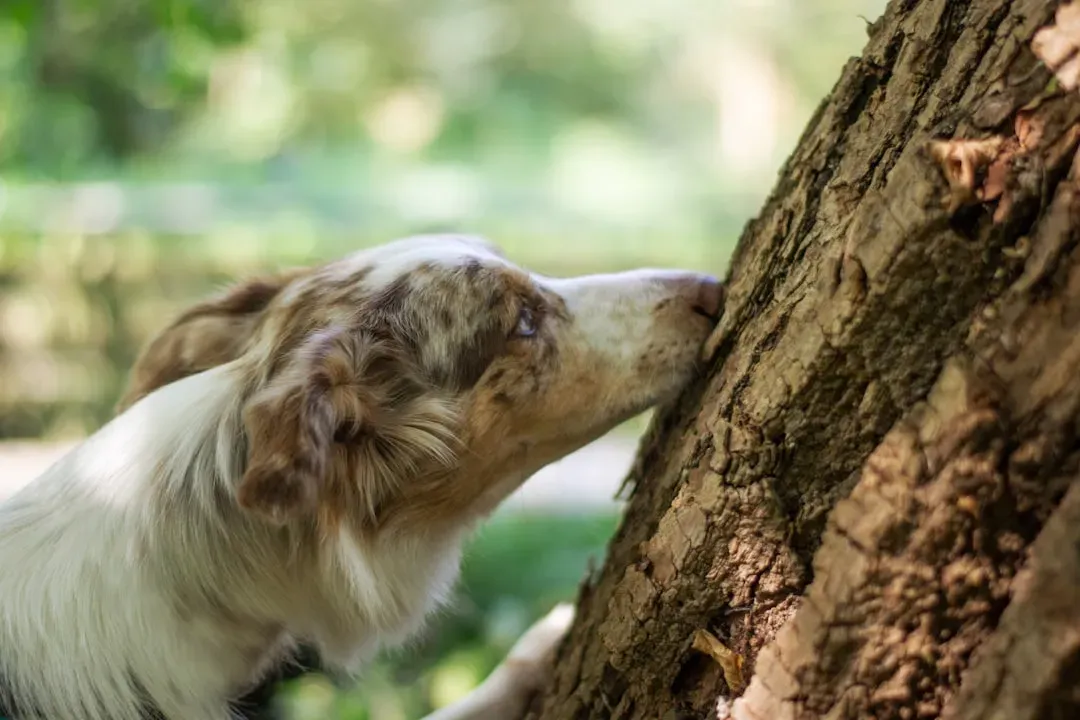
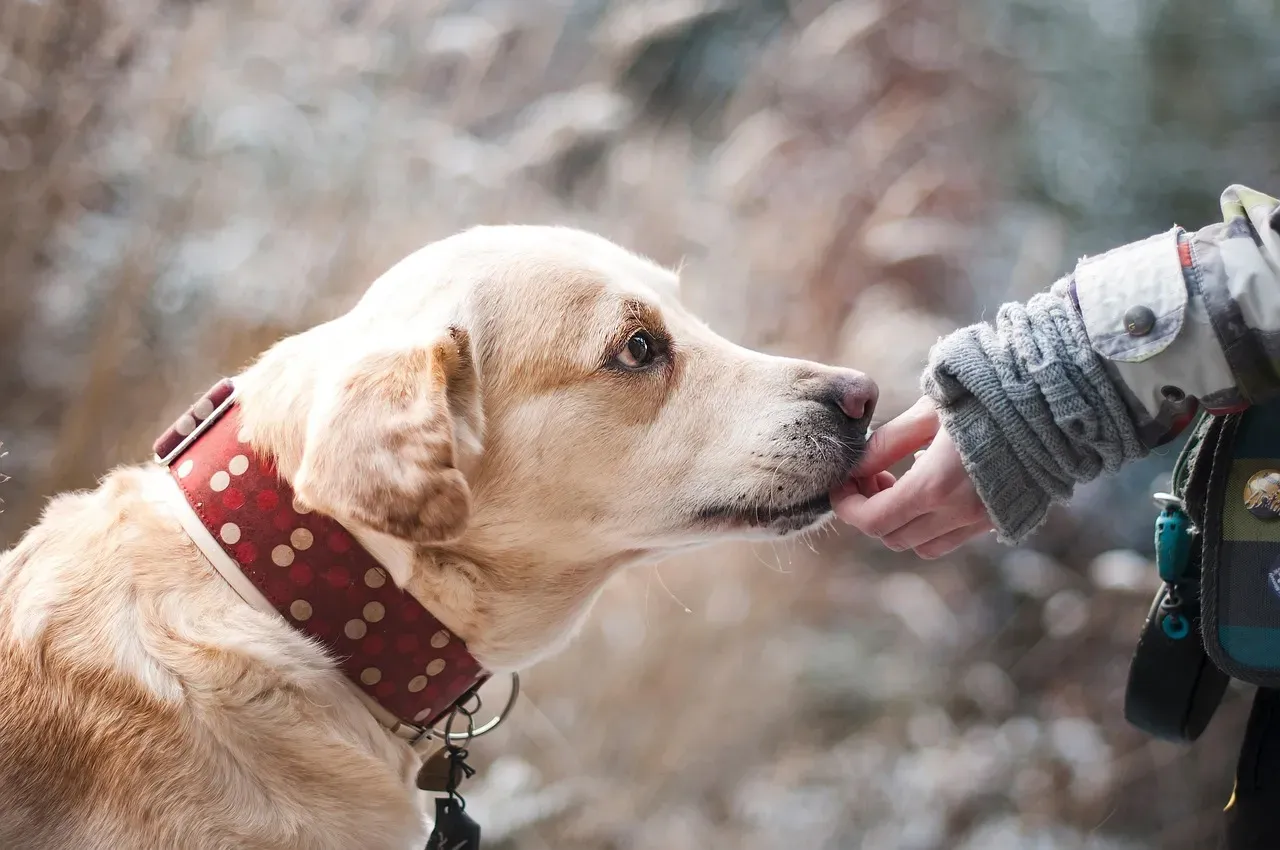
To me, the idea that dogs recognize and cherish our scent even when we are not there is both heartwarming and humbling. It means you are not just a source of food, walks, and entertainment; your very chemical presence is emotionally meaningful to them. When a dog presses their nose into your hand or buries their face in your hoodie, they are not being clingy so much as tuning into the deepest channel of how they understand you.
It also challenges the old idea that dogs are just simple, reactive animals. If they can form such strong, scent-based representations of us that persist in our absence, that hints at a more complex inner life, full of ongoing expectations, memories, and emotional tags. I think we owe it to them to respect that complexity, to be more patient, and to remember that even on the days we feel distant or distracted, to them, we are literally in the air they breathe.
Conclusion: Your Invisible Scent, Their Unshakable Loyalty
The fact that dogs can recognize their owner’s scent, even when that person is nowhere in sight, says something powerful about the bond we share. Long after you have walked out of a room, your dog is still living with the invisible imprint you leave behind, using it as a guide for comfort, recognition, and connection. In my view, that makes it harder to dismiss their attachment as just habit or routine; it is wired deeply into how they experience the world.
I think we underestimate how much responsibility comes with being someone whose very smell can calm or excite another creature. Knowing that, I am more careful about how I treat my dog on the way out the door, how I support them when they struggle with being alone, and how I interpret all those intense little sniffing rituals. If your scent is a promise your dog believes in, what kind of promise do you want it to be?


