
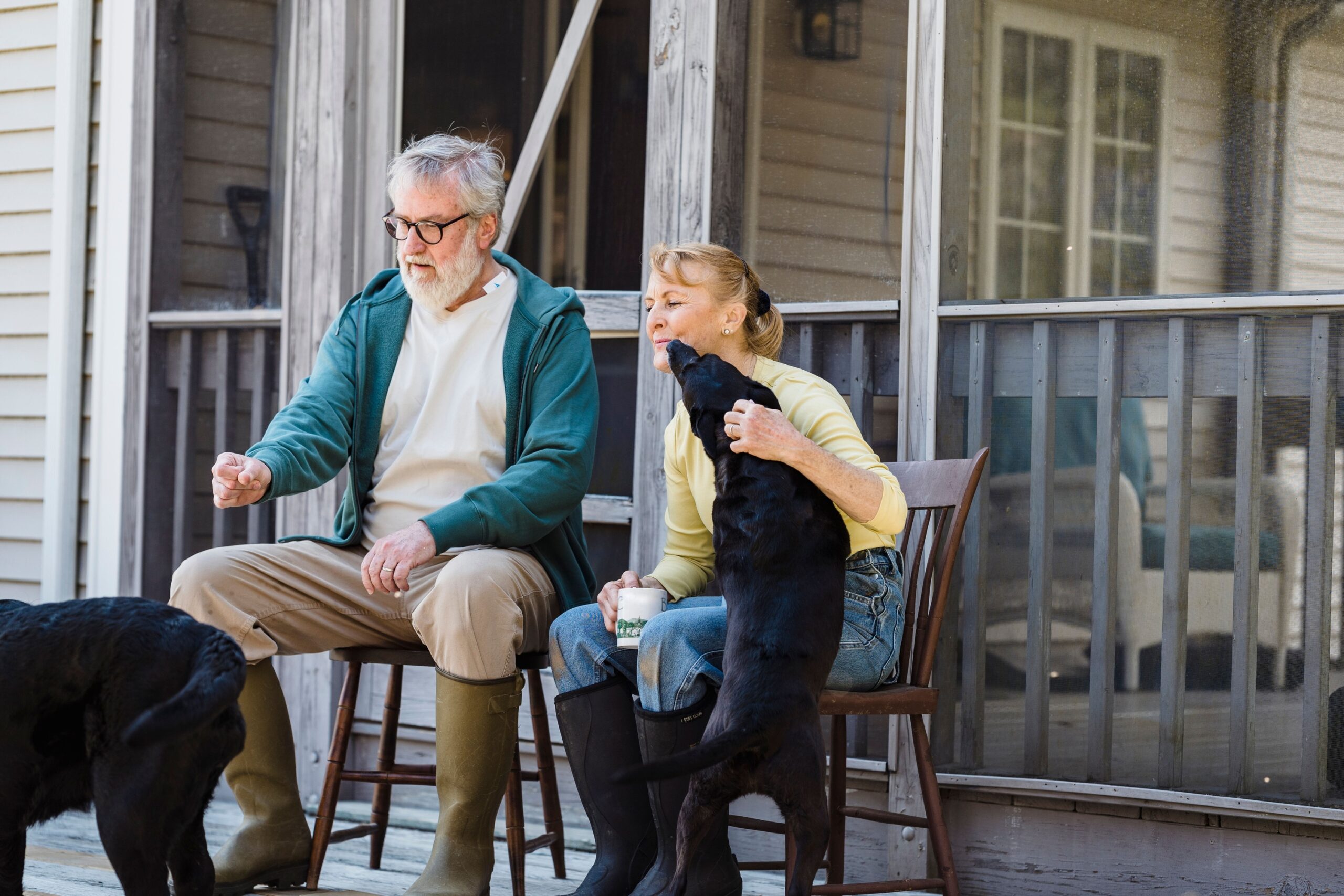
Thinking about getting a dog after 65 can feel a bit like falling in love again: exciting, a little scary, and full of what-ifs. People will immediately ask what size you want, as if that’s the main decision, but size is only a tiny slice of the story. The real question is: what will your days actually look like with this dog by your side?
I’ve heard so many older adults say they picked a dog that “looked cute” or “seemed small enough,” only to realize later that the dog’s daily needs were completely out of sync with their energy, home, or lifestyle. If you’re over 65, it’s not about the biggest or the tiniest dog. It’s about whether this animal will gently fit into your life or quietly take it over. The eight everyday demands below matter far more than the number on the scale.
Energy Level: Can You Comfortably Match Their Daily Pace?

Here’s a slightly shocking truth: many small dogs have far more energy than large couch-potato breeds. A tiny herding mix can run circles around a calm, older retriever, and that difference will hit you every single day on walks, in the living room, and when you’re trying to relax. If you enjoy leisurely strolls and quiet afternoons, a high-octane dog, even a small one, may leave you feeling guilty, exhausted, or both.
Instead of focusing on height or weight, pay attention to the dog’s typical activity level and what they were bred to do. Dogs bred to work, herd, or run all day often need long periods of exercise and mental stimulation, regardless of size. On the other hand, many companion breeds and older adult dogs are content with moderate movement and more downtime. The right match lets you feel pleasantly active, not constantly out of breath.
Exercise & Mobility Needs: What Will Your Body Actually Do Every Day?

It’s one thing to say, “I’ll walk the dog every day,” and another to picture that walk on a slippery sidewalk in January, or on a day when your knees, hips, or back are complaining. If your dog needs long, brisk walks twice a day or intense play sessions to stay sane, you’re signing up your joints and balance for a real workout. That may be fine now, but it’s worth imagining yourself five or ten years from today.
Look for a dog whose exercise needs line up comfortably with your current mobility, not your idealized best-day version of yourself. Many older adults do really well with dogs that enjoy several short, gentle walks and some indoor play instead of marathon outings. If you use a cane, walker, or have balance concerns, think honestly about whether you can safely manage a dog that pulls, zigzags, or lunges toward other animals, no matter how small they are.
Training & Temperament: How Much Emotional Bandwidth Do You Have?

A sweet, stable temperament is worth more than any physical trait, especially as you get older. A nervous, reactive, or stubborn dog can turn your daily routine into a string of small battles: pulling at the vet, barking at the door, refusing to come when called. Over time, that constant friction adds stress, and stress does not mix well with aging hearts, sleep, or overall well-being.
Ask yourself how much patience and consistency you realistically have for training. Puppies and intense adolescent dogs can be wonderful, but they also need clear boundaries, repetition, and time. Many people over 65 thrive with adult or senior dogs whose personalities are already established. A naturally calm, people-oriented dog that wants to cooperate will often give you far more joy and far less drama than a dog who looks adorable but pushes your limits every day.
Grooming & Shedding: How Much Hands-On Care Can You Commit To?

It’s easy to underestimate grooming until you’re the one bending over the tub, lifting the dog into the car for a grooming appointment, or brushing out tangles several times a week. Long or curly coats, while beautiful, often need steady maintenance: brushing, trimming, cleaning around the eyes, and checking for mats. If arthritis or shoulder pain makes repetitive motion tough, that pretty coat can quickly become a problem.
On the flip side, heavily shedding short-haired dogs can leave hair on furniture, clothing, and floors, which means more vacuuming, lint rolling, and cleaning. There’s no perfect, zero-maintenance coat, but there is a level of effort that fits your reality. When you picture grooming, include not just time but also physical effort: lifting, reaching, standing, and cleaning up. The coat you choose is the cleaning routine you’re signing up for.
Handling Strength & Leash Control: Can You Physically Hold This Dog?
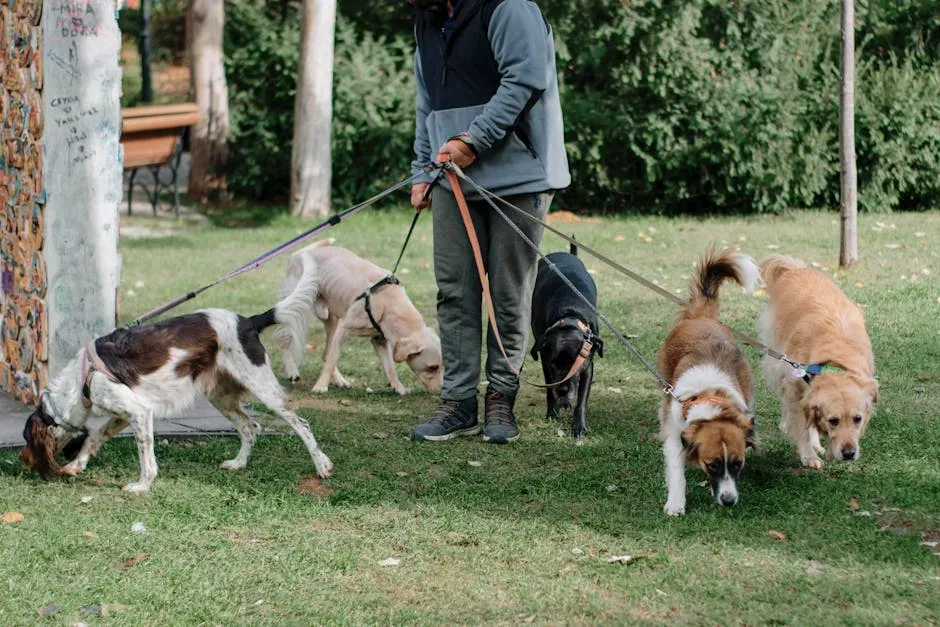
This is one of those demands people do not think about until they are suddenly being pulled hard toward a squirrel, another dog, or a busy road. Even medium-sized dogs can generate surprising force on the leash, especially if they are young, strong, or poorly trained. If your grip strength, shoulder stability, or balance are not what they used to be, this can turn from annoying to dangerous very quickly.
The key question is not “How big is this dog?” but “Can I reliably control this dog in a worst-case moment?” A well-mannered larger dog with good leash skills may be safer than a smaller dog that lunges or darts unpredictably. Harnesses, good training, and sometimes professional help can improve safety, but you still want a dog whose raw power and temperament feel manageable to your body on your most tired day, not just your strongest.
Health, Vet Care, and Lifespan: Are You Ready for the Long Game?

Dogs come with vet bills, medications, and occasionally emergencies, and those demands can feel heavier as we age. Different breeds and mixes have different tendencies toward joint issues, breathing problems, heart disease, or other chronic conditions. Regular vet visits, possible specialist trips, and managing pills or injections all add up in time, money, and emotional energy.
It is also worth thinking about lifespan in a clear-eyed way. Very small dogs often live longer than many giant breeds, while some medium and larger breeds have moderate life expectancies. If you are over 65, deciding between a puppy and an older adult dog is not just about cuteness; it is about whether you want a long, open-ended commitment or a shorter, more defined chapter. There is no right answer, but there is a right answer for you and your situation.
Noise, Barking, and Your Living Situation: Will This Dog Keep the Peace?

Frequent barking might seem like a minor quirk, but in an apartment, condo, or quiet neighborhood, it can turn into real tension with neighbors and landlords. Some dogs are simply more vocal by nature, reacting to every hallway sound, passing car, or bird in the yard. Living with that constant soundtrack can be surprisingly draining, especially if you enjoy peace, quiet, or afternoon naps.
Think honestly about your tolerance for noise and your environment’s rules. Are you in a community with thin walls, strict policies, or noise-sensitive neighbors? A dog that is naturally more relaxed and less reactive to sounds can make daily life smoother and far less stressful. Calm silence may be one of the most underrated benefits you can choose in a canine companion.
Daily Care Logistics: Feeding, Bathroom Breaks, and Travel Routines

Beyond walks and cuddles, dogs create a daily rhythm of very practical tasks: feeding at regular times, letting them out for bathroom breaks, cleaning up accidents, and planning around their schedule whenever you leave home. If your dog cannot comfortably hold their bladder for several hours, you might find yourself structuring your entire day around quick trips outside or pee pad changes. That can feel confining if you like spontaneous outings or longer lunches with friends.
Also consider how easily the dog can travel with you. Can you lift them into a car, carrier, or onto a grooming table? Are you comfortable arranging pet sitters or boarding if you travel? Small dogs can be easier to transport physically, but they may still have anxiety or medical needs that complicate plans. The best match is a dog whose daily rhythm complements yours instead of constantly colliding with it.
Emotional Fit: Do You Truly Enjoy Who This Dog Is, Every Day?
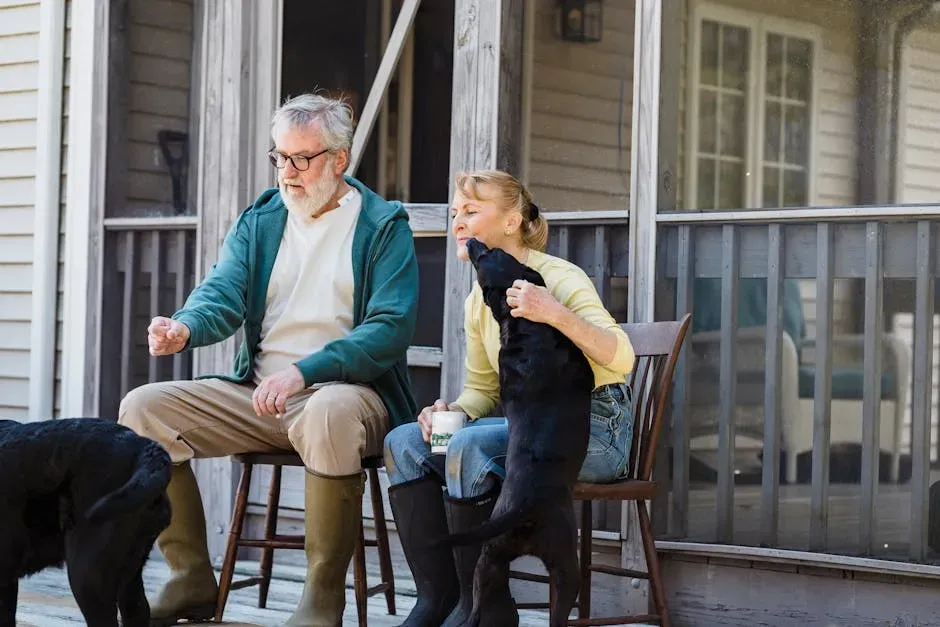
Under all the practical questions lies the most important one: does this dog’s personality make your heart feel lighter? You’ll share countless ordinary moments together – quiet mornings, rainy afternoons, boring Tuesdays. If the dog’s natural style is clingy and intense while you enjoy personal space, or if they are aloof when you crave nonstop affection, those tiny mismatches accumulate over time.
Pay attention to how you feel when you interact with the dog: calm, amused, reassured – or tense, overwhelmed, and on edge. At this stage of life, you have earned the right to be a little picky. The right dog will not just fit your physical abilities and home; they will feel like a companion whose presence makes your everyday life softer, richer, and more meaningful rather than more chaotic.
Conclusion: The Best Dog for You Is the One That Fits Your Real Life, Not Your Fantasy
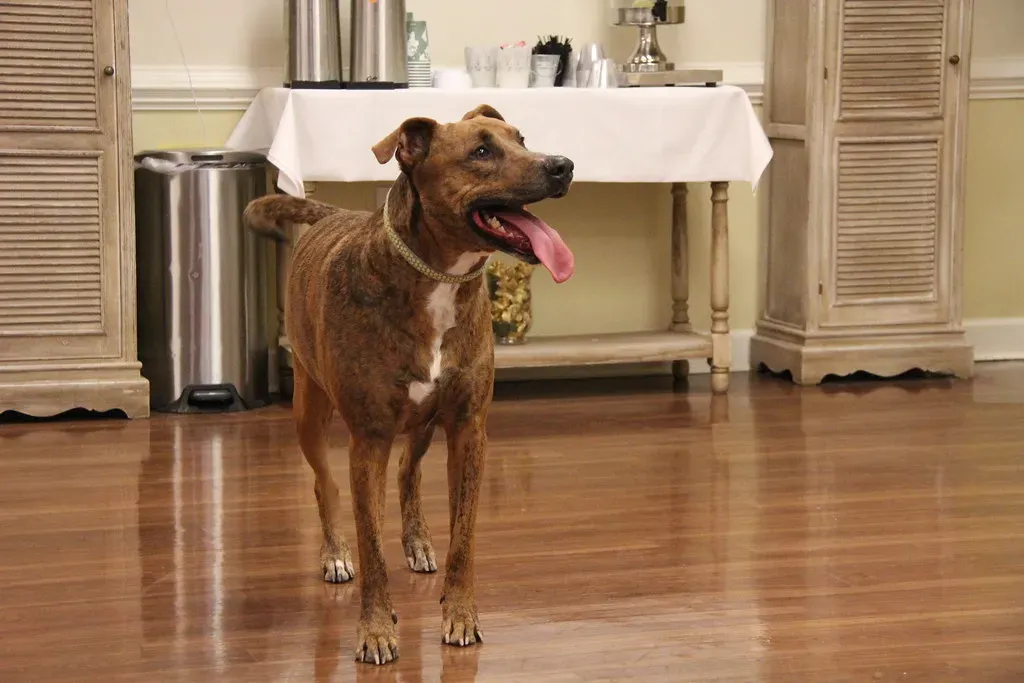
When you are over 65, choosing a dog is less about falling for a cute face and more about protecting your health, your routine, and your peace of mind. Size can influence things, but it is far from the main event. Energy level, exercise needs, temperament, grooming, leash control, health, noise, daily logistics, and emotional fit will shape your experience far more than whether the dog is tall or tiny. A small, frantic dog can be harder to live with than a calm, sturdy one, and that is a reality many people only discover after the fact.
My own bias is strong here: I believe older adults should unapologetically pick the dog that makes life easier, safer, and more joyful – not the dog that impresses anyone else. That might be a mellow mixed-breed senior, a middle-aged rescue with a great temperament, or a modest-looking companion whose needs fit your world like a glove. In the end, the best choice is the one that lets you wake up and think, most days, “I’m really glad it’s us,” rather than “How am I going to manage this today?” If you picture your real, honest daily life with a dog, what kind of companion do you see walking beside you?


