
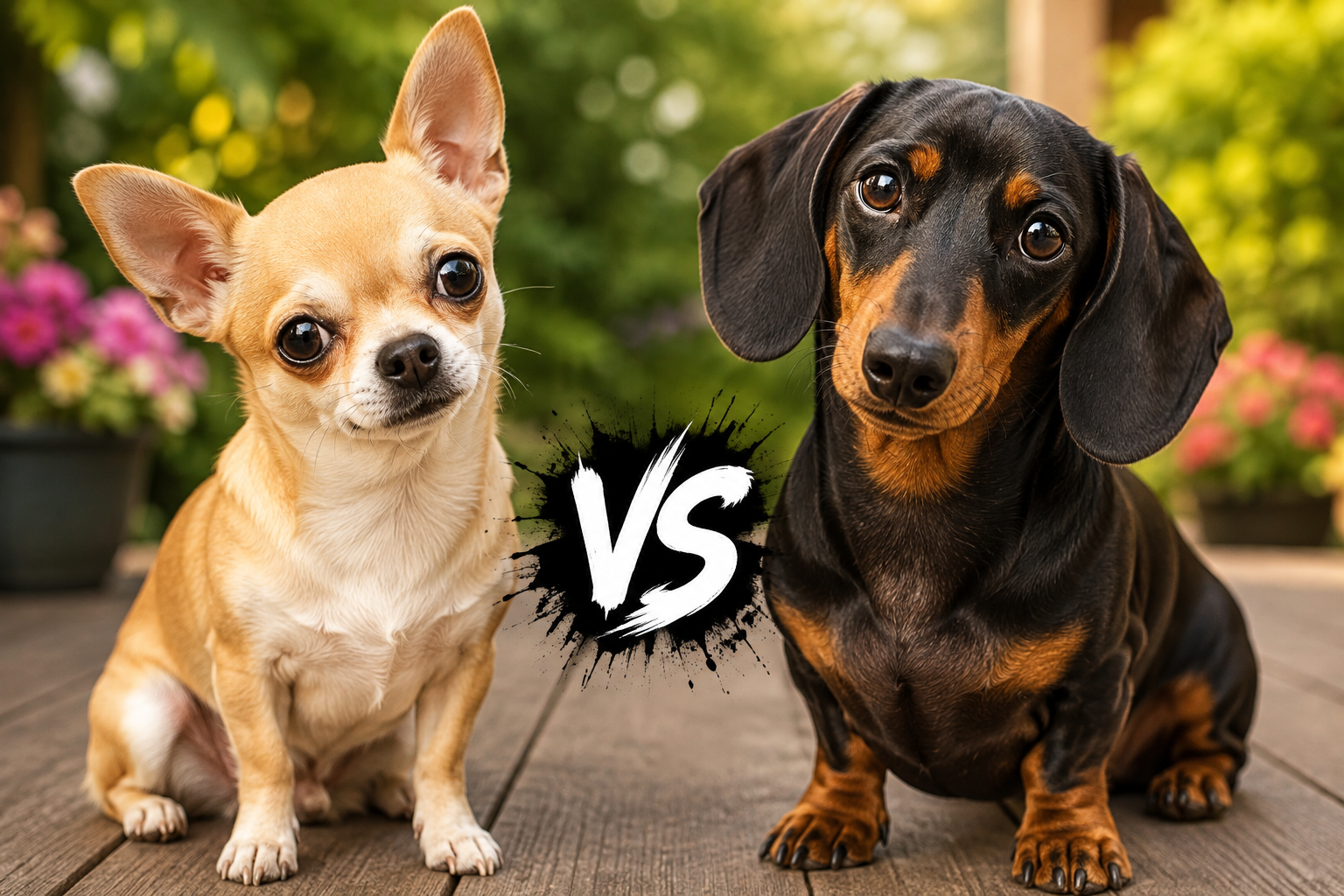
If you’ve ever fallen in love with a tiny dog at first sight and then thought, “Wait… can I actually handle this?” you’re in exactly the right place. Choosing between a Chihuahua and a Dachshund is not just about looks or size; it’s about energy, lifestyle, health, and your own personality, too.
I’ve met anxious Chihuahuas who blossomed into confident little shadows once they felt safe, and stubborn Dachshunds who turned into absolute dream dogs when given the right kind of structure and fun. Both breeds can be amazing; they’re just amazing in different ways. Let’s walk through it together so you can pick the dog that genuinely fits your life, not just your Instagram feed.
Personality Snapshot: Bold Chihuahua vs. Determined Dachshund

Both Chihuahuas and Dachshunds come in very small packages, but their personalities are definitely not small. Chihuahuas are often described as big dogs in tiny bodies – alert, sensitive, and fiercely attached to their favorite person. Many will happily cuddle for hours, then suddenly morph into tiny door alarms the moment a stranger walks by.
Dachshunds, originally bred for hunting badgers, bring a determined, sometimes comically serious energy. They tend to be brave, curious, and independent thinkers who like to investigate everything with their noses. A Dachshund may seem more self-assured with new people and environments, but that same confidence can turn into stubbornness if you do not set clear, kind boundaries.
Energy Levels and Exercise Needs: Couch Buddy or Adventure Buddy?
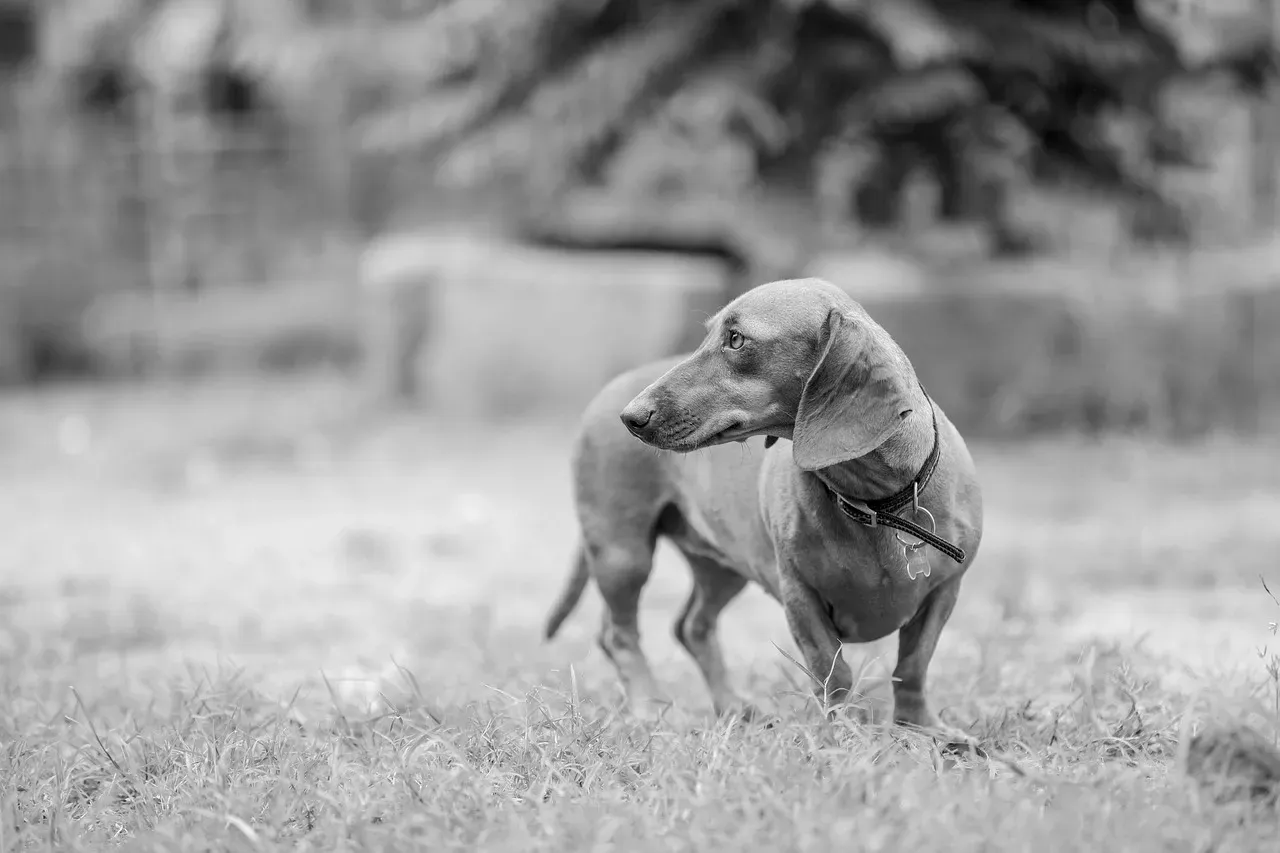
Neither of these breeds is a high-endurance running partner, but neither is a living stuffed animal either. Chihuahuas often do well with short, frequent walks and play sessions at home; many are perfectly content with a lap, some toys, and a safe yard or hallway to zoom around. That said, under-exercised Chihuahuas can become barky, clingy, or restless, so those tiny legs still need daily movement and mental stimulation.
Dachshunds usually have a bit more drive, especially when it comes to sniffing and exploring. They tend to love longer sniffy walks, puzzle toys, and games like “find the treat” or gentle fetch. Without enough movement and enrichment, a bored Dachshund may start digging, chewing, or inventing their own “jobs,” which usually look like mischief to humans.
Space and Living Situation: Apartment Life, Kids, and Other Pets
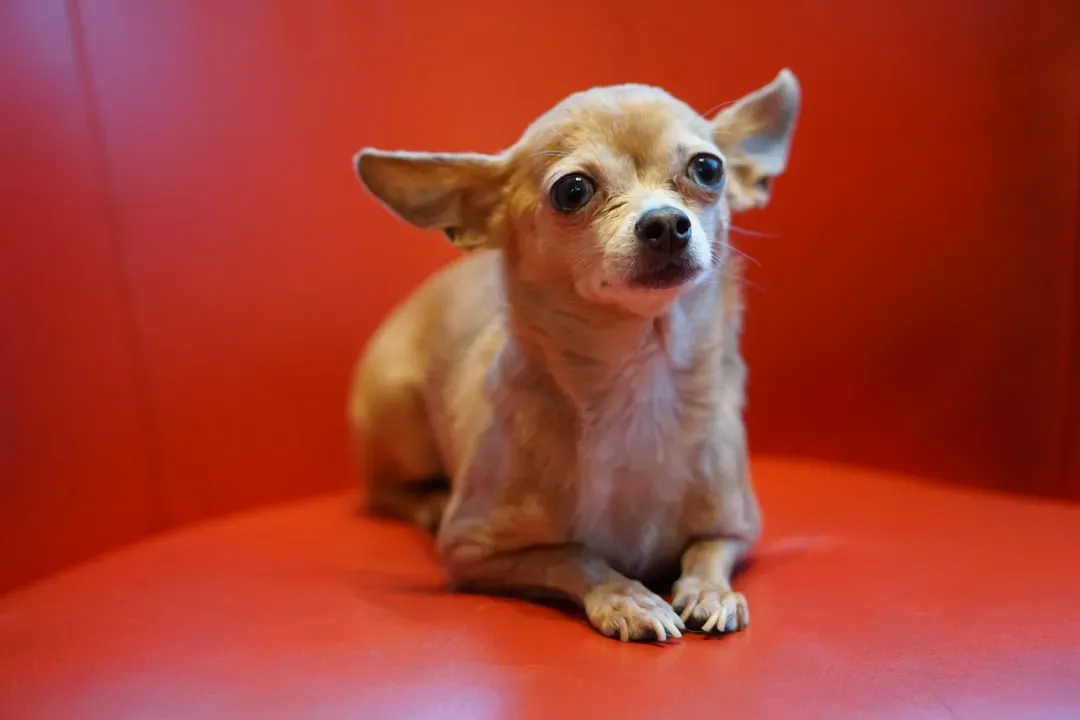
Both Chihuahuas and Dachshunds can adapt very well to apartment living as long as their mental and physical needs are met. Chihuahuas are often a great choice for smaller homes because of their tiny size and relatively low space needs, but noise can be an issue if they bark at every sound in a thin-walled building. Thoughtful training and giving them a cozy, quiet “safe zone” can make a big difference.
Dachshunds take up more space simply due to their longer bodies and often bigger energy, but they still do fine in apartments if you’re committed to daily walks and play. Around children and other pets, both breeds need gentle introductions and respectful handling. Many Chihuahuas struggle with rough handling from little kids, while some Dachshunds, with their hunting background, may have higher prey drive around small animals like rodents or birds, so supervision is important.
Training and Temperament: Sensitive vs. Stubborn
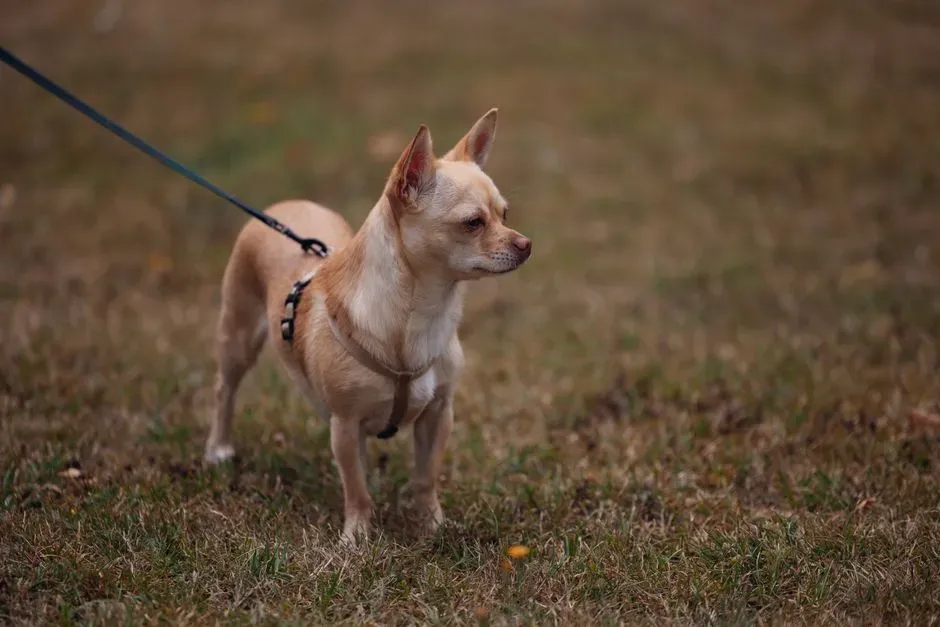
Chihuahuas tend to be extremely sensitive to tone and environment. Harsh corrections, shouting, or chaotic households can quickly create anxious behaviors like trembling, hiding, or defensive snapping. They usually respond best to soft voices, consistent routines, and reward-based training that makes them feel clever and safe.
Dachshunds are smart, but their independent streak can make training feel like a negotiation. They often know exactly what you’re asking, but they’re deciding if it benefits them right now. Short, fun sessions with high-value rewards, a bit of humor, and a lot of patience go a long way. If you enjoy a challenge and can stick with consistent boundaries, a Dachshund can become a wonderfully polite, responsive companion.
Barking, Guarding, and Noise: How Loud Is Your Life Already?
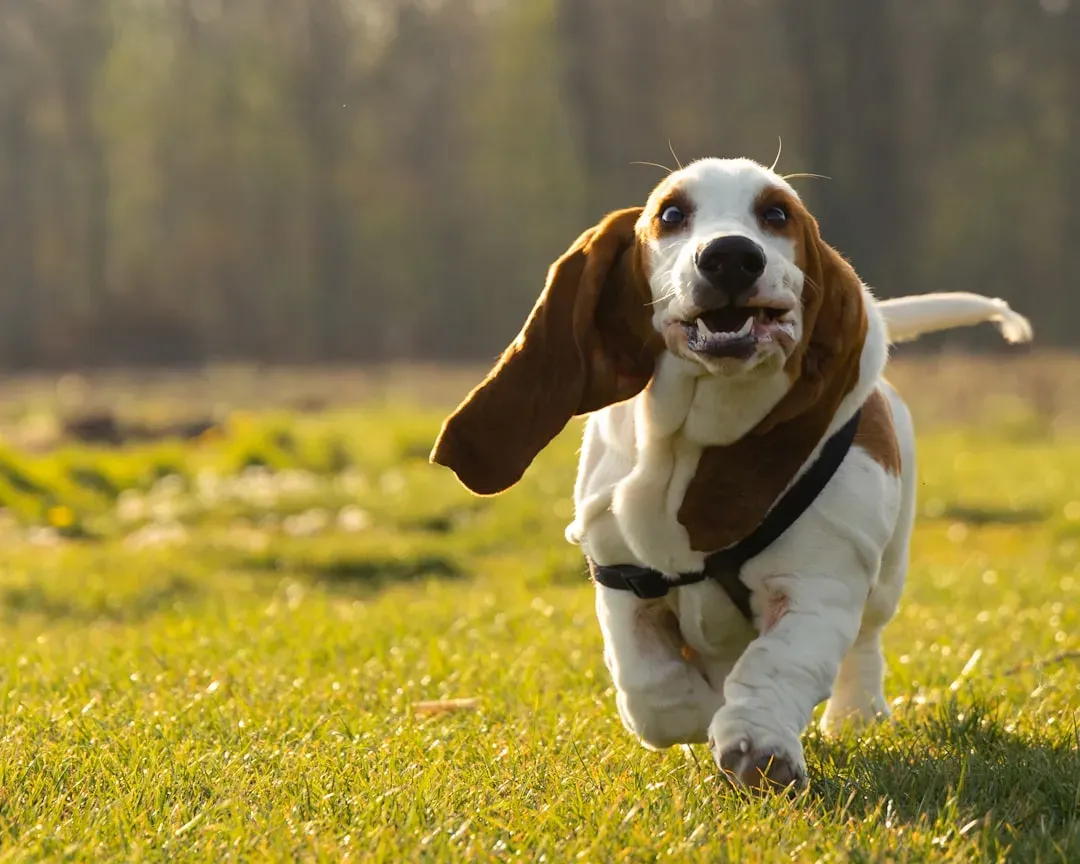
If you’re noise-sensitive or live with neighbors who are, barking is a big consideration. Many Chihuahuas are naturally vocal and quick to sound the alarm at the slightest movement or noise outside the door. This can make them excellent watchdogs, but without training and calm leadership, it can slide into nonstop yapping that stresses everyone out, including the dog.
Dachshunds also have watchdog instincts and a surprisingly deep bark for their size. They often bark at unfamiliar people or noises, and their hunting heritage means they may react strongly to animals outside. Early training that rewards quiet behavior and teaches an “enough” or “thank you” cue can help with either breed, but if you absolutely need a very quiet dog, you’ll have to work extra diligently, especially with a Chihuahua.
Health Considerations: What You Really Need to Be Ready For

Every individual dog is different, but both breeds have some common health themes to know before you choose. Chihuahuas can be prone to dental problems, luxating patella (kneecap issues), heart concerns, and low blood sugar in very tiny individuals, especially puppies. Regular dental care, appropriate nutrition, and gentle exercise are essential, and any signs like limping, coughing, fainting, excessive fatigue, or frequent shivering should be checked by a vet.
Dachshunds are famously at risk for back issues, especially intervertebral disc disease. Their long spines and short legs create extra stress on their back, so maintaining a healthy weight, avoiding repeated jumping from furniture, and using ramps or steps can literally save you and your dog from pain and serious surgery. Signs like reluctance to move, crying when picked up, dragging back legs, or hunched posture are red flags that need immediate veterinary attention.
Grooming and Shedding: Smooth, Long, or Wire Coats

Both Chihuahuas and Dachshunds come in different coat types: smooth, long, and (for Dachshunds) wire-haired. Smooth-coated dogs of either breed are usually lower maintenance, needing just regular brushing, nail trims, and routine bathing. They do shed, but often in small amounts because of their size, so many people find the shedding easy to manage with a quick weekly brush.
Long-haired dogs of either breed need more frequent brushing to prevent tangles and matting, especially behind the ears, under the legs, and around the hindquarters. Wire-haired Dachshunds have a unique textured coat that may need occasional hand-stripping or professional grooming to keep it in good condition. Whichever coat you choose, dental care, ear checks, and nail trims are non-negotiable basics that keep your small dog comfortable and healthy.
Emotional Needs: Velcro Dog or Slightly More Independent?
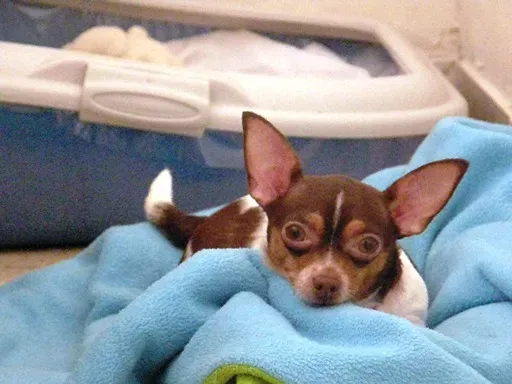
Many Chihuahuas bond intensely to one person and can become little shadows, following their favorite human from room to room. This can feel incredibly flattering and comforting, but it also means they may struggle more with separation anxiety if they’re suddenly left alone for long stretches. Gradual alone-time training, puzzle feeders, and not making a huge emotional event out of departures and arrivals help these sensitive souls cope better.
Dachshunds often form strong bonds too, but some have a slightly more independent vibe compared to the classic velcro Chihuahua. They may be more willing to self-entertain with toys or snoozing in a bed nearby, especially if their exercise and mental needs are met. That said, neither breed is meant to be left alone for entire workdays without a break; even independent-leaning Dachshunds can develop anxiety, destructive behaviors, or depression if chronically lonely.
Life With Kids and Strangers: Social Butterflies or One-Person Dogs?

Both breeds can live happily with respectful children and friendly visitors, but they tend to approach social life differently. Many Chihuahuas are naturally wary of strangers and may bark, retreat behind their person, or even snap if they feel cornered or handled roughly. Teaching kids to let the dog approach first, to pet gently on the chest or shoulders, and to never grab or pick up the dog without permission is crucial.
Dachshunds, depending on their individual temperament and socialization, may be more open to meeting new people, especially if they associate visitors with fun and treats. However, they can also be protective and may react if they feel their family or territory is threatened. Slow introductions, controlled greetings, and lots of positive associations help both breeds feel secure rather than overwhelmed by guests, busy homes, or new situations.
Lifestyle Match: Which Breed Fits Your Everyday Routine?
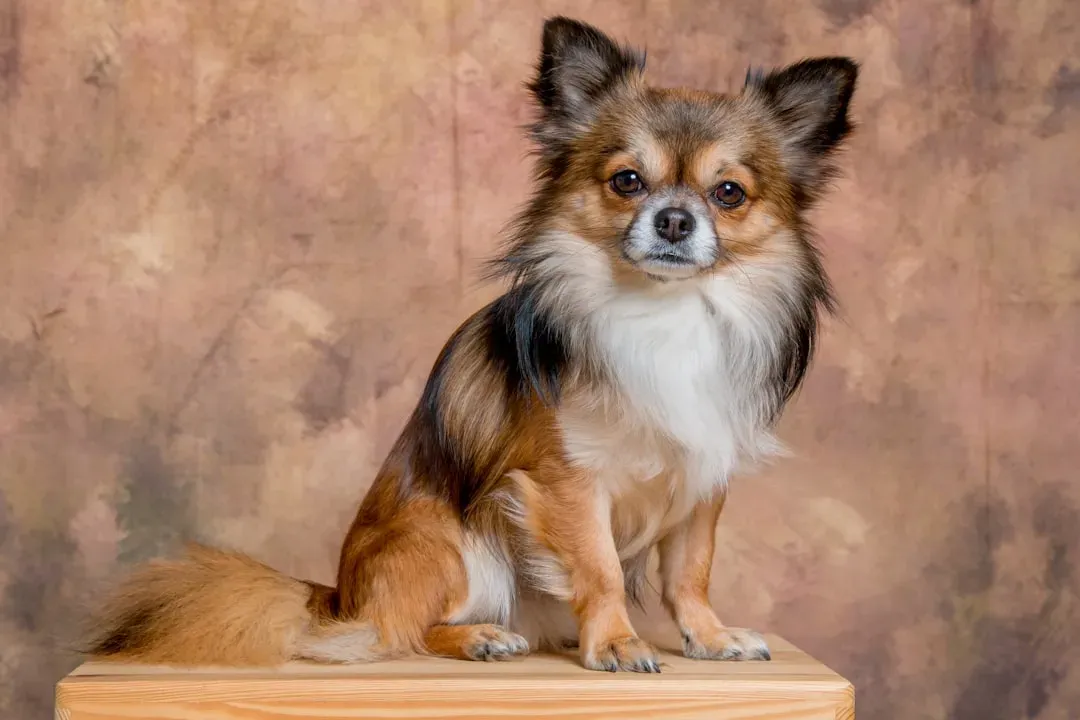
If you prefer a mostly indoor life with shorter walks, lots of lap time, and you can be very attentive to a small dog’s emotional ups and downs, a Chihuahua might feel like the perfect heart dog. People who work from home, live in smaller spaces, or want a close, almost cat-like companion often find that a well-socialized Chihuahua is a wonderful fit. You’ll need to be okay with managing barking, protecting them from rough handling, and keeping an eye on their health, but the emotional bond can be incredibly rewarding.
If you enjoy getting out for walks, engaging in training games, and doing just a bit more physical activity and mental enrichment, a Dachshund might be your match. They can thrive in active households that appreciate their goofy bravery and independent streak. You will need to be proactive about back safety, consistent training, and preventing obesity, but in return you get a clownish little hunter who will likely make you laugh every single day.
So…Chihuahua or Dachshund? Making Your Heartfelt Choice
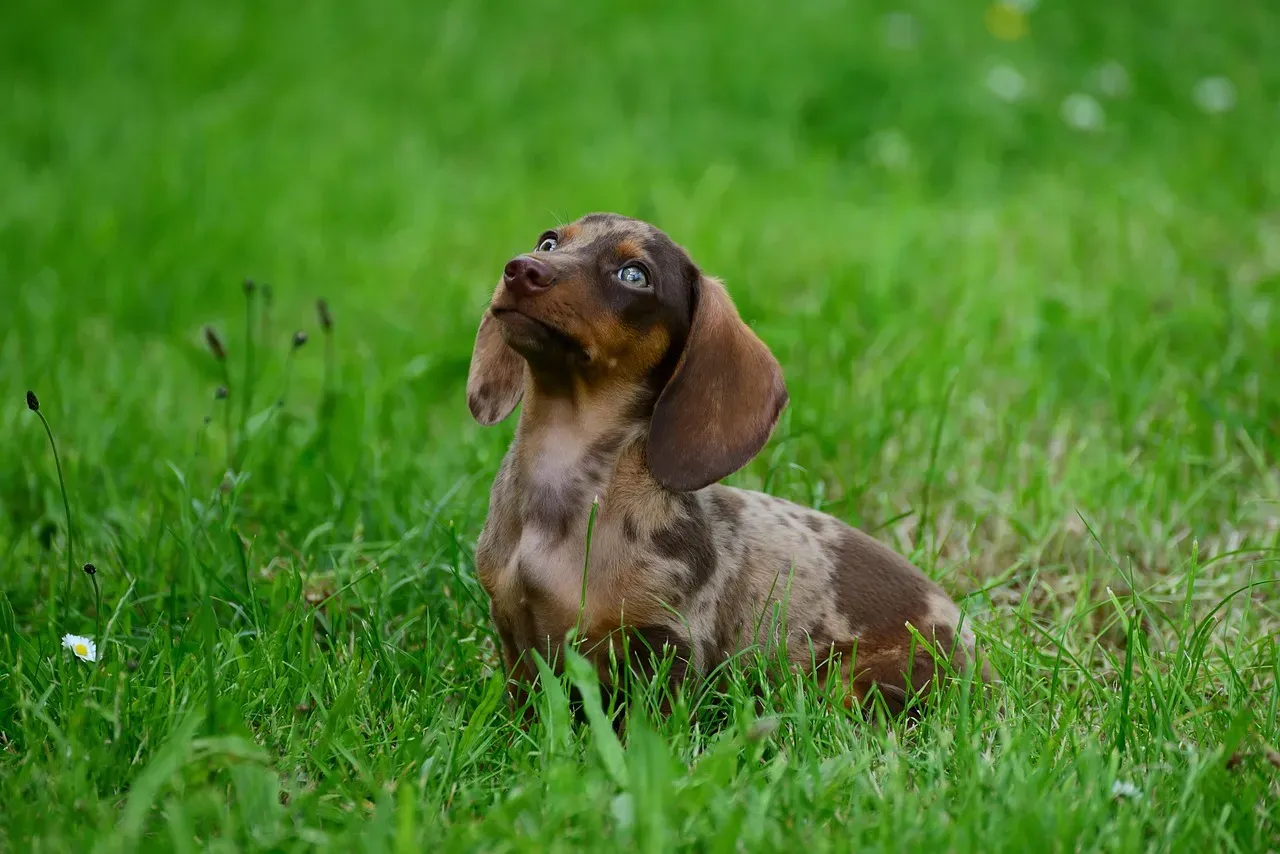
In the end, you are not choosing the “better” breed; you are choosing the dog whose natural tendencies line up with your real life and real personality. If your heart leans toward a deeply bonded, sensitive lap companion who sticks to you like glue and fits easily into a bag or carrier, a Chihuahua might be your soulmate. If you love the idea of a slightly sturdier small dog with a big sense of adventure, a Dachshund might be the one that truly lights you up.
Whichever path you take, your dog will need patient training, regular vet care, thoughtful socialization, and a lot of gentle understanding when they show fear, stubbornness, or confusion. The right choice is the one you can commit to for their entire life, through puppy chaos, adult routines, and senior-year tenderness. When you picture your everyday life five or ten years from now, whose little paws do you imagine trotting beside you – the tiny, soulful Chihuahua or the long, determined Dachshund?


