
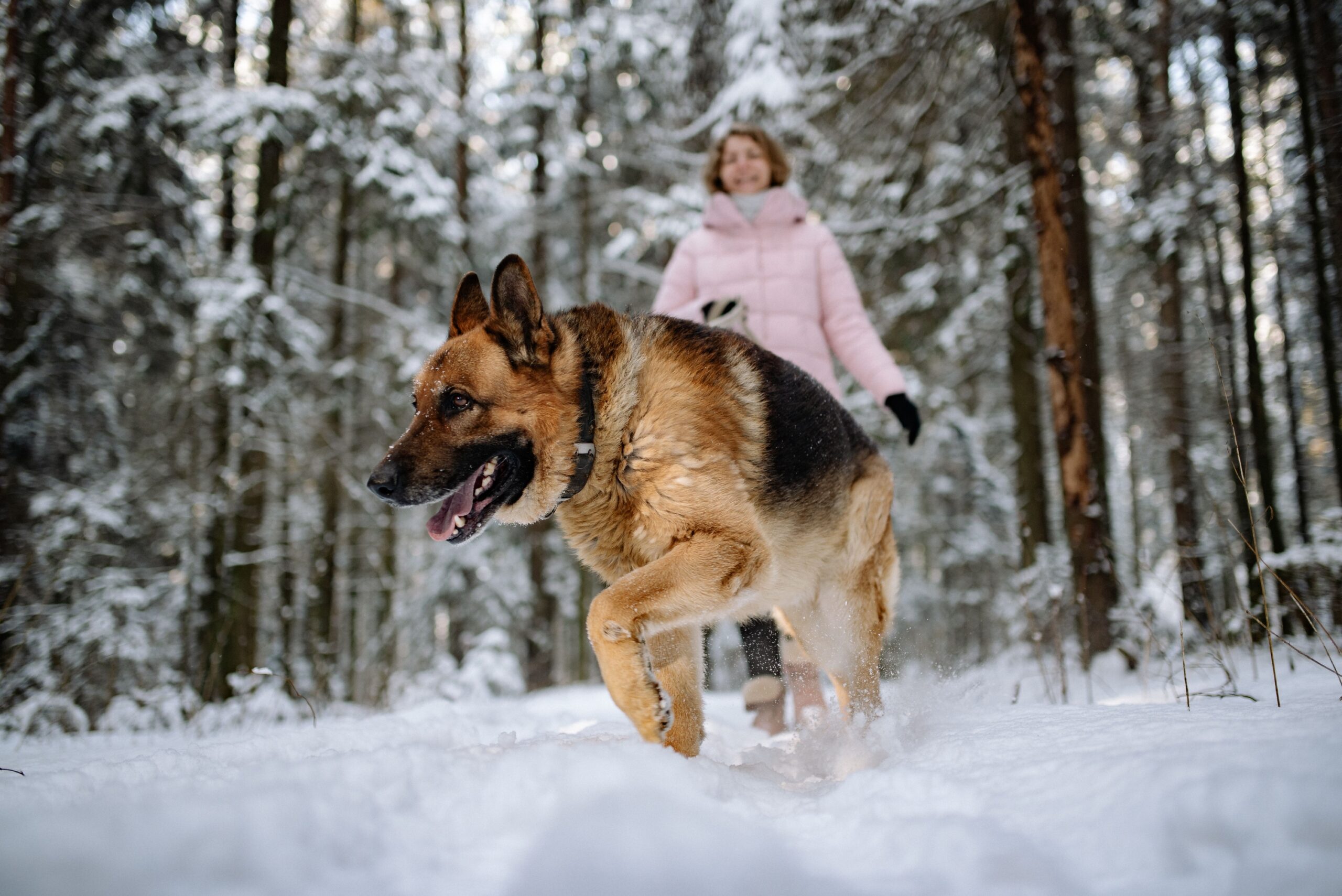
If you’ve ever fallen down a late‑night rabbit hole of working‑dog videos, you’ve probably watched a German Shepherd launch over a wall… and then a Belgian Malinois clearing the same wall like it was nothing. Both breeds are legendary, both look similar at a glance, and both have fans who will swear you’re crazy to pick the other. Yet living with one day in, day out is very different from watching a highlight reel.
This is where the real question bites: which dog actually fits your life, your energy, and your expectations? Let’s unpack the science, the temperament, and the day‑to‑day reality behind these two powerhouses, so you can choose with your eyes wide open instead of just your heart.
Temperament: Calm Confidence or Live Wire Energy?
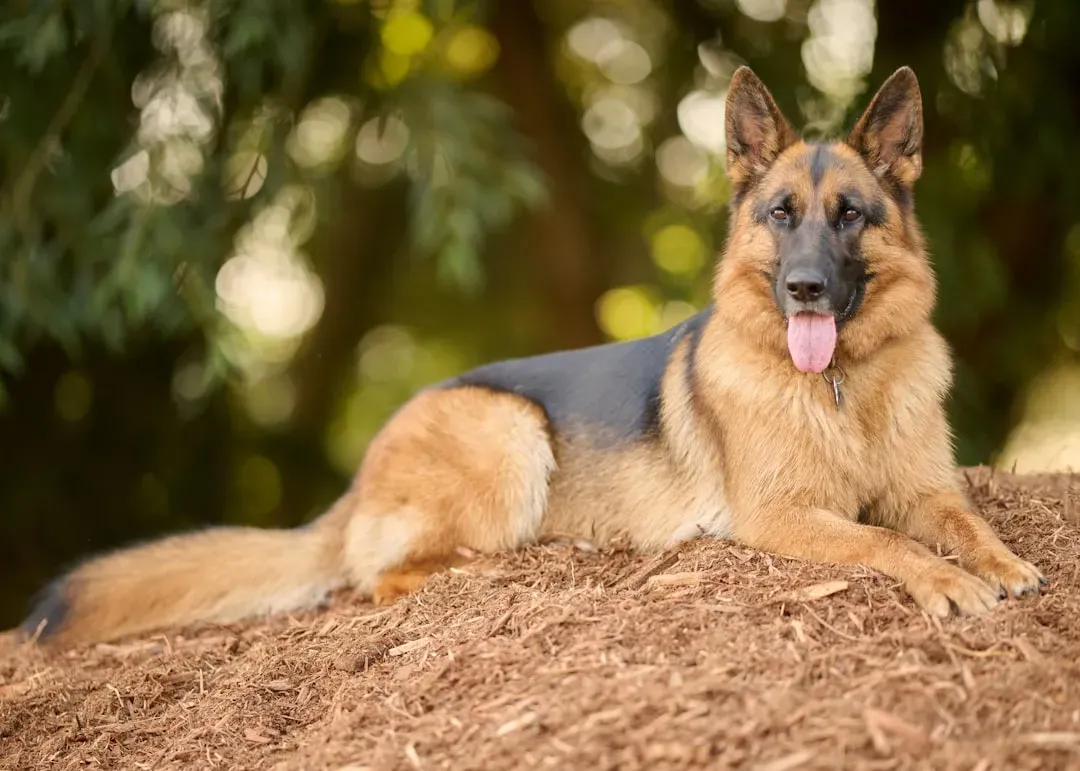
One of the biggest differences most people notice is how these dogs “feel” in the home. A well‑bred German Shepherd tends to be more measured and thoughtful, often described as a calm, confident dog that watches the room before jumping into the action. A Belgian Malinois, on the other hand, is more like a coiled spring that never fully relaxes; even when resting, they’re ready to flip into high gear at a moment’s notice.
Neither breed is naturally a couch potato, but the intensity is different. With a German Shepherd, you often get bursts of energy wrapped in longer periods of composed behavior, especially with good training and maturity. With a Malinois, the default setting is closer to “on” than “standby,” and that can be exhilarating or exhausting depending on who you are. If your ideal evening is a movie with a dog napping at your feet, the breed that fits that picture more consistently is usually the German Shepherd.
Exercise and Mental Stimulation: How Much Is “Too Much” for You?
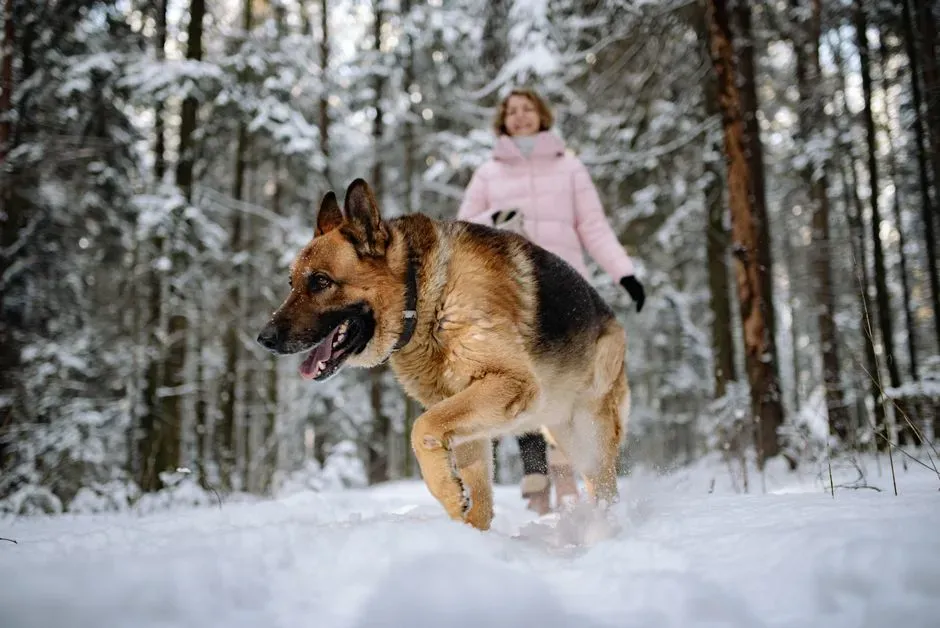
Both breeds are working dogs; a quick stroll around the block is like giving a marathon runner a five‑minute jog and calling it a day. German Shepherds generally need solid daily exercise plus some real mental work, like obedience, scent games, or structured play. If they do not get that, they can become anxious, destructive, or simply unhappy, which often shows up as barking or chewing.
Belgian Malinois push this to another level. They are bred for high‑intensity, precision work, often in military and police settings where they might train for several hours a day. Many Malinois can easily outpace even very active families, and “a couple of walks and some fetch” is nowhere near enough. If you secretly like the idea of having a personal trainer in dog form who nudges you to move, the Malinois might thrill you. If you want a dog who enjoys serious activity but can also accept a truly quiet day once in a while, the German Shepherd will usually be the safer bet.
Trainability and Work Ethic: Smart vs. Intense Smart
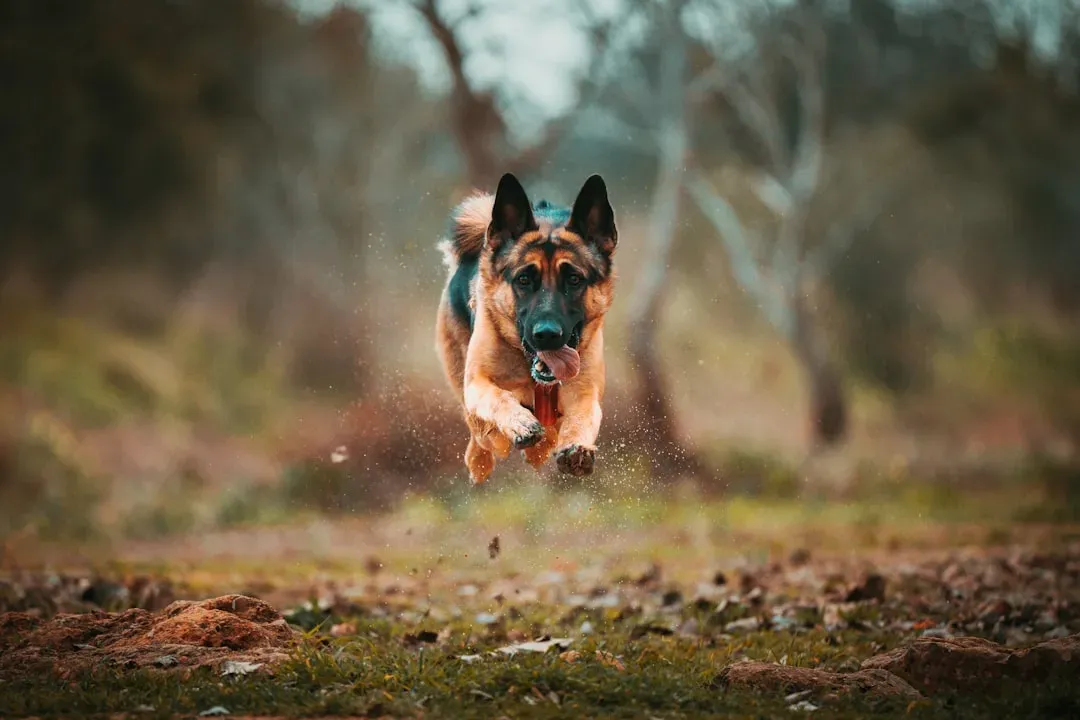
German Shepherds are famously trainable, which is why they’ve been used in search and rescue, police work, service dog roles, and competitive obedience for decades. They tend to be biddable, meaning they generally want to work with their person and are motivated to please. They learn quickly, but they also tolerate small mistakes from beginners a bit better than many Malinois.
Belgian Malinois are also extraordinarily intelligent, but their intensity and drive can make that intelligence harder to channel for the average owner. They pick up patterns frighteningly fast, including bad habits if your timing or consistency is off. In the right hands, that drive creates spectacular performance in sports like protection work, agility, and detection. In the wrong hands, it can turn into reactivity, frustration, or even aggression. If you’re newer to structured training, a German Shepherd is typically more forgiving. If you live and breathe dog training and love precision work, a Malinois may feel like your dream project.
Family Life and Social Compatibility
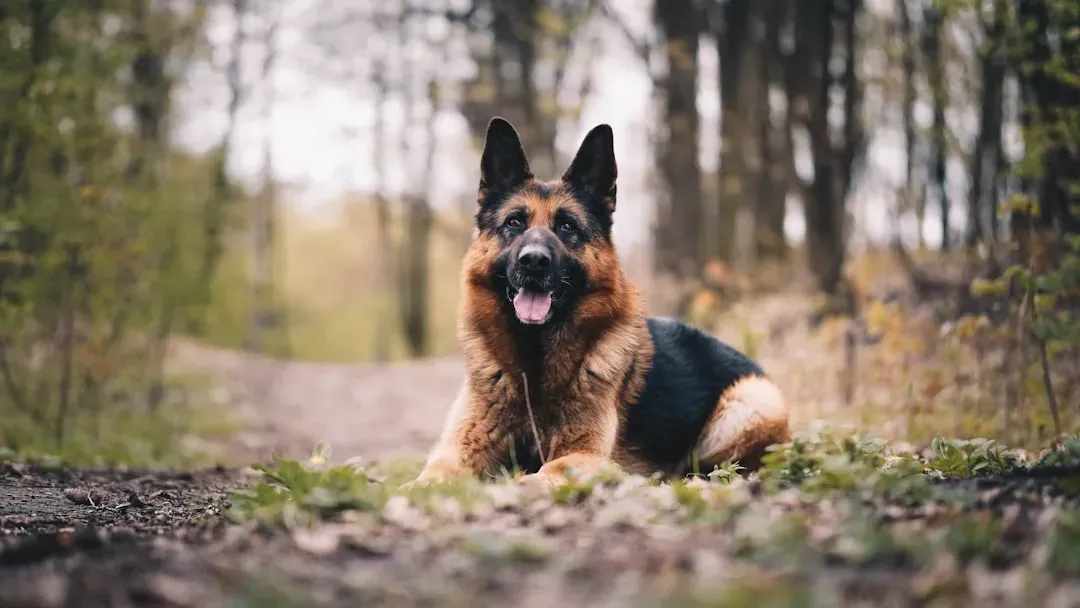
When people ask “Which should I choose?”, what they often really mean is “Which dog will actually work with my family?” A well‑raised German Shepherd can be a solid family dog: protective without being automatically aggressive, affectionate with their people, and often tolerant of respectful children. They may be aloof with strangers, but that aloofness usually translates into quiet watchfulness rather than instant confrontation when properly managed.
Belgian Malinois can be loving with their families too, sometimes almost obsessively attached to their favorite person, but many are less naturally suited to chaotic, busy households. Their herding heritage and high arousal levels mean fast‑moving kids, loud play, and constant comings and goings can overstimulate them. That can show up as nipping, herding behavior, or reactivity toward guests if you’re not on top of training and management. If you want a dog that can blend into “normal” family life with fewer compromises, the German Shepherd has a clear edge in most cases.
Health, Longevity, and Physical Differences
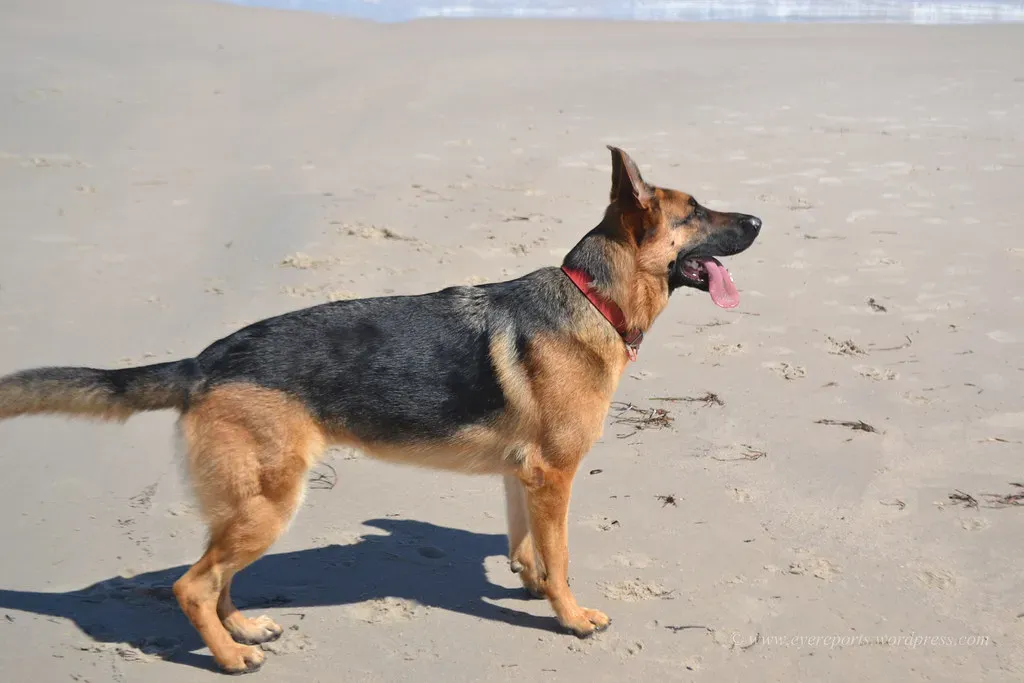
Physically, these dogs might look nearly identical to casual observers: tan and black, athletic, upright ears. But there are real differences in build and health tendencies. German Shepherds, especially from certain show lines, are notorious for hip and elbow issues, spinal problems, and degenerative conditions that can affect mobility. Careful breeders work hard to screen for these, but potential owners need to be realistic and budget for joint‑friendly care throughout the dog’s life.
Belgian Malinois are generally a bit lighter and more compact, which can be kinder to joints and make them incredibly agile. That said, they are not magically free of health problems; they can still develop orthopedic issues, eye conditions, allergies, and other hereditary concerns. Both breeds benefit from responsible breeding, health testing, and a lean body condition. If you’re concerned about long‑term mobility and medical bills, the real answer is not “pick one breed and you’re safe,” but “pick the right breeder and stay brutally honest about weight, exercise, and routine vet care” no matter which dog you choose.
Grooming, Shedding, and Everyday Maintenance
Here’s the unglamorous truth: both dogs shed like they’re trying to knit a second dog out of your carpet. German Shepherds have a dense double coat that blows out seasonally, and you’ll find fur on clothes, furniture, and somehow inside sealed drawers. Regular brushing, especially during shedding seasons, is non‑negotiable, and if you hate vacuuming, this breed will test your patience.
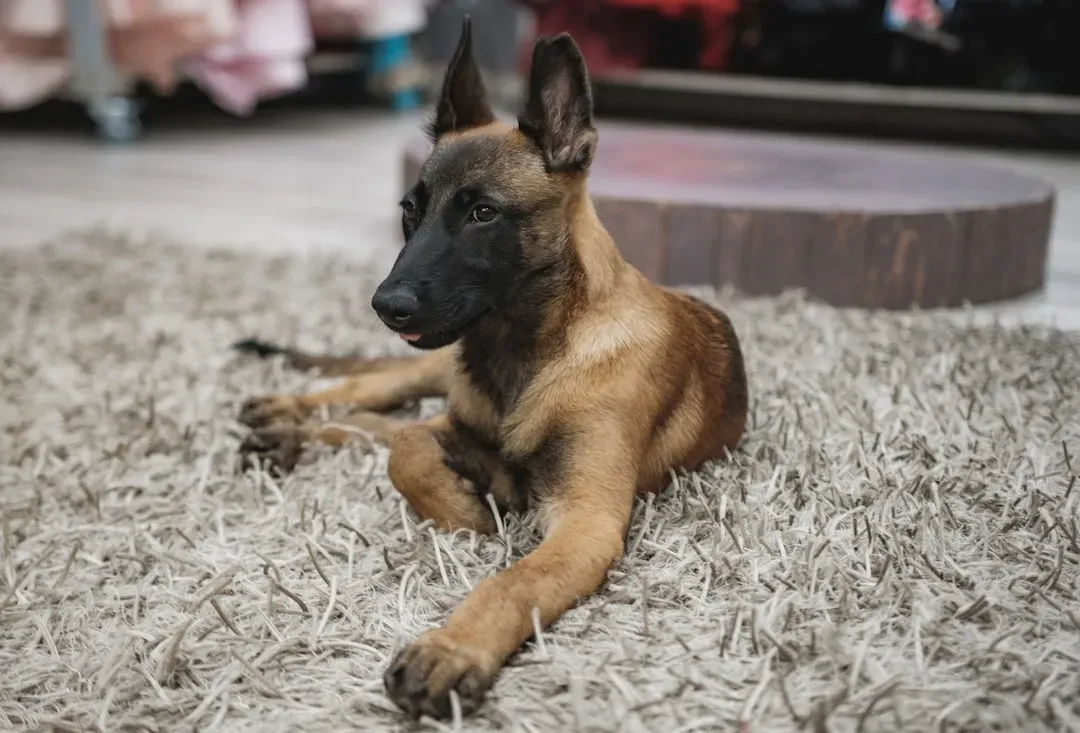
Belgian Malinois also have a double coat, typically shorter and a bit less “fluffy” than many German Shepherds, but they still shed heavily. You will not escape hair with either option. The rest of the grooming is fairly straightforward for both breeds: nail trims, dental care, occasional baths, and ear checks. If you’re drawn to these dogs, you’re signing up for a certain level of daily maintenance; the difference in grooming between the two is real but not dramatic enough to be a deciding factor for most people.
Who Should Choose Which? Making the Honest Call
If I had to draw a hard line, I’d say this: the average dedicated dog lover who works a normal job and wants a loyal, active companion is usually better matched with a German Shepherd. They still demand training, structure, and serious engagement, but they give you a bit more room for human imperfection. They can slot more easily into suburban life, active families, and people who want a versatile partner rather than a full‑time working project.
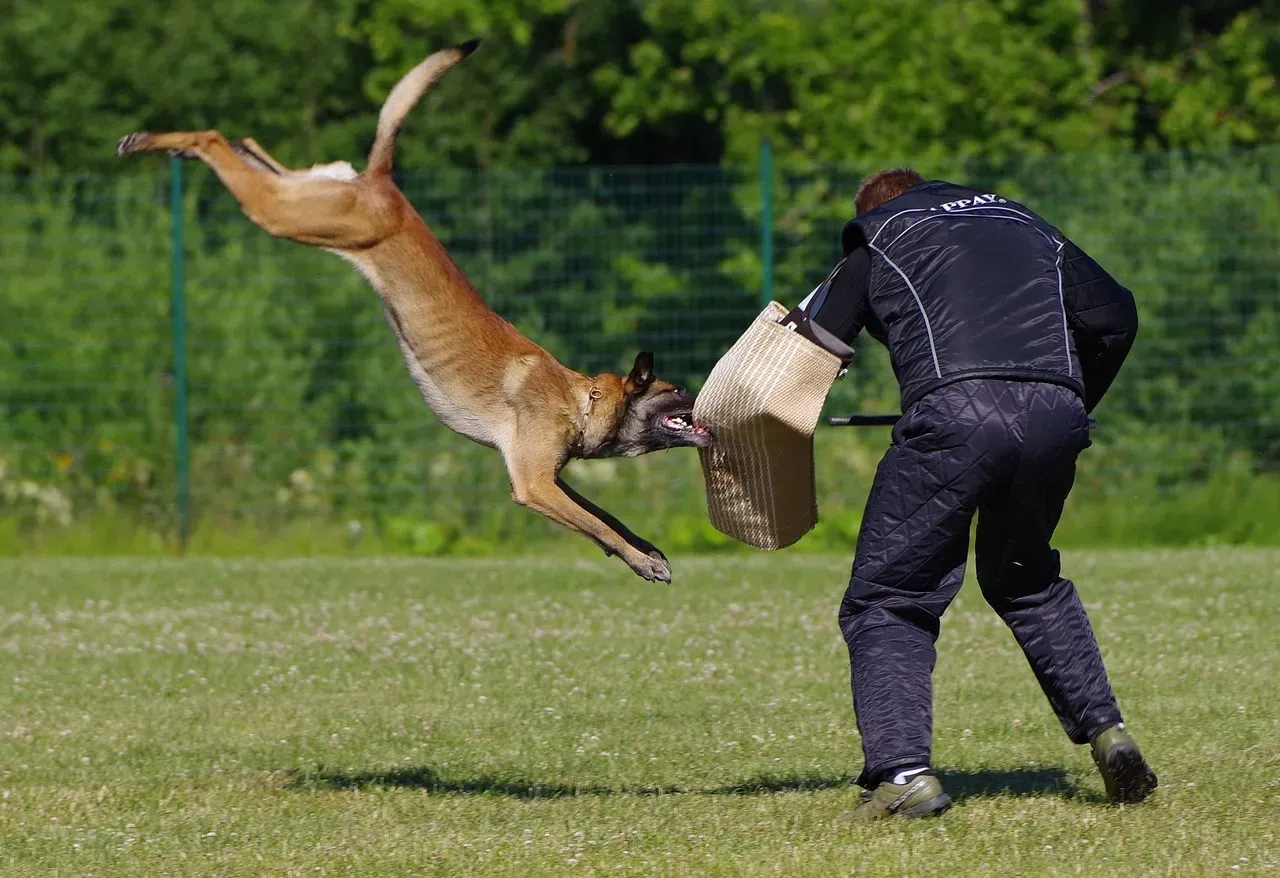
The Belgian Malinois, in contrast, is the dog for people whose lives revolve around training and activity, not the other way around. This is the dog for sport competitors, working dog handlers, or truly experienced owners who enjoy problem‑solving, structure, and intensity on a daily basis. If you simply love the way Malinois look or move but are unsure whether you can realistically meet their mental and physical needs, that hesitation is your answer: lean toward the German Shepherd.
Conclusion: The Right Dog for the Life You Actually Live
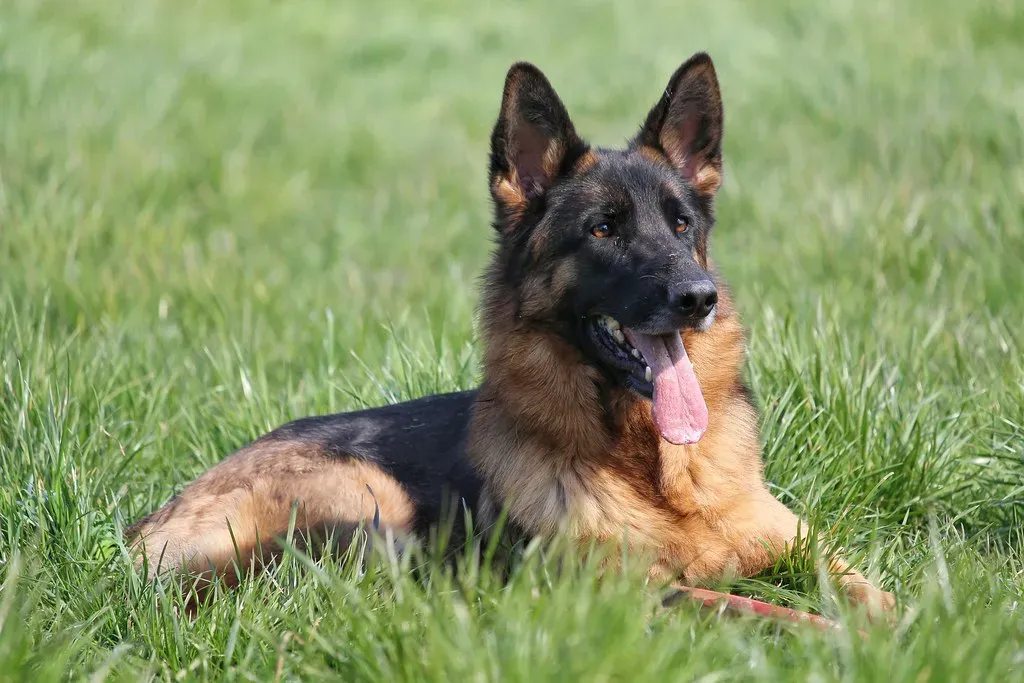
When you strip away the hype, the debate between German Shepherd and Belgian Malinois is not about which breed is “better,” it is about which breed fits the life you are honestly living. In my view, the Malinois is like a high‑performance race car: thrilling, precise, and unforgiving if you take your hands off the wheel. The German Shepherd is more like a powerful all‑terrain vehicle: still serious, still capable, but more forgiving when the terrain gets messy and the driver makes mistakes.
If I were advising a close friend who wants a devoted, trainable, protective companion and does not plan to build their entire lifestyle around dog sports or working roles, I would steer them toward a German Shepherd almost every time. For the rare person who truly craves that relentless intensity and has the skills and time to match it, a Belgian Malinois can be a once‑in‑a‑lifetime partner. In the end, the bravest choice is not the flashiest dog, but the one you can give a good, sane life to – so which of these two powerhouses fits the life you are actually going to live, not just the one you daydream about?


