
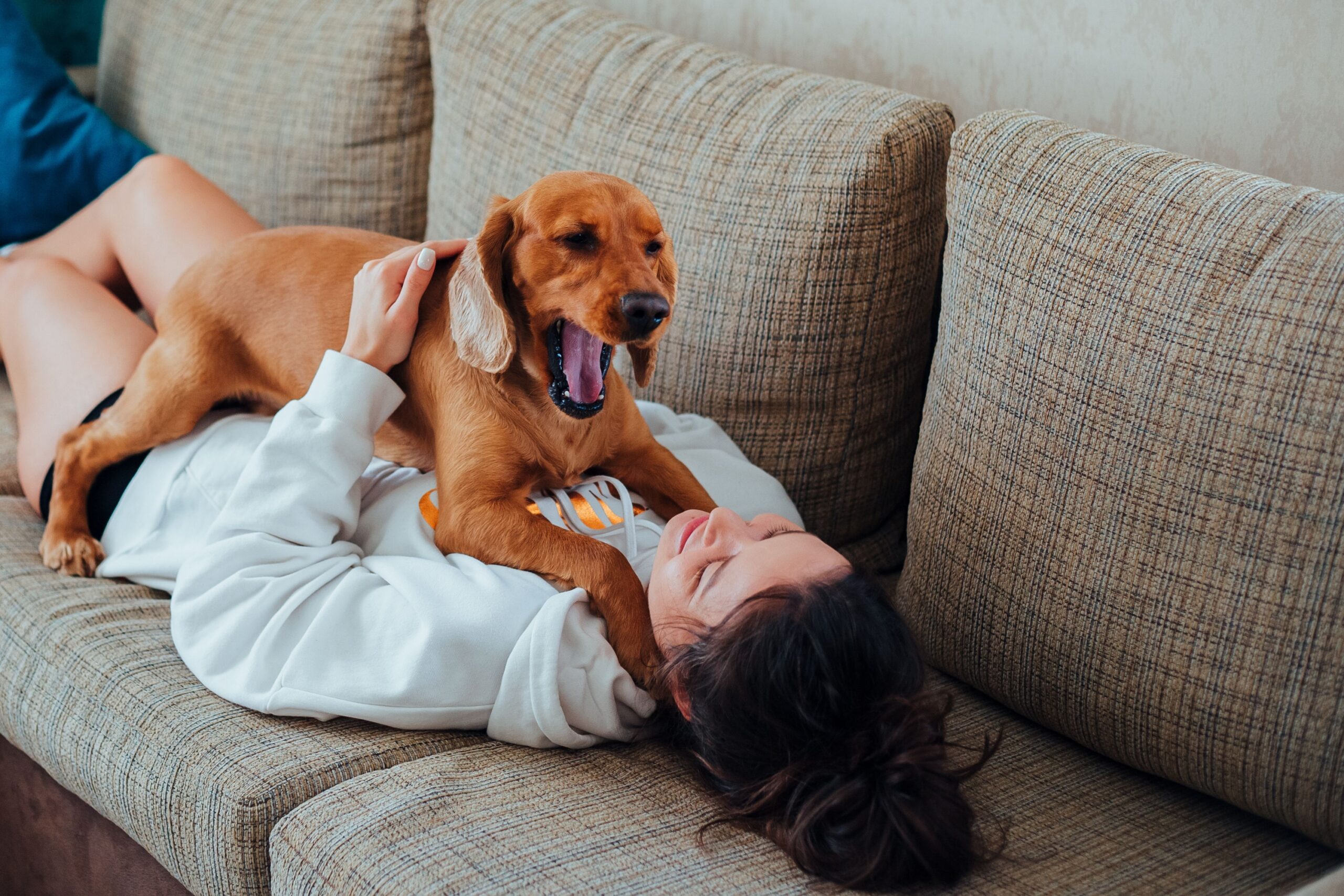
You’re on the couch, scrolling your phone, when your dog climbs up and leans their full weight into your side like a furry bowling ball. It feels adorable, your heart melts, and you assume they’re just being extra loving. But that warm, heavy lean against your leg is not always the doggy equivalent of a hug.
Sometimes it is affection. Other times, it can be anxiety, guarding, insecurity, or even a subtle way of controlling the situation around them. The tricky part is that the same physical behavior can mean very different things depending on context. Once you learn to read the details, you’ll never look at that familiar full–body lean the same way again.
Affection And Bonding: Yes, Sometimes It Really Is Love
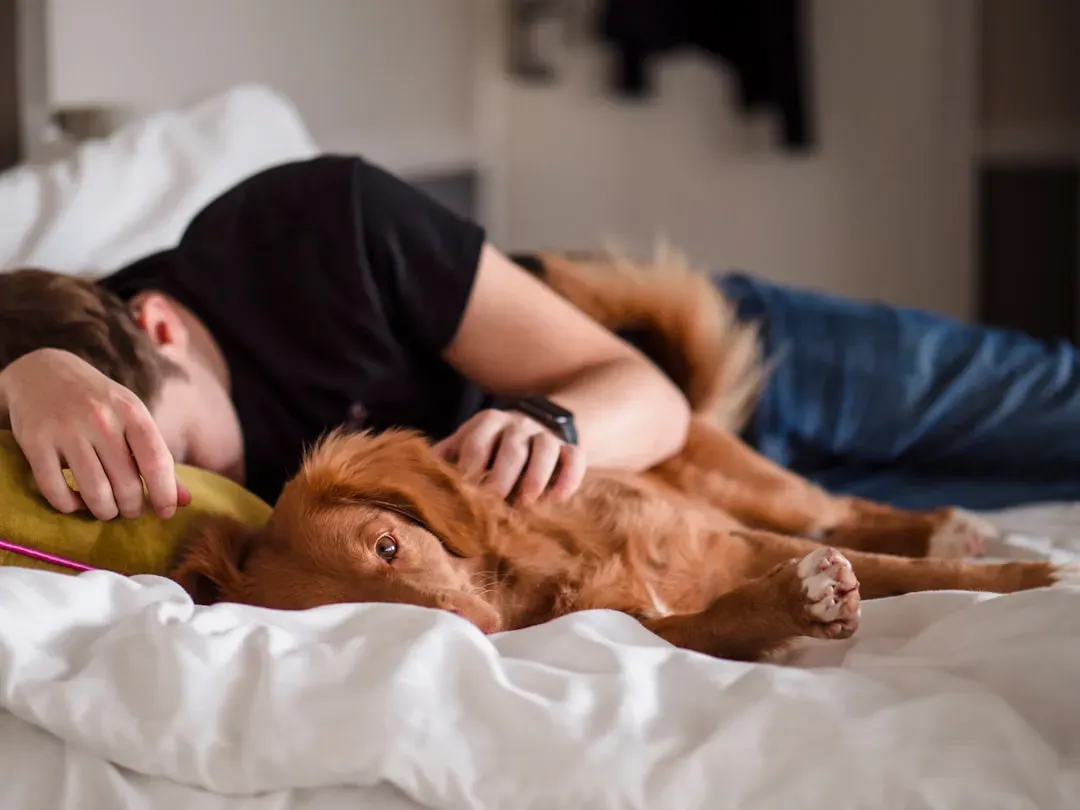
Let’s start with the feel–good explanation: many dogs genuinely do lean in because they like you and want to be close. Dogs are social animals; physical contact releases feel–good brain chemicals that help them feel safe and connected, much like a child curling up against a parent on the couch. If your dog is relaxed, breathing softly, maybe even sighing while pressed up against you, there’s a solid chance this is affectionate bonding.
Body language matters here. A soft, loose body, wiggly hips, gently wagging tail, and a relaxed face with blinking eyes usually mean your dog is calm and content. In these moments, leaning is like their version of holding hands, and you don’t need to overthink it. Enjoy it, respond with calm petting or quiet presence, and you’ll help reinforce that your presence equals safety and comfort.
Anxiety And Insecurity: The “Velcro Dog” Lean
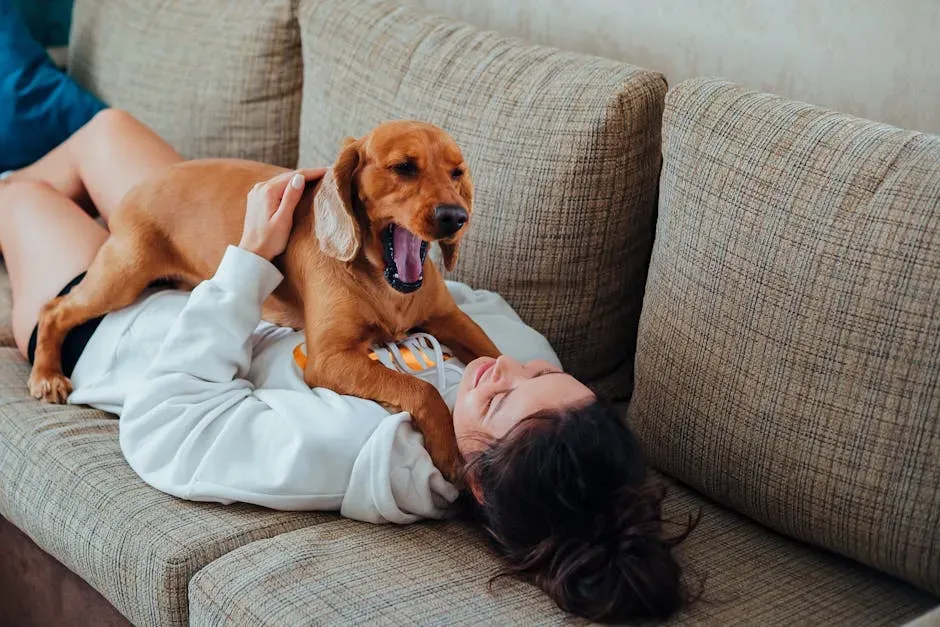
On the flip side, some dogs press their body against you because they’re nervous and using you as emotional armor. You’ll often see this with so‑called “velcro dogs,” who follow their person from room to room and seem a bit lost if they can’t make physical contact. Instead of lying a few feet away, they glue themselves to your leg, almost like a living security blanket.
Look for subtle signs of stress: slightly pinned‑back ears, a tight mouth, yawning when not tired, lip licking, or scanning the environment while still leaning into you. In those cases, the behavior is less “I adore you” and more “I’m not sure about this situation, and you’re my safe spot.” It’s still about trust and bonding, but it’s driven by worry, not just affection, and it’s a cue to help your dog feel more confident, not just soak up the cuddles.
Resource Guarding And Possessive Behavior: “You’re Mine”

Here’s where things can surprise people: pressing their body into you can sometimes be a subtle version of guarding or possessive behavior. The dog positions themselves partly on you or between you and another person or dog, and their body feels a bit stiff, like they’re bracing. They may stare at the approaching person, raise their hackles slightly, or give a low grumble or hard side‑eye if someone gets too close.
In that moment, they’re not just snuggling; they might be saying, in dog language, “Back off, this person is mine.” This can feel flattering but is actually a red flag. Over time, it can escalate into snapping or lunging at others. If you notice this pattern, it’s important not to reward it with extra petting. Instead, calmly shift your body, stand up, or ask your dog to move and reward calm, neutral behavior away from you, ideally with guidance from a qualified trainer or behavior professional.
Seeking Safety From The Environment: Your Body As A Shield
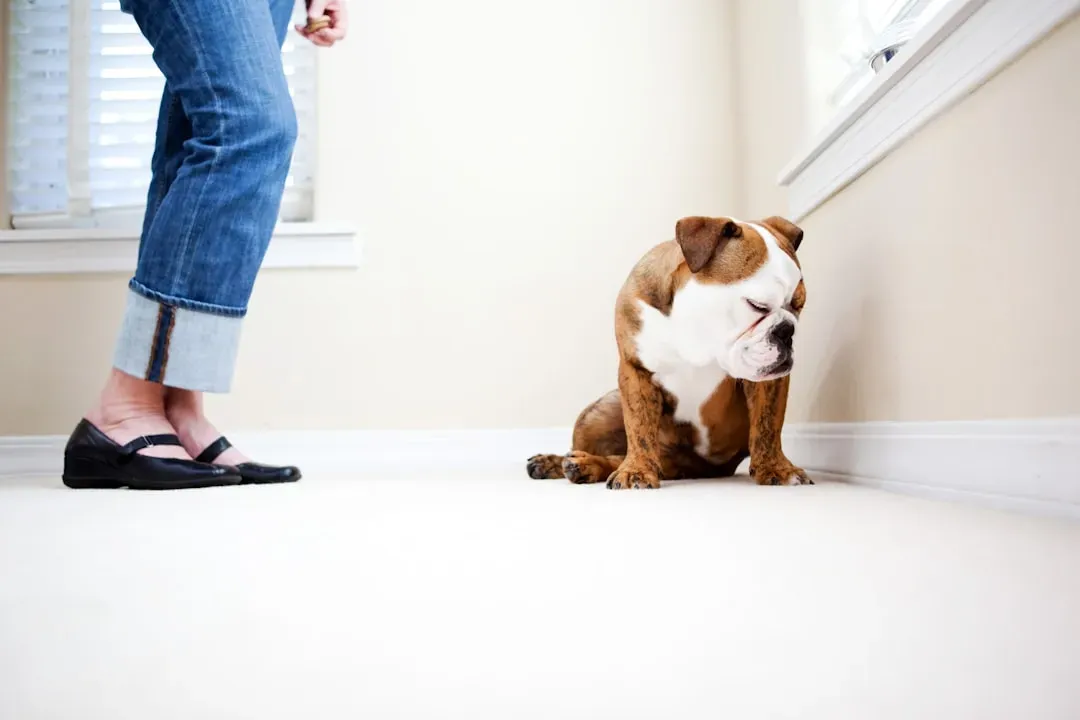
Sometimes your dog is literally using you as a physical barrier from something that scares or overwhelms them. Think thunderstorms, fireworks, unfamiliar visitors, or a noisy, chaotic park. They might tuck themselves against your legs, wedge behind you on the couch, or lean into the back of your knees like they’re trying to disappear into you. The pressure of their body against yours, combined with your scent and warmth, can help lower their stress a bit.
The key sign here is that their attention is not on you, it’s on the scary thing. Their eyes, ears, or body are oriented toward the noise or person they’re worried about, and you’re basically the safe wall between them and the threat. In this case, the kindest response isn’t just petting; it’s helping them feel safe overall, possibly by moving them to a quieter room, using calming routines they know, or gradually working on desensitizing them to specific triggers over time.
Body Pressure As A Self‑Soothing Strategy

There’s also a sensory side to all this. Steady pressure can have a calming effect on many dogs, similar to how weighted blankets help some people feel grounded and less anxious. When your dog presses their whole body into you, they might be instinctively seeking that comforting pressure to regulate their emotions. It is less about you as a person and more about how contact with you makes their nervous system feel more stable.
You’ll especially see this in dogs who struggle with overstimulation, loud environments, or transitions, such as moving homes or changes in routine. They might press against you during car rides, busy walks, or at the vet clinic, almost like they are trying to anchor themselves. Recognizing this can be comforting, because it means your presence really does help, but it also nudges you to think about what else might reduce their overall stress instead of relying only on constant contact.
Learn To Read The Whole Picture: Context And Body Language
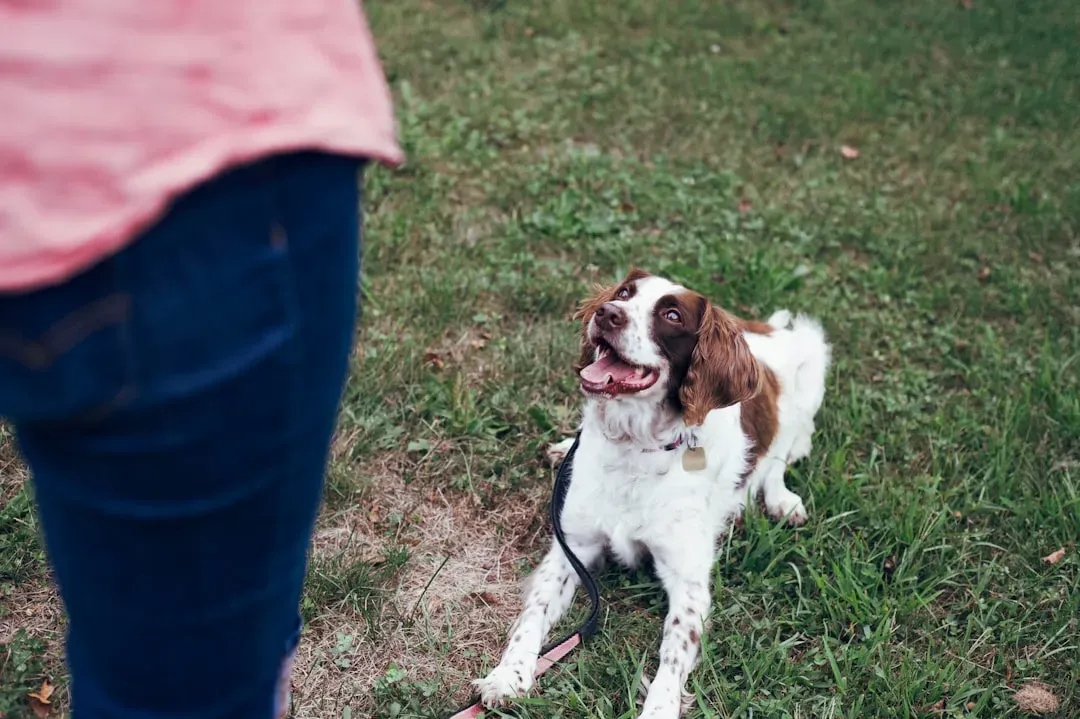
The biggest mistake people make is focusing only on the action and ignoring the rest of the picture. A lean is never just a lean; you have to read the dog like a full sentence, not a single word. What else is happening? Where are you? Who is nearby? What does the rest of their body say? Those clues are what tell you whether this is affection, anxiety, guarding, or something in between.
Loose muscles and easy breathing mean something very different from a still, tense body and wide eyes. A soft, wagging tail and sleepy eyes tell a different story than a fixed stare, a held‑high tail, or a dog who freezes when someone approaches. Once you start paying attention to these layers, you’ll notice that what you used to label as “cuddly” might actually be three or four different emotional states dressed in the same behavior costume.
How To Respond: Comfort, Boundaries, And Training
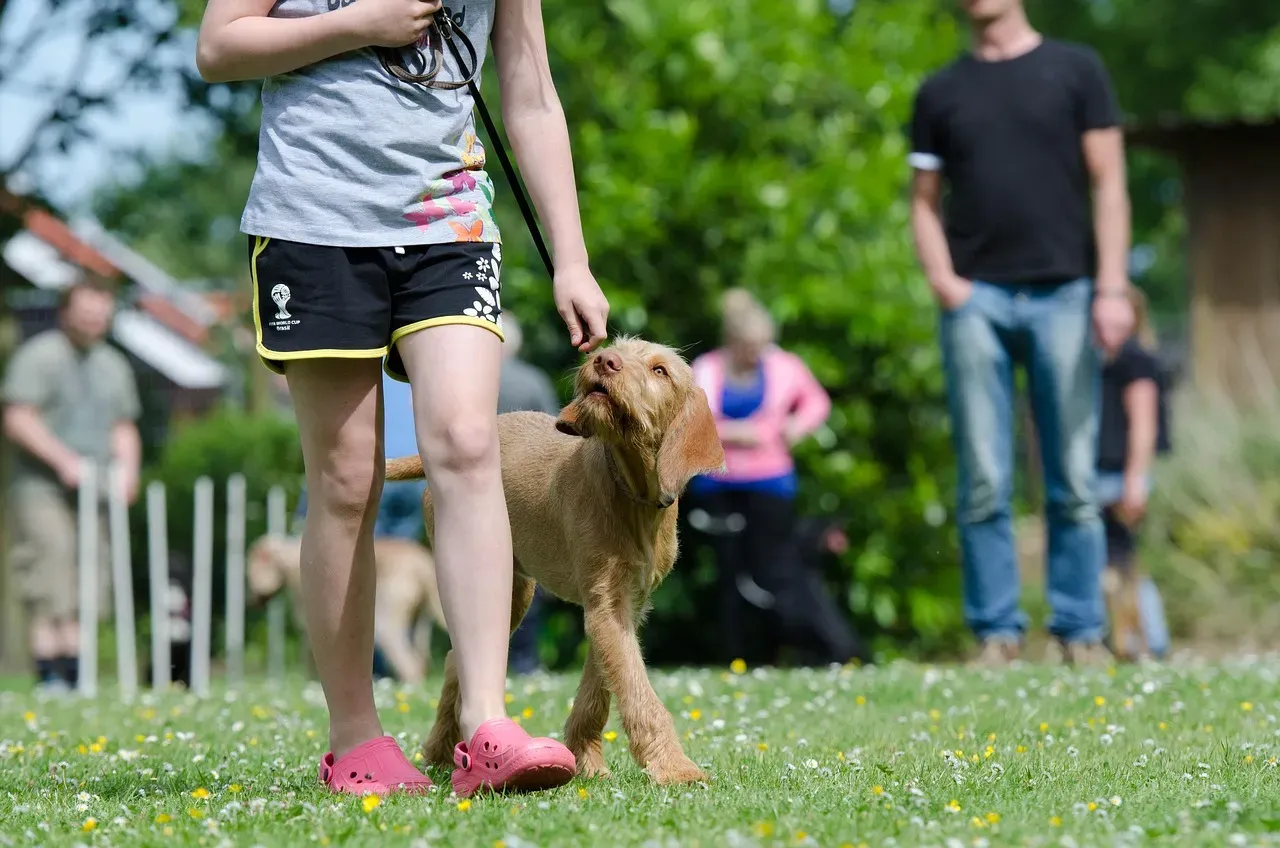
When you understand the why behind the leaning, you can respond in a way that actually helps your dog instead of accidentally reinforcing a problem. If it’s relaxed affection, enjoy it, as long as your dog has the option to leave and is not being forced or trapped. If it seems like anxiety, consider offering calm touch, a soothing voice, or a move to a quieter space, while also working on confidence‑building training games in low‑stress situations.
If you suspect guarding or pushy behavior, this is when you need clear, kind boundaries. Gently move, invite your dog off the furniture if needed, or ask for a simple cue like “go to your bed,” then reward them for giving you space. I’m a big believer that love and structure are not opposites; they depend on each other. Teaching your dog that they can feel safe without physically owning your lap or your side makes life easier and safer for everyone, including them.
When To Get Professional Help
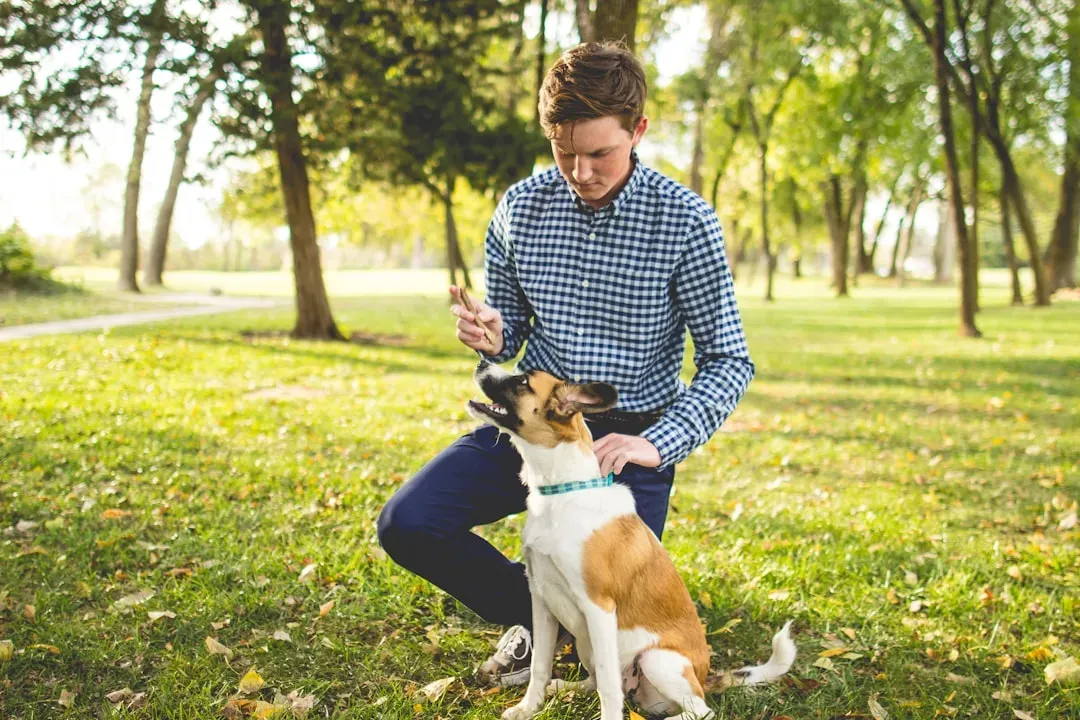
Not every lean is a big deal, but some patterns really do benefit from expert eyes. If your dog stiffens, growls, or snaps when anyone comes near you while they are pressed against you, that’s more than quirky behavior. If they panic when they cannot be in constant contact or show major distress when you move away, that can point to separation‑related issues or deeper anxiety that usually does not fix itself.
A qualified trainer or veterinary behaviorist can help you tease apart whether this is simply a habit or a sign of something more serious. I’ve seen dogs transform from clingy, tense “shadow” dogs into more confident companions once their humans understood the emotional root behind all that leaning and put a plan in place. Getting help is not an overreaction; it is a sign that you take your dog’s emotional life seriously, and that matters more than pretending everything is fine because the behavior looks cute on the surface.
Conclusion: Cuddly Or Clingy – Why It Matters That You Look Closer

Here’s my honest opinion: we underestimate our dogs when we assume every bit of closeness is just simple affection. That warm weight pressed into your side can be pure love, but it can also be a quiet plea for help, a way to guard you from others, or a sign that your dog feels lost without constant contact. Ignoring those nuances is like ignoring that a friend who hugs you a little too tightly might be struggling with something they cannot say out loud.
If you start treating that lean as a question instead of an answer, you and your dog both win. You get clearer communication, better behavior, and a relationship built on understanding rather than guesswork. They get comfort that actually fits what they need, whether that is a snuggle, a boundary, or a training plan. Next time your dog presses their body against you, ask yourself: are they loving me, leaning on me, or quietly calling for help – and what will I choose to do with that information?


