
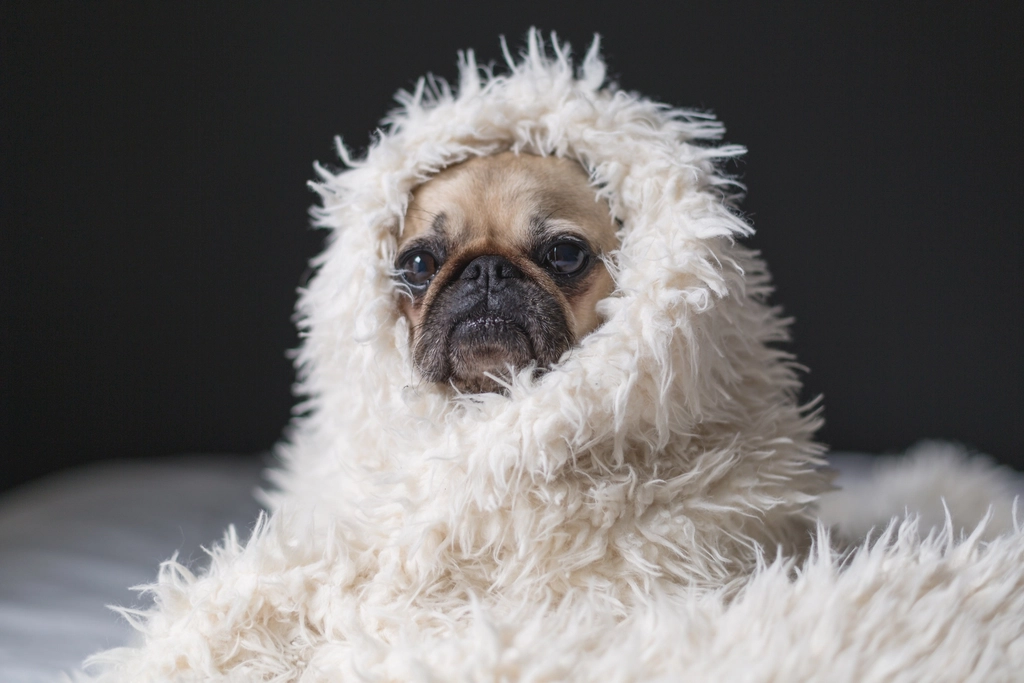
If you’ve ever come home after a long day and watched your dog light up the second you step through the door, you’ve seen the power of your scent in action. To your dog, your smell is not just “body odor” or “perfume” – it’s a whole emotional language, a living memory, and a sense of home rolled into one.
What’s wild is that science suggests dogs can remember scents for astonishingly long periods, even years, and they link those smells to specific emotions, routines, and experiences. Your sweater on a chair, your pillow, even the faint trace of you on the couch cushion can feel like a warm hug to your dog. Let’s dig into the specific ways your scent weaves itself into your dog’s world – and why those invisible molecules matter more than you realize.
Your Natural Body Odor: Their Emotional Anchor

Here’s the core truth: your natural, unfiltered body odor is your dog’s favorite smell in the world, even more than treats or toys in many cases. Dogs have an insanely powerful sense of smell, far beyond ours, and they can pick out your unique scent signature from a mix of thousands of other odors. To them, you smell like safety, predictability, and belonging.
Over time, your dog builds an emotional map around your natural scent. They notice how you smell when you are calm, stressed, sick, or excited, and they tie those subtleties to their own feelings and experiences. This is why a T‑shirt you slept in can soothe an anxious dog when you’re away – the familiar scent pattern tells them that their person exists, is real, and will likely come back.
Your Clothes and Laundry: Portable Comfort Objects
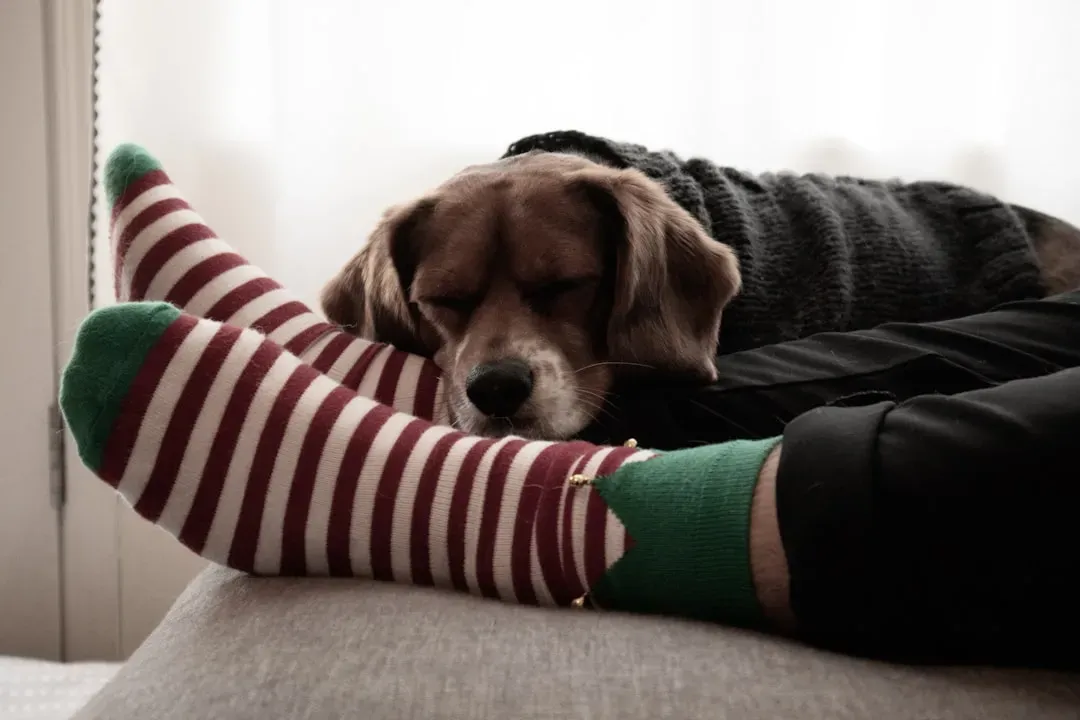
Your clothes are basically portable scent sponges, and your dog knows it. That shirt tossed on the bed, the sweatshirt on the back of a chair, or the pajama pants at the foot of the couch all carry layers of your odor, mixed with tiny traces of your environment. To us, it’s just “laundry.” To your dog, it’s a scrapbook of your daily life.
This is why many dogs love to steal socks, shoes, or T‑shirts rather than random objects lying around. They’re not trying to ruin your wardrobe; they’re pulling your scent closer in the most literal way. Many trainers even recommend leaving a worn item of clothing with dogs who struggle with separation, because that smell can remain familiar and comforting for a very long time, especially if it’s not washed frequently.
Your Bed and Pillow: A Scent-Drenched Safe Zone
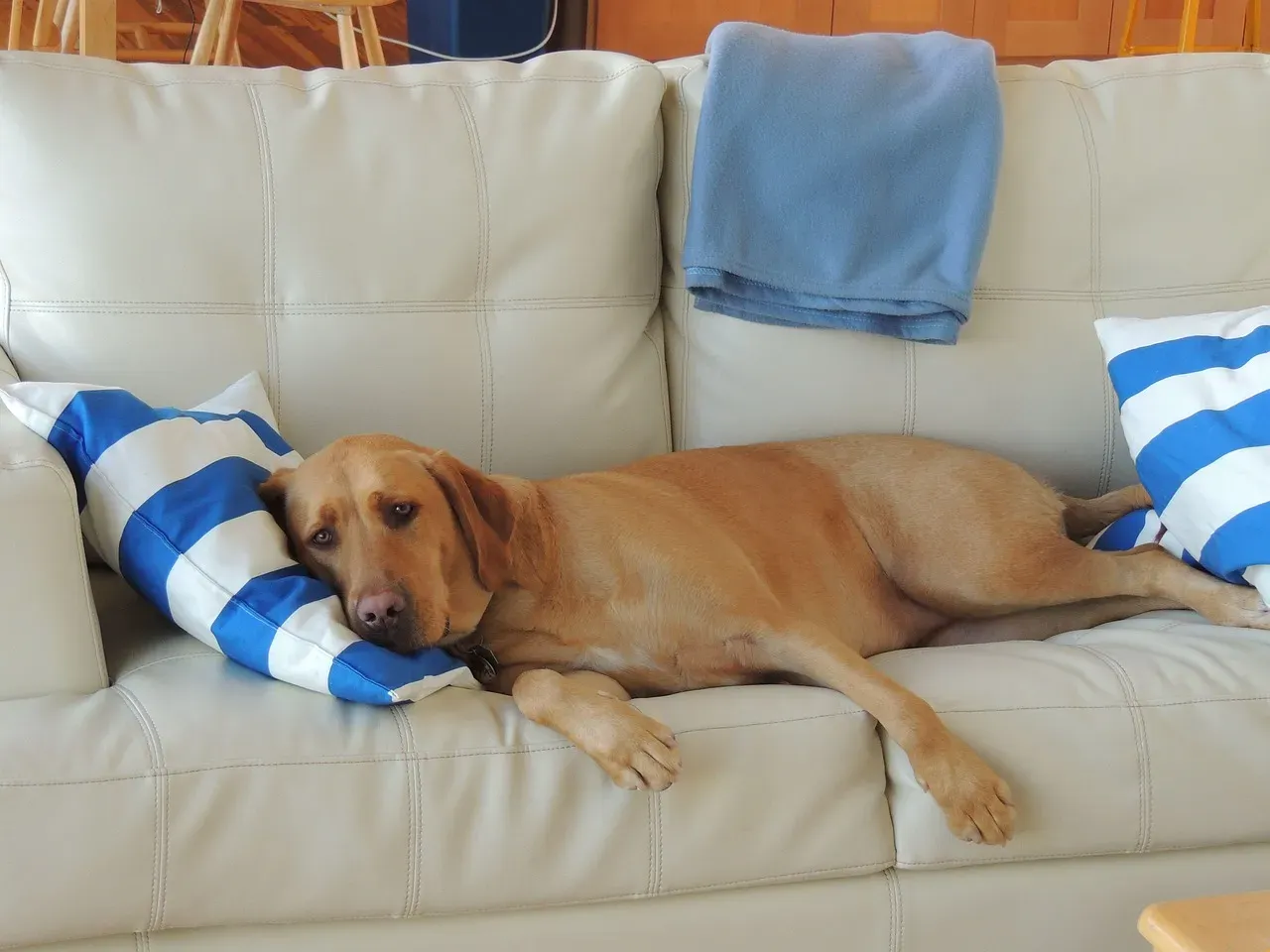
Your bed and pillow are probably the most concentrated sources of your scent in the entire house. Night after night, you shed tiny skin cells, natural oils, and traces of your daily routine onto the sheets and pillowcase. Dogs can pick up on all of that, including the faint smells of your hair products, skincare, and even what you ate earlier.
When your dog curls up on your pillow or burrows into your side of the bed when you are not home, they’re not just being cute or naughty. They’re seeking out the densest, richest version of “you” their nose can find. For many dogs, that area becomes a long-term safe zone, and the scent can stay recognizable for a surprisingly long time even if you travel or your daily schedule shifts.
Your Shoes and Feet: The Story of Everywhere You’ve Been
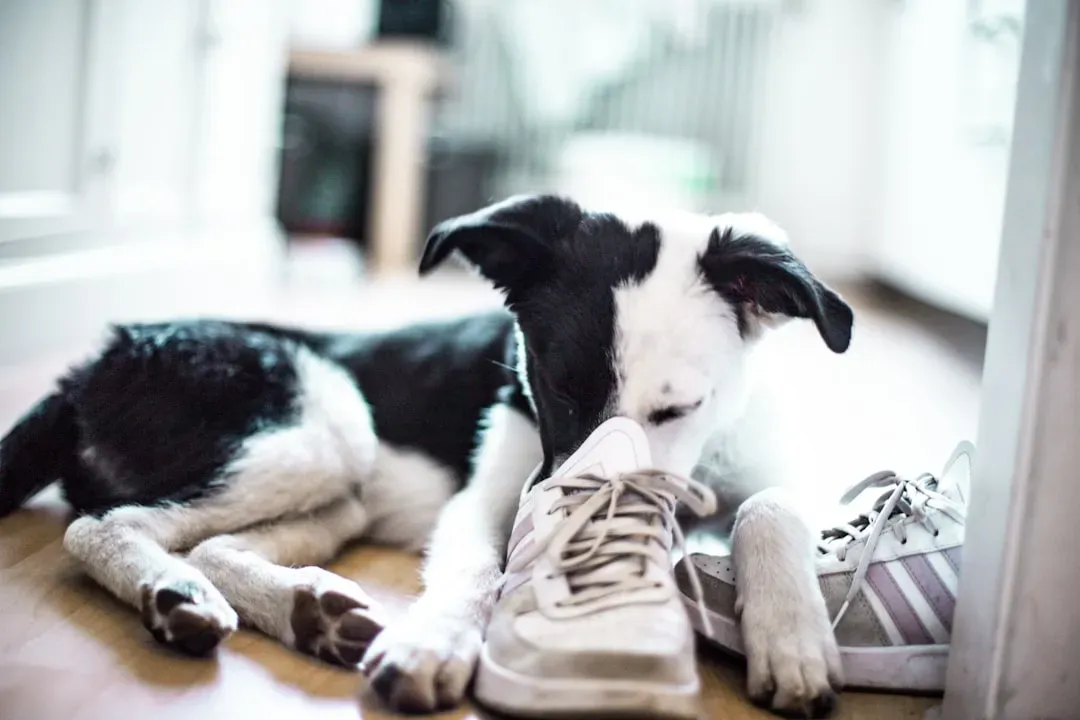
Your shoes are like a highlight reel of your day from a canine perspective. They hold the smell of your sweat, but also the dust, grass, pavement, office, gym, and everywhere else you walked. Dogs are experts at unpacking these little scent stories, and they quickly learn to connect certain smells on your shoes with predictable outcomes, like walks, workdays, or trips to the park.
Some dogs are absolutely obsessed with shoes, especially the ones you wear most often, because those items offer a constantly updated blend of your scent and the outside world. Even older shoes that you rarely wear can stay meaningful for years, especially to a dog who formed strong routines around them when they were younger. From your dog’s point of view, your shoes aren’t just objects – they’re living timelines.
Your Scent on Furniture and “Your Spot”
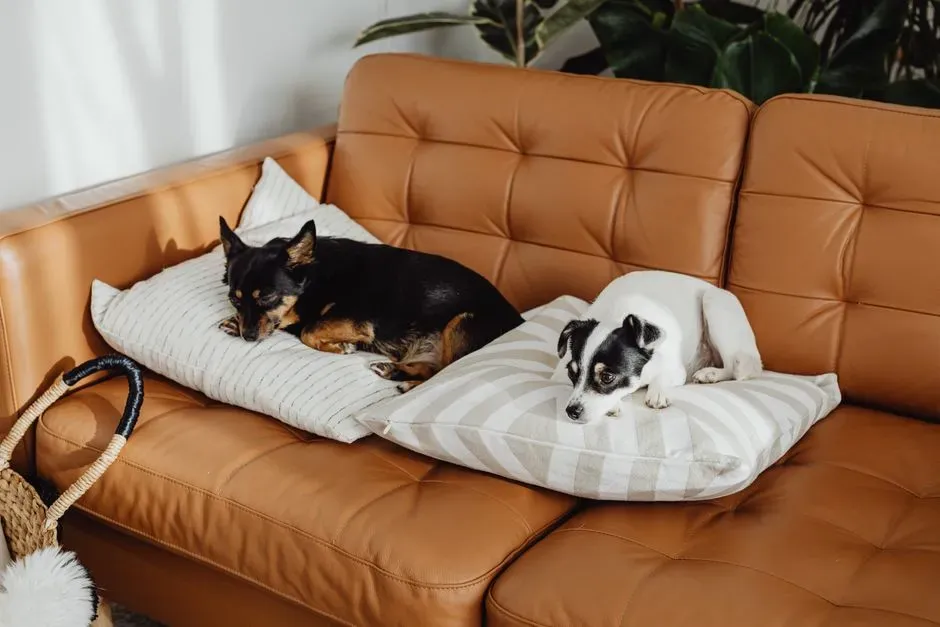
Most of us have a spot we gravitate toward: a favorite chair, a side of the couch, a particular place at the table. Over time, those areas collect layers of your scent, along with the subtle smell of your skin, clothes, and even the products you use. Dogs learn very quickly which spot is “yours,” long before we realize they’ve noticed.
When your dog jumps onto your chair right after you stand up, they’re not only taking advantage of a warm seat. They’re soaking in a fresh wave of your scent and reinforcing the emotional connection they have with that place. Even if furniture gets cleaned, the repeated pattern of you returning to those spots keeps the scent-environment consistent enough that it stays familiar for years.
Your Scent on Their Toys and Blankets
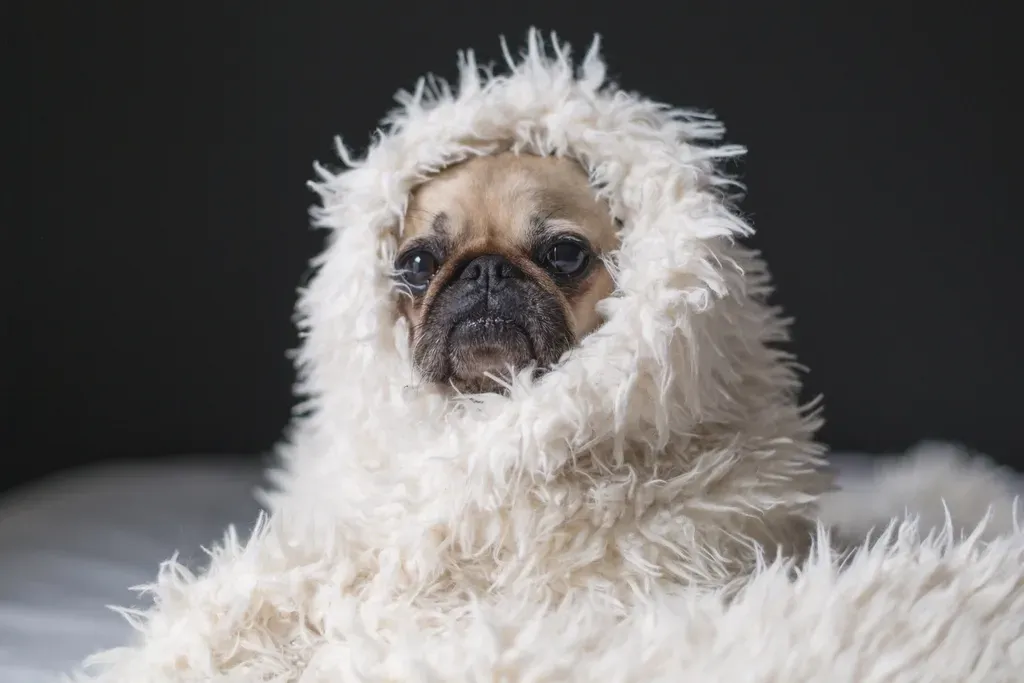
Dogs do not just love their toys and blankets because they are soft or fun – they also love what those items smell like. When you handle their toys, wash their bedding with your laundry, or cuddle with them on their favorite blanket, your scent subtly moves onto those objects. Over time, your dog ends up with a whole collection of items that smell faintly like a blend of themselves and you.
This mixed scent is especially powerful for dogs who are very attached to their humans. A stuffed toy that you played tug with years ago might still hold enough of your scent for your dog to recognize and treasure it. It turns into a kind of “bonded object,” something that feels like a shared possession between you and them, and that emotional association can last for a very long time.
Your Scent in the Car: The Moving Den

If your dog rides in the car with you often, your vehicle becomes a mobile scent chamber. Seats, seatbelts, the steering wheel, and even the fabric on the doors soak up your smell over time, along with the faint mix of outdoor air, other people, and different locations. To a dog, your car does not just smell like gasoline and upholstery; it smells like you plus adventure.
Many dogs become visibly calmer as soon as they hop into “their” car, especially if it is consistently associated with positive experiences such as walks, hikes, or visits with favorite people. Even if you change cars over the years, your scent starts to build up again in the new space. That continuity of your personal smell helps your dog accept big changes more easily than we sometimes give them credit for.
Your Scent During Specific Routines and Times of Day

Dogs are incredibly tuned in to patterns. They don’t just recognize that you smell like “you” – they recognize how you smell during different routines: morning coffee time, workout time, work clothes, bedtime rituals. Over time, your scent at certain times of day becomes a cue all on its own, telling your dog what is likely to happen next.
For example, your dog might learn that the combination of your clean, just-showered smell plus specific clothing means you are leaving for work, while your evening smell mixed with cooking aromas means family relaxation time. These scent-based routines can remain stable for years, even when your schedule shifts a bit. From your dog’s perspective, the rhythm of your day is written in scent just as much as in clocks and calendars.
Your Scent on Old Objects After You’re Gone
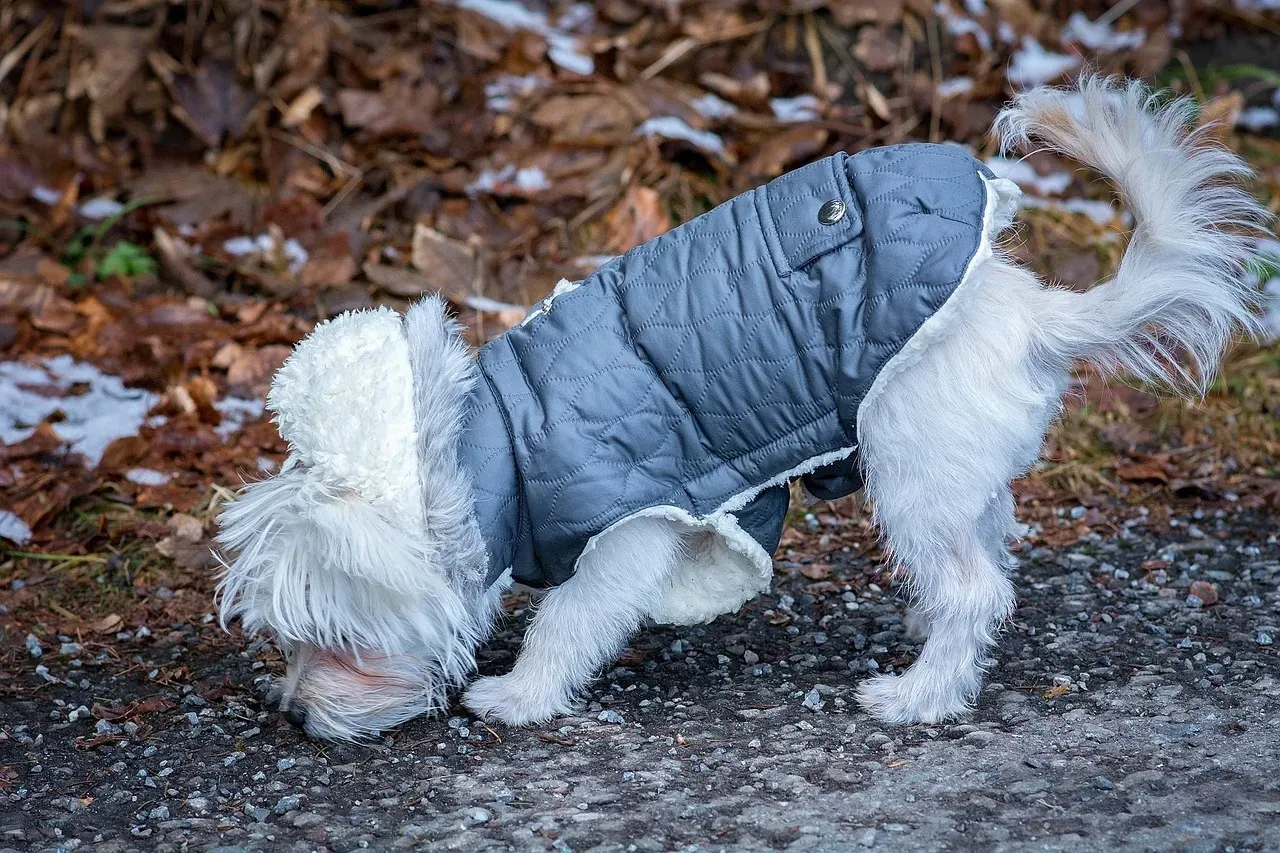
This one is more emotional, but it matters: your scent can linger on old objects long after you have left the room, the house, or even their life. Many people have seen a dog react strongly to an old coat, a favorite cap, or a box that still smells like a person who went away years earlier. The dog’s nose pulls that familiar pattern out of the past and brings it right into the present.
While we do not know exactly how long a dog can remember a scent, real-world stories and what we know about their olfactory powers suggest that those memories can last an incredibly long time. A dusty jacket from the back of a closet can still feel like a reunion to a dog who loved the person who wore it. Your scent, in that sense, becomes a kind of emotional fingerprint that time softens but does not fully erase.
Conclusion: Your Scent Is Your Dog’s Version of Home
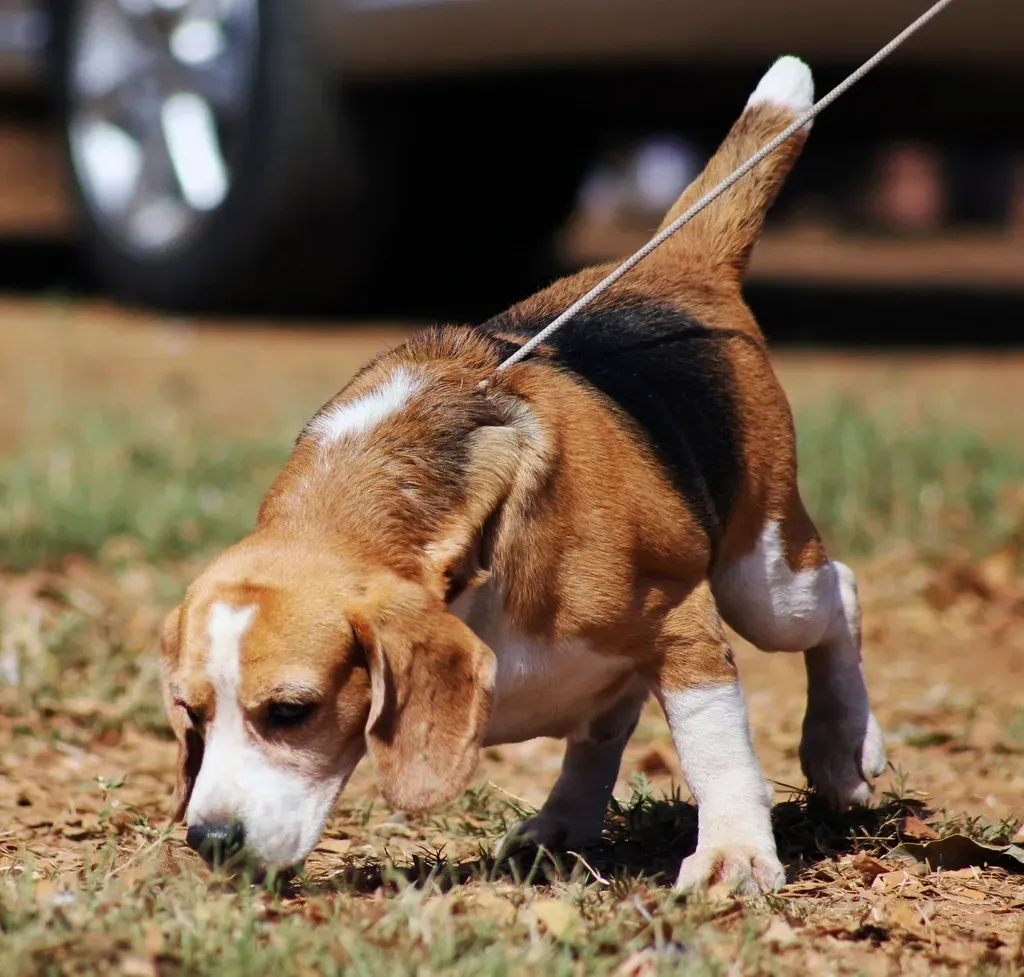
When you zoom out and look at all these pieces together, it becomes clear that your dog is building an entire emotional universe around your scent. Your clothes, your bed, the car, their toys, and even specific routines are like different chapters in the same story: the story of you and them, written in smell. In my view, we underestimate how deep this runs; your dog is not just attached to your presence, but to a whole invisible world of scent that makes them feel safe and understood.
If anything, this should change how we think about “being there” for our dogs. Sometimes, being there means literally leaving a piece of yourself behind: a worn T‑shirt in their crate, your scent on their favorite blanket, or a familiar-smelling spot they can curl into when life feels uncertain. Your dog’s nose is constantly reminding them who you are and how much you matter. Knowing that, what simple, scent-soaked thing could you leave for them today that might still feel like home years from now?


