
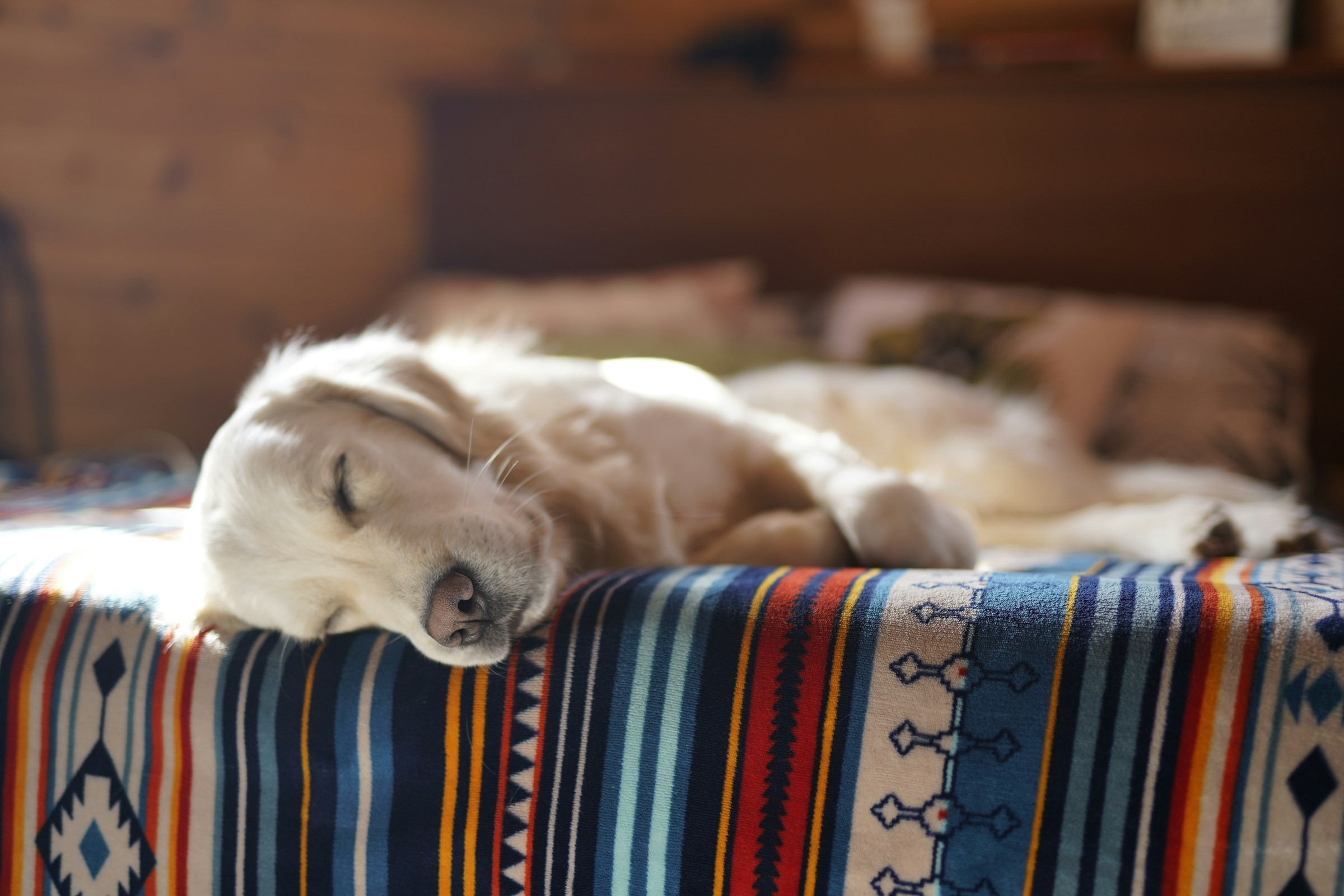
I get it. A peacefully snoring dog with twitchy paws and floppy ears is basically a living stress ball. You want to squeeze, kiss, or wake them up just to share the moment. But there are very real times when reaching for that adorable furball is the worst move you can make – for their health, their behavior, and sometimes even your skin.
Once you understand what’s going on in a dog’s brain and body during sleep, those “cute” interruptions start to feel less harmless and more like barging into someone’s therapy session. Let’s walk through the moments when you really should resist the urge to poke the fluffy bear, and why leaving them alone is one of the most loving things you can do.
1. When Your Dog Is Deep in REM Sleep and Twitching Like Crazy
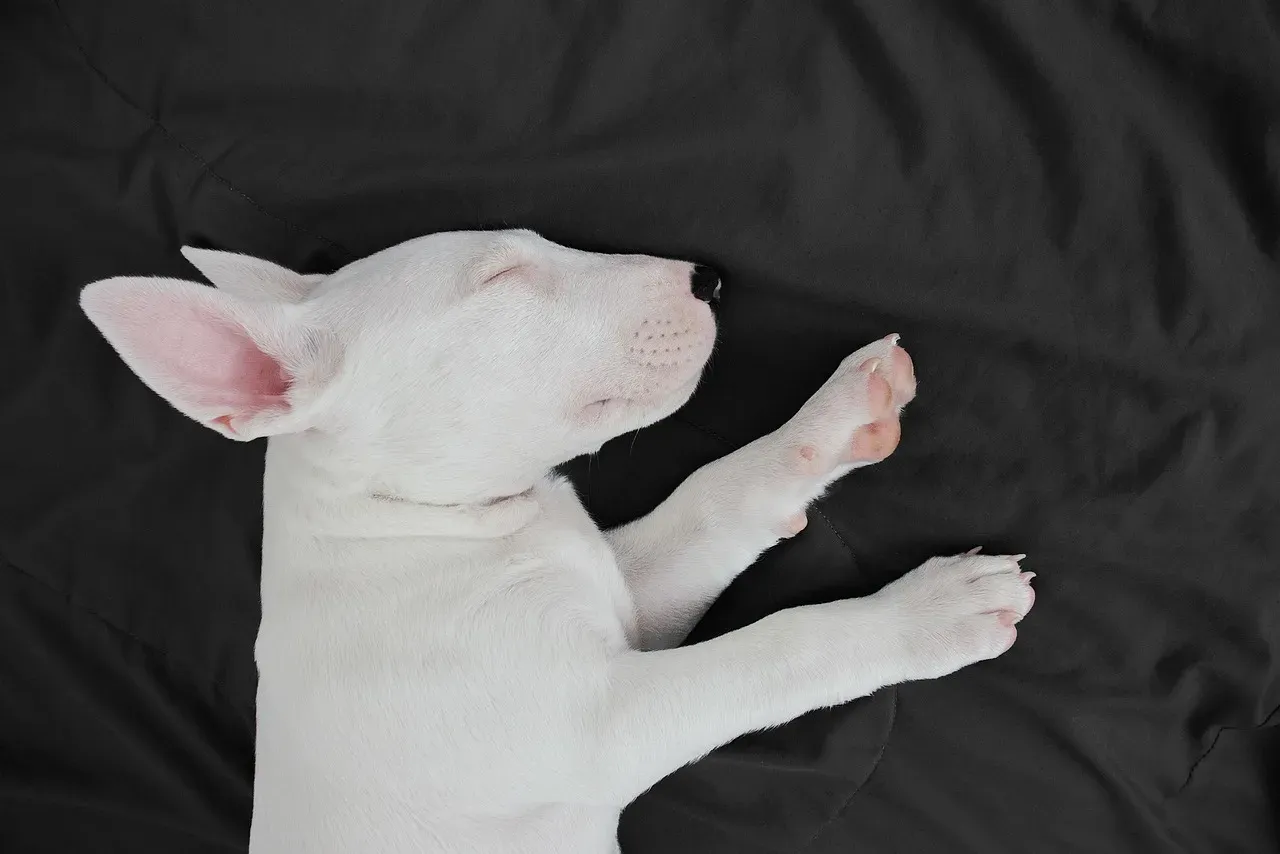
You know that phase where your dog’s paws are running, eyes flicker under their lids, and they make tiny barks into the void? That’s likely REM sleep, when their brain is processing memories and emotions. It can look entertaining, but this is one of the most important stages of rest, especially for learning and emotional balance. Interrupting it over and over can leave them groggy, confused, and more stressed, much like yanking a person out of a vivid dream again and again.
Think of REM sleep as your dog’s overnight emotional clean-up crew, sweeping up stress from the day. Puppies and young dogs, who are constantly learning, spend a big chunk of their sleep in this stage, which makes it even more precious. Waking them because the dream looks funny is a bit like unplugging your laptop mid-update – technically possible, but you’re risking glitches you won’t like later in their mood and behavior.
2. When They’re Sick, Injured, or Just Back From the Vet
If your dog is under the weather, recovering from surgery, or just had vaccines or sedation at the vet, their sleep is doing serious repair work. During deep rest, the body ramps up immune function, tissue repair, and hormone balance. Disturbing that because you miss their attention is like opening the oven every five minutes while a cake is baking: you might get away with it, but you’re not helping the outcome.
I’ve sat on the floor next to a groggy dog after surgery, wanting to nudge him every time his breathing changed. The best advice I got from a vet was simple: watch, don’t poke. As long as your dog is breathing steadily, has a safe, comfy setup, and no red-flag symptoms, that sleep is medicine. Let them ride it out. You can always love on them when they wake on their own and are actually ready for interaction.
3. When a Dog Is Old, Arthritic, or Stiff and Finally Comfortable
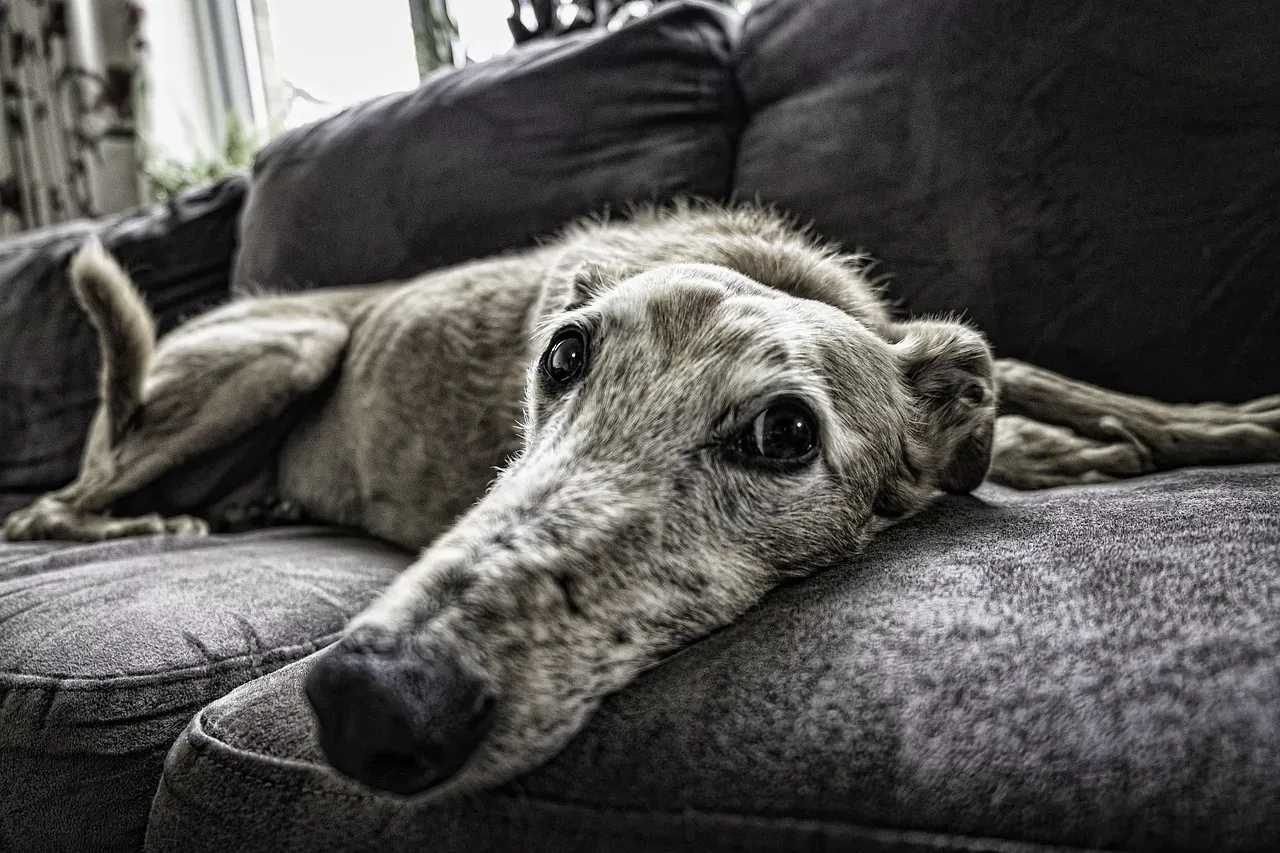
Imagine falling asleep after a day of back pain and someone shaking you awake because they thought your snore was adorable. You’d probably snap. Many grumpy or “snappy” moments in older dogs come from being startled out of sleep when their body already hurts. Give them space, let them wake in their own time, and then approach calmly so they can adjust before you start petting or handling them.
4. When a Dog Has a History of Anxiety, Reactivity, or Guarding
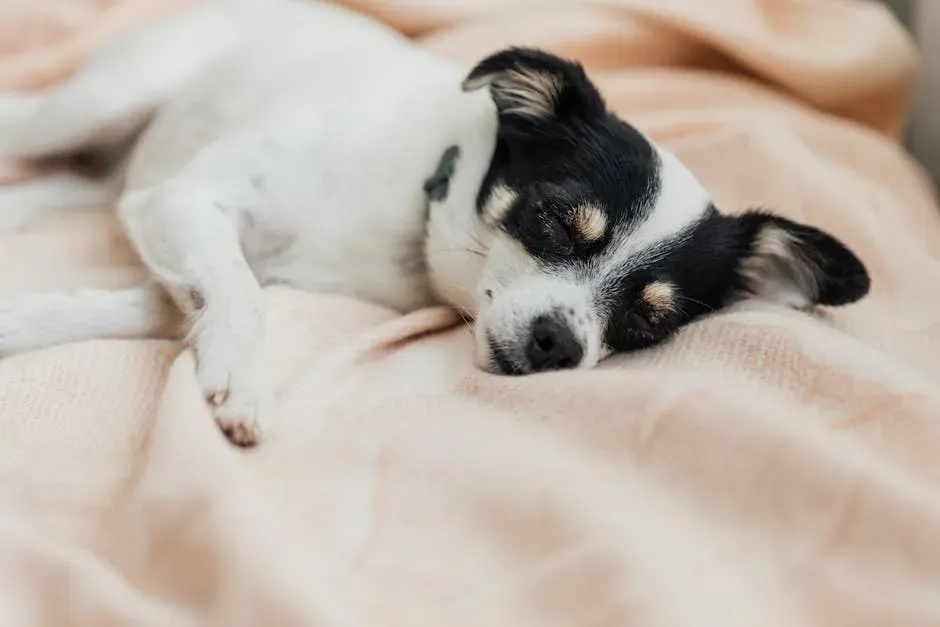
Resource guarders can be even trickier. If they see their bed, crate, or a specific spot as “theirs,” reaching in while they’re asleep can feel like a boundary violation. Instead of poking, use your voice from a short distance to wake them gently, then invite them to come to you. That tiny shift respects their emotional wiring and can be the difference between a calm stretch and a panicked snap.
5. When There Are Kids Around Who Want to Hug or Poke the Sleeping Dog
6. When Your Dog Has Been Very Active and Needs to Come Down From the High
7. When You’re Waking Them Just for Your Own Entertainment or Content
Conclusion: Loving Your Dog Means Respecting Their Sleep
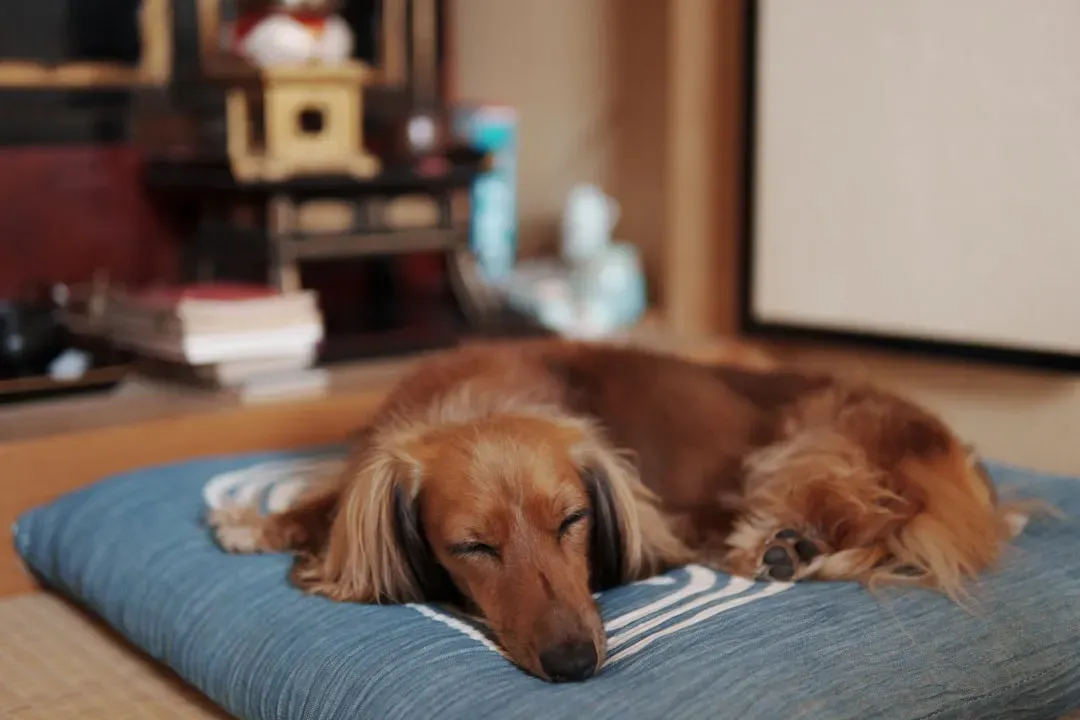
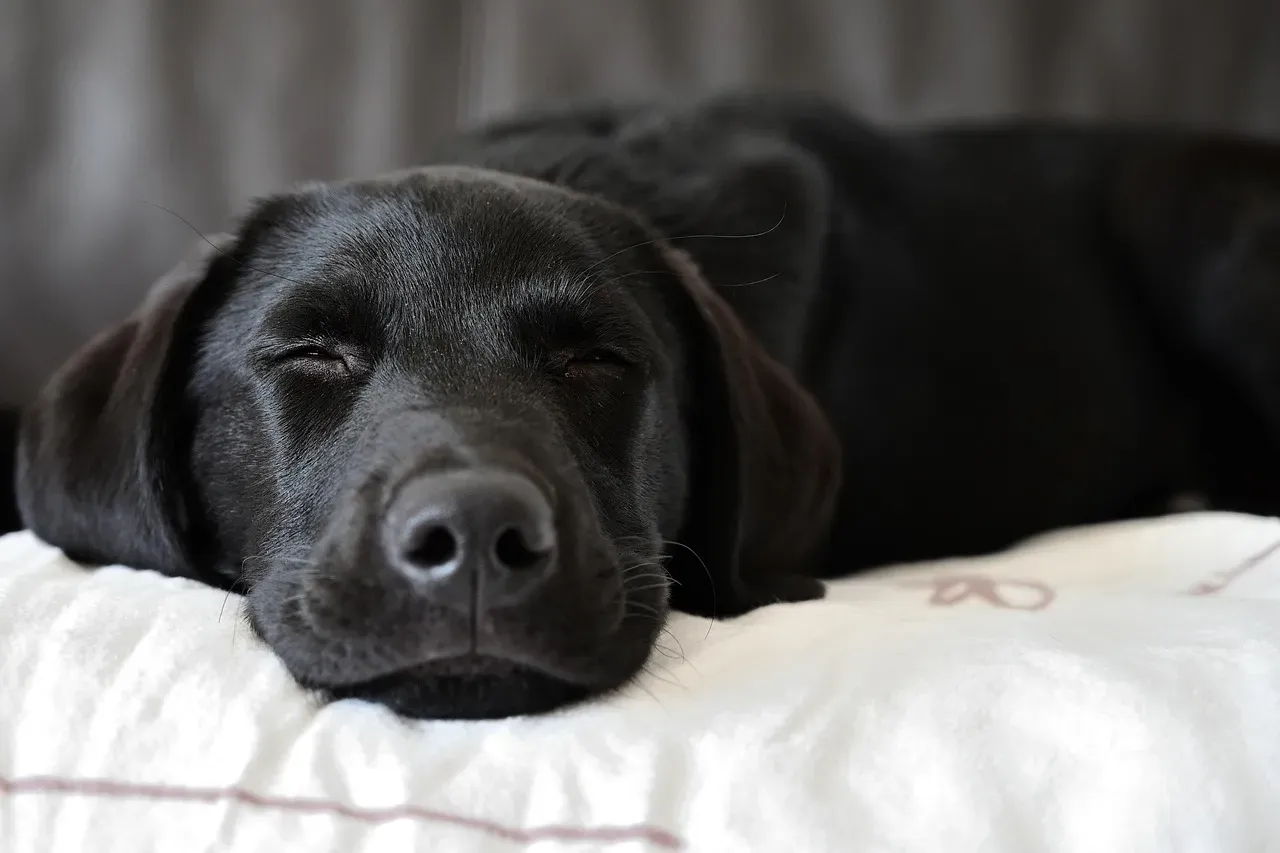
My honest opinion? The more we treat dog sleep like we treat human sleep – protected, respected, and non-negotiable – the fewer “out of nowhere” behavior problems we’ll see. So next time your dog is passed out in a ridiculous position and your fingers itch to boop their nose, try just watching, smiling, and letting them dream. If anything, it makes those moments when they wake up, stretch, and choose to come to you feel even more special. Did you expect that the kindest thing you could do for your dog today might simply be to let them sleep?


