
There’s a quiet kind of magic in sharing your retirement days with the right dog. Not the frantic, ball-obsessed whirlwind you see all over social media, but the steady companion who pads softly behind you, naps when you nap, and seems to know when you just need a warm head on your knee. The twist is that many of the best “retirement dogs” aren’t necessarily the ones you see topping popularity charts.
Some breeds are built for a calmer, slower rhythm of life, but you would never guess it from how little they’re talked about. Others are technically “popular,” yet their best qualities for retirees get overshadowed by flashier traits. I’ve met people who swore they were “too old” for a dog, only to discover that with the right breed, they weren’t adding chaos to their life – they were adding peace. Let’s dive into ten breeds whose quiet greatness suits retirement far better than their reputation might suggest.
Cavalier King Charles Spaniel: The Gentle Shadow
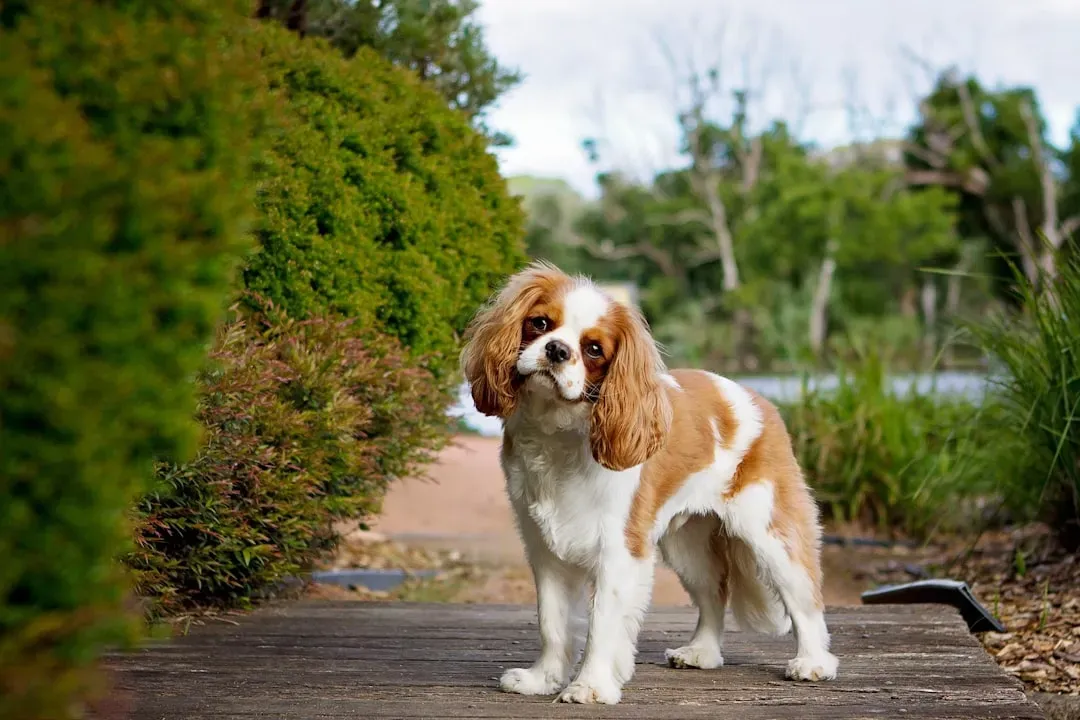
Walk into a home with a Cavalier and you’ll often find them doing one thing: quietly following their person from room to room like a soft, furry shadow. Despite their royal-sounding name and undeniably cute looks, they’re not divas and not high-octane athletes; they’re primarily people dogs. For many retirees, that combination of modest exercise needs and deep affection hits a sweet spot that a more high-strung small breed just can’t match.
They were originally bred as lap and companion dogs, and that heritage really shows. A couple of gentle walks a day and some indoor play usually keep them content, making them easier to live with than many similarly sized, noisier breeds. Of course, they’re still spaniels, so they enjoy sniffing on walks and being mentally engaged, but they usually don’t demand a marathon lifestyle. If you want a dog who is as happy to watch a movie as to stroll a park path, a Cavalier often fits a quiet retirement life more naturally than their adorable popularity suggests.
Greyhound: The Surprisingly Low-Energy “Couch Rocket”
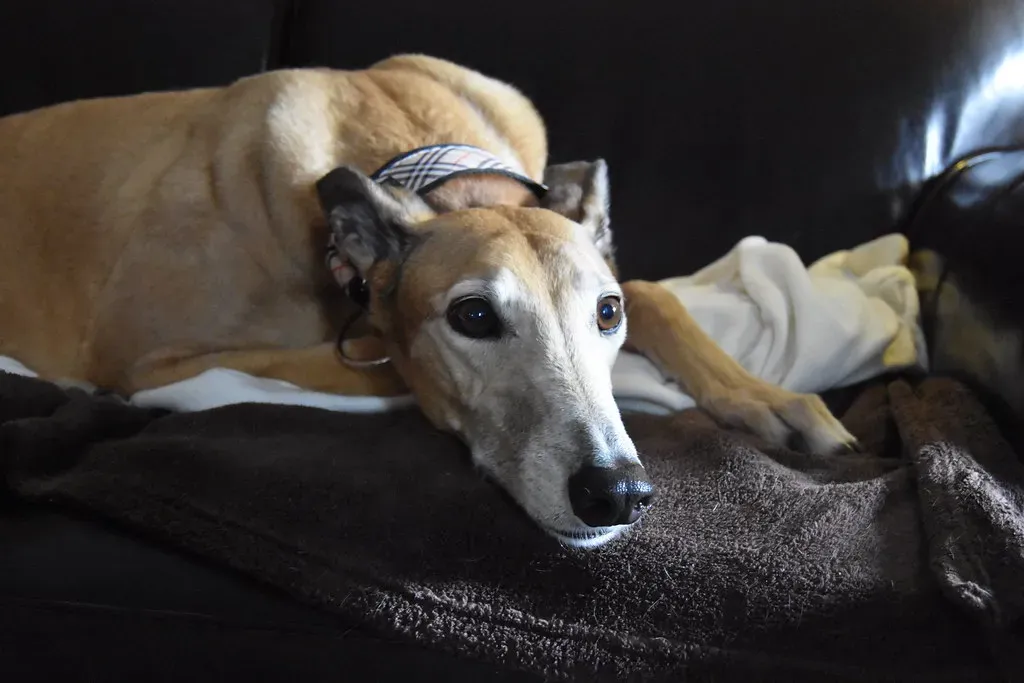
People see racing footage and assume Greyhounds are fitness fanatics that only athletes can manage. In reality, most retired racing Greyhounds slide into a calm, almost cat-like routine once they’re in a home. They do love a good sprint, but it tends to be short and sweet, like a burst of energy followed by an enthusiastic commitment to the sofa. For many older adults, that “sprinter, not marathoner” energy level is ideal.
What also makes them such good retirement dogs is their generally quiet, sensitive nature. Many are content with two or three moderate walks a day and a safe area to stretch their legs occasionally, then they’re ready to nap, lean on you, and simply be near. They’re often less yappy than small breeds and can be surprisingly easy to live with in apartments, as long as their basic exercise needs are met. If you want calm presence over constant activity, the Greyhound is far more retirement-friendly than their racing image suggests.
Basset Hound: The Slow-Motion Comedian
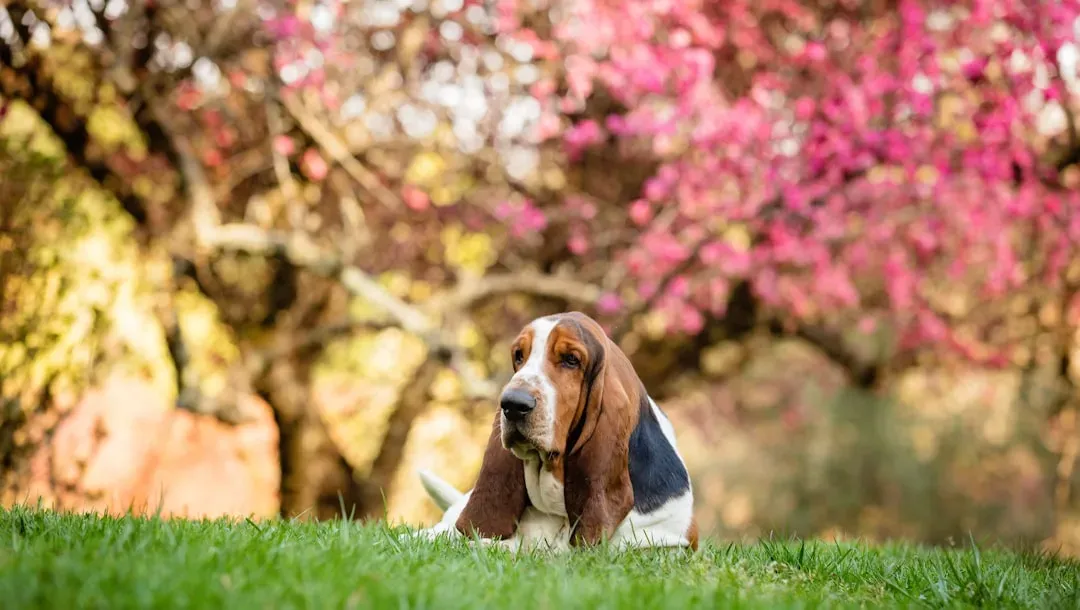
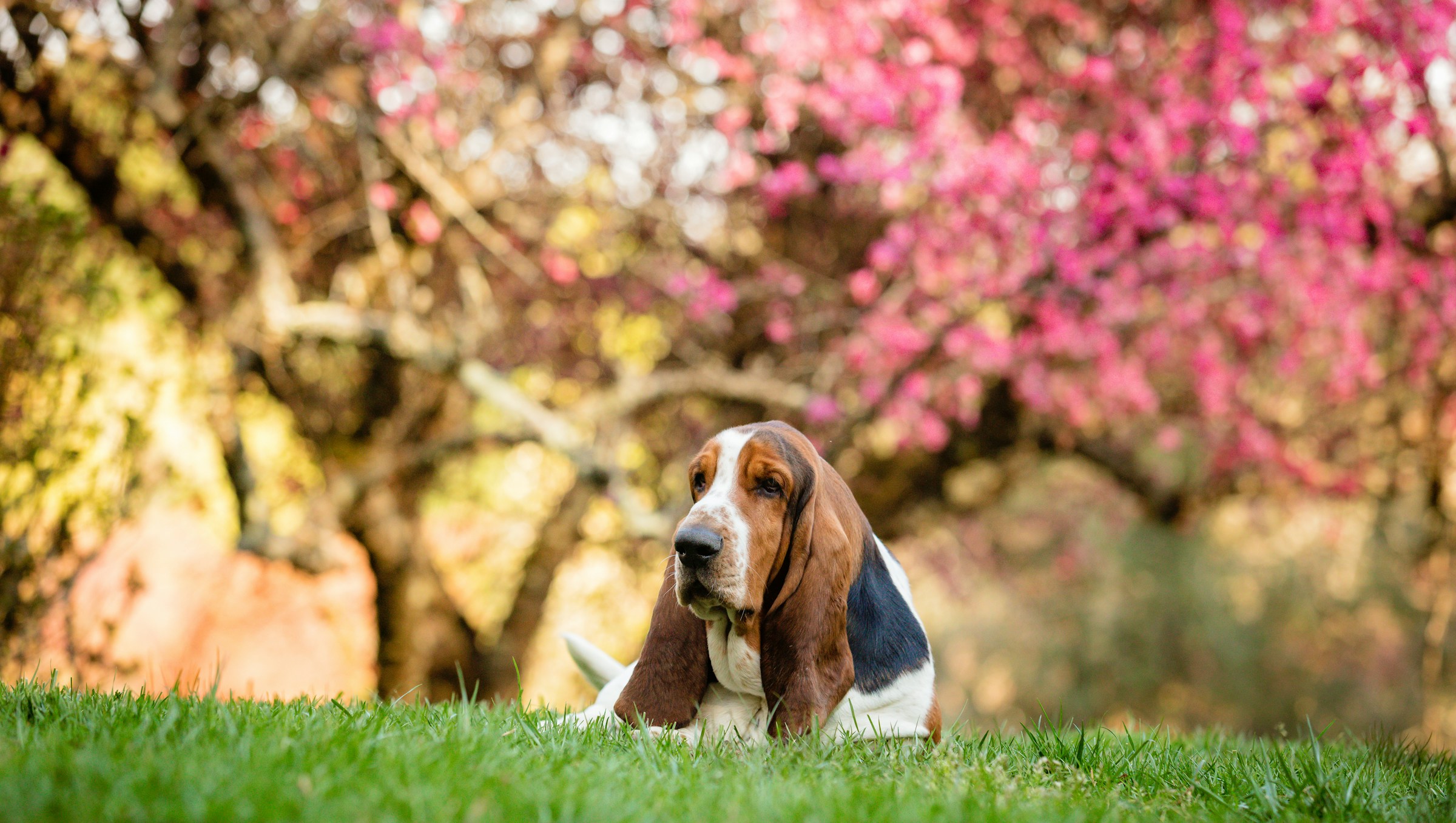
With their long ears, droopy eyes, and low-slung bodies, Basset Hounds look like someone stretched a regular dog and then pressed them closer to the ground. Underneath the humorous appearance, though, is a laid-back temperament that meshes beautifully with a slower-paced life. They were bred to track scent at a measured, deliberate speed, not to sprint, which naturally lends itself to leisurely walks rather than intense hikes.
They do have a stubborn streak and a strong nose, but that can work in a retiree’s favor; they’re often more interested in following a scent than tearing around the house. Because they’re usually content with moderate activity and a lot of lounging, they can fit nicely into a calmer household where high-energy dogs would be overwhelming. You need to be okay with some drool and a bit of stubborn personality, but in return you get an easygoing, often hilarious companion who is much less demanding than their hound label might imply.
Shih Tzu: The Little Dog That Prefers Your Lap to Your Lawn
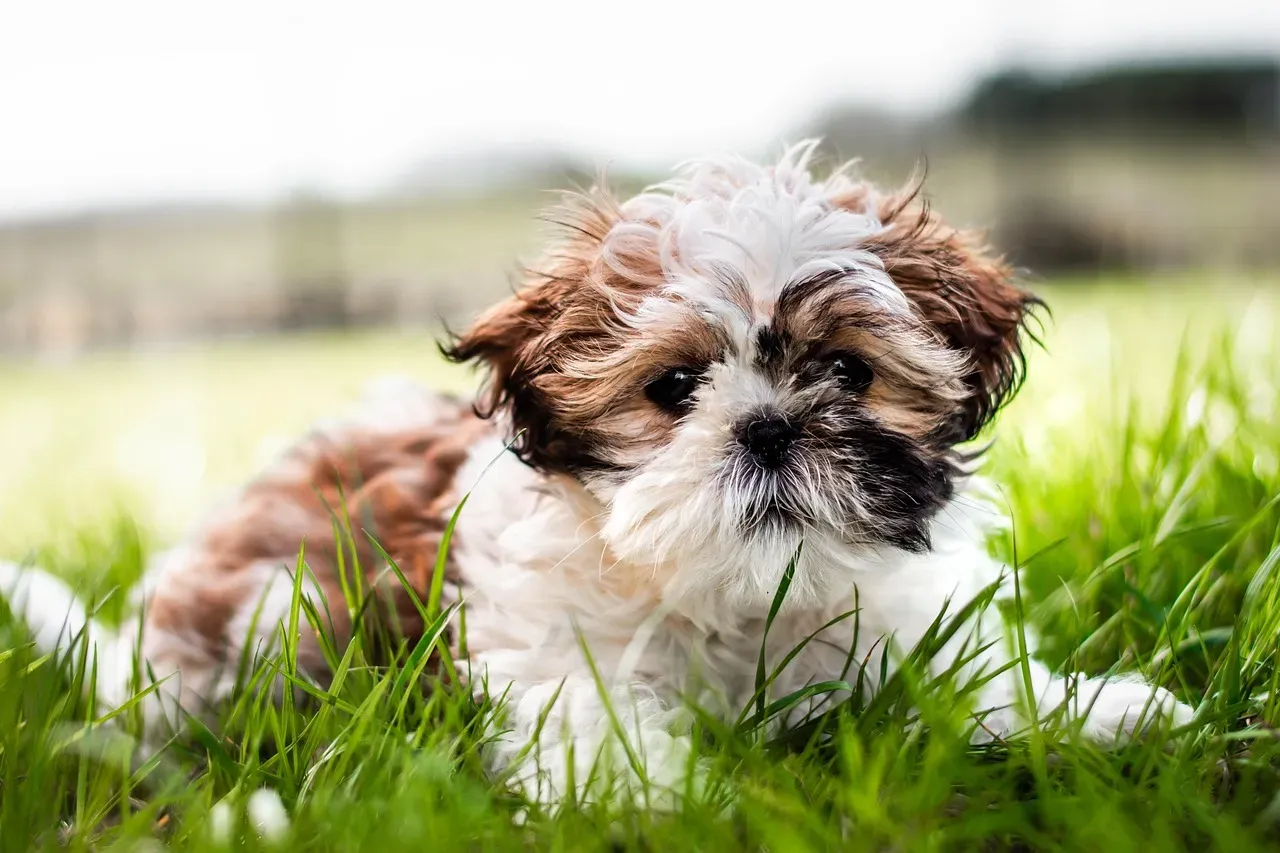
Shih Tzus are everywhere, but they’re often treated as “just another fluffy small dog” instead of what they really are: companion specialists. They were originally bred as palace lap dogs, not hunters or watchdogs, and those genetics still drive them today. Many are perfectly happy with short, regular walks and some play, then spending the rest of the day near you, whether you’re reading, gardening, or dozing in a chair.
They can be less yappy than some other toy breeds when properly socialized and are often more flexible about living spaces, doing fine in apartments and smaller homes. Grooming is something to consider, since that beautiful coat needs regular care, but many retirees actually enjoy the routine of brushing and bonding time. If you want a dog that doesn’t expect you to run a marathon but will gladly keep you company from room to room, the Shih Tzu is far more retirement-ready than its status as a “cute handbag dog” suggests.
Clumber Spaniel: The Under-the-Radar Gentle Giant
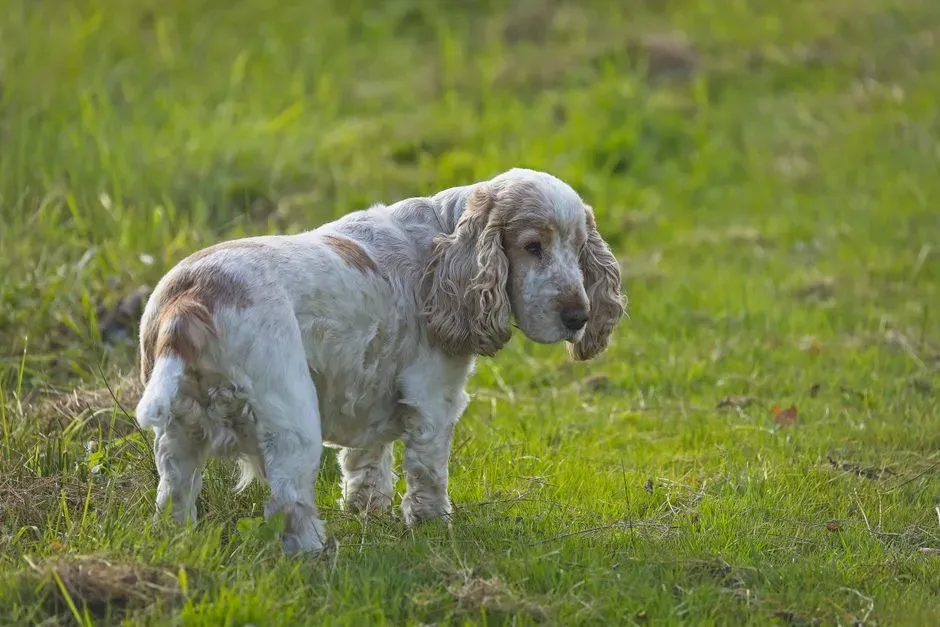
The Clumber Spaniel is one of those breeds you rarely see at the park, which is a bit of a shame because they’re often a natural fit for quieter homes. Unlike some of their more energetic spaniel cousins, Clumbers were bred to move slowly and steadily through cover while hunting, and that steady tempo shows up in the living room too. They’re typically calm, easygoing, and content with moderate, consistent exercise rather than intense daily workouts.
They can be fairly large and a bit drooly, so they’re not the right choice if you want a pristine house with no hair on the furniture. But if you’re looking for a mellow companion who enjoys strolls and then flops at your feet, they can be a delight. Their popularity is still relatively low compared to trendier breeds, which means many people never learn how well they can fit a slower, more relaxed lifestyle. For a retiree who wants substance over flash, the Clumber offers quiet loyalty more than showy energy.
Japanese Chin: The Cat-Like Companion Dog
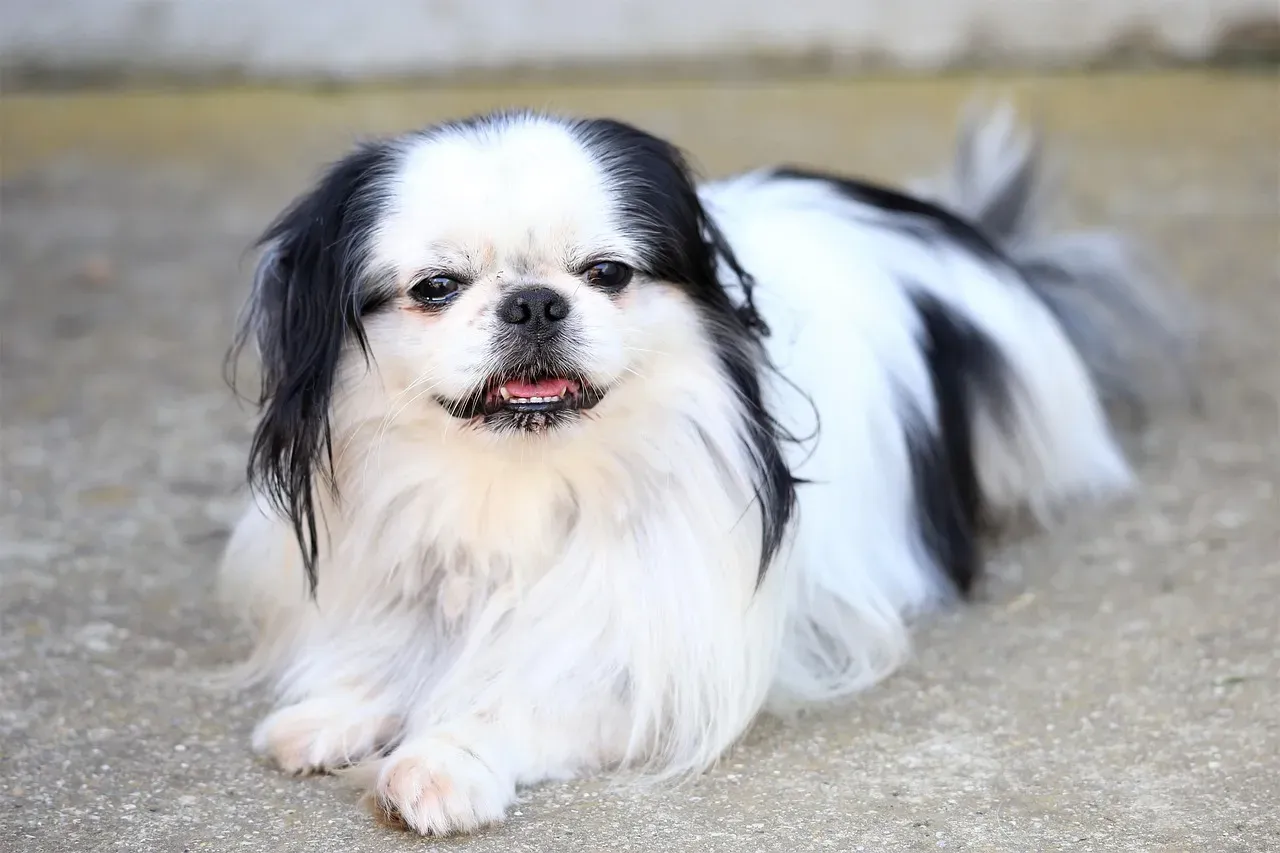
The Japanese Chin often flies under the radar, but people who know them will tell you they’re a quirky blend of dog and cat in one small body. They are companion dogs through and through, bred to be close to their people rather than to work or guard. That means many of them naturally gravitate toward calm routines, moderate activity, and lots of time simply being near you on the couch or perched on a cushion.
They typically do not need long hikes or intense play sessions to be happy; short walks and gentle indoor games are usually enough. What sets them apart is their elegant, almost feline attitude: they can be playful but also dignified, affectionate yet not typically clingy in a frantic way. In a retirement setting, that balance of light playfulness and restful companionship can be incredibly soothing. Their relative lack of mainstream fame hides just how perfectly suited they can be to a quieter, more curated life.
Whippet: The Sleek Minimalist of the Dog World
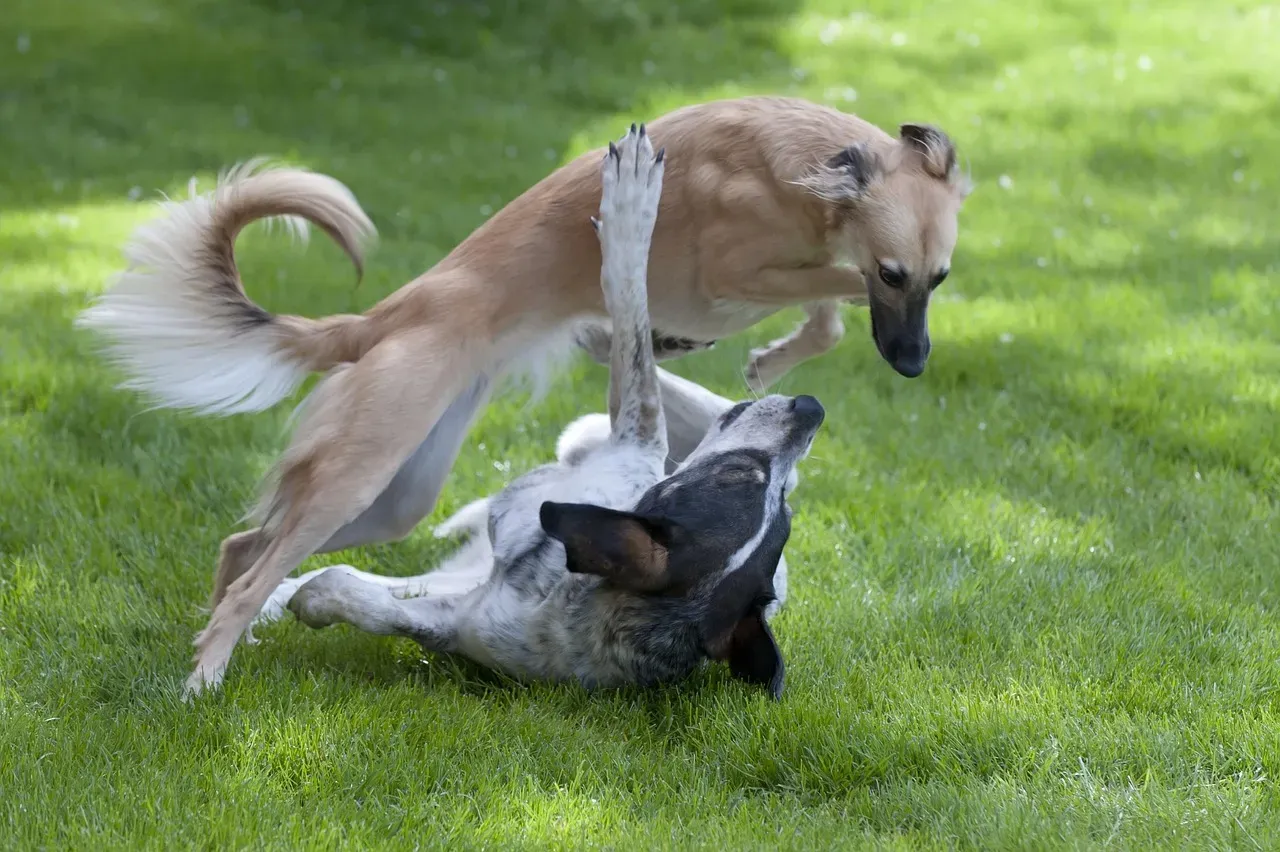
Whippets are often mistaken for smaller, higher-strung Greyhounds, but in practice they’re remarkably low-key in everyday life. Like their larger cousins, they are built for short bursts of speed, not endless endurance. A couple of decent walks and occasional chances to run safely, combined with a comfortable bed, usually keep a Whippet very satisfied. The rest of the time, they’re often curled up like a comma, blending into your furniture.
They are usually quiet, sensitive dogs that dislike chaos and rough handling, which can be a major plus in a home that values calm and routine. Their slender build means they are not ideal for very cold climates unless you are willing to dress them appropriately, but for many retirees who enjoy a cozy indoor lifestyle, that’s an easy trade-off. While they may not dominate popularity rankings, their gentle energy and low-maintenance nature fit retirement life far better than people expect when they first see that athletic silhouette.
Tibetan Spaniel: The Watchful, Sofa-Sized Guardian
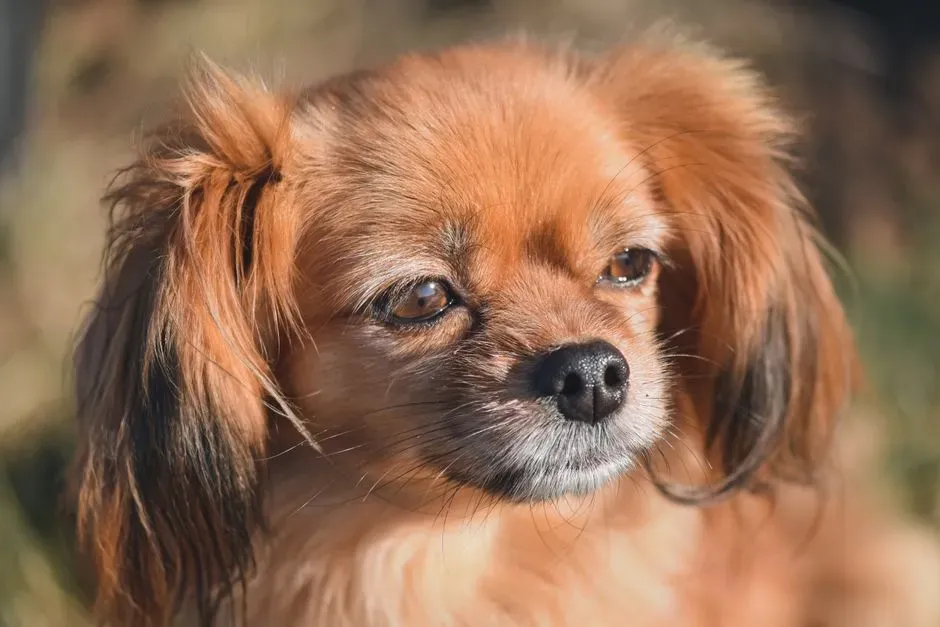
The Tibetan Spaniel is not technically a spaniel in the modern hunting sense; instead, they originated as monastery companions and alert dogs. That heritage creates a fascinating mix for a retirement home: they’re small enough to be easy to handle, but they carry themselves with a certain seriousness and dignity. They like to be up high, watching the world from chairs or window sills, and they often bond closely with their people.
In terms of exercise, they’re typically satisfied with daily walks and some play, making them much less demanding than larger working or herding breeds. They can be a bit vocal when something seems amiss outside, but they usually settle well once they feel things are under control. For many older adults, that sense of having a small yet watchful friend nearby can feel reassuring rather than stressful. They’re not a headline breed, yet they quietly tick a lot of boxes for a relaxed, companion-centered lifestyle.
French Bulldog: Calm Clown With Caveats
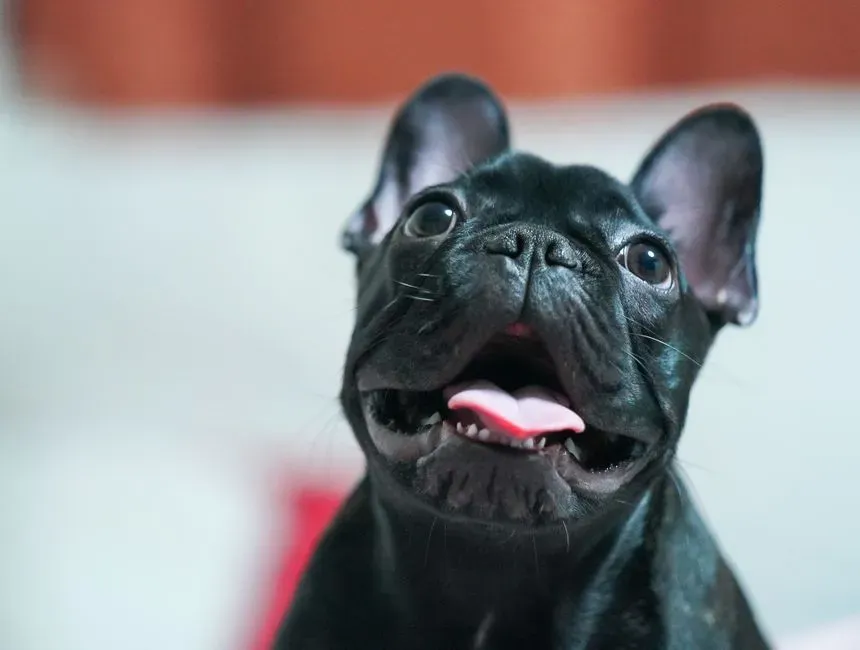
French Bulldogs have exploded in popularity, but oddly, the reasons they’re so fashionable are not always the reasons they shine in retirement homes. Their short bursts of playful goofiness, followed by long stretches of lounging, can mesh nicely with a slower paced day. Many Frenchies are content with brief walks and indoor play rather than demanding long, vigorous exercise. For someone who wants a compact dog that enjoys being with them more than anything, that can be a very good fit.
However, it’s important to acknowledge the health caveats here. Their flat faces can predispose them to breathing and overheating issues, so retirees considering a French Bulldog need to be especially selective about reputable breeders and realistic about potential vet costs. That said, when responsibly bred and well cared for, their affectionate, people-oriented nature and relatively modest exercise needs often match retirement lifestyles better than their “trendy city dog” image suggests. They can be wonderful companions, as long as health and comfort are given serious, ongoing attention.
Great Pyrenees: The Gentle Guardian for Quiet Spaces
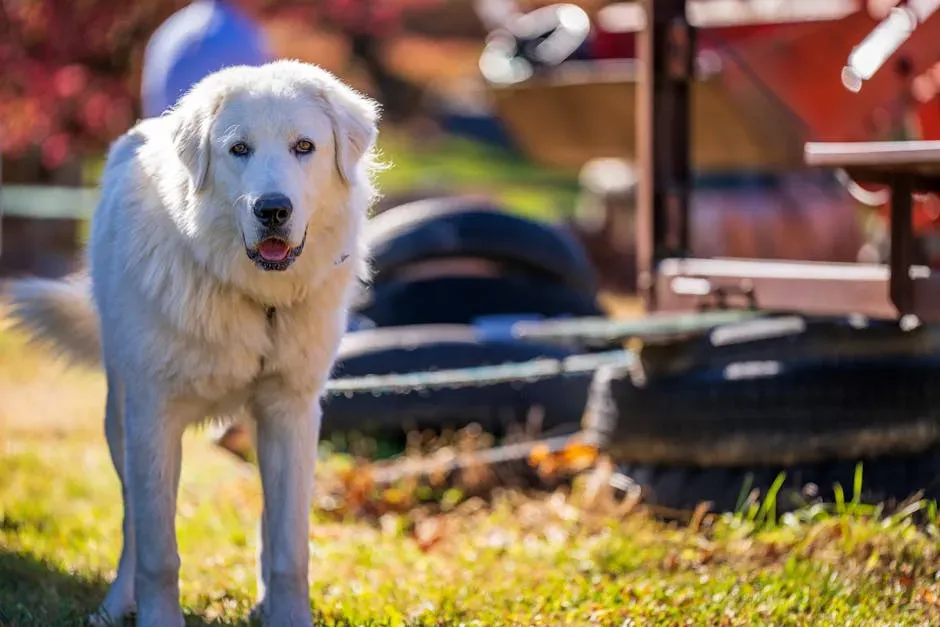
At first glance, the Great Pyrenees looks like the last dog you’d recommend for retirement: big, fluffy, originally bred to guard livestock in harsh conditions. But that guarding background actually comes with a striking trait – long periods of calm watchfulness interspersed with decisive action only when necessary. In a quiet, rural, or large-suburban property, a well-managed Pyrenees can be a profoundly peaceful presence, content to patrol slowly and then lie silently nearby.
They are not a great match for dense urban apartments, and they can be vocal if not properly trained and given a clear job. Yet for retirees with space, patience, and a taste for a more independent but loyal dog, their composed temperament can be deeply reassuring. They do not usually crave intense play or constant activity; instead, they prefer routine, territory, and family. Their size and coat mean extra grooming and planning, but their inner calm often suits a settled, home-centered retirement far more than their imposing exterior suggests.
Conclusion: Quiet Dogs for a Quietly Rich Life
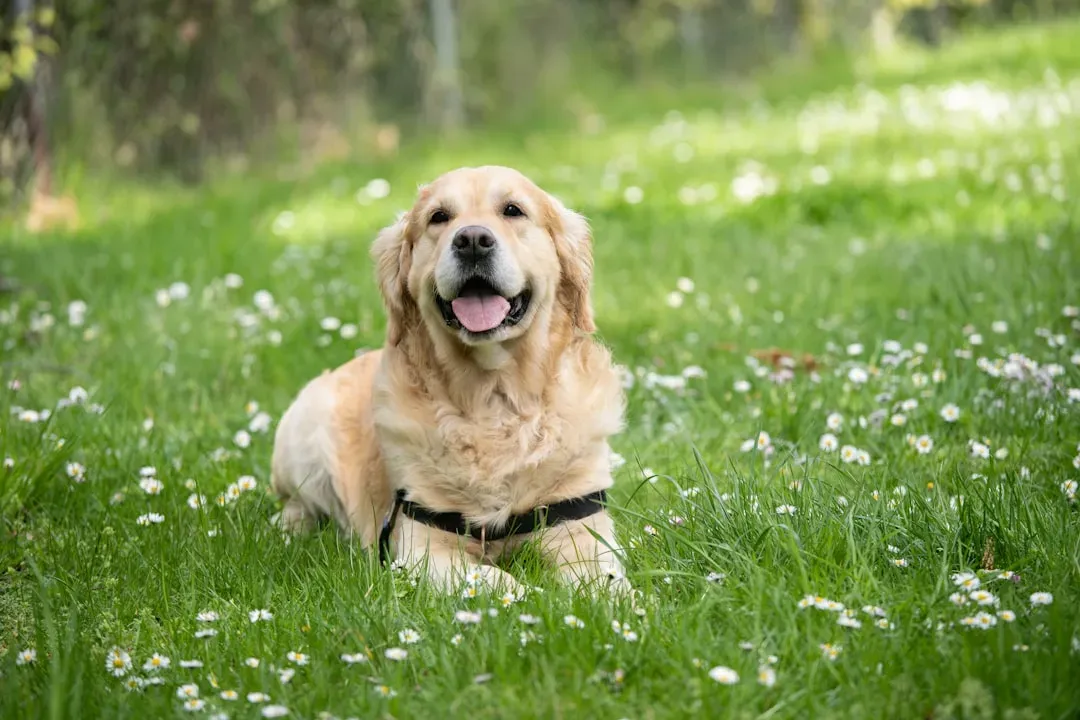
When people picture “the best retirement dog,” they often default to whatever is most visible online or in the neighborhood. But as you can see, some of the most compatible companions for a quieter life are breeds whose reputations are misunderstood or overshadowed. Many of these dogs thrive on moderate exercise, emotional closeness, and predictable routines – exactly what a lot of retirees are already looking for in their daily lives. In my view, we underestimate just how much a calm, well-matched dog can stabilize mood, bring structure to the day, and make ordinary moments feel less empty.
The key is not chasing what is most fashionable, but choosing what genuinely fits your energy level, living situation, and personality. A dog that demands marathons or constant stimulation can turn retirement into a full-time job, while the right breed can turn it into a gentle partnership. So if you’re wondering whether there’s a dog out there for your slower mornings and early evenings, the answer is yes – and it may well be one of these quieter, underappreciated breeds. Which of them feels most like the kind of presence you’d want by your side in the years ahead?


