
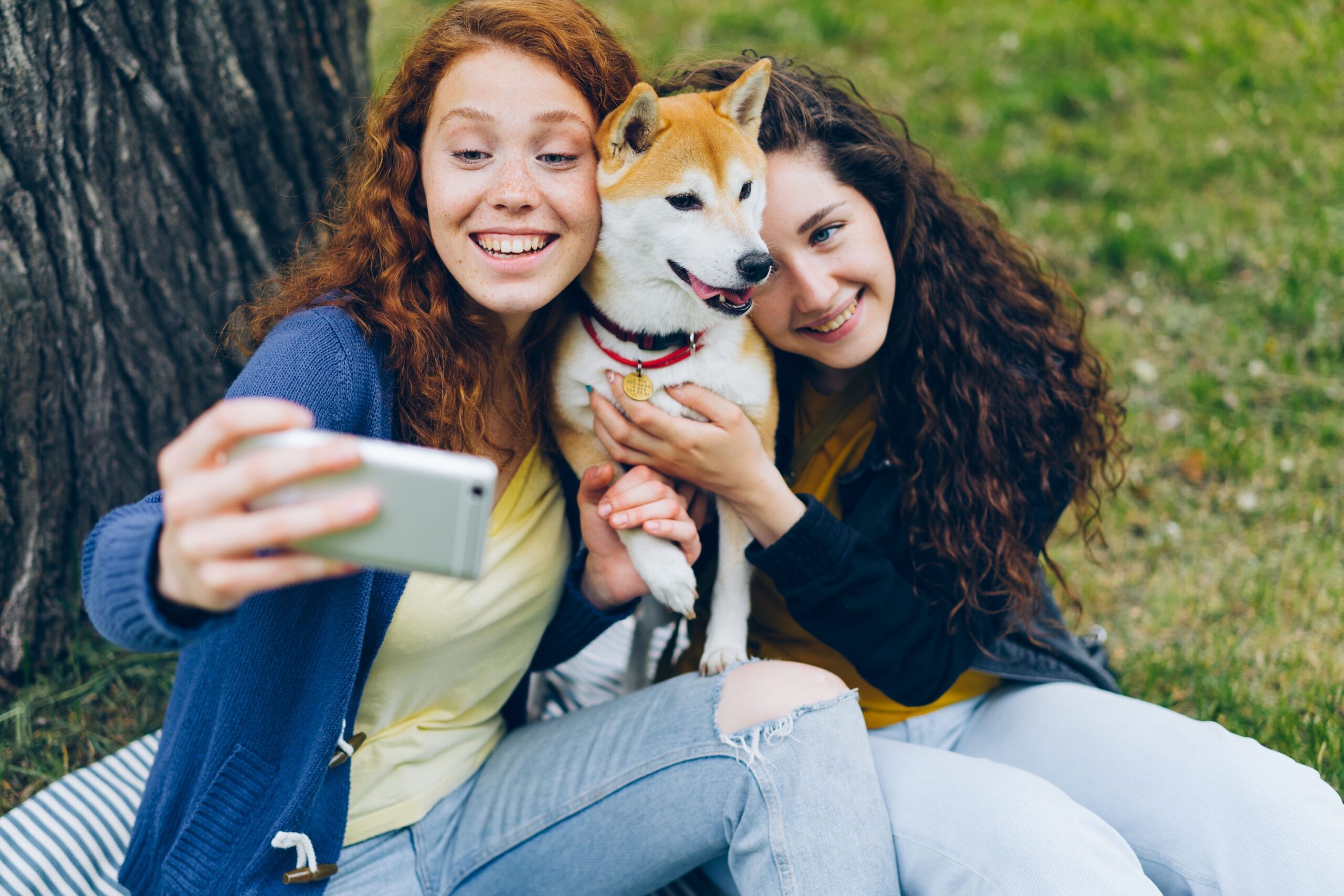
There are plenty of shiny toys, smart feeders, and trending gadgets you can buy for your dog, but none of them come close to the one thing they quietly crave most: you. Not the perfect bed, not the fanciest harness, not even the gourmet treats that vanish in seconds. What sticks in their body and brain is something far simpler and far harder to buy – shared moments.
Dogs evolved beside us, not around us. Their hearts, hormones, and nervous systems are wired to respond to human connection in a way no object can touch. Some moments in their lives become biological turning points, where your presence literally shapes their confidence, their stress levels, and even their long‑term health. Miss those moments, and something subtle but important can go a little off track. Be there, and you become their anchor in a world they do not fully understand.
1. Those first nights in a new home (when the world feels too big)
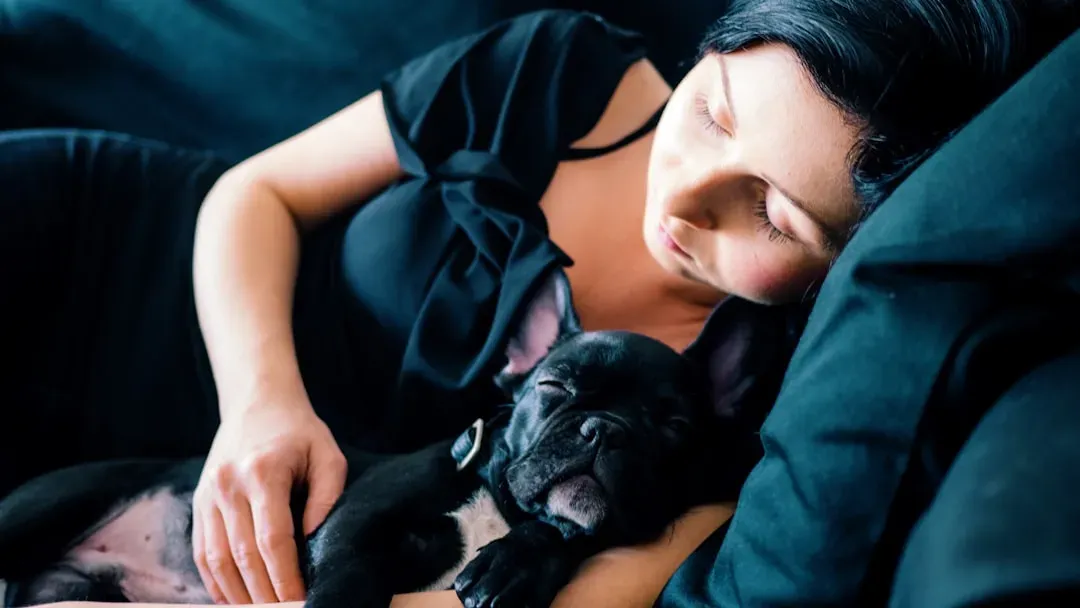
Bringing a dog or puppy home is magical for you, but for them it can be terrifying. They’ve just lost everything familiar – their mother, littermates, foster family, old smells, and sounds. Their stress hormones spike, and the smallest noises can set off crying, pacing, or restless wandering because their brain is frantically scanning for safety signals.
In those first nights, your calm presence is the signal their nervous system is hunting for. Sitting nearby, talking softly, or even just breathing within earshot helps their heart rate stabilize and teaches them that this strange new place is actually a safe den. No crate, no bed, no plush toy can replace the feeling of knowing the one new figure in their life will actually show up when the world goes dark.
2. Vet visits and medical scares (when they’re trapped and confused)
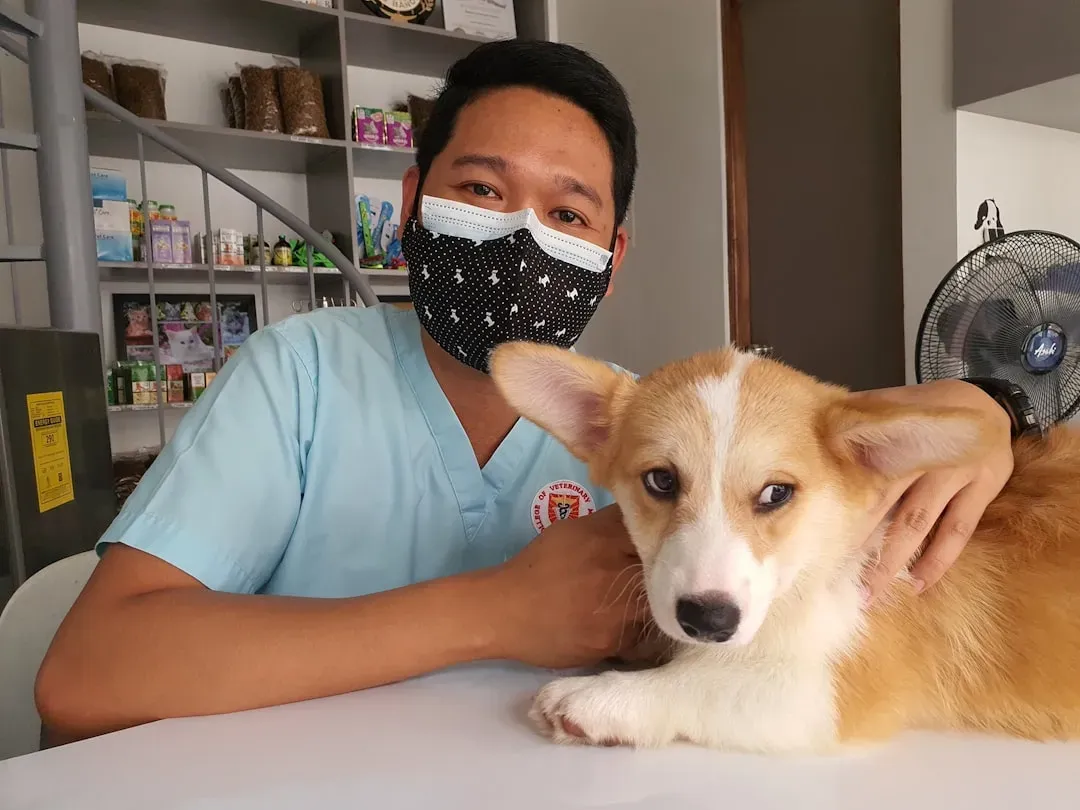
From your dog’s point of view, the vet’s office is a sensory overload of strange chemicals, worried animals, and clinical routines they cannot predict. Needles, thermometers, X‑rays, and being lifted onto cold metal tables feel like ambushes. Their stress hormones surge, and many dogs either shut down or thrash and panic, not because they are “difficult,” but because they are overwhelmed and powerless.
Your presence in that room is more than emotional; it is regulatory. Just hearing your voice or feeling your hand on their body can lower their stress responses and help them tolerate necessary procedures with less trauma. Being there also changes how the whole experience is “filed” in their memory: instead of a pure catalog of fear, it becomes a memory of fear plus safety, pain plus comfort, confusion plus someone they trust who did not abandon them when things got scary.
3. During storms, fireworks, and loud chaos (when their senses are under attack)
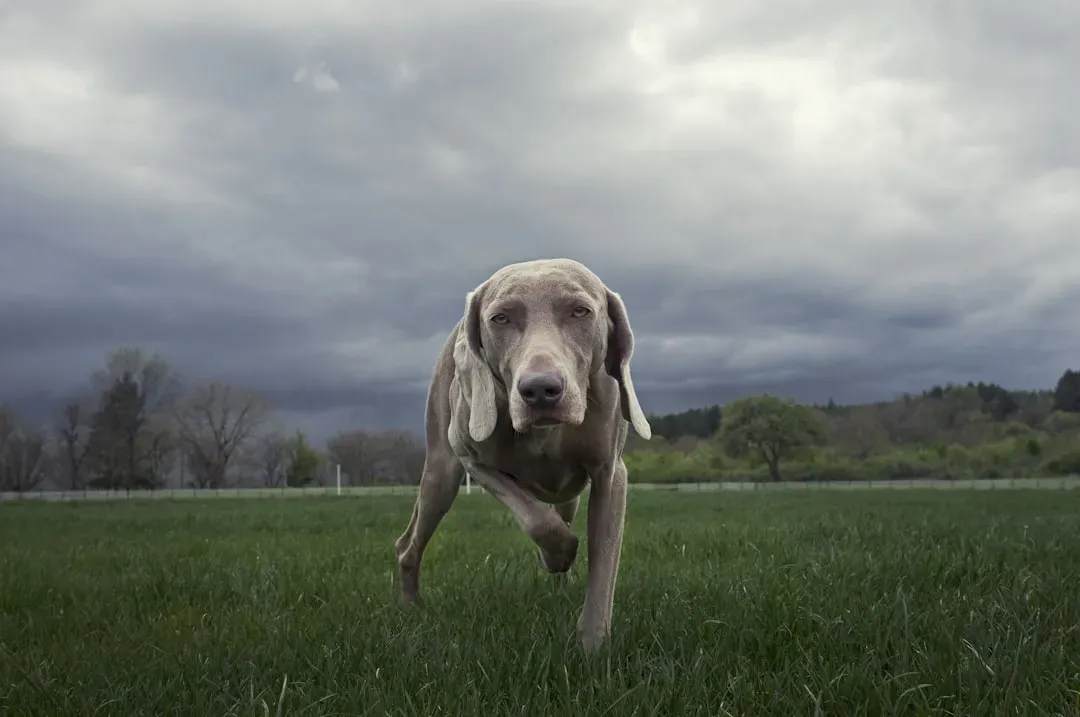
Thunder, fireworks, construction noise, and sudden crashes feel different to dogs than to us. Their hearing is sharper, their sense of control is lower, and they have no way of understanding schedules, holidays, or “it will be over soon.” For dogs prone to noise sensitivities, these events can flip their nervous system into full survival mode, with panting, drooling, pacing, hiding, or desperate attempts to escape.
No noise‑canceling machine or calming chew works as powerfully as a human who actually sits through the storm with them. When you close the curtains, turn on some background sound, sit on the floor, and stay present – maybe with a hand on their chest or just quietly existing nearby – you become the predictable, steady thing in a world that suddenly feels like it’s exploding. Over time, many dogs learn that loud doesn’t always mean danger, because every time it happens, their person shows up and the danger never comes.
4. When they’re learning the rules (and trying not to disappoint you)
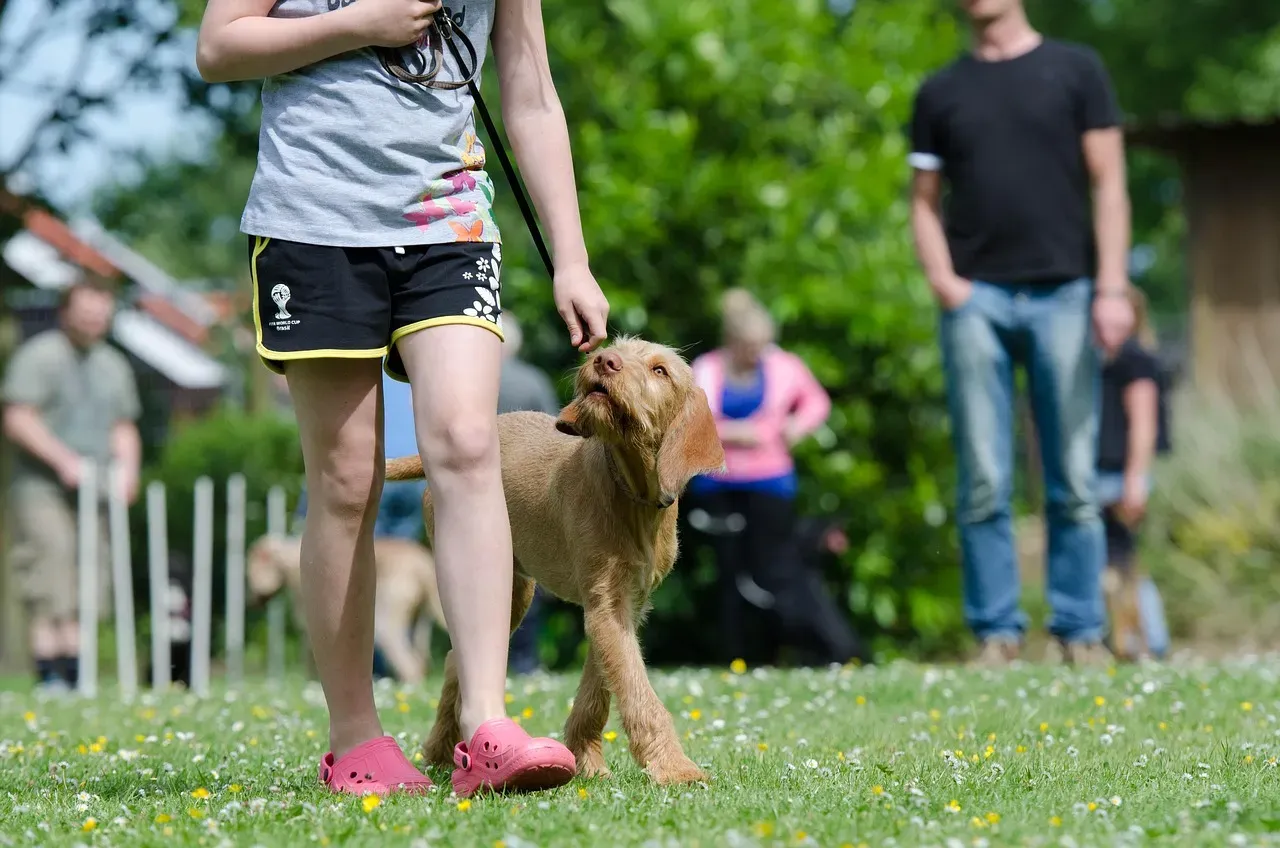
Dogs do not come preloaded with human rules about sofas, shoes, or toilet locations. They learn by trial and error, constant pattern recognition, and close observation of your reactions. In that early learning phase, their brains are extremely sensitive to feedback, both good and bad. Random punishments or long stretches of being left to “figure it out” can lead to anxiety, confusion, or what looks like stubbornness but is actually simple overwhelm.
Being present while they learn – rewarding the right choices, calmly interrupting the wrong ones, and giving them clear, consistent signals – matters more than any expensive training tool. What they need most is not a fancy collar or the latest treat pouch; it is a patient teacher whose body language and tone they can start to predict. Your presence turns rule‑learning from a lonely guessing game into a shared language that makes their whole life with you easier and safer.
5. Lonely afternoons and quiet evenings (when boredom quietly hurts)
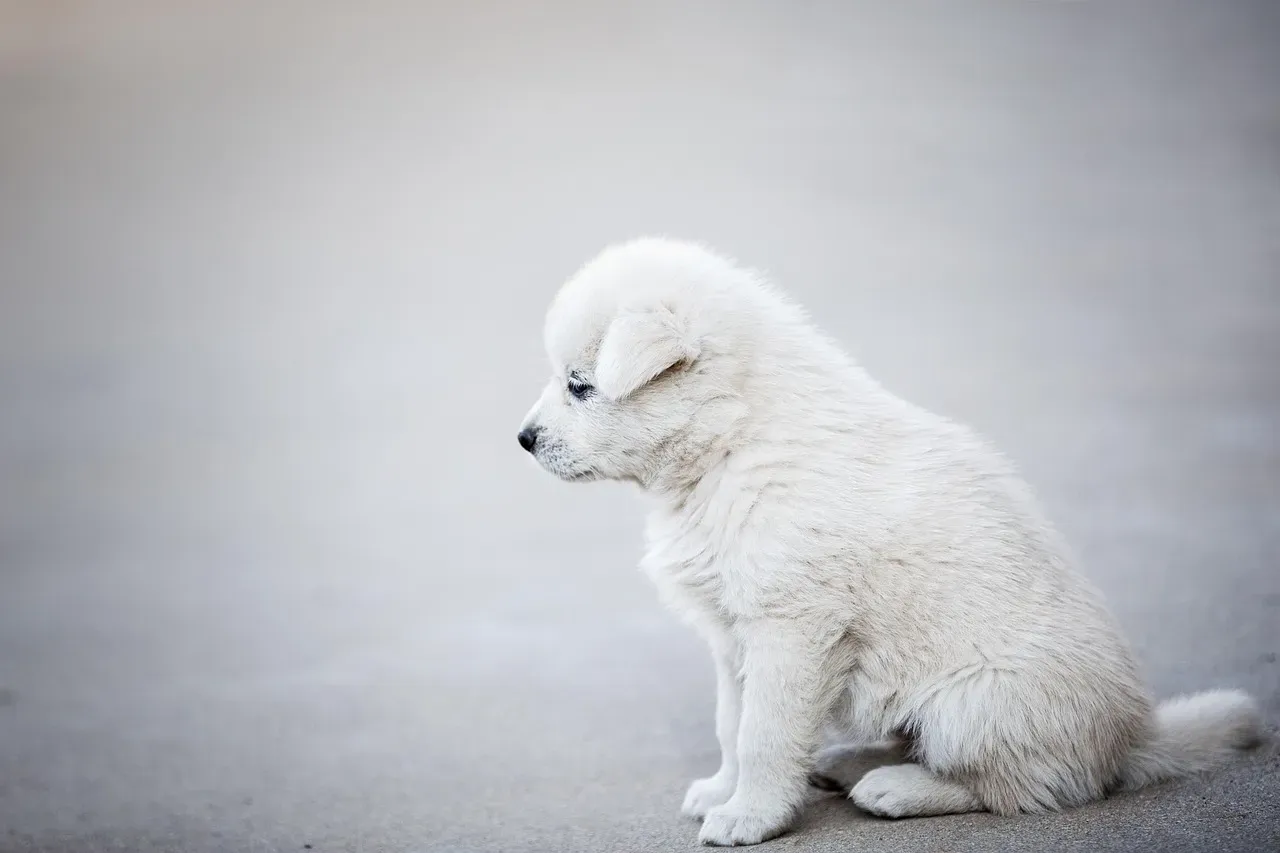
Dogs can sleep a lot, but that does not mean long, predictable boredom is harmless. Many dogs left alone day after day develop stress patterns that look like “bad behavior”: barking, chewing, digging, or obsessively licking themselves. These are often not signs of a dog that needs a new toy; they are signs of a brain that is starved for social interaction and meaningful activity.
Coming home and truly being present – not just physically in the same room, but engaged – feeds them in a way no automatic ball launcher can. A short walk with real sniffing time, a few silly training games, or a cuddle session on the floor tells them they are still part of your emotional world. Over months and years, these ordinary, unfiltered moments of shared downtime do more for their well‑being than any subscription box ever will.
6. Big life changes in your home (when everything smells “wrong”)
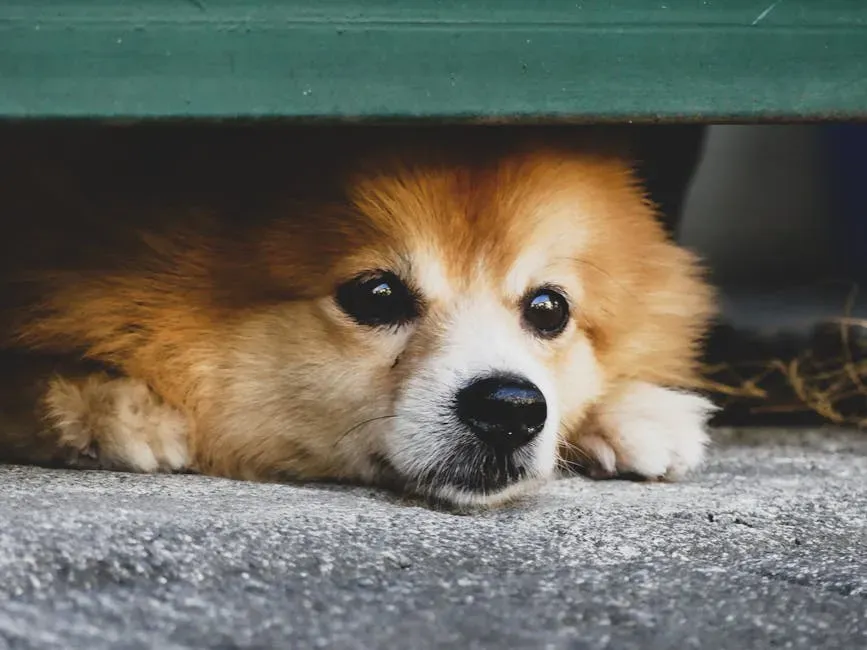
Dogs build their sense of security around routines and familiar cues: the sound of your alarm, the smell of your laundry, who comes and goes from the front door. When life changes – moving house, a new baby, a breakup, a new partner, a different work schedule – the whole map in their head shifts. Furniture is moved, daily patterns change, your own mood may be unstable, and they can feel as if the ground itself has tilted.
During these transitions, being consciously present with them can prevent long‑lasting anxiety. Extra walks in the new neighborhood, slow sniffing tours through new rooms, and a bit more one‑on‑one quiet time help them rebuild their mental map with you as the stable center. Instead of associating changes with loss and insecurity, they start to pair change with a familiar anchor: you, still there, still predictable, even when everything else is in motion.
7. When age starts catching up (and their body can’t keep up with their heart)
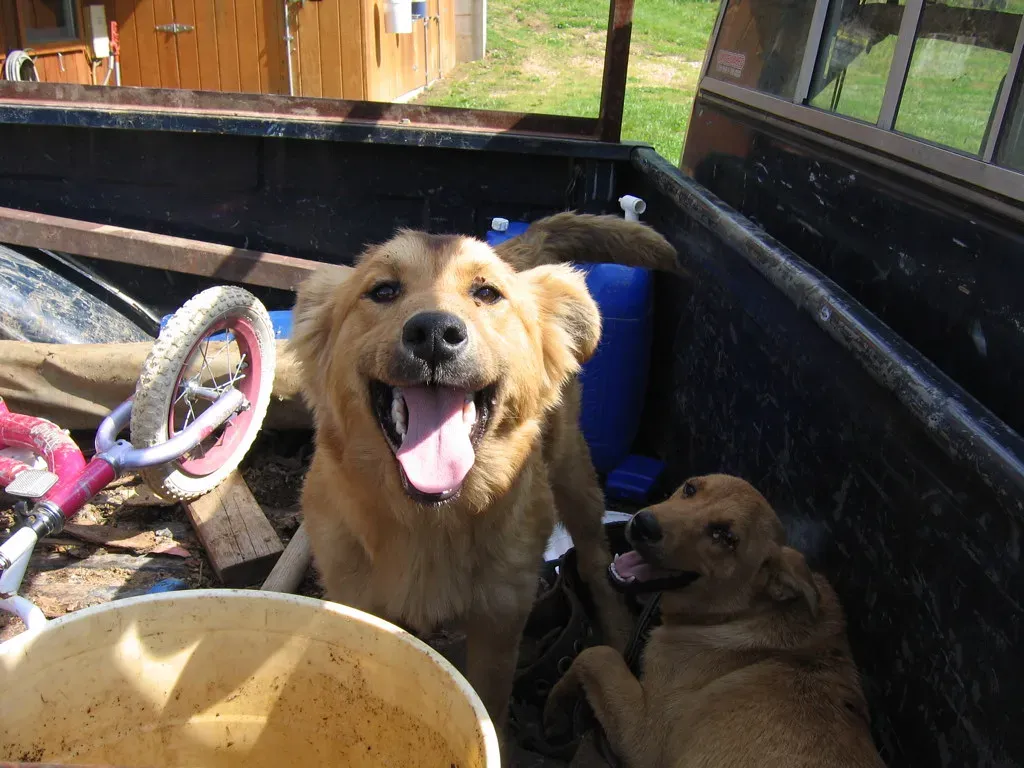
As dogs move into their senior years, joints ache, senses dull, and their world gradually shrinks. They may not hear you come in, they might hesitate at stairs they used to fly up, or sleep more deeply and startle more easily. This stage often creeps in slowly, but for the dog, each new limitation is a small, confusing loss of the body they once trusted.
Your presence is the bridge between the dog they used to be and the dog they are now becoming. Sitting a little longer on the floor, walking a little slower, helping them on and off the couch, or simply keeping routines predictable can soothe the low‑level anxiety that comes with aging. They do not need a “miracle” orthopedic product as much as they need the reassurance that even as they lag behind, you are not leaving them out of your life’s rhythm.
8. After mistakes, accidents, and “bad dog” moments (when shame hits hard)

Dogs may not feel guilt the way we do, but they are incredibly sensitive to our body language and tone of voice. When they have an accident indoors, chew something precious, or snap in fear, the fallout is not just a mess on the floor or a broken item. The real damage often happens in the uneasy silence afterward, when they see your tension, hear the edge in your voice, and do not know if they are still safe with you.
In these moments, your presence as a calm, fair, and forgiving figure matters more than any punishment or gadget that promises instant obedience. Taking a breath, resetting yourself, and then re‑engaging with them kindly after the situation is managed teaches them that the relationship is stronger than one mistake. Over time, this builds a dog who trusts you enough to keep trying, instead of one who tiptoes around you waiting for the next explosion.
9. Their final days and quiet goodbyes (when all that’s left is the bond)
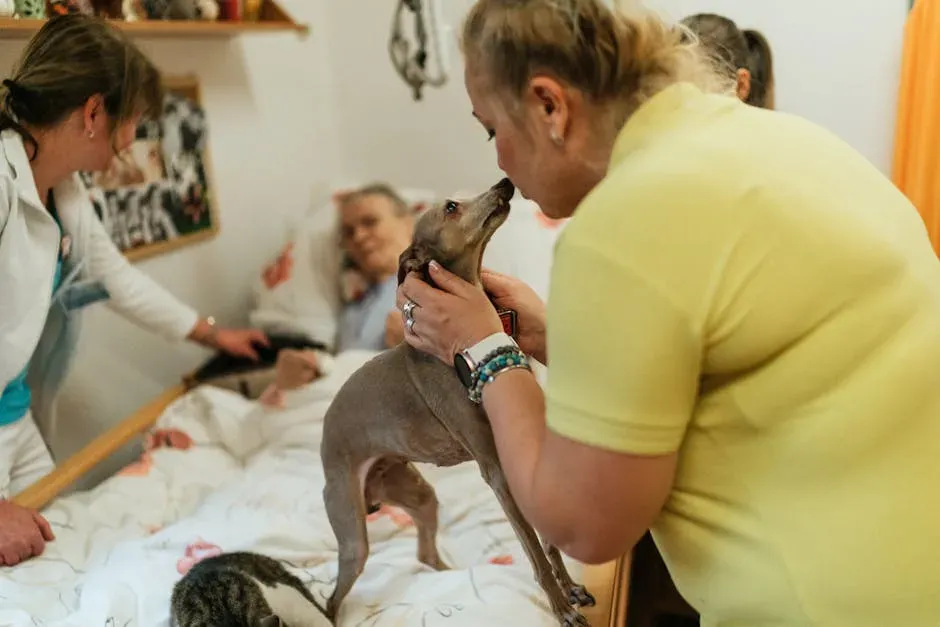
Every dog’s story eventually narrows to a stretch of days when walks get shorter, eating becomes harder, and their body is clearly running out of strength. In that window, the newest bed or most advanced supplement can only do so much. What shapes their final experience is not what you buy, but whether you are there – really there – as their world fades around the edges.
Being present at the end is one of the hardest things you will ever do, and one of the most important gifts you can give them. Sitting on the floor in the vet’s office, lying next to them at home, letting them smell your hands and hear your voice until the very last moment tells them something no object can say: they did not walk this life alone, and they are not leaving it alone either. For a creature who has organized their entire existence around you, that is everything.
Conclusion: Your attention is the real luxury item
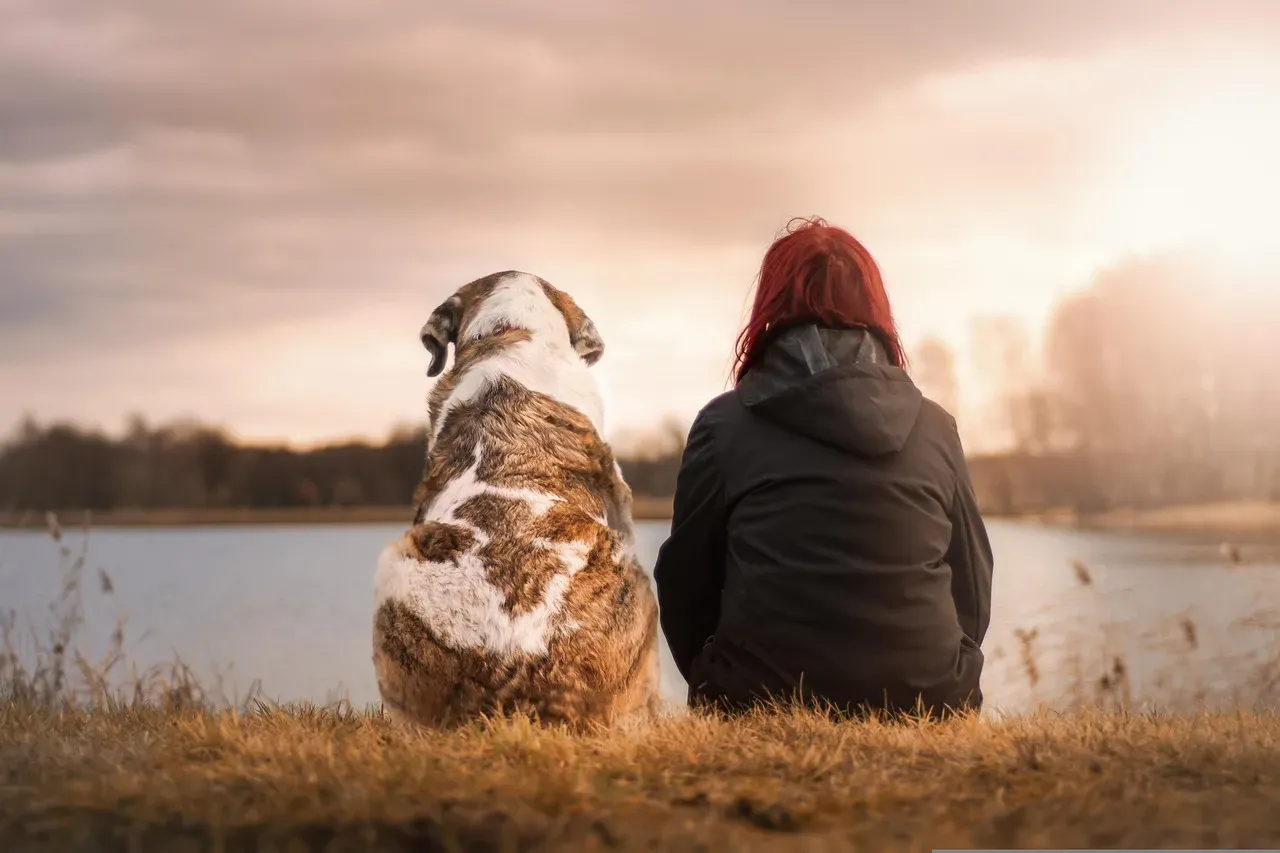
It is tempting, especially in a world overflowing with pet products, to believe that the next thing you buy will finally prove how much you love your dog. But if you look closely at the nine moments that matter most, a pattern jumps out: they are all about presence, not presents. The times that shape your dog’s brain, soothe their fears, and define their sense of safety are the ones where you show up, stay, and let them lean on you when they have no idea what is going on.
Personally, I have never seen a dog remember the brand of their toys, but I have watched plenty of dogs light up at the sound of their person’s footsteps in the hallway. Your dog’s life is heartbreakingly short, and you are the main character in every chapter, whether you claim that role or not. So if you have to choose between buying something new and simply being there a little more often, choose the thing that actually rewires their heart: your time, your touch, your calm, your silly voice, your quiet company. In the end, do you really think they would trade even one of those moments for another object on the floor?


