
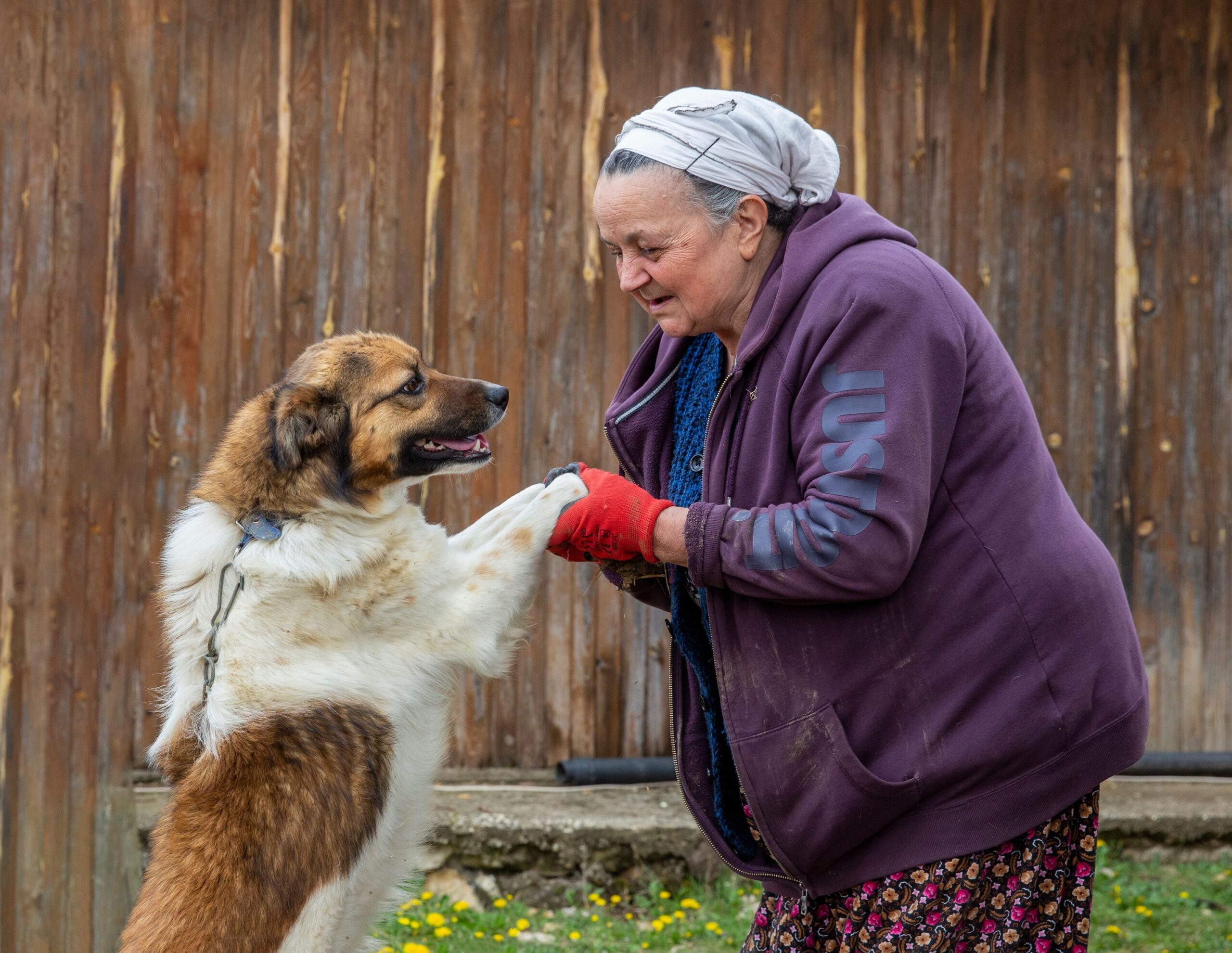
There is this quiet moment that happens in a lot of dog-human relationships: one day you realize you are not raising a wild little tornado anymore, you’re aging alongside a grey-muzzled best friend who knows you almost too well. The relationship has shifted from “let’s go!” to “let’s just be,” and that change can feel both comforting and a little bittersweet.
As dogs move from wiggly puppyhood into calm adulthood and eventually into their senior years, the bond between you and your dog does not just deepen; it changes shape. Some changes are obvious, like shorter walks and more naps. Others are subtle, like the way they start watching your face more than your hands, or how your routines sync up without either of you really trying. Let’s dig into how that evolution unfolds, and why it can end up being one of the most meaningful relationships of your life.
1. From High-Energy Playmate to Steady Life Companion
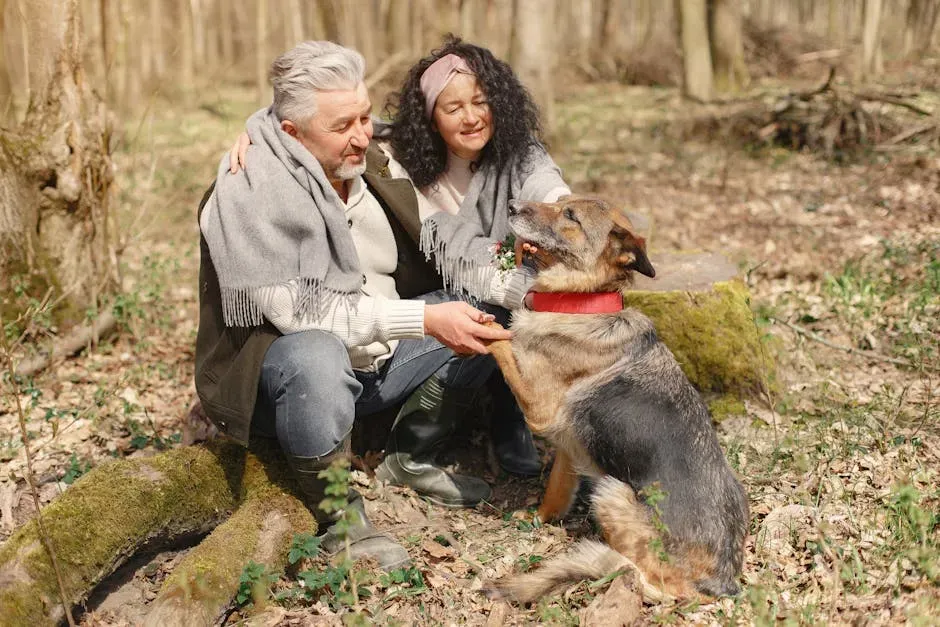
When your dog is young, your relationship is often built around motion: fetch marathons, chaotic zoomies, hikes that leave you both a little muddy and a lot exhausted. In those early years, you’re basically co-adventurers with bad impulse control, trying to burn off their endless energy and teach a few manners along the way. The focus is on doing things together, and a lot of your bond is forged through shared activities and repetition.
As you both age, the emphasis quietly shifts from activity to presence. You might trade hours at the dog park for slower walks around the block or a lazy evening on the couch, but the feeling of companionship becomes stronger, not weaker. Your dog gradually settles into the role of steady life partner, the one who is just there – in the room, in your routine, in your emotional landscape – like a heartbeat you no longer have to think about to feel.
2. Communication Becomes Less About Commands and More About Understanding
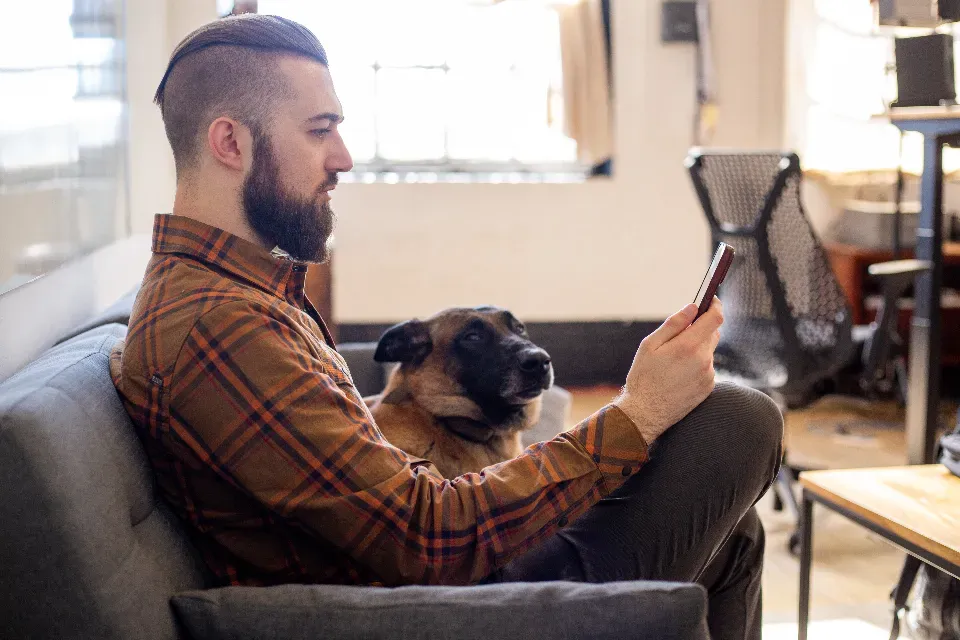
In the beginning, communication with your dog is kind of clunky. You are teaching sit, stay, come, drop it, and trying to decode what every bark, whine, and tail twitch might mean. It can feel like working with a foreign exchange student who speaks only body language while you shout vocabulary words in another language. There is trial, error, and a lot of guessing.
Over the years, that guesswork turns into something closer to a shared language. You learn the tiny differences between their “I heard something” bark and their “I’m worried” bark, and they learn your patterns so well that they move before you even speak. Older dogs often respond to softer voices, smaller gestures, and even just changes in your breathing or posture. At a certain point, it feels less like training and more like a quiet agreement between two creatures who have lived a lot of life side by side.
3. Attachment Deepens From Excitement to Emotional Security
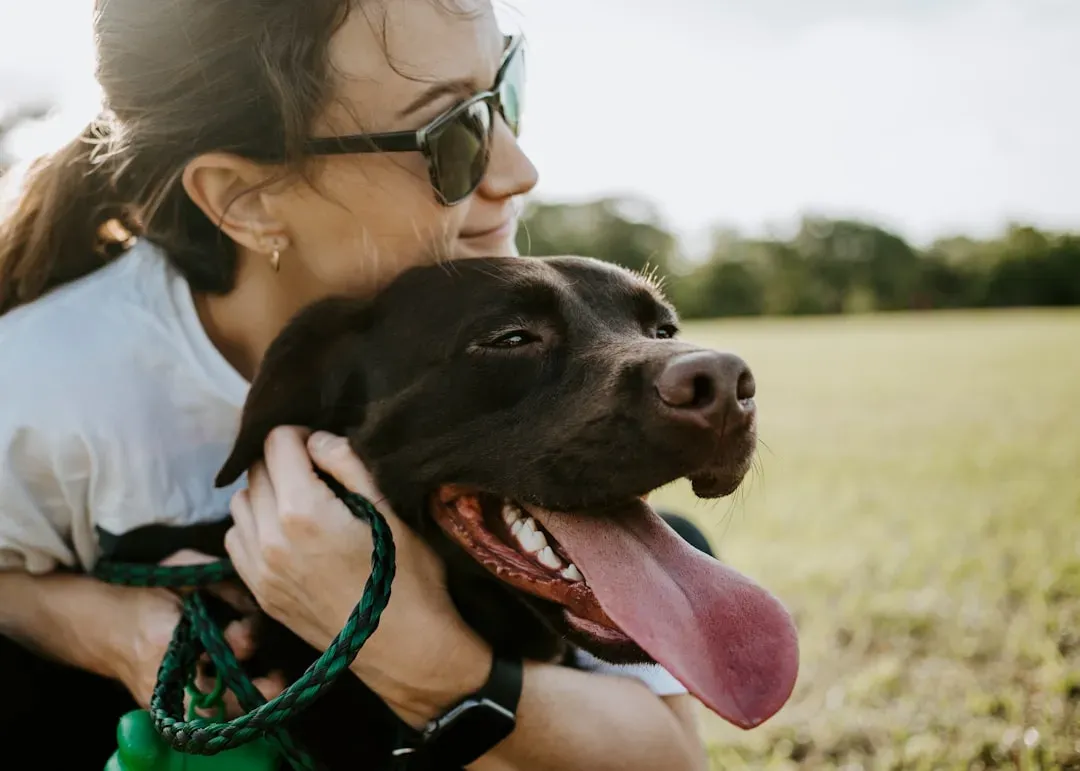
Puppies tend to show love like a confetti cannon: bouncing, jumping, licking, desperate for your attention every second you are within reach. That intense excitement can be sweet, but it is also immature attachment, driven by novelty, energy, and a basic need for safety. They love you, but they also love everyone and everything almost as much – for at least three minutes.
With time, that scattershot enthusiasm often condenses into a calm, focused attachment that is less flashy but far more profound. An older dog may not sprint to the door every single time you come home, but they might quietly lift their head, make eye contact, and give one of those slow tail wags that somehow says more than any back-flip ever could. They do not need constant reassurance anymore; the bond is baked in. You become their emotional anchor, and in a lot of ways, they become yours too.
4. Shared Routines Turn Into a Comforting Daily Rhythm
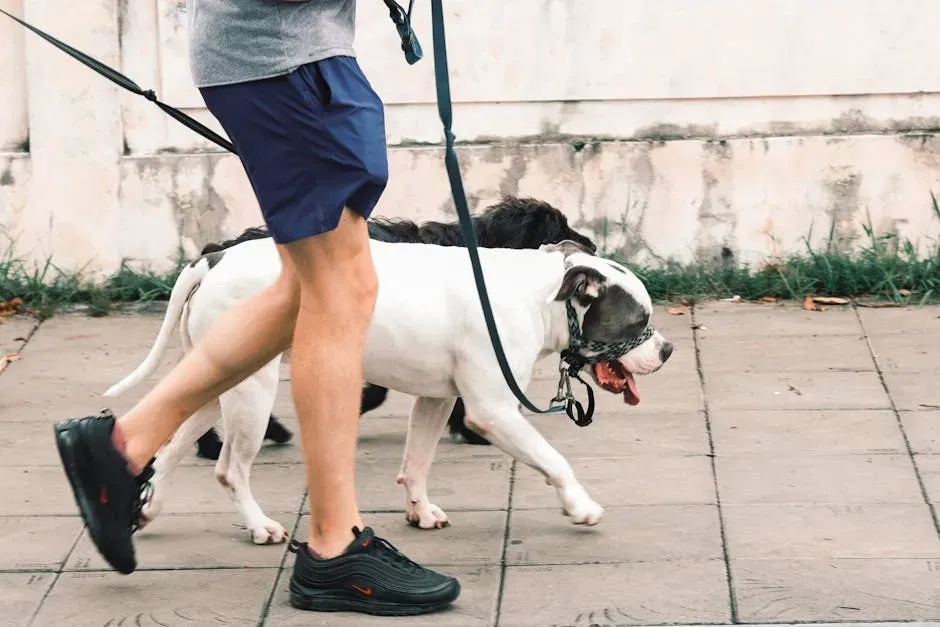
In the early stages, routines are mostly about survival: house training, feeding schedules, basic socialization, and trying to stop them from chewing your shoes for entertainment. Your life bends around their needs, and sometimes it feels like you are managing a tiny, furry chaos machine on a strict daily timeline just to keep everything functional.
As your dog matures, those routines smooth out and become less about control and more about mutual comfort. Morning walks, evening cuddles, weekend naps – these rituals turn into a shared rhythm that gives structure to both of your days. Many people do not realize how much those small, predictable moments with their dog stabilize their own mental health until something interrupts the pattern. That sense of “this is what we do” is a quiet form of security that grows stronger with every passing year.
5. Physical Changes Shift the Way You Show Love

A young dog often wants intensity: big runs, rough-and-tumble play, long games of tug. Love is loud and physical, and you show you care by going the extra mile to meet that need for movement and stimulation. You might plan your workouts, your social life, and even your vacations around what will keep them active and happy.
As age creeps in – stiff joints, slower recovery, a little less stamina – the way you show love has to adjust. You may find yourself lifting them into the car instead of asking them to jump, trading long hikes for gentle sniff walks, or adding soft bedding to their favorite sleep spot. Caring becomes more about comfort, pain management, and patience. It can be hard to watch their physical abilities decline, but there is a special tenderness in learning to meet them where they are instead of where they used to be.
6. You Become More Attuned to Their Health and Emotional Subtlety
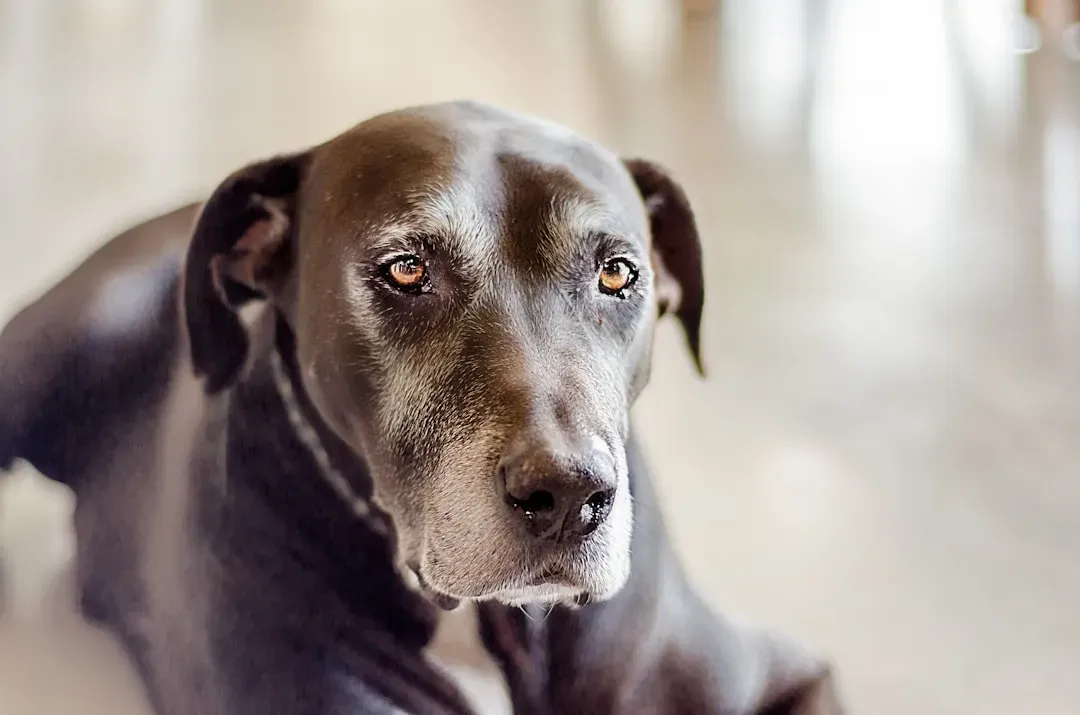
When a dog is younger, most minor weird behaviors are easy to shrug off: a skipped meal, a lazy day, a strange noise they make in their sleep. You assume they are resilient, and most of the time, they are. Your focus is often on big-picture things like training, socialization, or preventing obvious injuries and illnesses.
With an older dog, every small change feels more meaningful, and your awareness sharpens. You notice tiny shifts in how they get up, how long they sleep, whether they seem withdrawn or clingier than usual. You start learning about age-related conditions, adjust diets, and talk to your vet more regularly. Emotionally, too, you become more tuned in: you recognize when they are anxious during storms, when they need space, and when they just want to curl up a little closer because the world feels overwhelming that day.
7. The Balance of Caregiving Quietly Reverses
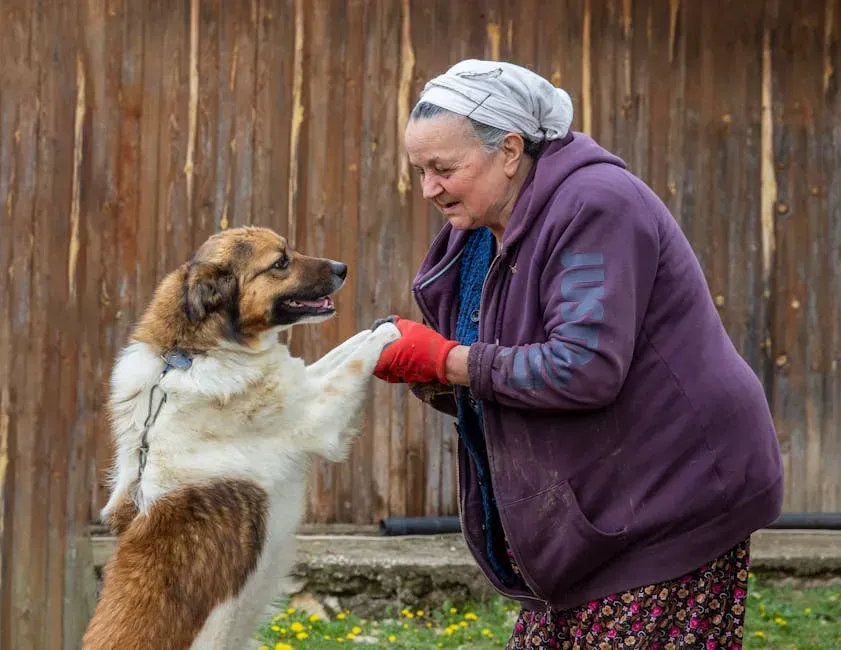
At first, your dog depends on you for practically everything, but the relationship can still feel fairly balanced in terms of energy and play. You provide food, training, and safety, and they repay you with entertainment, affection, and a constant excuse to get off the couch. It is easy to think of the relationship as a happy trade: caretaking in exchange for joy and connection.
Over time – especially in their senior years – the scales tilt further toward caregiving, and you might find yourself doing more for them than they can ever “give back” in a visible way. Extra vet visits, medications, helping them up stairs, cleaning up more accidents, accepting that your schedule is shaped around their limitations. That shift can be emotionally heavy, but it is also where the bond shows its true depth. You are no longer loving them because it is fun or convenient; you are loving them because they are family, even when it is hard.
8. Mortality Awareness Makes Every Moment Feel Sharper
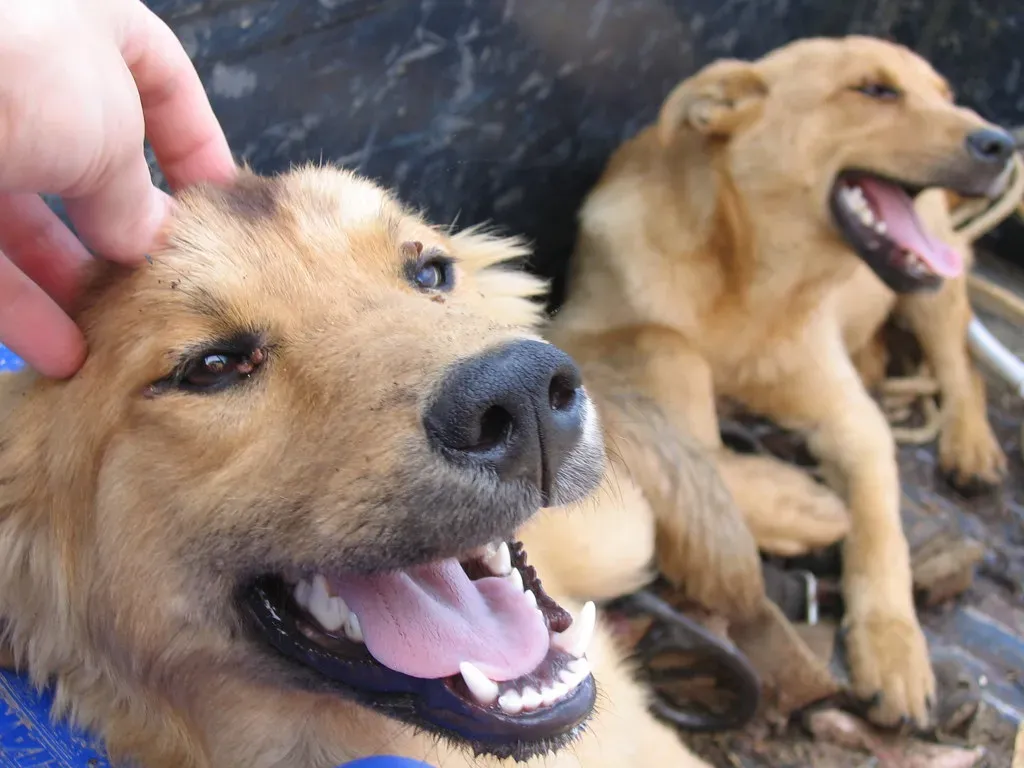
Most people do not think much about the shortness of a dog’s life when they first bring a puppy home. The future feels wide open: years of walks, trips, photos, and goofy moments ahead. The idea of losing them is distant and blurry, easy to push aside behind all the training plans and toy purchases and cute social media posts.
As both of you age, the math becomes harder to ignore. You notice the white hairs around their muzzle, the slower recovery after play, the way your vet starts using words like “senior” and “age-related.” That growing awareness of limited time can hurt, but it also sharpens your appreciation. You start lingering a little longer when they fall asleep against your leg, saying yes to the extra five minutes outside, taking more mental snapshots of the ordinary moments. In a strange way, knowing the relationship is finite is exactly what makes it so intense, so real, and so worth every ache.
Conclusion: Growing Old Together Is the Real Love Story
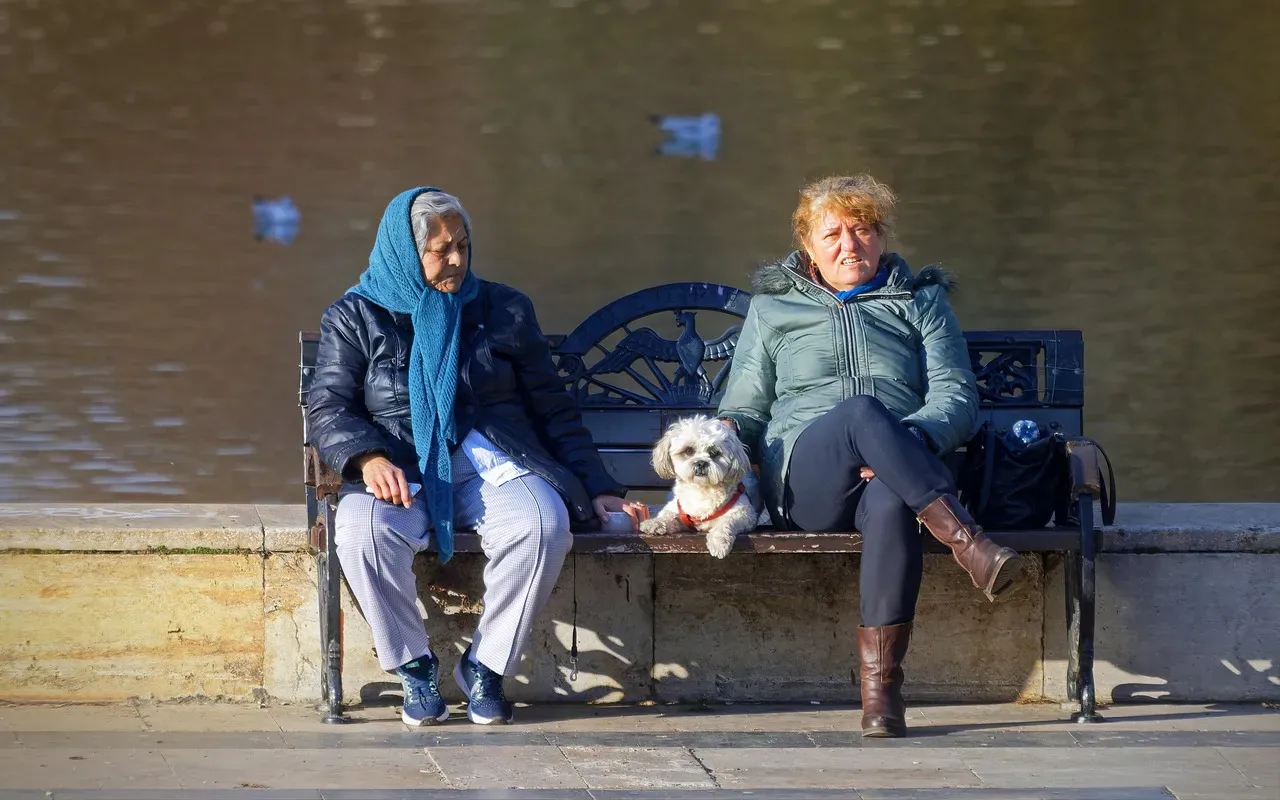
Living with a dog from bouncy youth into slow, careful old age is not just about watching them change; it is about noticing how you change with them. You become more patient, more observant, more willing to rearrange your life around the needs of another living being who can never say thank you out loud. That kind of loyalty runs both ways, and it turns a simple “pet owner” situation into a genuine, lifelong partnership.
My own opinion is that the real magic of having a dog shows up in the last half of the journey, when the relationship is less Instagram-ready and more quietly sacred. It is in the soft routines, the shared silences, the gentle care on the hard days, and the way their presence has rewired what “home” feels like to you. Growing old together with a dog is not glamorous, but it is one of the clearest, most honest forms of love most of us ever get to experience. When you look at your dog today, can you already see the future old friend staring calmly back at you?


