
When a dog that used to race down the trail suddenly prefers to nap by the front door, it can feel unsettling. You know your dog’s habits better than anyone, so when something shifts, that nagging feeling in your gut is usually worth listening to.
The tricky part is that aging dogs rarely send us a neat, single-message signal. Wanting to stay closer to home can mean anything from mild stiffness to serious illness to simple emotional changes. Let’s walk through the most common, science-backed possibilities so you can separate “normal getting older” from “time to call the vet.”
1. Joint Pain, Arthritis, and General Physical Discomfort
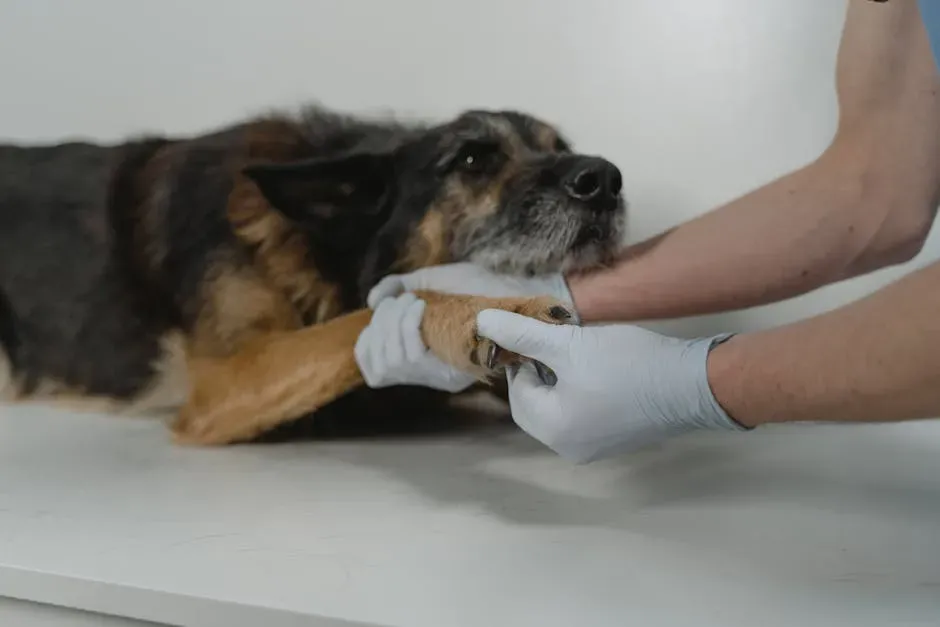
One of the most common reasons older dogs stick closer to home is simple: moving hurts. Just like people, dogs develop age-related wear and tear in their joints, known as osteoarthritis, which can make long walks or running on uneven terrain feel like a bad idea. Instead of bounding ahead, they may start lagging behind, turning for home more quickly, or refusing to go as far as they used to.
You might notice small clues if you look closely: a slower rise from lying down, hesitation about jumping into the car or onto the couch, or stiffness that is worst first thing in the morning but eases a bit as they warm up. Many dogs cope quietly and never whine, so the behavior change of “I’d rather stay near the house” can actually be their way of avoiding pain. A good vet exam, and sometimes X‑rays, can confirm what’s going on, and there are well-studied medications, supplements, and lifestyle tweaks that can make them far more comfortable.
2. Heart, Lung, or General Stamina Problems
Another big reason an older dog may cling closer to home is that they simply run out of energy faster. Conditions that affect the heart or lungs reduce how much oxygen reaches the muscles, so what used to be an easy walk can suddenly feel like a marathon. Dogs with early heart disease, for example, often do not collapse or show dramatic signs at first; they just slow down, stop wanting to go as far, and prefer staying where they know they can lie down.
Watch for quieter but important signals: increased panting even in mild weather, taking longer to recover after play, coughing at night or after exertion, or choosing to lie down mid‑walk when they never used to. Sometimes guardians mistake this for laziness or stubbornness, but it can actually be their body waving a small red flag. A vet can listen for heart murmurs, check breathing, and run tests like X‑rays or an ultrasound to see what’s happening behind the scenes. If this is the reason, helping them stay close to home is not coddling; it is absolutely the right call.
3. Age-Related Anxiety and Changes in Confidence
Even the bravest dog can become more cautious with age. As senses dull and the body feels less reliable, the outside world can start to seem a bit riskier. A dog that once dragged you down the street to sniff every tree might suddenly prefer the familiar smells of the yard, the porch, or just your living room. Staying near home can be their way of saying they want a smaller, safer “bubble” around them.
This shift is often subtle and easy to misread. You might notice that your dog startles more easily at unfamiliar noises, resists going down dark streets at night, or plants their feet when you try to walk a new route. Sometimes this looks like stubbornness, but underneath is a nervous system that is less flexible and a brain that does not bounce back from stress as quickly. Gentle encouragement, predictability, and shorter outings in familiar places can help a lot, and in more severe cases, vets or behavior professionals can recommend treatments to reduce anxiety and improve quality of life.
4. Cognitive Decline and Confusion (Canine Cognitive Dysfunction)
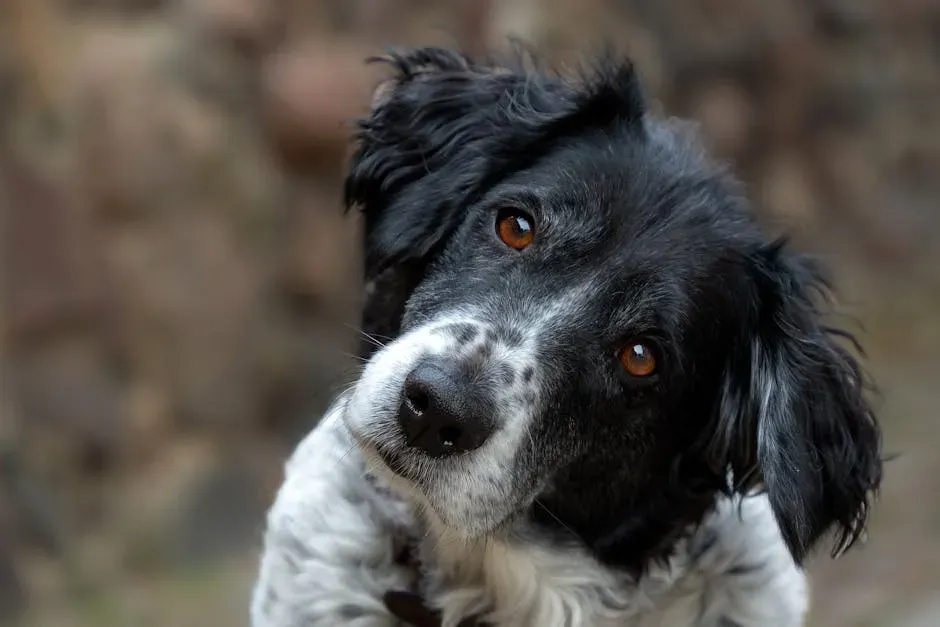
When older dogs appear “clingier” to home, cognitive changes are another important possibility. Canine cognitive dysfunction, often compared loosely to dementia in humans, affects memory, orientation, and problem-solving. A dog who is starting to feel confused about directions or distances may naturally prefer staying where things are predictable and easier to navigate. The front yard, the driveway, or the block around your house may feel manageable, while wandering far suddenly feels risky.
There are classic patterns that go along with this: standing in corners, staring at walls, getting stuck behind furniture, or seeming lost in rooms they have known for years. Sleep-wake cycles may shift, with restless nights and more daytime sleeping. Wanting to stay close to home might actually be one of the kinder, quieter clues. While this condition cannot usually be reversed completely, early detection gives you a better chance to slow the progression with environment changes, mental enrichment, diet, and sometimes medication recommended by your vet.
5. Vision or Hearing Loss Making the World Feel Bigger and Scarier
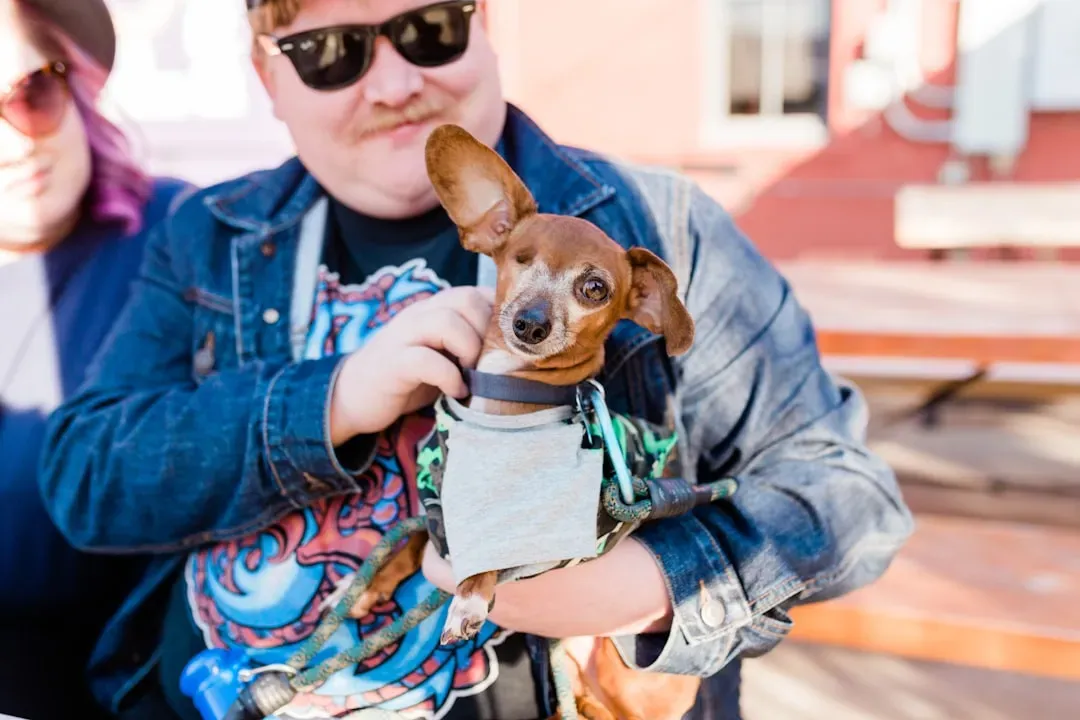
A dog whose world is literally fading around the edges is going to move differently through it. As vision declines, especially in low light, unfamiliar places start to feel like walking into a crowded room with a blindfold on. Hearing loss piles on top of that, removing sound cues they used to rely on to track you, other people, and traffic. Home, with its well‑known layout, familiar smells, and reliable landmarks, suddenly becomes the safest, easiest place to be.
You might see them hesitate at curbs or stairs, bump lightly into furniture, or ignore cues they used to respond to instantly. It is very easy to assume they are being disobedient when in reality they just did not see or hear you. As a result, they may sit by the door and resist walks that involve busy streets or new environments. Adjusting routines to include more daylight walks, predictable routes, and clear, tactile or visual cues (like hand signals or gentle touches) can restore a lot of confidence and reduce the urge to stay glued to the house.
6. Changes in Temperature Tolerance and Physical Resilience
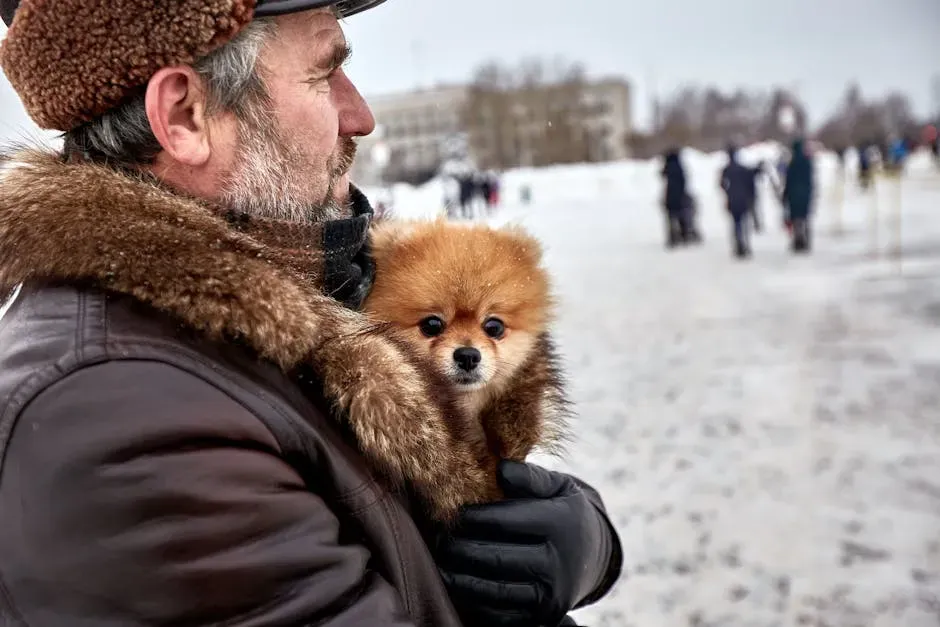
Older bodies do not regulate temperature as efficiently as younger ones. Heat, cold, humidity, and even strong wind can feel far more extreme to a senior dog than to a puppy. That might mean your dog has started turning around at the end of the driveway in summer when they would have happily marched down the block years ago, or refusing to leave the porch in winter unless absolutely necessary. Staying closer to home lets them retreat quickly if they feel overheated, chilled, or simply worn out.
Pay attention to how strongly weather seems to affect their behavior now compared to earlier in life. Are they panting within minutes in mild warmth, shivering faster in the cold, or lying down mid-walk more often? Do they perk up again once you return inside? If yes, their reluctance to go far is not a personality change; it is biology. Adjusting walk length, timing, and pace, along with practical gear like cooling vests or warm coats, can make a surprising difference and reassure them that the world beyond the front yard is still safe.
7. Emotional Bonding, Habit Shifts, and the “Home Is Best” Phase
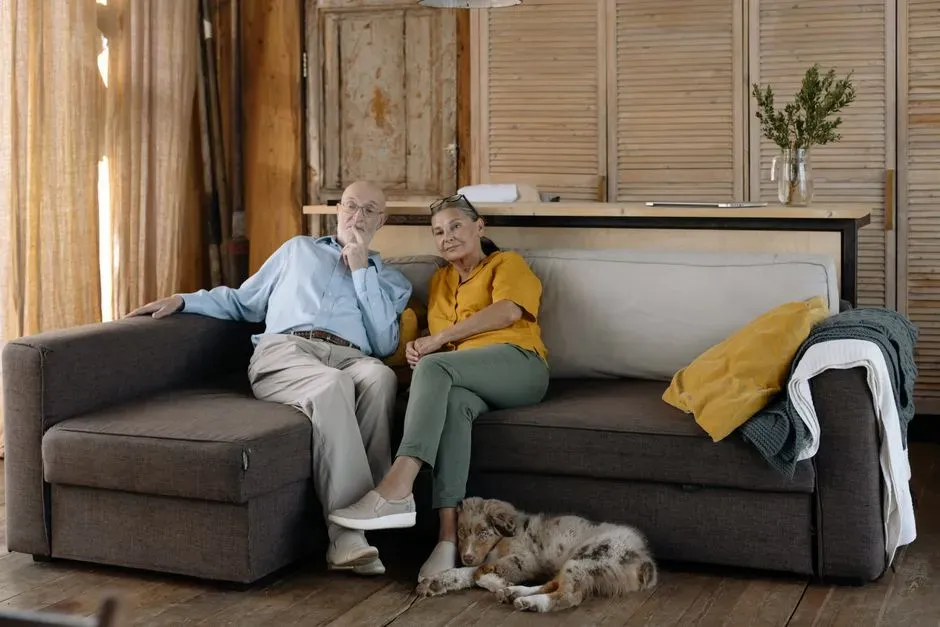
Sometimes the explanation is less medical and more emotional. As dogs age, many of them slide into what I half-jokingly call the “home is best” phase. They have explored the parks, sniffed a thousand fire hydrants, and checked every tree on the block. Now, their greatest joy might simply be lying in a sunny patch of floor where they can see you, hear the fridge hum, and feel the rhythm of their favorite place. In that context, wanting to stay closer to home can be a sign of deep contentment, not distress.
That said, you still want to rule out pain or illness before assuming it is purely preference. Once health checks out, you can honor this stage instead of fighting it. Swap long hikes for shorter, richer outings with more sniffing and less mileage. Set up cozy resting spots where they can watch the world from the porch or yard, and sprinkle their days with little rituals they love: gentle play, slow brushing, puzzle feeders. In my own experience with a senior dog, her happiest days near the end were not the ones where I pushed her to go farther, but the ones where I sat on the steps with her and let her decide when the adventure was over.
How to Respond, What to Watch, and When to Worry
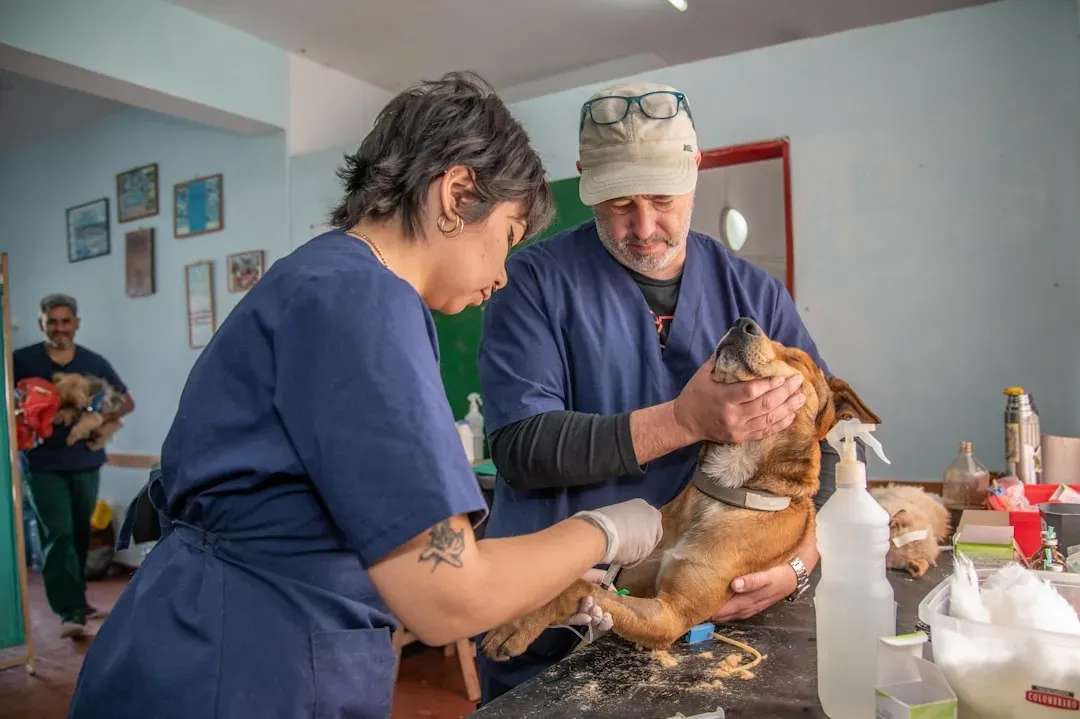
If your older dog is suddenly sticking closer to home, the smart move is to treat that change as useful data, not a drama or a dismissal. First, ask yourself what exactly has changed: distance on walks, speed, willingness to leave, or only certain routes and times of day. Then look for patterns like stiffness, coughing, confusion, or sensory changes. Any sudden or dramatic shift, especially if it comes with weight loss, appetite changes, vomiting, or obvious pain, deserves a prompt veterinary visit rather than a wait‑and‑see approach.
From there, your job is to balance respect for their new limits with protection against unnecessary suffering. It is okay to shorten walks, change expectations, and let them pick the pace, but it is not okay to assume “just old age” without a proper check. I think of it this way: your dog is writing you a message in behavior rather than words. Staying closer to home is one line of that message. The more carefully you read the rest, with your vet’s help, the better chance you have of giving them a senior life that is not only longer, but calmer and more joyful.
Conclusion: When Staying Close Means It Is Time to Pay Closer Attention
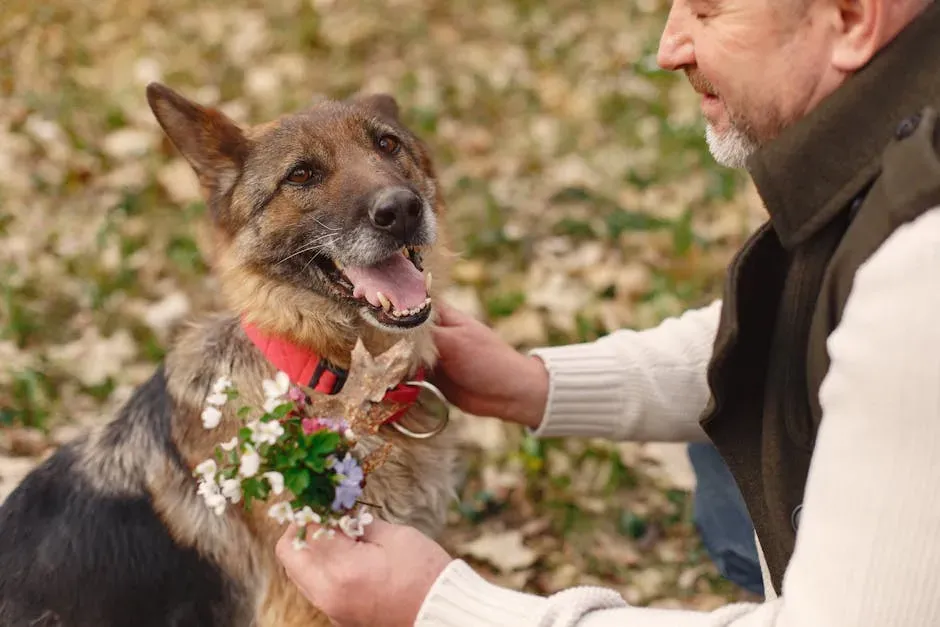
In my opinion, one of the biggest mistakes people make with senior dogs is shrugging off behavior changes as nothing more than age. Yes, aging matters. But “old” is not a diagnosis, and it should never be the end of the conversation. A dog who suddenly wants to stay closer to home is telling you something, and you owe it to them to be curious rather than complacent. Sometimes the answer will be arthritis, heart disease, anxiety, or cognitive decline. Sometimes it will be a normal, gentle shift into a slower, more home-centered life.
The real measure of good guardianship is not whether you keep your dog charging up mountains into their teens, but whether you notice when they stop wanting to, and then adjust with compassion and intention. Get the check-ups, ask the questions, tweak the routines, and let your dog’s changing needs guide you instead of fighting them. In the end, if their world shrinks a little but feels safe, loved, and comfortable, that is not a failure; it is a well-earned soft landing. When your own life starts to slow down someday, would you rather be pushed to go farther, or warmly welcomed to stay a little closer to home?


