
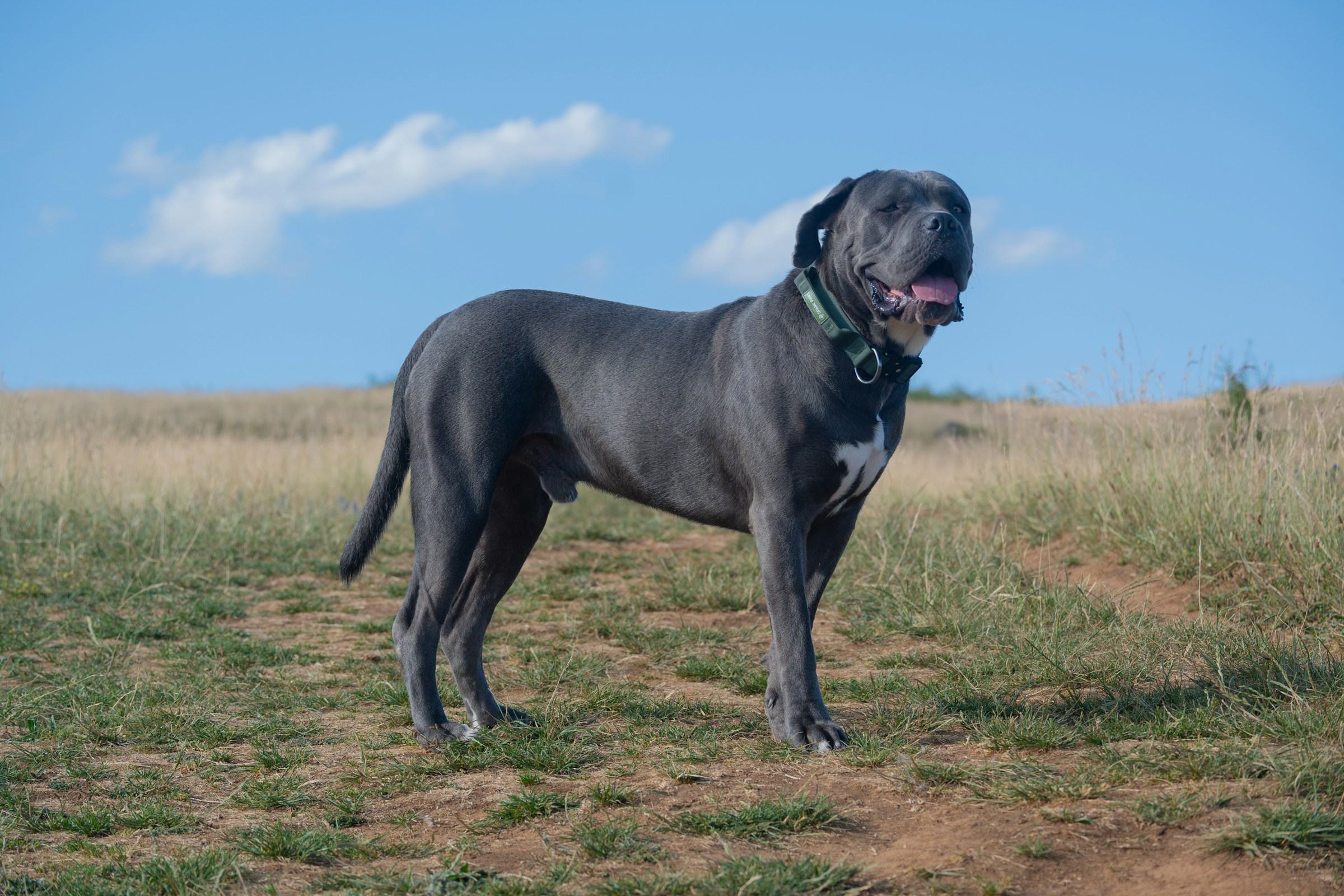
Every dog owner hopes their pet will stay safe and sound, yet some breeds carry an instinctive drive to step in when danger appears. These dogs do not wait for commands. They simply act on the bond they share with their people.
The following breeds stand out for their courage and loyalty. Each one brings its own history of protection, along with practical traits that make them reliable companions when it matters most.
German Shepherd
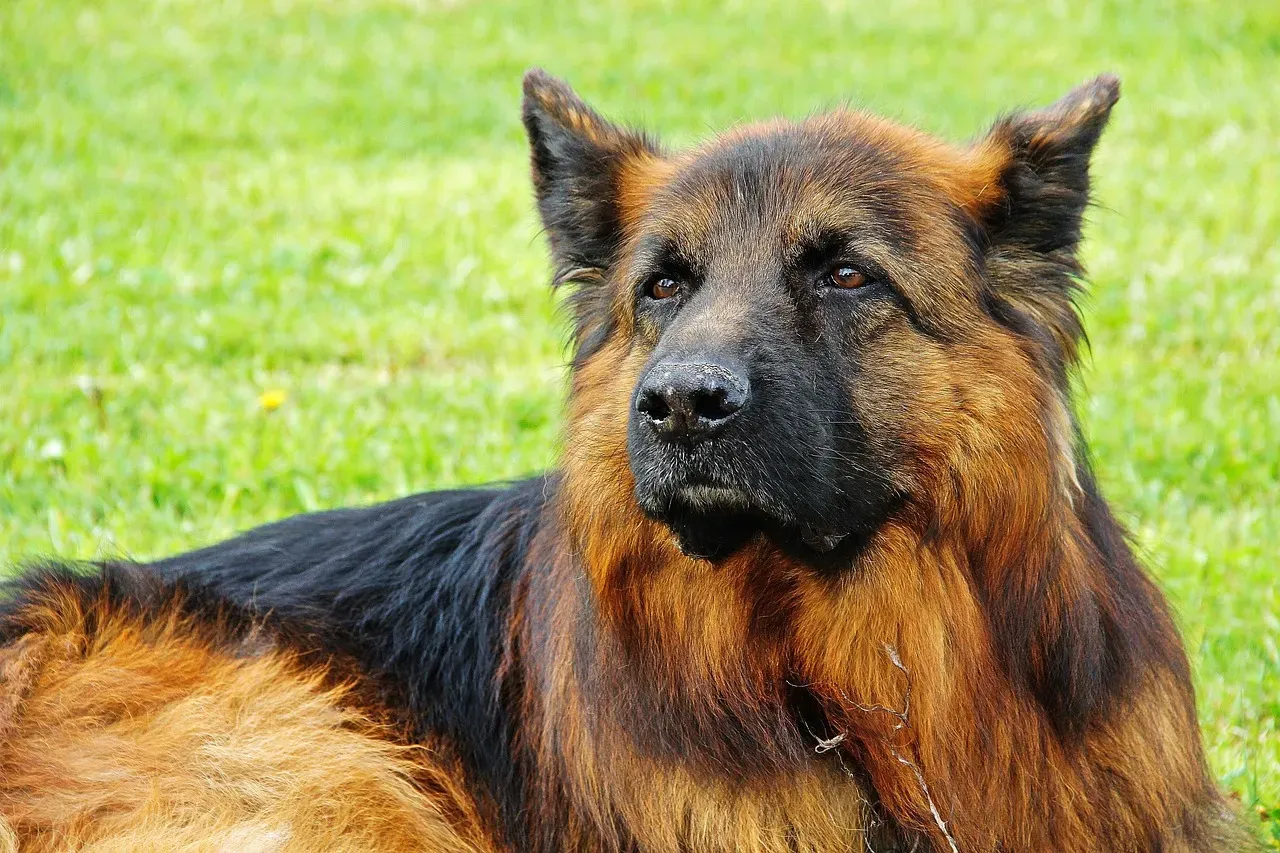
German Shepherds have long served in police and military roles because of their sharp instincts and steady nerves. They watch their surroundings closely and often position themselves between their family and anything unfamiliar. Many owners notice how these dogs stay alert during walks or at home without becoming overly anxious.
Training helps channel their energy into calm confidence rather than constant tension. Regular exercise keeps their minds clear and their bodies strong. A well socialized German Shepherd offers both affection and quiet vigilance that feels reassuring day after day.
Rottweiler
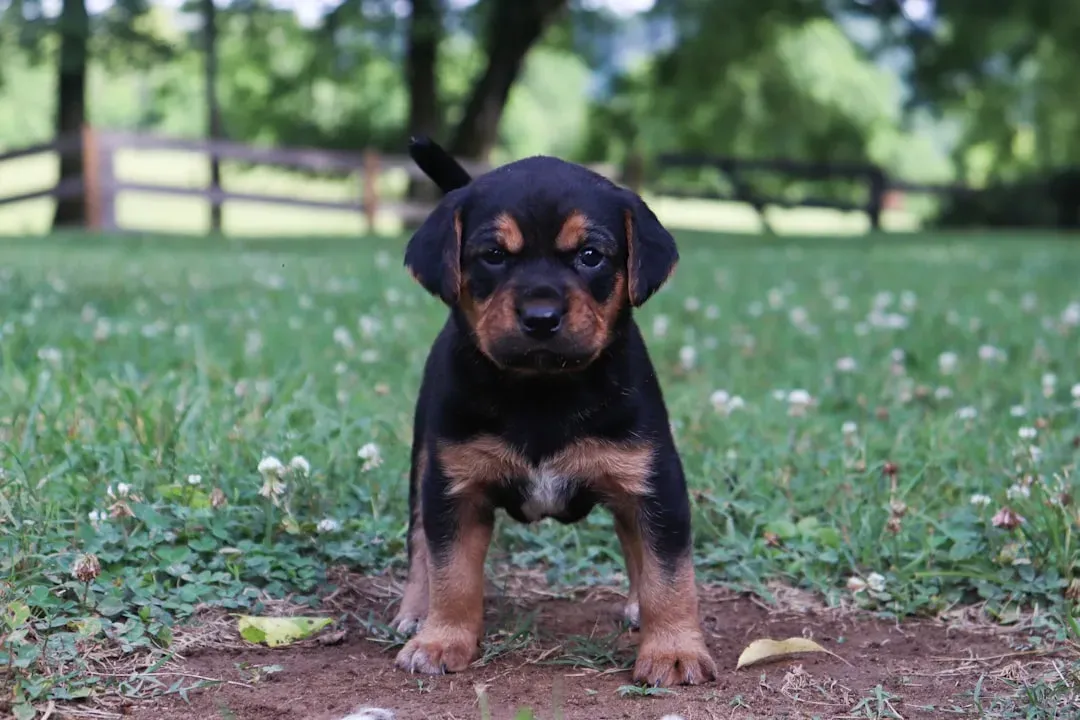
Rottweilers carry a calm strength that comes from their working roots on farms and in guard duties. They tend to assess situations first and move only when they sense real risk to their people. Families often describe them as gentle giants indoors who shift into focused protectors outside the home.
Early socialization with other dogs and people helps them read threats accurately. Consistent leadership from owners builds trust so the dog knows when to relax. Their loyalty shows in small daily choices, like staying close during family outings or checking on children at play.
Doberman Pinscher
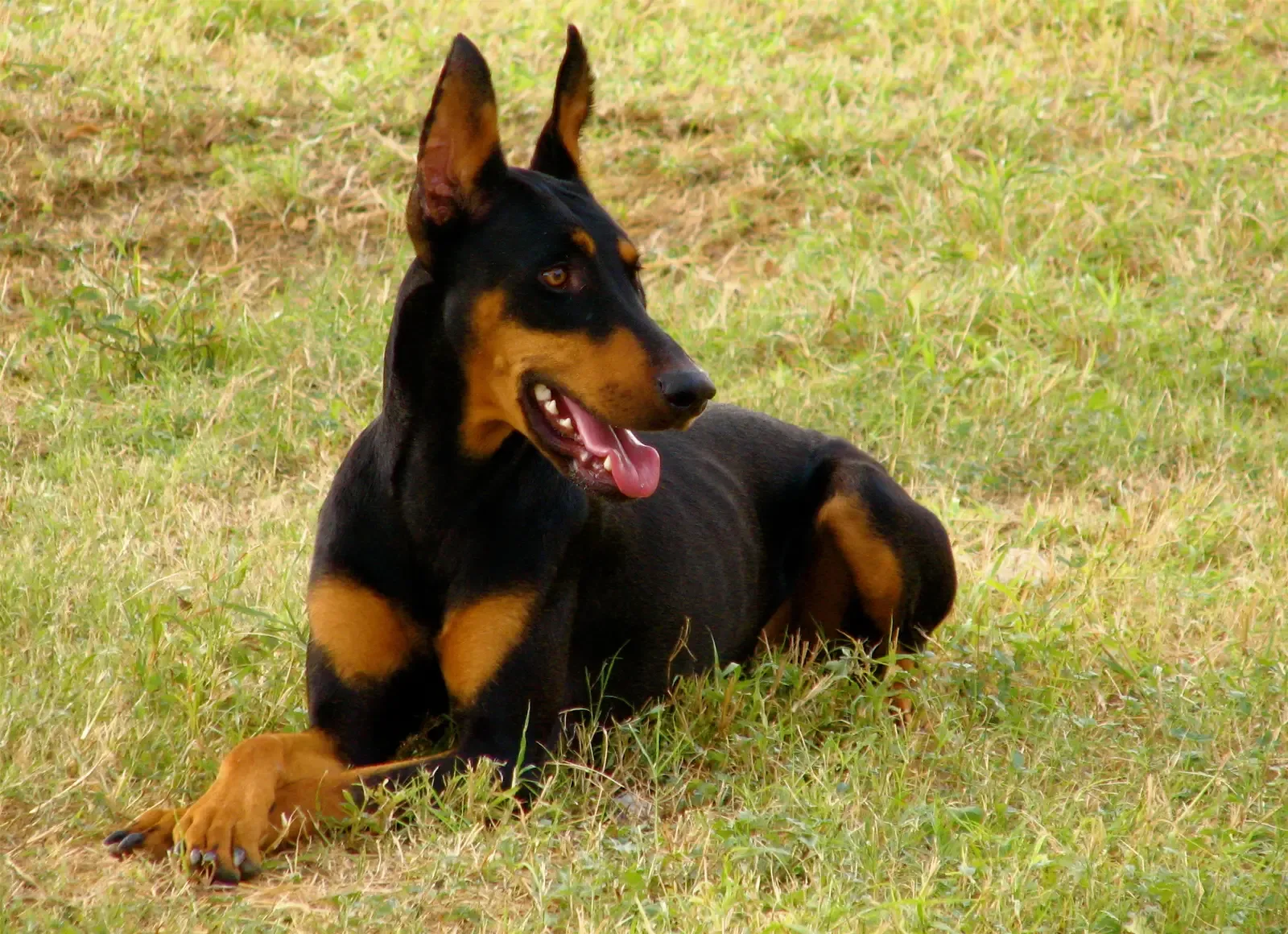
Dobermans combine speed and intelligence with a natural sense of territory. They often stay near doorways or windows when visitors arrive, quietly monitoring the scene. Their sleek build hides a deep attachment to the household that surfaces quickly under pressure.
These dogs respond well to structured routines that include mental challenges and physical activity. Owners who provide clear boundaries usually see steady, reliable behavior rather than unnecessary barking. A Doberman that feels secure tends to offer protection through presence alone.
Akita
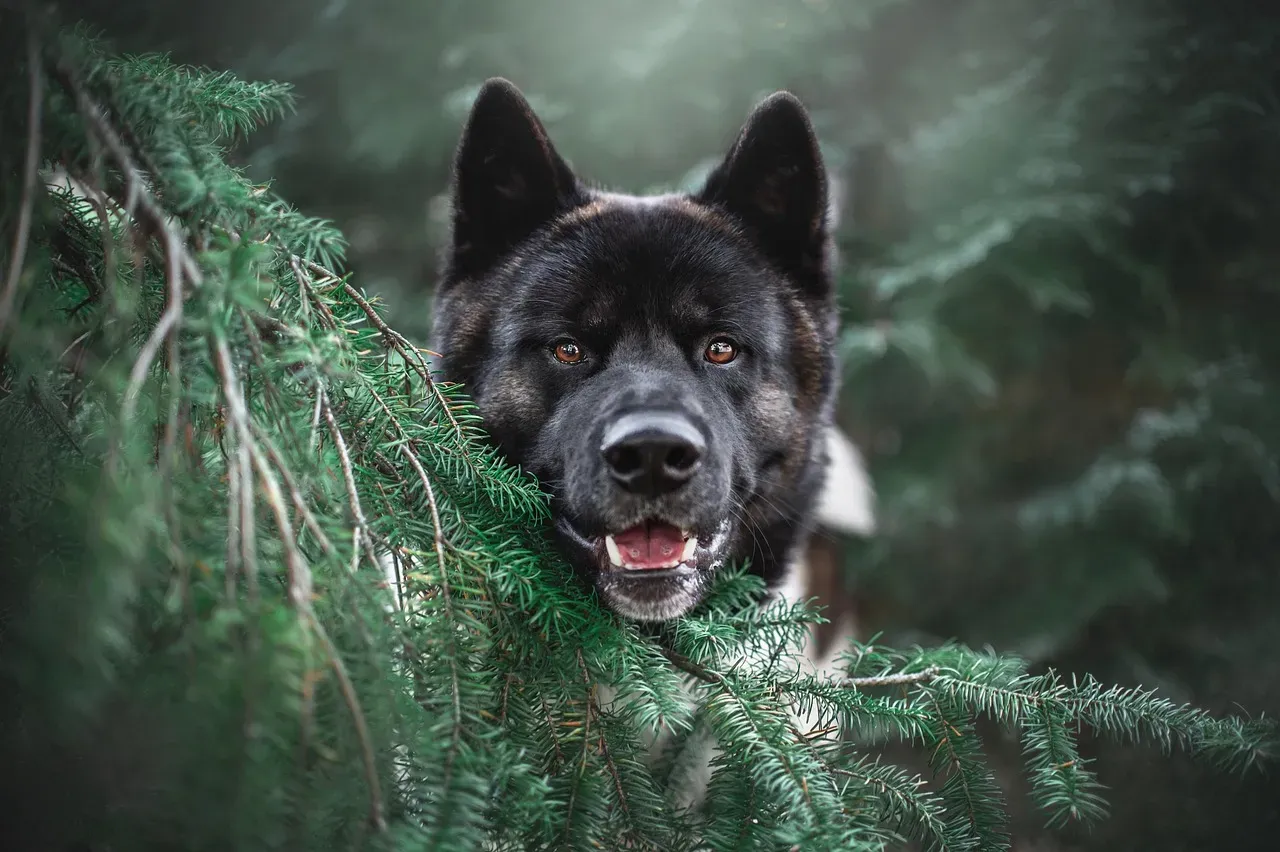
Akitas come from a long line of Japanese guardians known for their independent yet devoted nature. They form strong attachments to one or two main people and often place themselves in between those loved ones and strangers. Their thick coats and sturdy frames give them a dignified appearance that matches their serious approach to safety.
They thrive with owners who respect their need for space while still offering daily interaction. Short training sessions work better than long drills because these dogs learn quickly and remember lessons well. An Akita that trusts its family becomes a quiet sentinel rather than a reactive one.
Belgian Malinois
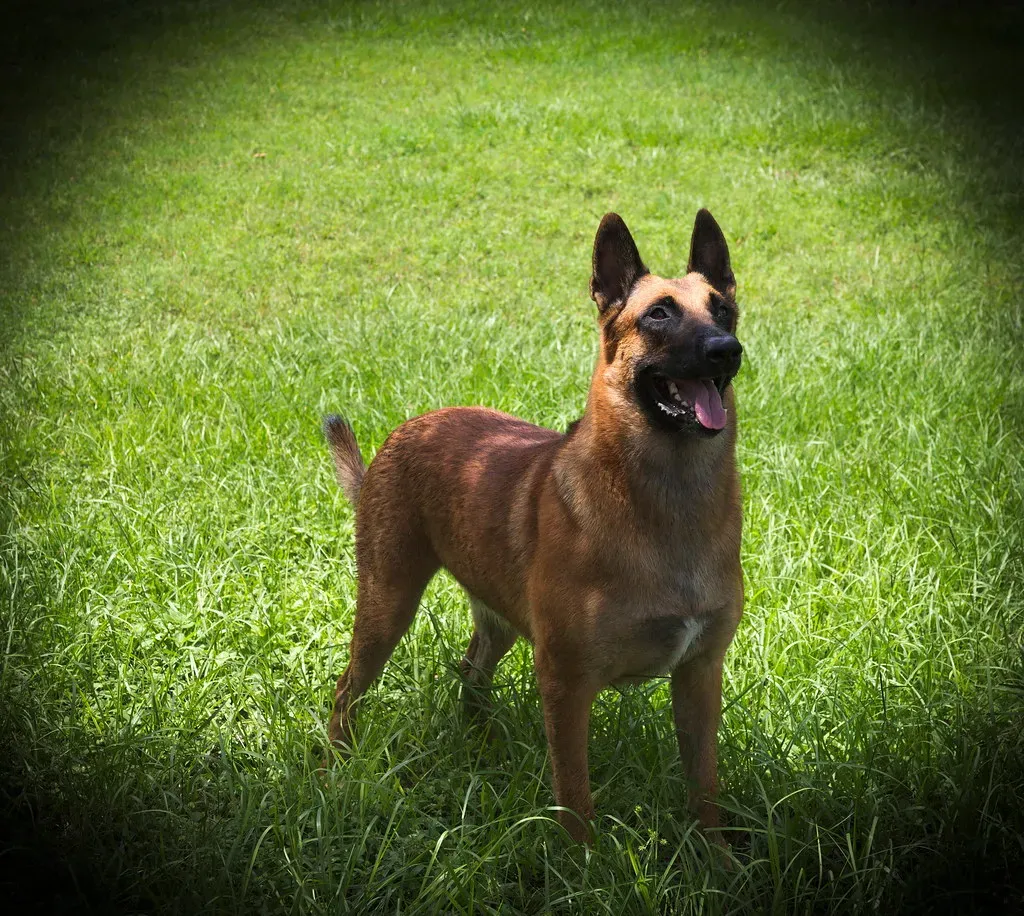
Belgian Malinois bring high drive and quick thinking to any protective role. They notice small changes in their environment and often react before an owner even registers the shift. Their athletic build suits active households that can match their energy with purposeful tasks.
These dogs need clear jobs, whether that means agility work or simple household routines. Without enough mental stimulation they can become restless, so puzzle toys and obedience practice help keep them balanced. A Malinois that feels useful stays focused and ready when real protection is required.
Cane Corso
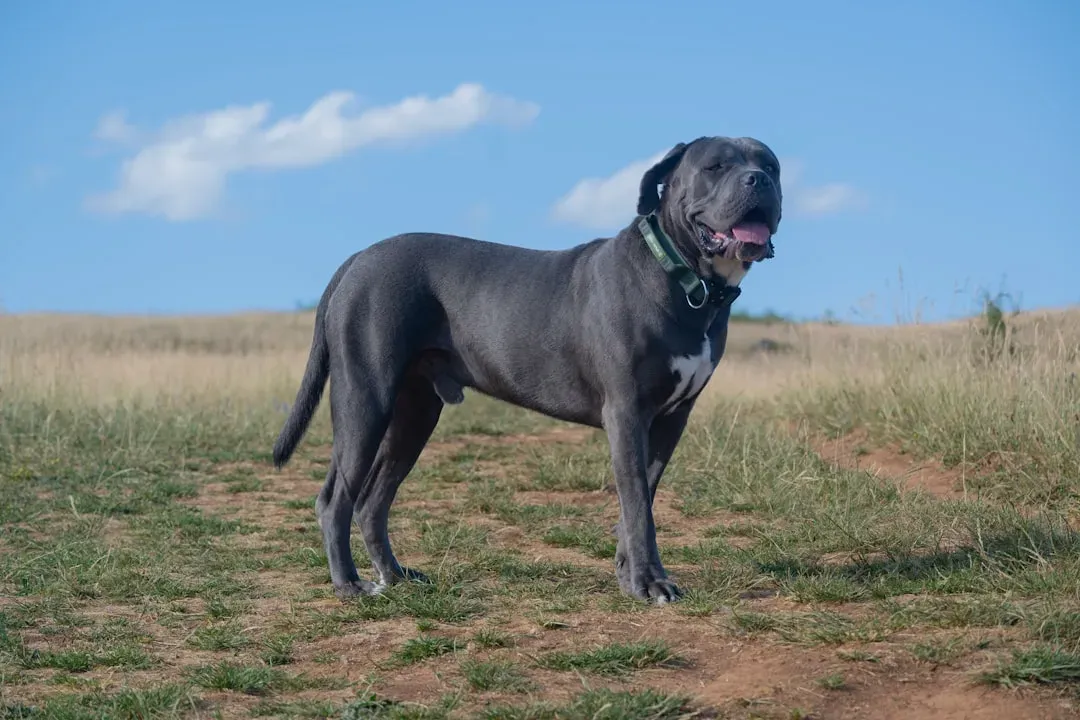
Cane Corsos descend from ancient Italian mastiffs bred to guard property and family. They move with deliberate steps and often place themselves at the edge of a room to watch over everyone inside. Their size alone can deter trouble, yet their real strength lies in their measured response to actual threats.
Early exposure to different people and places helps them distinguish between normal activity and genuine concern. Daily walks and firm but kind guidance keep their protective instincts in check. Owners who invest time in socialization usually enjoy a dog that remains both affectionate and watchful.
Bullmastiff
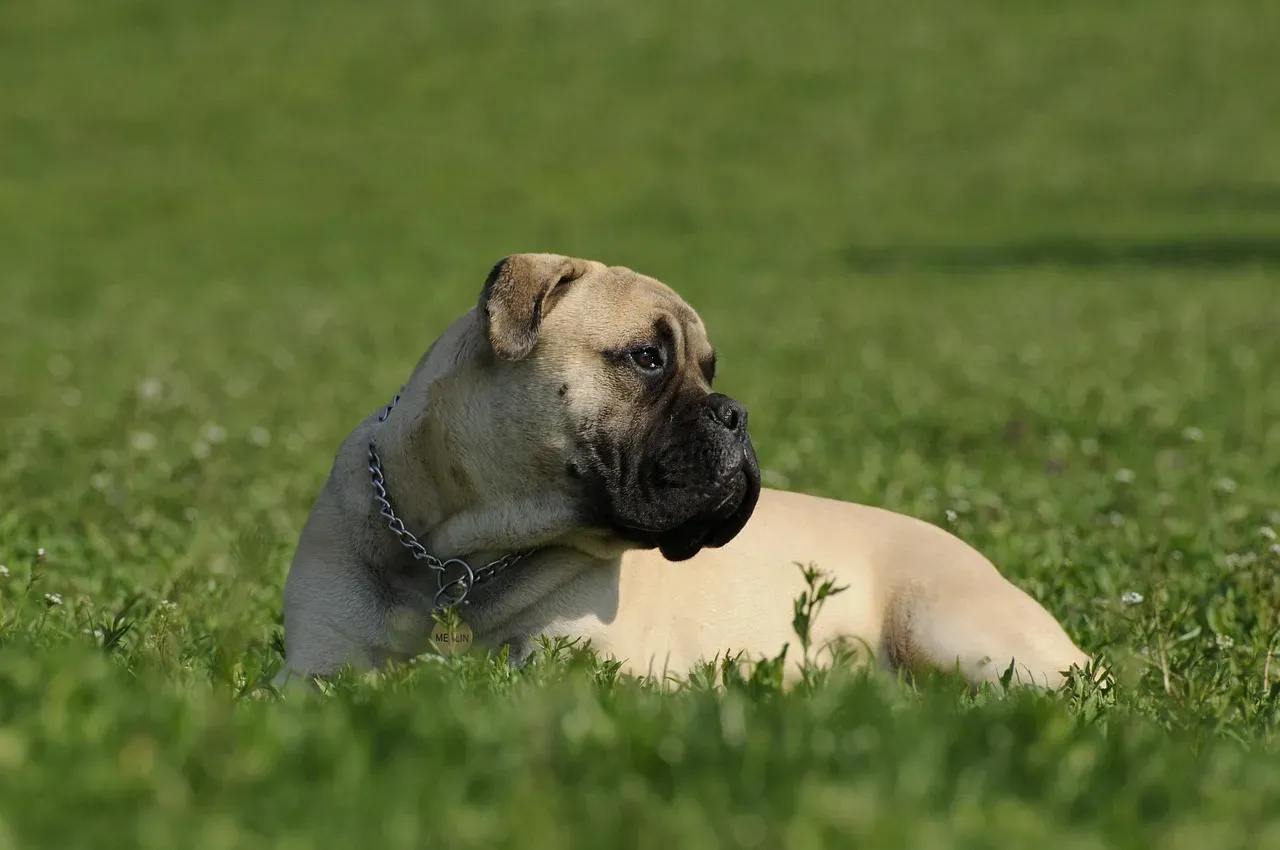
Bullmastiffs were developed to patrol estates and quietly detain intruders without excessive barking. They tend to stay close to their people and step forward only when they sense something off. Their massive frame and steady temperament make them effective without seeming aggressive in everyday life.
They appreciate calm homes where routines stay predictable. Short play sessions and gentle training reinforce their natural desire to please. A Bullmastiff that feels part of the family often shows protection through quiet positioning rather than dramatic displays.
Boxer
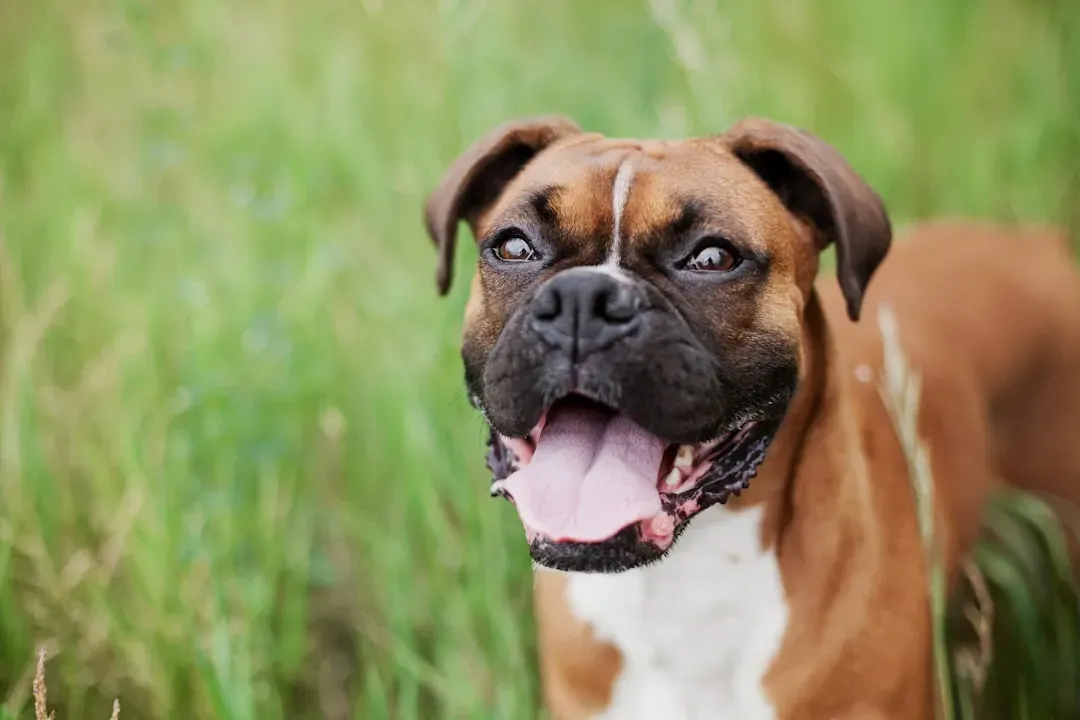
Boxers balance playful energy with a strong protective streak rooted in their working heritage. They stay tuned to family members and often insert themselves into situations that feel uncertain. Their expressive faces make it easy to read when they have shifted into guardian mode.
Regular exercise burns off their natural enthusiasm so they remain even tempered at home. Positive reinforcement training builds on their eagerness to learn and strengthens the bond with their people. Many families find that a Boxer offers both laughter and reliable presence in equal measure.
Great Dane
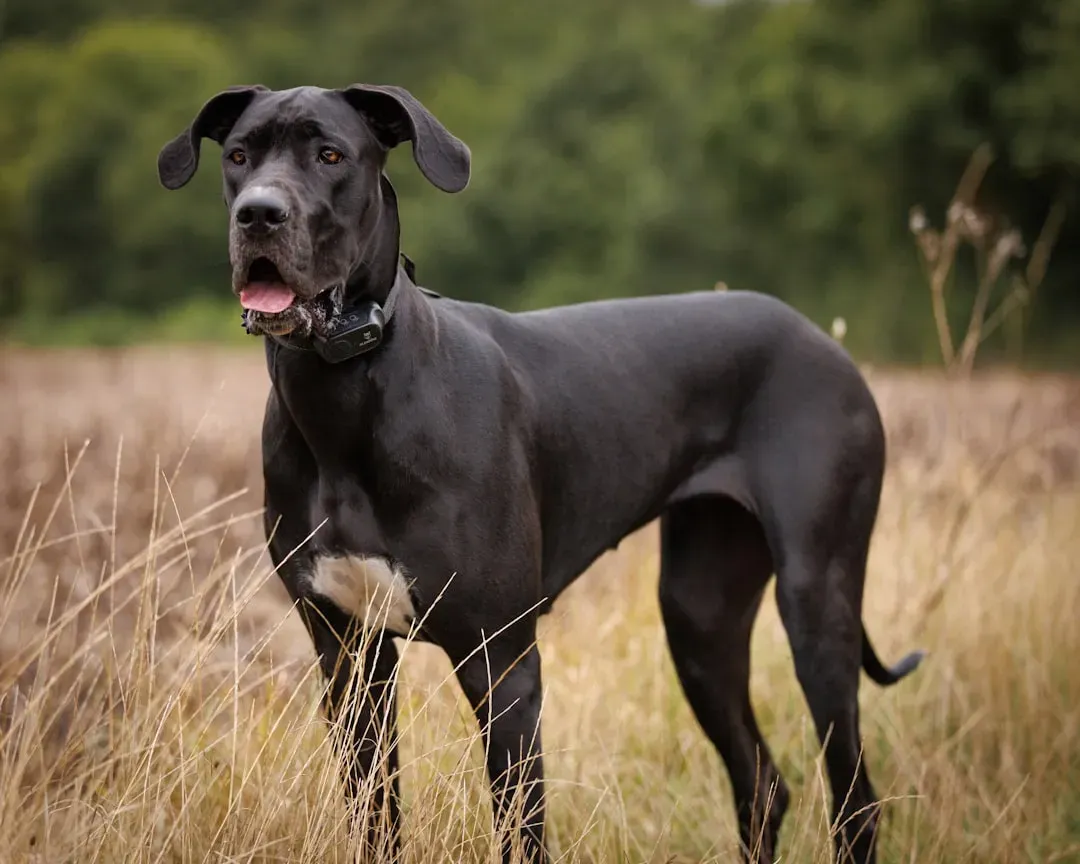
Great Danes may look gentle and towering, yet they carry an instinctive urge to shield their household. They often lean against family members during gatherings as if offering silent support. Their size can make an impression on visitors, but their real value shows in how they stay aware of everyone around them.
These dogs need moderate exercise to protect their joints while still feeling engaged. Early training focused on polite greetings helps them welcome guests without overreacting. A Great Dane that grows up with consistent care tends to offer calm protection through sheer steady presence.
Tibetan Mastiff
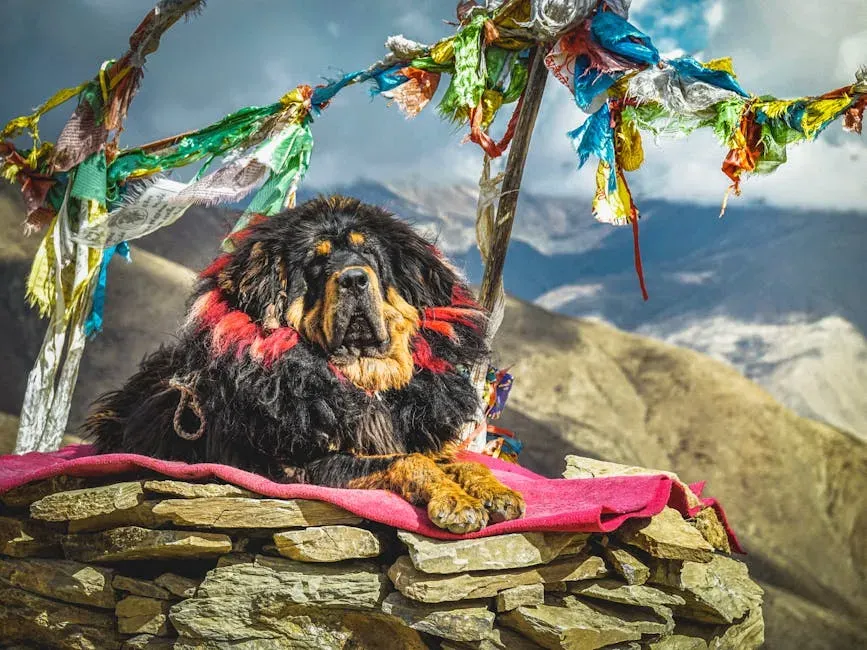
Tibetan Mastiffs developed in harsh mountain regions where they guarded livestock and homes against predators. They approach threats with quiet determination and often position themselves at the perimeter of their territory. Their thick coats and independent streak reflect a breed shaped by real survival needs.
They respond best to owners who provide firm yet respectful leadership from puppyhood onward. Limited but meaningful socialization keeps them from becoming overly wary of normal daily life. A Tibetan Mastiff that trusts its family becomes a thoughtful guardian rather than a distant one.
Final Thoughts
These breeds share a common thread of loyalty that runs deep, yet each one needs the right environment and guidance to shine. Protection comes from trust built over time through training, exercise, and daily connection. When owners meet those needs, the result is a dog that feels like a true partner.
Choosing any of these companions means committing to their well being in return. The bond that forms often becomes one of the most rewarding parts of life with a dog. In the end, the quiet courage they show reminds us why we bring them into our homes in the first place.


