
Picture this. You come home after a long day and a small bundle of energy greets you at the door, tail wagging or perhaps a soft snort filling the air. Both Pomeranians and Pugs can bring that kind of companionship, yet their differences shape daily life in meaningful ways.
Deciding between them means looking at how each breed matches your routine, home, and expectations. The right choice often comes down to practical details rather than first impressions alone.
Understanding Their Sizes
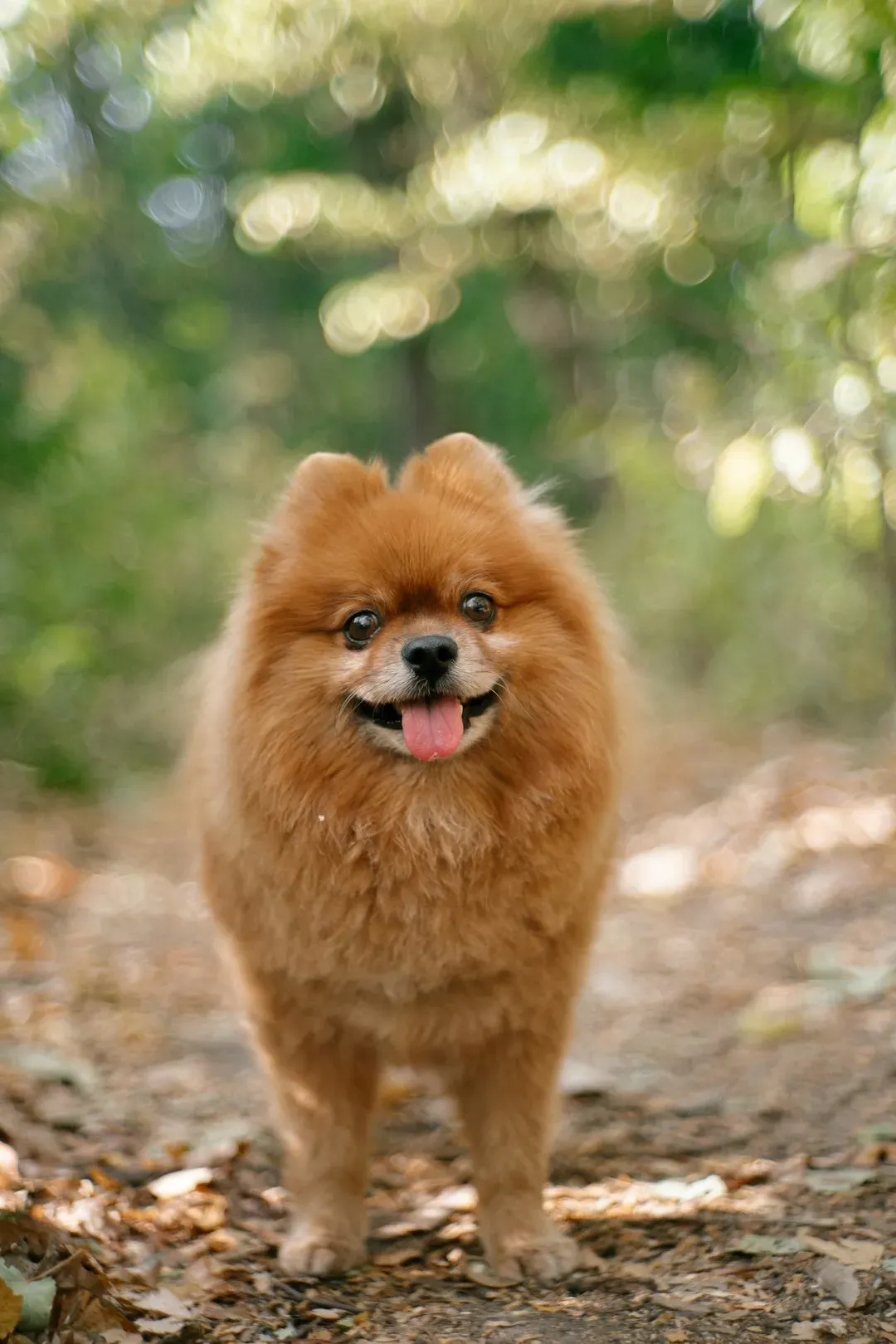
Pomeranians stay tiny throughout life, usually weighing between three and seven pounds. That compact frame makes them easy to carry and ideal for apartments where space feels limited. Their small size also means they fit comfortably on laps during quiet evenings.
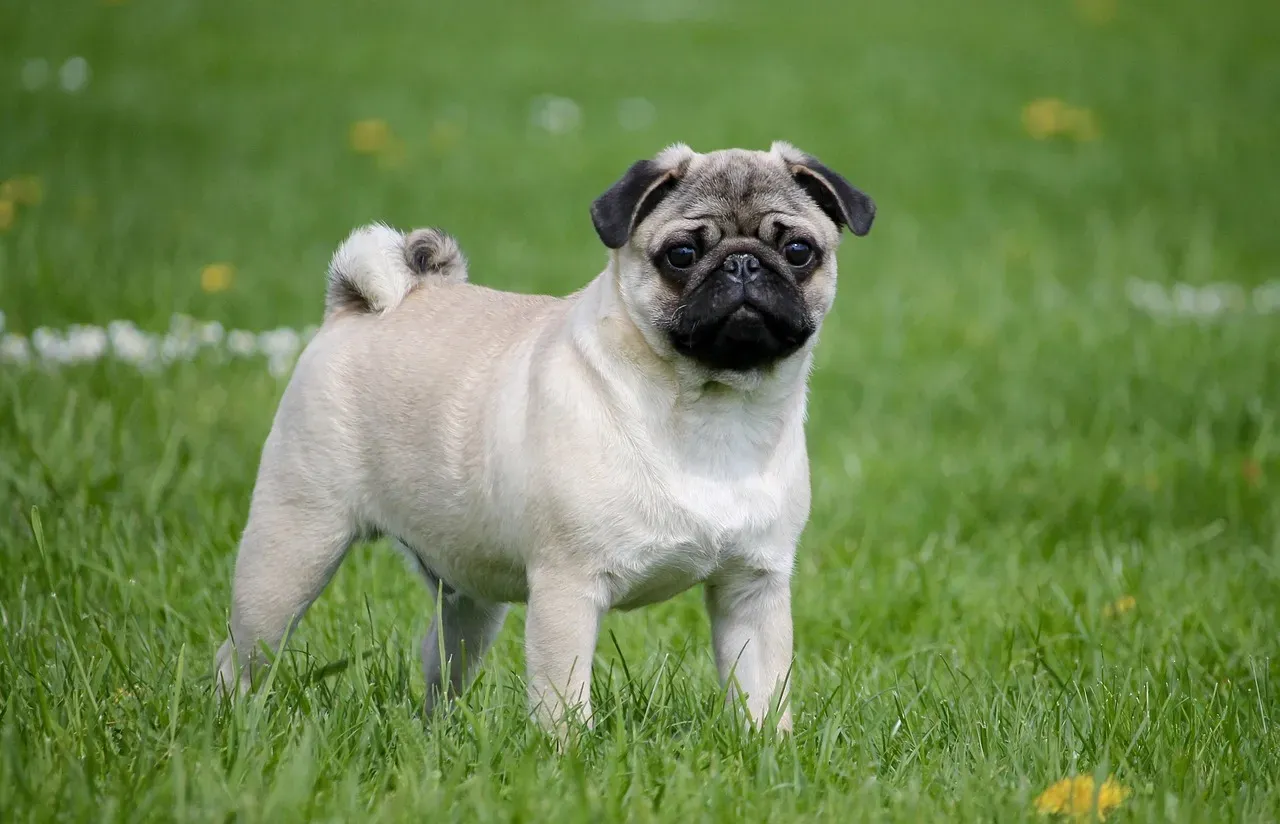
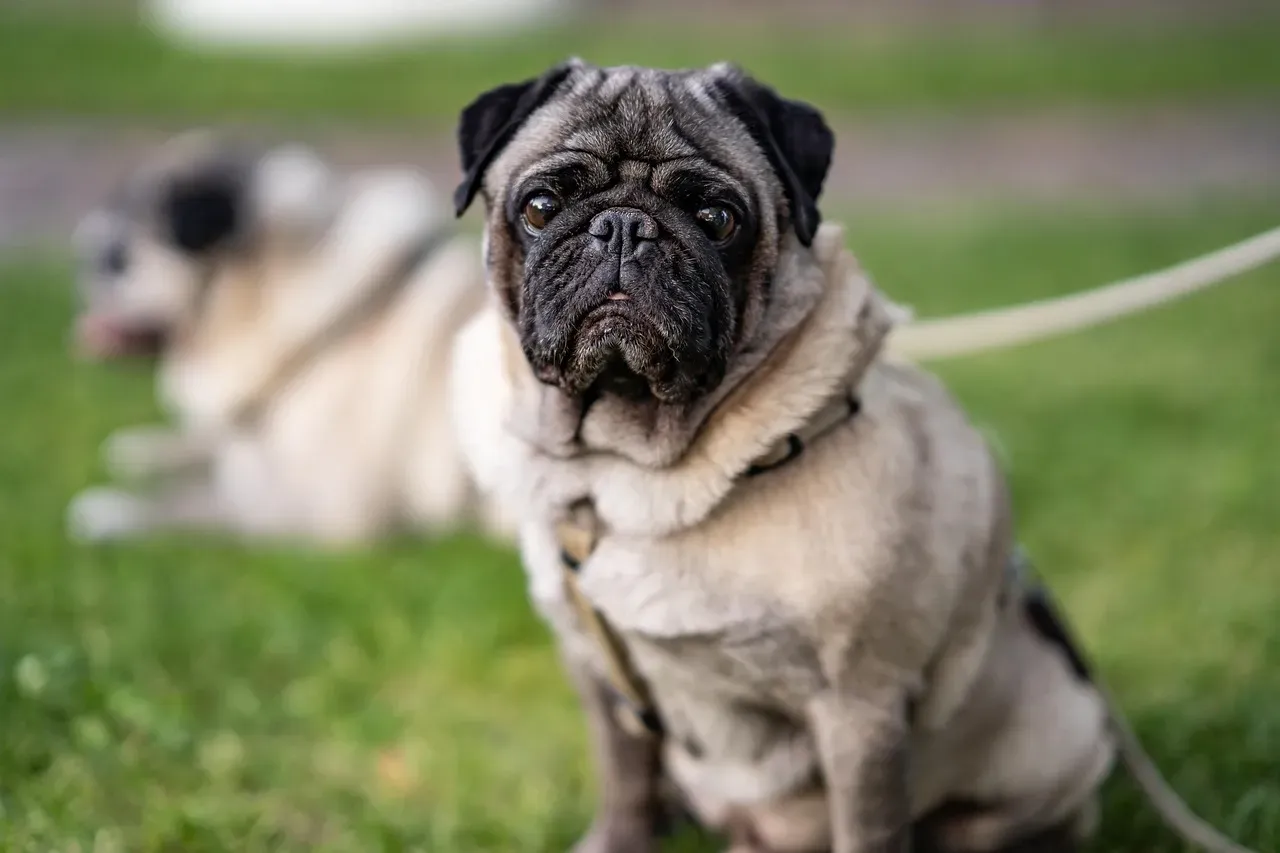
Pugs grow a bit larger, typically reaching fourteen to eighteen pounds. They still count as small dogs but offer a sturdier presence that some owners prefer for gentle play. Both breeds suit compact living, though the pug may feel more substantial when curled beside you on the couch.
Daily Exercise Needs
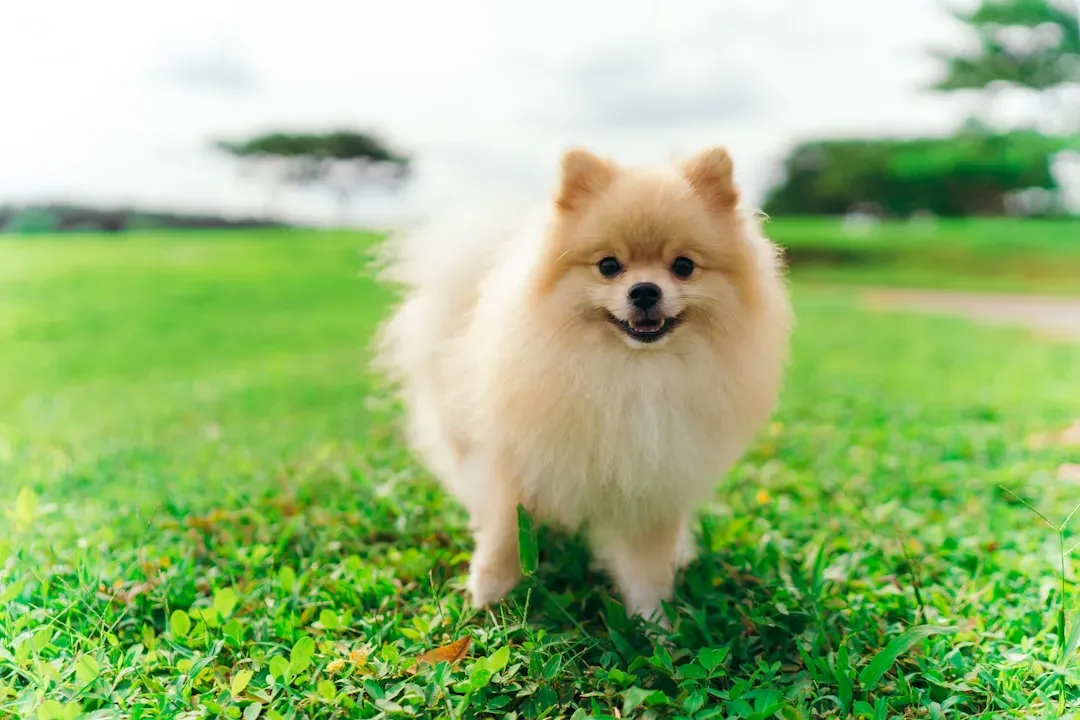
Pomeranians carry surprising energy for their size and enjoy short bursts of activity like quick walks or indoor games. They often stay content with twenty to thirty minutes of movement each day, which helps prevent boredom without overwhelming busy schedules. Owners notice they thrive when given toys that challenge their minds too.
Pugs prefer a slower pace and can tire quickly due to their breathing structure. Gentle strolls around the block usually suffice, and they appreciate time to rest afterward. Both breeds benefit from consistent routines that keep joints healthy and minds engaged without pushing physical limits.
Grooming and Coat Care
Pomeranians wear a thick double coat that requires regular brushing to avoid mats and keep shedding under control. Weekly sessions with a slicker brush help maintain that fluffy look, while occasional baths keep skin comfortable. Professional grooming every few months often becomes part of the schedule.
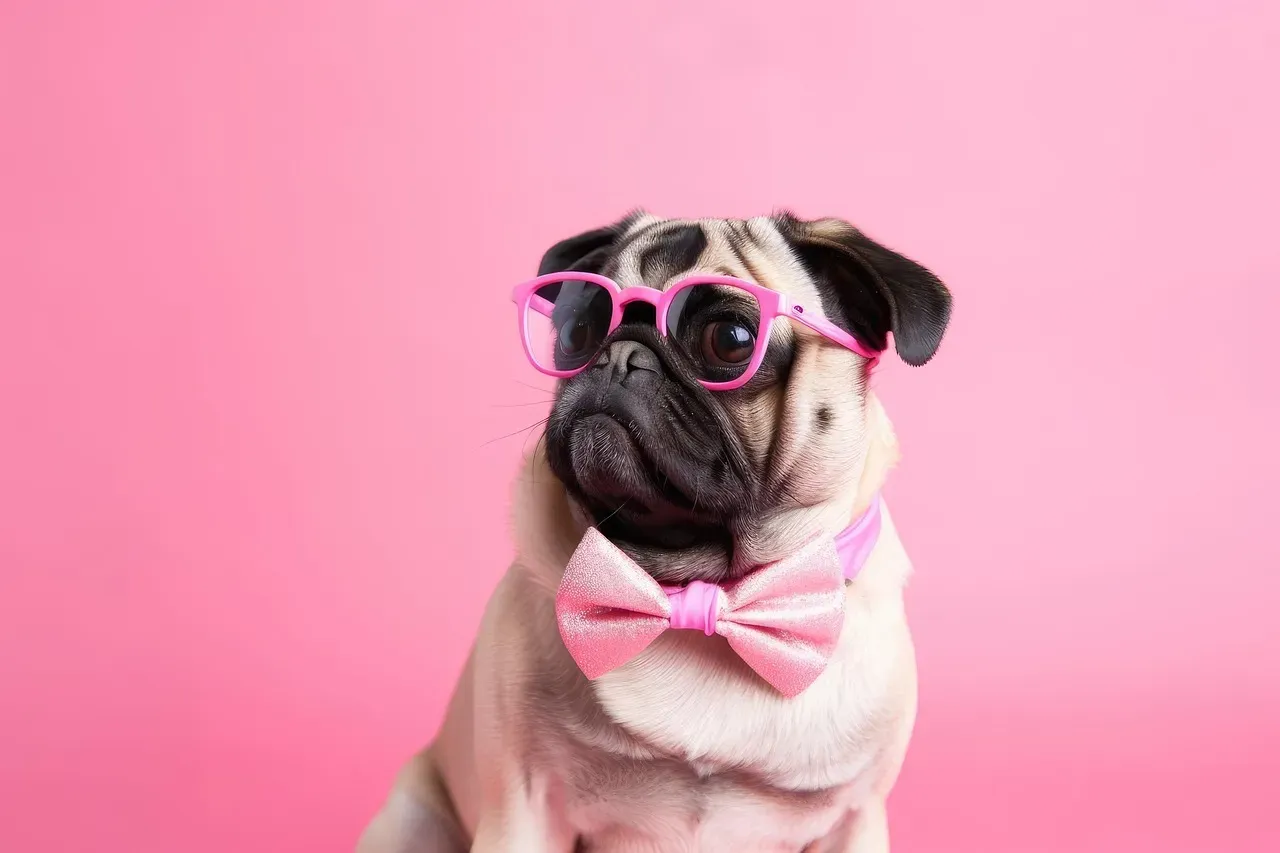
Pugs have short, smooth coats that need far less attention, usually just a quick wipe with a damp cloth. Their facial wrinkles demand daily cleaning to prevent irritation or infection. Owners find this simple habit builds a nice bonding moment each morning.
Personality Traits
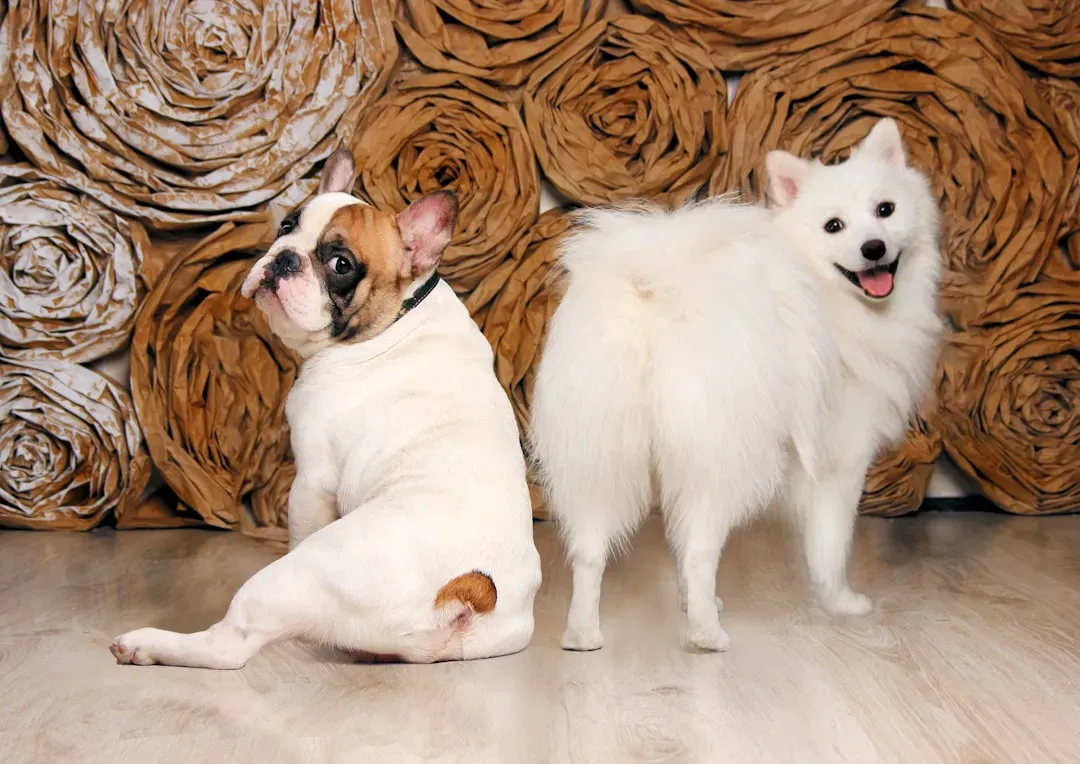
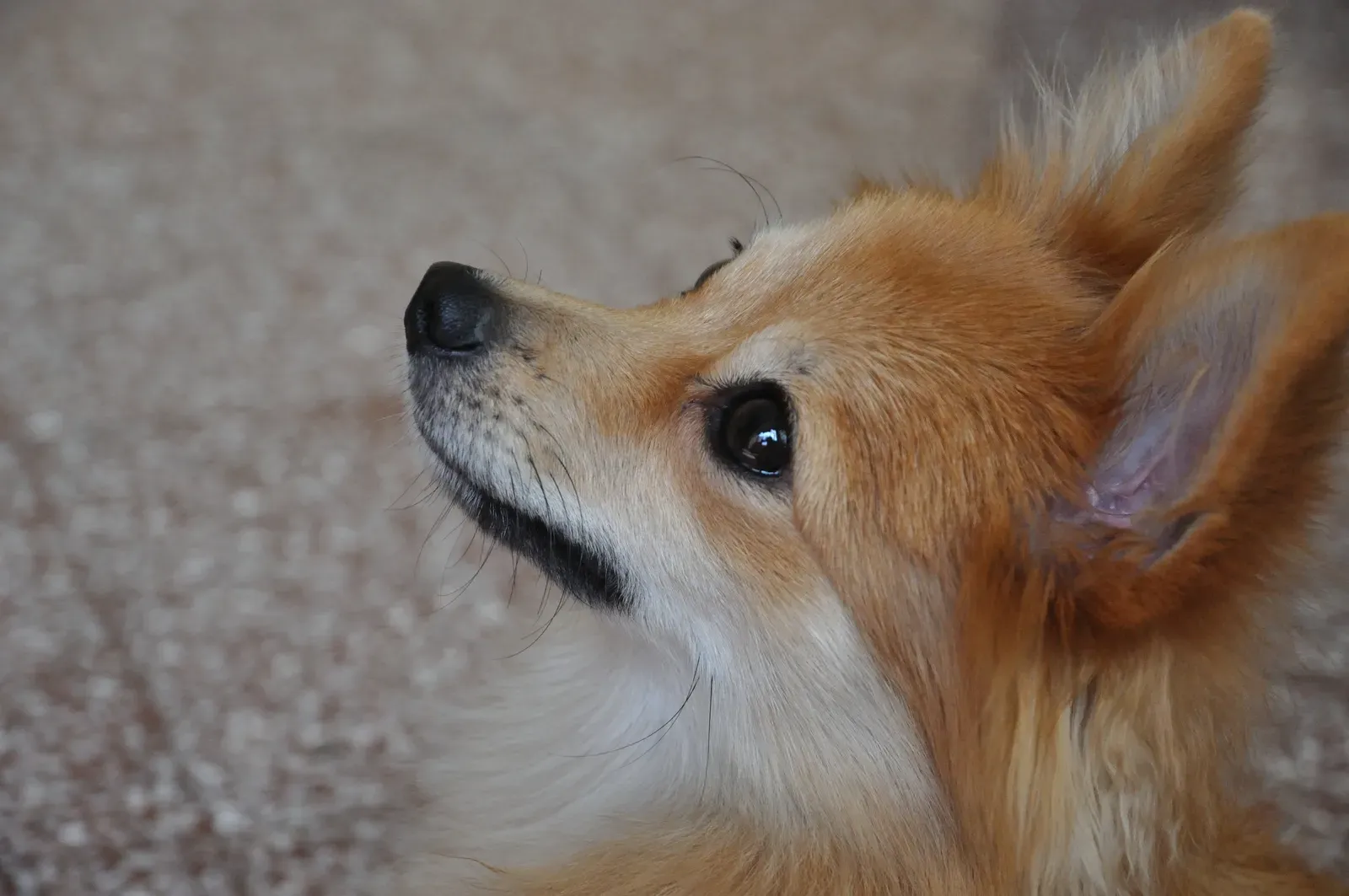
Pomeranians tend to be alert and vocal, often announcing visitors with enthusiastic barks. They form strong bonds with their people and can show a confident streak that makes them feel like little guardians. Many owners describe them as curious companions who enjoy watching household activity.
Pugs lean toward affectionate and laid back, often seeking closeness and offering quiet companionship. Their expressive faces make emotions easy to read, and they usually get along well with calm environments. Both breeds reward consistent attention with loyal hearts.
Common Health Issues
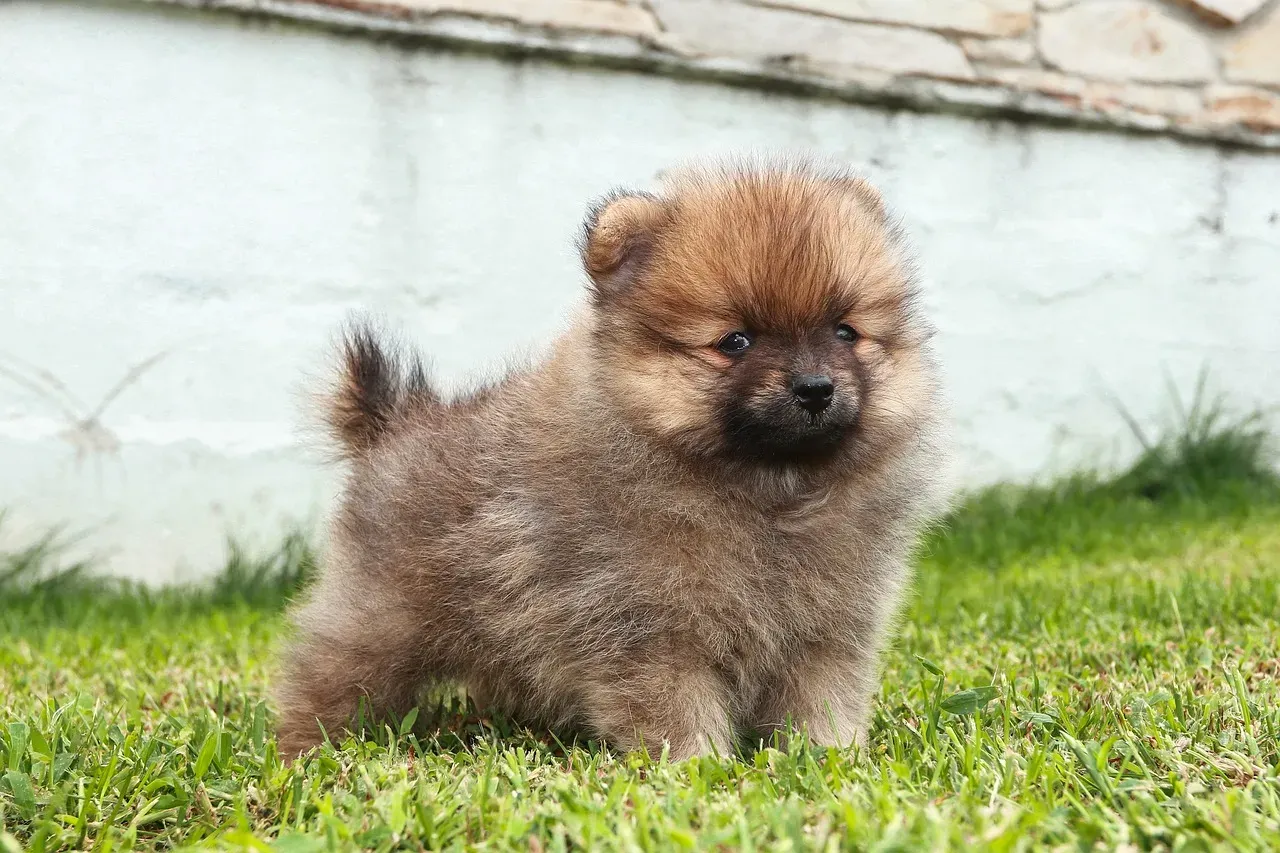
Pomeranians can face dental problems and luxating patella, so regular vet checks help catch issues early. Keeping teeth clean through daily brushing or dental treats supports long term comfort. Owners stay proactive with weight management to ease joint strain.
Pugs often deal with brachycephalic airway challenges that affect breathing, especially in heat or during excitement. Eye conditions and skin fold infections also appear more frequently. Routine monitoring and avoiding extreme temperatures keep most pugs comfortable throughout their years.
Training Challenges
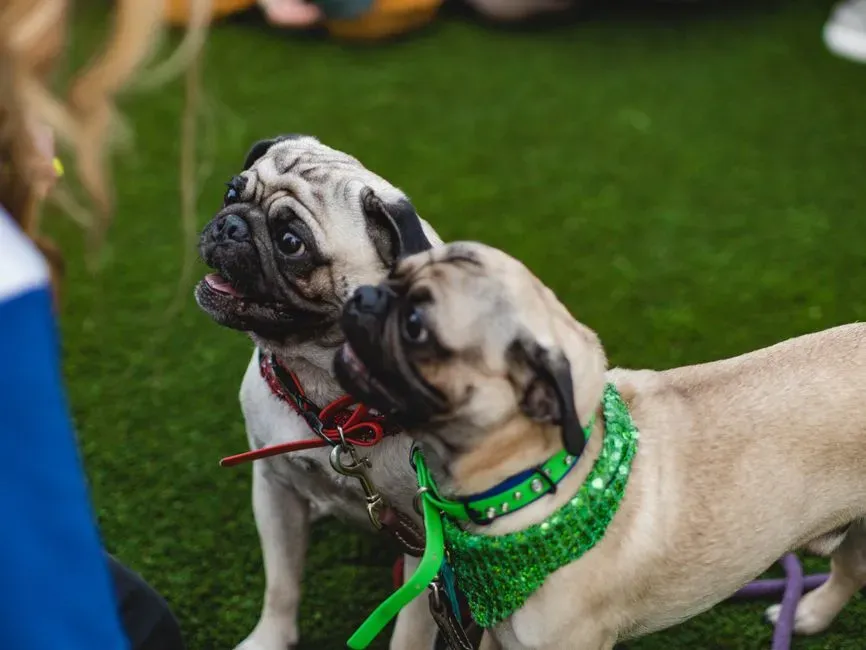
Pomeranians learn quickly yet can show stubborn moments that call for patience and positive reinforcement. Short, upbeat sessions work best to hold their focus. Many respond well to clicker training that turns lessons into games.
Pugs enjoy pleasing their families but sometimes struggle with focus during longer sessions. Food motivated methods tend to bring steady progress. Both breeds benefit from early socialization that builds confidence and reduces unwanted behaviors over time.
Suitability for Families
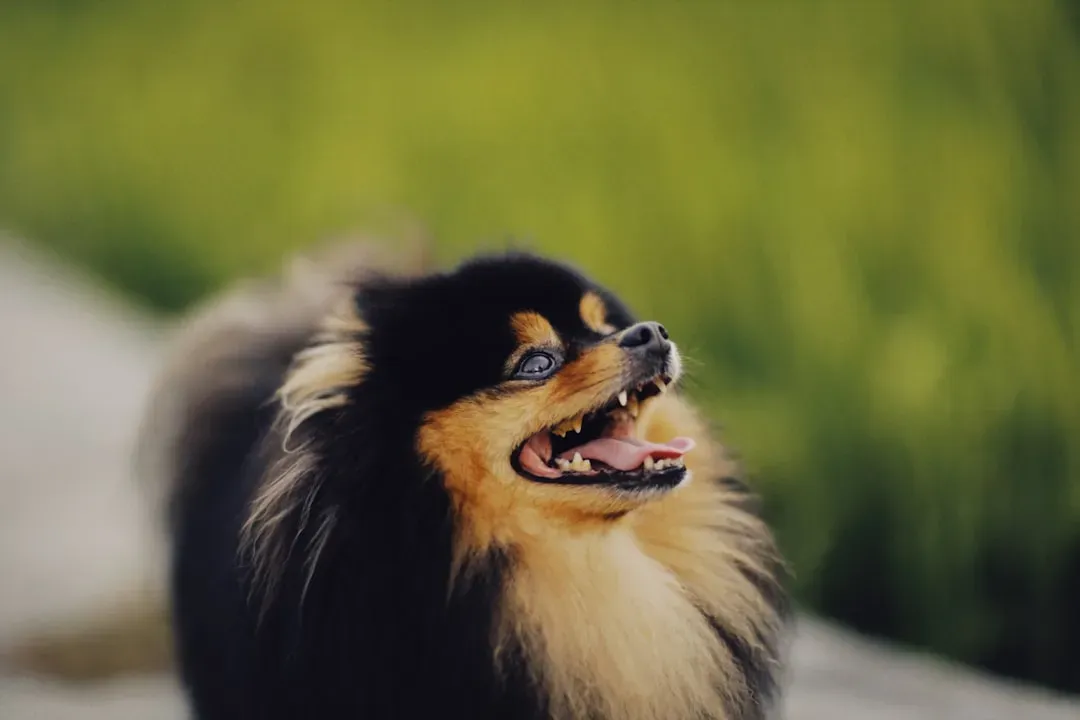
Pomeranians often do well with older children who understand gentle handling. Their small size requires supervision around toddlers to prevent accidental injury. Families appreciate their playful nature when boundaries stay clear.
Pugs usually adapt smoothly to households with kids of various ages and show patience during interactions. Their sturdy build offers a bit more forgiveness during play. Both breeds thrive when introduced thoughtfully and given their own quiet space to retreat.
Lifespan Expectations
Pomeranians commonly live twelve to sixteen years with good care. Regular dental care and weight control contribute to those extra years. Owners often celebrate many milestones together.
Pugs typically reach twelve to fifteen years, though breathing concerns can influence quality of life. Consistent veterinary visits help manage breed specific risks. Both dogs reward thoughtful ownership with long, meaningful companionship.
Budget Considerations
Pomeranians may involve higher grooming costs over time due to their coat needs. Initial purchase prices vary widely depending on lineage and location. Ongoing expenses include quality food and preventive health care.
Pugs often require attention to breathing related vet visits, which can add up. Their simpler grooming keeps some costs lower. Planning ahead for both breeds helps avoid surprises and supports steady well being.
Adoption or Purchase Options
Rescue organizations sometimes have adult Pomeranians available, which lets owners skip the puppy stage. Reputable breeders focus on health testing and early socialization. Meeting parents and reviewing records builds confidence in the choice.
Pug rescues frequently place dogs that need loving homes after various circumstances. Breed clubs can connect families with ethical sources. Taking time to research ensures the new dog starts life on solid footing.
Final Thoughts
Both Pomeranians and Pugs bring distinct joys that match different lifestyles. The decision often rests on which set of traits feels most natural in your daily rhythm. Thoughtful preparation leads to years of shared moments that feel just right.


