
Most people assume a clingy dog is just needy. Nothing to think twice about – some dogs just like being underfoot.
But that assumption misses something wilder: for centuries, certain breeds were deliberately engineered to shadow humans through illness, war, grief, and isolation. Not as pets. As a job. Some were bred to sleep on top of a person’s chest, quite literally keeping watch over a heartbeat through the night. These dogs weren’t shaped to fetch a ball or look pretty in photos – they were shaped to stay exactly where a human was weakest, often at real risk to themselves.
That instinct never left. It just changed uniforms – from battlefield and fishing boat to hospital bed and living room floor. Here’s what the history, the genetics, and the behavior actually reveal about seven breeds that were built, on purpose, to never walk away.
#7 – Great Pyrenees: The Silent Night Watcher
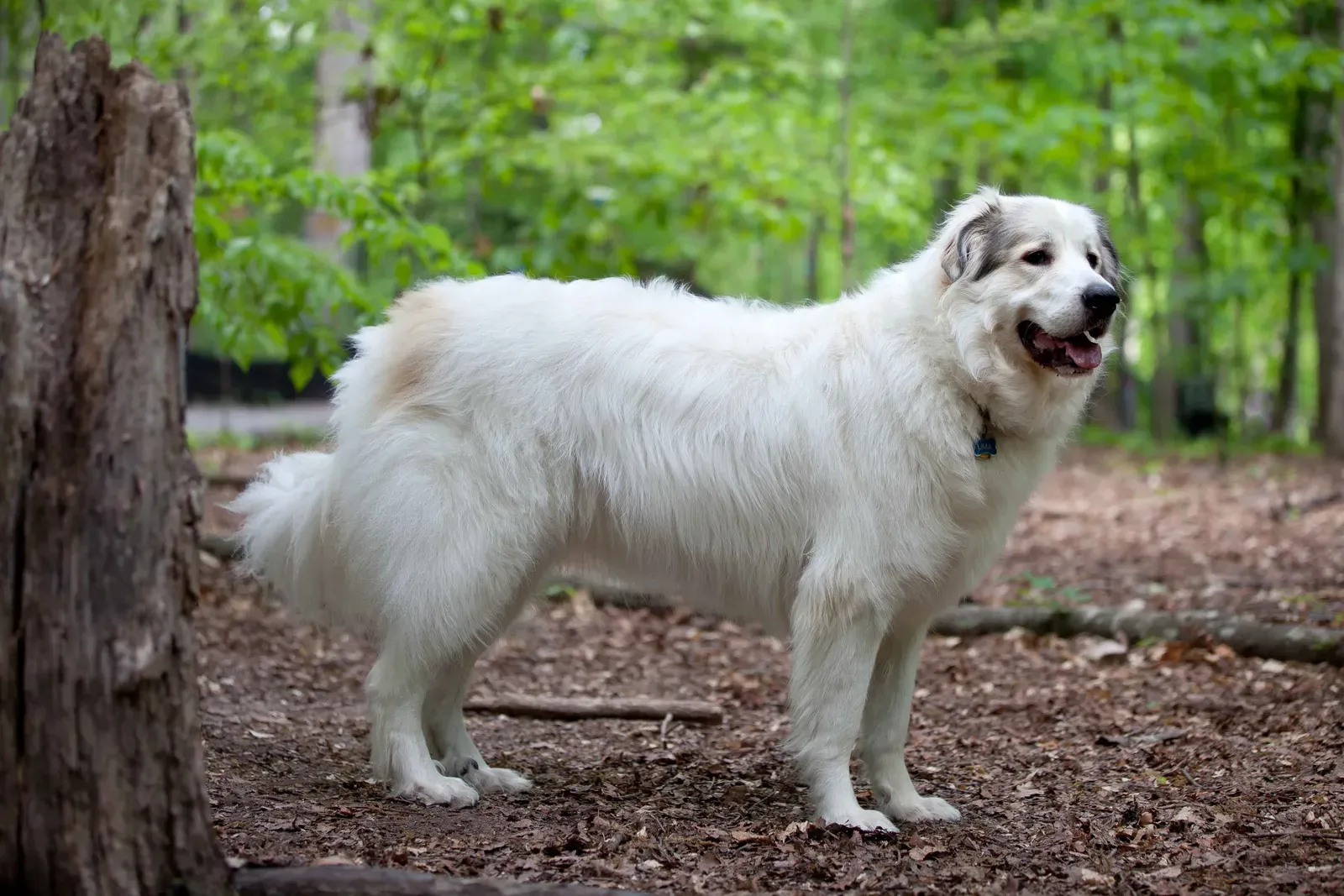
The Great Pyrenees looks like a walking cloud, all fluff and sleepy eyes. But it was originally built as a lifesaving bodyguard for shepherds stranded in the freezing mountains between France and Spain.
Fast Facts
- Origin: the Pyrenees Mountains along the France-Spain border, guarding flocks for centuries
- Classified as a livestock guardian dog – built to protect, not to herd
- Males typically weigh over 100 pounds; females usually run smaller
- AKC group: Working Group
- Naturally more alert and active at night than during the day
While most people only know them as oversized couch potatoes, they were created to stay awake while humans slept, silently patrolling for wolves and thieves in total darkness. Their job wasn’t just guarding sheep. It was standing between danger and a sleeping, defenseless person until the sun came up.
That’s why modern Pyrs often plant themselves between you and the bedroom door, or flatly refuse to sleep anywhere but your room. They are wired to position themselves wherever they can intercept a threat first.
Owners frequently describe their Pyr quietly trailing a sick child from room to room, lying beside the bed like a white shadow that never quite leaves. These dogs seem unusually tuned in to nighttime vulnerability, reacting to strange sounds or distressed crying faster than almost any other breed on this list.
#6 – Cavalier King Charles Spaniel: The Royal Heart Healer
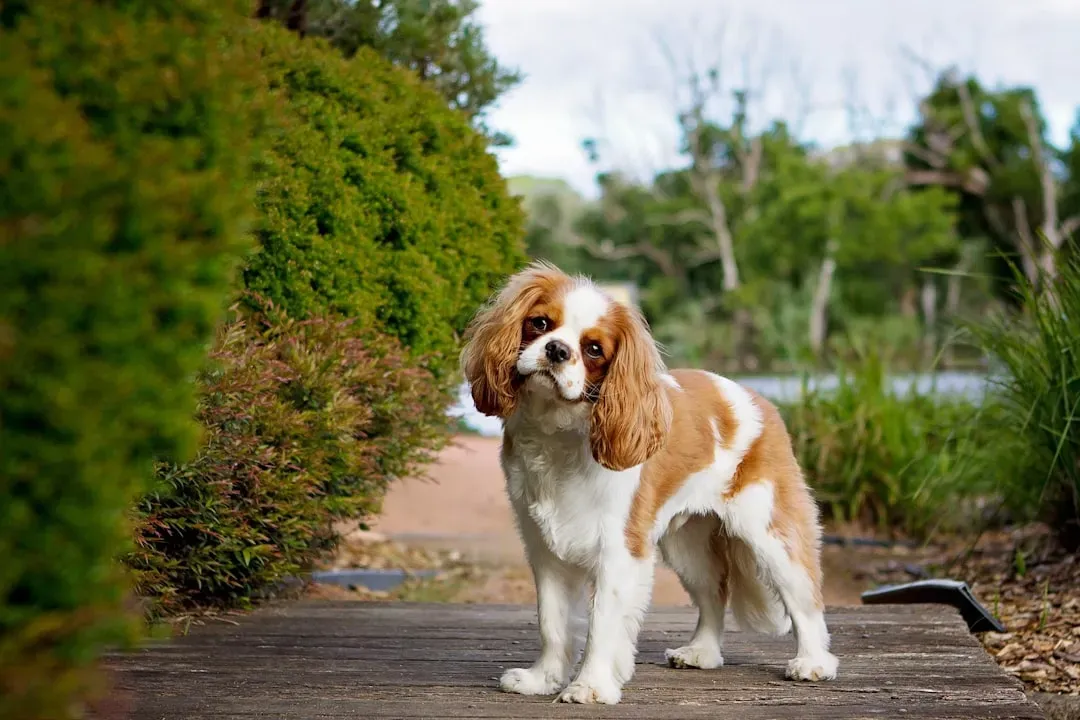
Most people see Cavaliers as cute lap dogs and stop there. But they were literally bred as living antidepressants for royalty.
In 17th- and 18th-century Europe, these gentle spaniels were kept in bedrooms and sitting rooms to calm anxious nobles through insomnia, grief, and political turmoil. Their entire purpose was to stay draped across a lap or chest for hours, offering warmth and steady presence when their humans were quietly falling apart.
That’s why modern Cavaliers are almost unnervingly clingy, in the sweetest way possible. They tend to fixate on one or two primary humans like glue, and they actively seek out whoever in the house is crying, sick, or recovering.
Owners often report their Cavalier refusing to leave the bed of someone with the flu or fresh out of surgery, only going outside when physically carried. Trainers have nicknamed them “emotional Velcro” because they read micro-shifts in mood and answer with cuddles, eye contact, and soft stillness. If you’re hoping for an independent dog, this is not your breed.
#5 – Labrador Retriever: The Modern Medical Shadow
The Labrador Retriever gets sold as America’s favorite family dog, but its deeper story is about staying close during real physical danger. Originally developed in Newfoundland and refined in Britain, Labs worked beside fishermen and hunters, leaping into icy water to haul in nets and retrieve downed game.
Quick Compare
- Then: hauling nets and retrieving fish alongside fishermen in freezing Atlantic waters
- Then: retrieving downed game on land and water after being refined in England
- Now: leading breed for guide, mobility, and medical alert service work
- Constant thread: staying in near-constant physical contact with one handler
They had to stay glued to their handler’s side in brutal conditions, reading hand signals and body language when one mistake meant drowning or hypothermia. That same laser focus is exactly why Labs are now the most common breed used for guide, mobility, and medical alert work.
They’re trained to walk in constant physical contact with visually impaired handlers, and to alert or even physically brace against someone during a seizure, a blood sugar crash, or a panic attack. What looks like clinginess is actually genetic programming to monitor tiny changes in movement, scent, and breathing.
Many diabetics and people living with epilepsy credit their Labs with saving their lives in the middle of the night. While most breeds sleep straight through an emergency, Labs are bred to check, nudge, and wake.
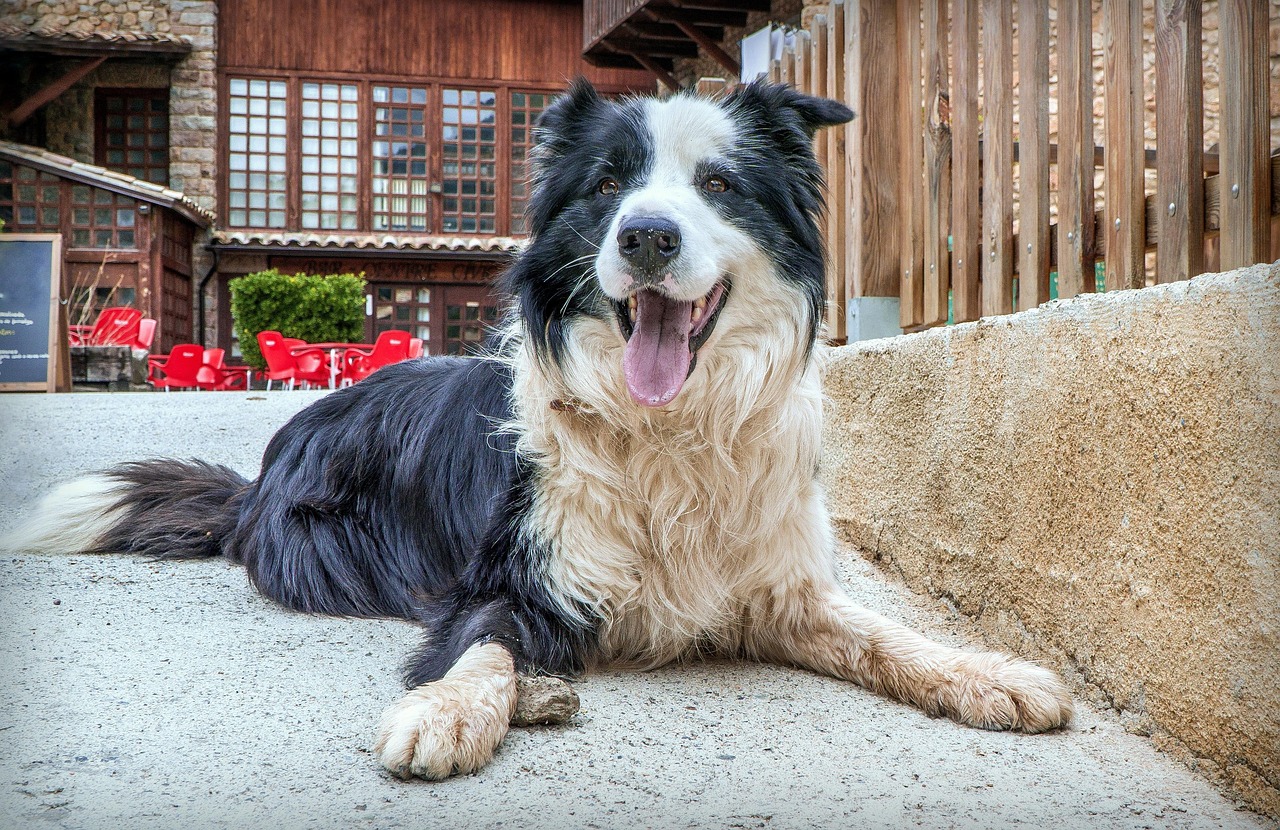
#4 – Border Collie: The Hyper-Vigilant Guardian of Emotions
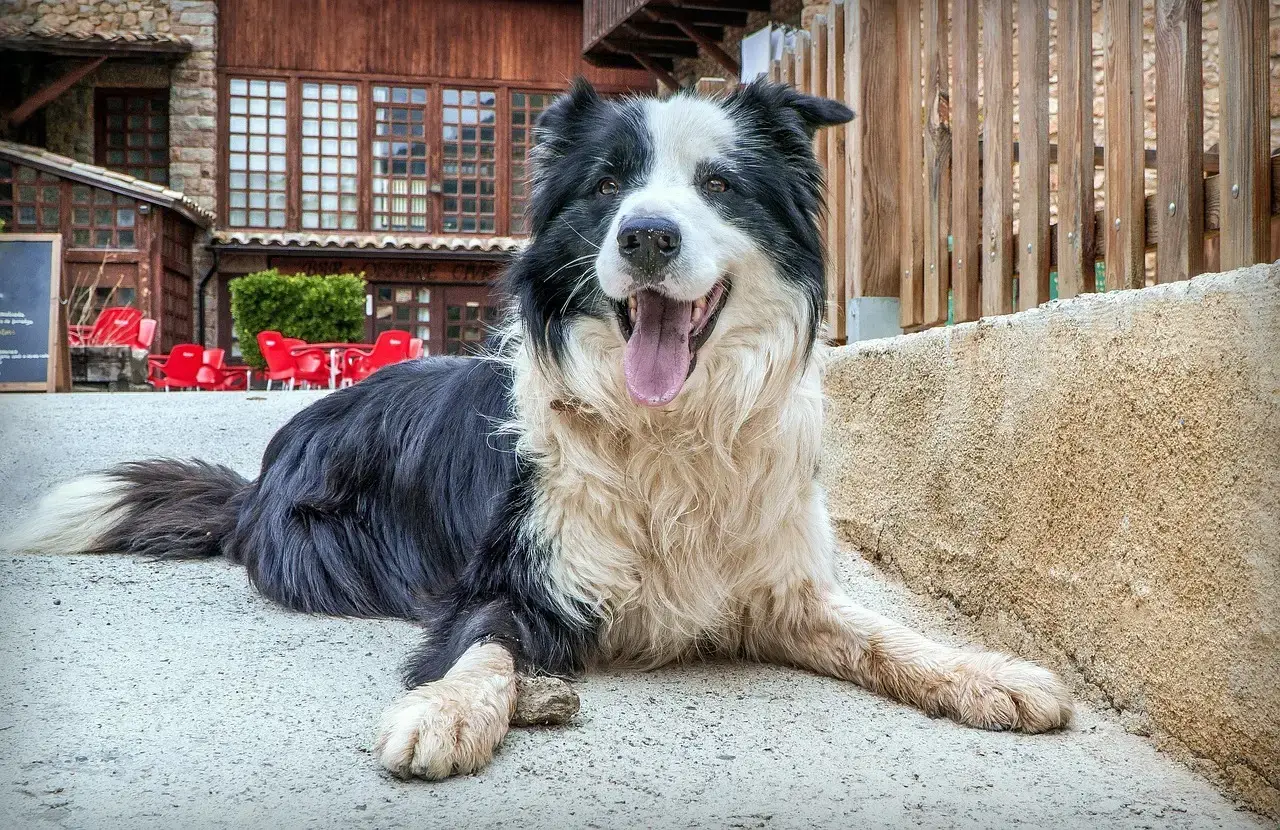
Border Collies are usually marketed as workaholic farm dogs, and that’s true – but almost nobody mentions how that same intensity locks onto human vulnerability. Bred along the English-Scottish border to manage huge, scattered flocks under pressure, these dogs had to read a shepherd’s slightest gesture or whistle instantly, from a distance, in bad weather.
That kind of pressure turned them into experts at noticing the tiniest shift in a person’s body language, including stress, fear, or pain. In a household, that shows up as a dog that follows an anxious human from room to room, watching every movement, and interrupts crying or arguments with toys, nudges, or full-blown herding behavior.
Some owners find this overwhelming, and trainers warn that a bored, under-stimulated Border Collie can spiral into obsessive habits. But farmers and therapists quietly admit something most people never realize: when a human collapses, breaks down, or gets hurt, these dogs are often the first to notice and the last to leave their side.
Their vigilance can feel like a lot. It’s the exact same trait that once kept isolated shepherds safe on empty hillsides with no one else around for miles.
#3 – Newfoundland: The Drowning-Proof Bodyguard
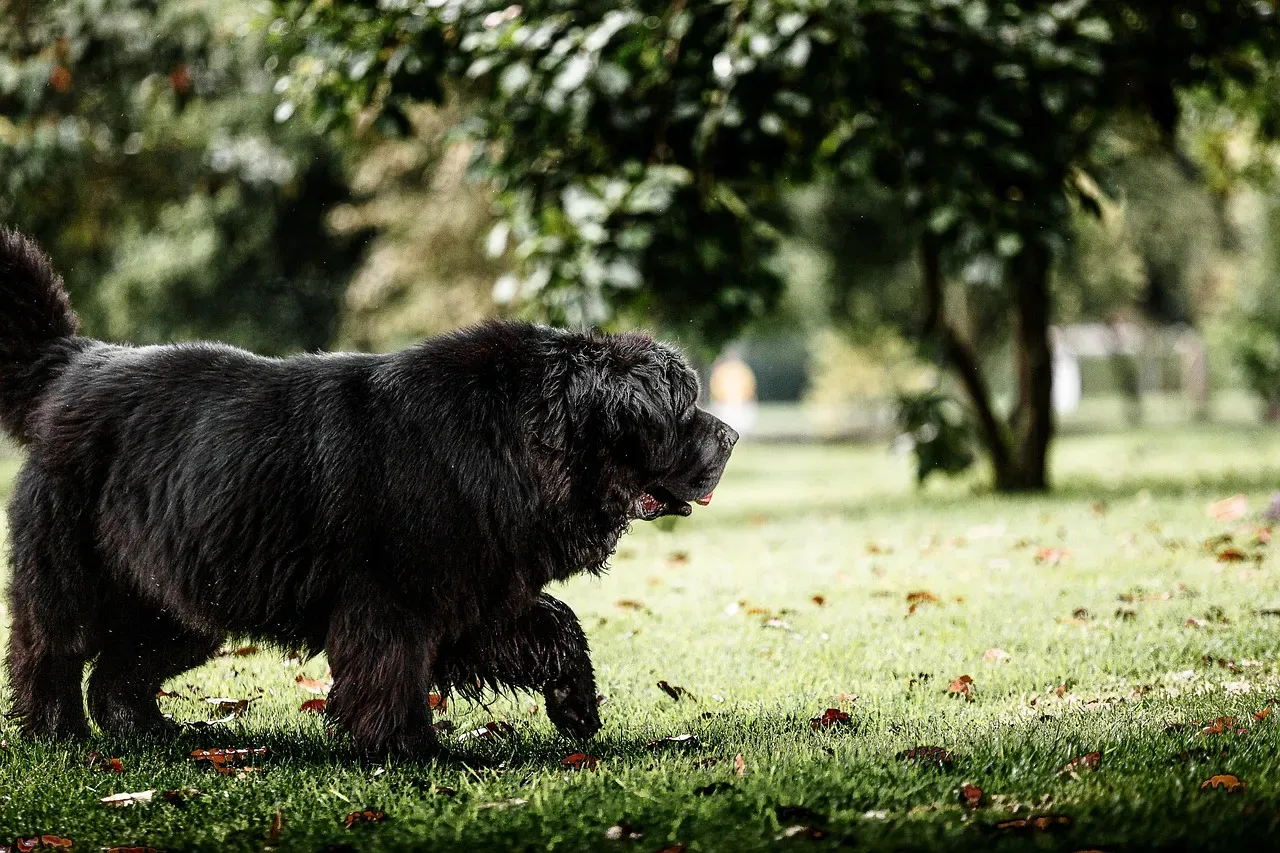
If one breed on this list was engineered to physically refuse to abandon a human in mortal danger, it’s the Newfoundland. Working the harsh North Atlantic, these dogs served on fishing boats and in coastal villages, jumping into violent, freezing seas to drag shipwreck victims and fallen fishermen back to shore.
Why It Stands Out
- Webbed feet built for powerful, sustained swimming
- A thick, water-resistant double coat that insulates against frigid Atlantic temperatures
- Exceptional size and strength for towing people over long distances
- A calm, steady swimming style that lets them work without panicking
Many were bred specifically for water rescue, trained to grab clothing or limbs and tow unconscious bodies for shocking distances through open water. That history hasn’t faded – it just shows up in stranger, quieter ways now.
Owners regularly report their Newfoundland refusing to let children swim too far, gently towing them back toward shallow water without being asked. Some Newfs will dive in the moment someone splashes a little too realistically, as if genuinely convinced a person is drowning.
They’re massive dogs, but their instinct is to get as physically close as possible when someone is cold, sick, or crying, often dropping their huge head onto a lap or chest and simply refusing to move. In some European countries, Newfoundlands are still used as official water-rescue dogs, precisely because they will not abandon a struggling human. They sleep like giants – until something goes wrong.
#2 – German Shepherd: The War-Zone Shadow
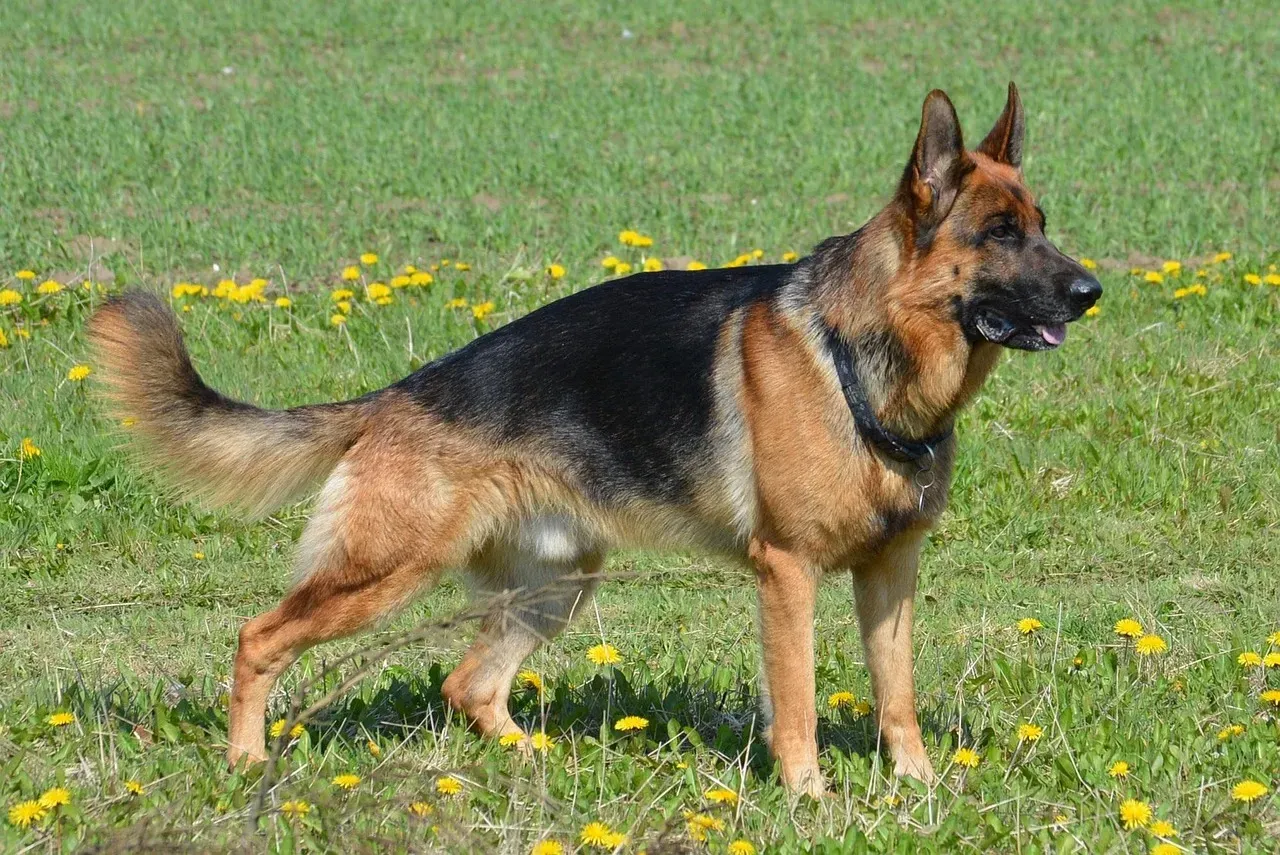
The German Shepherd was never meant to be just a pet. From the late 19th century onward, it was carefully bred as a high-intelligence, high-loyalty dog capable of working directly beside humans in frightening, unstable environments.
At a Glance
- Origin: Germany, late 1800s, developed for herding and guarding flocks
- Later selected heavily for police and military service
- Core trait bred above all others: staying with the handler no matter the chaos
- Common modern roles: PTSD service dogs, police K9 units, and search-and-rescue
It started with herding and guarding flocks, then the breed was selected heavily for police and military service, where one trait mattered above all else: stay with your handler, no matter what chaos is exploding around you. That single requirement built the entire personality of the modern German Shepherd.
It’s why they dominate roles like PTSD support work for veterans, positioning themselves between their person and crowds or exits, and search-and-rescue missions, where they track disaster victims and then refuse to leave their side until human medics arrive. Critics say the breed can be too intense or too protective for a casual household, and honestly, they’re not wrong.
But that intensity is exactly what makes a well-bred, well-trained Shepherd so powerful during a human’s lowest moments. Handlers tell countless stories of their dog refusing to leave during panic attacks, flashbacks, or injuries – even when ordered away.
#1 – Golden Retriever: The Gentle Crisis Companion

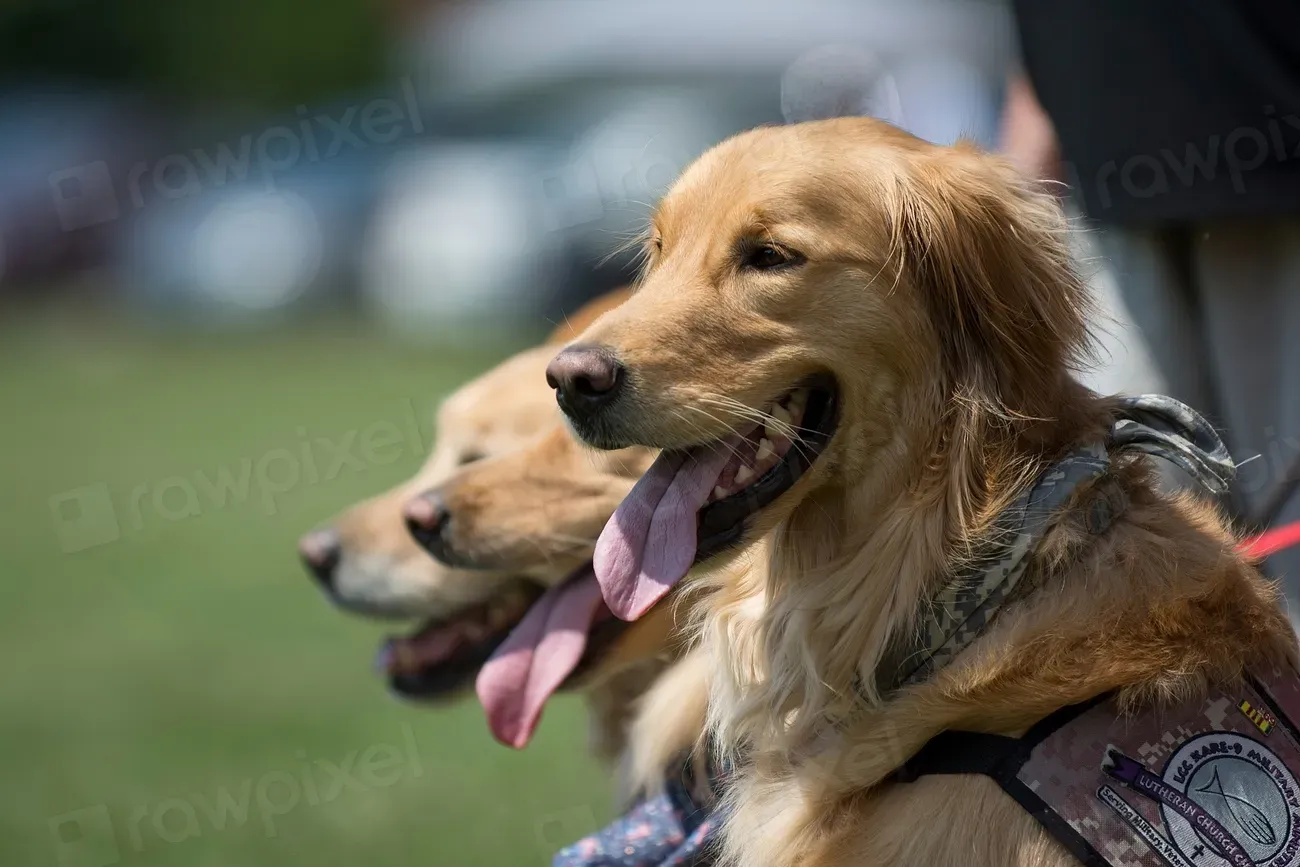
If there’s one breed that was practically designed to sit inside a human’s emotional storm and stay there, it’s the Golden Retriever. Bred in Scotland as a soft-mouthed hunting companion, Goldens had to work quietly, hold eye contact, and stay tuned to their handler’s cues around gunfire, cold water, and exhaustion.
Over generations, breeders leaned hard into their patience, gentleness, and almost uncanny empathy. The result is a dog that doesn’t just tolerate vulnerability – it moves toward it on purpose.
That’s why Golden Retrievers now dominate therapy rooms, children’s hospitals, and crisis-response teams across the country. They’re known for climbing gently onto hospital beds to lie beside patients in pain, and for sitting motionless and calm with grieving or traumatized people for hours at a stretch.
A dog is the only thing on earth that loves you more than he loves himself.
Josh Billings
Many psychiatric service programs specifically choose Goldens because they’re willing to absorb tears, shaking, and even angry outbursts without flinching. Their soft eyes, slow tail wags, and warm, steady bodies work almost like a biological grounding tool. People still call them “just family dogs,” but therapists quietly rank them among the most reliable breeds for staying calm and close when a person is at absolute rock bottom.
The Bottom Line
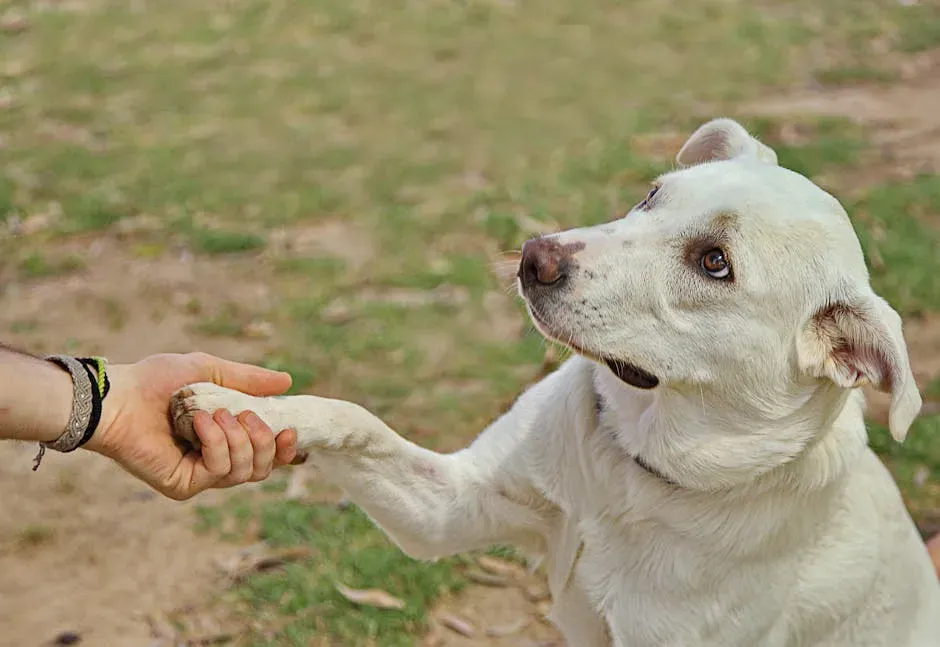
Look past the cute photos and the internet memes, and these seven breeds were shaped by something far heavier than “cuddly companionship.” Great Pyrenees guarded sleeping shepherds in the pitch-black dark. Cavaliers warmed anxious royals through sleepless nights. Labs and Goldens now walk the halls of cancer wards and trauma centers.
Newfoundlands pulled drowning sailors out of freezing water. Border Collies watched over isolated shepherds with no one else for miles. German Shepherds learned to stand firm in war zones instead of fleeing like every survival instinct would tell them to.
Their clinginess isn’t an accident or a training flaw. It’s the residue of generations of humans demanding one specific thing from a dog: don’t walk away when things get scary, painful, or unbearably sad.
If you live with one of these shadow-like breeds, you’re not imagining the way they linger at your worst moments. They really were built for exactly that. Did we miss a breed that never leaves your side in tough times? Drop your story in the comments.


