
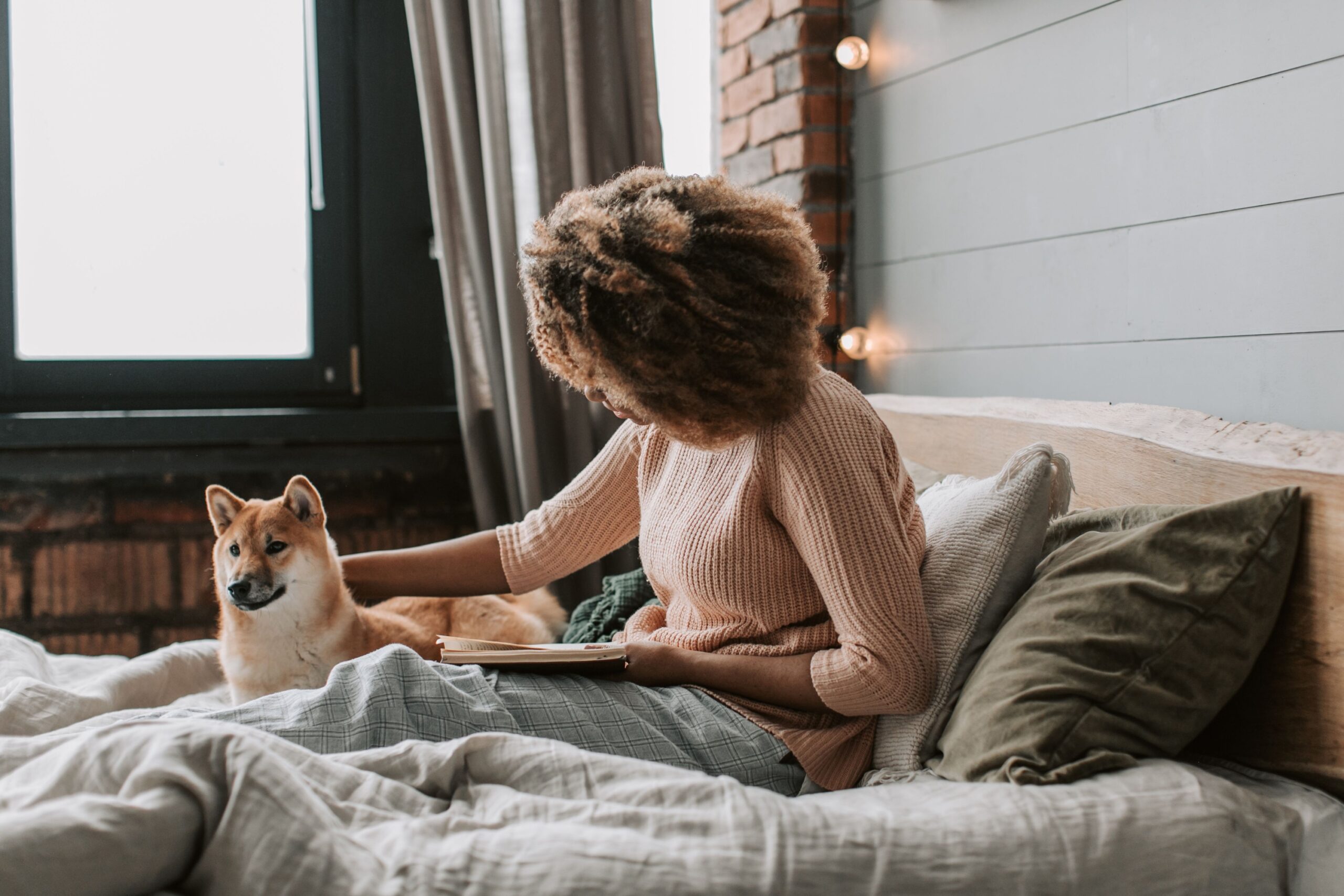
You spend half your day feeling guilty. Rushed walk, snapped tone, phone glued to your hand while your dog stares at you like you hung the moon anyway. Here’s the twist nobody tells you: your dog isn’t keeping score. Science suggests dogs live so deeply in the present moment that they let go of your worst daily habits almost as fast as you commit them.
This isn’t a feel-good exaggeration. Behaviorists see the same pattern over and over: dogs absorb our rushed mornings, our mixed signals, our distracted evenings, and still meet us at the door like we’re the main event. Here are the 12 things your dog quietly forgives you for, every single day, without ever asking for an apology.
#1 – Rushing Their Walk (and Skipping the Sniffs)
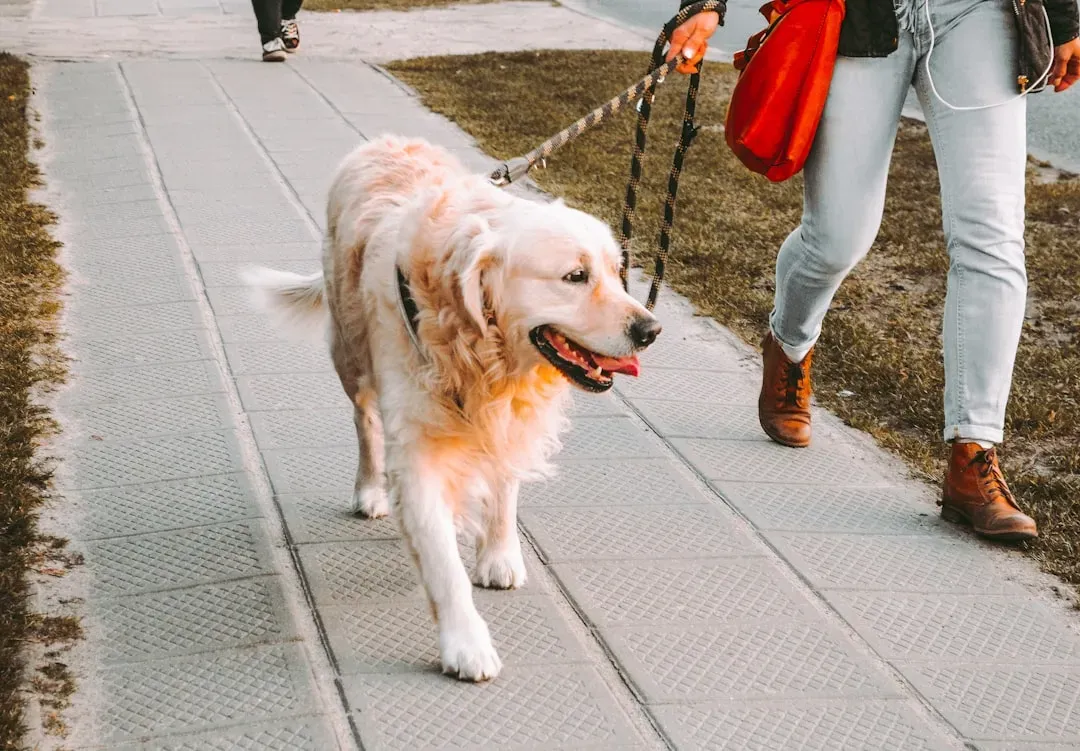
Your dog doesn’t walk just to “get it over with.” For them, a walk is like scrolling the whole neighborhood’s newsfeed. Every lamppost is a headline, every bush is a comment thread worth reading twice.
When you drag them along or cut the walk short, you’re basically yanking the phone out of their hands mid-scroll. They lose the chance to gather information and mentally decompress, which matters just as much as the exercise itself. And yet the second you pick up the leash again later, they’re all in. No grudge, no side-eye. Just a full-body wag that says the short walk from this morning never happened.
#2 – Being Glued to Your Phone Instead of Them

You know those moments when your dog drops a toy in your lap and you half-heartedly toss it while doom-scrolling? From a dog’s perspective, that glowing rectangle steals your attention more completely than any squirrel ever could.
Dogs are wired to read your eyes and face, so when you’re locked on a screen, they lose access to half your communication with them. It’s like trying to talk to someone wearing sunglasses and headphones. Still, most dogs don’t quit trying. They’ll nudge your hand, lean on your leg, or curl up quietly beside you, forgiving the distraction in exchange for just being close.
Worth Knowing
- Dogs tend to hold eye contact with humans far more than their wolf ancestors ever did, a shift linked to domestication.
- Mutual gazing between dogs and their owners has been associated with a bonding hormone response in both species.
- Facial expression, not vocabulary, is often a dog’s primary way of reading whether you’re happy, stressed, or distracted.
#3 – Using an Annoyed Tone They Don’t Really Understand
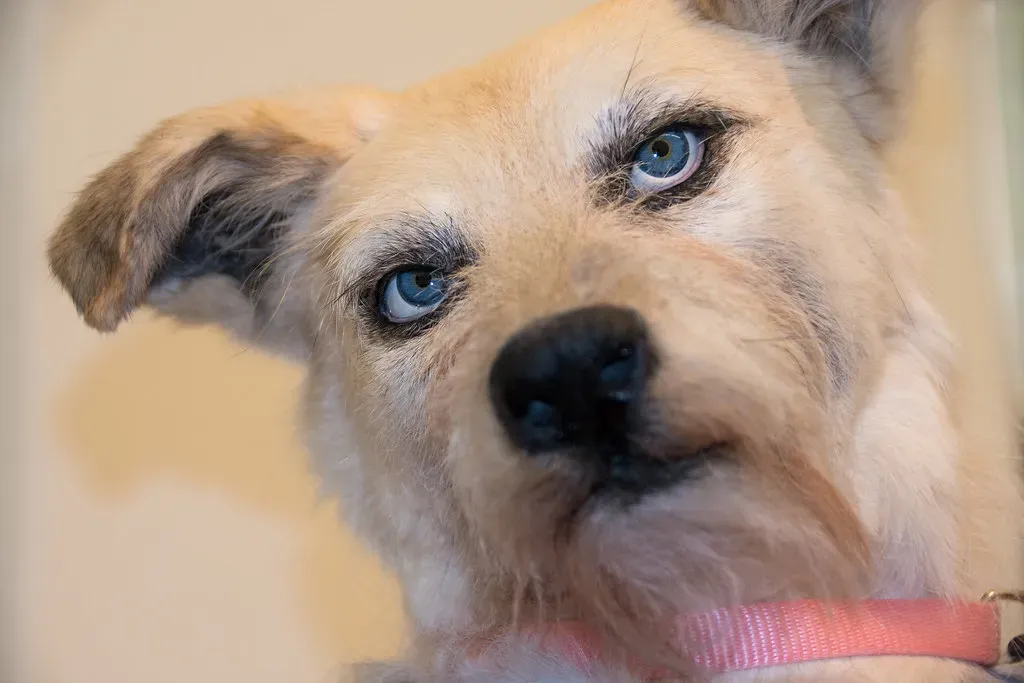
You come home tired, step on a squeaky toy, and snap, “Can you NOT?!” Your dog freezes, ears back, tail low. They didn’t do anything wrong in their own mind, and now their favorite person has turned into a thundercloud.
Dogs latch onto tone and body language far more than actual words, so your frustration feels like unpredictable weather to them. But in a healthy bond, they rebound fast. A few minutes later you sit down, exhale, and scratch their ears without thinking, and they melt back into you like nothing happened. Their brains move on quicker than ours ever do.
#4 – Leaving Them Alone Longer Than You Planned

You meant to be gone an hour. It turned into five. For a social animal, hours alone can feel like an entire emotional season stretched out with no explanation.
Studies suggest many dogs experience real stress hormone spikes when left solo too long, especially without a predictable routine. They don’t understand traffic or overtime, they just know the house went quiet and the door didn’t open. Yet the moment you walk back in, you get zoomies, wiggles, and happy whines. Every late arrival could be a reason to sulk, and your dog chooses reunion over resentment anyway.
Fast Facts
- Separation-related distress is one of the most frequently reported behavior concerns among pet dogs.
- Elevated stress hormones have been observed in dogs left alone for long, unpredictable stretches.
- A consistent daily routine often eases anxiety more than the actual number of hours alone.
#5 – Inconsistent Rules That Keep Changing
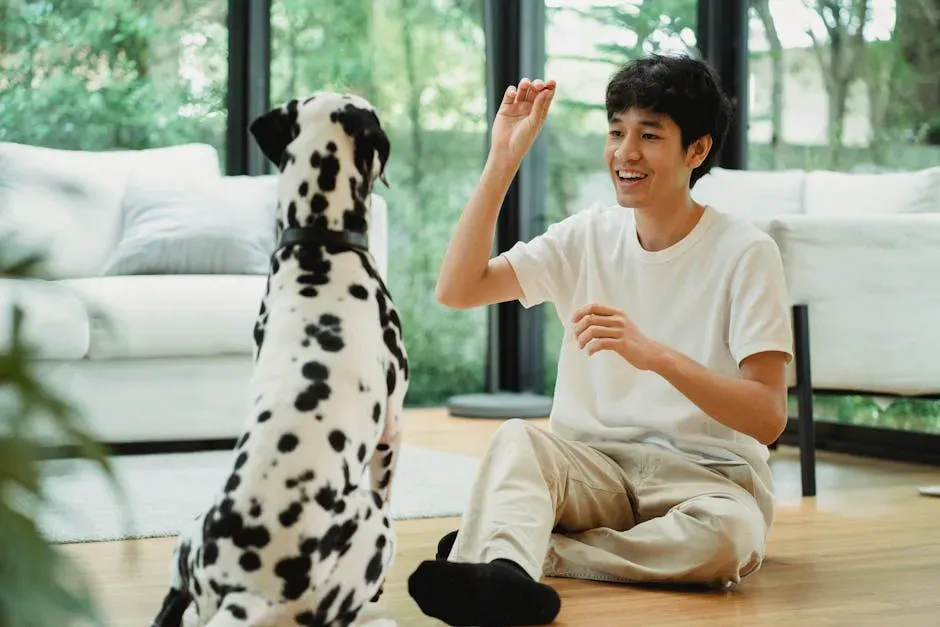
One week, no dogs on the couch. Next week, “okay, but only sometimes.” Then guests come over and you scold them for jumping up where they were allowed yesterday.
Inconsistency is genuinely confusing for a dog’s learning brain, muddying their ability to connect behavior with consequences. Imagine traffic lights that randomly swap meanings, that’s what shifting house rules feel like from their side. Still, dogs keep re-trying behaviors to figure out the new normal instead of sulking in the corner. They watch, they adjust, and they forgive every mixed message along the way.
#6 – Forgetting Their Mental Workout
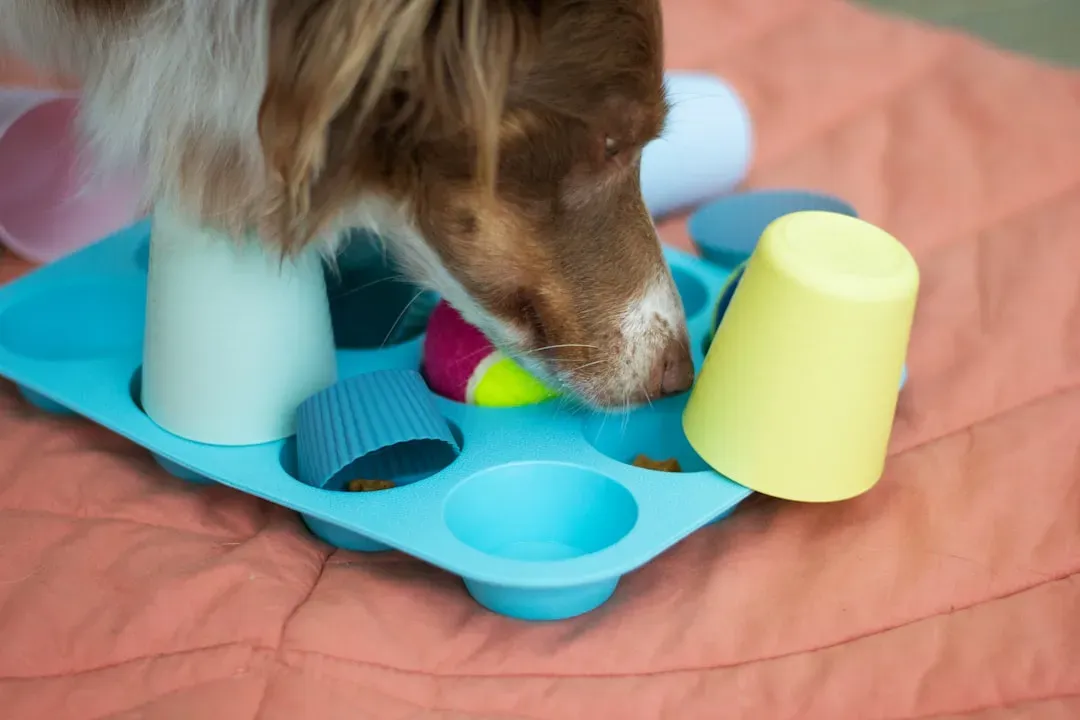
People obsess over steps, miles, and dog park trips, but drastically underrate the brain workout. Most dogs are under-stimulated mentally, not just under-exercised physically, and boredom quietly fuels chewing, barking, and escape attempts.
When you skip training games or puzzle toys because life got busy, your dog’s brain goes underfed for the day. Despite that, they don’t hold a grudge over a missed puzzle. They’ll still light up tomorrow at a five-minute sniff-search for kibble under cups, because dogs live for small wins far more than elaborate setups, and they forgive the lazy days without a second thought.
Quick Compare: Physical vs. Mental Exercise
- Physical exercise: burns off energy and supports joint health, but the calming effect often fades within hours.
- Mental exercise: taps into natural problem-solving instincts and can tire a dog out faster than a long walk.
- Best combo: a short walk paired with a few minutes of puzzle feeding or a simple scent game.
#7 – Overfeeding Treats, Then Getting Mad About Their Weight
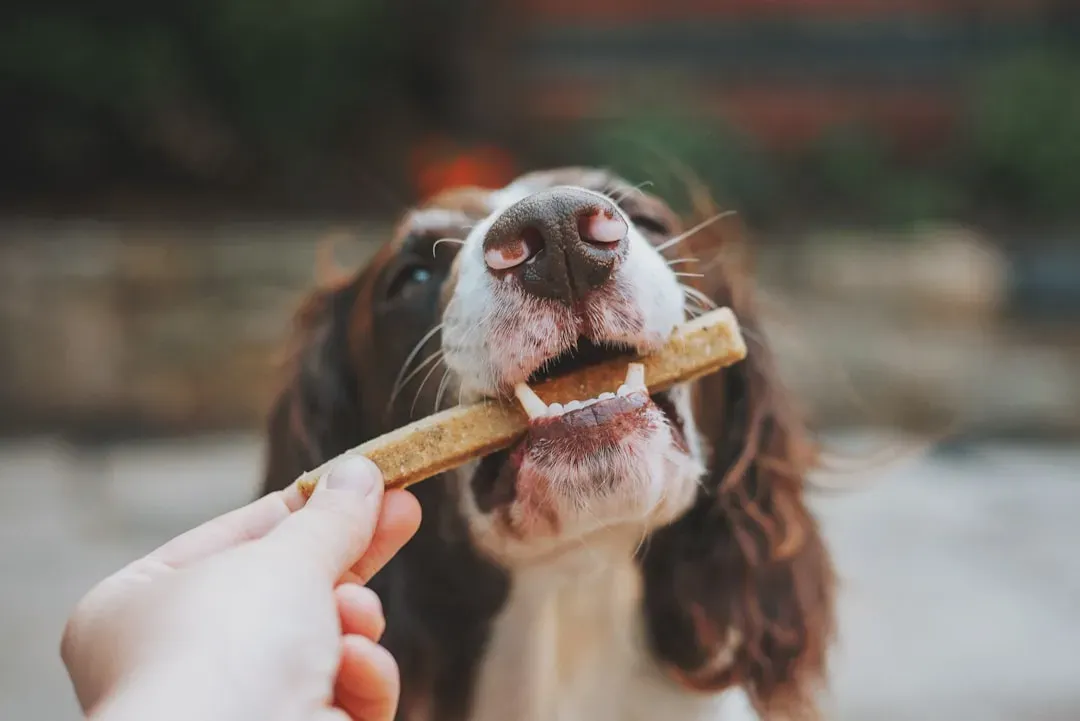
Here’s a touchy one. You use treats to show love, extra biscuits, a little cheese, table scraps here and there. Then the vet mentions their weight, and suddenly the snacks vanish and the walks get longer with zero warning.
From your dog’s point of view, the rules around food, one of their biggest daily joys, swing wildly for reasons they can’t make sense of. Canine obesity quietly shaves years off a dog’s life, yet the same people who adore their pets often contribute to it without realizing. And still, your dog doesn’t resent you for it. They wag just as hard for one treat as they used to for five, forgiving the feast-then-diet whiplash and trusting you again the moment you get it right.
#8 – Missing the Signs They’re Scared or Overwhelmed
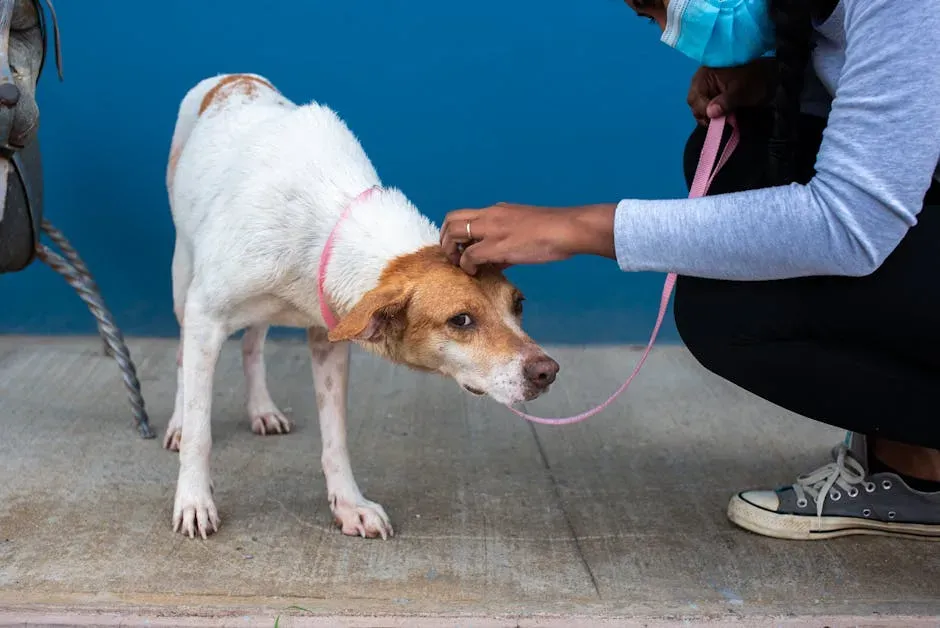
Most people proudly say, “my dog loves everyone.” Behaviorists quietly wonder, does he love it, or is he just tolerating a lot? Subtle fear signals like lip licking, yawning when not tired, or a stiff “whale eye” often get mistaken for shyness.
So the dog gets pushed anyway, forced greetings, crowded parties, fireworks with a casual “it’s not that bad.” Yet the moment they’re back in their safe space with you, they curl up close with no cold shoulder at all. Many so-called reactive dogs are really dogs whose early warning signs went unprotected for years, and they still come back to their person as the safest option they know.
Dogs are not our whole life, but they make our lives whole.
Roger Caras
#9 – Skipping Grooming Until It’s Uncomfortable
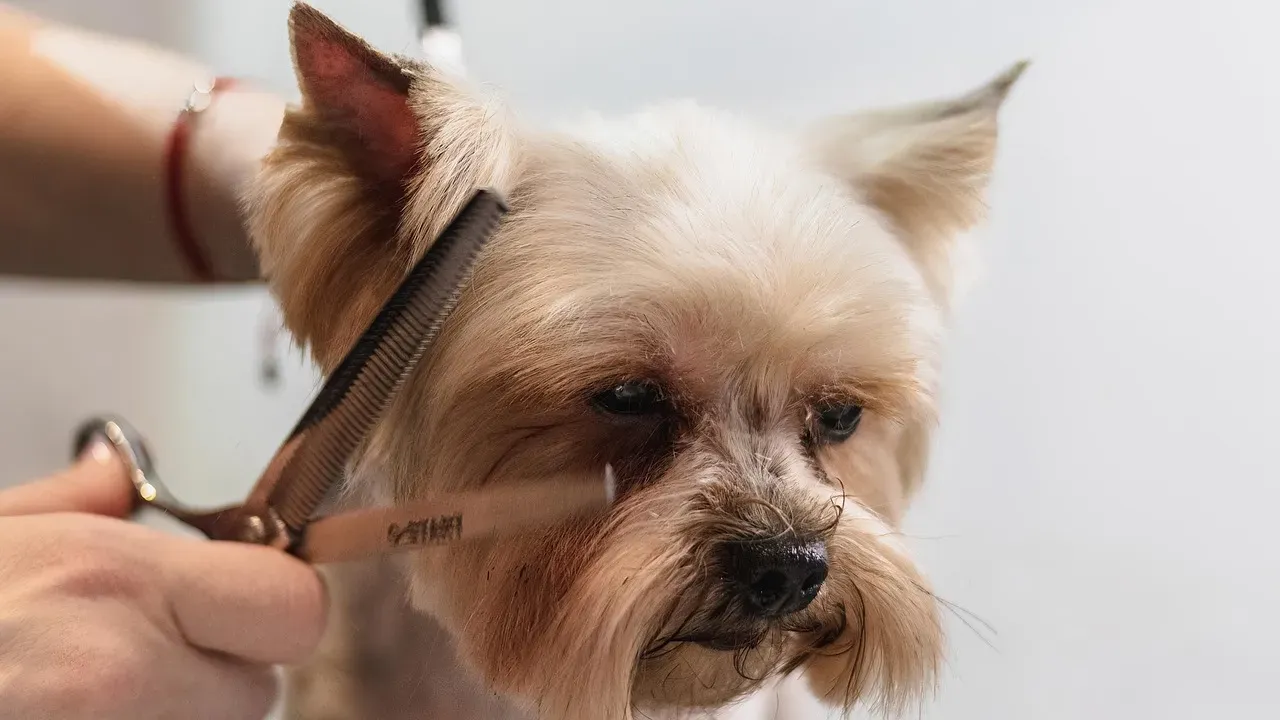
Nail trims, brushing, ear cleaning, most dogs don’t exactly send calendar invites for these. When we postpone it, it feels harmless enough, just a weekend chore pushed back one more time.
But overgrown nails can alter posture and cause real joint pain, matted fur tugs at the skin, and dirty ears can spiral into painful infections. By the time we notice, our dog may have been quietly uncomfortable for weeks. Then we suddenly overcorrect with long brushing sessions and surprise vet visits, and even though the whole ordeal stresses them out, they still climb back onto the couch that night and press against your leg like nothing happened.
At a Glance: Grooming Basics
- Nail trims: roughly every 3-4 weeks, or sooner if you hear clicking on hard floors.
- Ear checks: a quick weekly glance, more often for floppy-eared breeds prone to buildup.
- Brushing: two to three times a week for most coats, daily during heavy shedding seasons.
#10 – Expecting Them to Be “On” All the Time
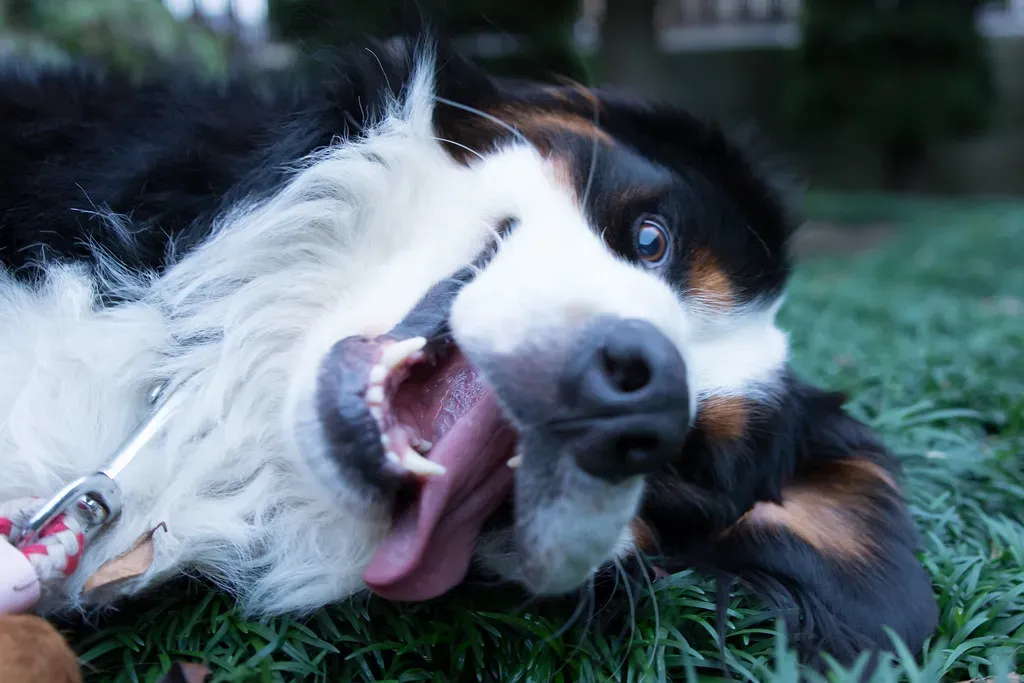
There’s a quiet pressure we put on dogs to always be playful, always friendly, always ready to interact on command. But just like us, dogs have off days, sore muscles, and lower social batteries some afternoons.
When we ignore that and keep poking or insisting “come on, play,” we’re stepping over a real boundary just because we’re bored. Some dogs shut down, others get snappy and get unfairly labeled grumpy for it. Despite that, they usually circle back within the hour, trotting over when called, following you room to room like nothing was ever wrong.
#11 – Forgetting How Small Their World Really Is
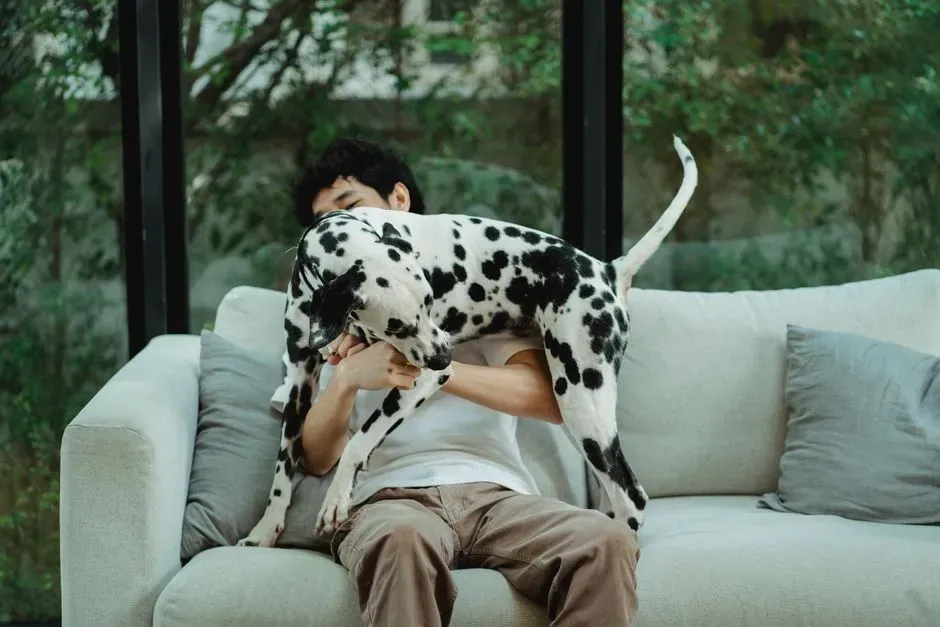
Your dog’s entire universe is shockingly tiny, your home, your street, maybe one favorite park. There are no career wins or vacations to balance out a bad day, only the routine you set for them.
When we get swallowed by our own busy lives, we forget that every canceled walk and rushed goodbye takes up huge emotional space in theirs. To them, your routine is the weather itself. And yet they keep orbiting you like you’re the center of that small universe, because you are, choosing your side of the couch and your footsteps in the hallway no matter how distracted you’ve been.
#12 – Not Being Perfect, but Staying
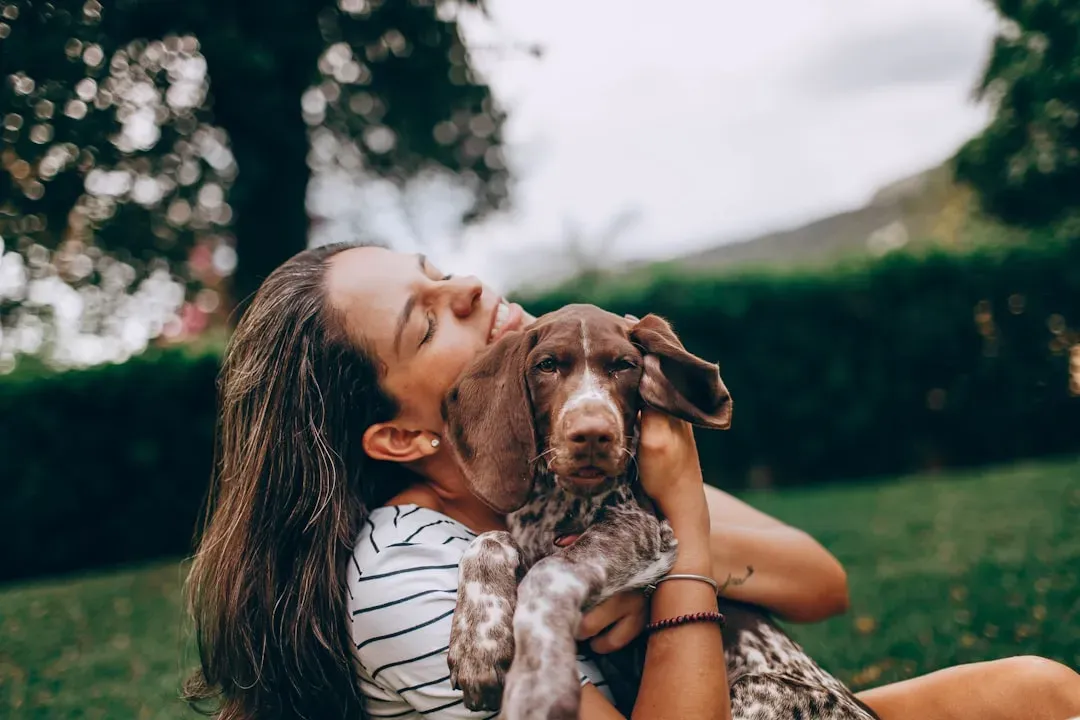
This is the one most people miss entirely. Dogs don’t need a flawless owner. They need a consistent one who keeps coming back.
You rush walks, lose patience, forget training, misread their signals, and they still curl into your chest at night like you’re the safest place on earth. What your dog is quietly tracking isn’t your technique, it’s simpler than that: are you here, are you trying, are you still theirs? Every time you show up again, leash in hand, bowl filled, hand reaching down for a scratch, they forgive the entire messy history of small daily failures without you ever asking.
When you zoom out, the pattern is impossible to ignore. Rushed walks, mixed rules, too much phone time, skipped grooming, missed fear signals, none of it stops your dog from meeting you at the door like you’re the best part of their day. Science can explain fragments of it, their short memory for minor slights, their deep attachment wiring, but it doesn’t capture the whole emotional truth: your dog keeps choosing you, over and over, without a speech or a reset button.
That doesn’t mean your mistakes don’t matter. It means you get a rare, quiet gift, the chance to do better tomorrow without ever losing their trust today. So which of these 12 hit closest to home, and what’s the one thing you’ll change for your dog starting tonight?


