
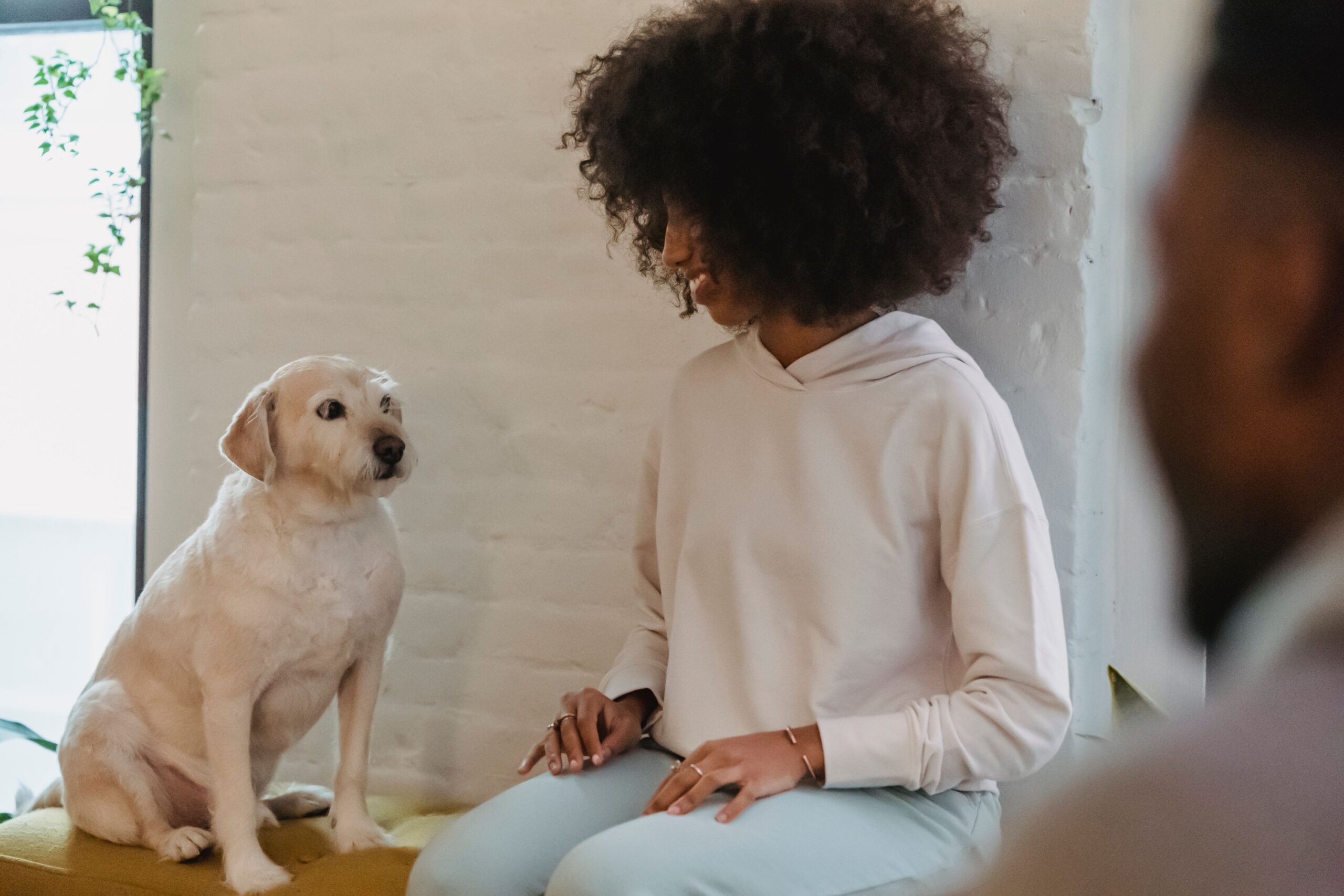
Most people picture a “protective dog” as the one losing its mind at every stranger who walks past the window. That’s the myth. The reality is quieter, stranger, and honestly more moving – some of the most fiercely loyal, bodyguard-level dogs barely make a sound. Their eyes, their posture, the tiny choices they make about where to stand and when to move are the real giveaways, and once you notice them, you can’t unsee them.
These aren’t tricks a dog learned for treats. They’re instinctive decisions, made somewhere deep in a dog’s brain, about who is worth defending no matter the cost. Stick around, because sign #10 is the one that stops most owners cold once they realize their dog has been doing it the whole time.
#1 – They Always Put Their Body Between You And “The World”
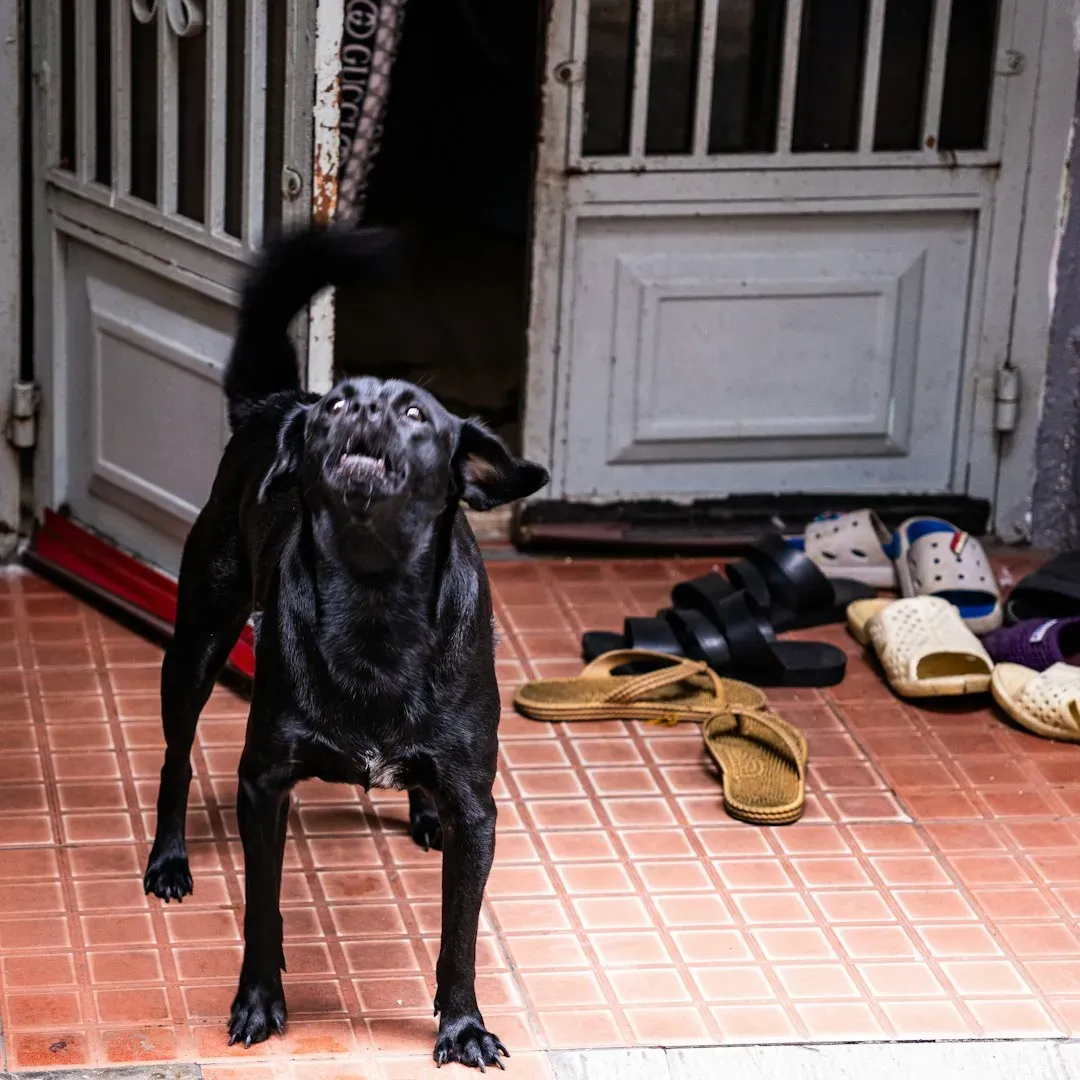
When a dog chooses to become a living fence around you, that’s not random clinginess – it’s a decision. If your dog constantly steps between you and strangers, walks slightly ahead of you, or wedges themselves between you and a loud argument or an unfamiliar guest, they’re quietly building a buffer zone with their own body.
Owners often mistake this for neediness, but in dog language, that front-row position is a message: “If something comes, it hits me first, not you.” Watch for it at the vet when staff approach, or on the couch when someone new sits beside you.
- Their eyes stay calm but locked on the “other person” – that’s protective, not fearful.
- They act relaxed while quietly tracking every potential threat in the room.
At a Glance
- Body-blocking is a physical position, not a verbal warning
- Calm, locked-in eye focus usually signals protection, not fear
- Front-row positioning often shows up around strangers, vets, or new guests
Protective dogs don’t always growl. They calculate. And once a dog is doing this consistently, they’ve made a silent decision: your safety is now their job.
#2 – Their Ears, Tail, And Eyes “Flip Modes” The Second Someone Approaches You
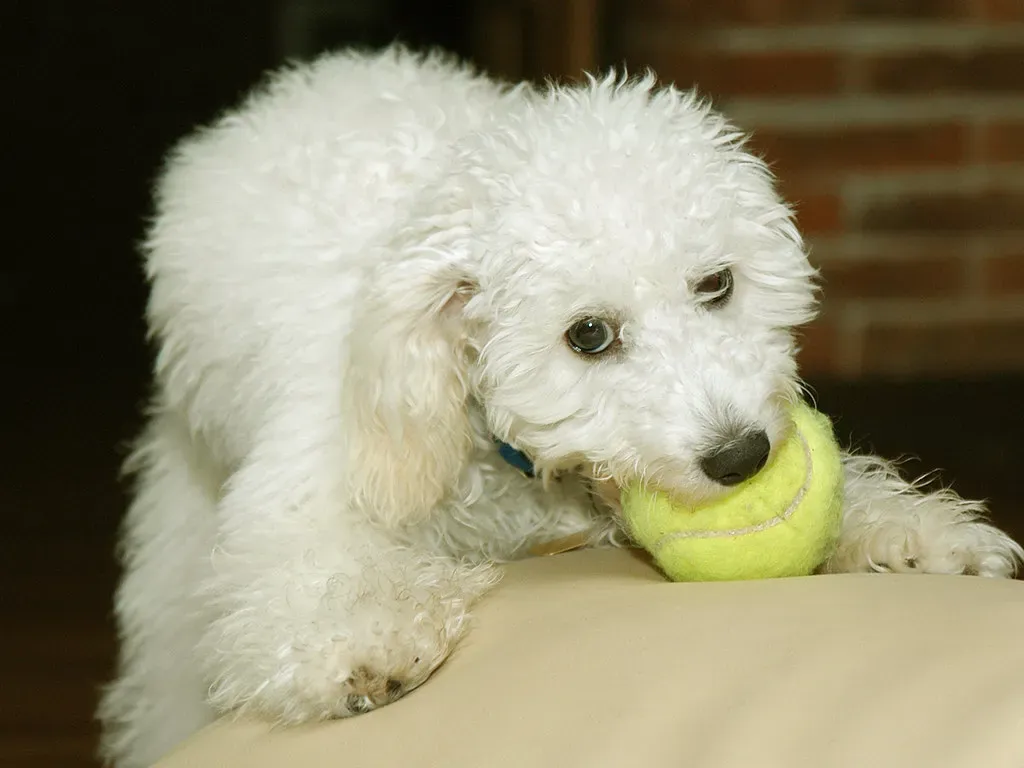
Most people only notice a dog’s alarm once it barks, but a truly protective dog usually switches into security mode long before any sound comes out. When someone walks toward you, especially in your home or personal space, watch their whole body change shape in real time.
Their tail can go from loose and wiggly to stiff and low in a heartbeat. Their ears come forward, their eyes narrow, and they lock onto the approaching person like they’re running a background check.
- They pause mid-sniff or mid-play the moment they hear footsteps.
- They stand taller, weight shifting slightly forward, ready to move.
If the person gets closer and your dog leans into you or steps in front, that’s not random affection – that’s body-blocking. Some trainers argue constant reactivity is just poor training, but a dog who can flip instantly from goofy to laser-focused specifically around you has decided your safety outweighs their own comfort.
#3 – They Guard You Hardest When You’re Sick, Sad, Or Sleeping
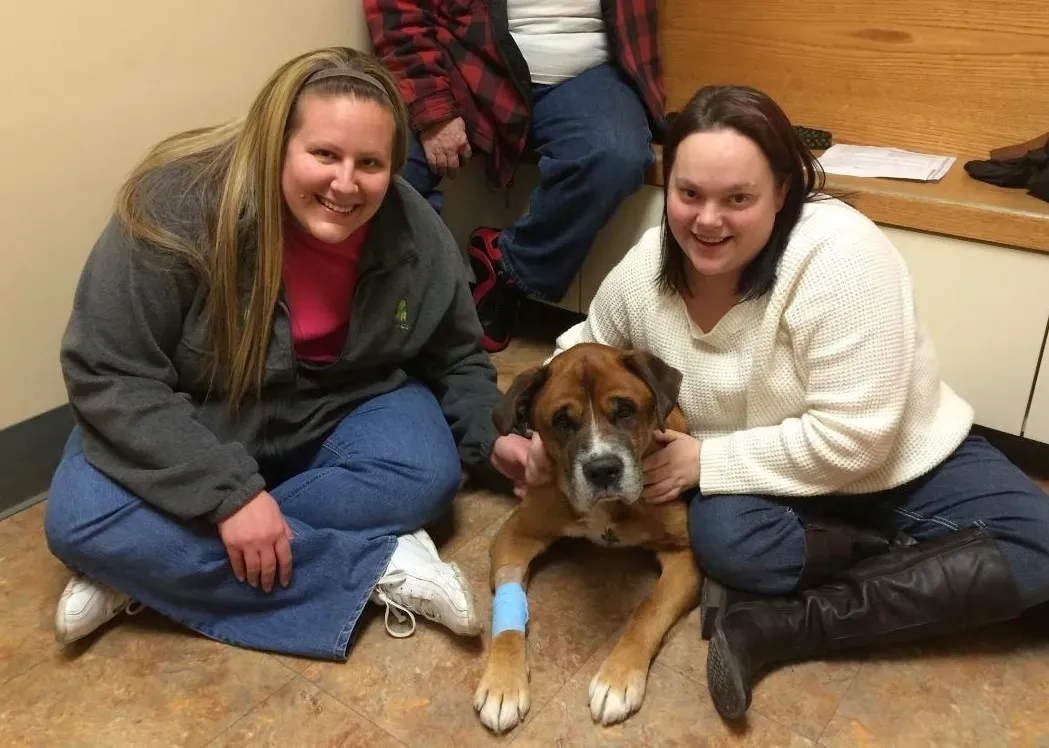
You learn a dog’s real priorities when you’re not at your best. Dogs who have quietly chosen you as “their person” often get noticeably more serious the moment you become vulnerable. Notice how they sleep – do they face the door while you’re in bed? Curl at your feet during naps? Sit outside the bathroom like a furry security detail?
Healthy dogs rarely waste energy for no reason, so if they’re “on duty” specifically when you’re down, that’s not accidental. It’s a deliberate choice, and it usually shows up hardest during the moments you’d least expect anyone to be watching.
- You’re sick, crying, or recovering from something painful.
- You’re exhausted and crash on the couch without warning.
A deeply attached, protective dog will often ignore other fun stimuli – family members playing, toys flying across the room – just to stay posted beside you. Some will refuse to leave your side even for food until they’re sure you’re okay. That’s not melodrama. In your dog’s mind, the pack only survives if the weak are guarded.
#4 – They Treat “Normal” Strangers Completely Differently From “Off” Energy
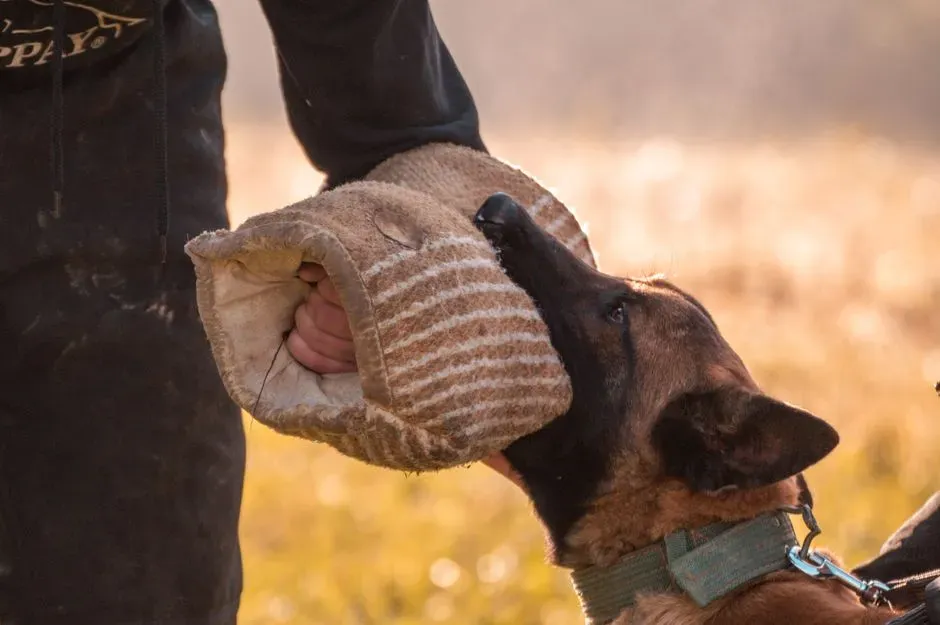
Here’s where it gets controversial: plenty of owners assume their dog “just hates people” when the truth is the opposite. The dog is reading body language most humans completely miss. A protective dog doesn’t treat every stranger the same way, and the difference is the whole point.
A friendly delivery driver gets a wagging tail and a loose body. Someone moving erratically, raising their voice at you, or staring too hard suddenly gets a stiff, watchful dog who steps between you two without being asked. They’re not judging character – they’re judging behavior and energy in real time.
- Calm around relaxed guests, tense around pushy ones.
- Indifferent to people passing outside, but instantly alert if someone lingers near your car or front door.
Quick Compare: Protective vs. Fearful
- Protective: Loose, easy body around calm strangers; only stiffens when energy shifts
- Fearful: Tense or avoidant around nearly all strangers, regardless of behavior
- Protective: Steps forward, between you and the person
- Fearful: Steps behind you or tries to leave the room entirely
Some trainers insist all guarding is “bad behavior,” but plenty of working-dog experts disagree completely. A dog who can tell the difference between a normal interaction and something that feels wrong – and consistently positions themselves on your side of that line – isn’t reacting out of fear. That’s selective protection, and it’s rare.
#5 – They Sprint Toward Every Unusual Noise Near You, Not Away From It
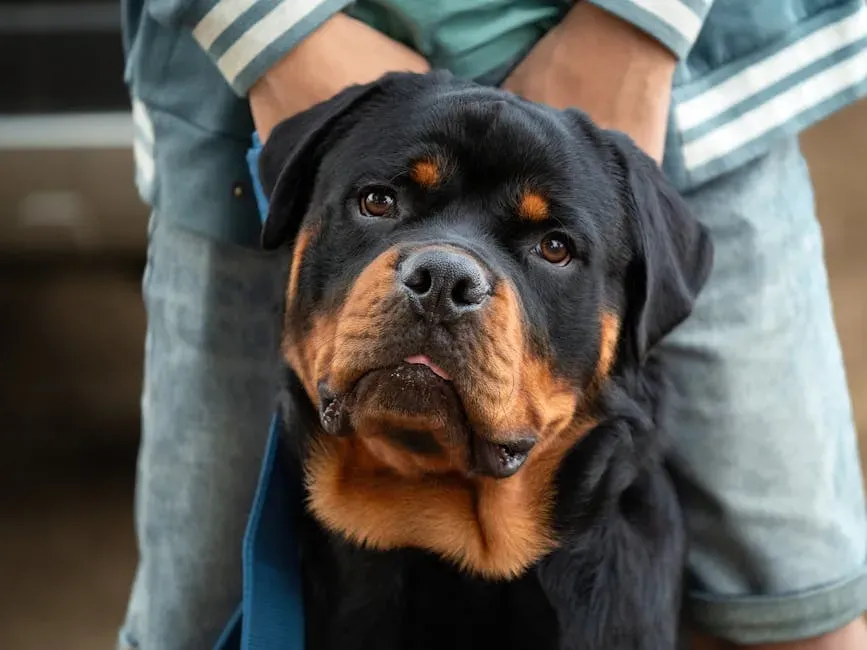
Plenty of dogs bark at random sounds, but that alone doesn’t mean they’ve appointed themselves your bodyguard. The real tell is what they do the instant that sound happens close to you. Drop something loudly, shout in surprise, or hear a strange crash down the hallway – watch their very first move.
Do they bolt away, or do they rush toward you and plant themselves between you and the noise? A dog who runs to the sound, straight to your side, is making a split-second decision: if something’s wrong, they’re going to be there for it.
- They sprint from another room the second you yelp, sneeze hard, or swear in pain.
- They inspect the source of the sound, then glance back to check your reaction before doing anything else.
If they only fully relax once you do, that’s powerful evidence of something deeper – they’re syncing their emotional state to yours instead of the environment. In their mind, the threat was never really “out there.” It’s anything that might hurt you specifically.
#6 – They Choose Sleeping Spots Like They’re Guarding A Checkpoint
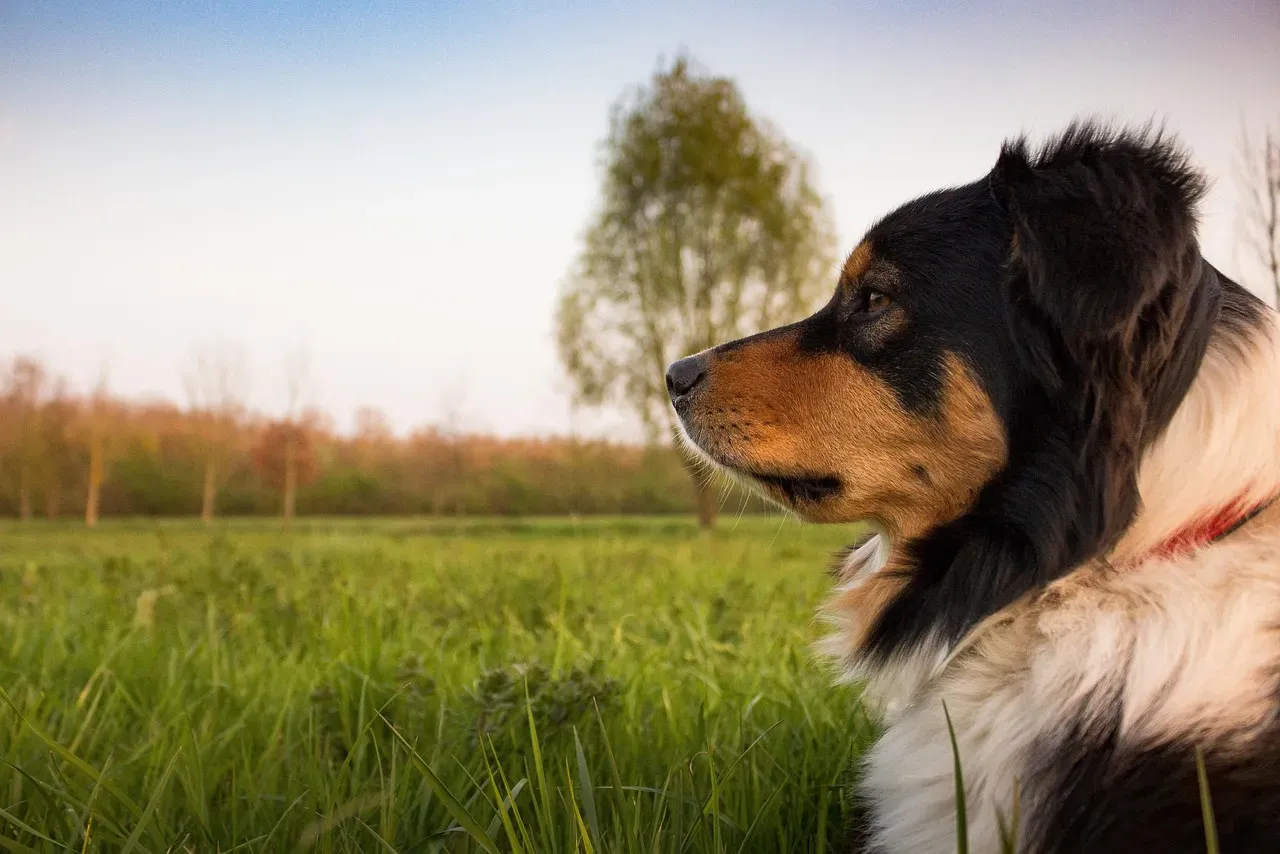
This one looks boring on the surface, but it’s actually one of the biggest tells there is. Dogs who’ve quietly claimed your safety as their job often pick resting spots that give them a tactical advantage, not just the comfiest bed in the house.
Think about where they nap – at the top of the stairs where they can see every bedroom and the front door, in the hallway you have to pass through, or on the floor between you and the main entrance. They’re not being awkward or in the way. They’re controlling the access points around you without you ever noticing.
- Do they sleep facing the doorway whenever you’re in the room?
- Do they relocate the moment you move, always ending up between you and the window or entrance?
Worth Knowing
- Stairs, hallways, and doorways are the most common “checkpoint” spots dogs choose
- A dog resting while facing the door is prioritizing visibility over comfort
- Relocating every time you move is a pattern, not restlessness
Some behaviorists note this can overlap with plain territorial behavior, but the difference is in the pattern. Dogs who are just territorial guard spaces. Dogs who are protective of you guard the routes to you. If you’re constantly stepping over your dog by the bedroom door, they’re not in the way – they’re on watch.
#7 – They Stay Completely Calm Until Someone Crosses An Invisible Line
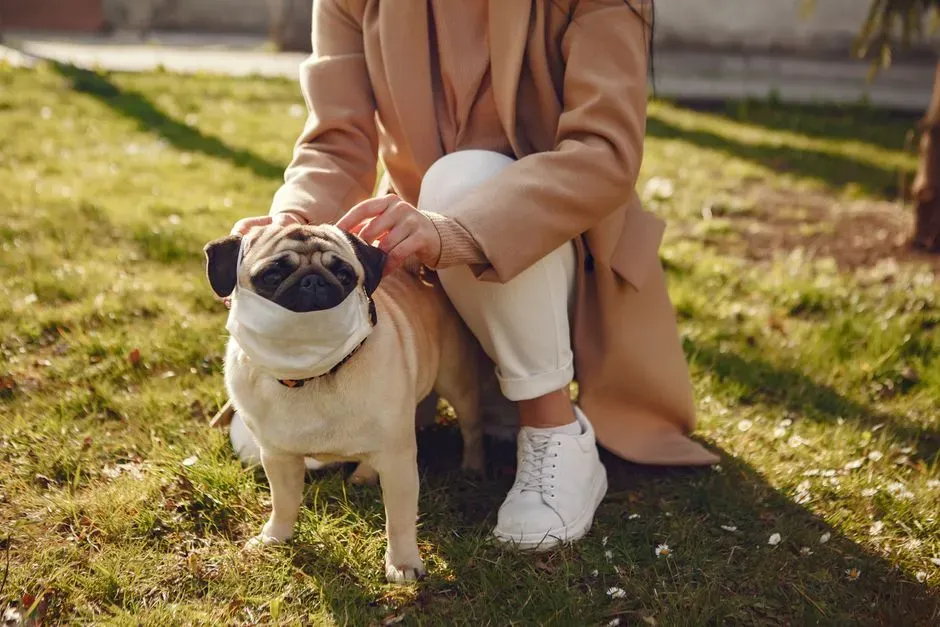
Here’s a nuance most owners miss entirely: truly protective dogs don’t spend their day in a frenzy. Most of the time they look almost bored, right up until someone crosses a boundary your dog has clearly set for you, whether you noticed it or not.
That line might be a stranger leaning in too close to your face, someone walking straight at you at night, or a guest reaching suddenly over you on the couch. In that exact split second, your quiet, sleepy dog might stand up, step forward, lean hard on your leg, or give a low, controlled warning growl.
- They wait, watch, and measure the situation before ever reacting.
- They act only once your normal comfort zone has clearly been broken.
Overreactive dogs explode at everything. Protective dogs are pattern-based – they’ve studied how you normally greet people, and the moment that pattern breaks, they intervene. That level of self-control under pressure is one of the biggest signs your dog is all-in on guarding you, not just shouting at the world for fun.
#8 – They Refuse To Leave You Behind, Even When It Costs Them
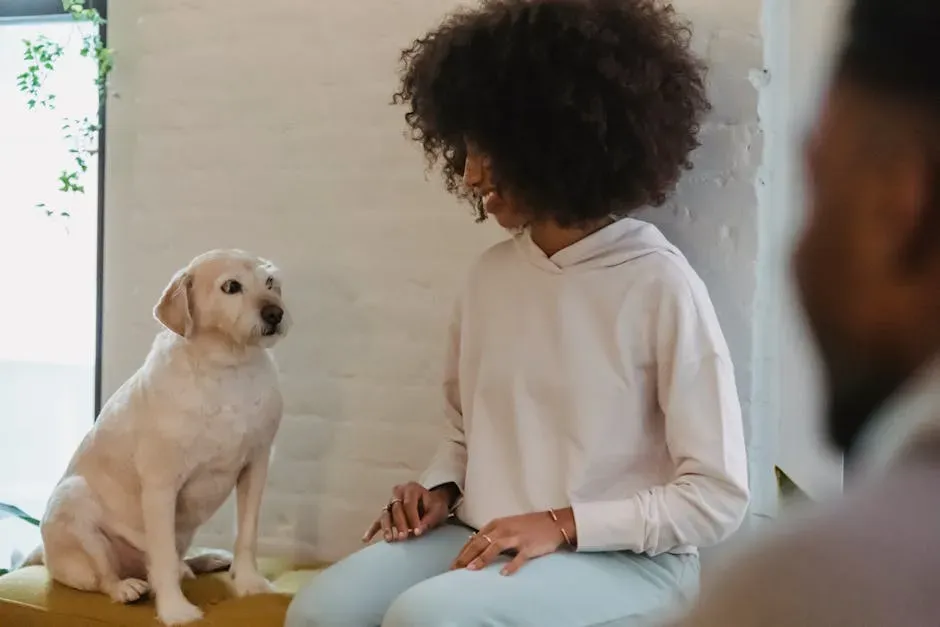
Some of the strongest protective instincts show up looking like plain stubbornness. Owners often mislabel this as separation anxiety, but context changes everything. Panicking every time you go to the bathroom is one thing – refusing to be anywhere you aren’t is something else entirely.
If your dog won’t go upstairs while you’re still downstairs, won’t run off to play at the park unless they can keep checking back in with you, or lingers by the door when other family members leave just to see if you’re going too, you’re watching priority in action, not just anxiety.
- They stand beside you at a noisy barbecue instead of playing with other dogs.
- They lie on a hard floor next to your chair instead of taking the soft bed in the next room.
That “shadow dog” behavior isn’t clinginess for its own sake. For many dogs, it’s about staying ready. In their mind, a protector who isn’t close enough to react fast has already failed at the one job that matters.
#9 – Their Whole Body Only Softens Once They Know You’re Safe
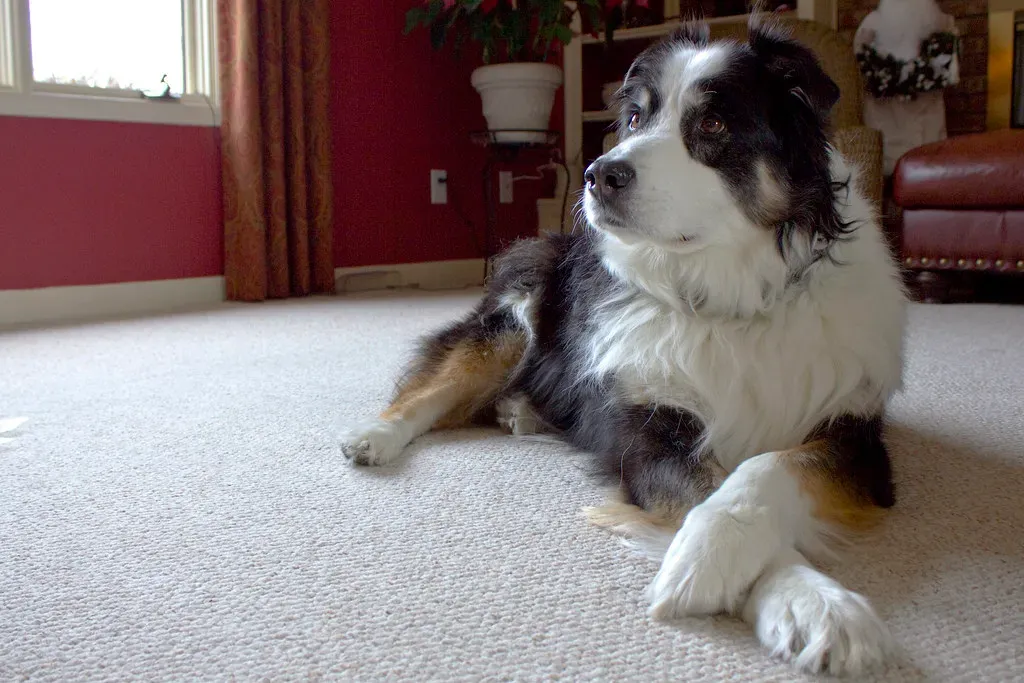
This is the emotional side most people underestimate completely. A dog who has chosen to protect you often has two entirely different faces. Around strangers, loud environments, or the front door when someone knocks, they can look rigid, hyper-alert, almost intense.
But once things settle – door closed, guests seated, night routine started – watch what happens the moment it’s just you again. Their body melts. Their breathing slows. They might sigh, lean into you, or press their head against you like they’re finally clocking out for the night.
- Alert and upright near windows or doors; floppy and loose once you’re tucked in.
- Pacing while you’re still up and moving; snoring the second you lie down safely.
Fast Facts
- A heavy sigh or long exhale often signals a dog is finally off-duty
- Muscle tension near doors and windows is a normal alert posture, not aggression
- The shift from alert to relaxed usually happens only once the environment settles
They’re not just tired – they’re switching from protector back to companion, and that switch happening over and over is a sign of deep trust. They won’t fully relax until they’re satisfied you’re okay, and even then, their watch is never completely off.
#10 – They Step Toward The Danger When It Would Be Safer To Step Back
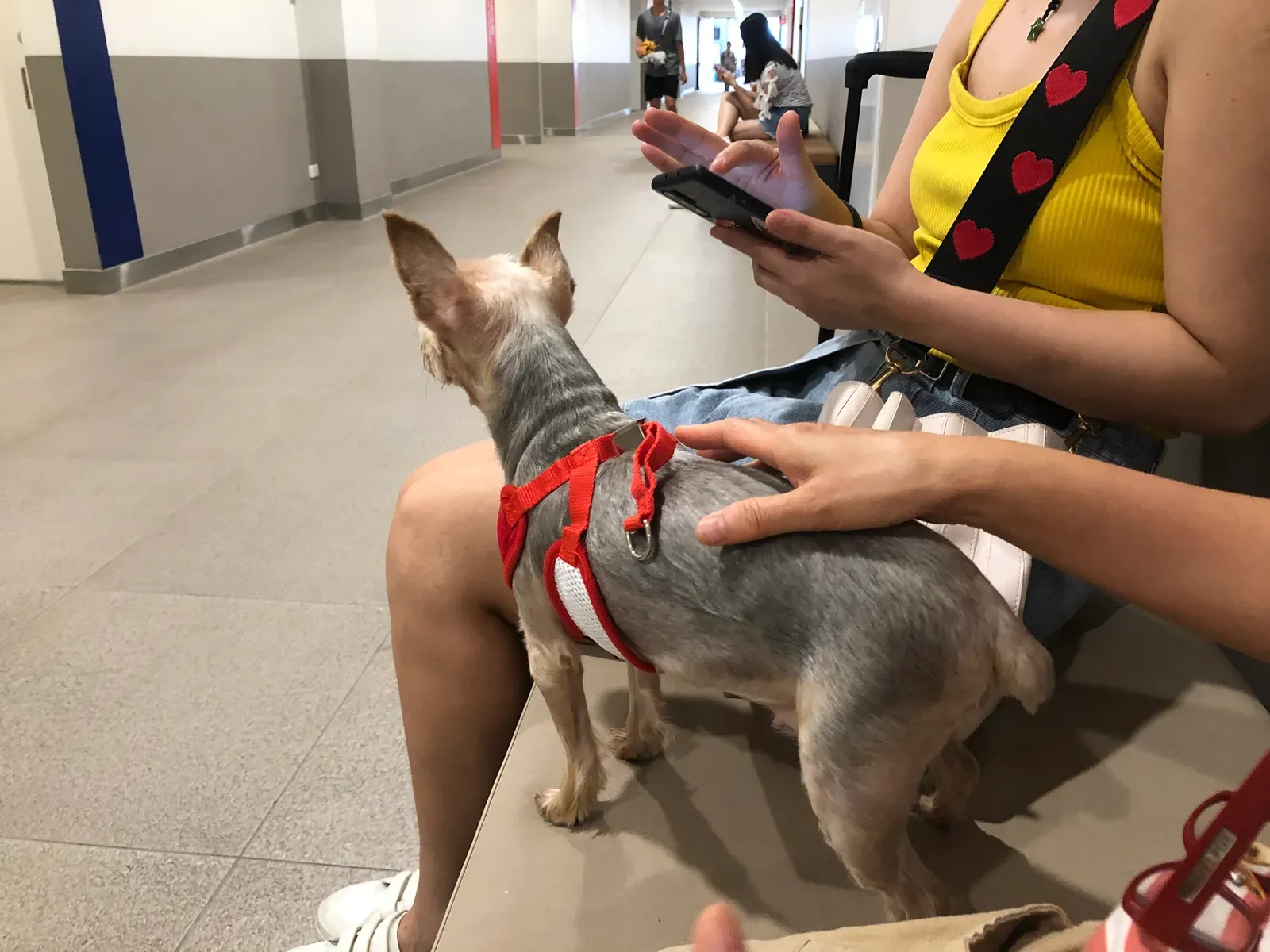
This is the clearest, most sobering sign on the whole list, and the one many owners never notice until the moment it actually happens. A dog who has truly decided you are worth everything will, in the worst moments, choose to move toward what scares them instead of away, as long as you’re standing behind them.
That might look like planting themselves between you and an aggressive off-leash dog, standing firm and growling when someone yells in your face, or refusing to retreat when a loud, strange object gets too close to you. Every natural instinct tells an animal to back away from danger. A protector dog’s instinct overrides that completely.
- A stiff stance, a low rumble, or a single deliberate step forward – it doesn’t have to look dramatic to mean everything.
- They offer their own body as a shield, even while they’re clearly afraid.
“The dog is the only thing on earth that loves you more than he loves himself.”
Josh Billings
That moment – when your dog chooses to be afraid in front of you instead of safe behind you – is the quiet, everyday version of “I’ve got you, no matter what.” That’s not training. That’s love that turned into pure instinct.
The Bottom Line
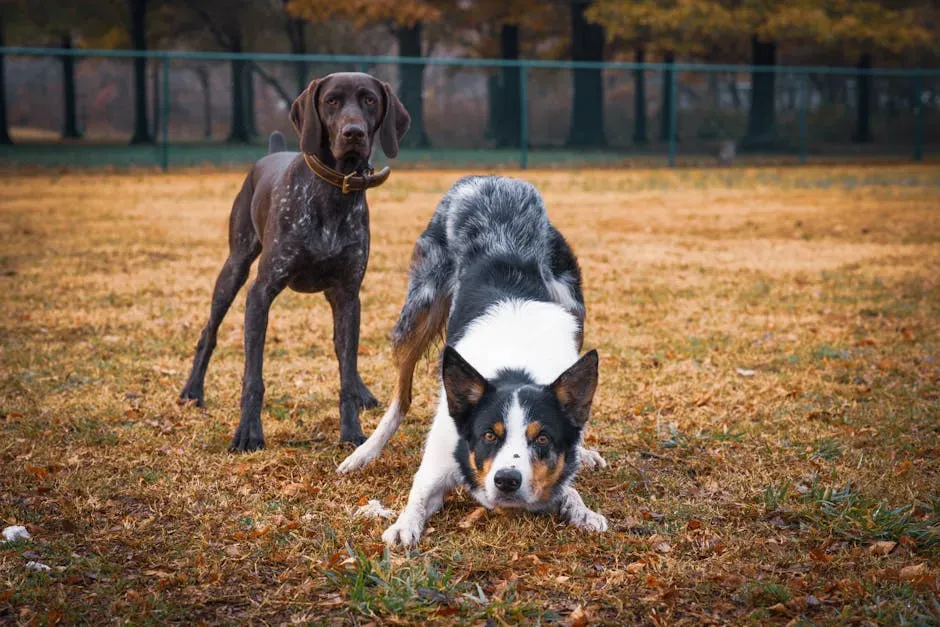
When a dog decides you’re worth protecting with everything they have, it rarely looks like movie-style heroics. It shows up in tiny, repeated decisions – lying between you and the door, watching strangers a little too closely, staying awake a little longer until you’re safely in bed, stepping forward instead of backing away when something feels wrong.
Body-blocking, selective alertness, strategic resting spots, and that final, brave step toward a threat are your dog’s way of saying, “You’re my responsibility now.” Not every clingy dog is truly protective, and not every calm dog is detached – the real story is always in the pattern.
So look back at your own dog’s quirks. Which of these have you caught them doing without realizing what it meant – and did any of them genuinely surprise you?


