
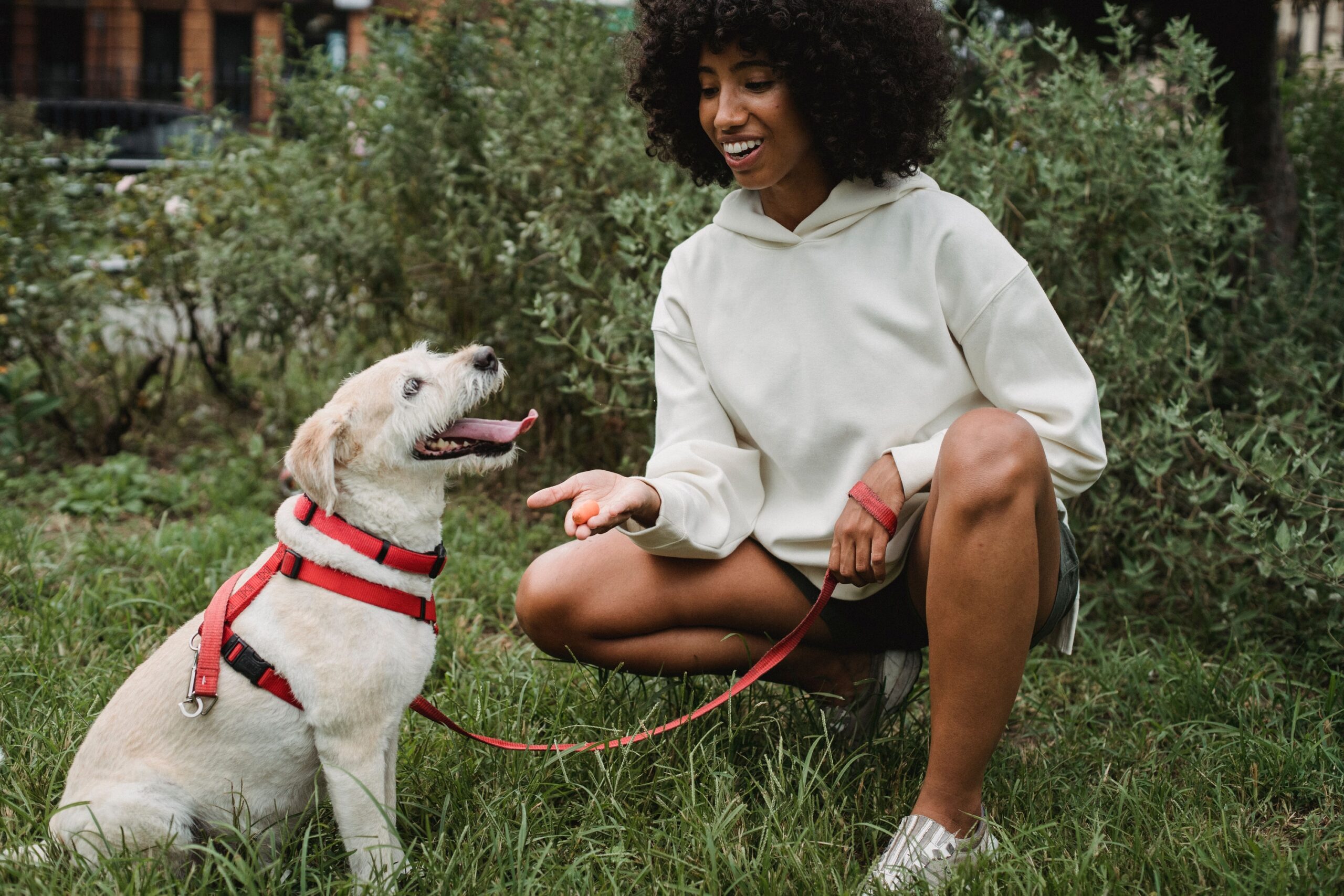
Most people assume a calm dog is just born that way, or that it’s quietly copying its owner’s mood like a furry little mirror. That explanation feels tidy. It’s also incomplete.
Researchers have been quietly documenting something stranger and more physical: after months or years of living together, an owner’s stress hormone patterns can actually sync with their dog’s. Not a vibe. Not a guess. A measurable overlap in cortisol, the body’s main stress chemical, showing up in both of you at the same time. Here’s what long-term studies and behaviorists have actually found – and it starts with something your dog is doing that has nothing to do with reading your face.
#1 – Your Dog Isn’t Just Reading Your Face… They’re Reading Your Chemistry
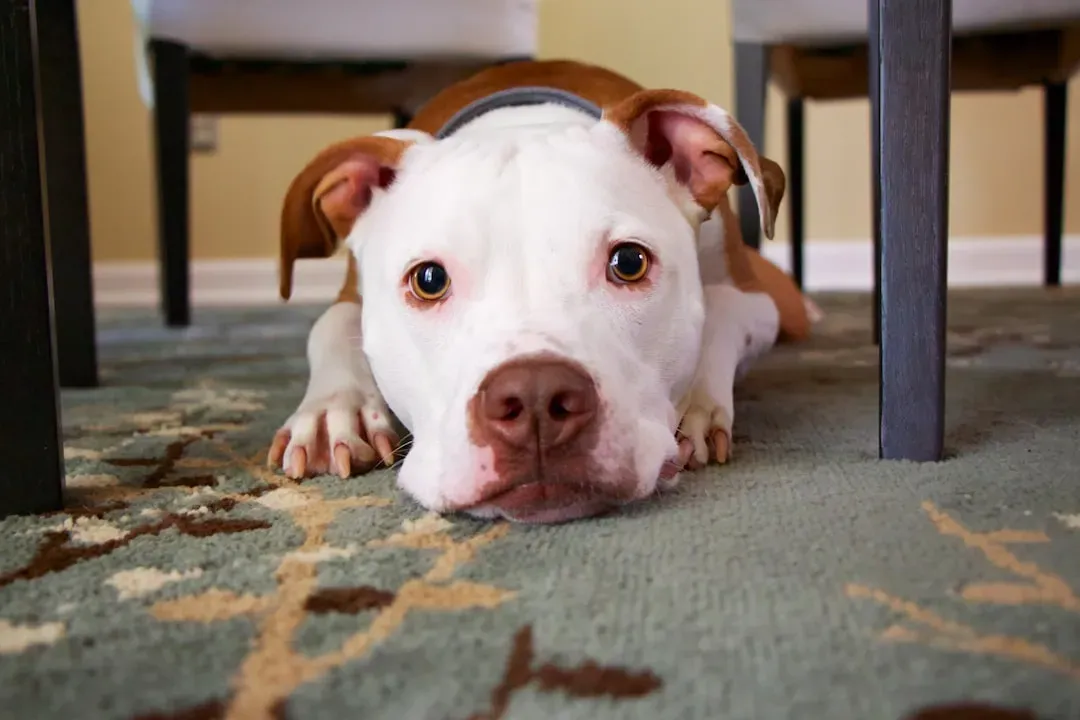
Most people assume dogs calm down around calm owners because of the obvious cues: soft voice, slow movements, relaxed posture. That’s part of it, but it’s not the whole story. Studies tracking owner-dog pairs over time have found statistically significant correlations between human cortisol levels and their dog’s cortisol, measured through hair or saliva samples. That means your dog isn’t just reacting in the moment. Their baseline stress profile can start to parallel yours.
Sit with that for a second. When your stress stays elevated for weeks, your dog’s body may quietly follow the same curve. They’re constantly steeped in your routines, your tone of voice, your sleep schedule, the rhythm of your entire day. Over months of cohabitation, that environment reshapes their nervous system from the inside. Calm owners don’t just make a room feel calmer in the moment; they tend to build predictability into everyday life, and that predictability is what actually lowers chronic stress. Your dog is living inside your lifestyle, not just your living room.
Fast Facts
- Cortisol is the body’s primary stress hormone, measurable in blood, saliva, or hair
- Hair cortisol reflects weeks to months of hormone activity, not a single stressful moment
- Owner-dog cortisol correlations have been documented across multiple long-term cohabitation studies
- Dogs pick up on your chemistry through routine, tone, and daily rhythm, not just facial expressions
#2 – Cortisol Syncing Happens Over Months, Not Just During One Bad Day

It’s tempting to think, “I had a rough day at work, so my dog probably picked up on it.” That’s true to a point, but the research points somewhere deeper. The strongest owner-dog cortisol correlations show up when scientists zoom out over weeks or months, not single events. Hair cortisol reflects long-term hormone patterns, so researchers are essentially reading a stress timeline instead of one snapshot in time.
This matters because dogs are creatures of routine, for better or worse. If your weeks are consistently chaotic – irregular hours, unpredictable moods, constant rushing out the door – that chaos becomes your dog’s default environment, and their body quietly adjusts its baseline to match it. Owners with steadier emotional patterns tend to have dogs with steadier cortisol profiles in return. So a genuinely calm dog isn’t just riding your good Sunday mood. It’s reflecting months of relative stability that built up slowly, almost invisibly, long before you noticed it.
#3 – Your Personality Quietly Shapes Your Dog’s Stress Baseline
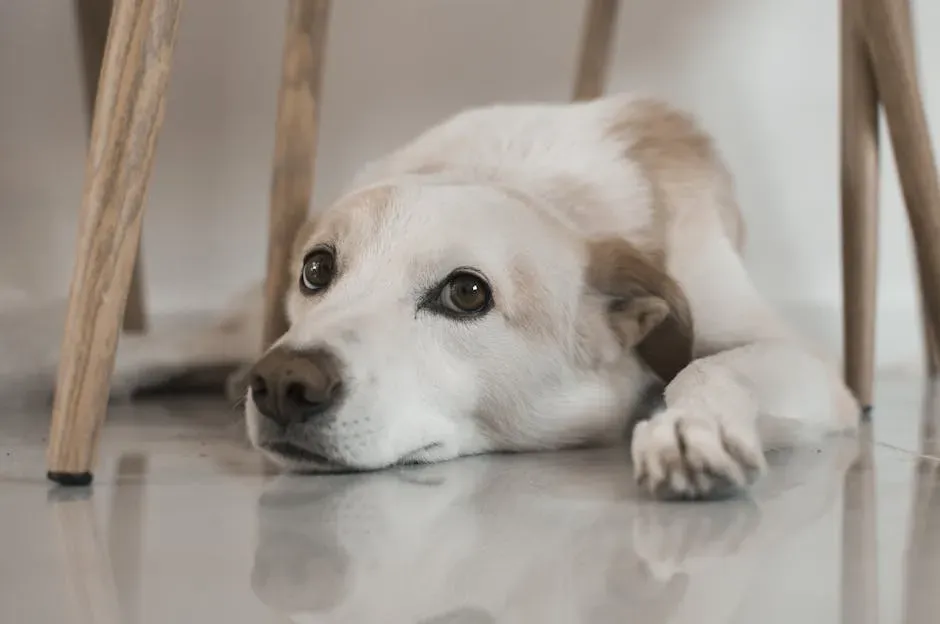
Here’s the part that tends to make people a little defensive. Some studies suggest owner personality traits are associated with stress and behavior patterns in their dogs. Introverted, anxious, or highly neurotic owners are somewhat more likely to have dogs with reactive or elevated cortisol profiles. It isn’t destiny, but the pattern shows up often enough that behaviorists take it seriously.
Why would this happen? Personality shapes how consistently you train, how you structure your day, and how you react to small hiccups. An owner who worries constantly may overreact to barking or a stranger walking by, unintentionally teaching their dog that the world is dangerous. A more emotionally steady owner tends to send fewer mixed signals, which helps a dog feel genuinely safe rather than just quiet. None of this means anxious people shouldn’t have dogs. It means your own self-awareness quietly becomes part of your dog’s mental health toolkit, whether you meant it to or not.
Worth Knowing
- Owner traits like chronic worry or neuroticism have been linked to more reactive dog behavior
- Overreacting to small triggers, like barking or strangers, can teach a dog the world is riskier than it is
- Emotional consistency tends to matter more than personality type itself
#4 – Breeds With “Sensitive Brains” Mirror You More Than Others
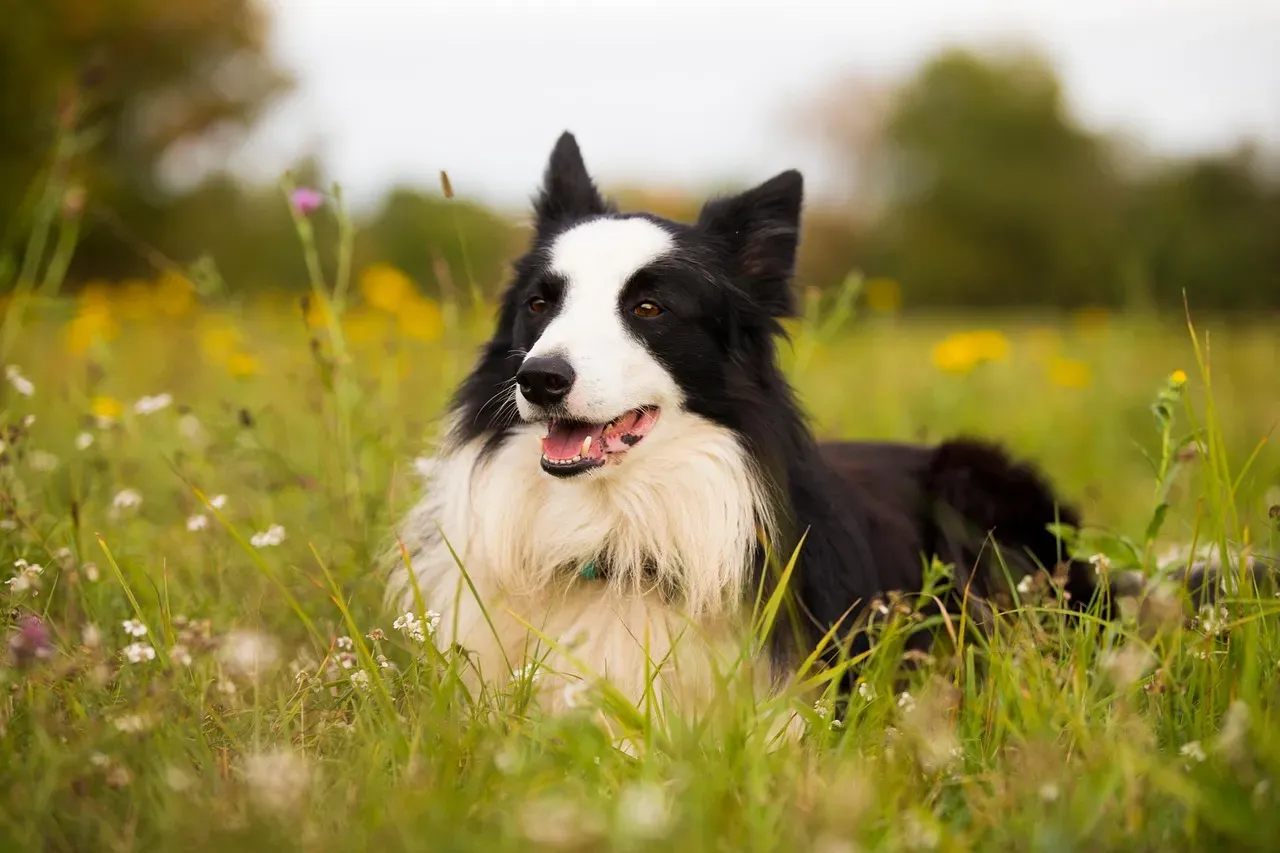
Not every dog syncs with you the same way. Any dog can absorb an owner’s long-term stress patterns, but breeds selectively bred for close human cooperation – Border Collies, Shelties, Australian Shepherds, and many retrievers among them – often show the strongest owner-dog cortisol correlations in studies. These dogs were essentially engineered by generations of selective breeding to read human signals all day long.
That sensitivity cuts both ways. It makes them brilliant training partners who thrive when their person is focused and emotionally steady. It also makes them vulnerable to becoming anxious sponges in homes full of shouting, rushing, or constant emotional whiplash. Less people-focused or more independent breeds may not mirror you quite as intensely, though they still react to chaos in their own way. The more a breed is wired to watch you, the more your long-term stress patterns end up mattering to their body chemistry, not just their behavior.
Quick Compare
- High-cooperation breeds (Border Collies, Shelties, Aussies, many retrievers): bred to track human cues closely, often show the strongest cortisol correlation
- More independent breeds (some hounds, terriers, guarding types): still react to household stress, but may mirror owner cortisol less intensely
- Any breed can absorb long-term stress patterns; breed mainly shifts how strongly the sync shows up
#5 – Routines Calm Hormones More Than “Being Chill on the Couch”

Plenty of owners say, “I’m a laid-back person, so my dog is too,” while quietly living in a whirlwind of late nights, skipped walks, and irregular feeding times. The science suggests a harder truth underneath that self-image: predictable routines do more for lowering a dog’s cortisol than your personal reputation as a chill person ever will. Calm isn’t a vibe you project. It’s a pattern your dog can actually count on.
Dogs are pattern-spotting machines by nature. When walks, meals, and sleep happen at roughly consistent times, their nervous system gets permission to relax instead of staying braced for the next unpredictable event. Over months, that consistency lowers baseline stress hormones in a way good intentions alone never could. A genuinely calm home tends to include a few simple things.
- Roughly consistent wake, walk, and meal windows
- Low drama around departures, arrivals, and visitors
You can be introverted, talkative, or even a little high-strung yourself and still raise a calm dog, as long as your dog can reliably predict their day. Owners who miss this often blame the breed or the dog’s “temperament,” when the real culprit was chronic unpredictability all along.
#6 – Training Style Can Either Buffer Stress… or Amplify It
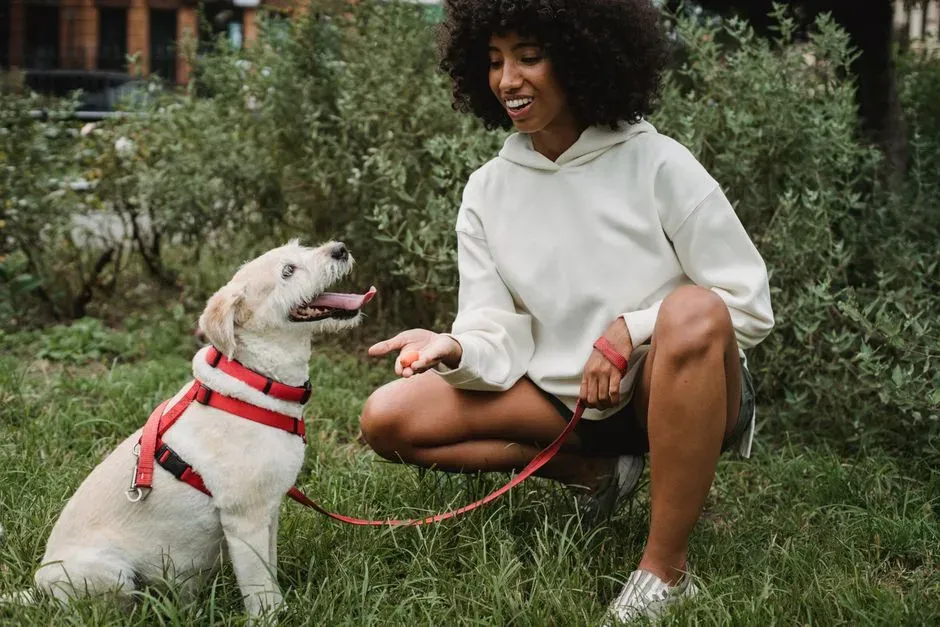
Here’s where things get a little uncomfortable. Dogs living with harsh, punishment-heavy training styles often show higher stress markers, even when their owners insist they’re “just being firm.” When your default response to a mistake is yelling, leash yanking, or physical correction, you’re teaching your dog that your own emotional state is unpredictable and potentially dangerous.
Positive reinforcement and clear structure don’t just produce better manners. They actually change the emotional meaning of being near you. A dog who expects rewards for getting it right stays relaxed watching your body language, while a dog who expects punishment for getting it wrong is constantly scanning you for the first sign of anger. That kind of chronic vigilance adds up over time and can raise cortisol in a lasting way. Owners who train fairly and consistently tend to end up with dogs that truly relax around them, not dogs that have simply learned to submit.
At a Glance
- Punishment-heavy training: dog stays on alert, watching for the next sign of owner frustration
- Positive reinforcement training: dog relaxes because outcomes feel predictable and safe
- Chronic vigilance from harsh corrections can raise long-term cortisol, not just short-term fear
#7 – Improving Your Own Stress Is a Legit Dog-Training Strategy
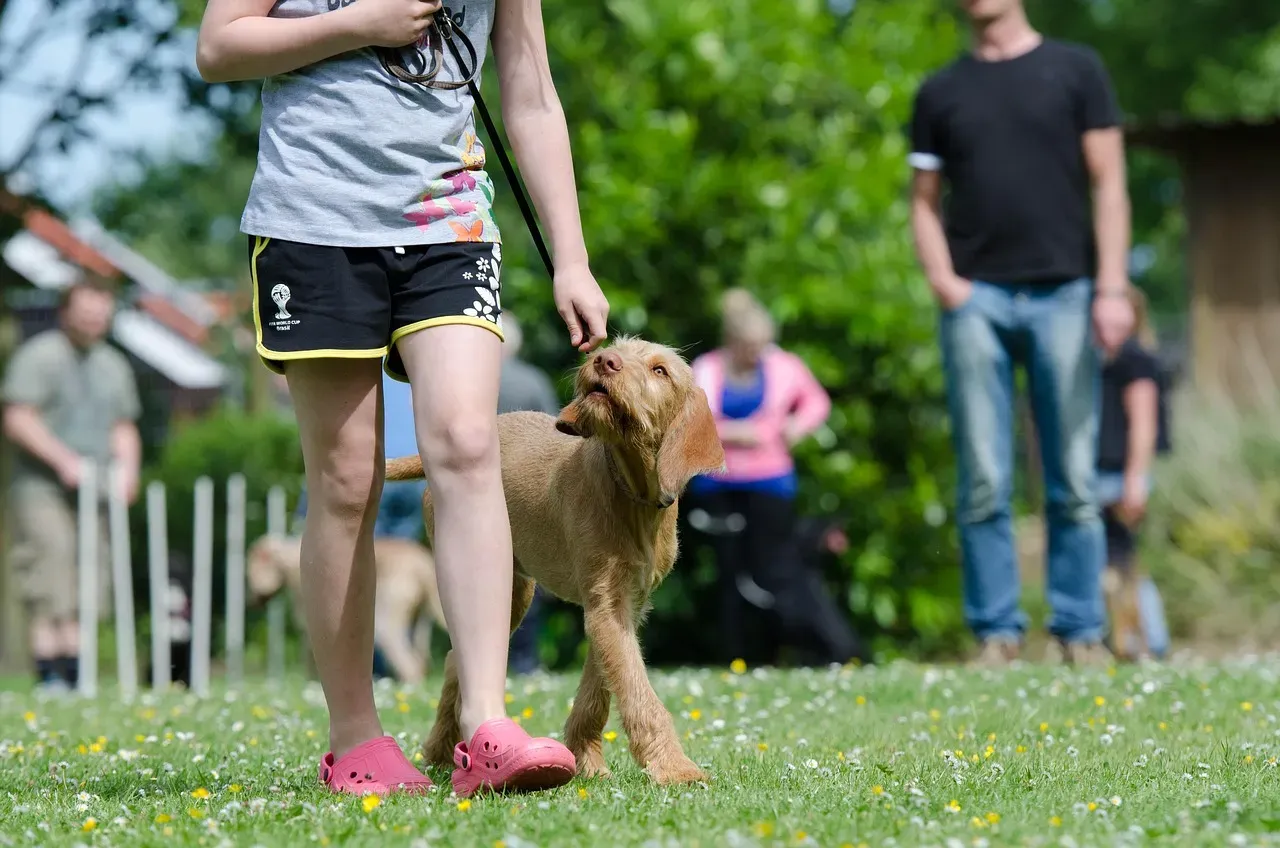
It sounds like something off a self-help meme, but it’s uncomfortably practical: lowering your own chronic stress might be one of the most underrated ways to help your dog feel calm and safe. If cortisol patterns really are linked over the long term, changing yours isn’t just good for you. It’s a direct nudge to your dog’s nervous system too.
That doesn’t require a perfect life or a silent retreat somewhere in the mountains. It usually just means small, realistic shifts repeated often enough to become a pattern.
- Protecting a consistent walk time even on your busiest days
- Creating a low-drama “quiet hour” at home with no shouting, bad news, or doomscrolling
- Getting real support for your own anxiety, burnout, or sleep problems
Most people assume that fixing a stressed dog is entirely about the dog. Increasingly, professionals treat a calmer household and better human coping skills as part of the actual treatment plan. When your stress stops spiking without warning, your dog slowly stops bracing for impact. In a very real, measurable way, you are the emotional ecosystem your dog lives inside.
The calmer-owner, calmer-dog connection isn’t a feel-good myth or a mood-matching parlor trick. Long-term studies show that owner and dog cortisol can be statistically correlated after months and years of cohabitation, especially in tightly bonded, people-oriented breeds. The key was never pretending to be relaxed for five minutes on the couch. It’s the daily reality your dog actually lives inside – your routines, your training style, your emotional swings, and how quickly you recover from a bad day. You don’t need to be perfectly serene to deserve a dog. You just need to know that your own steadiness and your dog’s well-being are quietly, chemically linked in both directions. So the real question isn’t whether your dog is calm. It’s whether you’re the one calming their system, or the one accidentally winding it up.


