
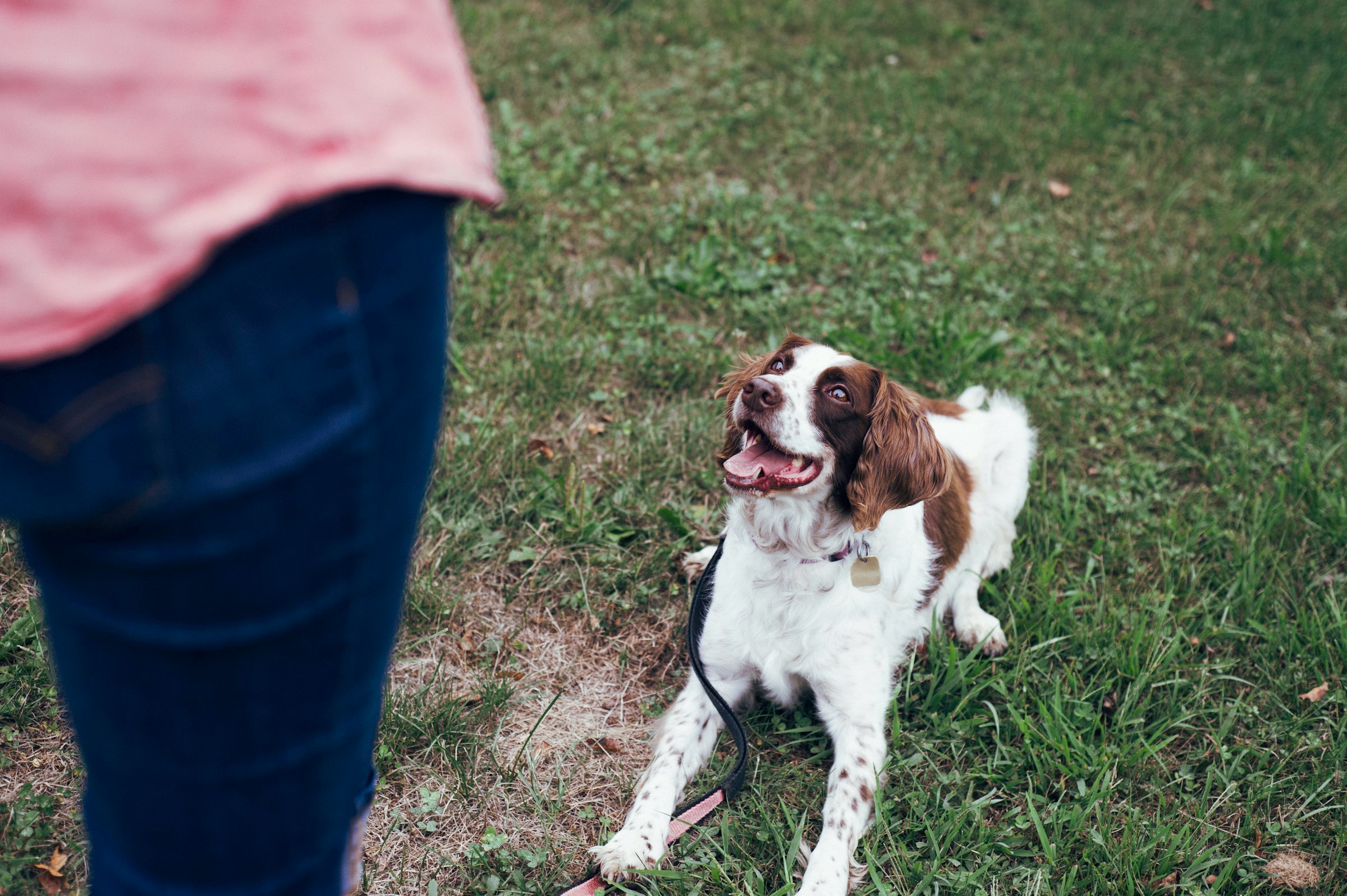
You’ve probably narrated your entire day to your dog like they’re your best friend who happens to have four legs. “Mommy had the WORST meeting,” you say, scratching their ears, fully convinced they’re tracking every word. They’re not. And that should honestly change how you talk to them.
Brain scans on dogs have uncovered something most owners never expected: your dog isn’t decoding your vocabulary at all. It’s reading your emotional weather – the pitch, the rhythm, the tension in your throat – in a part of its brain that mirrors how humans process vocal emotion. Your dog doesn’t know what “you’re grounded” means. But it absolutely knows exactly how you feel when you say it. Here’s what the research actually shows, one uncomfortable truth at a time.
#1 – Your Dog Hears Your Feelings Before It Hears Your Words
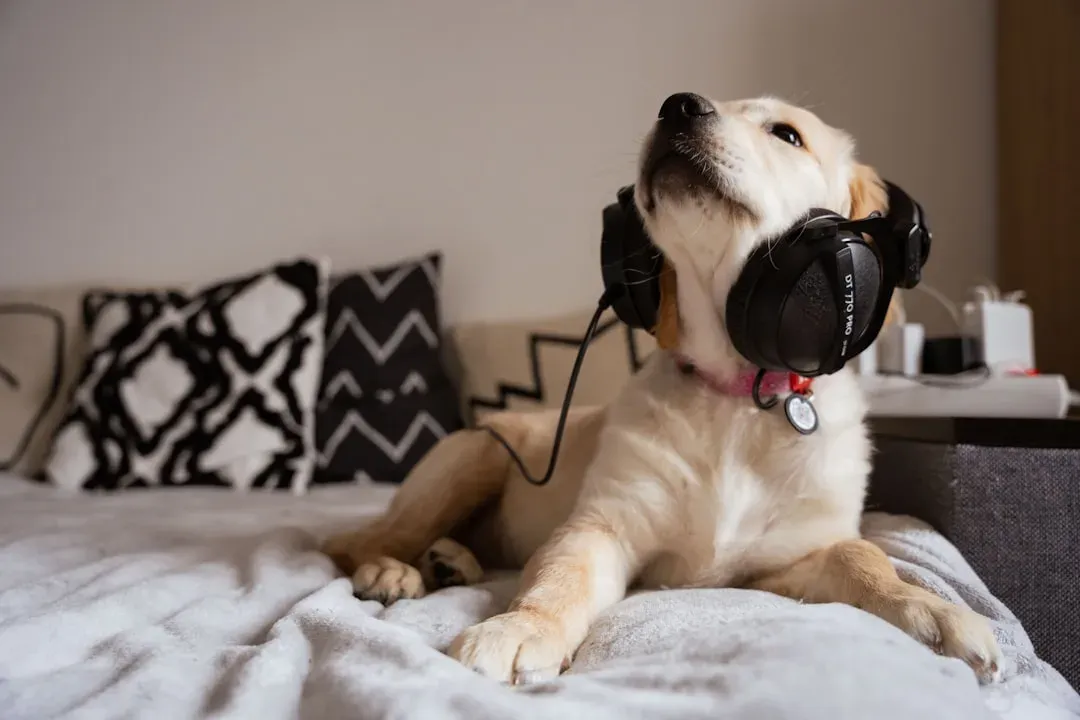
Researchers have found that dogs lock onto emotional tone faster than they ever latch onto specific words. Before “sit,” “stay,” or “walk” even finishes registering, your dog has already decoded how you feel about what you’re saying. The emotional flavor – happy, annoyed, anxious, excited – hits their brain first, every single time.
This is why you can say “you’re such a terrible accountant” in a sweet, sing-song voice and your dog will still wag like it just won the lottery. The flip side is less charming: you can use all the “right” soothing words, but if your voice is tight with stress, your dog will act like something is wrong, because to them, something is. Owners love to call their dog “stubborn” when it ignores a flatly-delivered command, but the truth is usually simpler – the delivery didn’t say anything worth listening to.
#2 – Dogs Process Voices in a Brain Region Eerily Similar to Ours

Here’s where the science gets genuinely strange. When researchers put awake, trained dogs into fMRI scanners and played them human voices, they saw activation in regions that closely resemble the human auditory “voice area.” In both species, emotional intonation lit up specialized brain zones tuned to vocal feeling, not dictionary meaning.
That suggests dogs didn’t just pick this up from years of living with us – they may have neural hardware built specifically for reading voices. This shared architecture doesn’t mean dogs think like people, but it does mean two very different species evolved a strikingly similar shortcut for processing the emotional side of sound. Instead of parsing grammar, your dog is running a constant emotional radar: is this safe, friendly, angry, uncertain? That’s the question their brain answers first, and honestly, maybe the only one it’s asking.
Fast Facts
- Who ran it: Attila Andics and colleagues from Budapest, Hungary, trained dogs to lie motionless wearing headphones in a noisy brain scanner, allowing scientists to map the voice-sensitive areas of their brains.
- Where it was published: the study published in Current Biology showed not only do dogs and humans read emotions in each other’s voices, but both are more attuned to happy sounds.
- The setup: the 11 dogs and 22 humans listened to the same set of almost 200 sounds through the earphones, which included vocalisations of other dogs, humans, environmental sounds, or a silent baseline.
- The result: the dogs’ brains appear to have a dedicated area that displays more activity in response to voices than other meaningless noises, and that part of this area shows more activity upon hearing an emotionally positive sound, as compared to a negative one.
#3 – “Good Boy” and “Bad Dog” Don’t Mean What You Think
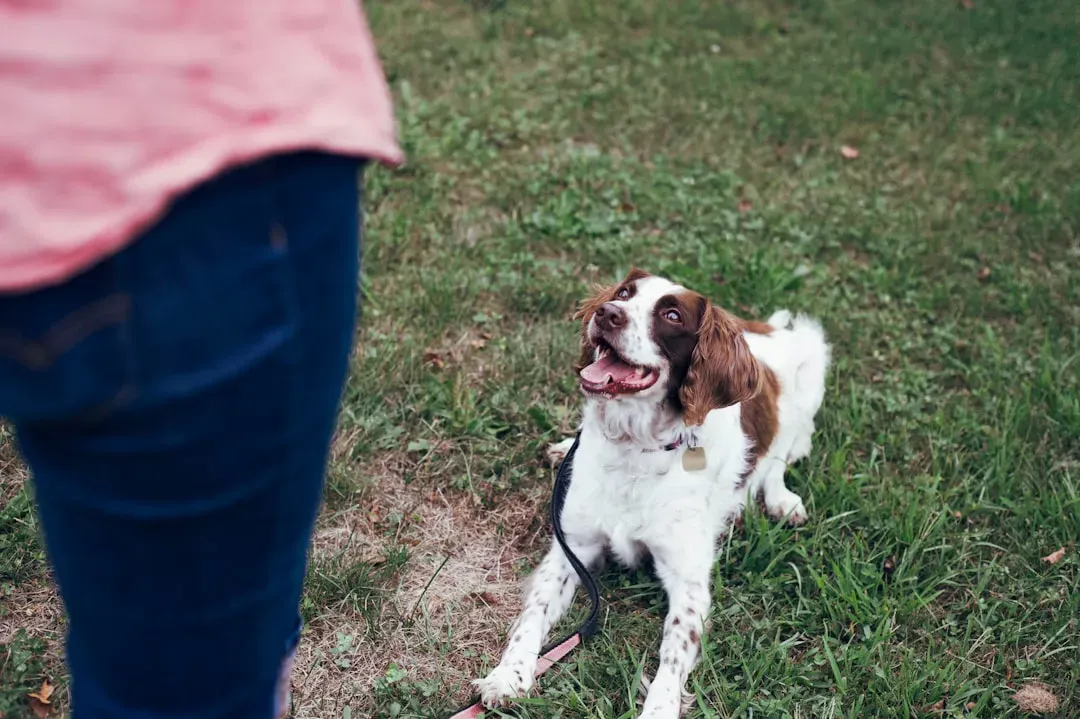
Most owners swear their dog understands the actual words “good boy” and “bad dog.” Controlled experiments say otherwise, and it’s a little humbling: dogs respond far more to a cheerful or harsh tone than to the specific label attached to it.
Say “bad dog” in a bright, playful, high-pitched voice, and most dogs will wiggle closer, tail going. Say “good boy” in a flat, cold tone, and plenty of dogs will shrink back, yawn nervously, or look away. Over time, yes, dogs learn to associate certain sound patterns with outcomes – “walk,” “treat,” “park” – but that’s conditioning, not language in the human sense. What actually sticks is the emotional climate wrapped around those sounds, which is exactly why some trainers insist that consistency of tone matters more than the size of your dog’s vocabulary list.
#4 – High Pitch Means Happy, Low Pitch Means Warning
If your voice automatically climbs an octave the second a puppy walks in the room, you’re not imagining that it works. Dogs are especially tuned to high-pitched, melodic tones as positive social signals – and to lower, abrupt tones as a built-in caution flag.
This may echo a pattern found across many mammals, where high sounds signal play and affiliation and lower sounds signal threat or seriousness. The practical version is simple: bright, sing-song tones work best for rewards, greetings, and recall, while sharp, lower tones should be saved for genuine “stop now” moments. When owners flip this script – barking commands in a high, panicked squeal, or mumbling praise in a bored monotone – dogs get mixed signals at a brain level, not just a training level. Some behaviorists go as far as saying a good chunk of so-called “reactivity” is really just chronic vocal confusion.
Quick Compare
- High, sing-song pitch: reads as playful and safe – ideal for praise, recall, and greetings.
- Low, abrupt pitch: reads as serious or threatening – best saved for genuine “stop now” moments.
- Panicked high pitch during commands: sends a confusing signal that undercuts the instruction.
- Flat, bored praise: often fails to register as a reward at all, no matter the words used.
#5 – Your Dog Reads Your Stress Like a Biometric Scanner
Most people assume they can fake calm around their dog. The research says that’s not really possible. Dogs don’t just hear your emotional tone, they sync to it – changes in your voice tied to stress, frustration, or fear can raise your dog’s own arousal, and even its heart rate.
Living in a household with a constantly tense vocal environment may contribute to chronic anxiety-like behavior over time, even if no one ever raises their voice directly at the dog. This is part of why two homes can raise the exact same breed and end up with two completely different dogs – it isn’t only about training methods, it’s about the emotional soundtrack playing in the background every day. Some trainers now rank vocal awareness right alongside exercise and enrichment, because no amount of puzzle toys fixes a dog who’s absorbing tension like a sponge.
#6 – Why Baby Talk Works, and Exactly When It Backfires

Yes, the infamous “who’s a wittle baby” voice actually does something real. Dogs tend to orient faster and hold attention longer when humans use exaggerated, infant-directed speech – higher pitch, slower tempo, big emotional swings. That style seems to supercharge the emotional clarity of your message, which is exactly what a dog’s brain is scanning for.
But here’s the twist most owners miss: baby talk is a tool, not a personality. Used constantly, especially around stressful moments, it starts to blur the lines. If you squeal the same way during a fun game as you do right after a scary outburst, or layer sugary tones on top of chaos, your dog doesn’t get comfort – it gets a confusing loop with no clear signal. Some behavior professionals openly push back on nonstop baby talk, arguing it keeps nervous dogs in a jittery, heightened state instead of teaching them how to settle. Their advice is blunt: keep a calm, warm, low-arousal voice as your default, and save baby talk for short, genuine bursts of fun.
Worth Knowing
- Infant-directed speech features higher pitch, a slower tempo, and bigger emotional swings than everyday talk.
- Dogs tend to orient faster and hold attention longer when this exaggerated style is used.
- Overusing baby talk during stressful moments can blur emotional signals instead of offering real comfort.
- Many behavior professionals recommend a calm, warm baseline voice, with baby talk reserved for short bursts of genuine fun.
#7 – Changing Your Tone Rewrites Behavior Faster Than Adding New Commands

Here’s the part most owners badly underestimate: changing how you speak often changes your dog’s behavior faster than piling on more rules ever will. Dogs are constantly cross-referencing your tone with outcomes – food appears, the leash comes out, doors open, games end – and building an emotional map long before they build a vocabulary.
When your emotional tone becomes predictable and fair, a lot of “problem behaviors” quietly drop away, simply because the dog finally understands the emotional rules of the house. Trainers who specialize in reactive or anxious dogs lean on this constantly, coaching owners to soften and slow their voice during tense moments, use crisp neutral tones instead of shouting when interrupting bad behavior, and pair genuinely warm praise with calm body language. Clients often report their dog improving before any complicated protocol even finishes, purely because the emotional static in the room finally dropped. If that idea makes you a little uncomfortable, it’s probably because your dog has been quietly mirroring unspoken tension for a long time.
When you strip away the myths, the pattern left standing is almost embarrassingly simple: your dog was never decoding your dictionary. It was decoding you – every sigh, every snap, every forced-calm “it’s fine” logged in a nervous system built to care about feeling long before it cares about vocabulary. So before you add another command to the list, it might be worth asking a harder question: does your voice actually sound like the relationship you think you have with your dog, or has it been telling a completely different story all along?


