

Think about the last time you cried on the couch and your dog quietly pressed against your side, or the way they practically explode with joy when you walk through the door after a rough day. Most of us just call that love or loyalty, but neuroscience is now saying something even wilder: your dog’s brain may be reading your emotions in a way surprisingly similar to your own. Not only do dogs react to how we feel, their brains appear to process positive and negative emotions in different hemispheres, echoing a pattern long known in humans.
This idea sounds almost too poetic: the same left–right emotional divide that shapes your own inner world may be quietly at work inside your dog’s head every time you smile, shout, or sob. Scientists using brain imaging, sound playback, and clever behavioral setups are finding patterns of asymmetric activation that line up with positive versus negative cues. The overall message is not that dogs are furry little humans, but that they are much more emotionally and neurologically tuned in to us than we used to admit. Once you see your dog through that lens, it’s hard to see them as “just a pet” ever again.
How Scientists Peek Inside a Dog’s Brain Without Breaking the Magic
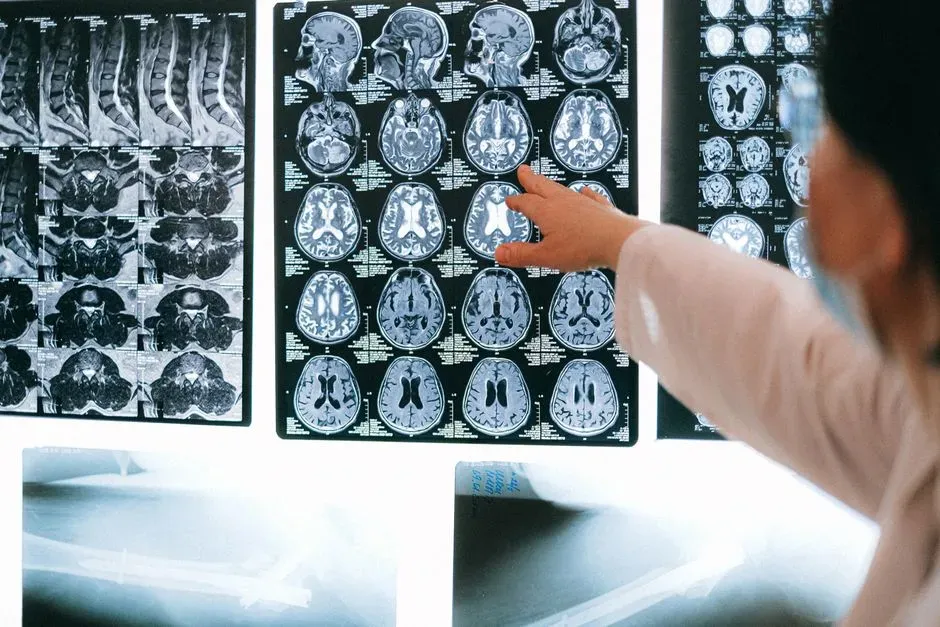
It might sound impossible to know which side of a dog’s brain lights up to your laughter or your angry tone, but researchers have gotten surprisingly good at this. They use tools like functional MRI scans and EEG recordings, combined with carefully controlled sounds, smells, images, and real-life interactions. In some studies, dogs are trained to lie completely still inside an MRI scanner, awake and alert, while they listen to human voices or look at faces with different emotional expressions.
Other experiments avoid big machines and instead track behavior and subtle body cues as a window into the underlying brain activity. For example, a shift in ear position, tail wagging direction, or how a dog turns its head toward or away from a stimulus can reflect which hemisphere is working harder at that moment. When the same patterns show up again and again across many dogs and many labs, scientists gain confidence that they’re tapping into real lateralized emotional processing, not random quirks or wishful thinking.
The Right Hemisphere: Your Dog’s Built-In Alarm System for Negative Emotions
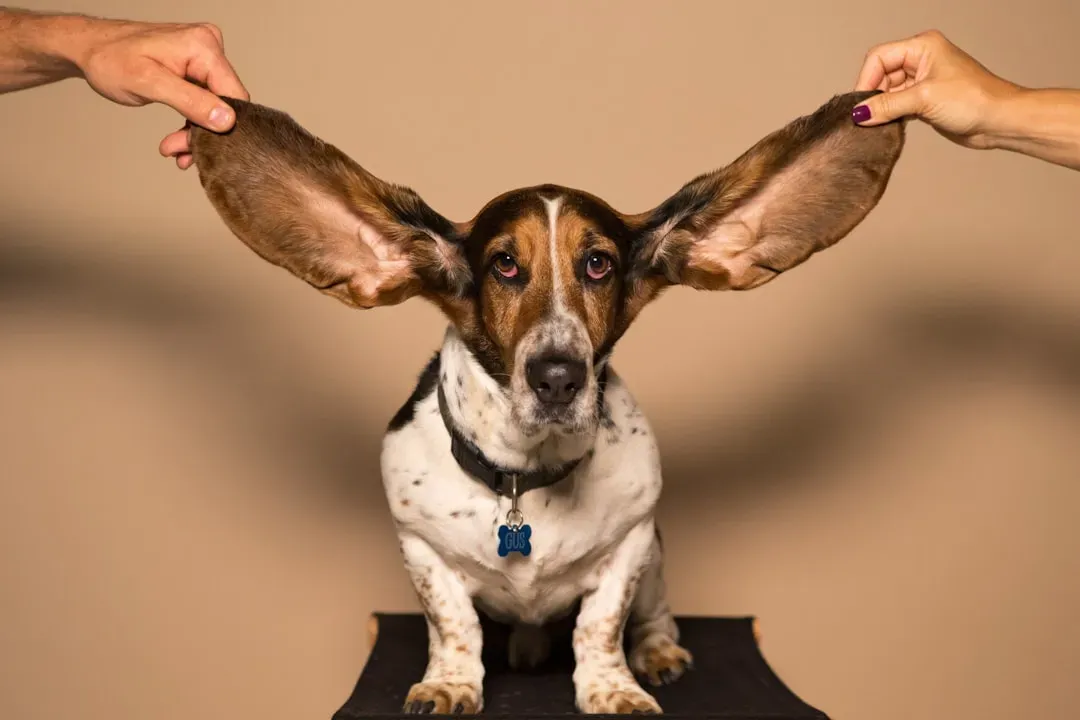
Studies repeatedly suggest that the right side of a dog’s brain is especially engaged when processing negative or potentially threatening emotions. When dogs hear angry voices, distressed cries, or other sounds that signal tension or danger, researchers see stronger right-hemisphere activation and related behavioral signs like increased vigilance or stress. This mirrors what we know about humans, where the right hemisphere has long been associated with withdrawal, fear, and monitoring for threats in the environment.
From an evolutionary point of view, this makes a lot of sense. For a social animal living in complex groups, quickly picking up on anger or distress in others can literally be a survival skill. If your tone suddenly changes, your dog’s right hemisphere may be quietly flipping into analysis mode, asking a kind of internal question: is something wrong, and what do I need to do about it? I’ve seen this with dogs who instantly go from napping to alert, ears pricked, just because someone raised their voice in another room. It is not drama; it is neurobiology doing its job.
The Left Hemisphere: Where Your Dog Soaks Up Positivity and Reward
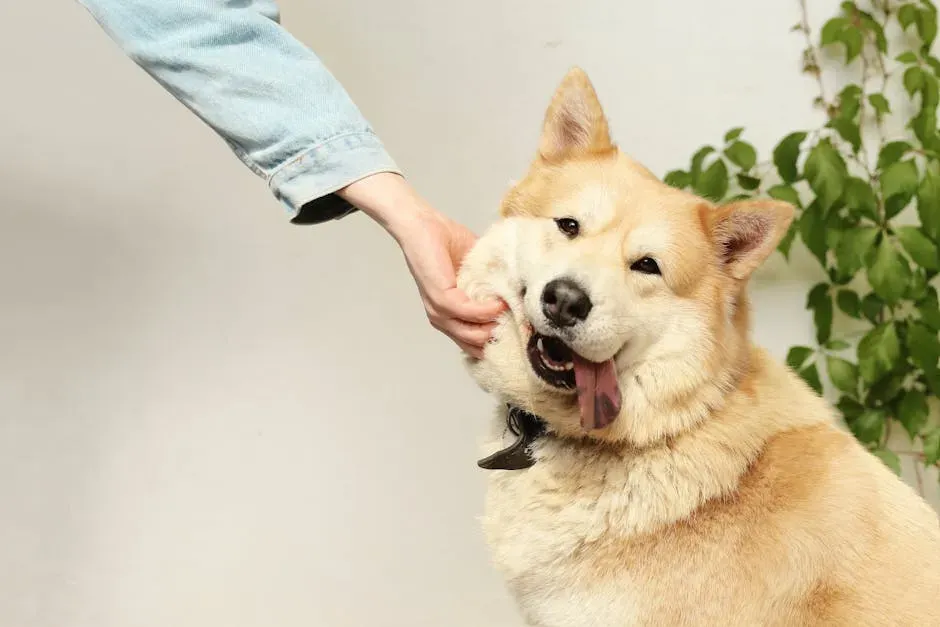
On the flip side, positive emotional cues – happy voices, friendly expressions, playful tones – tend to pull more from the left side of a dog’s brain. Research looking at how dogs respond to pleasant sounds, encouraging speech, or rewarding social signals suggests stronger left-hemisphere involvement when the overall emotional tone is safe, inviting, or joyful. That pattern again lines up neatly with human findings, where the left hemisphere is often linked to approach behavior, motivation, and positive affect.
If you have ever noticed your dog practically leaning into your happiness – tail flowing, body relaxed, eyes soft – you have probably watched that left-hemisphere bias in action, expressed in fur and muscle rather than brain scans. The left hemisphere seems tuned for “move toward this, it’s good,” and in a shared human–dog household, that might mean moving closer when you laugh, responding faster to your cheerful greeting, or getting extra excited when you use an upbeat tone to invite them on a walk. Underneath the wagging tail is a brain actively choosing connection.
Dogs Read More Than Words: Tone, Face, and Body Language Matter

One of the most striking things about this research is that dogs react strongly to emotional information even when they do not understand individual words. Experiments show that tone of voice alone can trigger asymmetric brain responses, with harsh or tense sounds leaning on the right hemisphere and warm, melodic tones pulling on the left. The same goes for facial expressions and body posture: a stiff, looming stance or a frowning face tends to be processed as negative, while relaxed, open, smiling expressions tilt the brain toward the positive side.
For dogs, emotion is like a multilayered signal coming from your voice, face, and body all at once. They are not sitting there translating English into “dog,” they are scanning the feeling in the room through thousands of years of fine-tuned social evolution. When these cues match – happy tone with a smiling face and relaxed shoulders – the left hemisphere likely gets clearer evidence that it is safe to approach. When the cues clash – fake cheerful words over an obviously tense body – your dog may look uncertain or anxious, because their emotional radar is picking up noise and conflict.
Lopsided Tail Wags and Ear Twitches: Everyday Clues to a Split-Brain Pattern

We usually think of tail wagging as a simple sign of happiness, but closer observation shows that it can be surprisingly asymmetrical. Some research has reported that dogs wag more toward the right side when they feel positive and more toward the left when they feel uneasy or threatened, which aligns with the idea of left-hemisphere activation for positive emotions and right-hemisphere activation for negative ones. The body, in other words, may serve as a visible echo of what each side of the brain is doing.
The same idea appears in head turns and ear movements. A dog might turn its head slightly one way when hearing a friendly voice and another way when exposed to distressing or unfamiliar sounds, hinting at which hemisphere is dominated by that input. Once you know this, watching dogs becomes strangely addictive: what used to look like random fidgets start to feel like micro-moments of emotional processing written on their bodies. It is not that every tiny movement has deep meaning, but patterns over time tell a story about how their nervous system sorts the good from the bad.
What This Means for Your Bond: Dogs Are Not Just “Responding,” They Are Interpreting
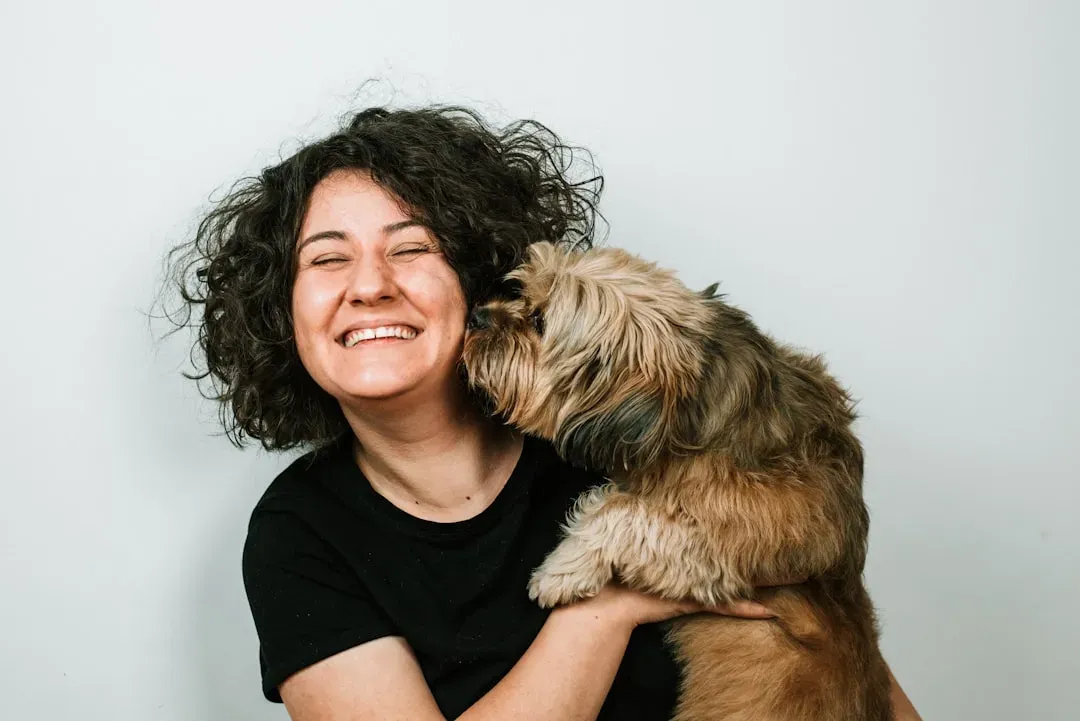
When you realize your dog’s brain organizes your emotions in a left–right pattern similar to your own, the relationship stops feeling like a one-way projection and starts looking more like a genuine emotional dialogue. Your moods are not just bouncing off them; they are being parsed, categorized, and remembered. This makes it much harder to excuse constant yelling, chronic tension, or emotional inconsistency around dogs as something they will simply “get used to.” Their brains are paying closer attention than many of us want to admit.
On the bright side, this also means positive emotional habits are incredibly powerful. Calm reassurance, predictable warmth, and genuine joy around your dog may repeatedly reinforce left-hemisphere patterns of safety and approach. Over months and years, that can shape a dog who expects good things from human contact, rather than bracing for the worst. I think this is one reason dogs from stable, kind homes often move through the world with an almost ridiculous confidence: their brains have been trained, at a deep level, to treat human emotion as mostly safe and rewarding.
Beyond Cute: Why This Research Changes How We Should Treat Dogs

There is a temptation to treat findings about asymmetric brain activation in dogs as a cute trivia fact, something to pull out at dinner parties and then forget. But these studies quietly push us toward a more serious conclusion: dogs are emotionally sophisticated social partners whose inner lives deserve respect. If their brains track our emotional ups and downs with such nuanced, lateralized processing, then shrugging off their anxiety, confusion, or joy as “just instinct” feels outdated at best and dishonest at worst.
My own opinion is that we are only just starting to catch up scientifically to what dog lovers have sensed for generations. The left–right divide for positive and negative emotions does not make dogs human, and it does not mean they feel things exactly the way we do. But it does knock down the old idea that they are simple creatures running on rigid reflexes. Knowing that their brains respond to our smiles and storms in such a familiar pattern puts a moral weight on how we show up in their lives. If their nervous systems are listening this closely, the least we can do is speak in emotional tones worthy of that trust. Did you ever imagine your dog’s brain was mirroring yours so closely all along?


