
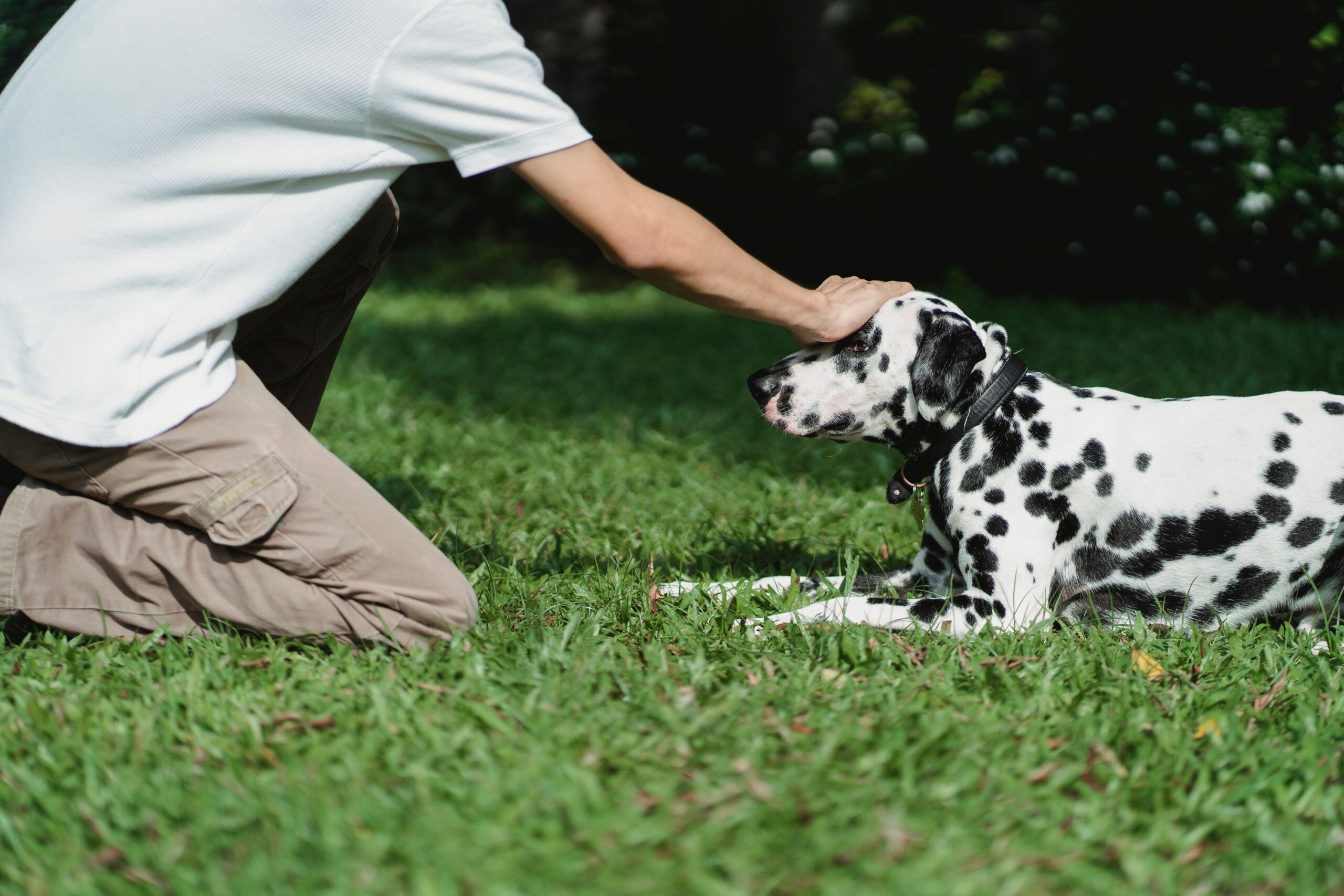
Most people think a “good” dog is the one who sits on command and walks perfectly on a leash. But emotional attachment runs much deeper than obedience. A dog can follow every rule in the book and still not be truly bonded to you, just like a coworker can be polite and professional without actually liking you. The magic shows up in the little, unscripted moments your dog chooses you without being asked.
When you start noticing those moments, it hits differently. You realize this animal is not just living in your house; they’re emotionally connected to you, trusting you, and building a strange little cross-species friendship that feels bigger than it looks from the outside. Let’s walk through the clearest signs that your dog is truly attached to you as a person, not just well trained to follow the rules.
1. Your Dog Chooses to Be Near You – Even When Nothing Is Happening

One of the strongest signs of emotional attachment is simple: your dog voluntarily hangs out near you when absolutely nothing is going on. No treats, no toys, no leash in your hand, no “come here” cue – they just drift over to lie at your feet, lean against your leg, or curl up on the bathroom rug while you brush your teeth. That is not efficiency; that is preference.
Dogs that are only command-focused tend to show up when they think something is in it for them. An attached dog uses you almost like a home base, checking in throughout the day, switching rooms when you do, or napping where they can see or smell you. It’s like having a furry shadow, not because you’re constantly calling them, but because, in their mind, being where you are is simply the safest, most comfortable default.
2. They Make Soft Eye Contact, Then Look Away Calmly
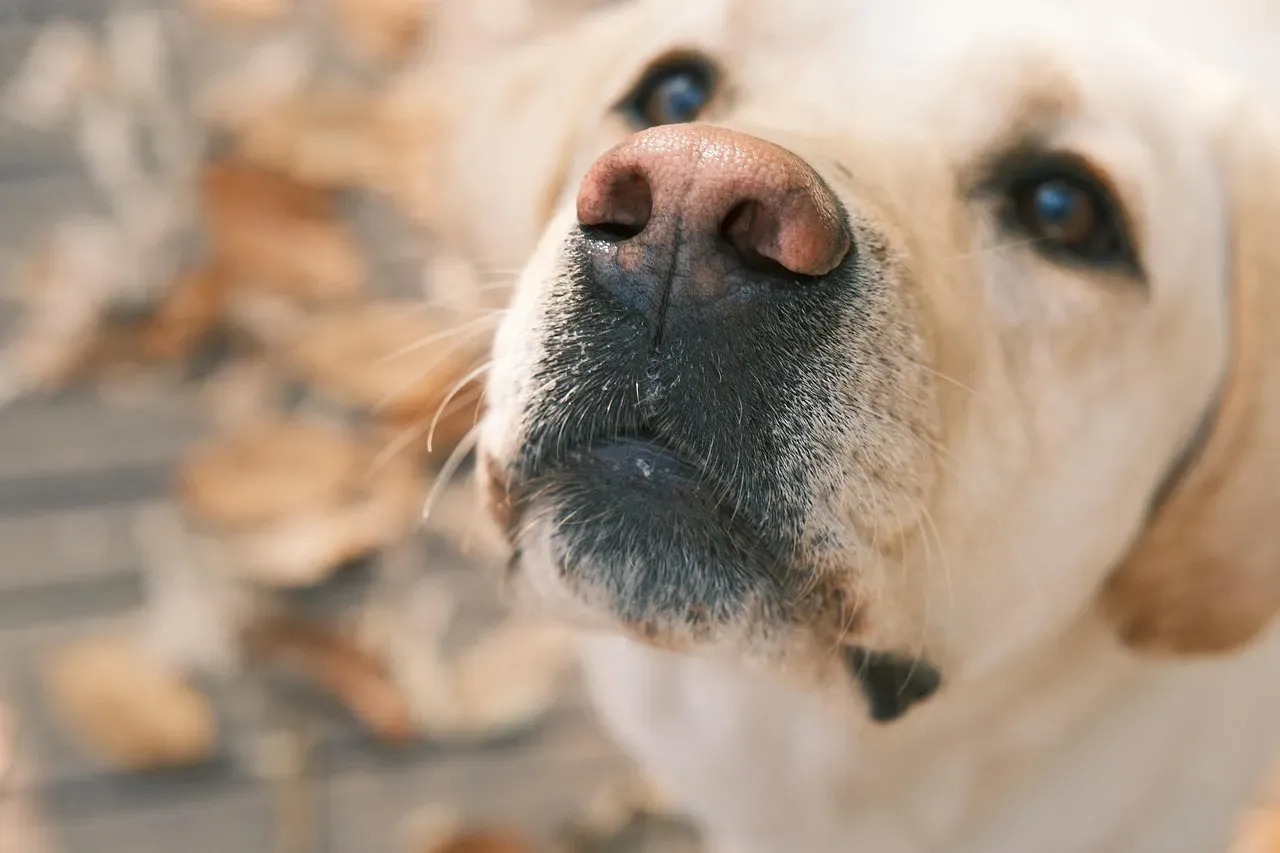
Staring can be rude or threatening in dog language, but gentle, relaxed eye contact is often a sign of emotional trust. If your dog looks at you with soft eyes, a relaxed face, and then casually looks away, that’s a sign they feel secure with you. Think of it more like glancing at a close friend across a room rather than staring down a stranger. It’s quiet, subtle, and full of comfort.
Dogs that are only obedience-driven might look at you intensely when they’re waiting for commands or rewards, almost like a worker watching a boss. An emotionally attached dog has a different kind of gaze: they check your face to read your mood, to see if you’re okay, or just to share a calm moment. That gentle look is a kind of emotional “handshake” that says, “I know you, I trust you, I’m good here.”
3. They Seek Comfort From You When They’re Stressed or Scared
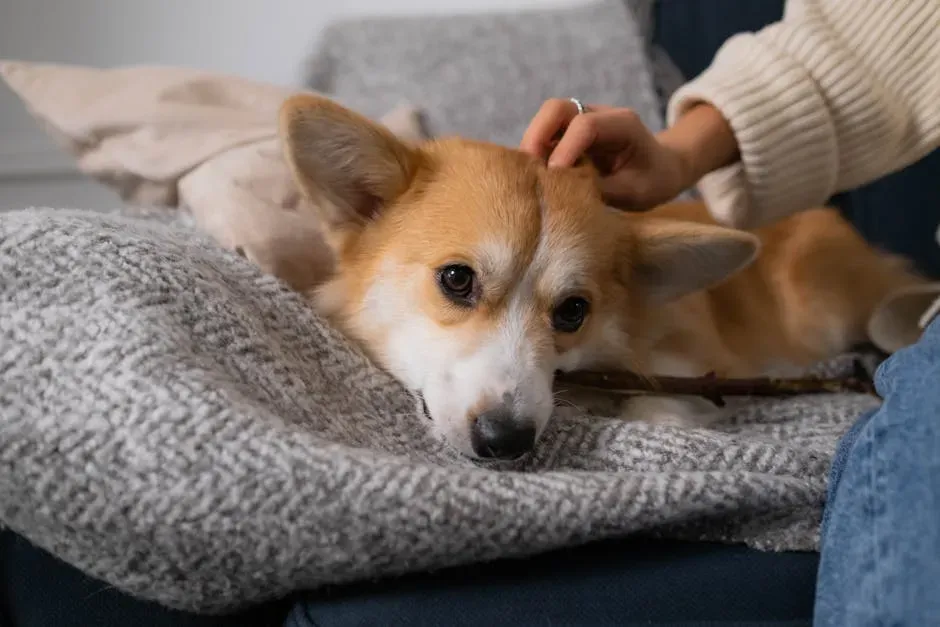
When something unsettling happens – thunder, fireworks, a dropped pan, a rowdy visitor – watch what your dog does. A dog who is truly bonded to you will often come closer, lean on you, climb into your lap if they’re small enough, or at least position themselves where they can see you. You become their emotional shelter, not just the person who hands out dinner.
If a dog barely knows you or only sees you as the “rule enforcer,” they might avoid you when they’re scared, hide somewhere alone, or frantically pace with no clear direction. An attached dog treats you like their “safe place,” even if you never consciously trained that response. It is one of the clearest emotional tells: when they feel vulnerable, they instinctively choose you, not the couch, not the crate, not the back of the yard.
4. Their Greeting Is About You – Not Just the Routine
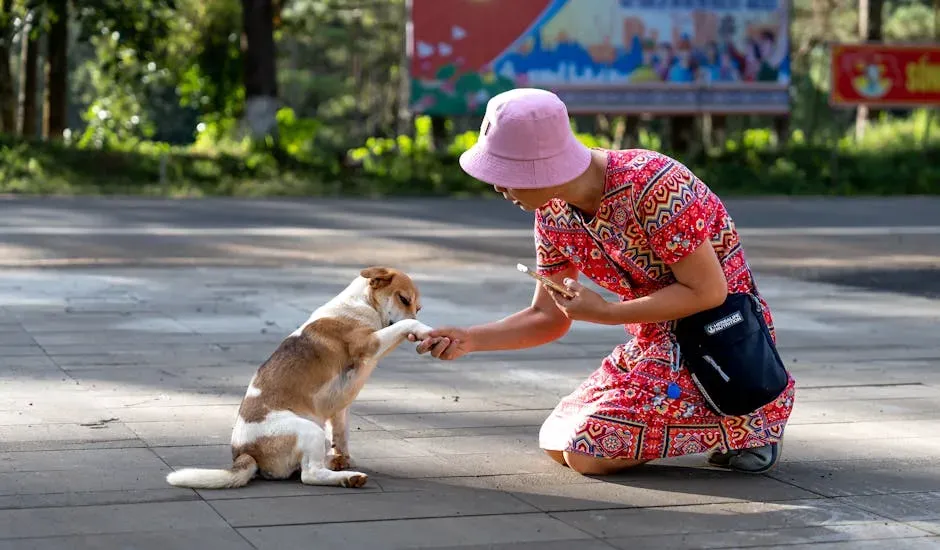
You can learn a lot from the way your dog greets you. An emotionally attached dog often shows a loose, wiggly body, relaxed or happy facial expression, and a tail that moves with their whole back end when you come home. They may bring you a toy, vocalize, or gently nudge you like they’re trying to reconnect after a small separation. The energy is less about raw excitement and more about genuine relief that you’re back in their orbit.
A dog that is just tuned into routine might get excited because it’s “that time of day” when food, walks, or attention usually happen. You’ll notice the focus skips past you and lands straight on the cupboard, the leash hook, or the backyard door. When the attachment is strong, the first priority is you: they check your face, your scent, your mood, and only then remember the walk or the meal that might follow.
5. They Adjust Their Behavior to Match Your Mood and Energy
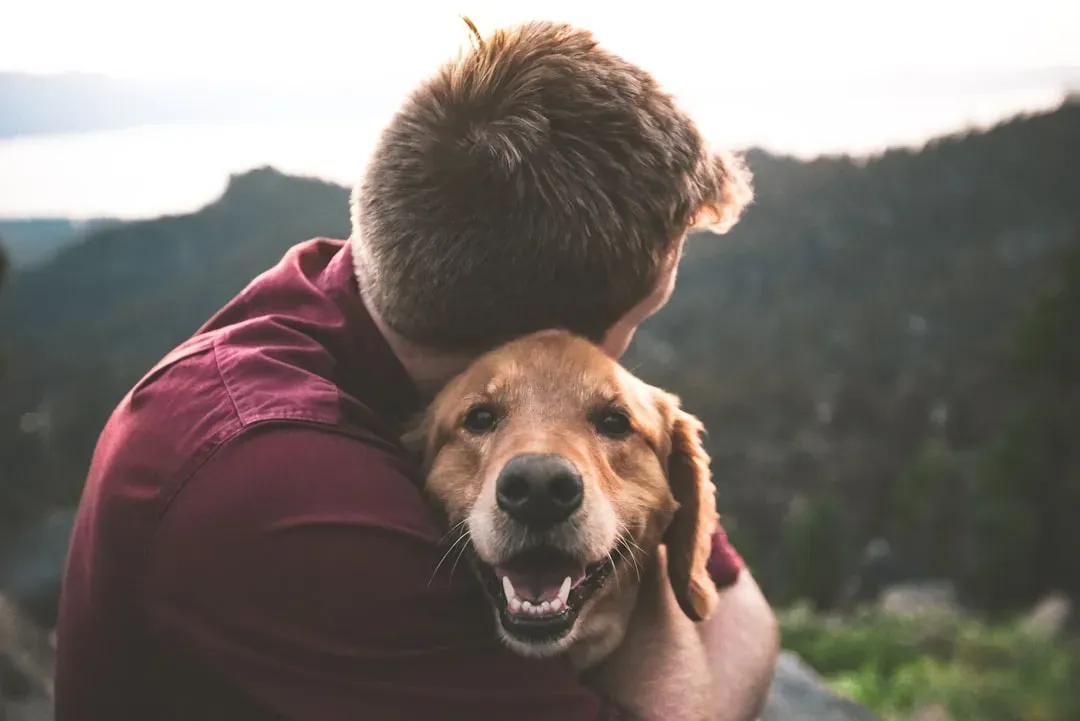
One of the underrated signs of emotional connection is emotional attunement, which is just a fancy way of saying your dog picks up on your vibe and responds. If you’re calm and quiet, an attached dog often tones it down too, settling next to you instead of constantly demanding play. If you’re upbeat and active, they may mirror that energy with more enthusiasm and engagement.
This is different from being “trained to be calm” because it is flexible and context-based. I’ve had days where I was obviously upset, and my usually energetic dog just quietly pressed himself against me and stayed there, as if he knew the usual zoomies could wait. That kind of shift is not just about commands; it is about a dog tuning into your emotions the way a close friend or partner sometimes does automatically.
6. They Show a Healthy Amount of FOMO When You Leave the Room
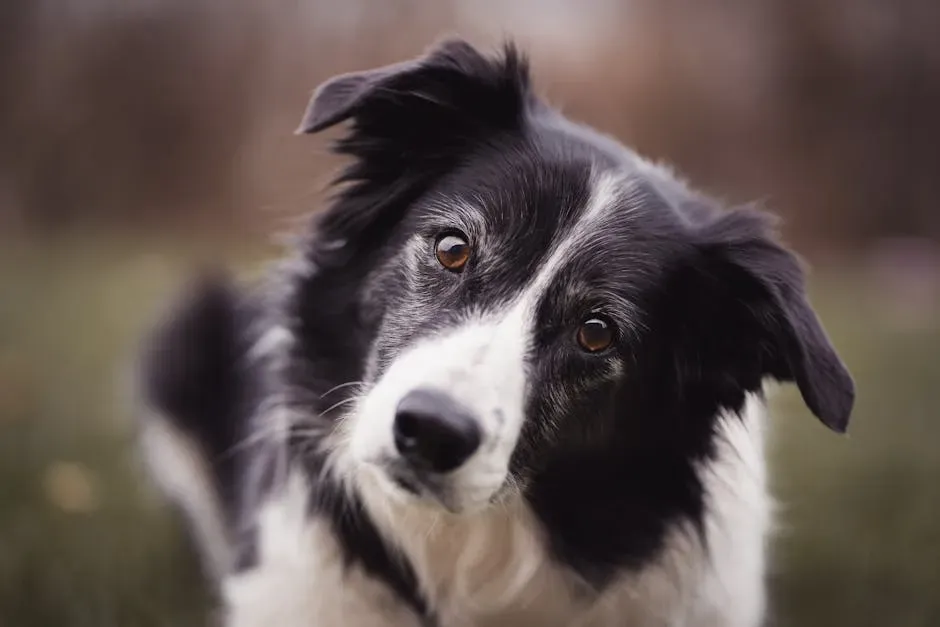
Separation anxiety is not a good thing, but a mild, healthy dose of “where are you going?” can signal emotional attachment. If you leave the room and your dog lifts their head, follows you casually, or checks in within a minute or two, they’re showing that your presence matters to them. They do not panic, but they are curious and mildly concerned about the distance.
A dog with no particular bond might barely react when you move around the house, or they might care more about the spot they’re lying in than about where you are. On the other hand, a dog who is only attached to specific triggers (like the sound of the fridge) will only follow when those triggers are involved. If they track you down just to lie near you while nothing interesting is happening, that is emotional – not transactional.
7. Play With You Is More Fun Than Just the Toy Itself
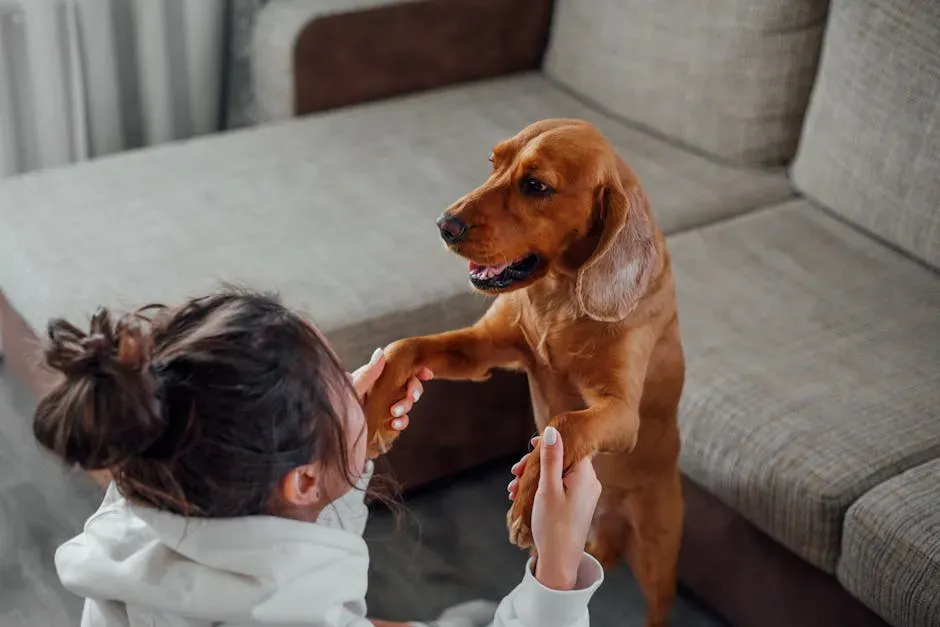
Watch what happens if you stop interacting in the middle of a game. An emotionally attached dog often pauses and looks at you as if to say, “Hey, are we still doing this together?” The fun is partly the toy, sure, but a big chunk is the shared interaction. Tug, fetch, chase – these games all become richer when they’re about the two of you, not just about grabbing an object and running off.
Dogs that are more object- than person-focused will sometimes snatch the toy and ignore you completely, happily entertaining themselves with little interest in involving you. A bonded dog may bring the toy back repeatedly, solicit you to re-engage, and even adjust the play style based on your reactions. They might soften their grip in tug, slow down for kids, or bring the ball right into your lap. That flexibility and back-and-forth shows there is a relationship happening, not just a mechanical game.
8. They Relax Fully Around You, Showing Their “Off-Duty” Self
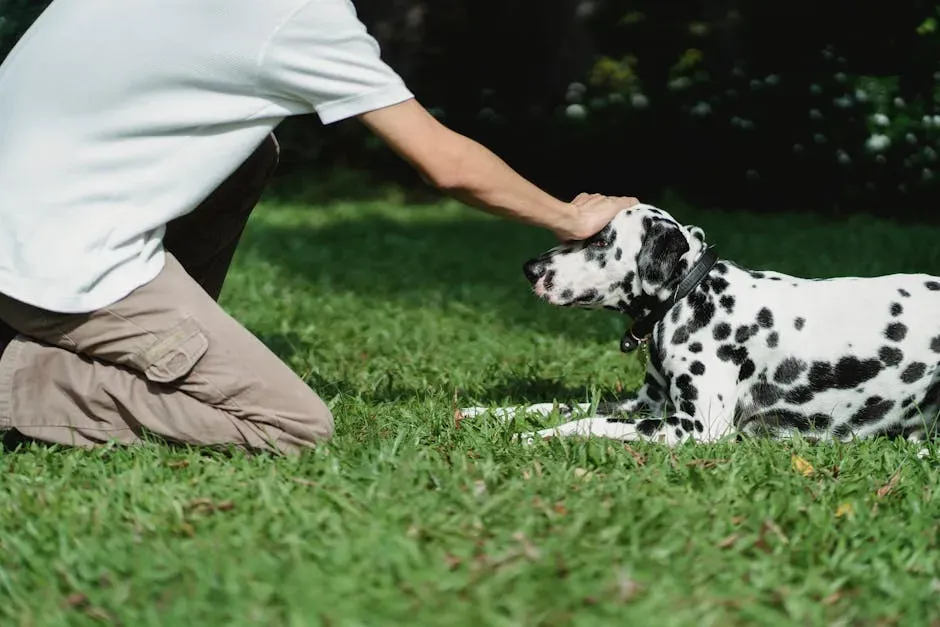
A deeply attached dog can really switch off around you. You’ll see them flop onto their side, expose their belly, sigh dramatically, or fall into that deep, twitchy dream sleep where their feet paddle and their face twitches. That level of vulnerability, especially in certain breeds or rescue dogs with a rough past, signals enormous trust. They’re not just comfortable in your house; they feel safe in your presence.
Dogs only obeying rules may stay a little more guarded, always half-alert, stiff, or watching the room, especially in your presence if they associate you primarily with correction. When a dog can snore on your leg like an exhausted toddler on a road trip, they are telling you with their whole body: “I don’t need to be on guard right now. You’ve got this. I can rest.”
9. They Show Gentle, Spontaneous Affection Without Being Asked
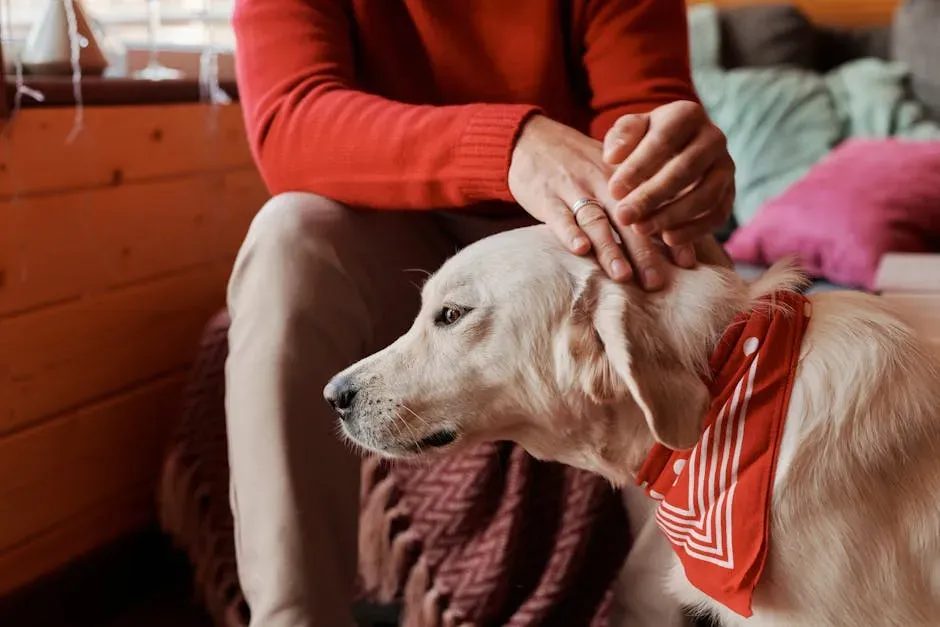
Emotional attachment shows up in those random affectionate moments you did not prompt. Your dog might come over, rest their chin on your knee, lean their body against your side, or quietly nuzzle your hand while you’re working. These are not the results of a “give paw” command; they’re self-initiated bids for connection, a way of saying, “I just want to be close to you for a second.”
Now, not every dog is physically expressive – some are naturally more reserved. But even those dogs will often find subtle ways to connect when they’re attached: sitting so their back just barely touches your leg, choosing the corner of the couch closest to you, or giving a soft tail wag when you make eye contact. The key difference is that the affection appears out of context, with no treats, no training, and no agenda attached.
10. They Can Learn From You Without Fear Being the Motivator
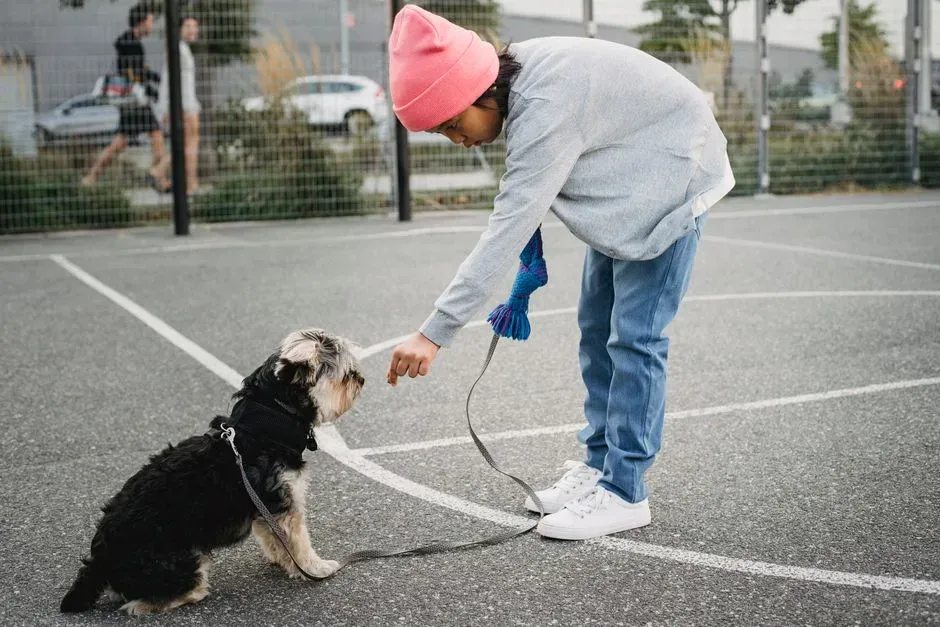
Emotional attachment really shows in how your dog responds when you correct or guide them. A dog that trusts and loves you may look a little confused or disappointed when you say no, but they do not shut down, cower, or panic. Instead, they often try something else, check your face, or come closer for reassurance. The relationship can handle small moments of friction without cracking.
When fear is doing the heavy lifting, dogs obey, but they also brace. You’ll see tense bodies, flattened ears, and a hesitancy to try new things. With a secure attachment, your dog is willing to experiment, make mistakes, and keep engaging with you because the emotional foundation is solid. Training still matters – but it becomes a shared language within a relationship, not a control system between a boss and an employee.
Conclusion: Obedience Is Nice, but Attachment Is the Real Win

At the end of the day, sit, stay, and heel are useful tools, but they are not the measure of the bond you share with your dog. The real magic is in those messy, unscripted, unphotogenic moments: the soft eye contact on a quiet night, the sleepy body pressed against your leg, the way they find you during a storm or follow you down the hallway for no real reason. That is the stuff you will remember years from now, long after the novelty of perfect obedience has worn off.
I’m openly biased here: I would take a slightly “imperfect,” emotionally attached dog over a robotic, flawlessly trained one any day. Rules can be taught to almost any dog; genuine attachment has to be earned, slowly, through everyday kindness, consistency, and respect. So when you notice these signs in your own dog, it is worth pausing to really feel it – this strange, quiet friendship you’ve managed to build with another species. Looking at your dog now, how many of these signs do you see?


