
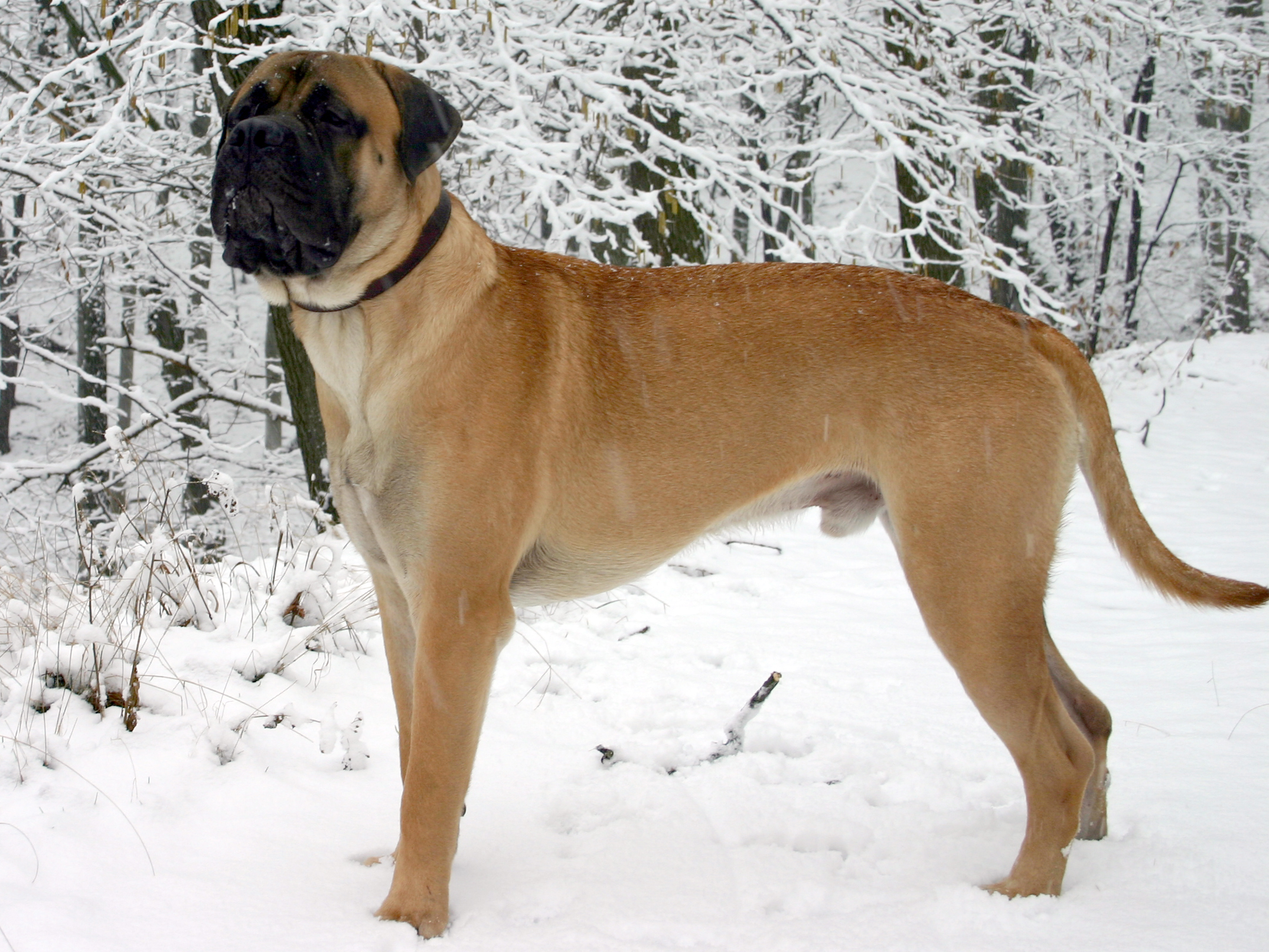
Some dogs walk into a room and people instantly tense up. Big heads, muscular bodies, intense stares – these breeds get labeled as “dangerous,” “aggressive,” or “hard to handle” before they’ve even sniffed a hand. Yet behind a lot of those intimidating looks is a dog that is basically a marshmallow in a muscle suit.
What many people do not realize is that a surprising number of “tough” breeds are actually emotional sponges. They soak up the mood in the house, worry when you’re upset, and can be downright dramatic if they feel scolded or ignored. Let’s dig into 12 breeds that look like they’d guard a fortress but are more likely to guard your feelings.
1. Rottweiler
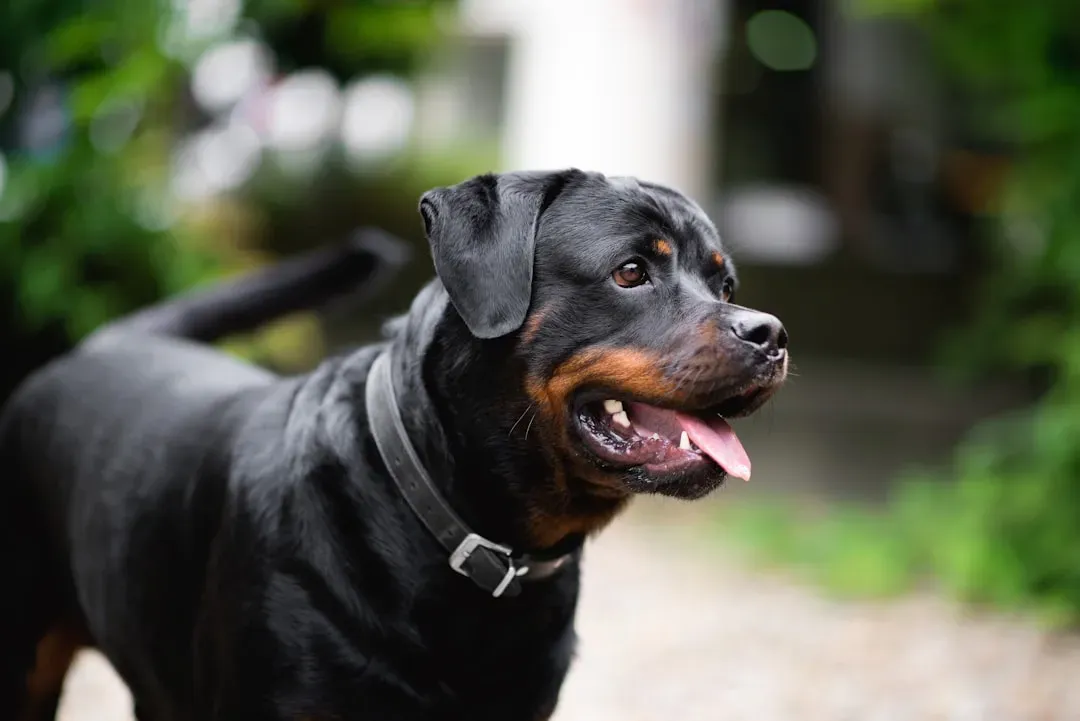
Rottweilers often get cast as the classic guard dog: broad chest, blocky head, serious stare. People see a Rottie and imagine a dog that is all business and no softness. In reality, a well-bred and well-raised Rottweiler is often deeply attached to their family and can be surprisingly sensitive to tone and tension at home.
Many Rotties do not take harsh training well and can emotionally shut down if they’re constantly corrected or yelled at. They tend to thrive when they feel like part of a close-knit team, not a soldier in boot camp. Treat them like a trusted partner, and you’ll often discover a goofy, cuddly dog who just happens to look like security staff.
2. American Pit Bull Terrier and Pit-Bull-Type Dogs
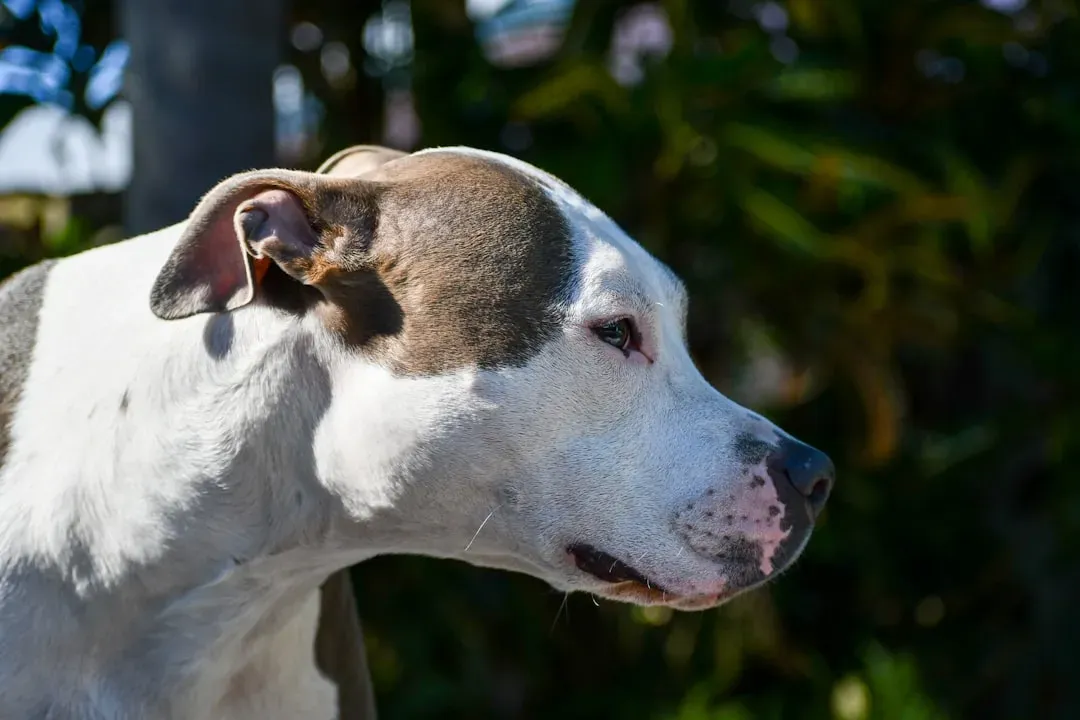
Few dogs have a tougher public reputation than pit-bull-type breeds. The wide jaw, muscular build, and media stories have painted them as naturally aggressive, even when many individual dogs are the complete opposite at home. At their core, a lot of these dogs are people-focused, eager to please, and highly sensitive to human emotion.
Because they bond so strongly with their people, they can be easily hurt by rejection, rough handling, or constant inconsistency. Many pit-bull-type dogs are emotional “velcro,” craving closeness and reassurance, and some can even become anxious if left alone too much. Under all that muscle is often a dog that just wants to be in your lap, even if they absolutely do not fit.
3. Doberman Pinscher
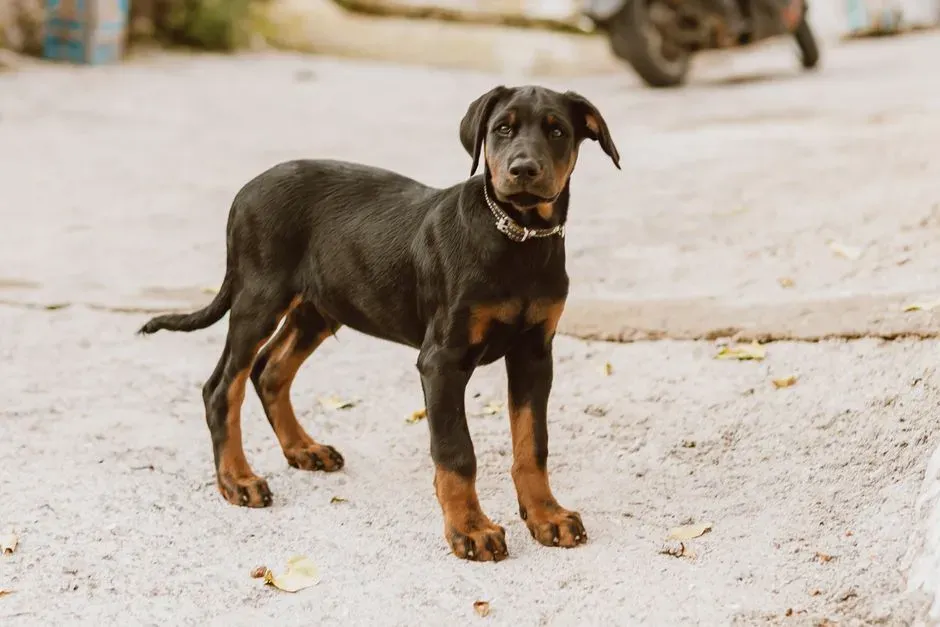
Dobermans have a sleek, almost intimidating elegance that makes them look like they were designed to guard high-security vaults. Yet their nickname among many owners hints at their softer side: they are often called “velcro dogs” because they want to be right next to their people. Many Dobermans are almost hyper-attuned to their family’s moods.
This emotional sensitivity can be a double-edged sword. On one hand, they can be incredibly in tune with stress, illness, or sadness, responding with quiet closeness or protective behavior. On the other hand, harsh voices, chaotic households, or rough corrections can make them anxious or insecure. Treat a Doberman like a cold, distant working machine, and you miss out on the deeply loyal, emotionally aware companion they can be.
4. German Shepherd
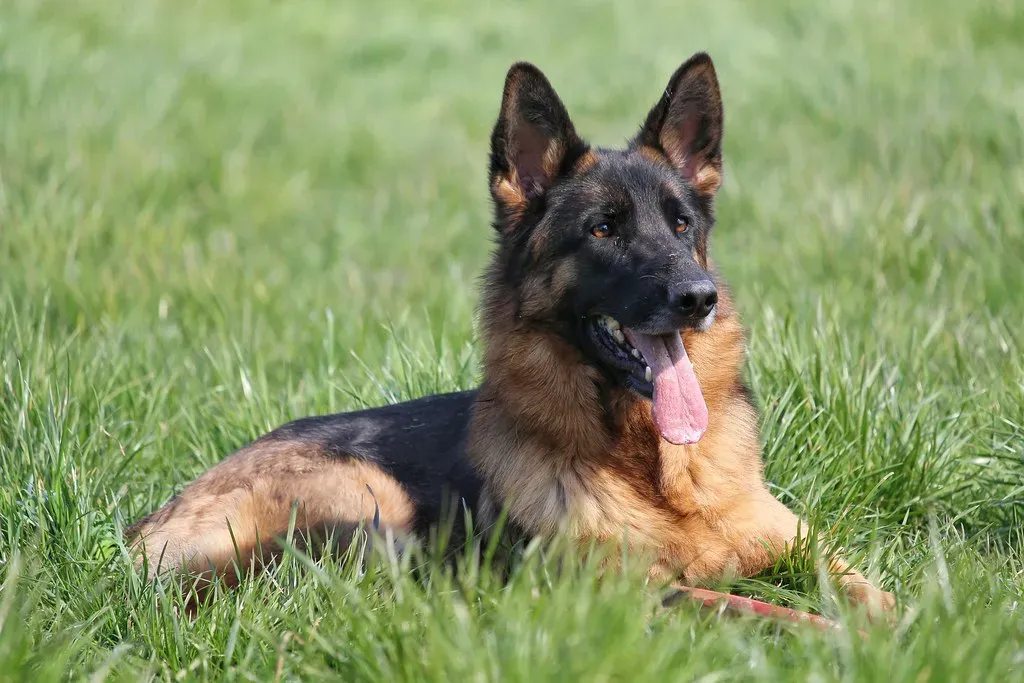
German Shepherds are often seen in police cars, on military bases, and in serious working roles, so people assume they are stoic, unflappable robots in fur. In truth, many shepherds are intensely bonded to their primary person and can be surprisingly fragile emotionally. They read body language quickly and often react strongly to changes in routine or tension in the home.
This sensitivity can show up as separation anxiety, nervous behaviors, or over-the-top protectiveness when they feel their person is threatened. A German Shepherd that is handled with patience, clear structure, and kindness tends to bloom into a confident, stable dog. One that is pushed too hard, shouted at, or left under-stimulated can turn that sensitivity inward and struggle more than people expect from such a “tough” breed.
5. Boxer
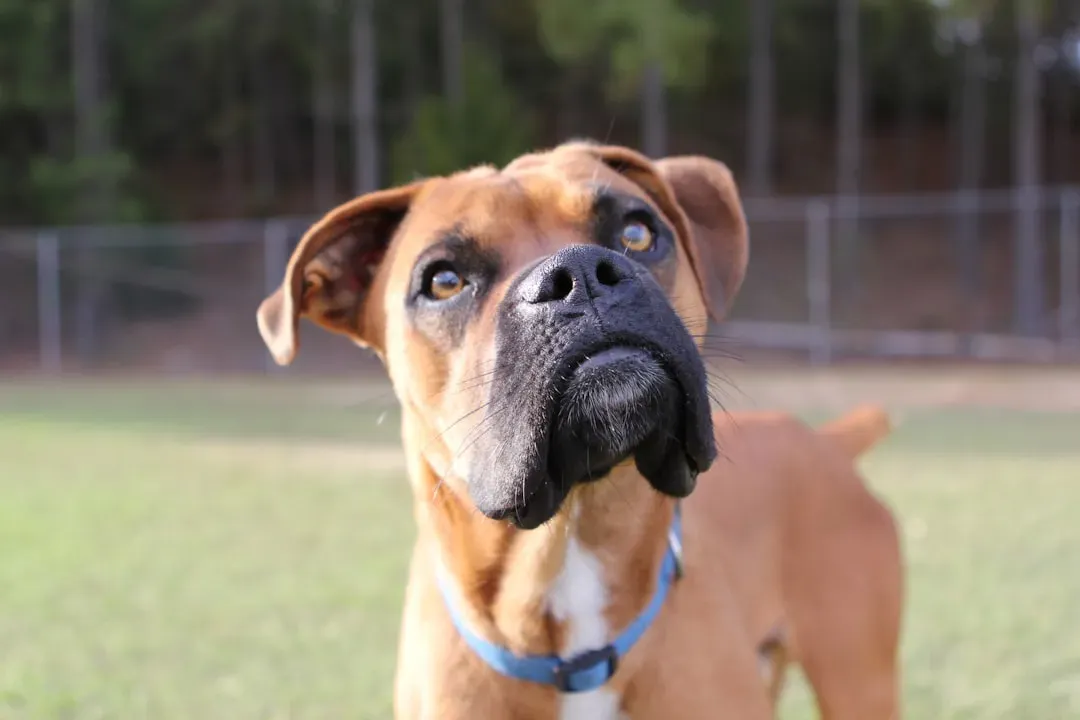
Boxers look like they are built for the boxing ring: muscular, athletic, and ready to leap into action. But spend time with a typical Boxer, and you may feel like you are dealing with an oversized toddler in a dog suit. They are often playful, clownish, and extremely tuned in to their people’s reactions, looking constantly for feedback, praise, or laughter.
Behind the silliness, though, lies a heart that bruises easily. Boxers are known to sulk or act wounded if they feel scolded or excluded, and many do not respond well to rough, impatient training styles. They need humans who understand that under all that bounce and brawn is a dog that wants approval and reassurance just as much as exercise.
6. Bullmastiff
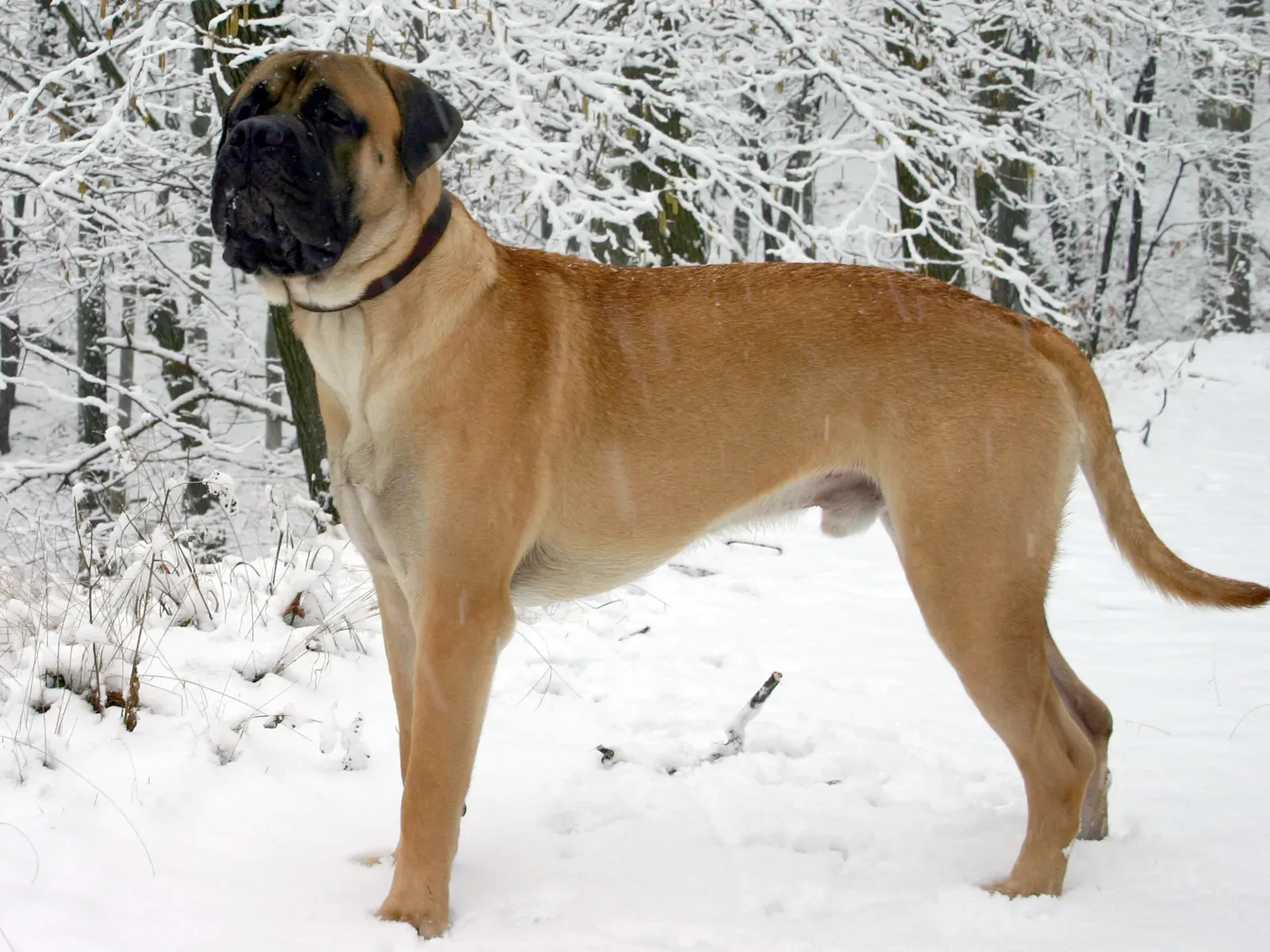
Bullmastiffs look like stone statues come to life: huge heads, heavy bodies, and a presence that makes people step back. It is easy to forget that inside that giant frame is often a dog with a soft, thoughtful temperament, especially toward their own family. Many Bullmastiffs are calm observers, quietly taking in the emotional temperature of the room.
Because of their size, some people assume they can handle anything – rough handling, chaotic homes, inconsistent rules. In reality, many are quietly sensitive, easily stressed by tension or loud conflict. They may not show it with dramatic reactions, but they can withdraw, become stubborn, or anxious if they do not feel secure and understood. Treat them like gentle giants, not living tanks, and their sweetness shines.
7. Cane Corso
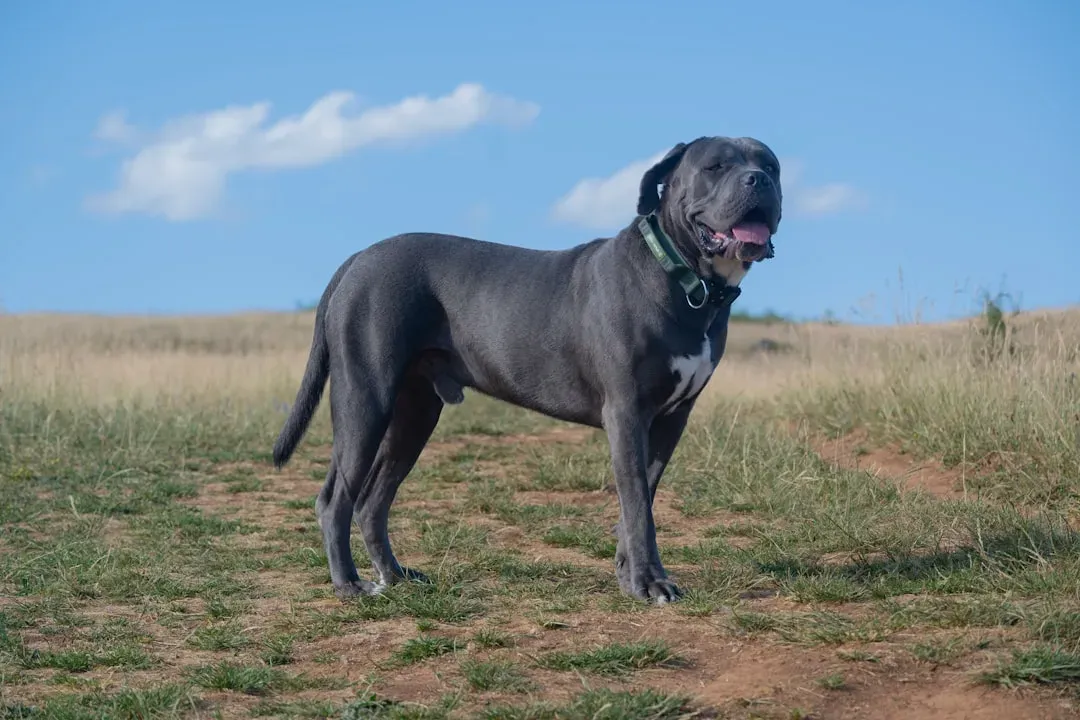
The Cane Corso has exploded in popularity in recent years, often marketed as a powerful guardian and status symbol. With their broad chests and intense gaze, they certainly look like they mean business. Yet experienced owners know that many Corsos are extremely bonded to their humans and can be surprisingly delicate emotionally, especially when young.
This is a breed that tends to form strong attachments and can become stressed if they feel ignored, mishandled, or constantly misunderstood. Harsh, punishment-heavy training often backfires, leading to worry or defensiveness instead of calm confidence. When raised with fairness, patience, and clear boundaries, their sensitivity becomes a strength: they grow into steady, affectionate companions who care deeply about “their” people.
8. American Bulldog
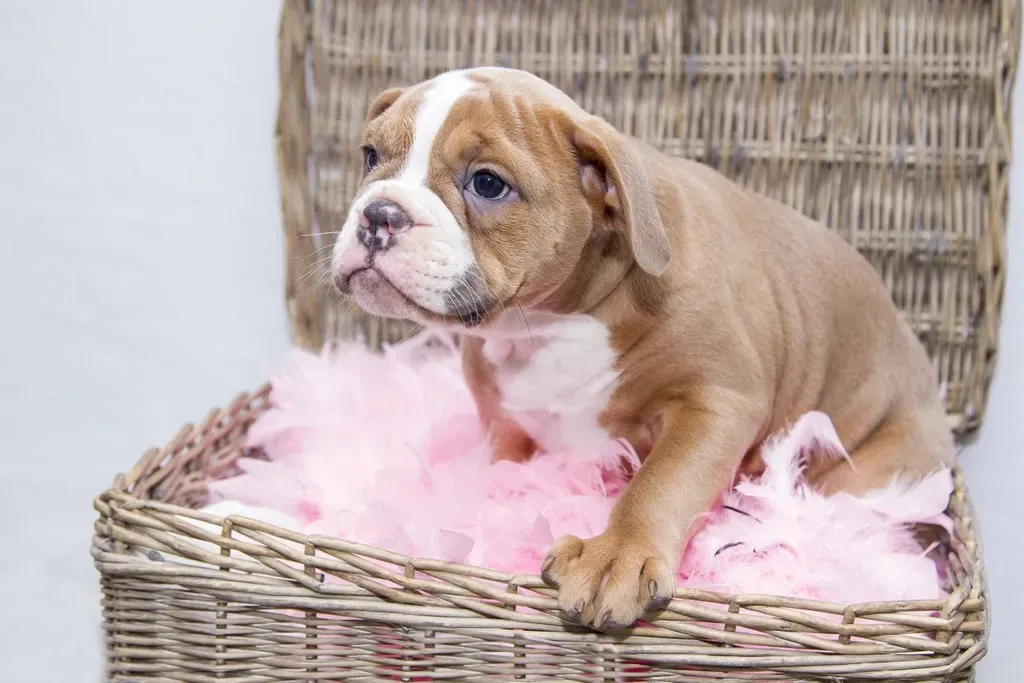
American Bulldogs often get lumped into the same mental category as other bully breeds: strong jaw, stocky body, and a reputation for toughness. Many people see them as rugged farm or guard dogs that can shrug off anything. But a lot of American Bulldogs are emotionally softer than their looks suggest, craving structure, affection, and a sense of belonging.
They can be reactive if pushed too fast or raised in chaotic environments, not because they are inherently mean, but because they feel overwhelmed and misunderstood. When given consistent rules, patient training, and plenty of positive interaction, their real personality usually surfaces: a goofy, loving dog that wants to clown around with the family and be in the middle of everything, not on the sidelines as some intimidating figure.
9. Bull Terrier
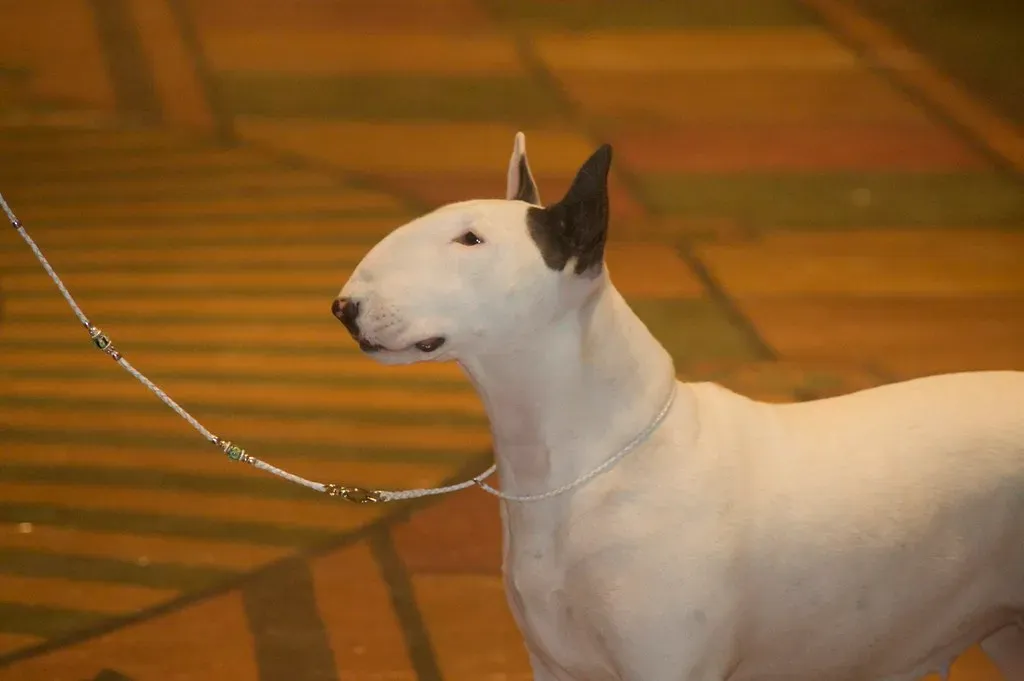
With their egg-shaped heads and intense eyes, Bull Terriers have a look that can unsettle people who do not know the breed. Add in their history as tough little gladiators, and it is easy to assume they are all grit and no softness. Yet many Bull Terriers are incredibly people-oriented and can be quite sensitive to both praise and criticism.
They tend to respond best to upbeat, humorous, and creative training approaches rather than stern, rigid methods. Raise your voice too often or shame them, and they may become stubborn, confused, or emotionally deflated. Treated with warmth, patience, and a sense of fun, they reveal themselves as lovable weirdos who care deeply about their human’s attention and approval.
10. Akita
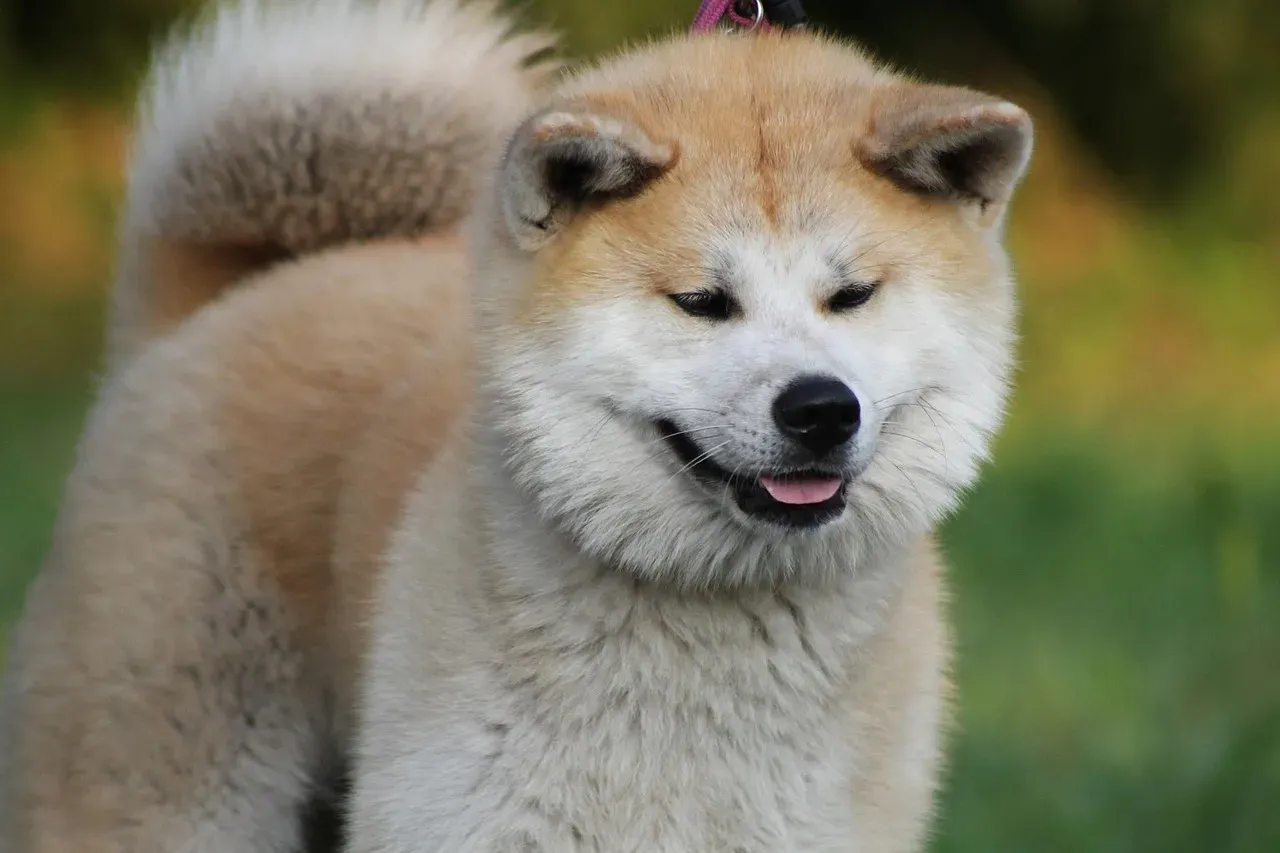
Akitas have a noble, almost aloof presence that makes them seem untouchable and emotionally distant. People sometimes assume they are cold, indifferent guardians that do not need much from humans beyond food and a yard. In reality, many Akitas are deeply devoted to their families and can be more sensitive than their reserved demeanor suggests.
They may not show their feelings with over-the-top affection, but they can be strongly affected by household tension, inconsistent rules, or being excluded from family life. An Akita that feels respected, included, and handled with calm fairness is often steady and quietly affectionate. Treat them like a detached lawn ornament, and their emotional world can shrink, leaving a lonely dog behind that was never as tough inside as they appeared outside.
11. Giant Schnauzer
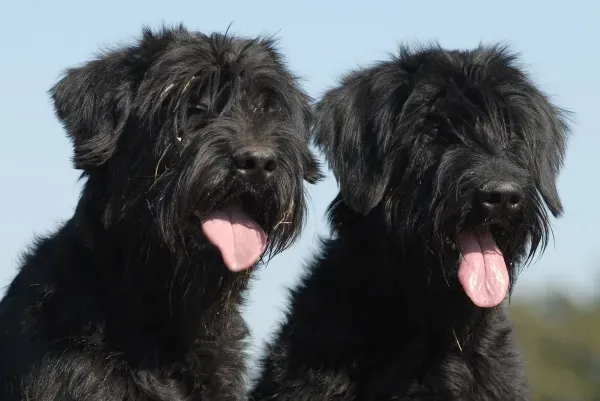
Giant Schnauzers project serious energy: big, strong, and bred to work as drovers and guardians, they look like strict security managers. Yet under that wiry beard is often a dog with a surprising need for mental connection and emotional stability. Many Giants are highly intelligent and pick up on human moods fast, sometimes becoming unsettled when things feel off.
They can respond poorly to chaotic, inconsistent handling, swinging between overexcitement and anxiety if they never know what to expect. With fair structure, consistent boundaries, and plenty of purposeful activity, their sensitivity helps them become reliable partners who stay deeply in tune with their people. Ignore their emotional needs, and they may act out, leaving everyone confused about how a “tough working breed” ended up so stressed.
12. Shar-Pei
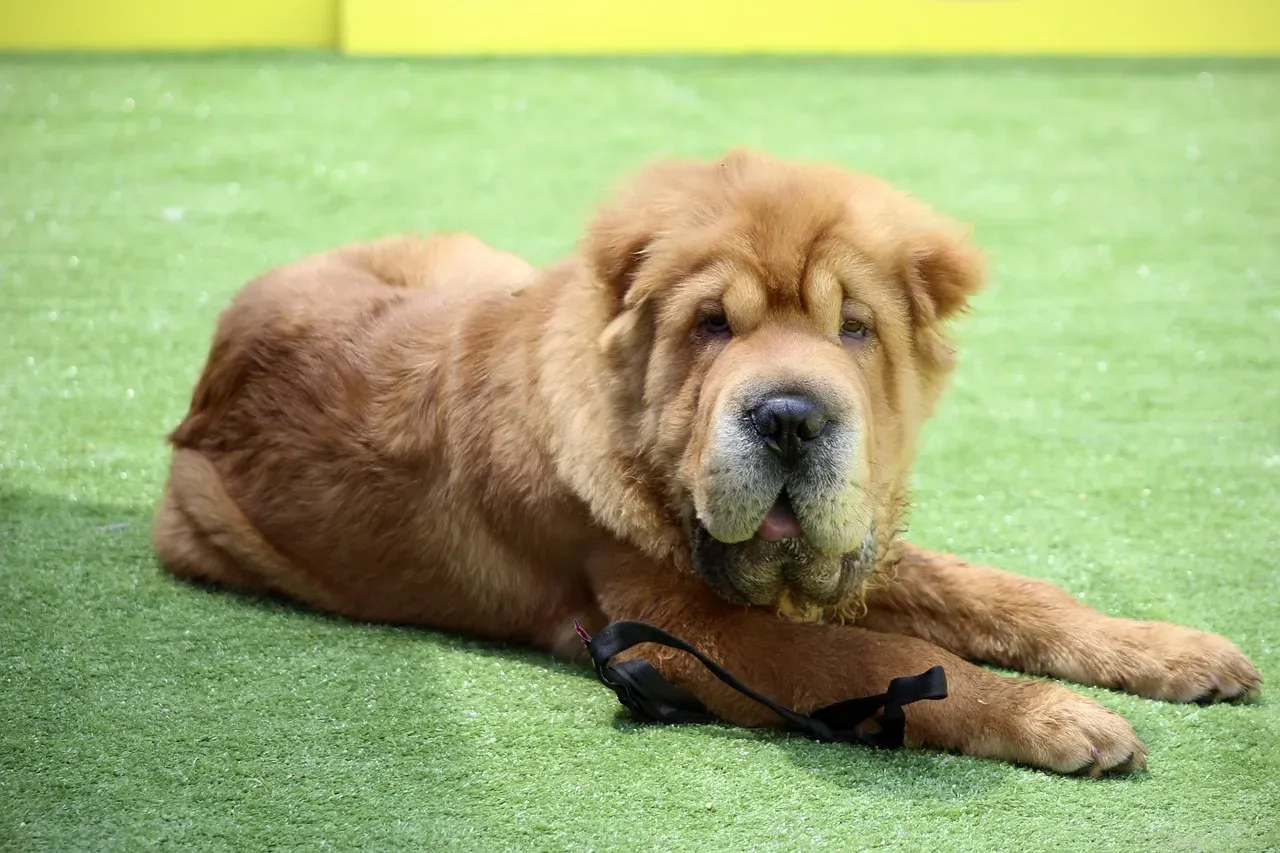
The wrinkled, somewhat stern expression of the Shar-Pei makes many people think of them as stubborn, suspicious, and emotionally distant. They certainly can be reserved with strangers, but with their own family, many Shar-Peis are much softer than they look. They often form close bonds and can react strongly to changes, criticism, or abrupt routines.
Because they are naturally thoughtful and somewhat cautious, overly harsh training or loud, chaotic environments can make them shut down or become defensive. Gentle, respectful handling tends to bring out their affectionate, loyal side, revealing a dog that quietly wants security and connection. Under all those wrinkles is not just a “serious” dog, but often a sensitive soul that feels things more deeply than people expect.
Conclusion: Tough Looks, Tender Hearts
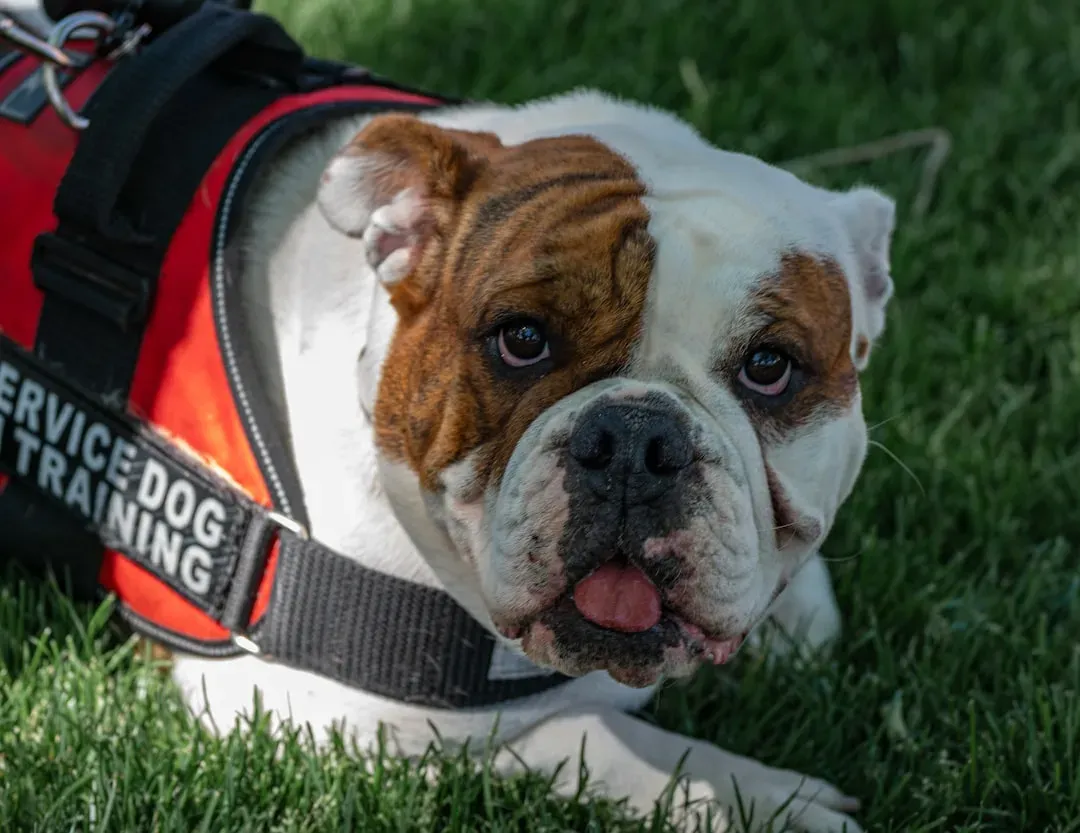
I think we underestimate how much dogs feel simply because some of them come wrapped in muscle, big jaws, and serious expressions. These breeds carry the weight of public fear and bad headlines, while many individual dogs are just trying to figure out their humans, read the room, and not get in trouble. Once you live with one of these “scary” breeds, it is hard not to roll your eyes a little when someone crosses the street to avoid your overgrown, emotional toddler on a leash.
To me, the real lesson is this: appearance and reputation are a terrible shortcut for understanding any dog. Sensitivity and “softness” are not about size or strength; they are about how deeply a dog is wired to connect and respond to the people around them. Maybe the bravest thing we can do is look past the tough exterior and actually meet the dog in front of us – muscle, wrinkles, big head and all. Which of these supposedly tough breeds surprised you the most?


