
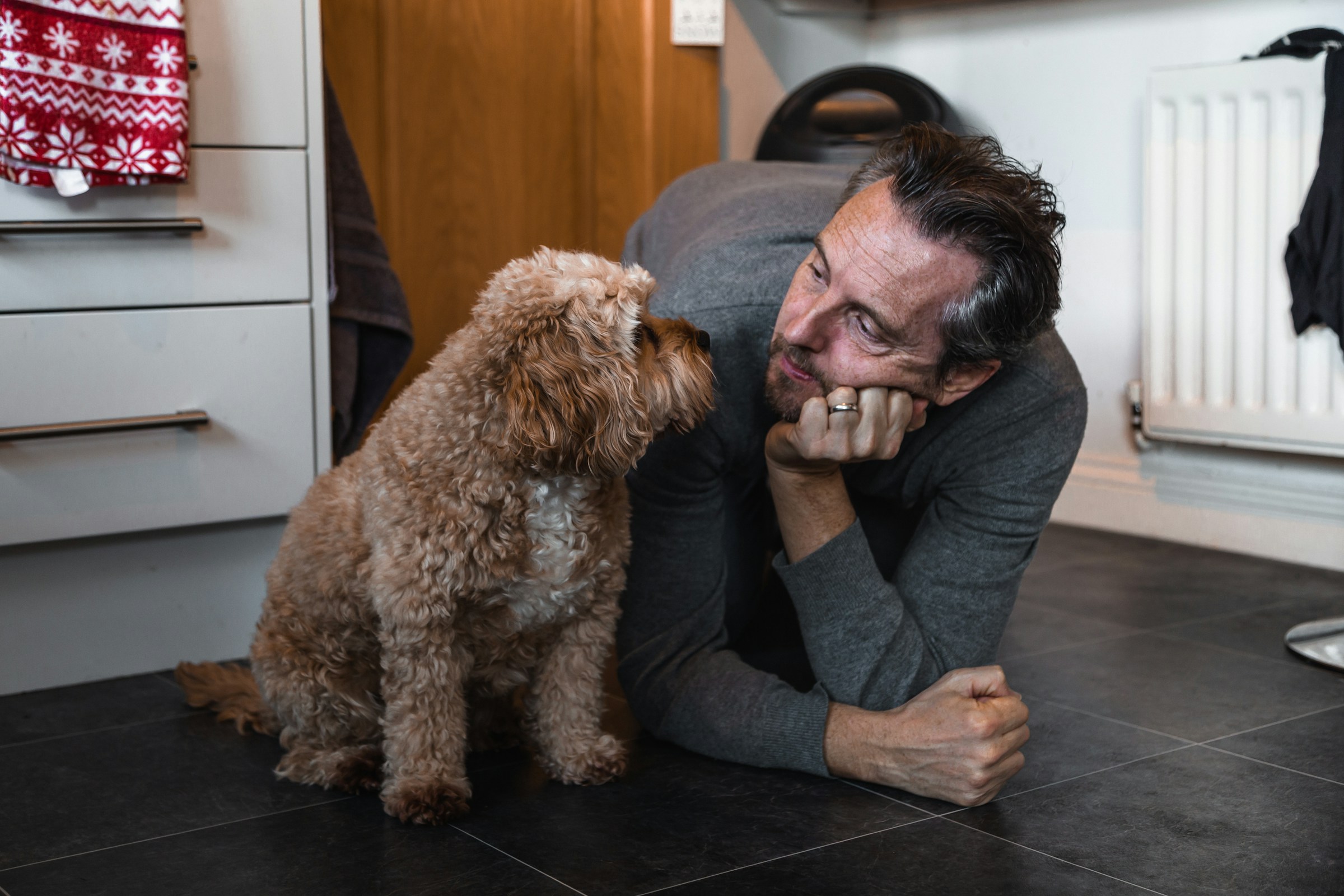
Picture this: you’re chatting with a delivery driver at your front door, and your dog quietly slides into the space between you and the stranger. Your heart swells a little. It feels loyal, heroic even, like a tiny bodyguard in a fur coat. For a lot of dog owners, that moment becomes a story they tell over and over: their dog was bravely “protecting” them. But what if that interpretation is only one of several possibilities – and not even the most likely one?
Living with dogs for years, I used to label every move that looked even slightly defensive as pure protection. Over time, though, watching my own dogs around friends, kids, and random people in the park, I realized something humbling: they were often managing their own feelings, not acting out some noble security detail fantasy. When your dog steps between you and a stranger, it can mean a lot of different things – from curiosity to social awkwardness to simple habit – and the real meaning only shows up when you zoom out and look at the whole situation.
Why We Love the “My Dog Is Protecting Me” Story
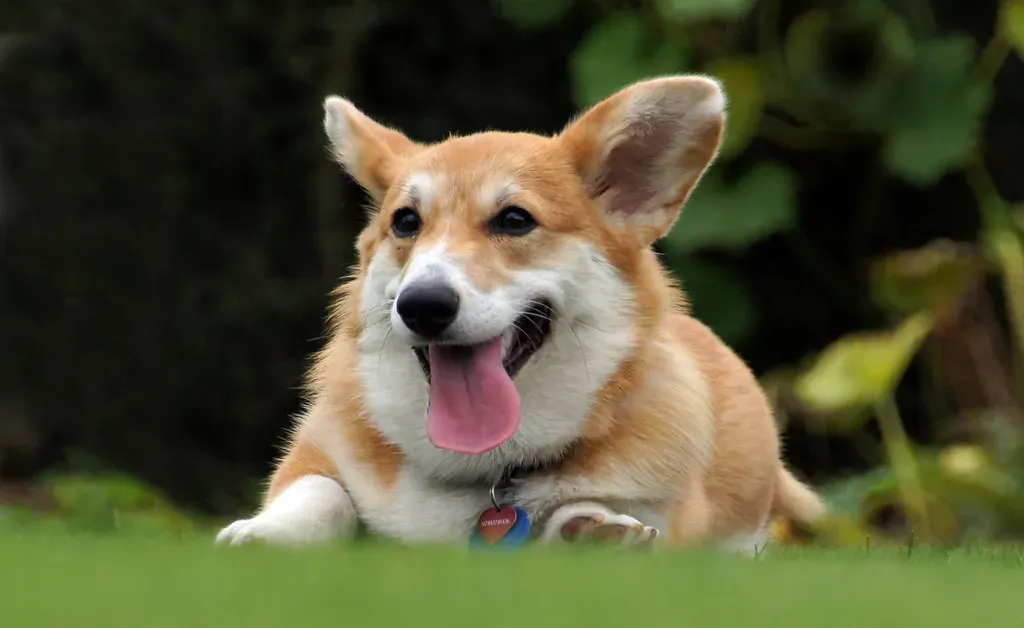
There is something deeply comforting about believing your dog is your personal bodyguard. It taps into a very human desire to feel chosen, cherished, and worth defending. When your dog wedges themselves between you and someone else, it is incredibly tempting to see it as hard proof that they adore you more than anyone in the room and would do anything to keep you safe.
The catch is that this story is emotionally satisfying, but not always accurate. Our brains are wired to create meaning, especially when the meaning flatters us or makes us feel special. So we lean toward explanations that sound romantic rather than behavioral. That does not mean dogs never protect people, but it does mean we can easily misread ordinary, low-stakes behavior as high drama simply because we like how the story makes us feel.
Body Language: The First Big Clue to What Your Dog Is Really Saying
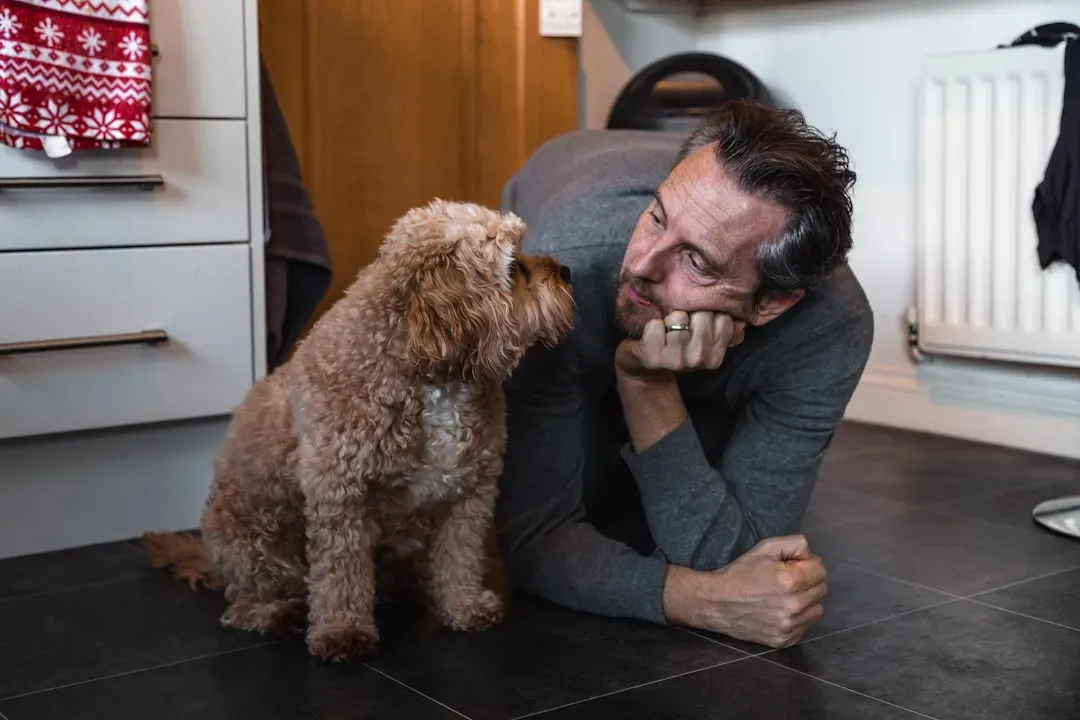
If you want to know whether your dog is genuinely worried or just casually hanging out, their body language is your best translator. A dog that is tense, with a stiff tail, tight mouth, weight leaning forward, and eyes locked on the stranger is sending a very different message from a dog who is loose and wiggly with soft eyes, a relaxed jaw, and a gently wagging tail. In one case, the dog might be saying, “I’m not sure about you,” while in the other, the dog might just be saying, “I want to see what’s going on here.”
Many owners skip this step and go straight to the hero narrative. But if your dog is calm, sniffing the air, maybe even touching both you and the stranger lightly, that is more like social curiosity or quiet confidence than a protective stance. When they slip between you two with a soft body and a little tail swish, they may be easing tension, claiming space, or checking in with both parties instead of building a protective wall.
Context Is Everything: Location, Person, and Past Experiences
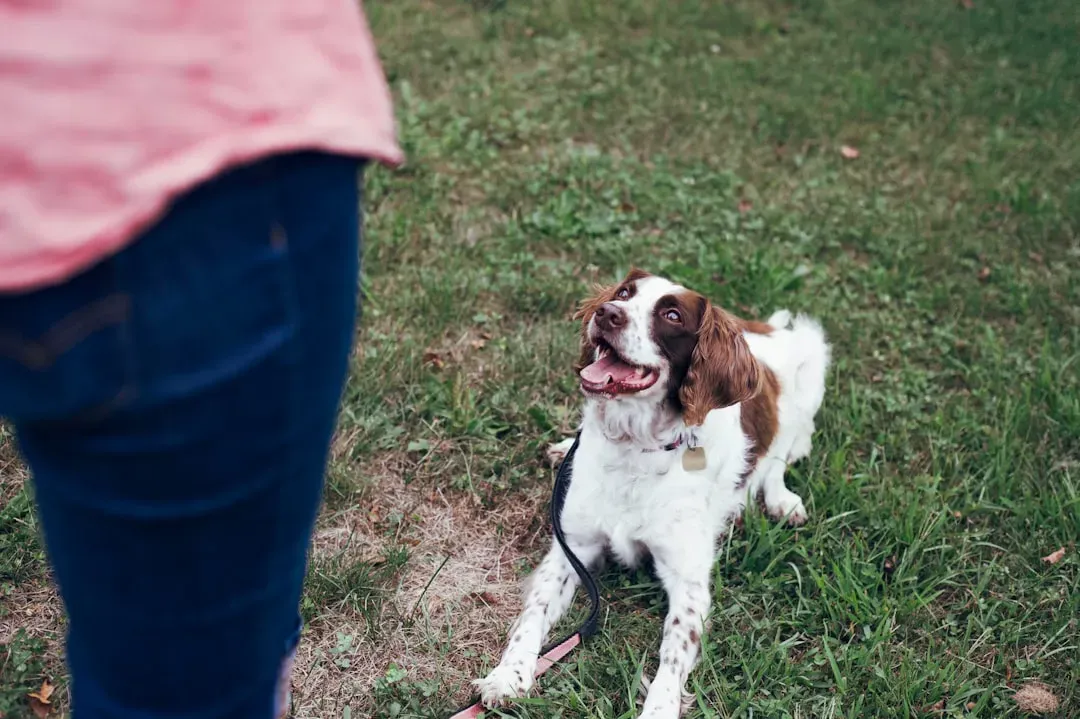
The exact same behavior can mean wildly different things depending on where you are, who the stranger is, and what your dog has been through before. A dog stepping between you and a neighbor they see every week in your driveway is not in the same mental state as a dog squeezed between you and a loud, unfamiliar person late at night on a dark sidewalk. When trainers and behaviorists look at these moments, they care far more about context than the single act of “standing between.”
History matters too. A dog that has had rough experiences with certain types of people or environments might position themselves differently simply to feel safer or gain a better view. A confident, well-socialized dog stepping between you and a stranger on a sunny afternoon at a crowded park might be acting more like a social coordinator than a guard, just placing themselves where the action is most interesting and comfortable.
Common Non-Protection Reasons Dogs Step Between You and Someone
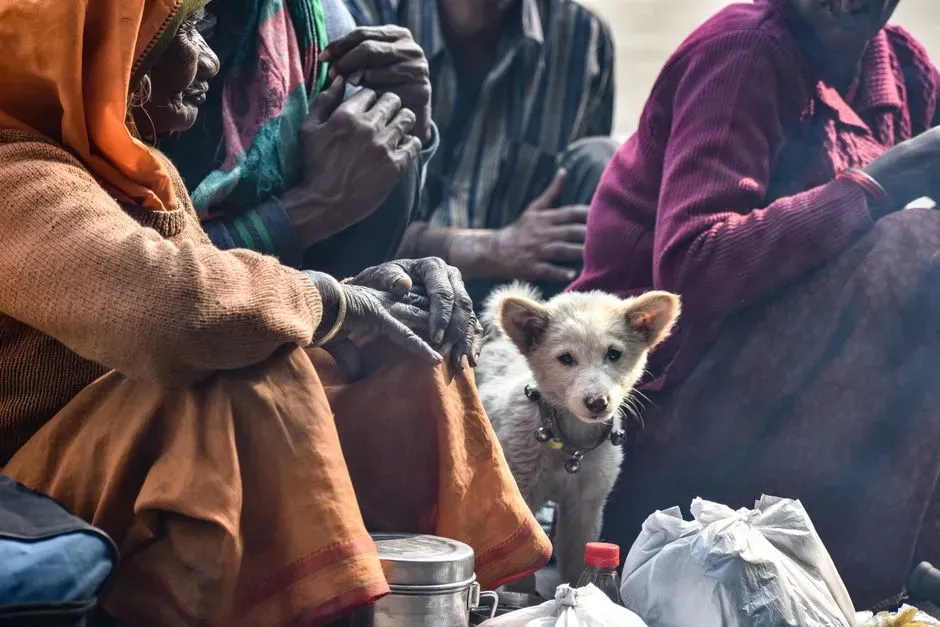
There are several totally normal, non-dramatic reasons a dog might plant themselves in that space between you and another person. One big one is simple curiosity: your dog wants to gather information, sniff shoes, read body odor, and watch facial expressions from a vantage point that feels safe and familiar. Standing between you and the stranger puts them close enough to interact, but still anchored to the person they trust most.
Another common reason is social or emotional regulation. Some dogs slide into the middle because they sense tension, raised voices, or animated gestures and are trying, in their own way, to smooth things over or center themselves. Others do it because they have learned that standing in that exact spot tends to get them attention, petting, or treats. If every time they stand between people someone laughs and ruffles their fur, the behavior can turn into a practiced little routine rather than a protective instinct.
Is It Possessive, Protective, or Just Awkward Social Skills?
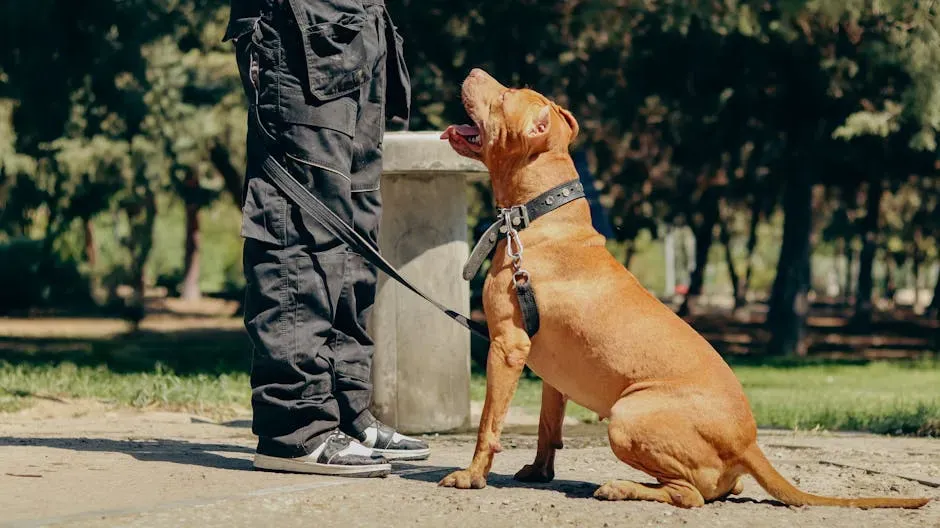
Owners sometimes worry that their dog is being possessive or “jealous” when they block others from getting close. In some cases, the dog is guarding a valued resource – often that resource is you. They might nudge, lean, or subtly push another person back from your space, not because they are thoughtfully defending you, but because they feel entitled to your touch or attention. This can be less about noble loyalty and more about insecure or pushy behavior that benefits the dog.
In other cases, the dog is simply socially clumsy. Imagine a friend who always stands in the doorway at parties without realizing they are blocking traffic. Many dogs do the equivalent: they plant themselves where all the energy is – right between two people – and have no idea they are being interpreted as protective or possessive. Without looking at the rest of their behavior, it is impossible to tell whether they are genuinely worried, subtly guarding, or just awkwardly in the way.
When It Really Is Protection (and Why That’s a Mixed Blessing)
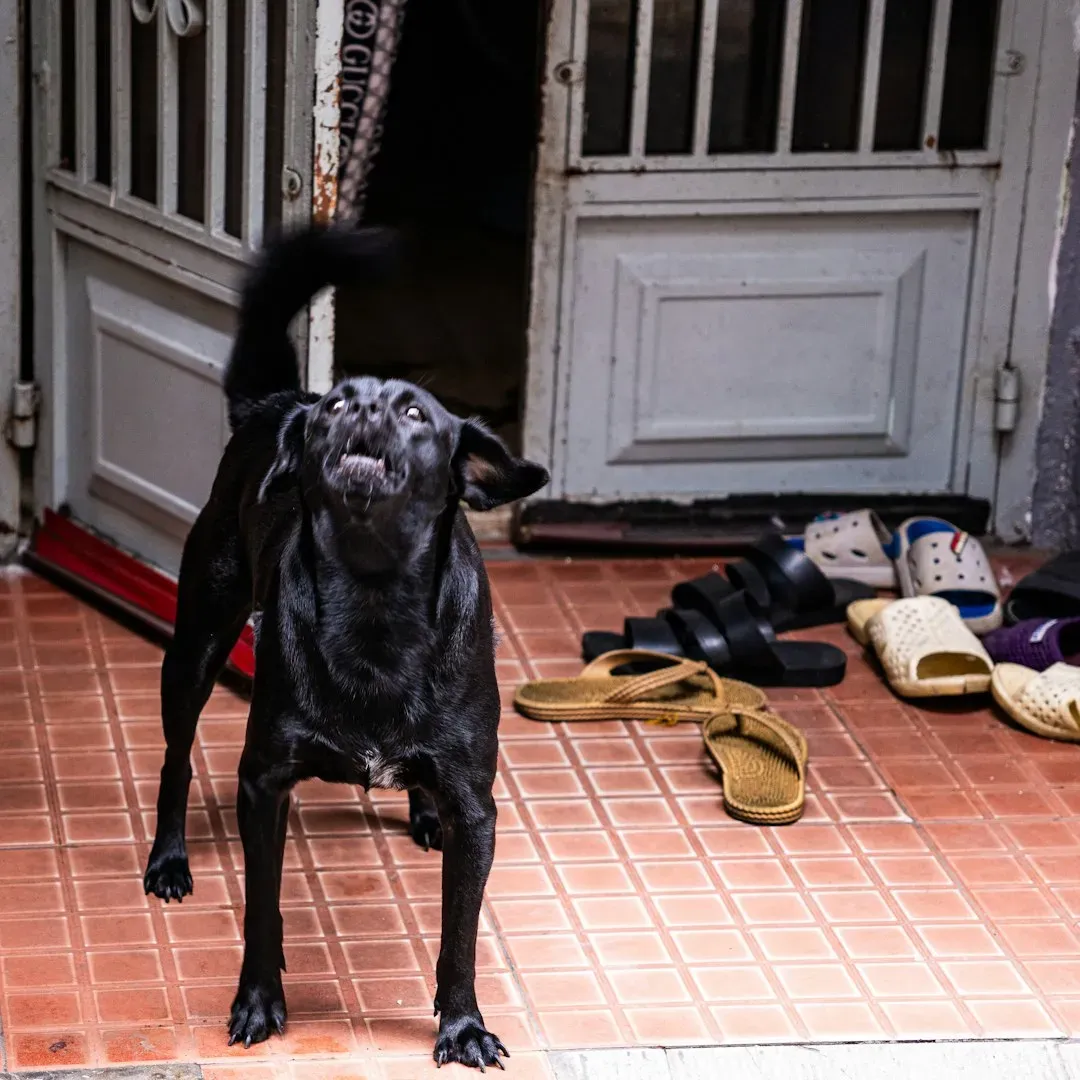
There absolutely are dogs who will step between their person and a perceived threat in a clearly protective way. You usually see a stronger, more intense body language combo in these moments: forward stance, focused stare, low growl, or refusal to move away on cue. The dog is making themselves a barrier and is ready, at least in their mind, to escalate if needed. It can look impressive, and yes, sometimes it can genuinely keep someone from getting closer.
But while it may feel flattering to think, “My dog would protect me,” a persistently protective stance can be stressful for the dog and risky for others. Living in a constant state of alertness is not healthy, and a dog who feels responsible for security at all times may react too quickly, especially in busy neighborhoods or cramped apartments. If your dog reliably steps between you and others with tension, growling, or snapping, that is not just loyalty – it is a behavior issue that deserves professional support and careful training.
How to Respond in the Moment Without Making Things Worse
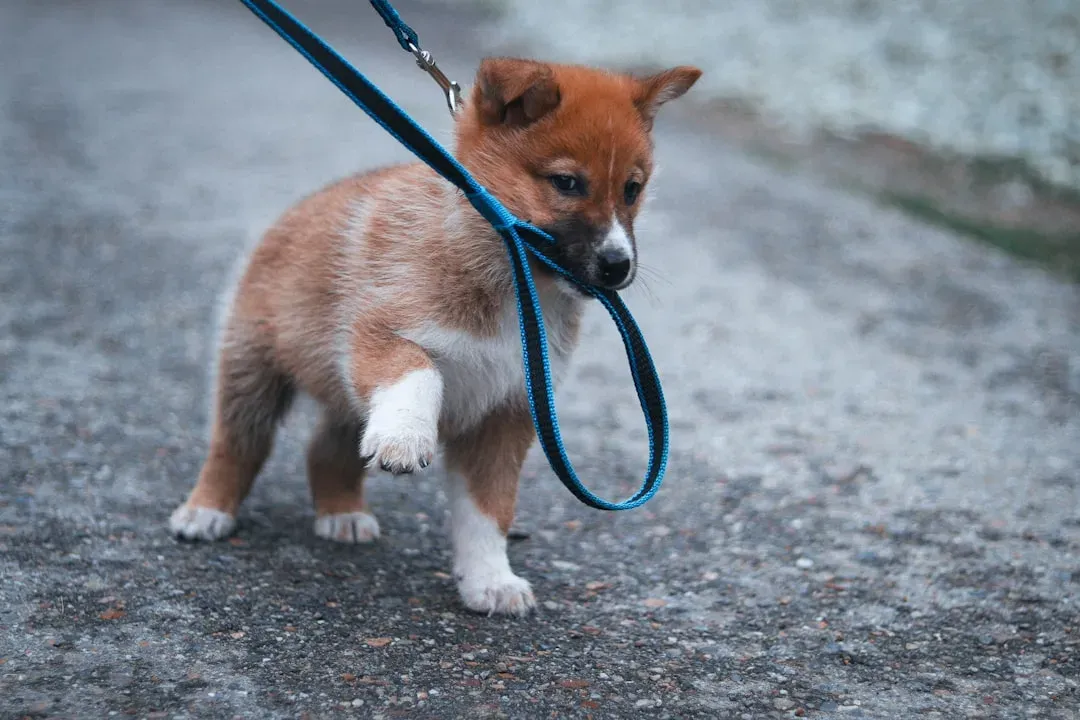
What you do when your dog moves between you and a stranger can either reinforce the behavior or gently reshape it. If your dog is relaxed and curious, you can keep things low-key: calm voice, loose leash, maybe a cue to sit or stand beside you instead of directly in front. Rewarding calm, sideways positioning over “blocking the middle” helps them learn that they can feel secure without literally becoming a furry barricade.
If your dog is stiff, anxious, or beginning to show warning signs, your priority shifts to safety and decompression. You might increase distance from the stranger, step slightly in front of your dog yourself, or redirect their attention with a simple cue and treat. The goal is not to punish them for stepping in, but to let them know you are handling the situation so they do not have to. Over time, this can lower their sense of responsibility and reduce the intensity of future “protective” moments.
Teaching Your Dog They Don’t Have to Be Your Security Guard
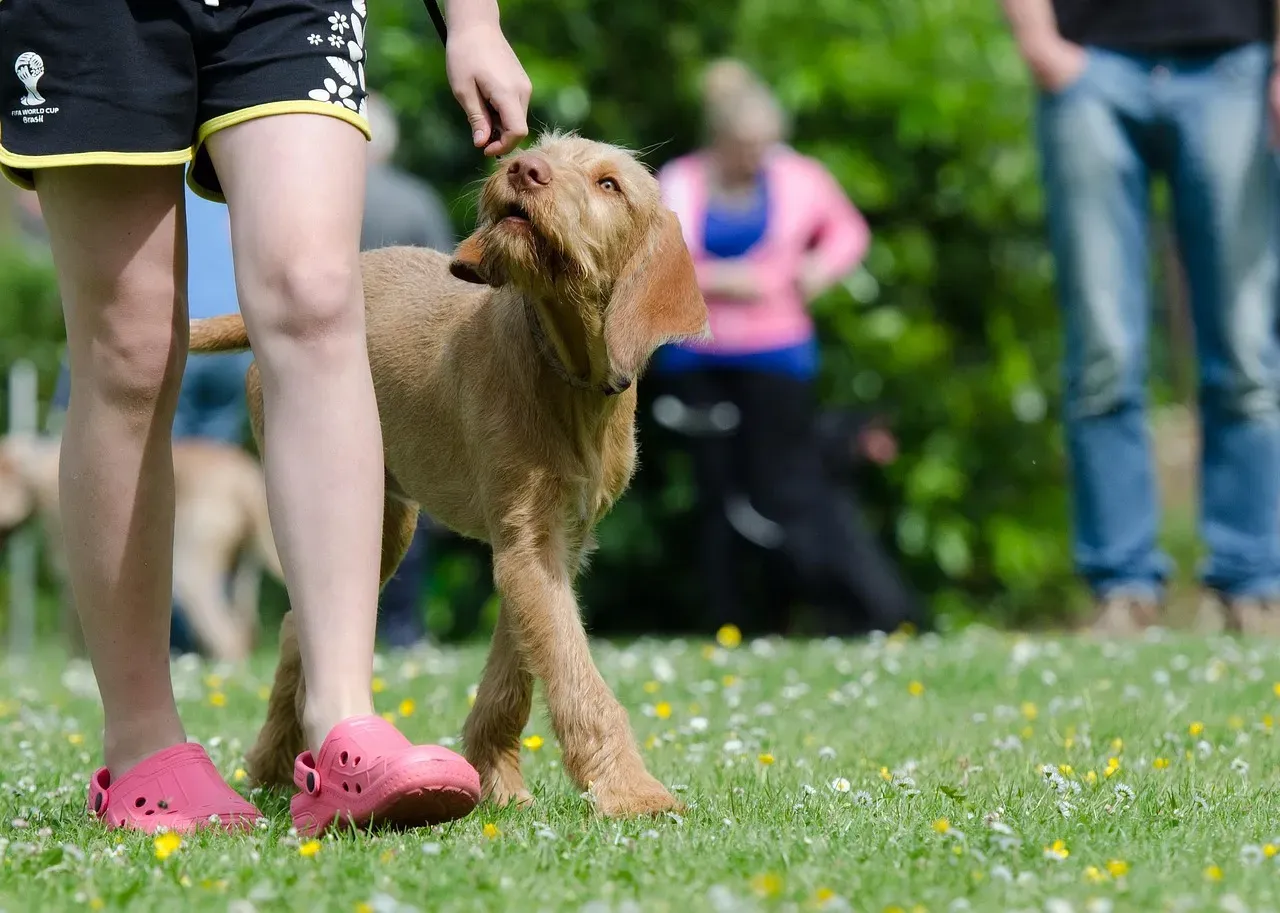
One of the kindest things you can do for a dog who tends to plant themselves between you and others is to teach them that their job is to relax, not to manage every interaction. This can look like practicing calm greetings at a distance, rewarding them for standing or sitting slightly to the side, and building reliable cues that redirect their focus back to you when people approach. It is less about “shutting down” their instincts and more about showing them a safer, easier way to exist in social situations.
In my own life, once I stopped narrating everything as protection and started seeing my dog’s behavior as communication, things softened dramatically. I felt less pressure to be flattered and more responsibility to listen and help. When we treat every between-you-and-a-stranger moment like a heroic sacrifice, we miss what the dog might actually be saying: that they are curious, uncertain, overexcited, or overwhelmed. Listening to that message and responding thoughtfully is far more respectful than clinging to a story that just makes us feel good.
Conclusion: Loving the Dog You Have, Not the Hero You Imagine
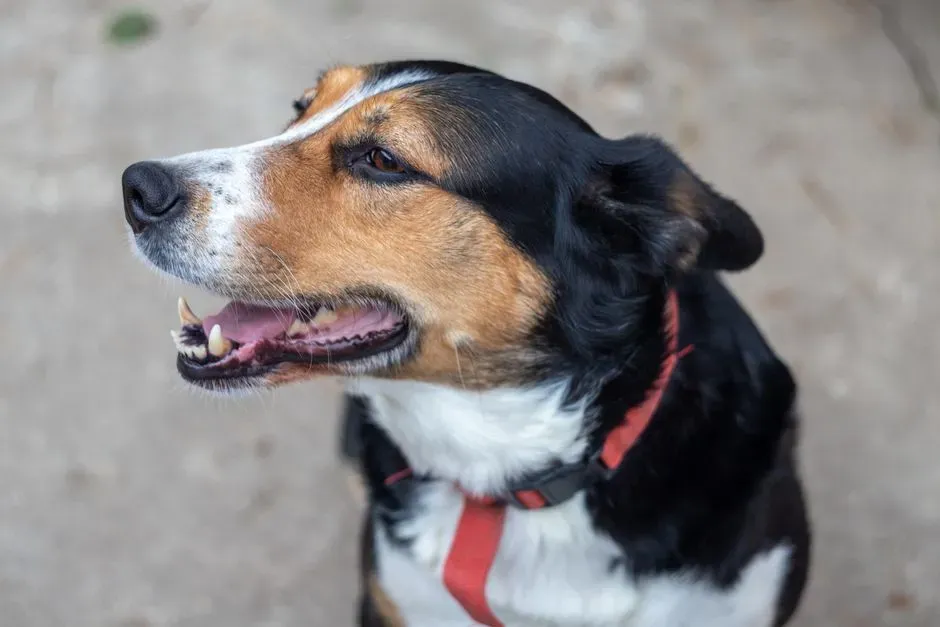
At the end of the day, a dog stepping between you and a stranger is not a single, simple behavior with one guaranteed meaning. Sometimes it is mild interest, sometimes it is possessive fussiness, sometimes it is true protective concern, and often it is just an ingrained habit. Context, body language, and history are what turn that one physical position into real information. When we slow down and notice those layers, we stop projecting our fantasies and start actually understanding the creature in front of us.
Personally, I think the real magic of dogs is not whether they would take a bullet for us, but whether we are willing to pay attention to what they are quietly trying to say. There is something far more intimate about learning your dog’s subtle signals than daydreaming about them as a tiny superhero. So next time your dog slips between you and someone else, maybe ask yourself: are they protecting you, or just being a dog in a complicated human world – and which answer actually helps them more?


