
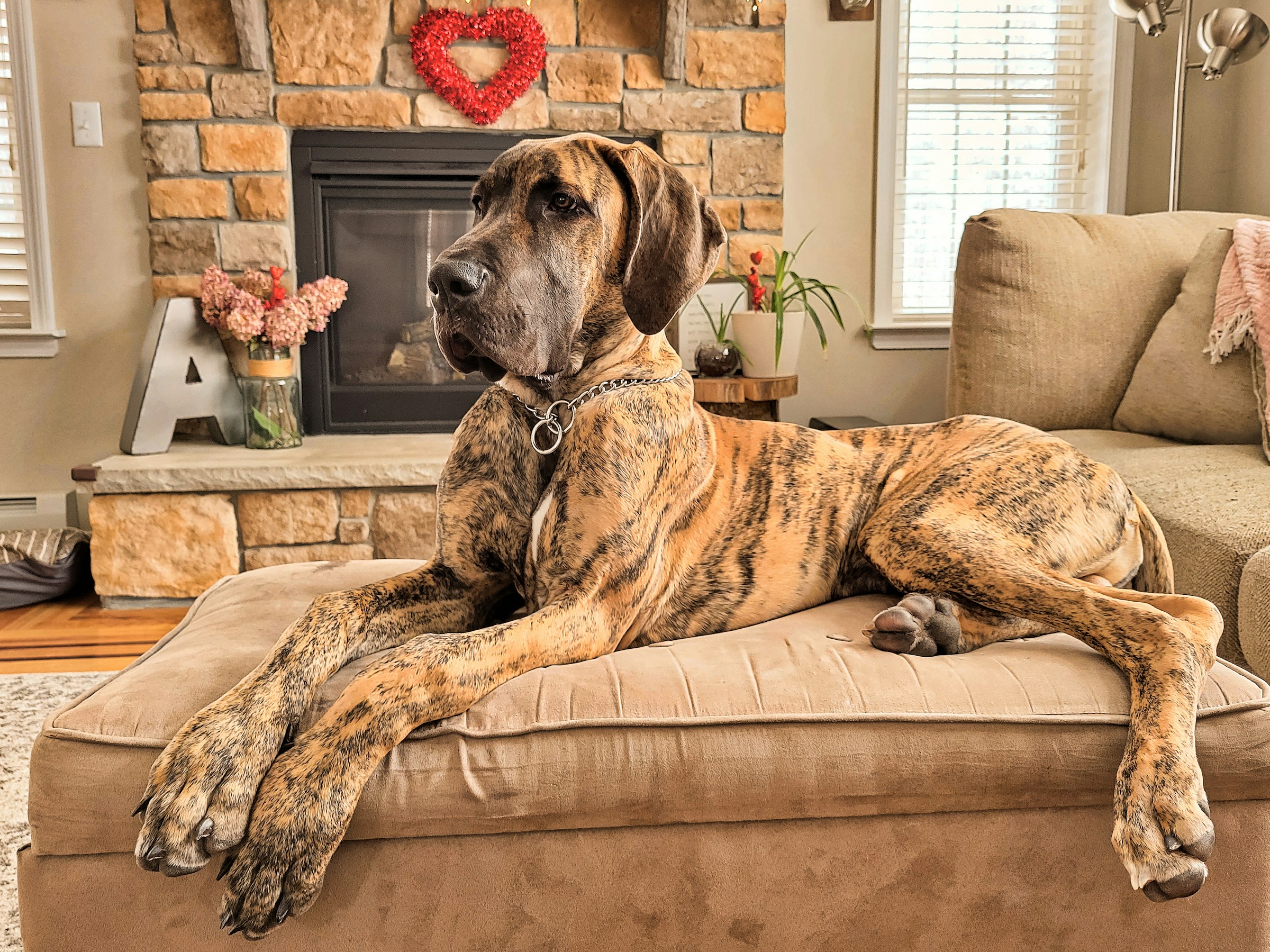
You know that feeling when a dog is so huge and serious-looking that your first instinct is to cross the street… and then two minutes later it’s upside down in your lap, snoring? Giant breeds with “don’t mess with me” faces but soft, clingy hearts are one of the most delightful contradictions in the dog world. They look like guardians of a medieval castle, yet they follow their people from room to room like oversized toddlers with separation issues.
If you’ve ever judged a dog by its face and been completely wrong, this article is going to feel very familiar. Let’s walk through ten massive, sometimes intimidating-looking breeds that are surprisingly desperate for human closeness. Some are calm shadows, some are goofy cuddle monsters, and a few are both bodyguard and emotional support dog rolled into one very large, very drooly package.
1. Rottweiler
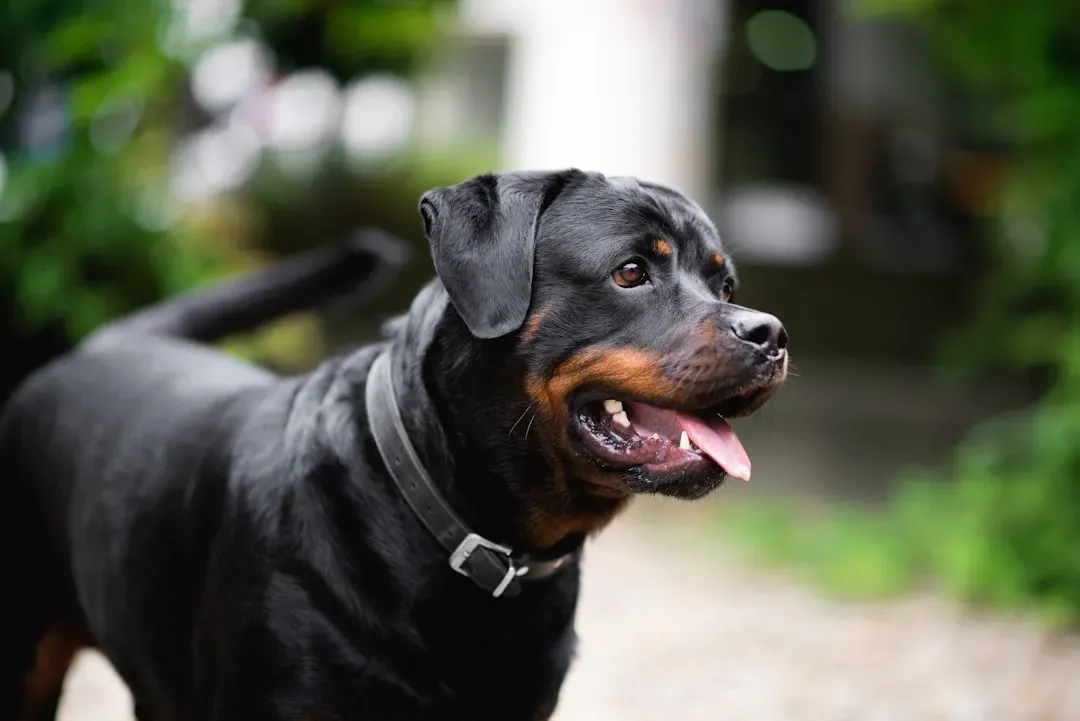
At a glance, Rottweilers look like the last dog you’d want to annoy: broad head, muscular frame, and that serious, almost stern expression. Many people only see the guard-dog image and forget that this breed was historically bred to work closely with humans, driving cattle and protecting carts by their owner’s side all day long. That working partnership created a strong bias toward dogs that bond intensely with their people.
Spend time with a well-bred, well-socialized Rottweiler and you’ll quickly realize you’re dealing with a velcro dog in a bouncer’s body. They often want to lean their full weight against your legs, wedge themselves next to you on the couch, and keep constant physical contact if they can get away with it. Their intimidating look makes strangers cautious, but to their families, Rottweilers are affectionate, surprisingly sensitive companions who often take it personally if they’re left out of anything.
2. Doberman Pinscher
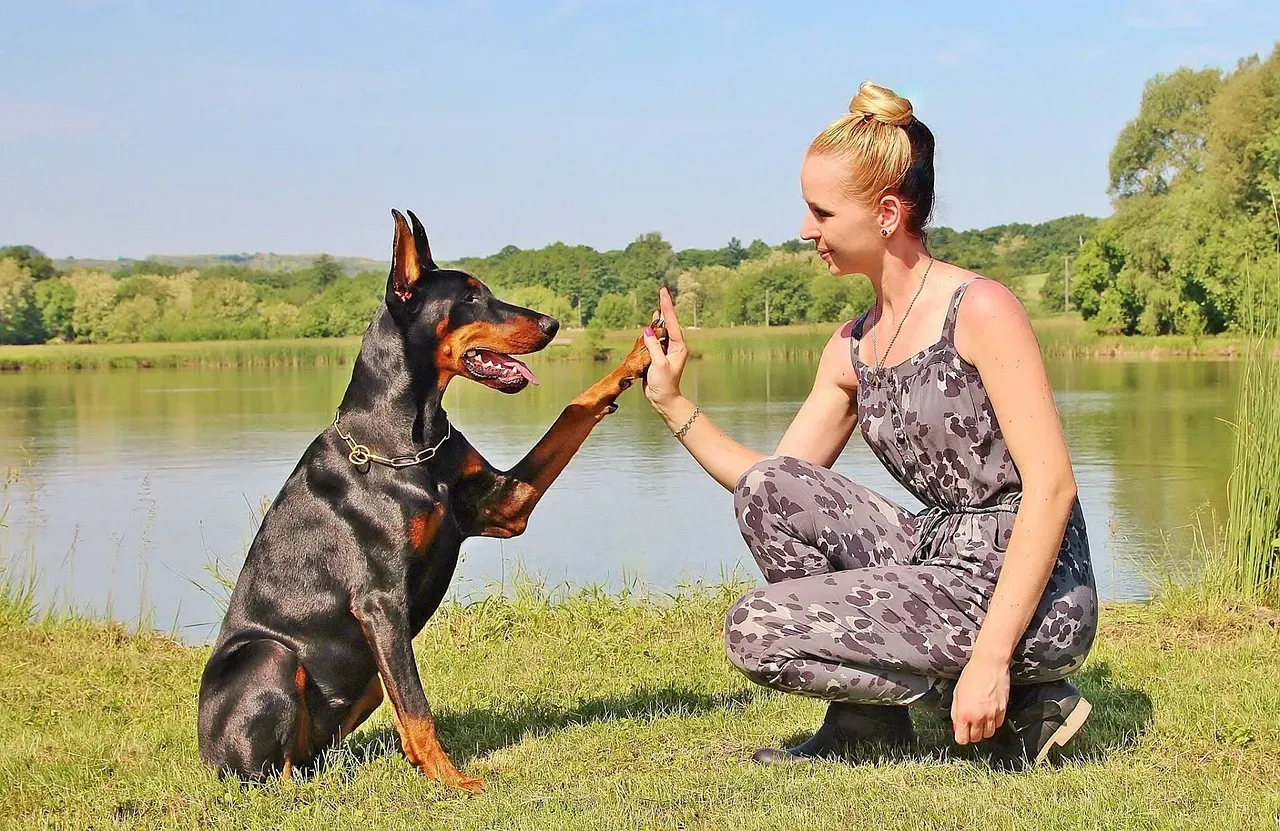
The classic image of a Doberman is almost cinematic: sleek black coat, cropped ears standing tall, and a sharp, intelligent gaze that seems to size up everything in the room. That striking silhouette has cemented the breed in people’s minds as a symbol of security and seriousness. Yet those who actually live with Dobermans often use a very different description: clingy, emotional, and almost embarrassingly devoted.
Modern Dobermans were developed as personal protection dogs, designed to stay close to their owner and act as both bodyguard and companion. That design shows up today in their tendency to follow their favorite humans from room to room, choosing to curl up with them on the bed or couch whenever possible. Many Dobermans are highly attuned to their owner’s moods, reacting strongly to stress, sadness, or conflict at home. Behind the intense stare is a dog that usually wants nothing more than to be physically near the person it loves most.
3. Cane Corso
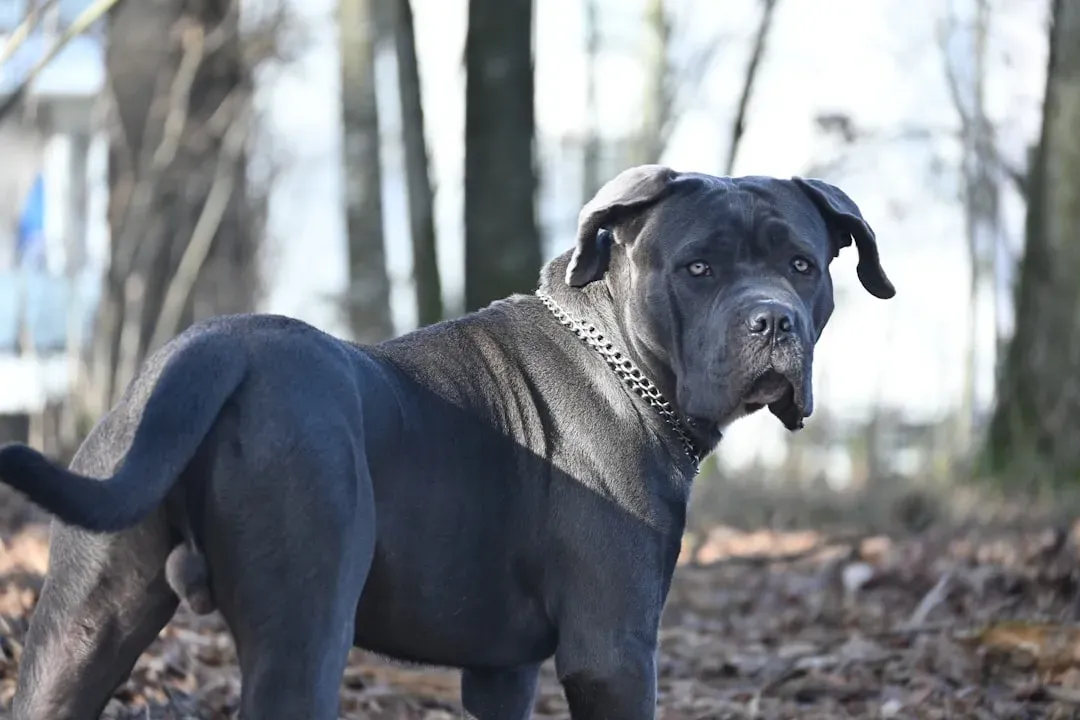
The Cane Corso has a presence that can stop a conversation: broad skull, massive jaw, and a steady, almost unreadable expression. To someone who doesn’t know the breed, they can look almost frightening, like a living statue posted at the gate of an old Italian estate. Historically, they were indeed guardian and farm dogs, responsible for watching property, livestock, and people, which reinforced their confident, serious demeanor.
But under that heavy head is a dog that often forms an extremely deep attachment to its family, and especially to one chosen person. Well-raised Corsos tend to want to be where their people are, lounging at their feet, nudging for head rubs, and quietly shadowing them around the house. Many owners describe them as surprisingly affectionate housemates who are, at heart, big family dogs that just happen to come in a very intimidating package.
4. Mastiff (English Mastiff)
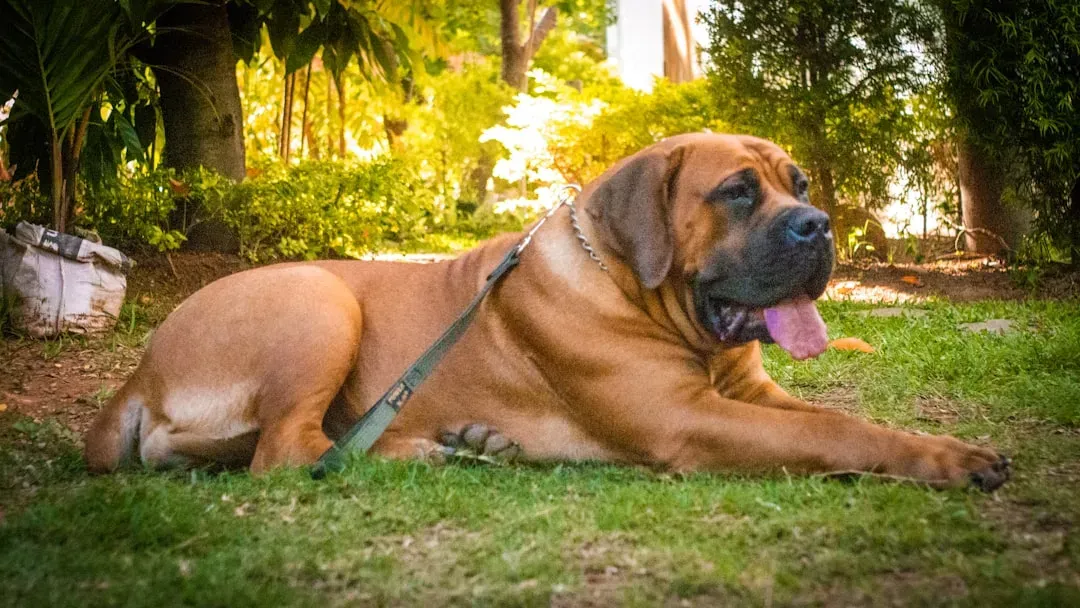
An English Mastiff is one of those dogs that looks like it should be guarding a fortress door: enormous head, drooping jowls, and a sheer amount of body mass that makes furniture look small. Their faces can appear stern or even gloomy, especially when they are just standing still and watching. This imposing look has historically made them natural deterrents, even when they are not doing much beyond breathing and drooling.
Yet for many Mastiffs, their favorite place on earth is as close to their humans as possible, preferably touching them. They’re often calm, gentle shadows inside the home, following their people from room to room and collapsing in a heap wherever their family settles down. Despite their size, they can be surprisingly sensitive and can get stressed by too much time alone. Under the serious face is usually a peaceful, affectionate dog that thrives on quiet companionship and daily contact with its people.
5. Great Dane
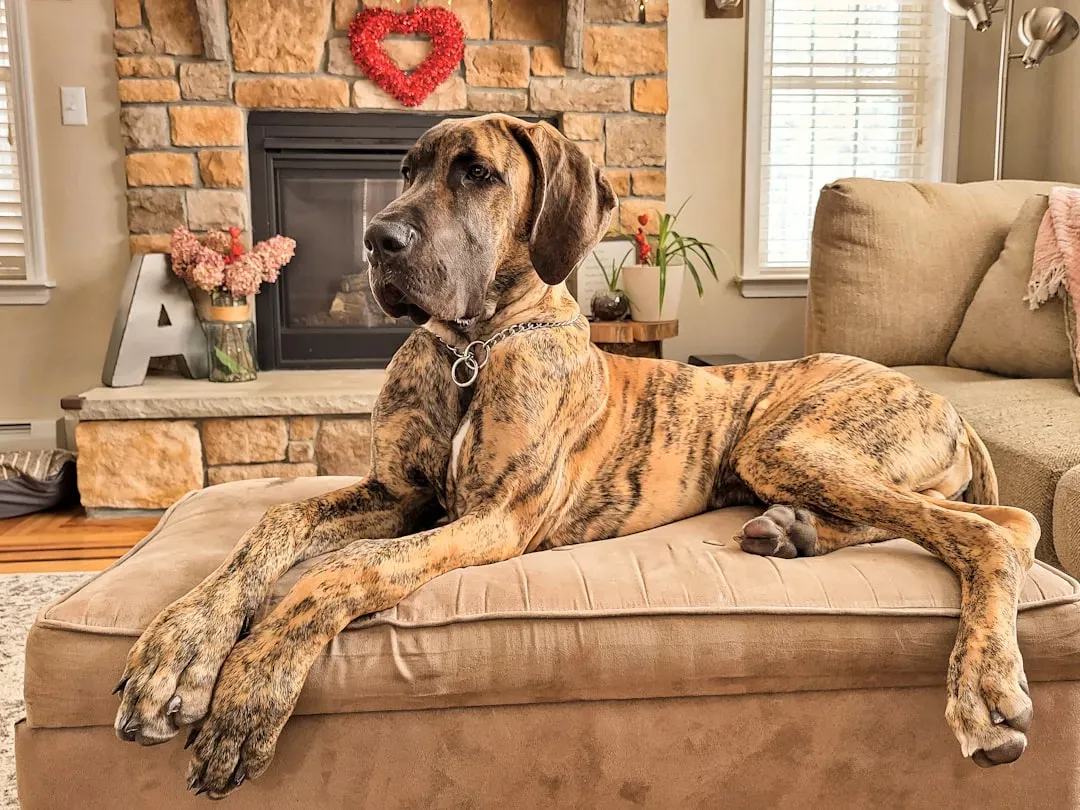
Great Danes have a regal, almost intimidating elegance when you first meet one. Their sheer height, long legs, and proud head carriage can make them look like something out of mythology. For someone not used to giant dogs, just having a dog’s eyes at your chest level can be unnerving. From across the street, they can seem aloof and imposing, especially with a dark coat or cropped ears.
Spend a few minutes with a typical Great Dane inside a home, though, and the illusion of aloofness usually disappears. They’re famous for being “gentle giants” that believe they’re lap dogs, happily attempting to sit on people who clearly cannot support them. Many Danes are deeply attached to their families, following them persistently, resting their heads on laps, and often getting anxious when left alone for long stretches. Behind the tall, intimidating silhouette lies a dog that usually prefers cuddles over conflict.
6. Newfoundland
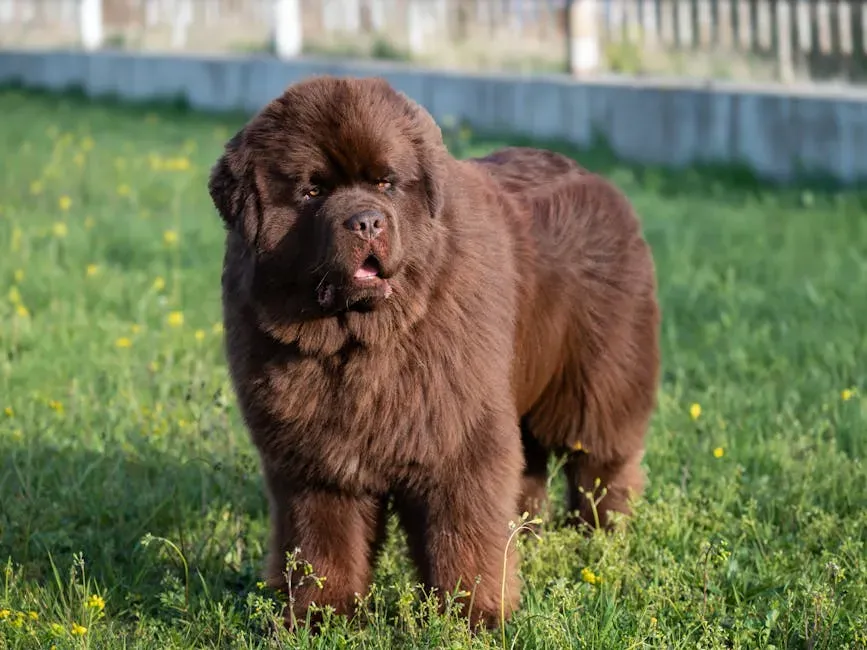
Newfoundlands do not always have the classic “scary” face, but their massive size and deep, bear-like features can be intimidating, especially to someone unfamiliar with the breed. That thick, dark coat, huge paws, and serious, watchful eyes make them look like they could bowl you over without trying. Historically used as working water dogs, they had to be powerful and determined, capable of hauling nets or even assisting in water rescues.
Despite that strength, Newfoundlands are often some of the softest, most people-oriented dogs you will ever meet. Many are calm, sensitive companions that seek gentle, constant contact: a head resting on your knee, a big body pressed quietly against your leg, an enormous ball of fur lying at your feet. They frequently adore children and family life, behaving more like patient, oversized nannies than guard dogs. Their presence may be huge, but their emotional needs are surprisingly tender and connected to the people they love.
7. Saint Bernard
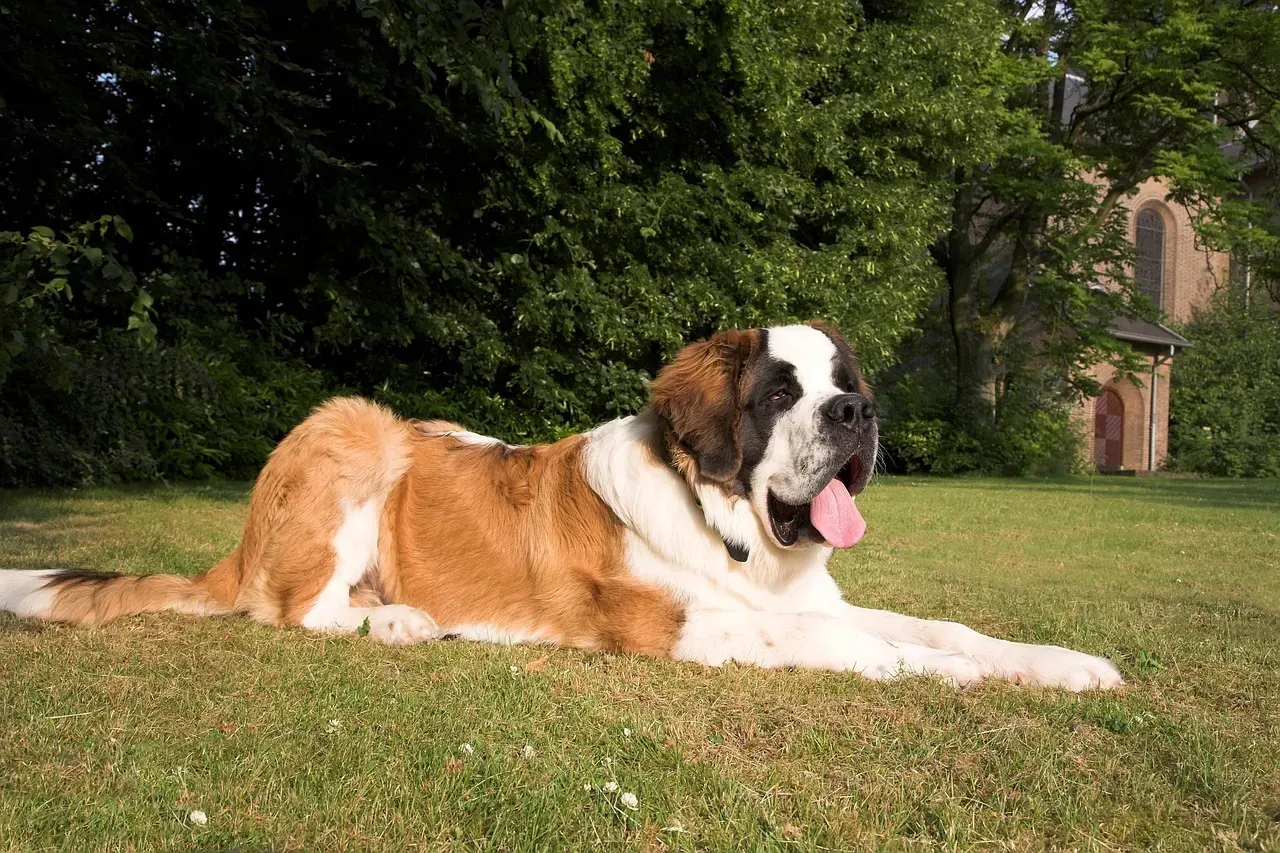
Saint Bernards carry a kind of solemn weight in their faces; that heavy brow and deep, expressive eyes can make them look almost sad or overly serious. Combine that with their massive bodies and you end up with a dog that can seem overwhelming at first glance, especially in a small space. Historically associated with rescue work in harsh mountain environments, they had to be strong, resilient dogs that could handle tough conditions.
In modern homes, though, many Saint Bernards function more like giant, cuddly roommates who prefer being in the middle of everything. They often gravitate toward the center of family life, parking themselves right where people are most likely to gather. Many enjoy leaning, snuggling, and draping parts of their body on their humans as though physical closeness is non-negotiable. They may look stoic, but a lot of them are surprisingly sensitive and deeply invested in staying physically near their family.
8. Bullmastiff
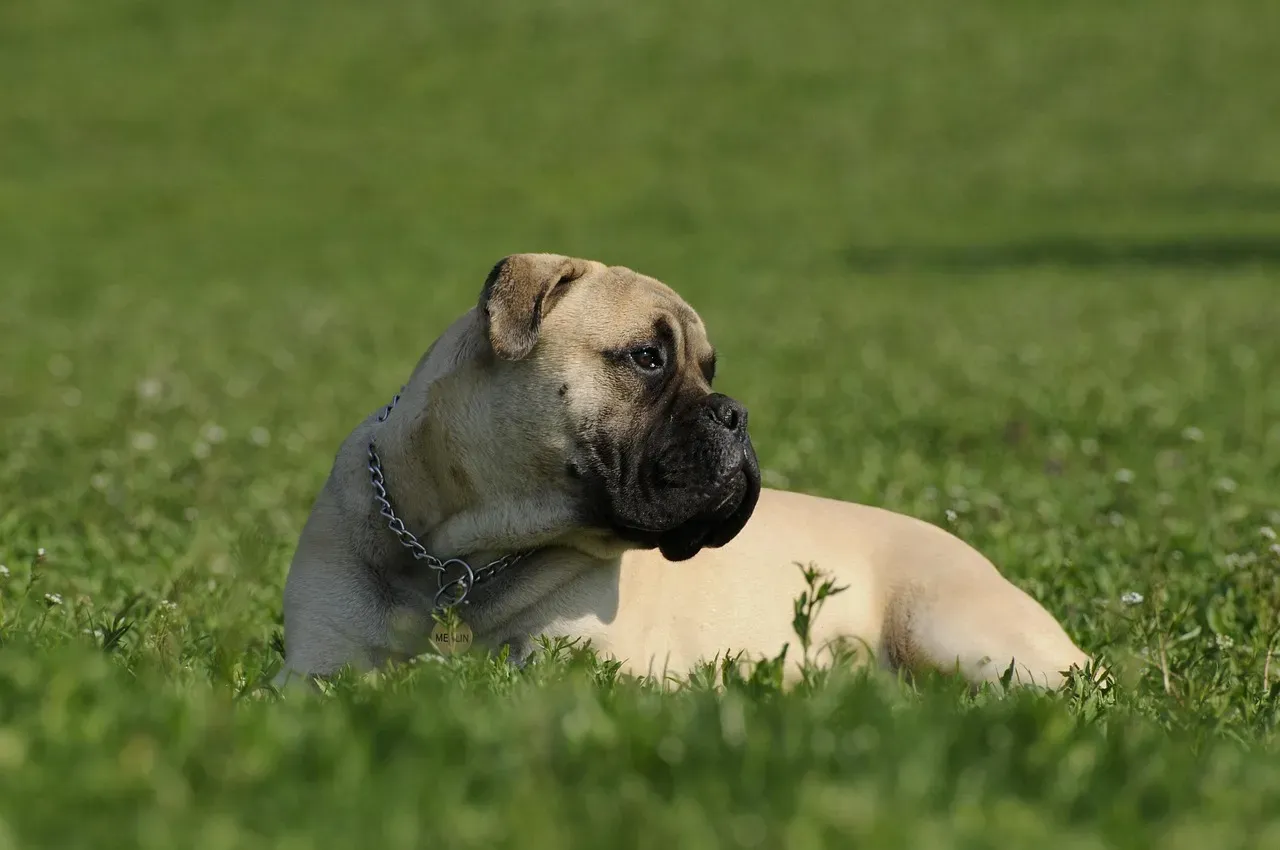
The Bullmastiff’s face is almost perfectly designed to intimidate: a square, powerful muzzle, strong jaw, and an expression that can look deeply unimpressed by everyone and everything. Historically bred as estate guardians, they were expected to confront intruders, often relying on their sheer presence to defuse trouble before it started. That role favored dogs that looked serious, fearless, and unbothered by conflict.
Inside the home, however, a well-socialized Bullmastiff is often a surprisingly calm, affectionate companion that craves closeness with its people. Many are quiet, observant housemates that like to plant themselves in the same room as their family and stay there, seemingly content just to be nearby. While they do not usually display frantic energy, they often show a quiet, steady attachment, seeking gentle touch, leaning against legs, and watching their humans with soft eyes. Beneath the heavy, intimidating face is commonly a thoughtful, devoted dog that measures its world by the people it lives with.
9. Dogue de Bordeaux
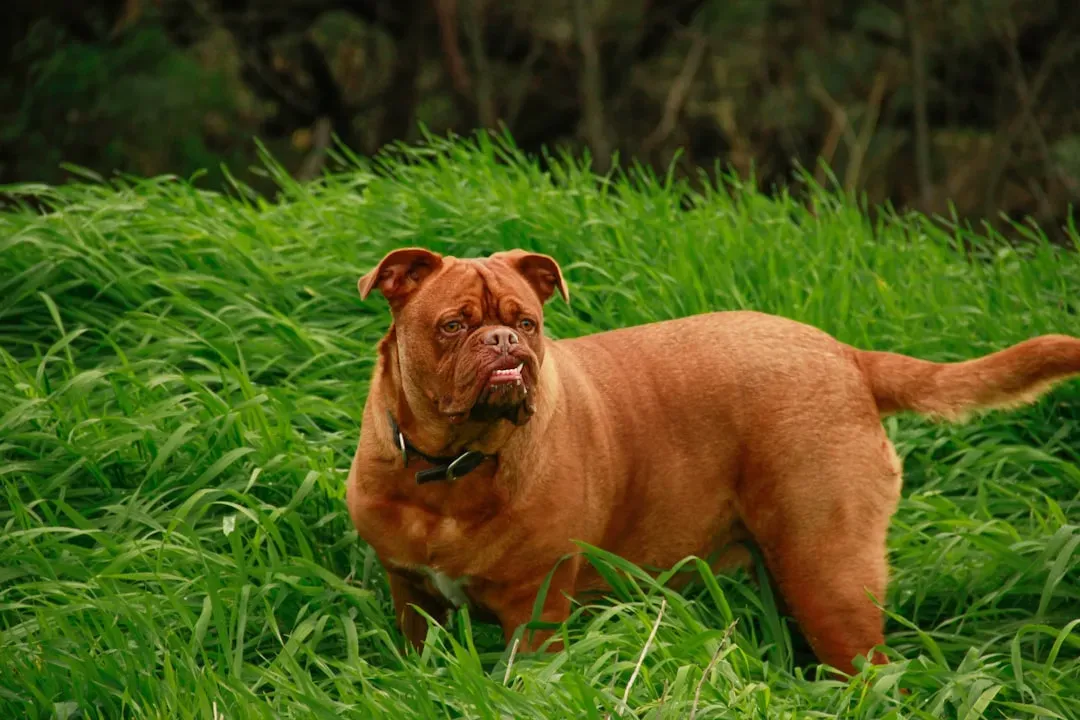
The Dogue de Bordeaux, sometimes called the French Mastiff, has one of the most imposing heads in the dog world: massive skull, heavy wrinkles, and a broad, serious-looking muzzle. Their expression can come across as tough, even a bit grumpy or dangerous to someone who has only seen them in movies or photos. Historically used as guard and working dogs, their strong appearance was definitely not an accident.
Despite that tough exterior, many Dogues are intensely attached to their families and often show a surprisingly soft, almost goofy side at home. They tend to enjoy close physical contact, whether that’s lying right up against their humans on the sofa or nudging for chest scratches and ear rubs. While they may be cautious or reserved with strangers, they can be incredibly affectionate and loyal with their own people. The contrast between their fierce look and their need for affection is part of what makes them so memorable.
10. Giant Schnauzer
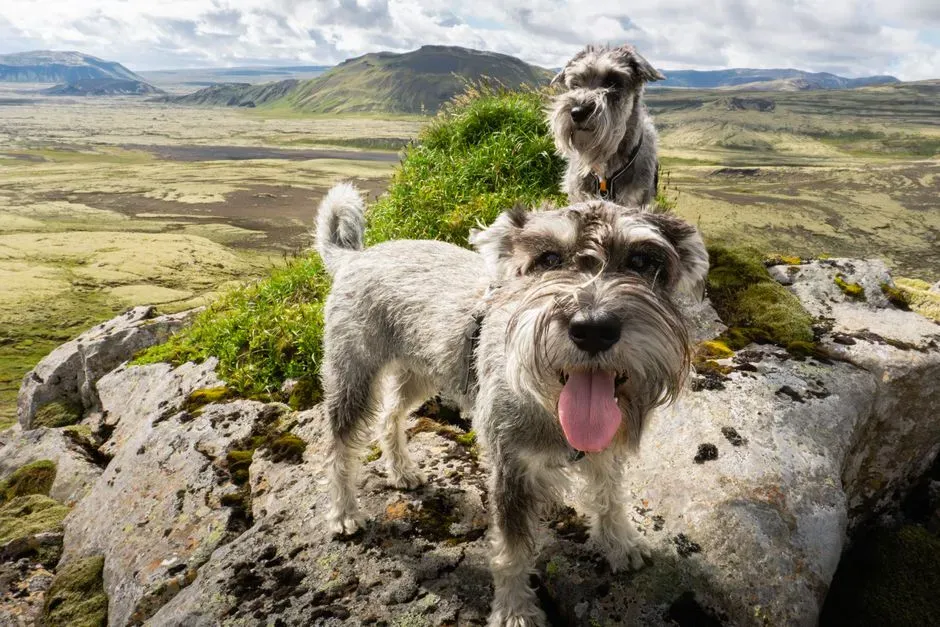
With their bushy eyebrows, dense beard, and alert stance, Giant Schnauzers can look quite stern and intense. That sharply cut silhouette and keen expression often make them seem all business, especially when they are focused on something. Historically used for driving cattle and later for guard and service work, they were bred to be strong, determined workers with a serious presence.
Yet Giant Schnauzers also tend to form very strong bonds with their people and can be surprisingly clingy in everyday life. They often want to be involved in every activity, placing themselves right at their owner’s side and checking in frequently for interaction. Many are energetic, playful companions who still seek a lot of physical and emotional closeness, choosing to rest with some part of their body touching their human whenever they can. Under the eyebrows and beard is usually a dog that wants partnership, not distance.
Conclusion: The Soft Hearts Behind the Hard Looks
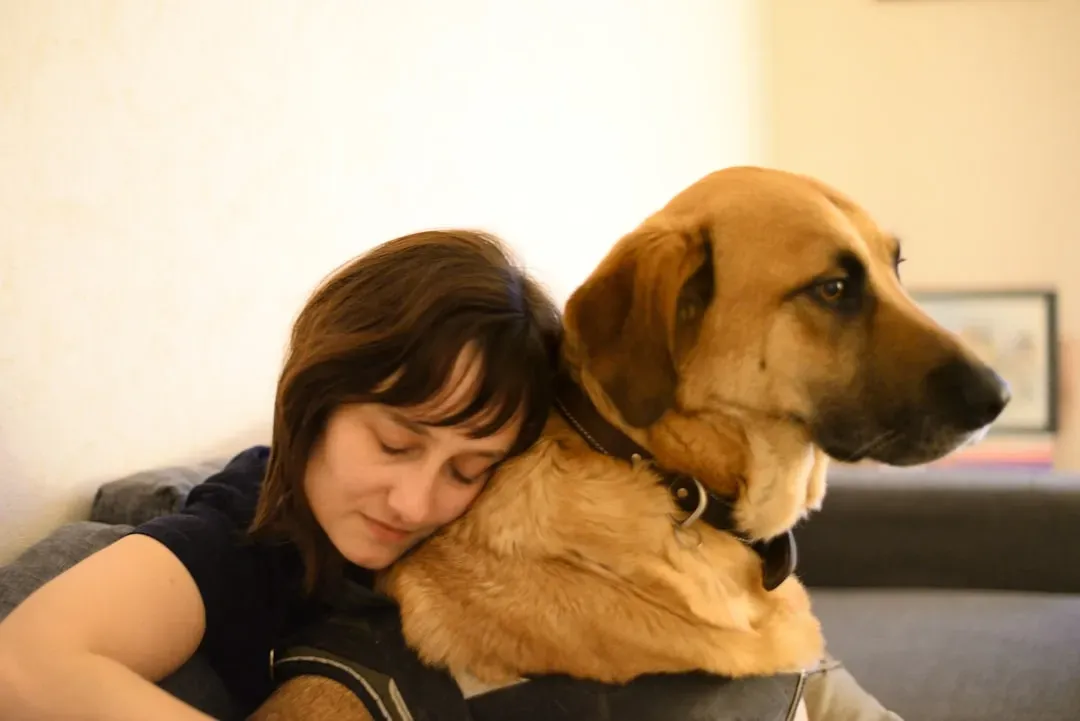
Big, intimidating faces can mislead us. These ten giant breeds are proof that muscles, massive heads, and serious expressions say almost nothing about a dog’s capacity for affection and vulnerability. Many of these dogs were created to guard, protect, or work closely with humans, and that history often produced animals that are emotionally wired to stay near their people, not apart from them.
In my own experience, the dogs that scared me most at first glance ended up being the ones that leaned on me the hardest, followed me from room to room, and quietly insisted on being part of my daily routine. If anything, I’ve come to trust a giant dog’s need for closeness more than its tough exterior. Maybe that’s the real lesson: when it comes to dogs, it is usually the eyes, the body language, and the relationship that matter far more than the face. Looking at these breeds now, which do you see first – the intimidating stare, or the oversized heart trying to sit on your lap?


