
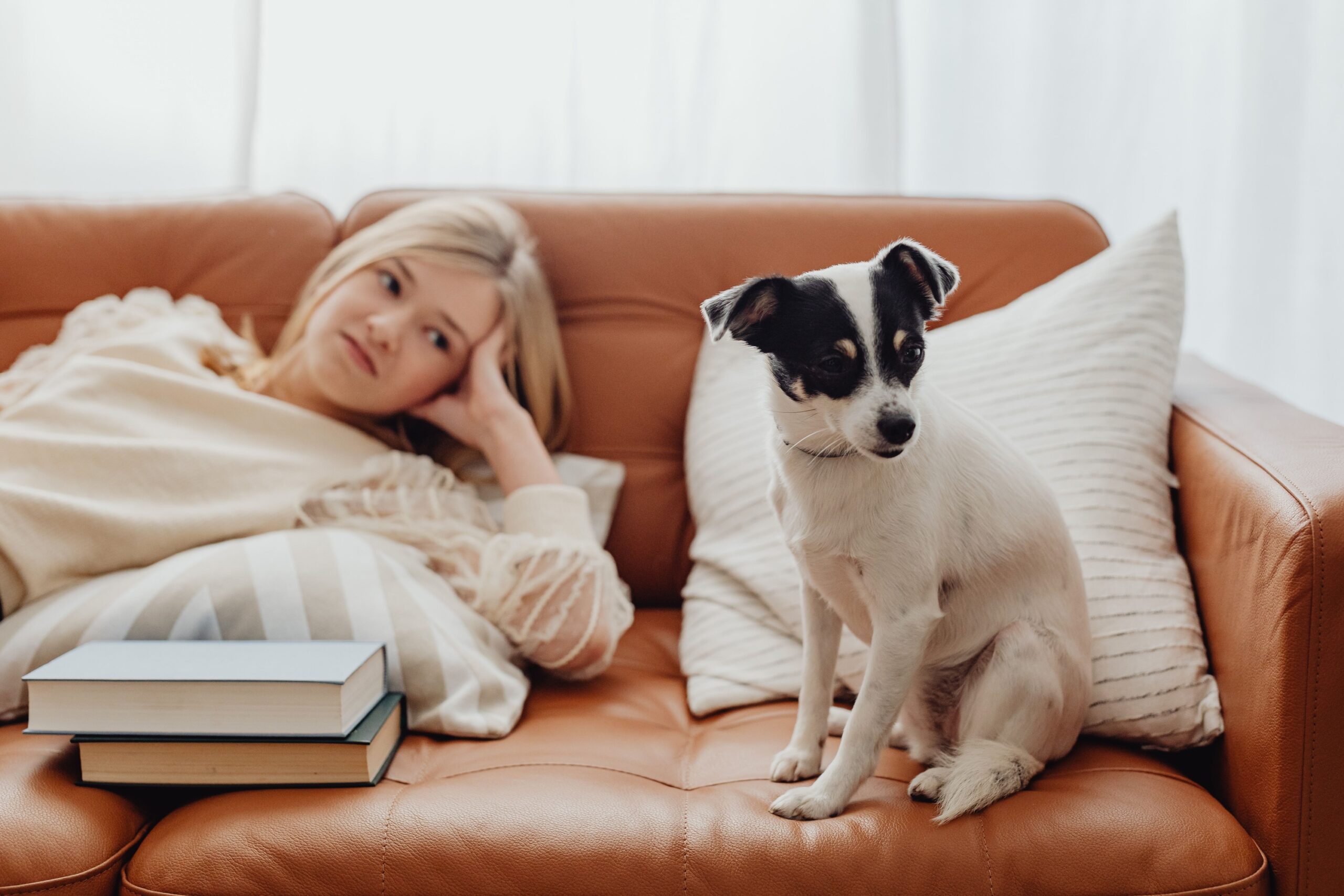
You know that feeling when your dog looks at you with those huge, searching eyes, and you just know they’re asking for something… but you’re halfway through an email, a text, or a TV episode? Most of us adore our dogs and would swear we never ignore them on purpose. But the truth is, in tiny, everyday ways, we sometimes shut them out of the very moments they’re desperate to share with us.
What surprised me, when I really started paying attention with my own dog, was how subtle these moments are. It’s not the big stuff, like skipping a walk for a week; it’s the quick head turn, the phone we pick up instead of a toy, the door closed a second too soon. Once you start seeing these little patterns, you can’t unsee them – and that’s actually a good thing. It means you get a chance to fix them and build the kind of bond your dog quietly dreams about every single day.
1. You’re Physically There, But Mentally Somewhere Else
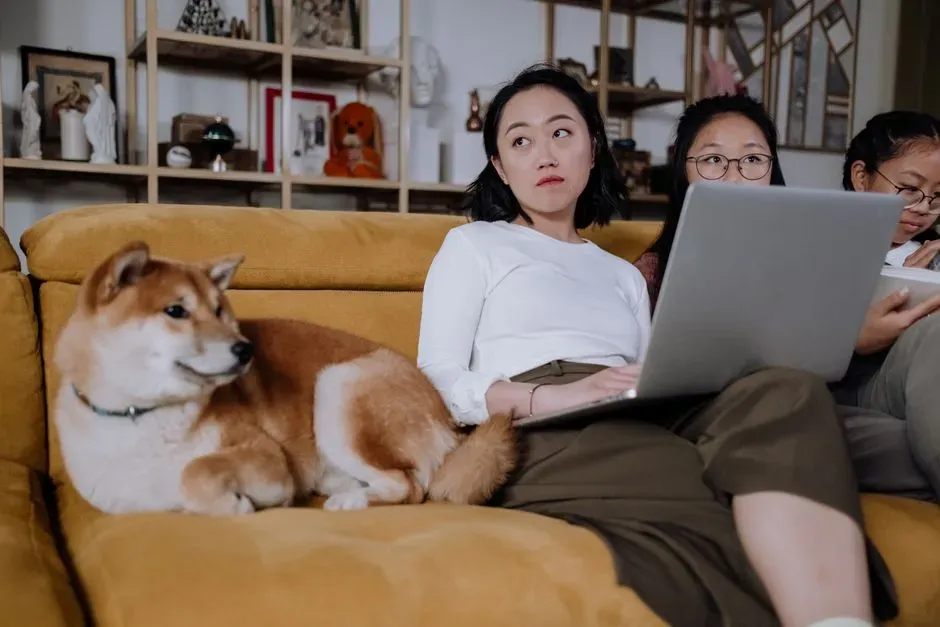
Picture this: your dog hops up next to you on the couch, leans their warm body against your leg, maybe sighs in that dramatic dog way – meanwhile, your mind is deep in a group chat or scrolling through videos. From the outside, it looks like you’re hanging out together. Inside your dog’s world, though, you feel miles away. They sense your attention more than your presence, almost like emotional Wi‑Fi: if you’re not really connected, they can tell.
Dogs are social animals wired to read us. They notice when our eyes meet theirs, when our voice softens, when our hands reach out with intention instead of going through the motions. If most of your “together time” is background noise while you multitask, your dog misses out on the micro-moments – eye contact, shared excitement, soft words – that make them feel truly seen. Even five undistracted minutes on the floor with them can mean more than an hour on the couch while you’re lost in your notifications.
2. You Ignore Subtle Invitations To Play or Connect
Not every dog comes barreling in with a squeaky toy and a full-body wiggle. Many “invitations” to connect are tiny and easy to miss. A gentle nudge of your elbow, a soft whine, the way they drop a toy two feet away and then look back at you like, “Did you see that?” If you’re busy or stressed, it’s incredibly easy to brush those off without even realizing it. Over time, your dog can learn that their softer bids for attention just… don’t work.
I noticed this with my own dog when she started bringing toys and then taking them back without waiting for me. It hit me that she had tried a hundred times before and I’d answered maybe ten. You don’t have to say yes every single time. But when you never pause to acknowledge those little invitations – even with a quick word, a smile, a promise of “later” that you actually keep – your dog can slowly give up trying. That’s when they stop asking, not because they don’t want you, but because they’ve learned you’re not listening.
3. You Rely on Routine but Forget About Real Engagement
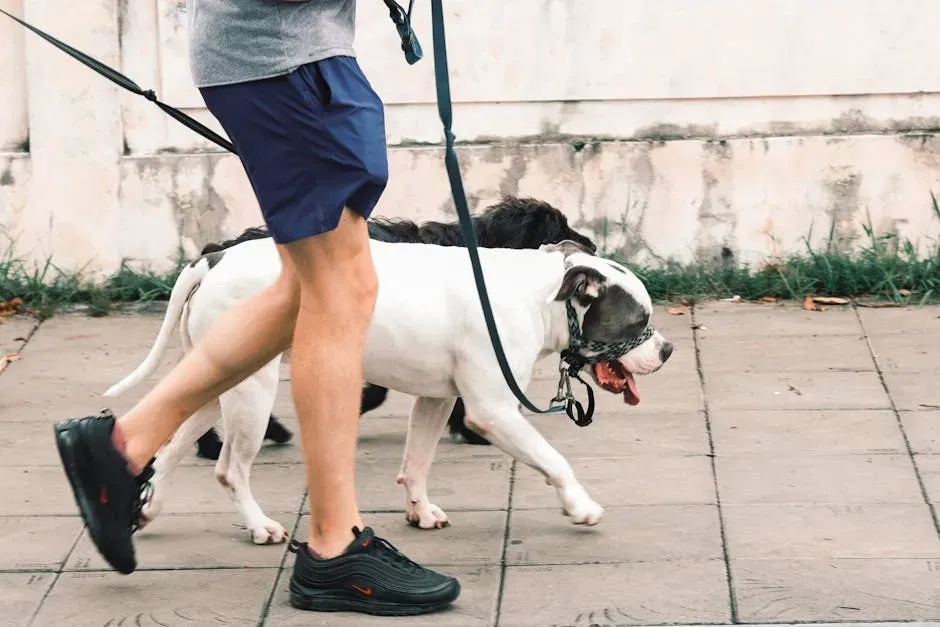
Daily routines are great for dogs: same walk times, same feeding schedule, same bedtime rhythm. But routine without intention can turn into a kind of emotional autopilot. You clip on the leash, you walk the same route, you check your messages at every stop sign. To your dog, that can feel like going out together while you’re still in your own head. It’s like going on a “date” where one person never looks up from their phone.
What your dog craves isn’t only the walk – it’s the shared experience. Letting them sniff a little longer at the interesting bush, reacting to the squirrel they spotted, mixing up the route now and then, using a cheerful voice instead of just robot commands; these tiny tweaks turn a chore into a bonding ritual. When routine feels like a checklist to you, it often feels like a missed chance to your dog. They’re not just asking, “Are we going out?” They’re wondering, “Are we going out together?”
4. You Talk About Them More Than You Talk To Them
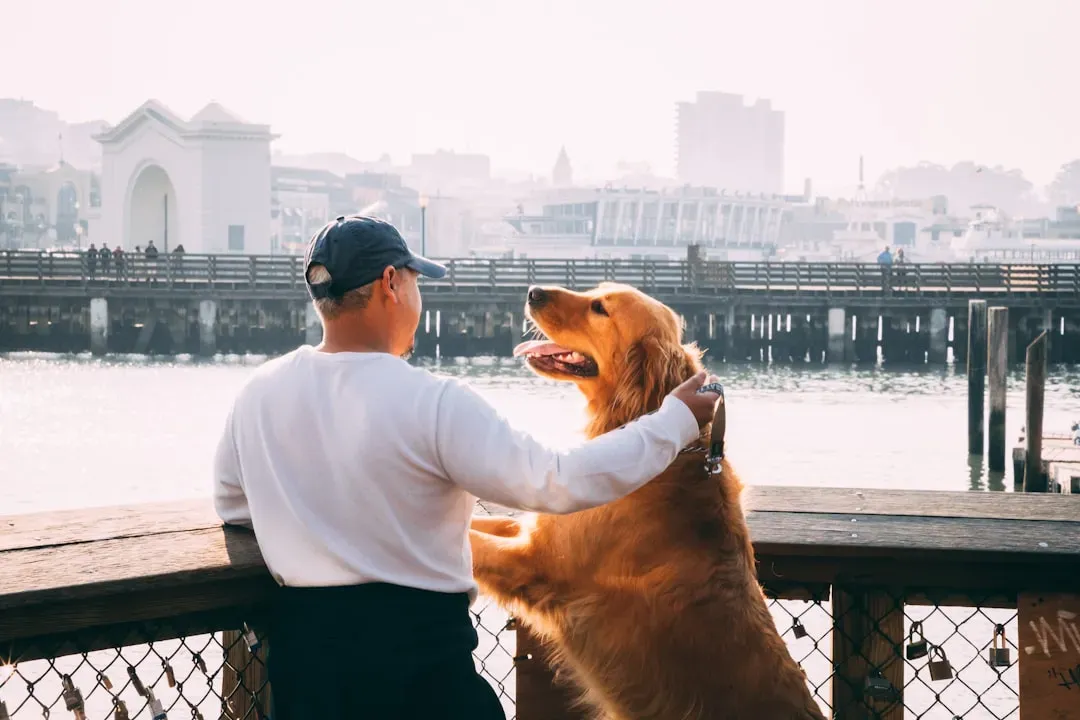
Dog people love to talk about their dogs – stories, photos, funny habits, little complaints, big brag moments. We’ll describe them to friends, post them to social media, even narrate their quirks like we’re running a fan club. Ironically, though, many of us forget to actually talk to our dogs directly in a way they can latch onto. They might be lying at your feet while you chat endlessly about them to someone else, hearing their name but not really being included.
Dogs may not understand every word, but they absolutely understand tone, attention, and patterns. When your voice changes because you’re talking about them instead of to them, they feel the difference. Try shifting from “He always does this thing…” to pausing, touching him gently, and saying something in a warm, consistent tone that you reserve just for him. It can be as simple as saying their name and a soft, friendly sentence. That small habit turns them from a topic into a partner in the moment.
5. You Shut Them Out of Rooms and Routines Without Explanation
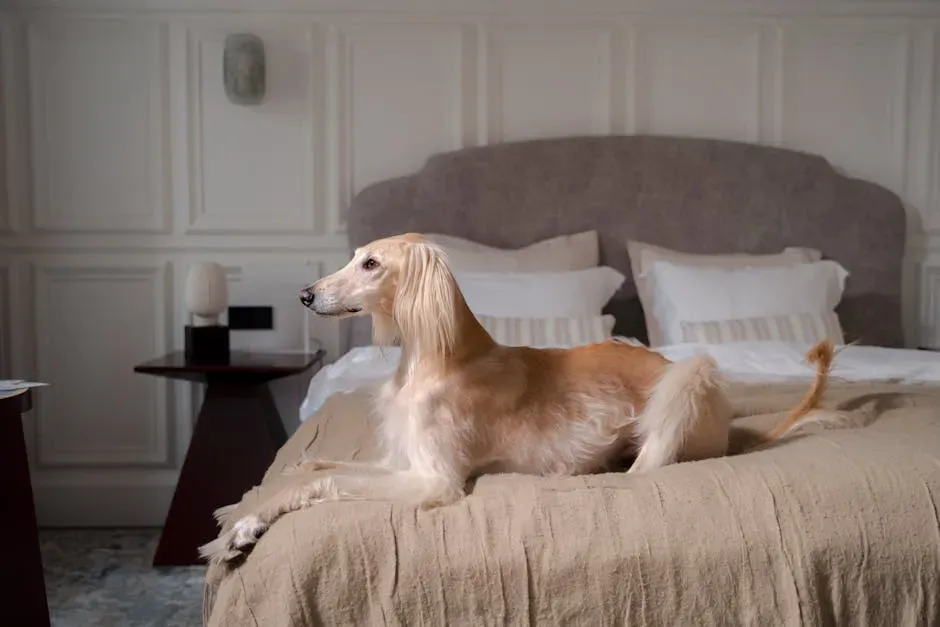
Dogs do not understand why some doors are suddenly closed, why they’re left on one side of a baby gate while you disappear on the other, or why today they’re not allowed in the bedroom when yesterday they were. Sometimes, of course, you absolutely need boundaries – for safety, for your own sleep, for guests, for kids. But when those boundaries feel random or inconsistent from your dog’s perspective, it can quietly sting. One day they’re curled at your feet, the next they’re staring at a shut door wondering what they did wrong.
This doesn’t mean you should never close a door; it means you can soften the impact. Use consistent cues so your dog can predict what happens next, like a special phrase, a treat scatter, or a comfy spot you send them to. Give them a small ritual before you leave the room, so they don’t just feel abruptly cut off. When dogs can anticipate patterns, they feel safer even when they can’t always be at your side. You’re not just managing their body; you’re managing their feelings about access to you.
6. You Only React to “Bad” Behavior and Miss Their Good Moments
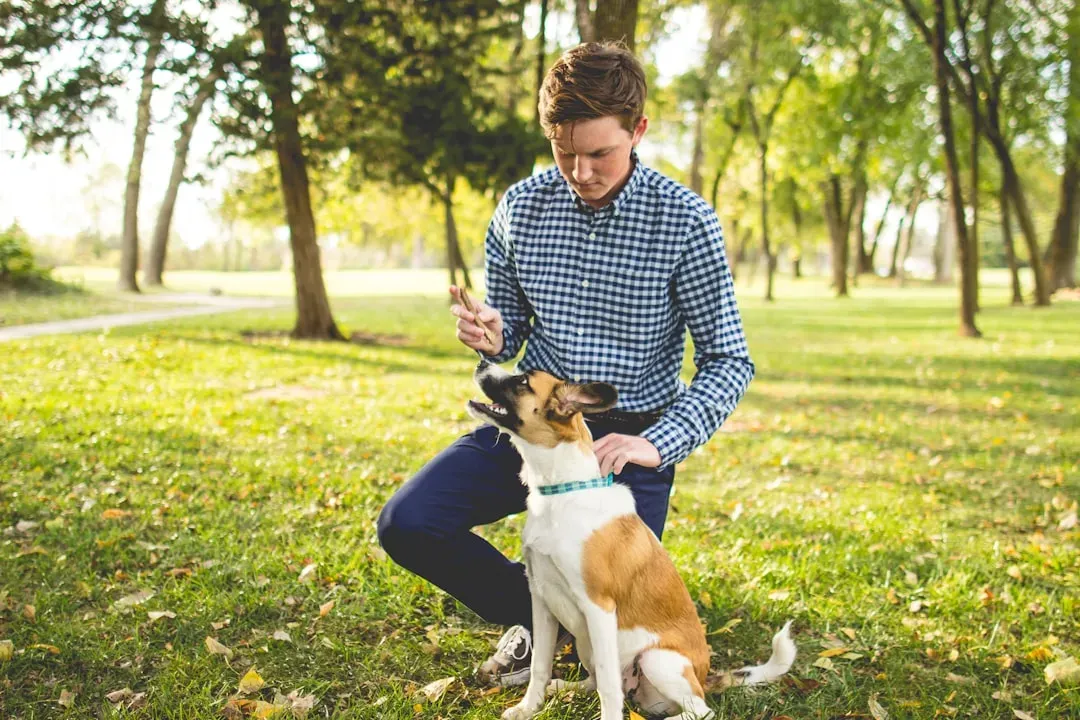
Think about how often you speak up when your dog does something you do not like – barking, jumping, chewing, pestering – and how often you say something when they’re doing exactly what you want: relaxing quietly, settling near you, glancing back on a walk, choosing not to bark. For many dogs, the only time they get your full, intense attention is when they’re crossing a line. That can accidentally teach them that the fastest way to get a reaction from you is to misbehave.
From your dog’s point of view, silence when they’re being great can feel like a door that never opens. They try a calm approach and get nothing, but the moment they go over the top, suddenly you’re animated, loud, focused on them. Flipping that script – catching them in the act of being good and noticing it with a warm voice, a quick scratch, or a tiny treat – tells them that the quieter, more appropriate choices are actually worth making. It is one of the simplest ways to invite them into more shared success instead of shared conflict.
7. You Rush Through Sniffs, Greetings, and “Dog Stuff”
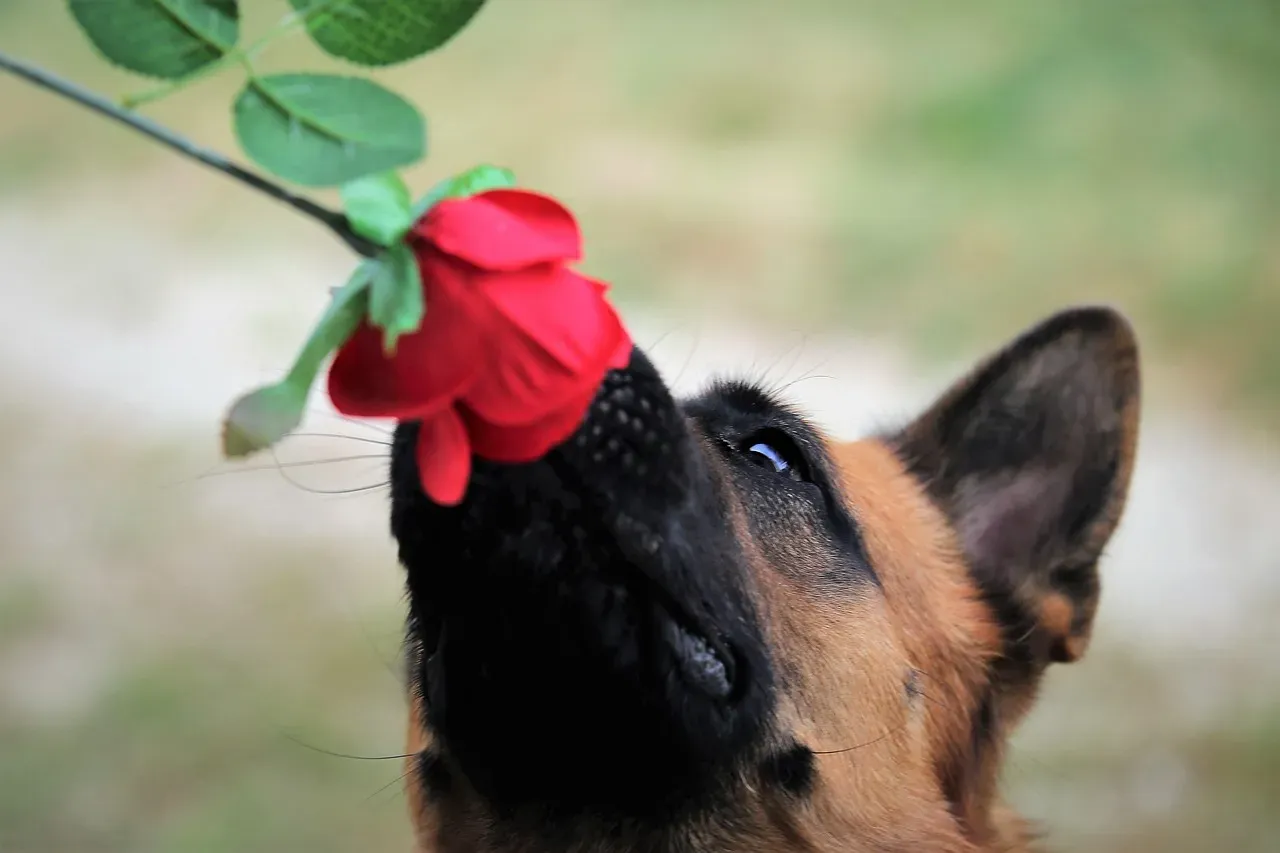
Dogs experience the world primarily through their nose and their social instincts. That slow, meandering sniff on the sidewalk is like scrolling through the neighborhood’s newsfeed. Pausing to exchange a few relaxed sniffs with a friendly dog can mean more to them than an extra five minutes of speed walking. When we yank them away from every interesting smell or hurry them past potential social moments because we’re in a rush, we cut them off from the experiences that make their world rich.
Of course, not every dog or situation is safe or appropriate, and not every walk can be an endless adventure. But making some space, even occasionally, to let them indulge their natural curiosity tells them their interests matter too. When we always push for our human version of efficiency, we unintentionally tell them: “Your way of being here doesn’t count.” Slowing down now and then to let them sniff that lamp post a bit longer can feel to them like you saying, “I see you. This is your time too.”
8. You Assume They’re Fine Just Because They’re Quiet
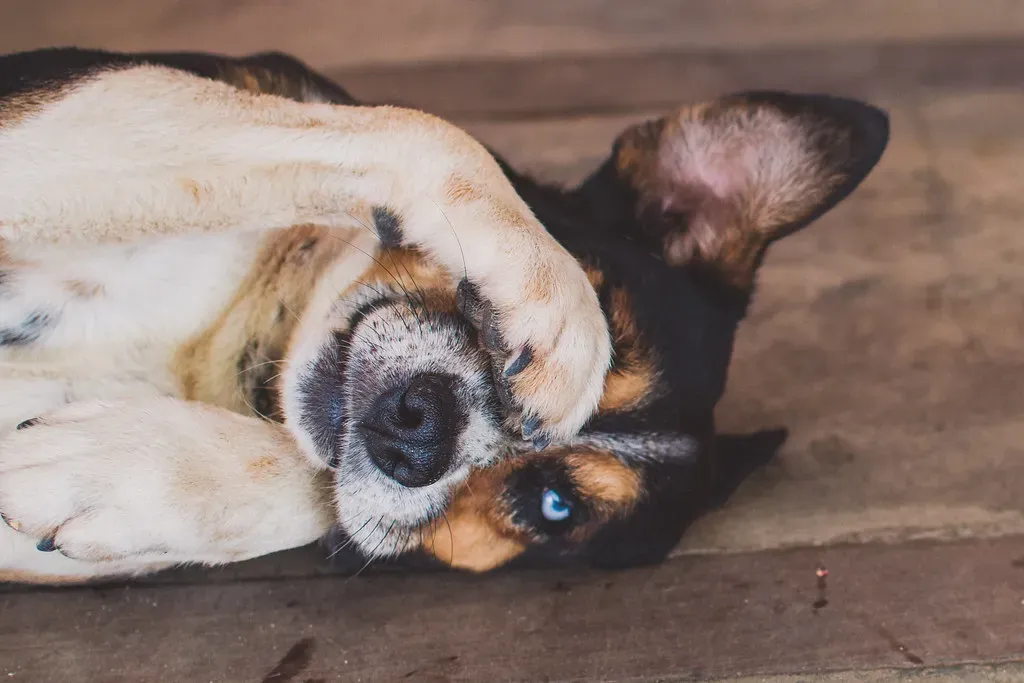
A lot of dogs go still and quiet when they’re overwhelmed, confused, or sad. They do not always show distress with big drama. Sometimes they simply curl up further away, stop approaching as often, or watch you from across the room instead of coming over. It is easy to interpret that as “He’s chill” or “She’s independent,” when in reality, they might have slowly given up on trying to join you. Quiet dogs can be the easiest to accidentally shut out, because nothing about them is demanding your attention.
Pay attention to the small shifts: did they stop bringing you toys? Do they hesitate at the edge of the bed instead of jumping up like they used to? Have they gone from climbing into your lap to lying near the door? Those little changes can be your dog’s way of protecting themselves from disappointment. Inviting them back in – patting the couch, calling them over, making small friendly gestures throughout the day – can rebuild that bridge. It tells them that you notice their presence even when they are not loudly asking for it.
Conclusion: Choosing Your Dog, On Purpose, in the Small Moments
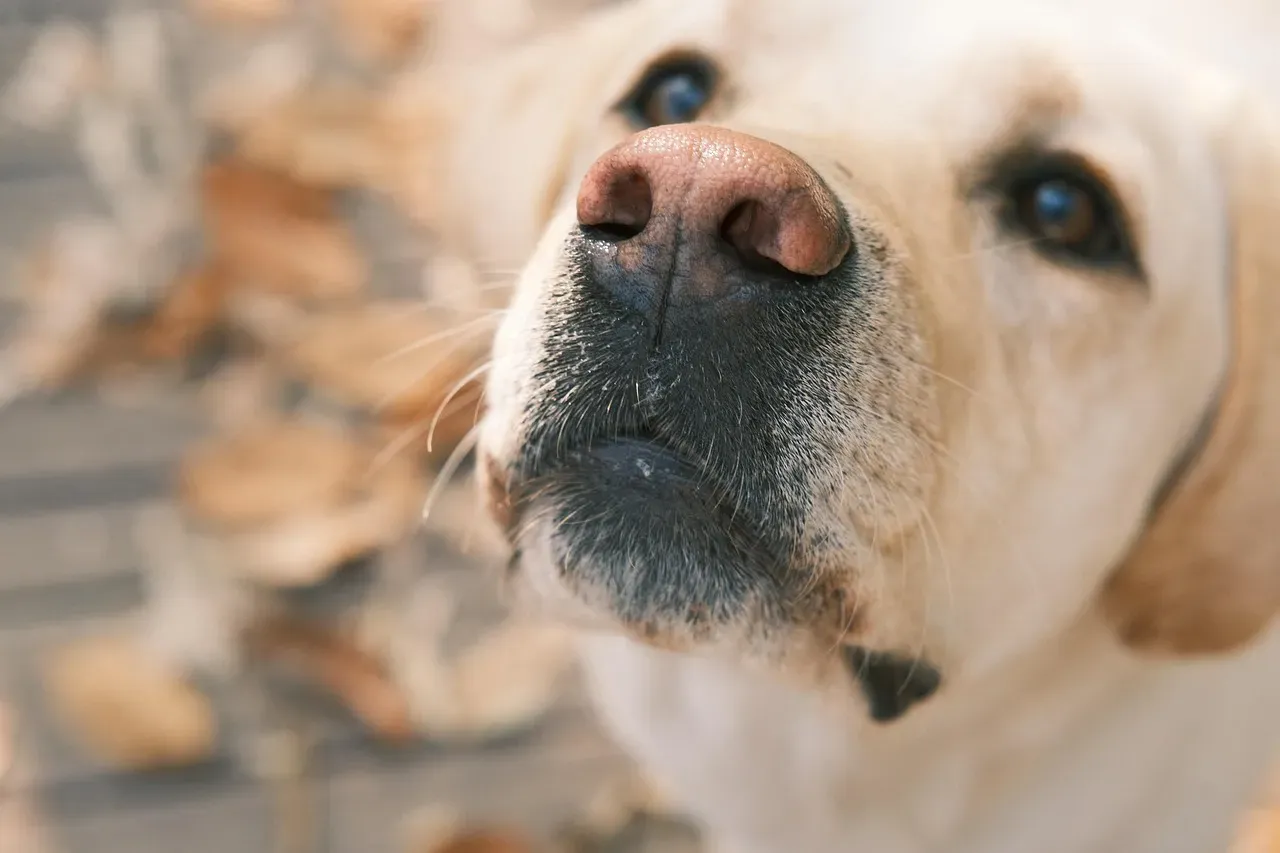
The hardest truth in all of this is that most of us are not shutting our dogs out because we don’t care; we’re doing it because we’re distracted, tired, or just not paying attention to the language they use. The good news is that you don’t need a total life overhaul to fix it. You just need to pick a few of these little habits and flip them: answer one more invitation to play, pause scrolling for thirty seconds to meet their eyes, let them sniff for a moment longer, notice when they’re being quietly good instead of only when they’re loudly inconvenient.
From my own experience, the bond that grows when you start doing this feels almost ridiculous in how quickly it deepens. Your dog becomes more relaxed, more confident, and somehow more “themselves,” because they feel like a real partner in your life, not just a background character. In a world that constantly drags our attention everywhere else, choosing your dog on purpose – especially in those tiny, throwaway moments – might be one of the most meaningful rebellions you can make. Next time your dog looks up at you, will you look back and step into that shared moment, or let it slide past again?


