
Texas heat is not a joke. Anyone who’s walked across a parking lot in August knows it feels like opening an oven door and stepping inside. Now imagine facing that in a fur coat, with no shoes, and only your tongue as your main cooling system. That’s everyday life for dogs in Texas summer, and some breeds are simply not built for it.
What surprised me most, living in a hot state myself, was how many well-meaning owners pick dogs that look adorable in photos but are absolutely miserable in triple-digit temperatures. The good news is you can absolutely have a happy dog in Texas; you just need to understand which breeds really struggle, which ones can thrive outdoors, and how to keep all of them safe. Let’s walk through the twenty breeds in this headline and see who’s sweating and who’s smiling.
1. English Bulldog – Adorable, But Practically a Walking Space Heater
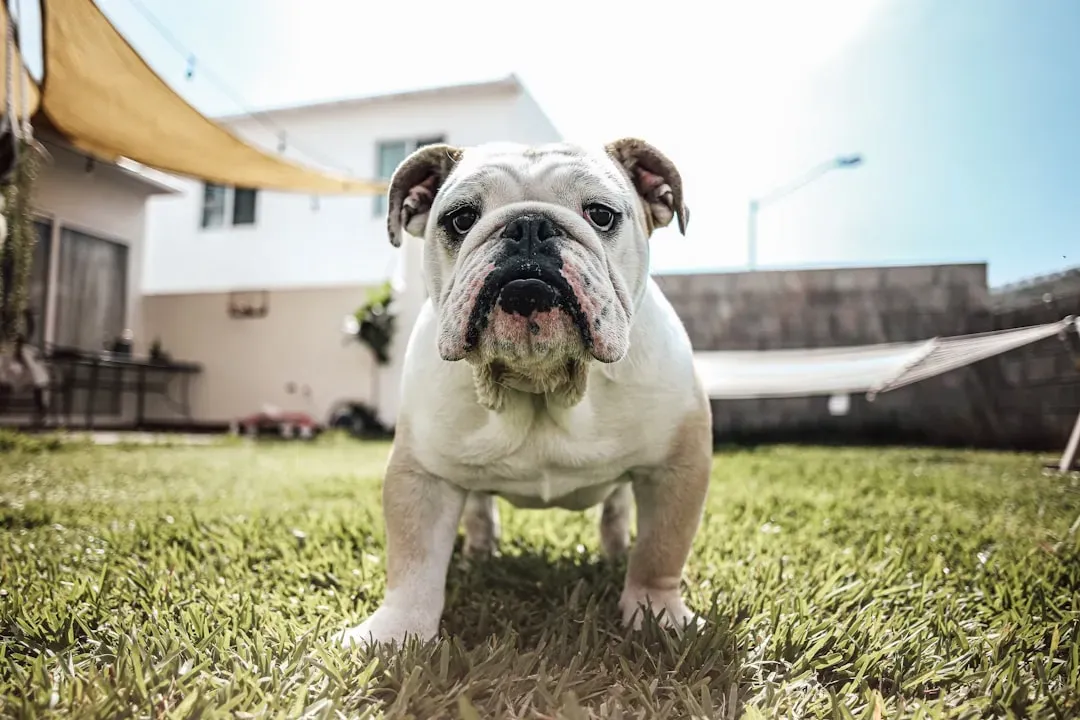
The English Bulldog is one of the classic “too cute for its own good” breeds in the Texas heat. Their short snout and squished face mean they’re terrible at moving air efficiently through their airway, which is exactly what they need to cool themselves down. Combine that with a stocky, dense body and a tendency to be a bit lazy, and you’ve got a dog that can overheat frighteningly fast on a hot day.
In a state where summer days can hover around brutal high temperatures for weeks, a Bulldog really belongs in air conditioning most of the time, with only short, supervised potty breaks and carefully timed early-morning or late-night walks. If you take one on a midday stroll in July, you are not giving them a “good workout” – you’re risking heatstroke. For Bulldogs in Texas, a cool floor, a fan, and lots of shade are not luxuries; they’re survival gear.
2. Pug – Tiny Body, Huge Heat Risk
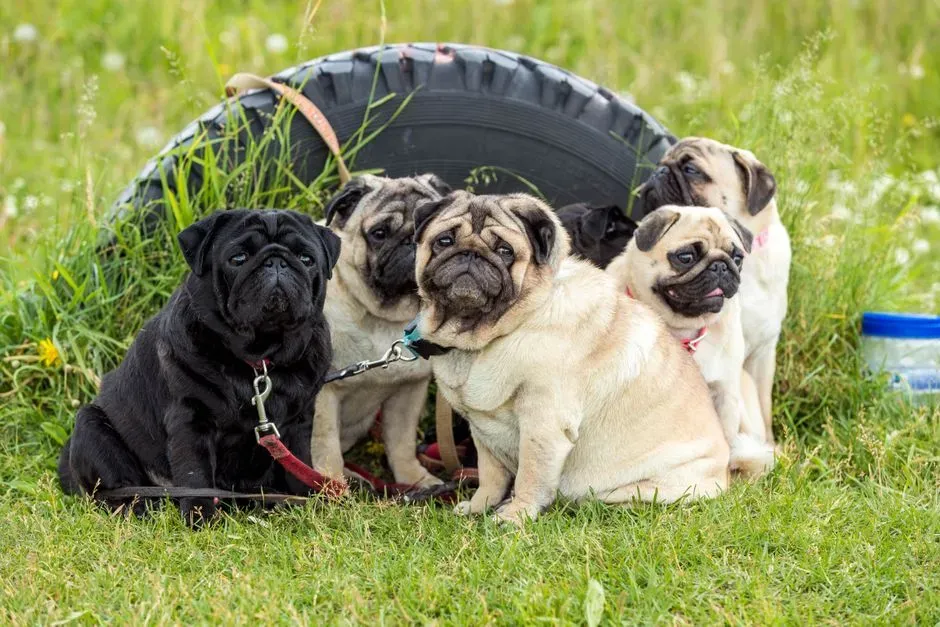
Pugs might be small, but they come with the same short, pushed-in nose problem as Bulldogs, and in some ways it’s even more dangerous because people assume “little dog = less risk.” Their compact skull and narrow airways make it very hard for them to pant effectively, and panting is a dog’s number one way to dump heat. In Texas heat, that limitation can catch up with a Pug in minutes, not hours.
Because they’re playful and full of personality, Pugs often try to keep up with kids or other dogs even when they’re already overheating. That combination of eagerness and physical limitation is risky outdoors in Texas. These are dogs who should be treated like delicate houseplants in summer: keep them inside, give them cool, still air, and only “take them out for sun” in very short, carefully watched doses.
3. French Bulldog – Instagram Star, Heatstroke Magnet
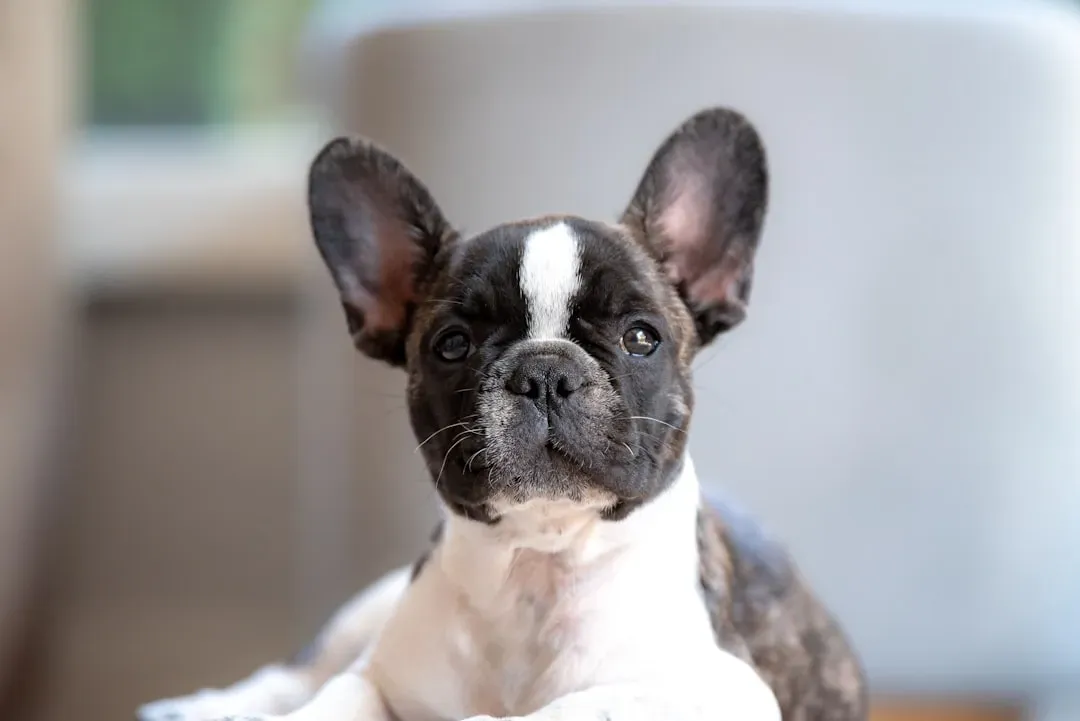
French Bulldogs have exploded in popularity, especially online, but their celebrity status doesn’t change basic biology. They share the same brachycephalic (short-nosed) structure that makes breathing harder in hot, humid conditions. Add in that many Frenchies have narrow nostrils and soft palate issues, and you can see why they melt down fast in Texas heat.
What makes it worse is that they’re usually treated like “city dogs,” often taken along to patios, outdoor events, and busy parks under a blazing sun. It makes for cute photos, but it can literally be dangerous. With Frenchies, a smart Texas owner treats summer like a season of constant risk management: stick to indoor activities, minimize outdoor exposure, and never assume that just because they’re not whining, they’re okay.
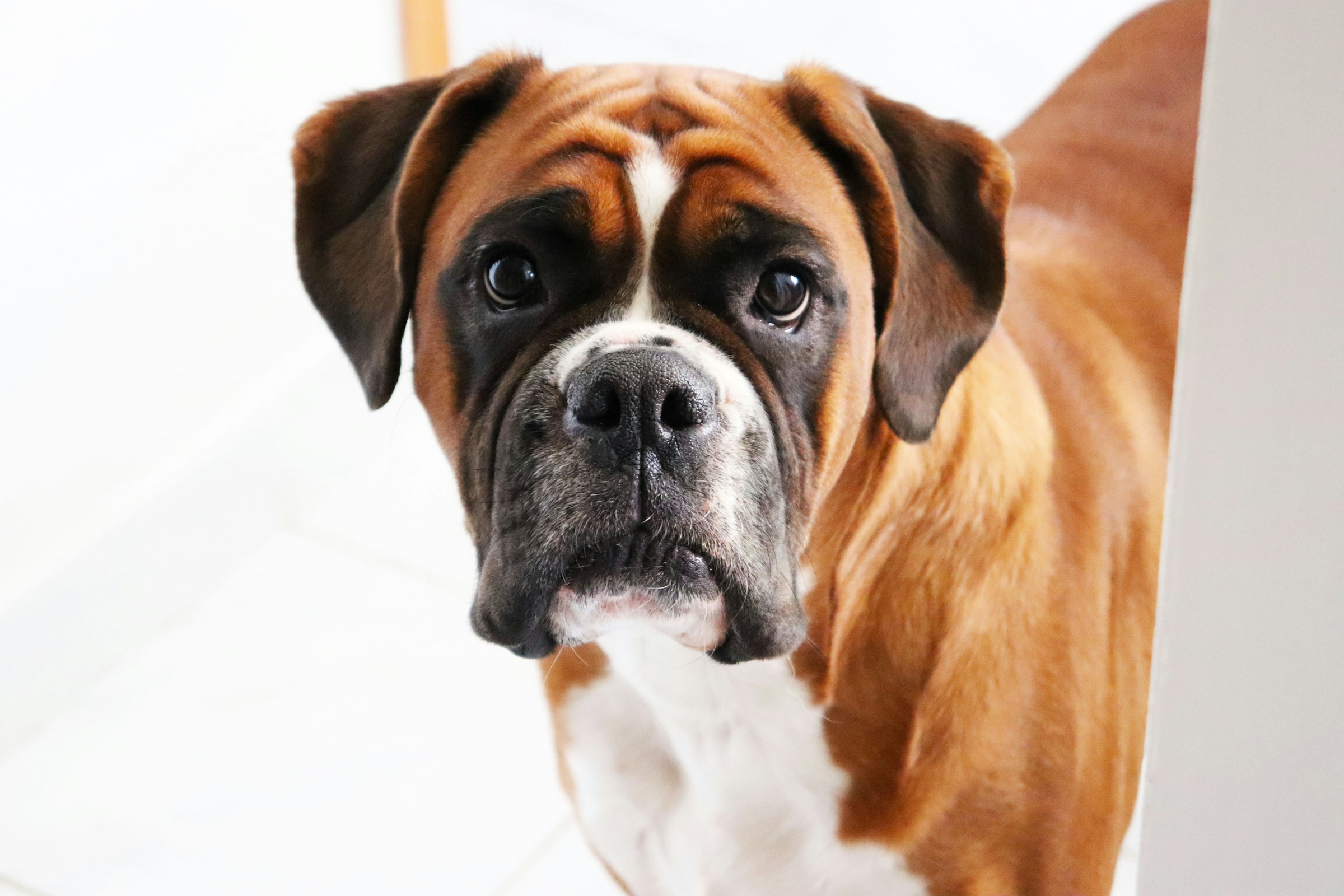
4. Boxer – Athletic, But Not a Heat-Endurance Athlete
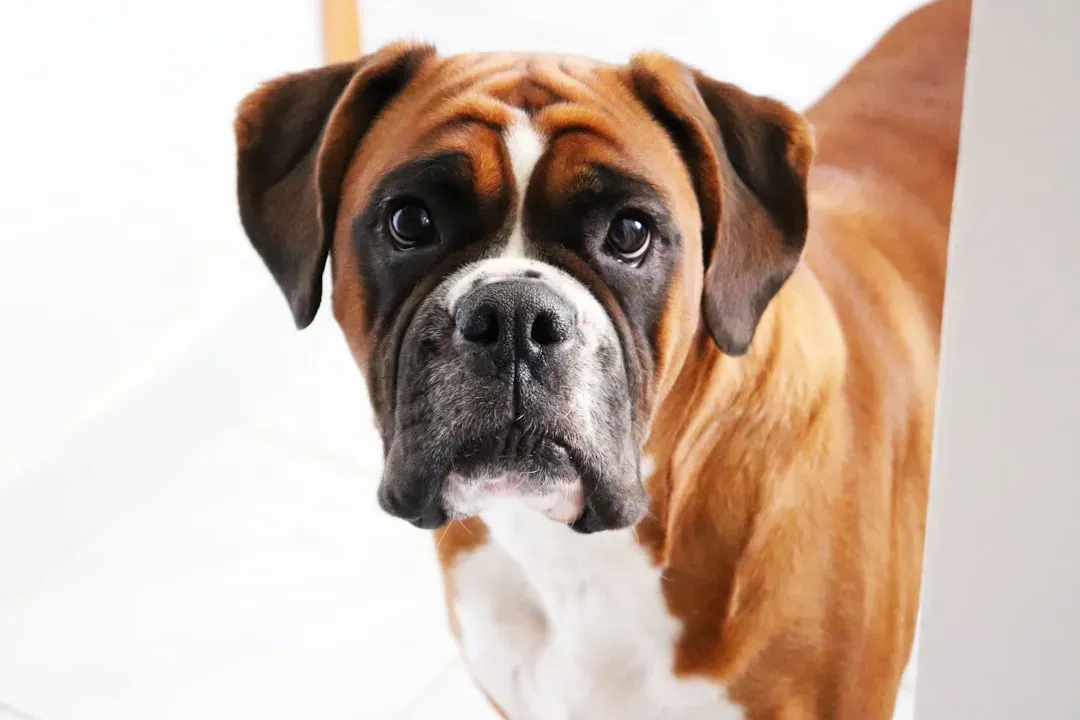
Boxers look like they should be indestructible, with their muscular build and playful, athletic energy. But that same short, broad head shape and somewhat restricted airway means they don’t handle heat as well as many people think. They can go from energetic to overheated very quickly in direct sun, especially during those long Texas afternoons.
They absolutely love to run and play, which can trick owners into keeping them out too long. In a cooler climate, that might not be such a big deal, but in Texas it can be a recipe for trouble. Boxers can live happily in the state, but they’re not outdoor yard dogs; they’re family dogs who need a cool house and carefully timed bursts of outdoor fun when the temperatures are kinder.
5. Saint Bernard – Built for Snow, Not for San Antonio
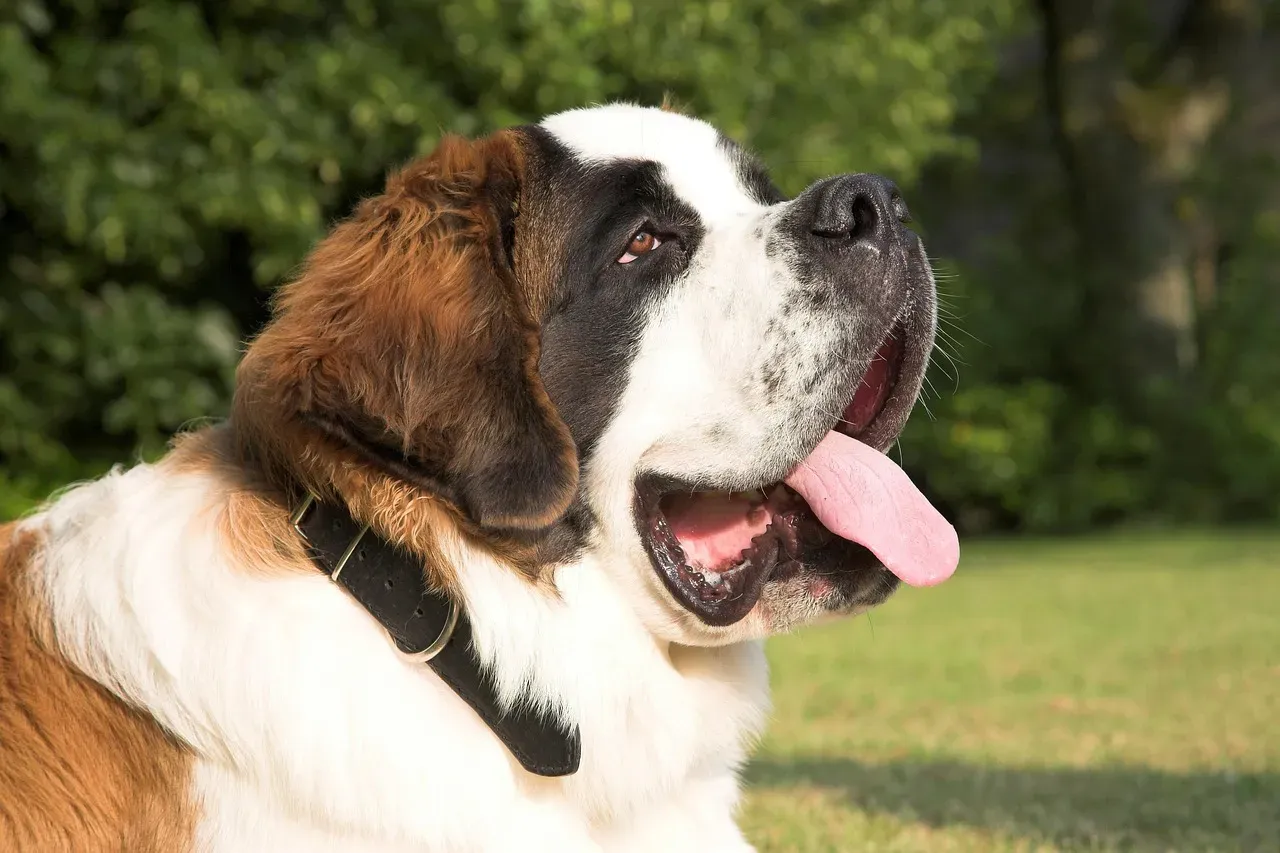
There’s a reason you picture Saint Bernards in winter scenes. They were developed for tough, cold environments, with thick double coats designed to trap warmth. Put that heavy insulation into a Texas summer, and you’re basically asking the dog to walk around in a parka in a sauna. Even short outdoor sessions in full sun can be draining for this breed.
It’s not just the coat that’s the issue; their big body mass and slower pace mean they don’t shed heat quickly. In Texas, a Saint Bernard has to be treated like a “cold-weather specialist” who’s living out of its natural element. Long-term outdoor living isn’t kind or fair to them there; they need climate control, shade everywhere, and a lifestyle that respects the fact they were never meant to bake on hot concrete.
6. Siberian Husky – The Classic Mismatch for Texas Summers
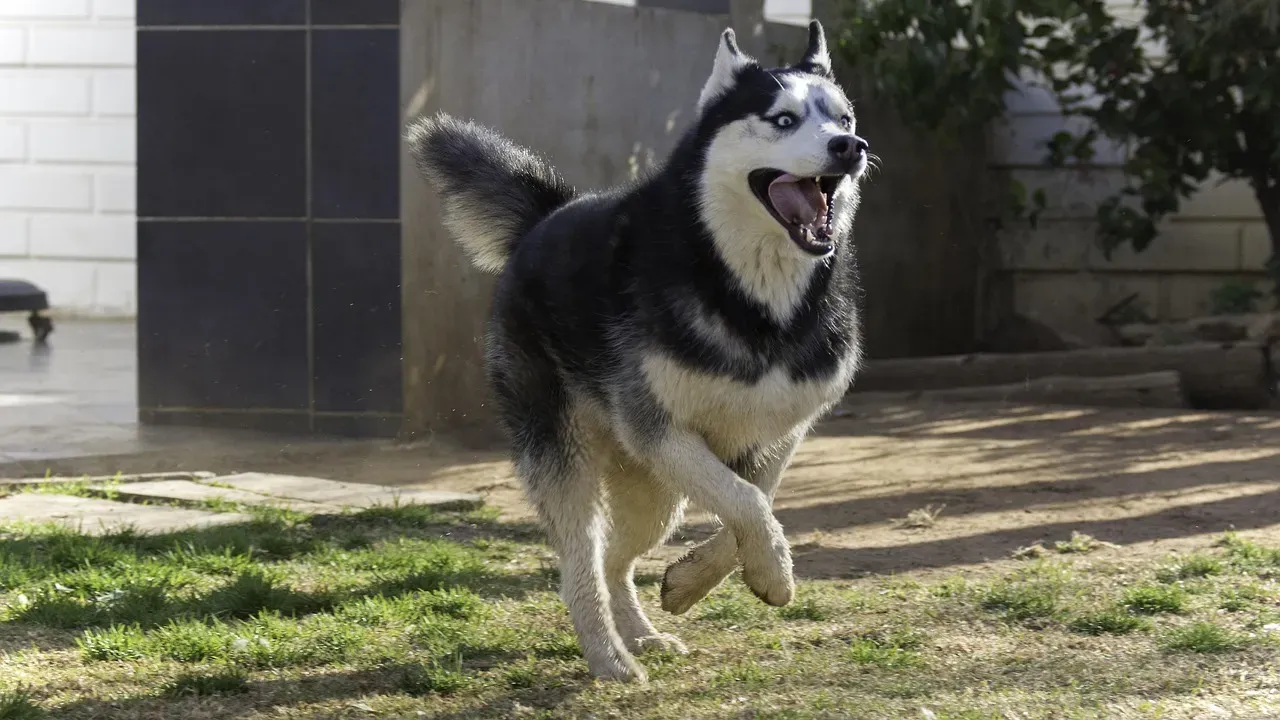
Huskies are gorgeous, dramatic, and full of personality, which is exactly why people in hot states keep adopting them. But their whole body is built for endurance in cold conditions, with a thick double coat and a metabolism tuned for chill. In Texas heat, that coat works against them, holding in warmth that would be a blessing in winter but feels like punishment in August.
They can still live in warm climates with careful management, but a Husky is never going to be a dog that comfortably lounges on a sun-baked yard all afternoon. They need serious shade, cool resting spots, and activity schedules shifted to the coolest parts of the day. In other words, if you’re dreaming of a running buddy who can power through noon heat in Austin, a Husky is the wrong fantasy.
7. Alaskan Malamute – Even More Coat, Even Less Heat Tolerance
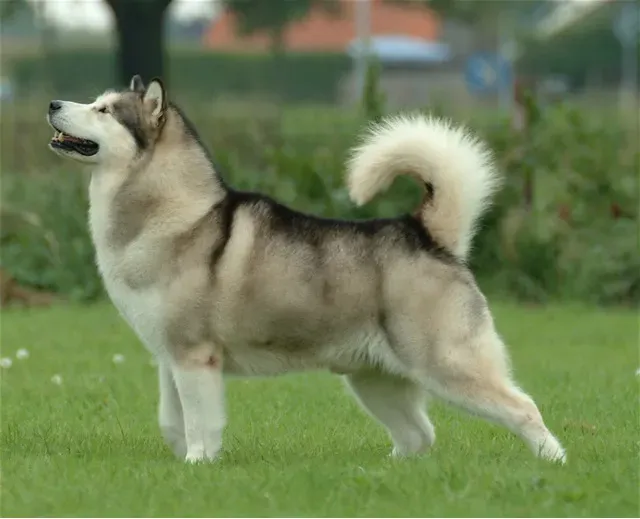
Take everything we just said about Huskies and crank it up a notch, and you’ve got the Alaskan Malamute. These dogs were bred for heavy work in frigid climates, pulling loads over snow and ice, wrapped in one of the thickest coats you’ll find on a domestic dog. In a Texas climate, that coat becomes a liability the moment temperatures climb.
Malamutes might act tough, but they tire and overheat quickly in sustained heat or humidity. They really do best as mostly indoor dogs in hot states, with plenty of air conditioning and just enough outdoor time to exercise safely during cooler windows. Keeping a Malamute outdoors in a Texas yard all day isn’t rugged or “natural”; it’s essentially forcing a snow dog to live on the surface of a grill.
8. Chow Chow – A Lion’s Mane in a Desert
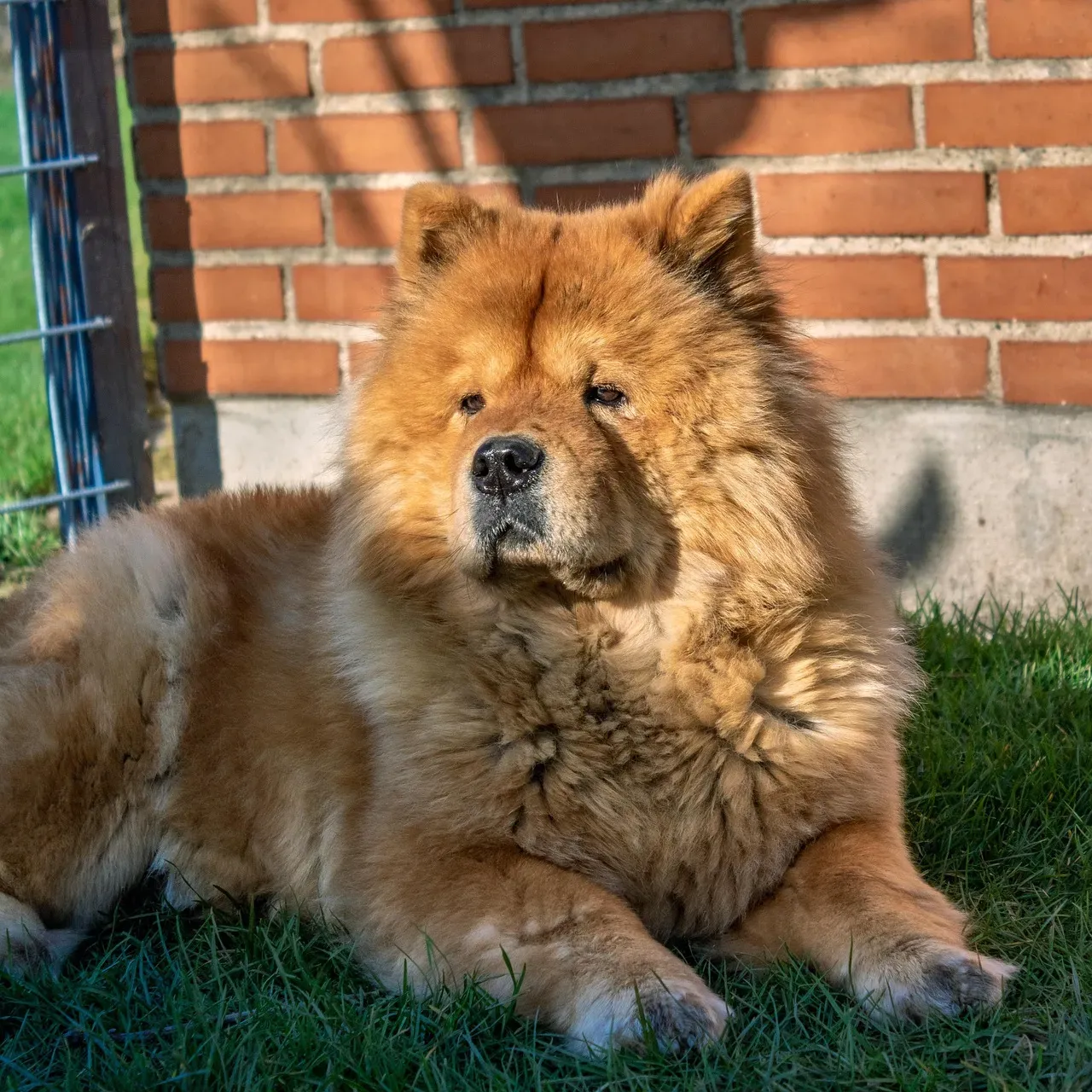
Chow Chows often have that thick, lion-like ruff that looks dramatic and regal, but it’s also a giant heat trap. Under that mane is a dense double coat that does a great job at insulating in winter and a terrible job at letting heat escape in sweltering weather. Combine this with their generally more reserved nature and you have a dog who is unlikely to tell you loudly when they are beginning to feel unwell.
In Texas, Chows should be treated like heat-sensitive pets that need climate control, not like backyard guardians left out to “patrol.” Short supervised outdoor time with lots of shade and constant access to water is the safest path. If your mental image of a Chow is one lounging proudly in the sun, you might want to reframe that as one draped happily on a cool tile floor in front of an air vent.
9. Shih Tzu – Small, Fluffy, and Vulnerable in the Sun
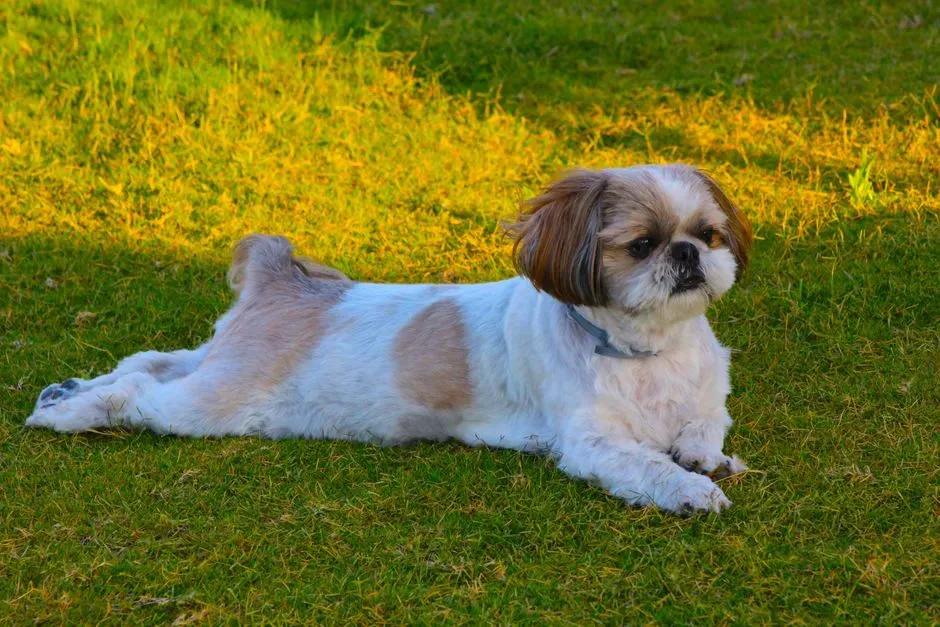
Shih Tzus might appear delicate and light, but their coat and face structure can both work against them in high heat. The long hair many owners love can become a blanket if it isn’t trimmed appropriately in summer, and again we see a shortened muzzle that doesn’t move air as efficiently as a longer snout. That combination makes overheating in Texas a very real concern.
Because they’re often kept as companion lap dogs, people assume they’re fine to sit out with them on porches and patios during hot parts of the day. In reality, even a little direct sun on a still, humid Texas afternoon can be too much. Shih Tzus do best with indoor living, regular grooming to keep coats manageable, and quick bathroom trips outside rather than long lounging sessions.
10. Pekingese – A Royal Coat in the Wrong Climate
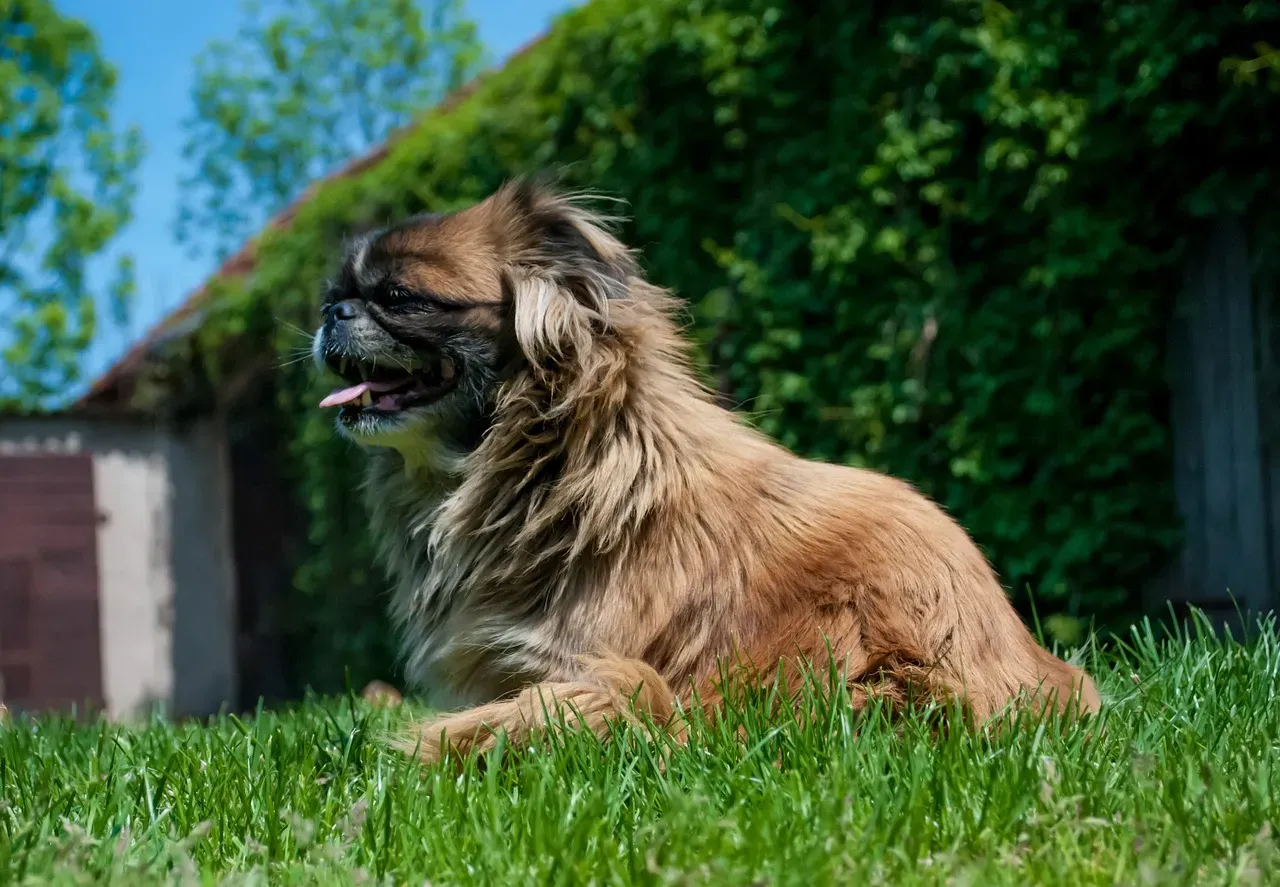
Pekingese have a long history as pampered indoor dogs, and their bodies are basically screaming that preference. They have abundant fur, more like a flowing robe than a light jacket, and a flat, brachycephalic face that struggles in hot, stuffy air. In Texas, that is a tough combo if someone tries to treat them like an outdoor pet.
These are dogs that fit their historical role perfectly in a modern sense: stay mostly indoors, live a climate-controlled life, and enjoy carefully limited outdoor exposure. In a hot state, it’s not “spoiling” a Pekingese to keep them inside; it’s just paying attention to what their anatomy is telling you loud and clear. Texas heat is not where a Pekingese thrives, especially not all day long.
11. Australian Cattle Dog – Built to Work Under a Blazing Sky
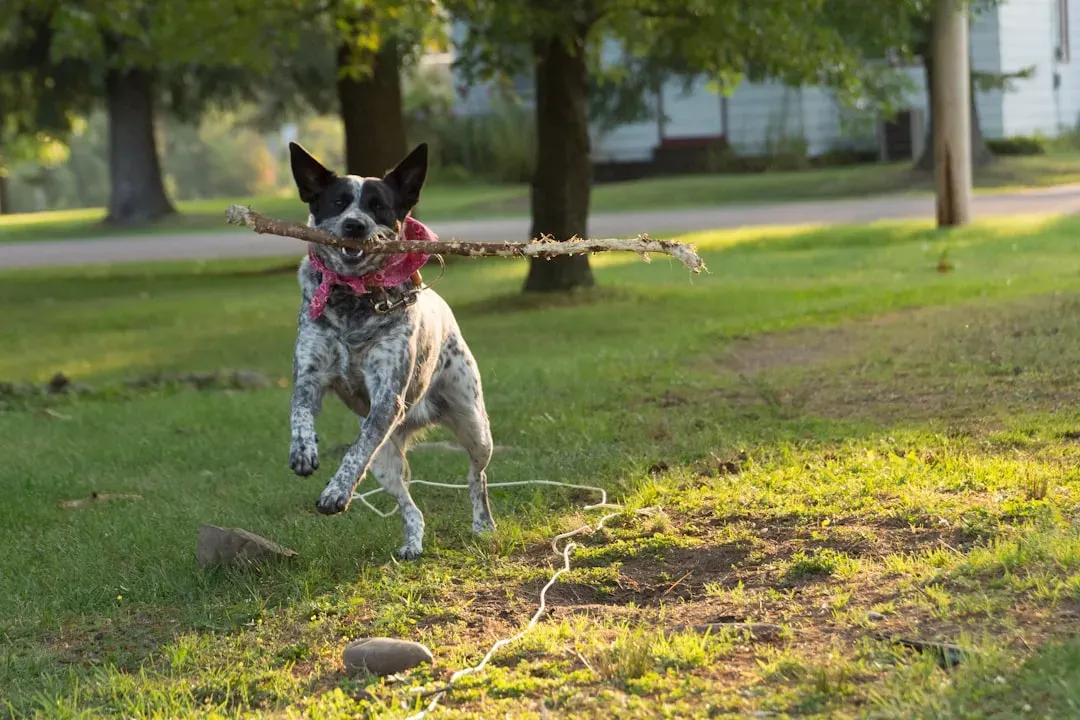
Now let’s talk about the dogs that look at Texas heat and say, in dog language, bring it on. Australian Cattle Dogs were literally developed to move livestock over long distances in hot, harsh environments. Their short double coat helps protect their skin from sun and brush while still allowing decent airflow, and their overall build is compact and efficient rather than bulky and heat-trapping.
These dogs are not indestructible, but they often handle long hours outdoors better than many other breeds if you give them shade, water, and rest breaks. They’re the type who will happily trot alongside you on a ranch, patrol a property, or spend substantial time outdoors without falling apart in typical Texas heat. The real challenge with them is not the temperature; it’s making sure their mind and body are kept busy enough in that big outdoor world they love.
12. Blue Heeler (Queensland Heeler) – Rugged Heat-Ready Ranch Partner
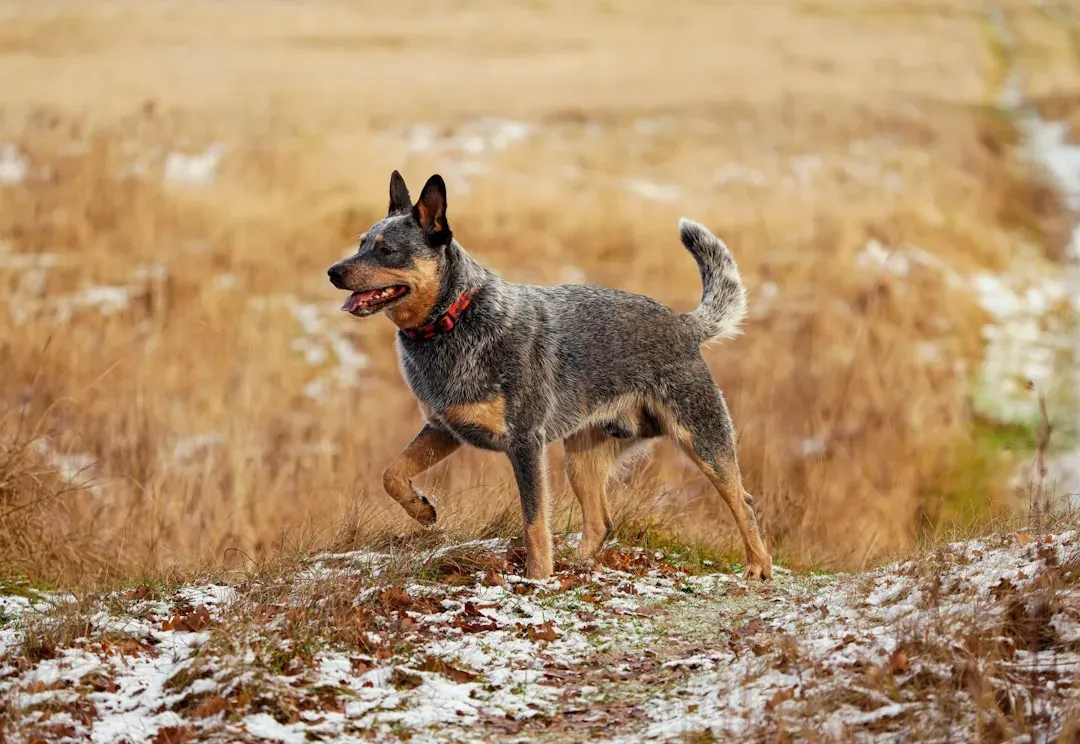
Often lumped under the same umbrella as Australian Cattle Dogs, Blue Heelers are famously tough and driven. They’ve been used across hot regions for years, and there’s a reason ranchers trust them with cattle work in sun and dust. Their weather-resistant coat and lean, muscular frame help them move efficiently without overheating as quickly as heavier, fluffier breeds.
Blue Heelers still need protection from extreme heat, just like any living creature, but they tend to recover quickly with rest, shade, and hydration. They’re the sort of dogs that genuinely appreciate an outdoor job, not just a fenced yard. If you want a dog who can comfortably be outside a good chunk of the day in Texas, under smart supervision, this is one of the true working-breed contenders.
13. Border Collie – High-Energy, Surprisingly Heat-Capable Worker
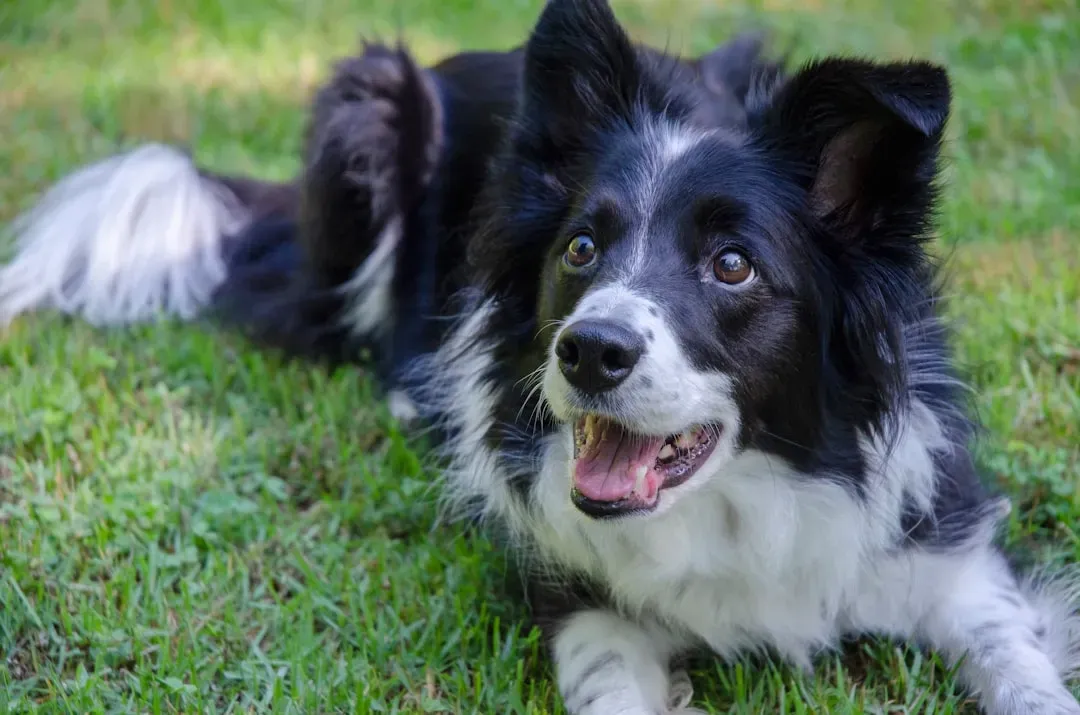
Border Collies are known more for insane intelligence and herding intensity than for heat tolerance, but they actually do reasonably well outdoors when managed properly. Their coats vary from shorter to medium length, and while some lines are fluffier, many working Border Collies in warm regions have leaner, more heat-friendly builds. They were bred to move all day, which gives them a metabolic edge.
The catch with Border Collies is that their own drive can push them past their safe limits, especially in Texas summer. They don’t want to quit, even when their body needs a break, so a responsible owner or handler has to enforce downtime. With sensible breaks, shade, and cool water, they can absolutely spend a lot of time working or playing outdoors and still be content and healthy.
14. Black Mouth Cur – Southern-Bred for Hot, Hard Work
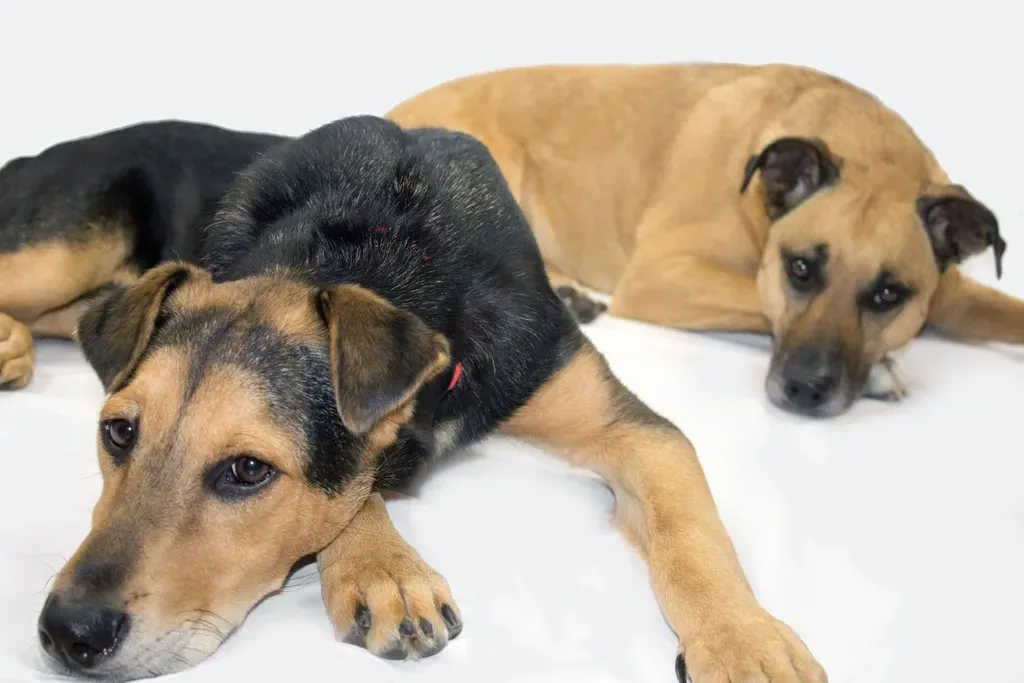
Black Mouth Curs are one of those “if you know, you know” Southern breeds that were never about looks and always about function. They were developed as all-purpose farm and hunting dogs in hot climates, which means they’re typically athletic, lean, and wrapped in a short, practical coat. They tend to have strong endurance and a no-drama attitude toward heat compared to many more delicate breeds.
These dogs can adapt very well to an outdoor-oriented lifestyle on rural properties, as long as basic needs are met. Shade trees, fresh water, and a place to get off hot surfaces go a long way. If you picture the stereotypical dog that could follow you all day through woods, fields, and open pasture in Texas, a Black Mouth Cur is exactly that kind of dog.
15. American Foxhound – Long-Legged and Ready to Roam
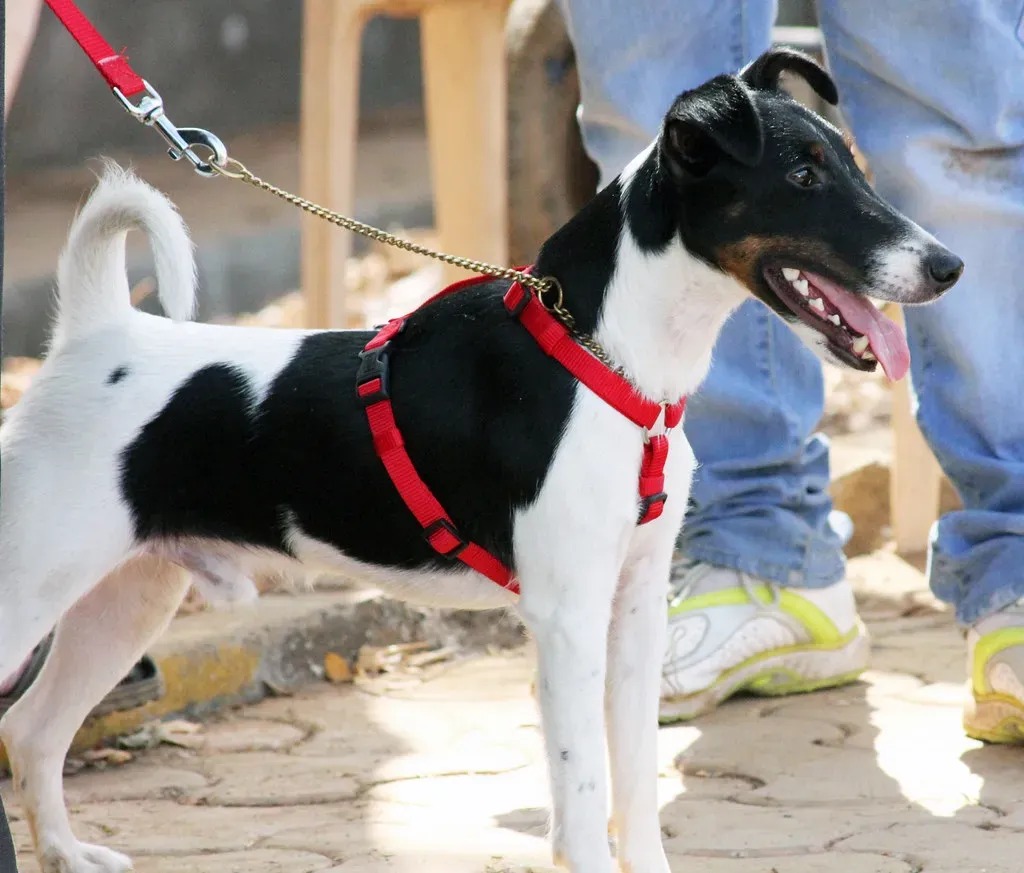
American Foxhounds are built like marathon runners, not powerlifters, and that works in their favor in the heat. Their long legs, deep chest, and short coat allow them to cover long distances while shedding heat better than many bulkier, heavier-coated breeds. Historically used in packs over wide landscapes, they had to cope with warm conditions and sustained exertion.
For modern Texas life, that translates into a dog who can enjoy plenty of outdoors time when given room to move and a way to cool down afterward. They still need a break from the harshest midday sun and should never be left without shade, but compared to thick-coated northern breeds, they’re much more likely to stay comfortable. If you like the idea of a sleek, active dog trotting along on country land, a Foxhound fits the picture.
16. Catahoula Leopard Dog – Louisiana-Born, Heat-Hardened
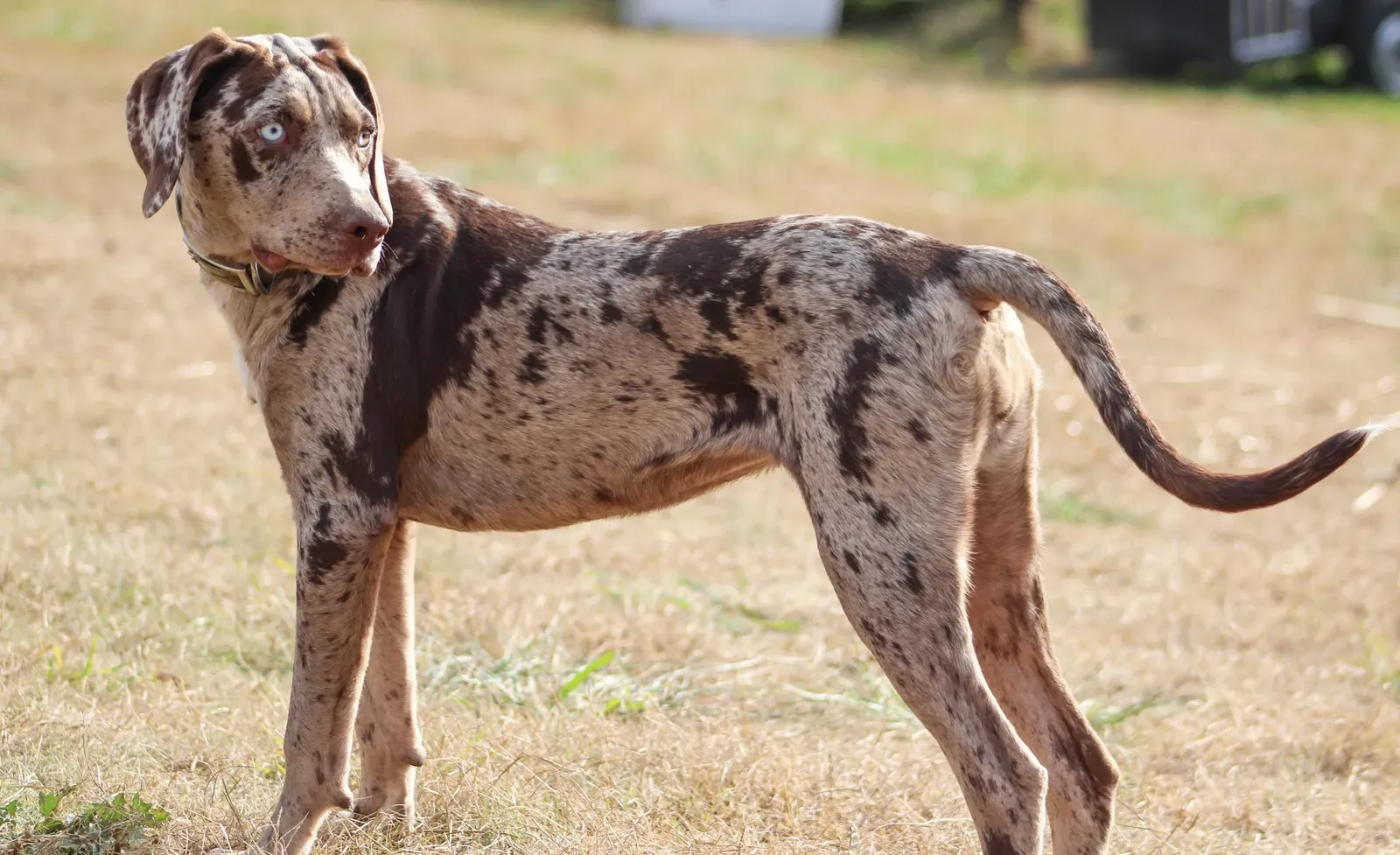
The Catahoula Leopard Dog comes out of the hot, swampy South, and you can see that history in their body. Most have a short coat, solid muscle without excessive bulk, and a temperament geared toward serious outdoor work. They’ve been used for herding, hunting, and guarding in steamy climates, so Texas heat is not a shock to their system.
They still need smart handling, because too much exertion in peak heat can wear down even the toughest dog, but Catahoulas usually relish the chance to be outside and active. If you want a companion that does not wilt the second the temperature climbs into uncomfortable territory, this breed deserves consideration. Just be ready for a dog that expects real work, not just lounging in a yard.
17. Basenji – Desert-Rooted Dog With a Minimalist Coat
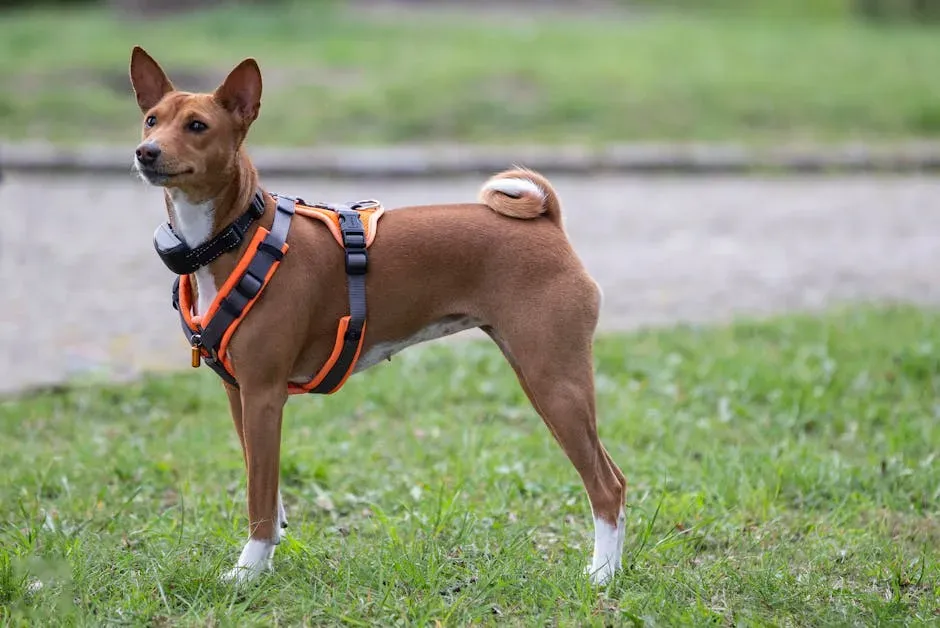
Basenjis trace back to hot African regions, and their build reflects that heritage. They’re lean, lightly built, with a very short, sleek coat that does little to trap extra heat. They tend to do better in warm weather than heavy-coated northern breeds, and many are quite comfortable being outside during milder parts of hot days if they have access to shade.
They are not invincible in heat, but their overall design is closer to other desert-adapted animals than to arctic dogs. In Texas, they can live a fairly outdoor-friendly life with the usual protections: avoid the most brutal midday hours, always offer water, and give them cooler spots to rest. If you like an unusual, cat-like dog that doesn’t mind warm weather, a Basenji is worth a look.
18. Ibizan Hound – Light, Airy, and Built Like a Heat-Efficient Athlete
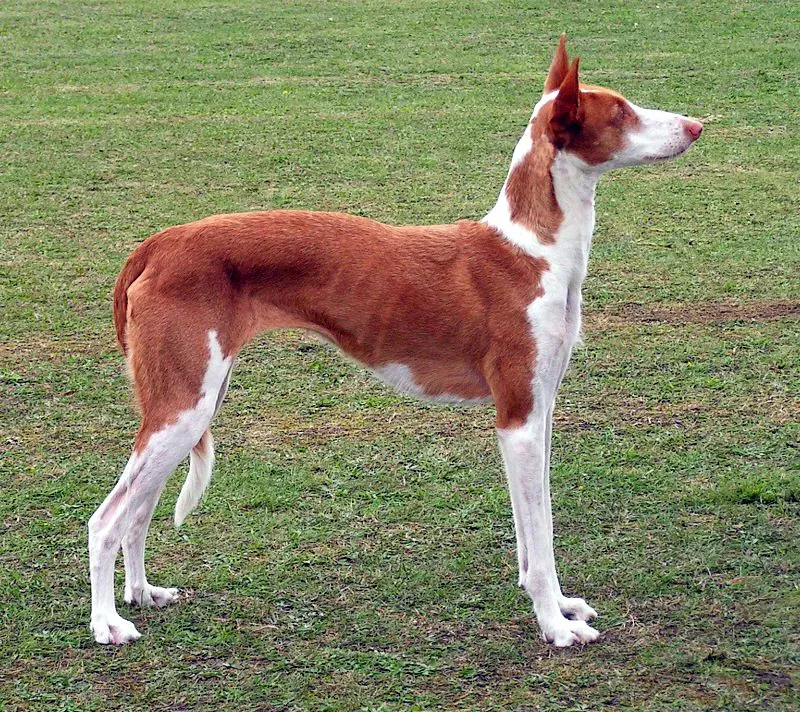
Ibizan Hounds, originally developed in warm Mediterranean climates, look almost fragile at first glance, but that slim, airy frame is actually quite effective in heat. They have long legs, a deep chest, and a tight coat that does not hold a ton of extra warmth. They were bred to hunt in rough, warm terrain, which demands both endurance and heat tolerance.
In Texas, they may handle outdoor time better than many denser, woolier breeds, particularly if they have space to move and places to rest in shade. They’re not your rough, ranch-style dogs, but they are surprisingly capable of staying active in hot weather with responsible management. If your idea of a heat-friendly dog is more “elegant runner” than “dusty cow dog,” this breed fits that niche nicely.
19. Belgian Malinois – High-Drive, High-Heat Working Powerhouse
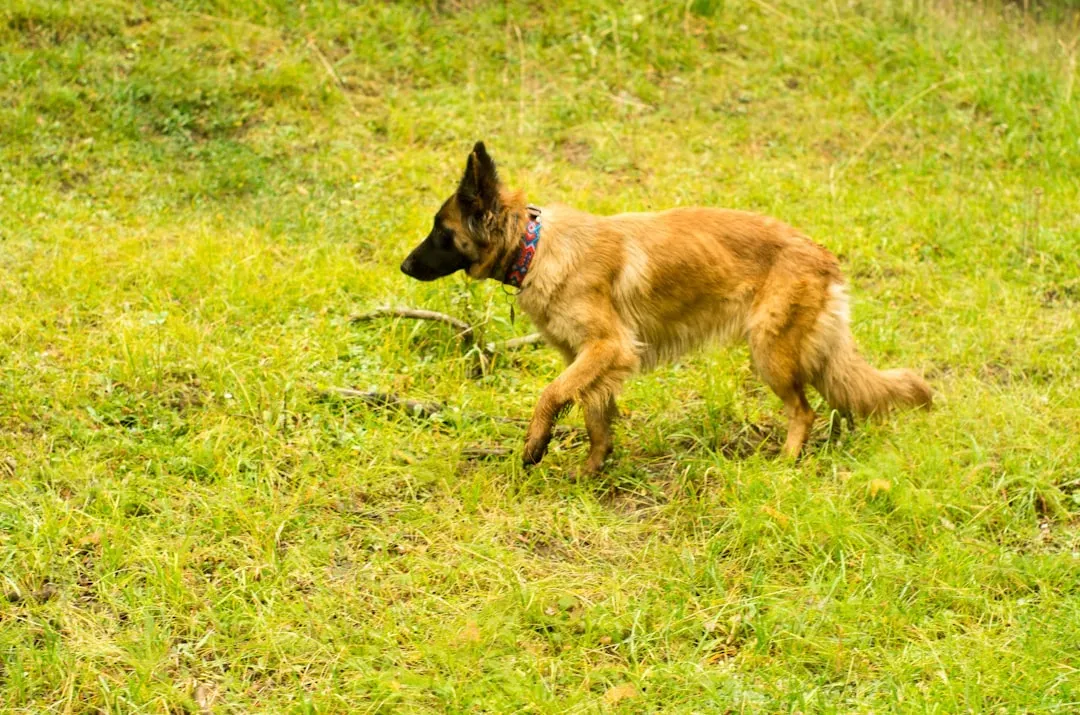
Belgian Malinois are famously used in police and military work, including in hot regions, because they can maintain intense activity levels without shutting down quickly in the heat when handled correctly. Their short, dense coat offers protection without the heavy insulation of thicker northern coats, and their lean, athletic build is tuned for efficient movement. They do, however, need experienced handlers who understand when to push and when to rest.
In Texas, a Malinois can easily be the kind of dog that spends large chunks of the day outdoors, training, patrolling, or working on a property. The risk is not that they lack heat tolerance, but that they will push themselves right up to the edge out of sheer drive. If someone is willing to manage that intensity and build in recovery time, they genuinely can be “outdoor all day” dogs far more safely than many popular pet breeds.
20. Mixed-Breed Ranch Dogs – The Quiet Champions of Texas Heat
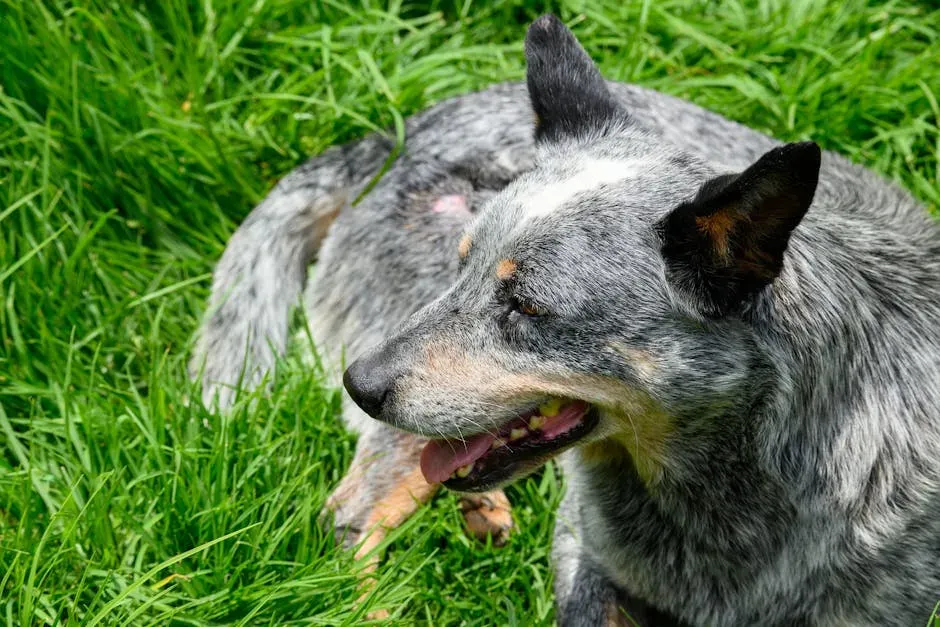
Walk onto almost any working ranch in Texas and you’ll see a few dogs that are not easily labeled by breed, but they’re out there from sunup to sundown. Many of these mixed-breed ranch dogs have been informally selected over time for traits that thrive in that environment: medium size, short coat, lean muscle, and good stamina. Nature and circumstance end up favoring the dogs that can actually cope with the climate.
These dogs may not look like something from a fancy breed book, but they’re often better suited to Texas heat than many of the purebred “designer” dogs people bring home to small yards. It’s a reminder that if your dream is a dog who can happily be outside much of the day, focusing on function over fashion is usually the smarter choice. Sometimes the best heat-adapted dog is the one local shelters are full of, not the one trending online.
Conclusion – Texas Heat Demands Honest Choices, Not Just Cute Preferences
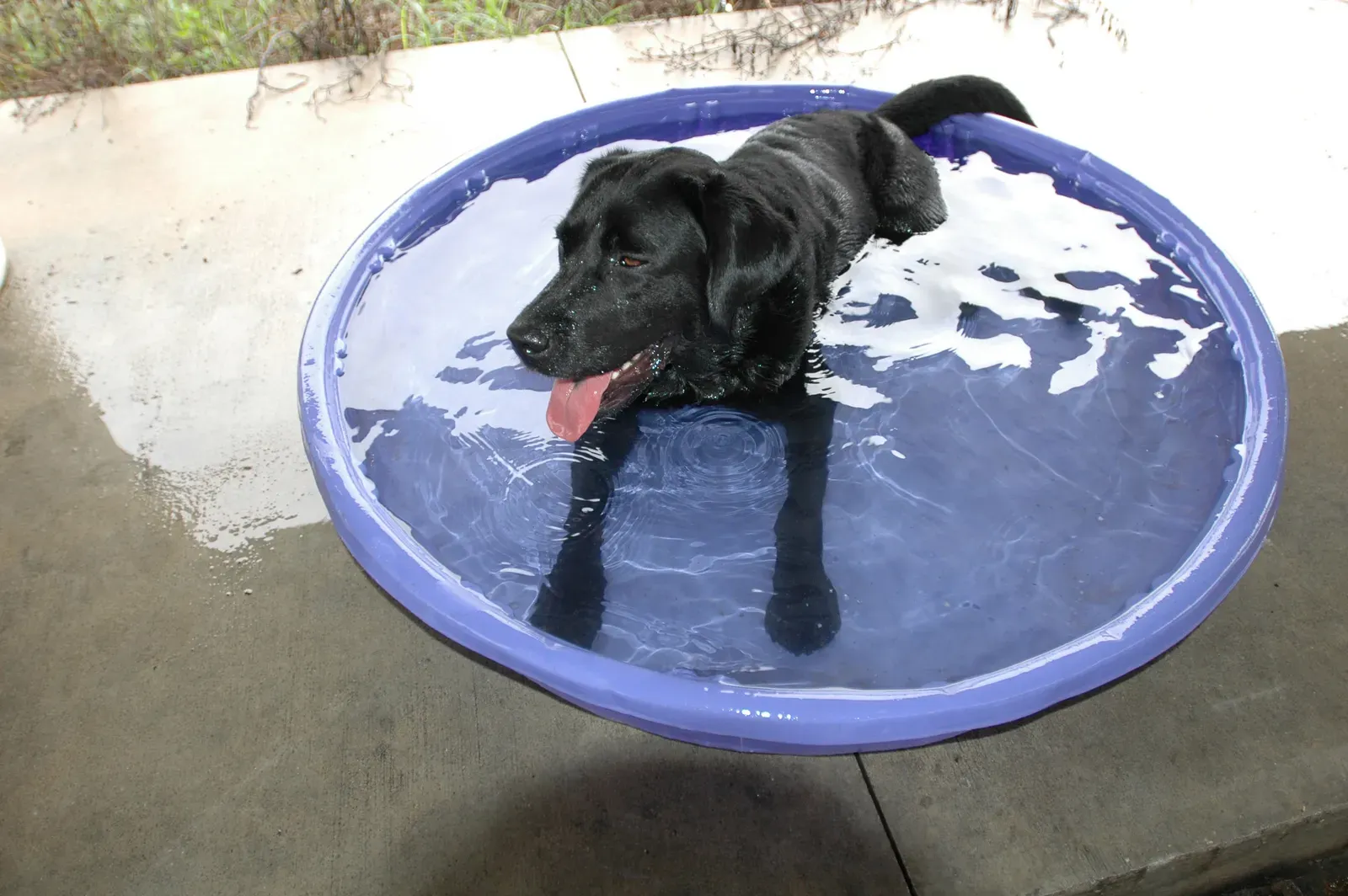
When you line these twenty breeds up, a pattern jumps out quickly: dogs bred for cold or with squashed faces suffer in Texas heat, while those shaped by hot, rugged work tend to handle it much better. That might sound obvious written out, but you see the mismatch every day in real life, from Huskies dragging themselves across sunbaked sidewalks to Bulldogs panting desperately on patios. The hard truth is that some of the cutest, most popular breeds are a flat-out bad match for long outdoor days in a state that can feel like living under a hair dryer.
In my opinion, the most responsible dog choice in Texas is not the one that looks best in photos; it’s the one whose body and background make sense for the climate and lifestyle you actually have. If you want an outdoor partner, reach for the working, heat-ready breeds or sturdy mixed-breed ranch dogs, and give the brachycephalic and heavy-coated dogs the indoor, air-conditioned life they absolutely need. At the end of the day, loving a dog in Texas means being brutally honest about whether its coat and nose belong in your weather – and changing your habits if the answer is no. With that in mind, which side of this list does your dream dog really belong on?


