
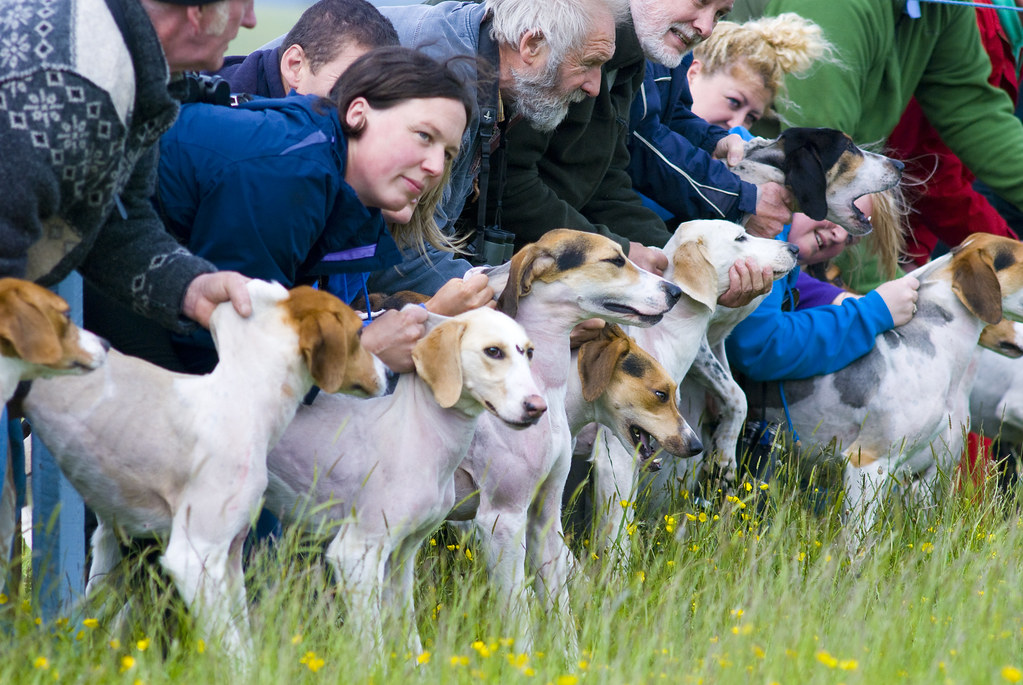
You know that moment on a walk when your dog plants themselves in one patch of grass and refuses to move, even though nothing looks even remotely interesting to you? It can feel annoying, like they are stalling or just being stubborn. But what looks like a boring pause to you is actually a full-on information download for your dog.
Behind that sniffing session is a nose wired very differently from your own, plus a brain that has evolved to turn smells into stories about the world. Once you understand what is really going on when your dog obsessively sniffs the same spot, it changes the way you see every walk – from a rushed errand to a rich, invisible conversation happening right under your feet.
The Superpower Hiding in Your Dog’s Nose
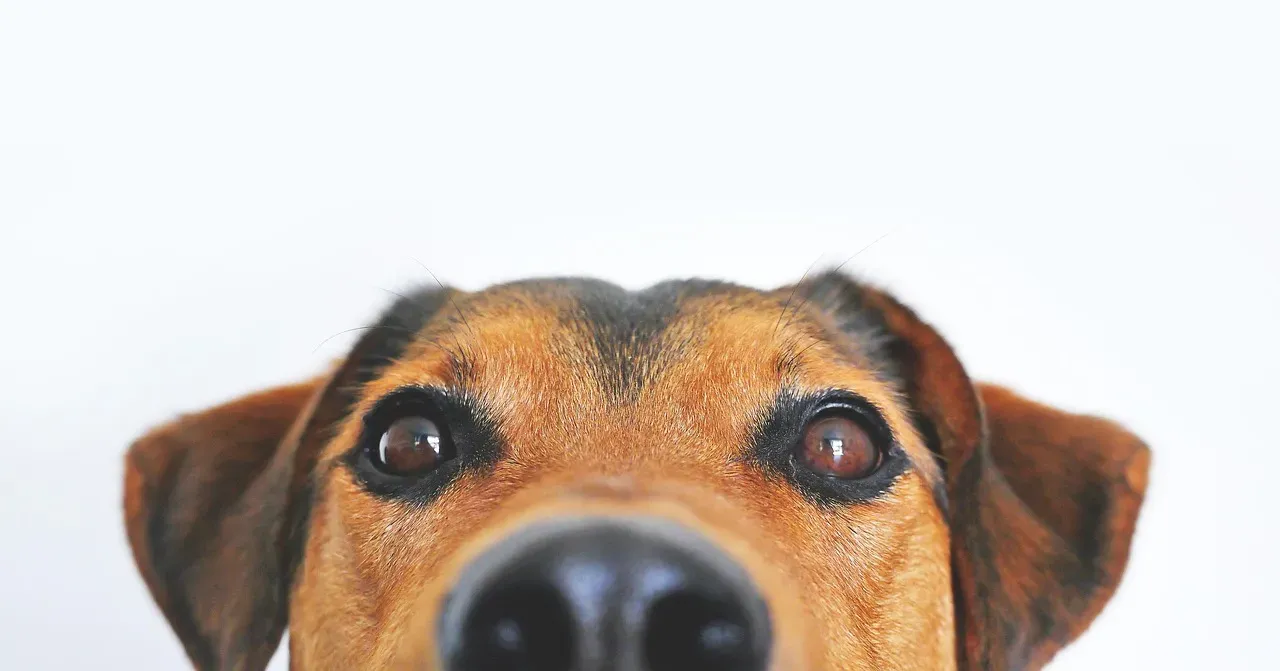
Scientists estimate that dogs can have tens of times more scent receptors in their noses than humans, and the part of their brain devoted to smell is many times larger too. In simple terms, your dog is not just “good” at smelling; their entire world is organized around scent the way ours is organized around sight. Where you see a sidewalk and a lamp post, they perceive a layered, moving cloud of smells, each carrying details like identity, mood, and even health status.
On top of that, dogs have a special structure called the vomeronasal organ tucked in their nasal cavity that helps them detect certain chemical signals far beyond our ability. This lets them pick up things like reproductive status and other social cues from tiny traces left behind. So when they linger on that one cracked bit of pavement, their nose is processing information your senses simply cannot access, no matter how hard you squint at it.
Why That “Boring” Patch of Grass Is Basically a Social Media Feed
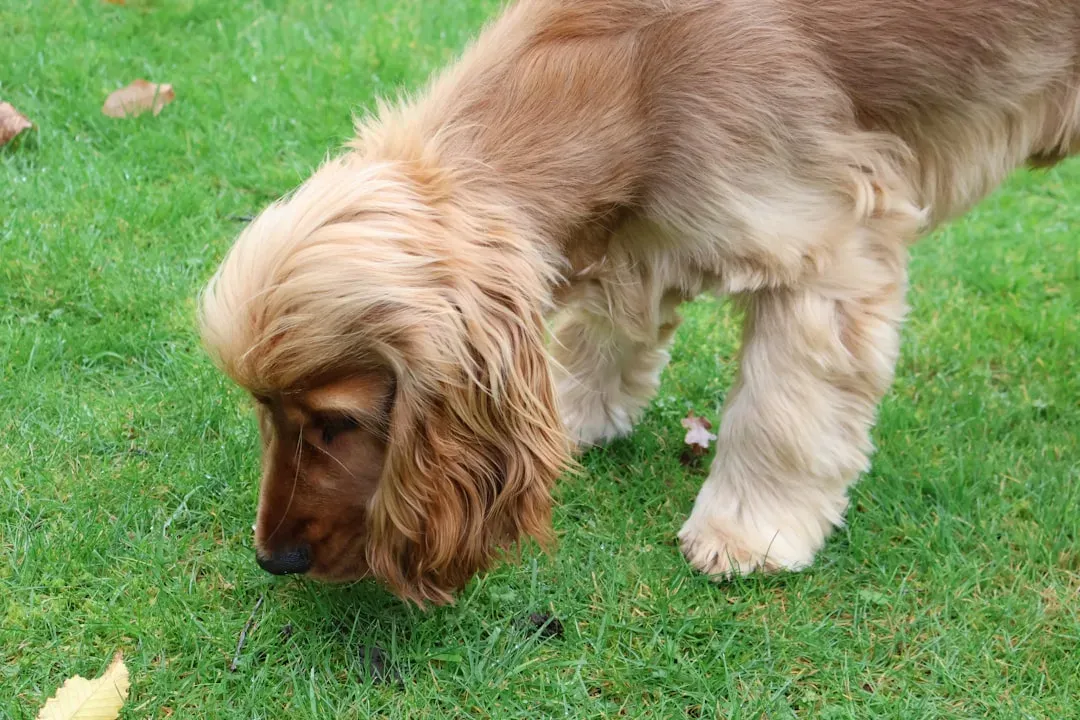
To your dog, a frequently visited sniff-spot is a hotspot of social traffic, kind of like a community bulletin board or a social media feed. Every dog that passes leaves tiny chemical “posts” behind in their urine, feces, and even tracelike sweat from their paws. These contain clues about who they are, whether they are male or female, young or old, confident or anxious, and sometimes even whether they are ill or stressed.
When your dog parks themselves at that one blade of grass for what feels like an eternity, they are not zoning out. They are scrolling through a backlog of local updates: which dogs were here today, what direction they went, how recently they passed by, and whether anything in the neighborhood has changed. It is their version of checking the group chat after a few hours offline – they are catching up on everything they missed.
Sniffing as a Form of Canine “Reading” and Learning
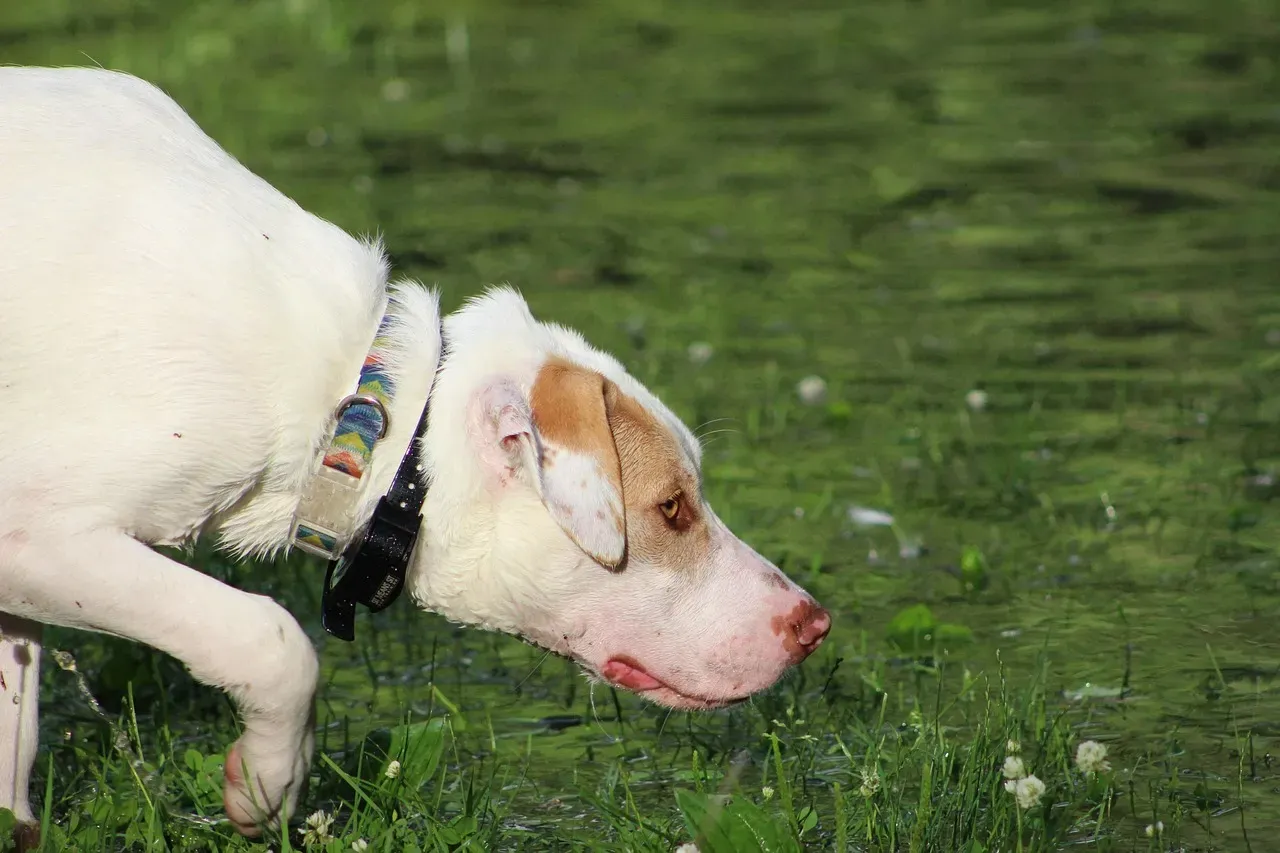
We often think of training and enrichment as things we actively do with dogs – teaching cues, playing fetch, buying puzzle toys. But for dogs, sniffing is a natural mental workout that can easily rival a training session in terms of cognitive effort. Each smell is like a word, and each scented layer helps build a bigger picture, so the act of sniffing becomes a kind of reading and problem-solving combined.
Research has shown that giving dogs more opportunities to use their noses can lower their heart rate, reduce signs of frustration, and even improve their ability to handle challenges. When a dog is allowed to sniff thoroughly, they are not just idling; they are processing information and updating their mental map of the world. That deep, focused concentration you see while they sniff the same spot is similar to how you look when you are really absorbed in a good book or a complex article.
How Smell Helps Dogs Tell Time and Track the Recent Past
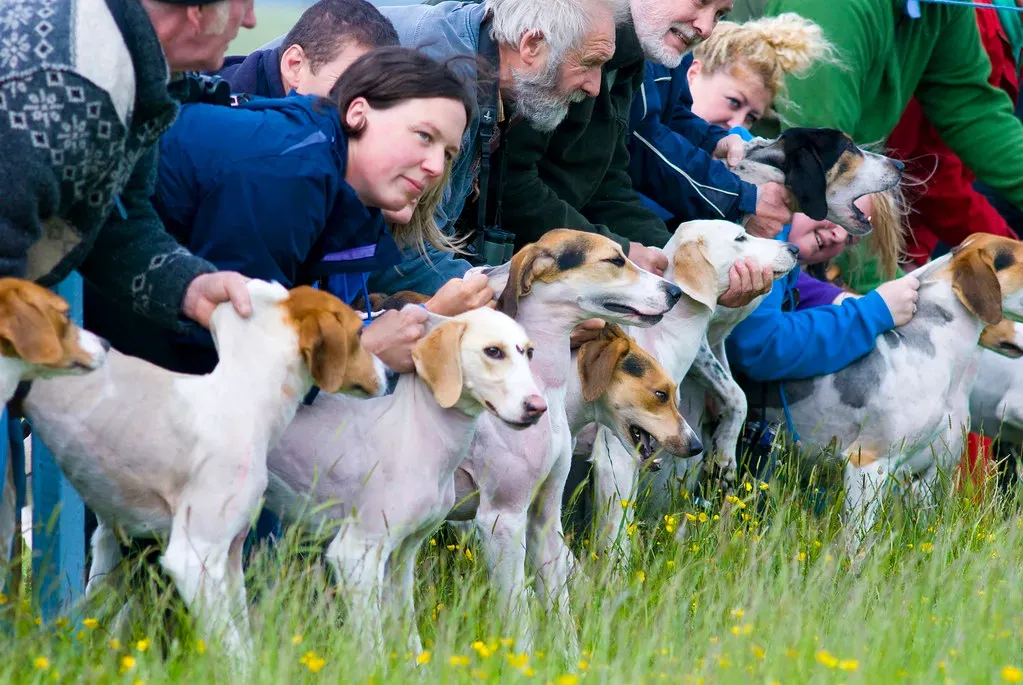
Another thing hidden inside that lingering sniff is your dog’s ability to track time through scent. Odors do not stay the same; they fade, spread, and break down at different rates depending on temperature, humidity, and airflow. Dogs can pick up on these changes and use them to estimate how recently another animal passed through, almost like reading a timestamp on a message.
This is why your dog can follow a trail or show interest in a spot where nothing is currently present. That long sniff is them decoding how fresh the scent is, whether it is worth following, and where the owner of that scent might have gone. You might see a still sidewalk, but your dog senses a timeline of activity layered into the concrete, with newer smells resting lightly on top of older ones.
Emotional Weather Reports Hidden in Every Scent
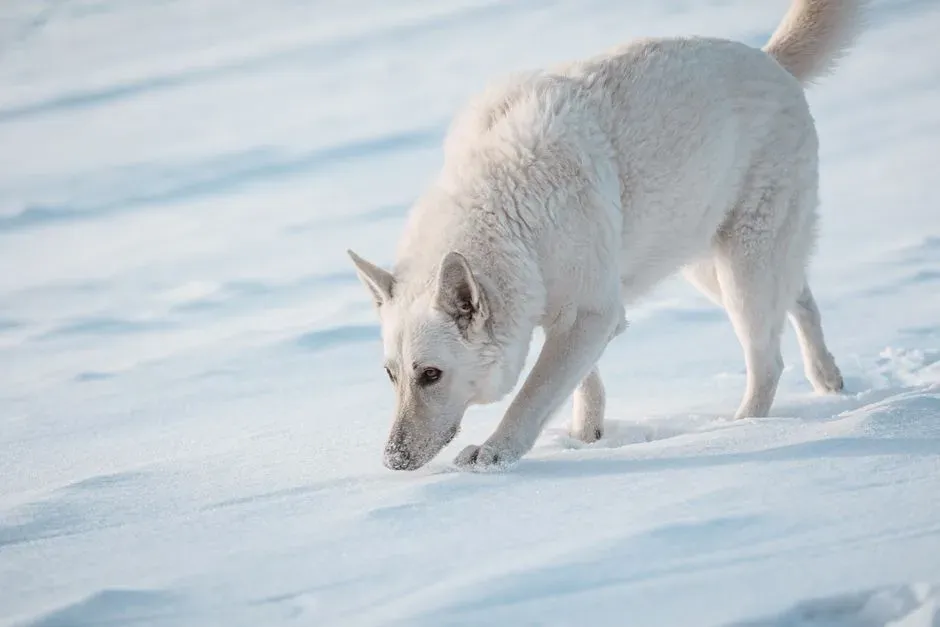
Scent is not only about who was there; it is also about how they were feeling. Dogs can detect stress-related changes in body odor, subtle hormone shifts, and other chemical markers that signal mood and arousal. When they investigate a scent spot intensely, they may be piecing together whether the last visitor was relaxed, scared, excited, or on high alert.
That means your dog can pick up on the emotional “weather report” of an area long after the other dog has left. If a nervous or reactive dog marked a location, your own dog might respond with heightened interest, caution, or extra sniffing. What feels like a random obsession to you may actually be them double-checking the emotional safety of the environment, relying on their nose the way you might rely on body language when you walk into a crowded room.
Why Rushing Your Dog Can Quietly Raise Their Stress
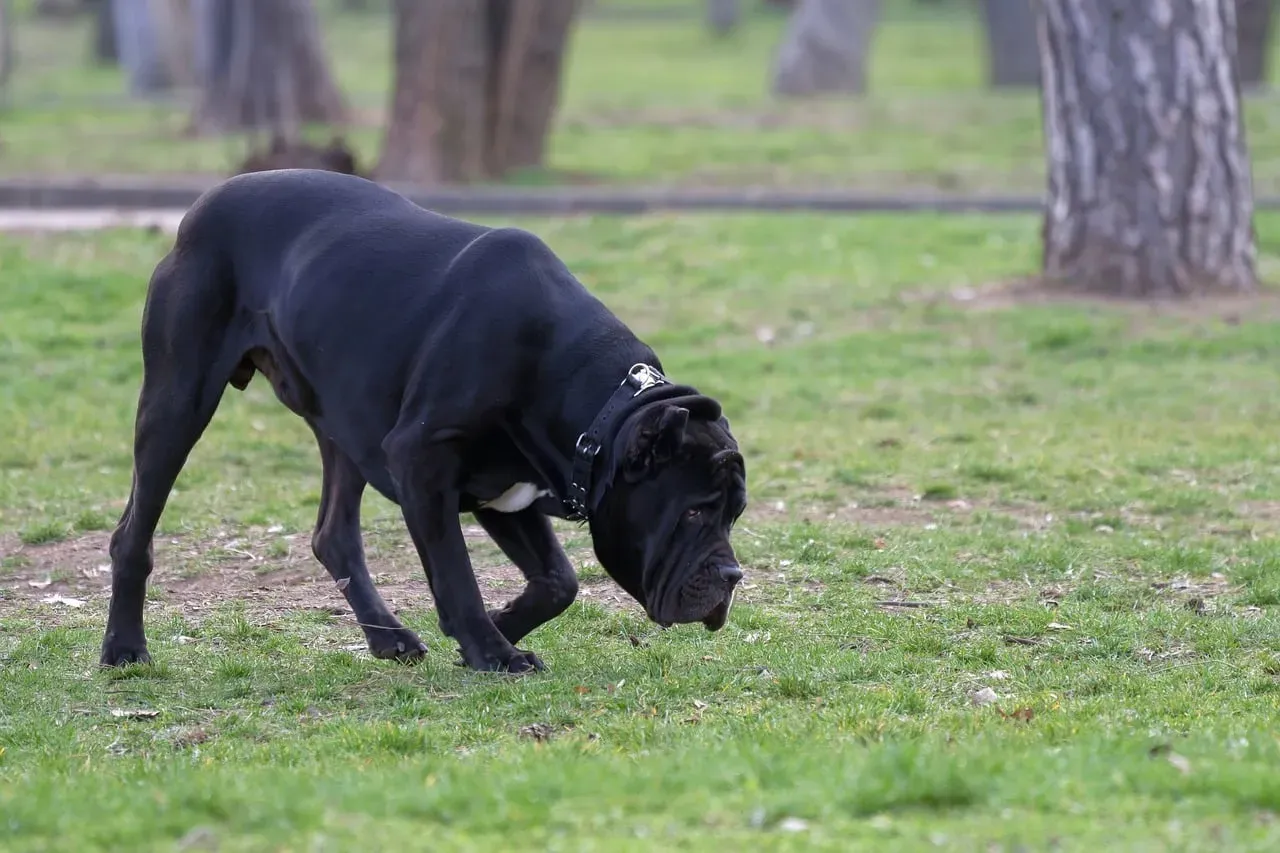
From a human perspective, a walk often has a goal: get some steps in, reach the park, be back by a certain time. But for a dog, the real value of the walk is rarely the distance; it is the density of smells along the way. When we constantly tug the leash, pull them away from sniff spots, or rush past interesting scents, we are not just hurrying them along – we are cutting into one of their main ways of exploring and decompressing.
Dogs that are not allowed to sniff much may still look fine on the surface, but they can quietly build up frustration and pent-up curiosity. Over time, this can show up as restlessness at home, overexcitement when they finally do get a chance to sniff, or difficulty focusing during training. In contrast, dogs that get to do more “sniff walks” often seem calmer, more satisfied, and easier to live with, because their brain has actually been allowed to do what it evolved to do.
Turning Everyday Walks Into Enriching “Sniff Safaris”
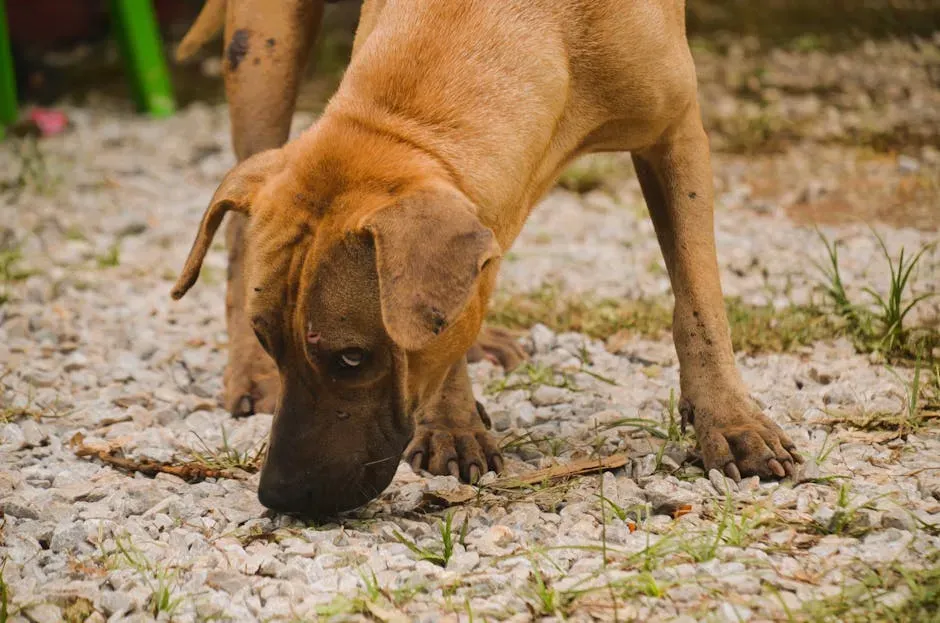
One of the easiest ways to improve your dog’s quality of life is to intentionally design a few walks a week around sniffing instead of steps. That might mean choosing a route with more grass, trees, and fire hydrants instead of a sterile parking lot, or slowing your pace and letting your dog decide when to stop for a deep sniff. You can even build a simple rule for yourself: on certain parts of the walk, the dog leads the pace as long as it is safe.
At home, you can lean into their sniffing instincts by scattering some of their food in the yard, hiding treats in cardboard boxes, or using scent-based games where they search for a favorite toy. These small tweaks make their world feel richer and more predictable, the same way adding good books, music, and interesting conversations makes your world better. Once you see how content and tired a dog looks after a true sniff-focused outing, it is hard to go back to power-walking past every smell.
Conclusion: Let the Nose Lead and Rethink What a “Good Walk” Means
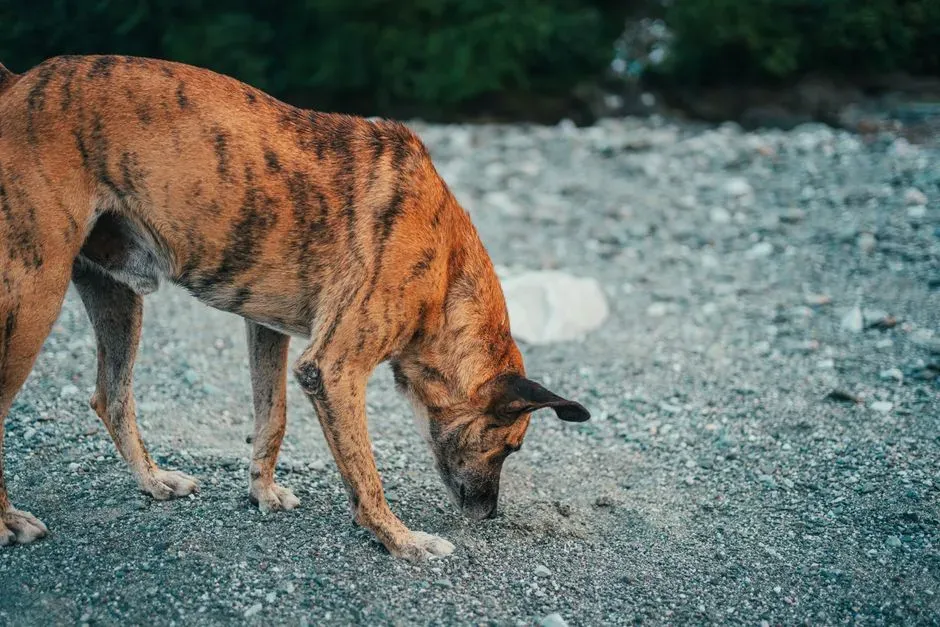
I used to feel impatient when a dog stopped for the tenth time in one block; it felt like wasted time and a ruined rhythm. Now, knowing how much information and emotional context they pull from a single, ordinary-looking patch of dirt, I see those pauses as the entire point of the outing. In my view, a “good walk” is no longer the fastest or the longest one, but the one where the leash loosens, the nose goes down, and the dog gets to fully engage with their invisible world.
If we care about our dogs as thinking, feeling beings, then honoring their sniffing is not a small courtesy; it is a core part of meeting their needs. You do not have to turn every walk into a snail-paced crawl, but building in space for long, thoughtful sniffs is one of the most respectful and science-backed gifts you can offer. Next time your dog insists on revisiting the same old spot, maybe ask yourself: are they wasting time, or are they finally getting to read the news you will never see?


