
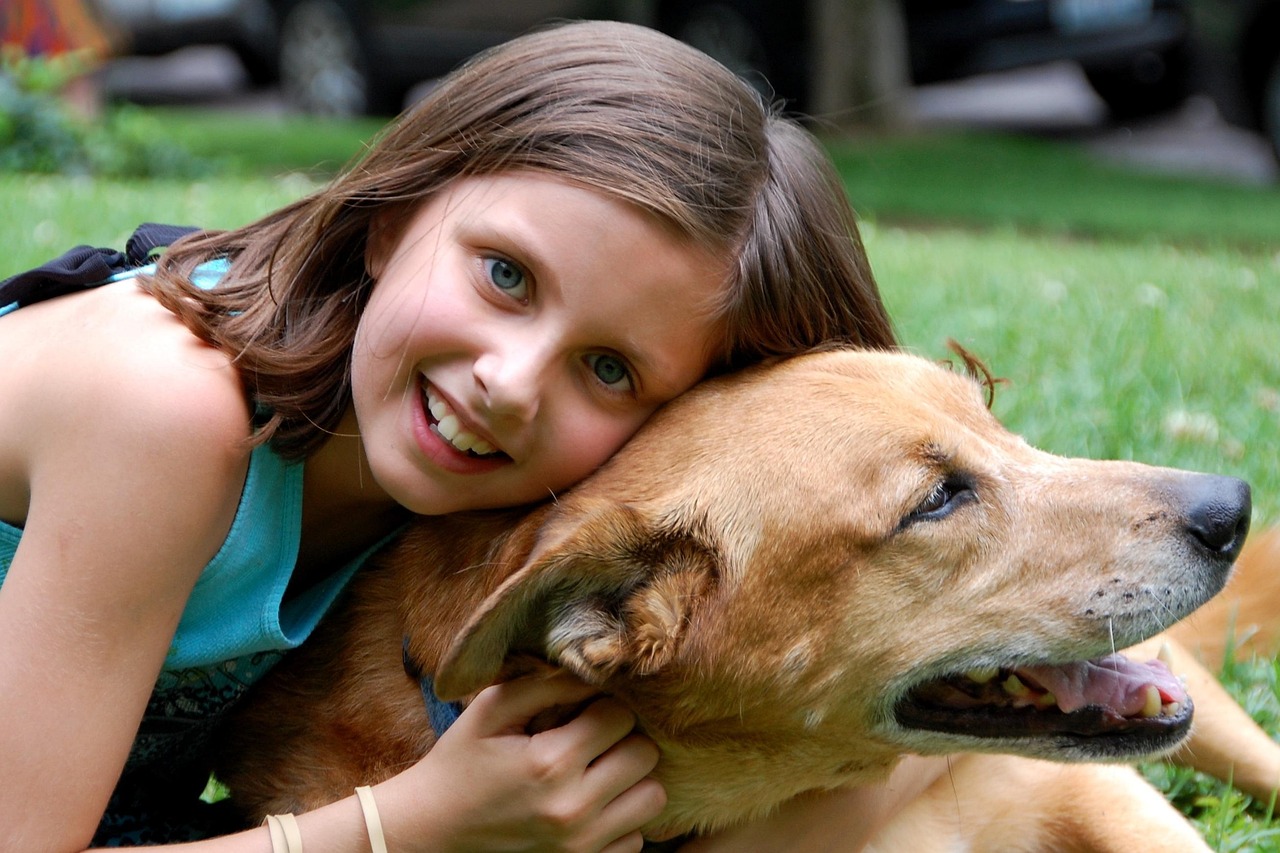
There’s a quiet kind of magic in realizing your dog doesn’t just love you, but actually feels safest on the planet when they’re with you. It shows up in tiny, everyday moments: the way they glance back to check you’re still there, the way their body relaxes the second you walk into the room, the way storms stop being scary if you’re close enough to touch. You might think you’re just “the one who feeds them,” but to your dog, you could be their living, breathing safe harbor.
This kind of bond isn’t about training tricks or having the perfect routine; it’s about trust built slowly, through consistency, kindness, and a thousand small interactions. Some of the signs your dog feels truly secure with you are obvious, others are surprisingly easy to miss because they look so ordinary. Let’s dig into the subtle, emotional signals that – some of them might change the way you see those everyday moments forever.
1. They Seek You Out First When They’re Scared or Unsure
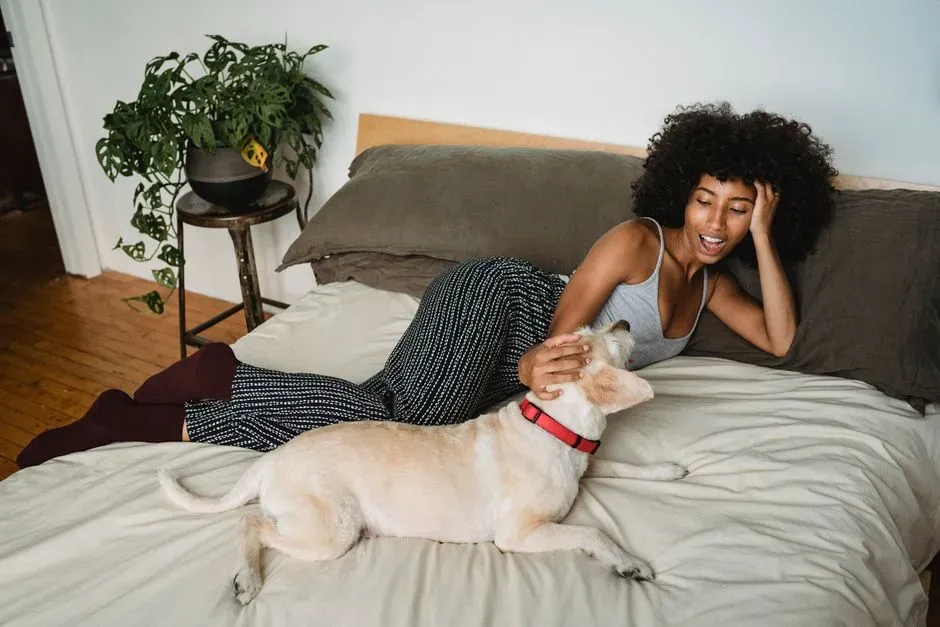
Think about what your dog does when something startles them: a dropped pan, fireworks, a stranger at the door. If their first instinct is to run to you, lean into your legs, or even just look at you for information, that’s a powerful sign they see you as their emotional anchor. Animals naturally move toward whatever feels safest when they’re frightened, so the fact that your dog picks you over hiding under the bed says a lot about how deeply they trust you.
Dogs also show this in subtler ways when they’re simply unsure, not outright terrified. At the vet’s office, they might press against you or try to climb halfway into your lap. On a walk in a new neighborhood, they might pause and check in with your face before moving forward. They’re basically asking: “Is this okay? Are we still safe?” And your calm presence is the answer they’re banking on.
2. They Can Truly Relax Around You, Not Just Be Near You
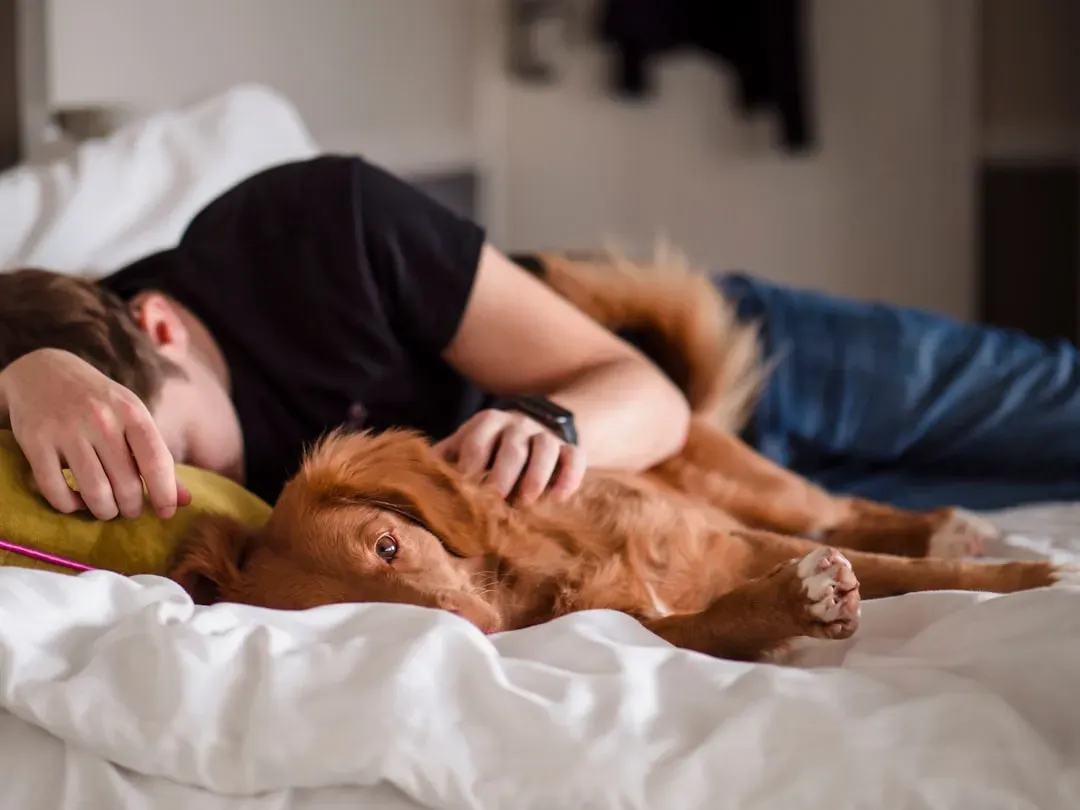
There’s a big difference between a dog who is in the same room as you and a dog who feels safe enough to fully switch off. When a dog lies on their side, tummy exposed, eyelids drooping, and breathing deep and slow, that’s their version of dropping their guard. If they do this close to you – or better yet, touching you – that’s like saying, “I trust you to keep watch while I rest.” Predators in the wild never fully relax unless they’re in a safe place; your dog is doing the same calculation, but you are the safe place.
You’ll often see this at the end of the day: your dog circles once or twice, flops down with a heavy sigh, and then their whole body softens. Maybe they nudge their back against your leg or curl into the space by your feet. If they’re able to sleep deeply while you move around, talk on the phone, or get up and down from the couch, it means they’re not worried about you being unpredictable or threatening. To a dog, safety looks like being able to fall asleep without keeping one eye open.
3. They Use You as a “Safe Base” in New Environments
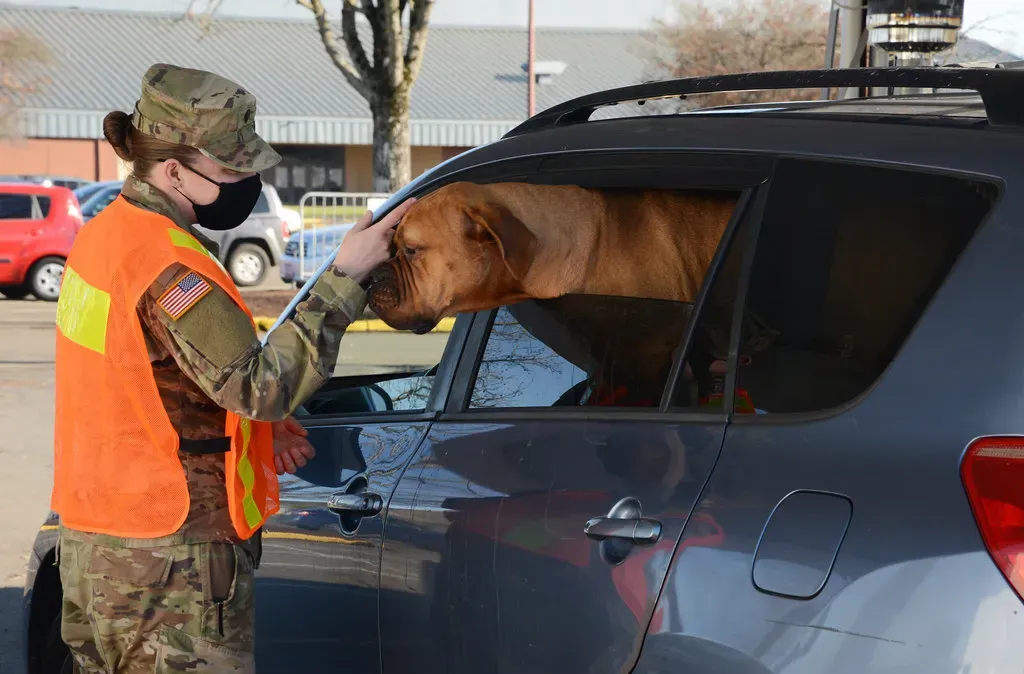
Watch your dog the next time you take them somewhere unfamiliar, like a friend’s house, a pet-friendly store, or a new park. Dogs who feel deeply secure with their person often operate on a kind of elastic band principle: they’ll walk away to sniff, explore, and investigate, but then loop back to you regularly. This “check-in” behavior is their way of recalibrating their bravery. They stretch out toward the unknown, then bounce back to the one thing they’re sure of – you.
Sometimes this looks like a quick nose boop to your hand, sometimes just a glance over the shoulder to make eye contact. Other times, they might physically touch you for a moment – a paw on your foot, a hip bump, a quick lean – before heading back out. It’s similar to how a young child might explore a playground but keeps running back to their parent between adventures. Your dog is saying: “As long as you’re here, I can handle this.”
4. Their Body Language Softens When They’re With You
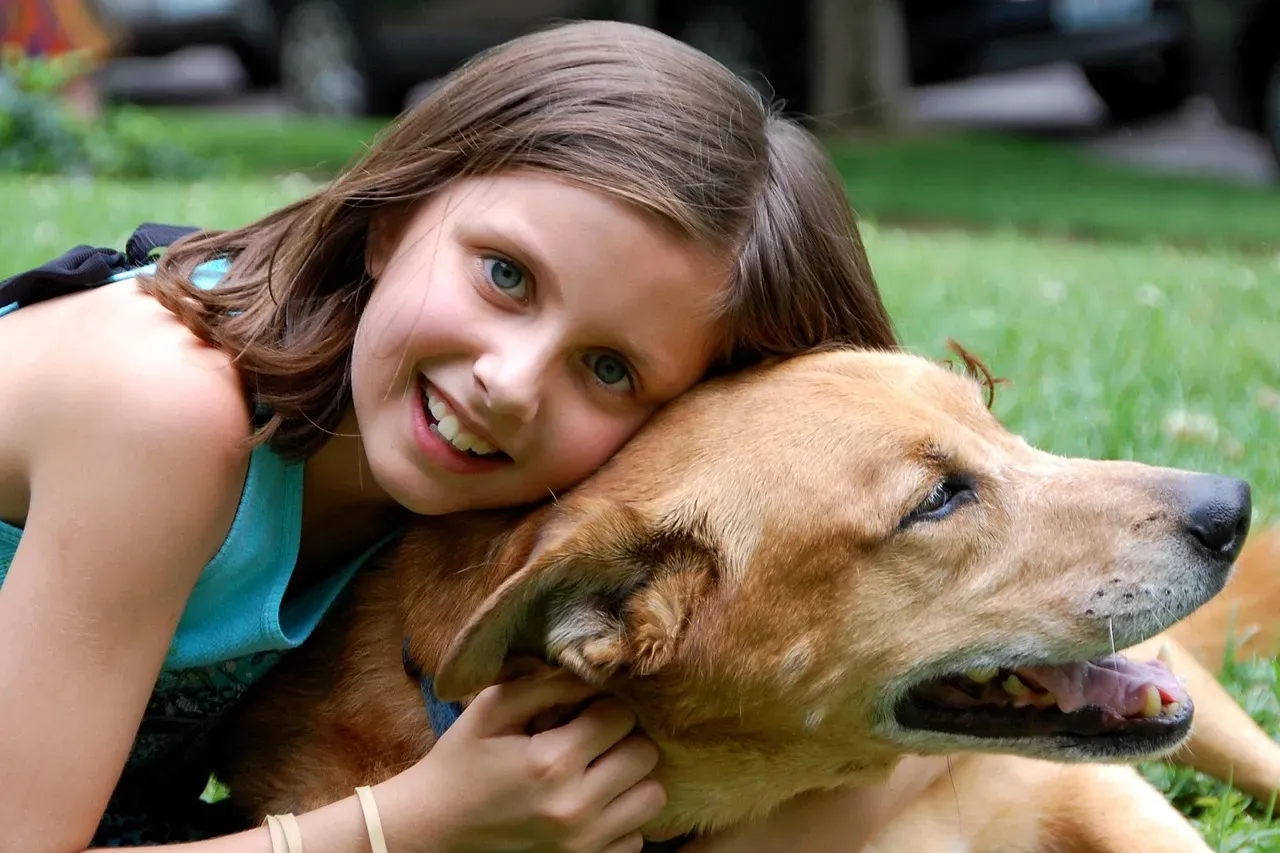
Dogs speak volumes with their bodies, and one of the clearest signs that you are their safe person is how they physically “melt” around you. Look for loose, wiggly movements, gently wagging tails, soft eyes that blink instead of staring, and ears that rest naturally instead of pinning back in tension. When they approach you, if their whole back end seems to wiggle or they do that slow, happy stretch in front of you, it signals not just excitement, but comfort and emotional safety.
Compare this to how they might behave around strangers or in stressful contexts: more rigid postures, tight mouths, tails carried higher or tucked, or constant scanning of the room. If you notice that those signs of tension fade or soften when you step closer, talk to them, or touch them, that’s your dog essentially exhaling in your presence. You’re the difference between “I need to be on guard” and “I can relax now.” That shift is one of the most honest compliments a dog can give you.
5. They Come to You for Comfort, Not Just for Food or Fun
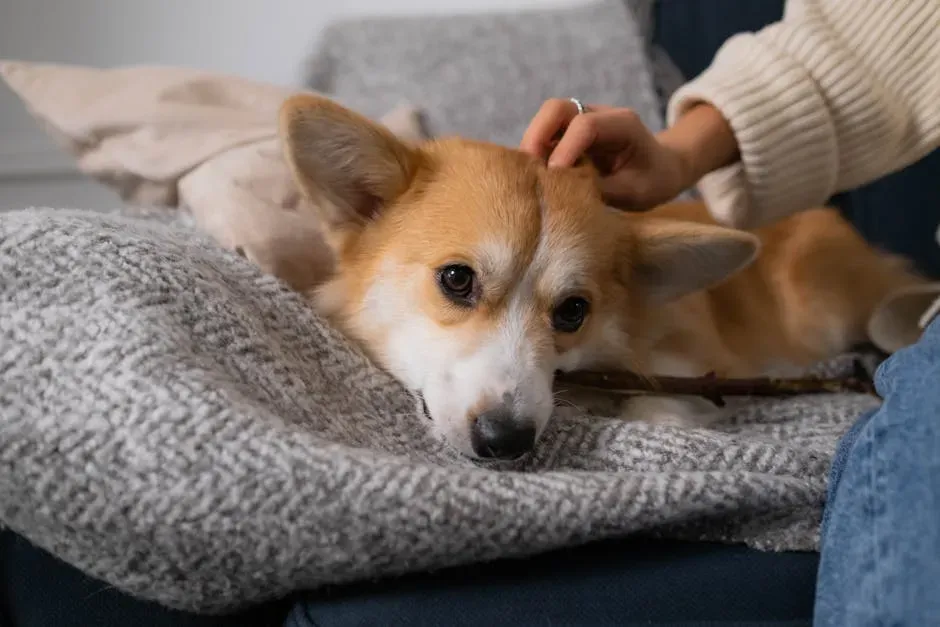
Almost every dog will run to their human when they hear the treat bag crinkle or the leash jingle – that’s just good motivation. But when your dog specifically seeks you out when they’re sad, lonely, or overwhelmed, that’s deeper. Maybe there’s a thunderstorm, and instead of pacing the house or hiding alone, they wedge themselves between you and the couch cushion. Maybe you raise your voice at someone else in the house and your dog quietly edges closer, touching your leg or resting their head on you, as if they’re checking in on the emotional weather.
Comfort-seeking can be incredibly gentle: a sigh as they rest their weight against you, a slow blink as they tuck their head under your arm, or curling up beside you after a stressful visit to the groomer. This isn’t about chasing excitement; it’s about choosing your presence when the world feels too loud. When your dog consistently decides, “I feel better when I’m next to you,” it’s because you’ve become their emotional shelter, not just the treat dispenser or the person with the car keys to the park.
6. They Listen Best to You, Especially When It Matters Most
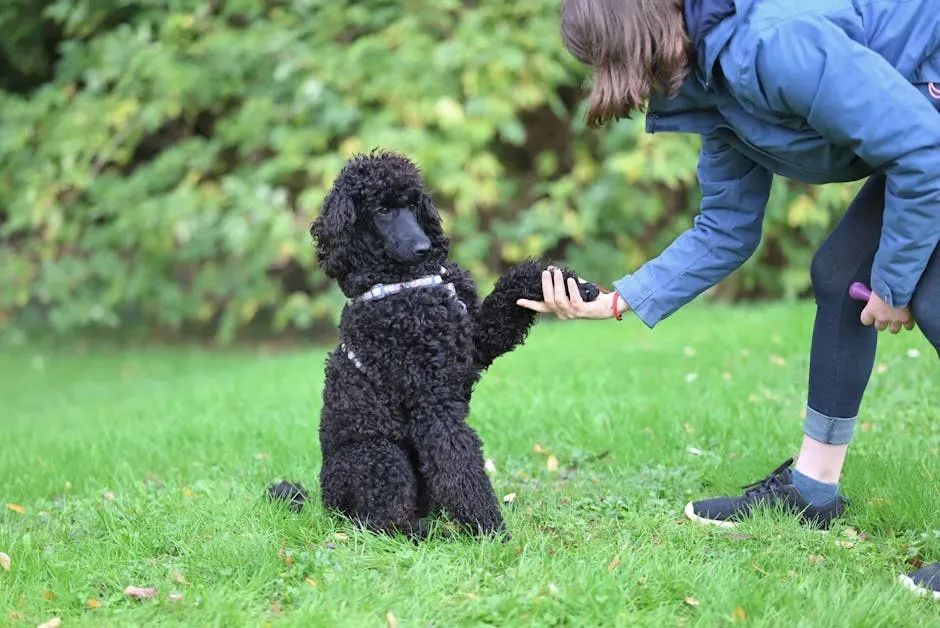
Dogs are smart enough to know who really has their back. If your dog is far more responsive to your voice than to other people’s – especially in stressful or distracting situations – that often shows a mix of trust, respect, and a sense that following you leads to safety. For example, at the park when things get chaotic, a dog that will turn away from other dogs and come back when you call is making a deliberate choice: they are leaving high excitement to return to their secure center.
This does not mean a perfectly trained, robotic dog; it can be messy and imperfect. Maybe they hesitate or need a second cue, but when push comes to shove, you are the one they check in with. In tricky moments – an off-leash dog rushing over, a loud piece of construction equipment, an unfamiliar person approaching – if your dog looks to you for direction and then actually follows it, that’s a big vote of confidence. They are trusting that whatever you ask them to do is the safest option available.
7. They Choose to Be Close, Even When They Have Other Options
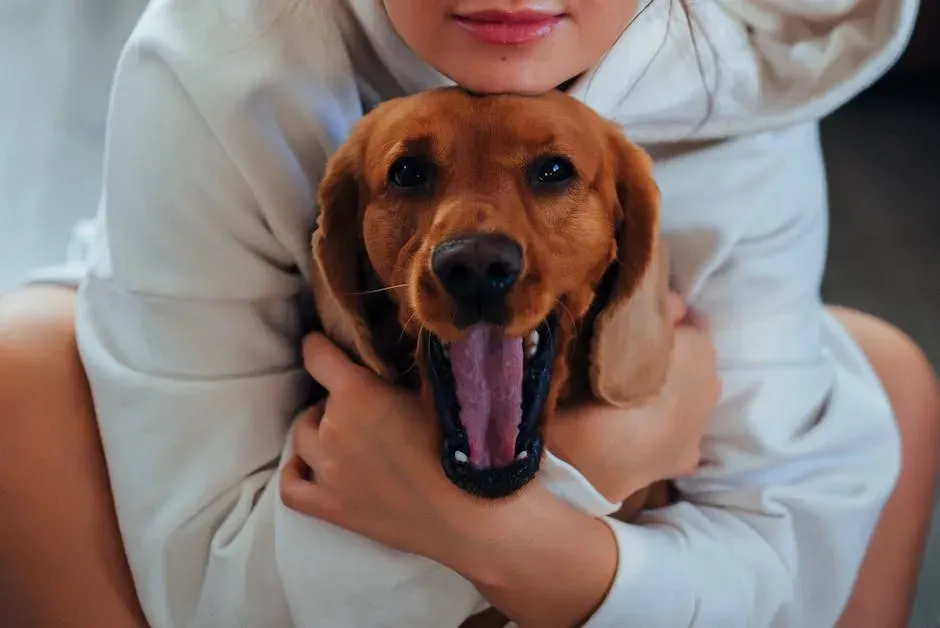
One of the strongest signs you’re your dog’s safe person is simple but easy to underestimate: they choose you, again and again, when they don’t have to. Maybe there are multiple people in the room, but your dog settles by your feet. Maybe there’s an empty, sun-drenched spot on the floor, but they’d rather squish themselves onto the couch right next to your hip. Their choice of where to rest their body often mirrors where they feel most secure inside.
Even independent dogs who like their space show this in quieter ways. They might not be lap dogs, but they’ll lie in the doorway of whatever room you’re in, or follow you from room to room like a furry little shadow. They doze nearby while you work, reposition themselves so they can see you, or get up to check where you went if you disappear for too long. It’s like living with a self-appointed, four-legged guardian who is convinced the safest place in the house is wherever you’re standing.
8. They Recover Faster From Stress When You’re Involved
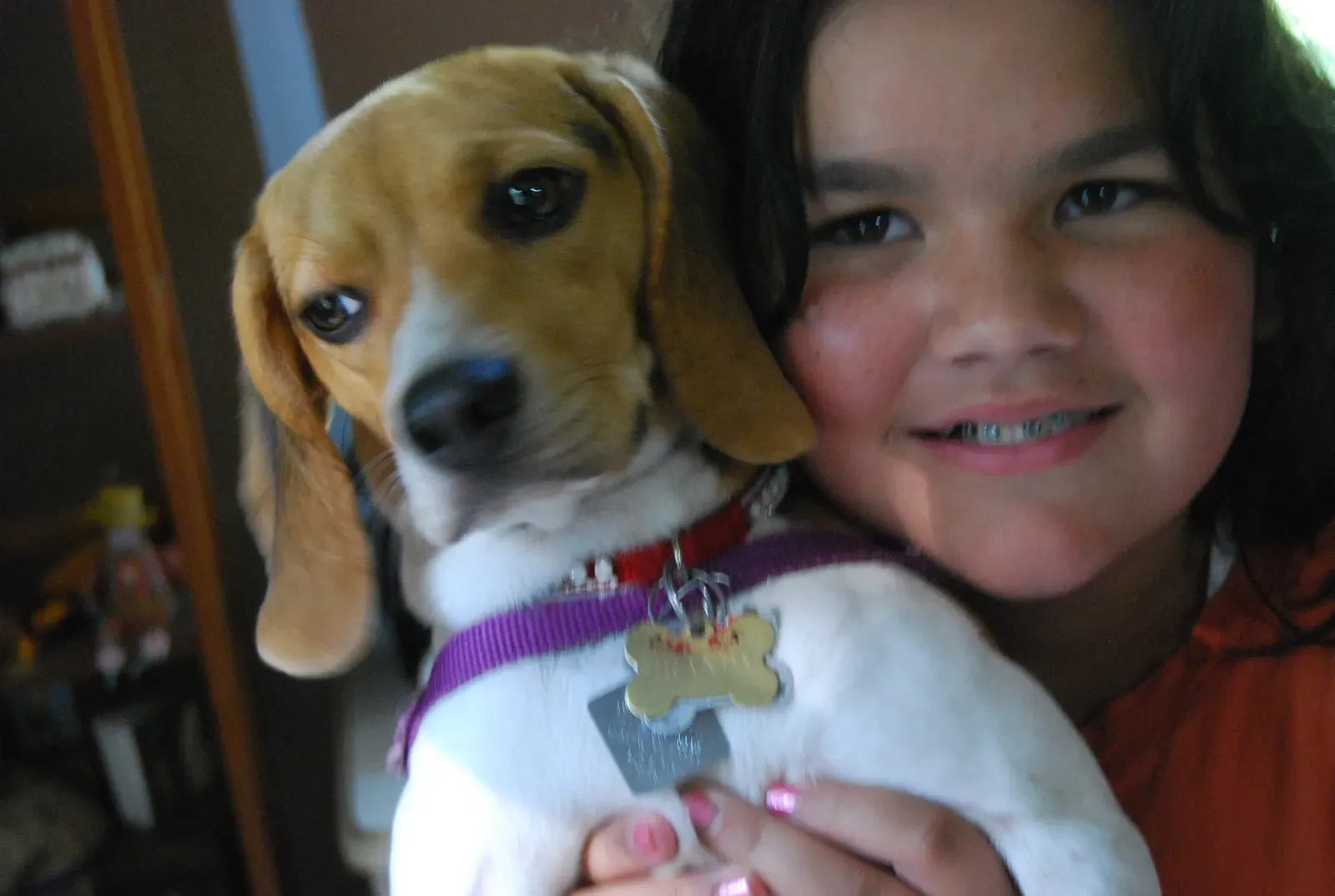
Stress is a part of life for dogs just like it is for us: scary noises, strange dogs, vet visits, sudden changes in routine. A powerful sign that your dog truly sees you as their safe person is how quickly they can “come back down” from those spikes of stress when you’re there to help. Maybe after a loud bang outside, they run to you, take a few deep breaths, and then are able to settle instead of staying on edge for hours. Your presence helps their nervous system regulate, almost like an emotional reset button.
You might notice this most clearly after something big: a long car trip, a move, or a boarding stay. When you reunite, your dog might be extra clingy at first, then slowly relax, eat, play, and sleep better once they’ve spent time near you. It’s similar to how a child may fall apart in tears only once they’re safe in their parent’s arms. Your dog’s ability to release tension faster with your help is a quiet, powerful measure of how much they rely on you to feel okay in a sometimes confusing world.
Conclusion: Being Their Safe Place Is Bigger Than Being Their Owner
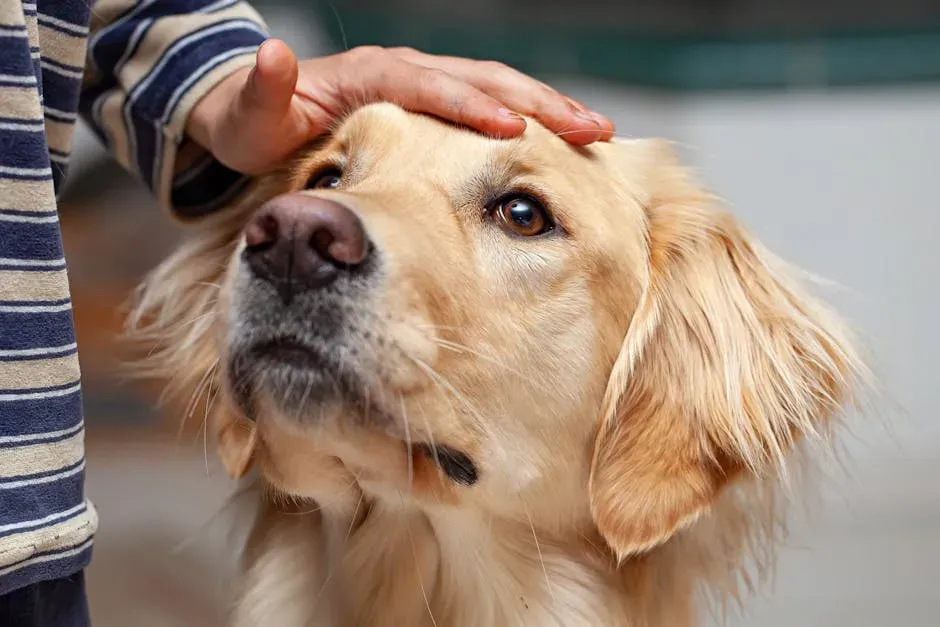
When you start to notice these signs – the check-ins, the soft body language, the way they run to you when life gets loud – it hits you that you’re not just “the person who has the dog.” You’re their home base, their translator for a human world that often does not make sense, and the one living creature they’re convinced will show up for them every single time. That’s not a small responsibility, and honestly, I think it’s one of the most humbling parts of sharing your life with a dog.
In my opinion, the real measure of how well we’re doing as dog guardians isn’t how many tricks they know or how perfect their leash manners are; it’s whether they feel deeply, genuinely safe with us. Safety is what turns ownership into partnership and training into communication. So if you see your dog choosing you, relaxing with you, and recovering faster because of you, you’re already doing the most important thing right. When you look at your dog now, do you see just a pet – or do you see a soul that has quietly decided you’re the safest place in their whole world?


