
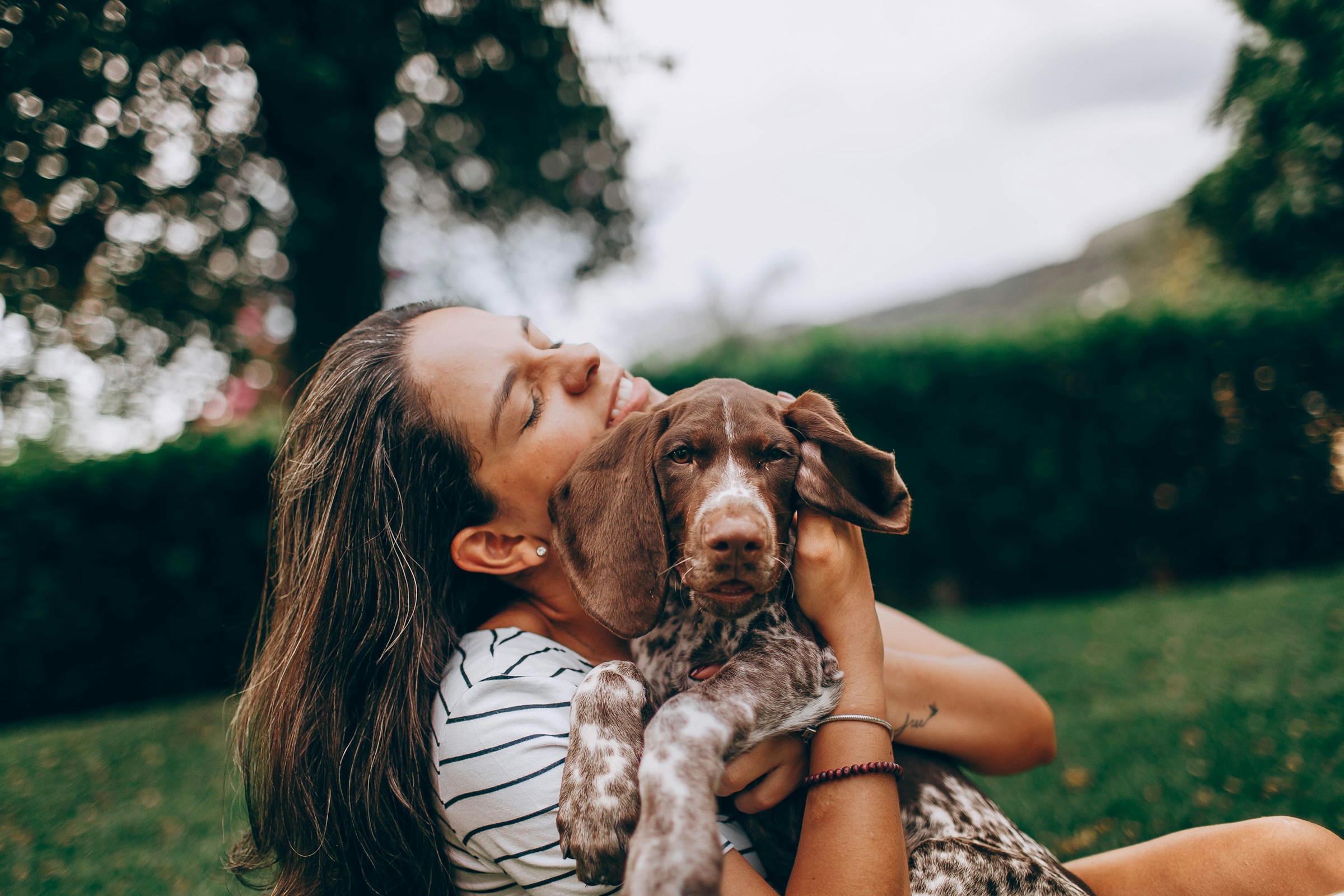
Have you ever noticed that when something startles your dog – a thunderclap, a dropped pan, a stranger at the door – they sprint straight to the same person every single time? It can feel incredibly flattering or a little confusing, like your dog has secretly chosen a favorite and just never told anyone. Underneath that simple dash across the room is a surprisingly deep piece of dog psychology that looks a lot like how human babies seek out one trusted caregiver when they are scared or overwhelmed.
Modern research into dog emotions suggests that when a dog consistently runs to one particular person during moments of fear or uncertainty, they may be treating that human as their “secure base.” In other words, that person is their emotional home base – the place where their nervous system expects safety, comfort, and support. Understanding what that really means can change how you see your relationship with your dog, and maybe even explain a few things you always thought were just “quirks.”
What “Secure Base” Really Means in Dog Psychology
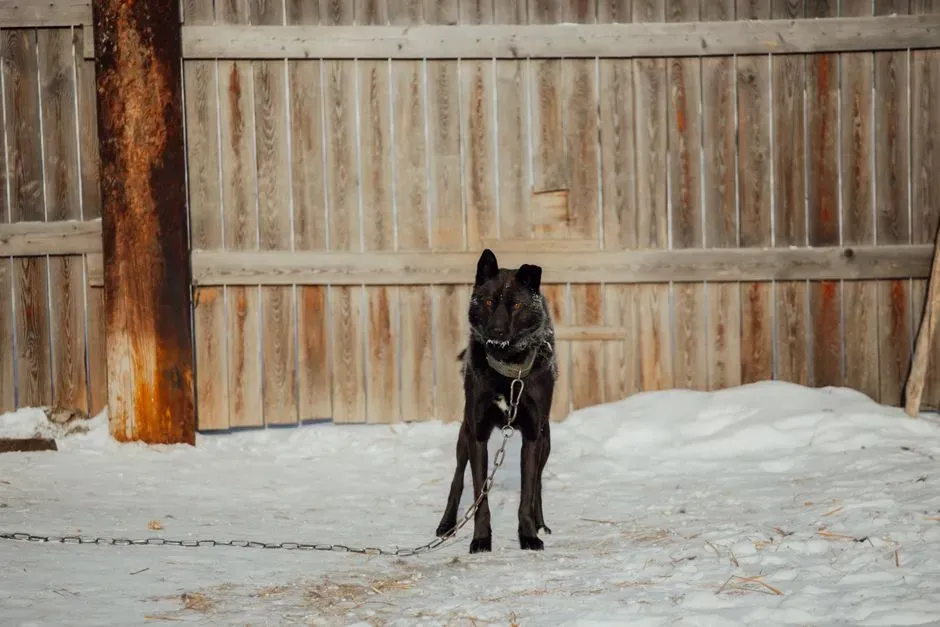
In psychology, a secure base is the individual an animal trusts most to keep them safe while they explore the world. For human infants, it is often the person who responds the most reliably when they cry or reach out. Dogs appear to show something very similar: they explore more confidently, solve tasks more persistently, and recover from stress more quickly when their chosen person is nearby, even if that person is not actively doing anything.
So when your dog bolts to you during fireworks or tucks their body against your legs at the vet, they are not just being clingy or dramatic. They are reaching for the emotional anchor their brain has learned to associate with safety. That behavior is less about “who feeds me” or “who walks me most” and more about “who makes the scary feelings go down when the world feels too big.”
Why Dogs Choose One Person as Their Emotional Anchor
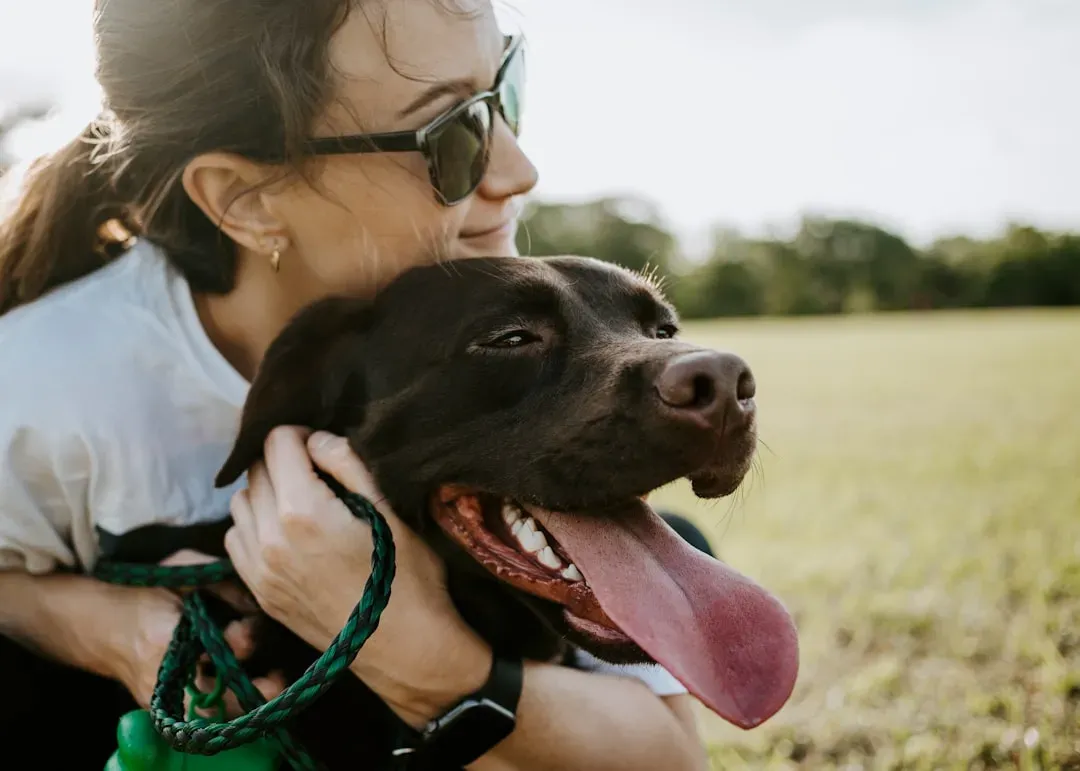
Dogs rarely choose a secure base at random. Over time, their nervous system quietly collects data: Who comforts me when I am scared? Who stays calm when everything feels chaotic? Who consistently responds when I seek closeness, instead of brushing me off or getting annoyed? Gradually, that pattern of reliable support wires into their brain as, “This is my safe person.”
Interestingly, it is often the human who is emotionally predictable rather than the one who does the most direct “care tasks.” You can have one person who feeds, walks, and trains the dog, but if another person is the one who always kneels down, lowers their voice, and offers calm contact in stressful moments, the dog may pick that second person as their secure base. To a dog, emotional reliability often counts more than sheer effort or schedule.
How Fear and Stress Reveal Your Dog’s True Attachments
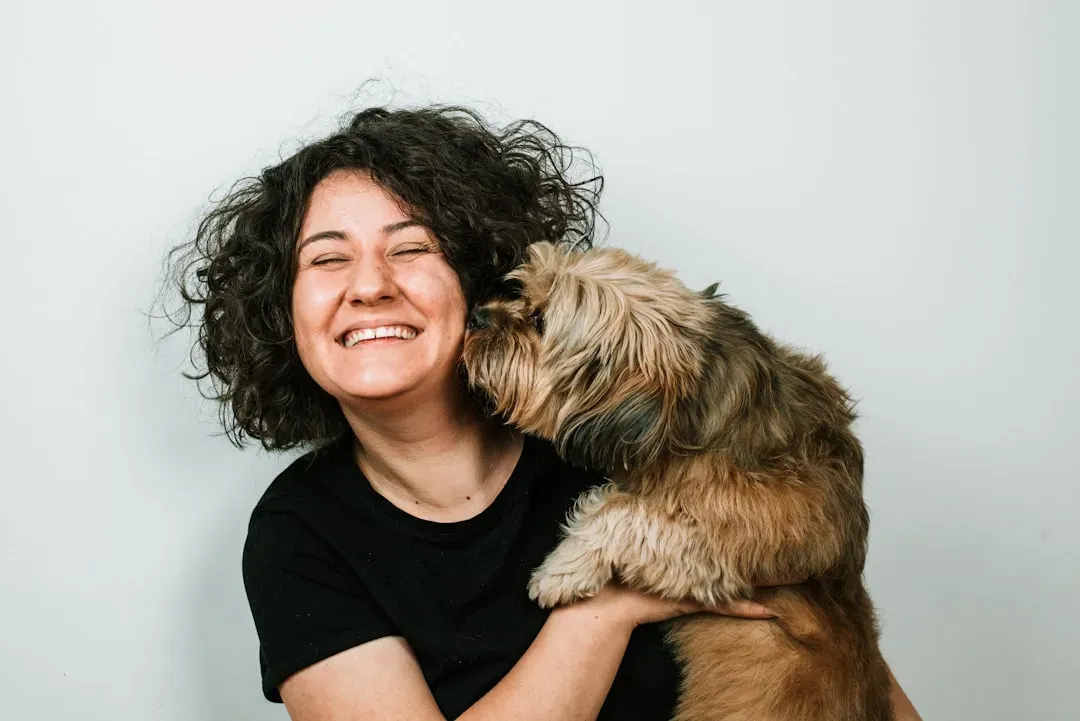
Everyday life with a dog can make attachment look a bit fuzzy. They might follow one person room to room, play rough with another, and cuddle on the couch with someone else. But stress has a way of stripping all that down. When the smoke alarm beeps or a skateboard rattles past the window, who your dog runs to can be a raw, honest snapshot of who they trust most with their fear.
This is why scary or uncertain moments are so revealing in dog psychology studies. When given a choice between a familiar person, a stranger, and being alone, many dogs seek out their trusted human for contact and reassurance, just as securely attached toddlers do. If your dog crams themselves behind your legs, tries to climb into your lap, or presses their body into your side during those moments, that clinginess is not weakness – it is a very specific attachment behavior.
Signs Your Dog Sees You as Their Safe Person
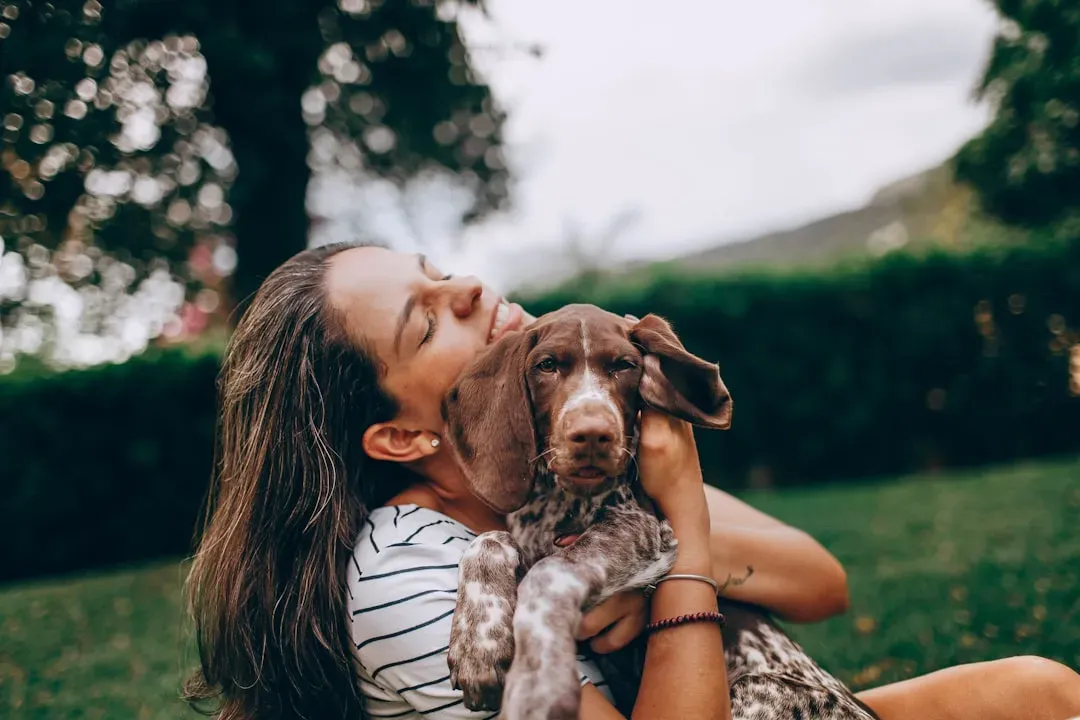
Running to you when frightened is one major clue, but there are other subtle signs that you are your dog’s secure base. They may keep you in their line of sight when exploring new places, glancing back at you like a hiker checking the trail marker. They might be brave enough to sniff around a strange park or vet lobby as long as they know they can retreat to your side at any time.
You might also notice they settle down faster when you are there, even if you are not actively touching or talking to them. Some dogs lie with just one paw resting on their person, or they sleep pressed against your feet or hip like they are docked at a safe harbor. To outsiders these details can look small, but for attachment, they are loud: your presence literally helps their nervous system downshift.
When Your Dog Chooses Someone Else (And What That Really Means)
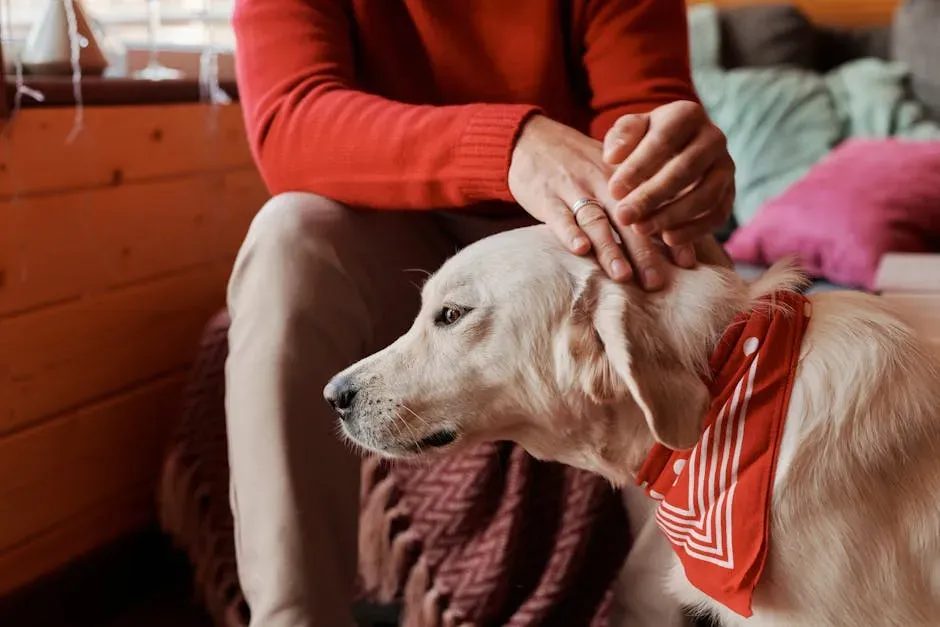
It can sting a little if your dog runs to your partner, roommate, or even a visiting relative when they are scared, especially if you are the one doing much of the day-to-day care. It is easy to turn that into a story about being “second best” or doing something wrong. But from a psychological angle, it is more useful – and kinder – to see it as feedback about patterns rather than a verdict on your worth.
Sometimes the chosen person is simply the one who happened to be present during several key scary experiences and handled them calmly. Other times, they use a tone of voice or body language that feels consistently soothing to the dog. You can absolutely shift this over time by becoming more emotionally available and predictable during your dog’s vulnerable moments; attachment is not frozen in place, it is more like a living, breathing contract that can be rewritten.
How to Become (or Stay) Your Dog’s Secure Base
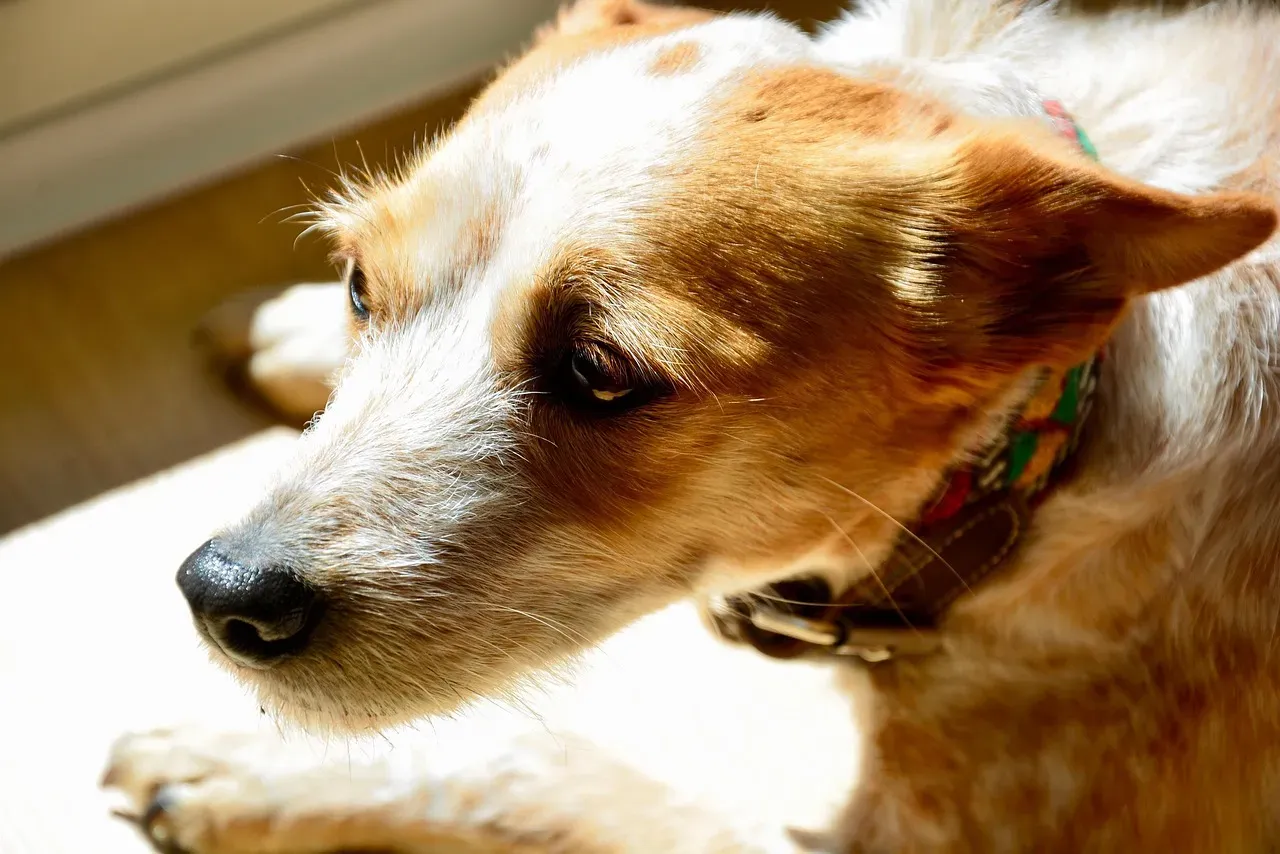
If you want your dog to see you as that safe person they run to, your most powerful tools are predictability and calm responsiveness. That means noticing when they are unsure or spooked and responding in a steady, reassuring way rather than laughing it off, scolding, or forcing them to “toughen up.” Sitting with them, speaking softly, and letting them approach at their own pace helps them link your presence with relief instead of more stress.
On a day-to-day level, you can build this bond by giving them a reliable rhythm: consistent routines, gentle handling, and training that uses patience and rewards instead of intimidation. Over time, your dog learns that when they are overwhelmed, you do not add to the chaos – you help organize it. That is what many dogs are really looking for when they slam into your knees after a thunderclap: not perfection, just someone who will stand steady when their world is shaking.
What This Says About Love, Loyalty, and Your Bond

To me, this secure-base idea is one of the most beautiful things about living with dogs. It means their love is not just about food bowls and squeaky toys; it is about who helps their nervous system feel safe enough to be curious, playful, and fully themselves. When a dog chooses to sprint to you in fear, they are saying, in the only language they have, that you are their safest place to fall apart and put themselves back together.
At the same time, it is a reminder that loyalty is not something we are owed just because we live with an animal – it is something we earn through countless, often tiny moments of showing up when it matters. If your dog does not always pick you yet, that is not a failure; it is an invitation. The question is not whether they love you, but whether you are willing to become the person they instinctively run to when the world feels too loud. Did you expect so much of your dog’s heart to be hidden in one frightened dash across the room?


