
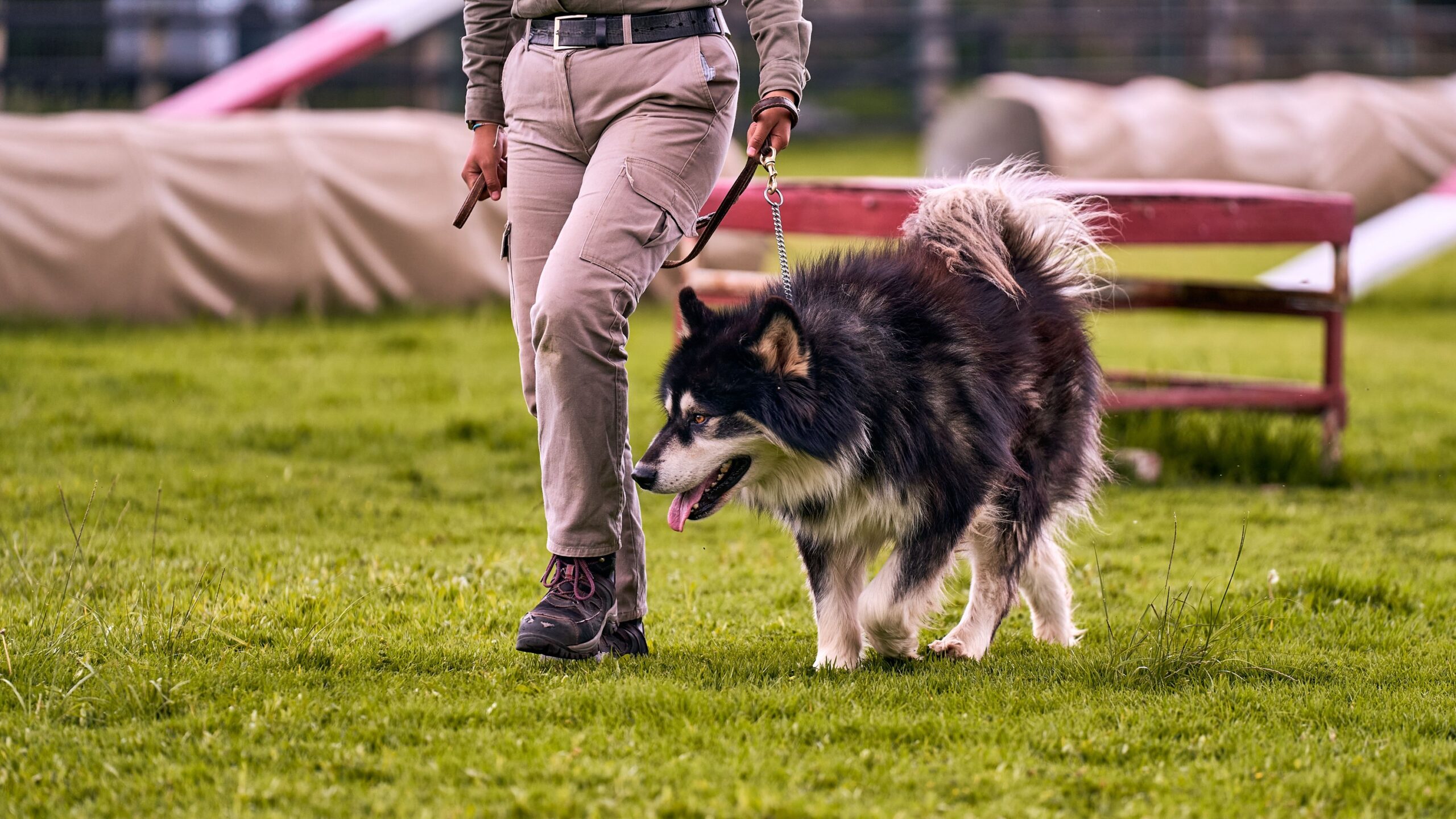
If you’ve ever watched your dog act like a calm little angel with one person and a barking tornado with another, you’re not imagining it. Dogs often behave like completely different animals depending on who’s at the other end of the leash. It is not just about training or “being strict enough” – animal psychology suggests that our body language, emotions, and even history with the dog shape the whole social situation they think they are in.
The wild part? From the dog’s point of view, a stranger or another dog is never just “a stranger” or “another dog.” It is that stranger plus the human who is standing next to them, how tense the leash feels, how fast the heart is beating they can smell, and what usually happens in similar moments. In other words, we do not just walk with our dogs; we help define the entire context of every encounter they have.
The Leash Isn’t Just a Tool – It’s a Signal
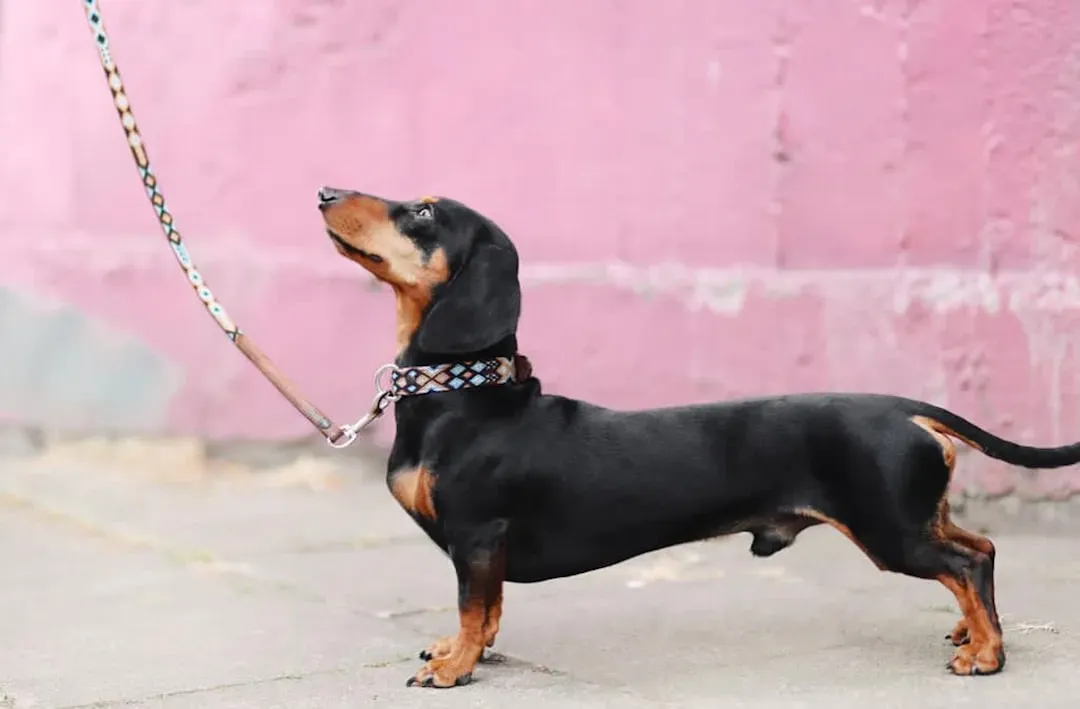
Most people see a leash as a simple safety device: it keeps the dog physically close and under control. For the dog, though, the leash can act more like a loud emotional antenna, amplifying whatever is happening between them and the human holding it. A tight, jerky leash can make a neutral situation feel tense or threatening, while a relaxed, loose leash can make the very same moment feel safe and ordinary.
Think of how you feel when a friend clutches your arm in a crowded street versus walking loosely side by side. One makes you scan for danger, the other lets you breathe. Dogs experience something similar. When a calm, confident person holds the leash, their timing, posture, and gentle handling can tell the dog that an approaching jogger or dog is no big deal. Put a nervous, stiff, overcorrecting human on the other end, and suddenly the leash becomes a constant reminder that something might be wrong.
Dogs Read Our Bodies Long Before They Hear Our Words
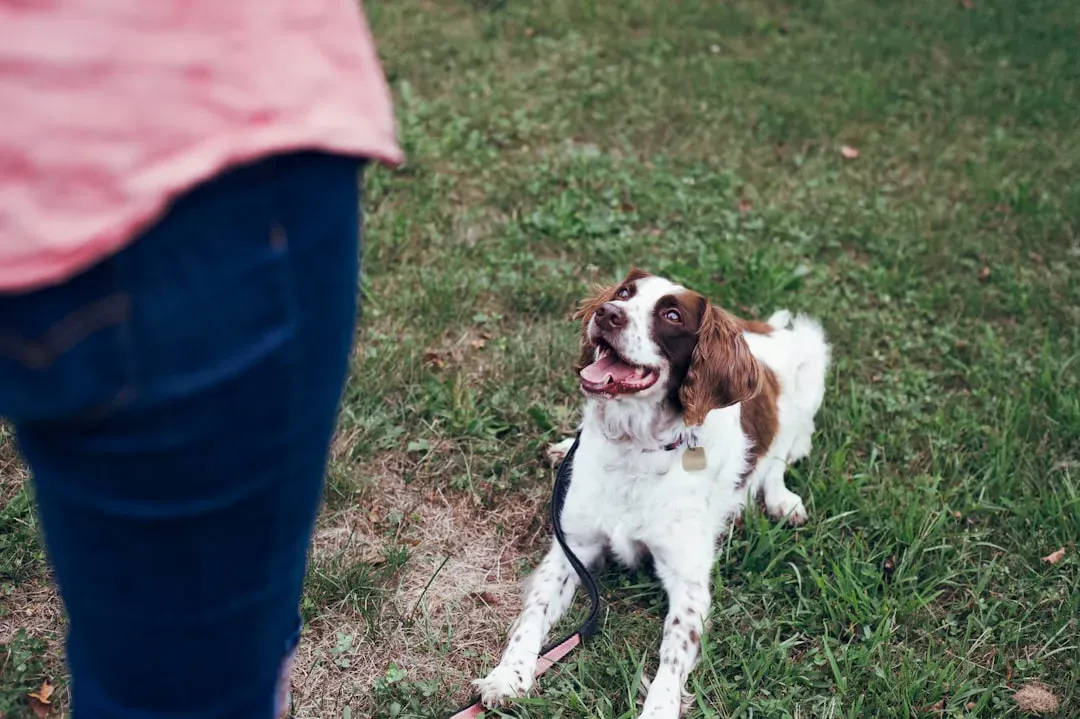
We like to believe our dogs listen to what we say, but their first language is still body language. They watch our shoulders, our breathing, our facial tension, how we pivot our feet, even how we shift the leash slightly as someone approaches. Long before we say “It’s okay,” our bodies have already given the dog a story about what kind of moment this is: ordinary, exciting, or possibly dangerous.
If one person tends to lean forward, stare at approaching dogs, and hold their breath, the dog may learn that other dogs are a big deal when that human is in charge. Another person might casually turn sideways, soften their posture, and chat lightly, which can signal that the same situation is just part of a normal walk. This is how one dog can seem “reactive with me but fine with my partner” – the dog is not just reacting to the world; they are reacting to how the human reacts to the world.
Emotional Contagion: When Our Stress Becomes Theirs
Dogs are surprisingly good emotional sponges. Studies on animal–human bonds suggest that dogs can pick up on our stress through scent, subtle muscle tension, and even changes in how we move and handle the leash. When we feel anxious about meeting another dog or walking past a group of kids, our bodies broadcast it, even if we never say a word. The dog then treats the encounter as something potentially unsafe because their trusted human suddenly feels different.
Over time, this emotional contagion can build patterns. A dog who is perfectly relaxed with a confident friend might bark, lunge, or freeze with a worried owner who has had bad experiences on walks. It is not that the dog is being disobedient or dramatic; they are responding to the emotional climate that person reliably brings. In a way, our feelings become part of the environment, the same way traffic noise or an off-leash dog in the distance does.
History With a Specific Human Shapes Expectations
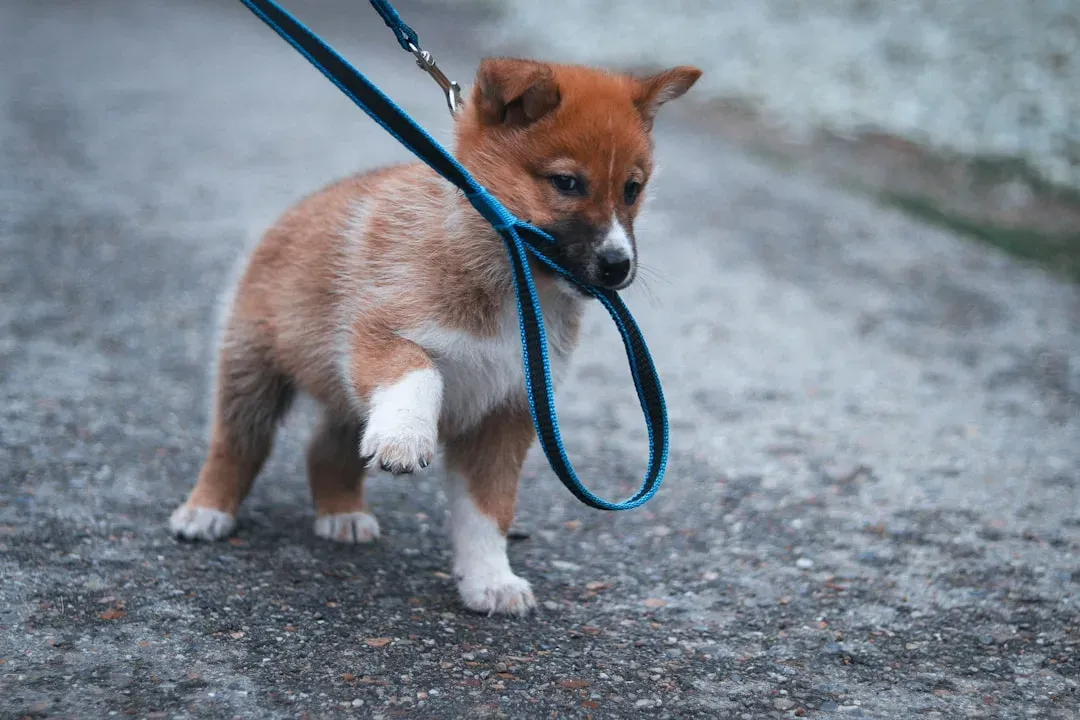
Dogs are masters of patterns. They remember which human lets other dogs rush up to them, who corrects them harshly, who rewards them for calmly checking in, and who tends to panic at the first sign of trouble. All of those experiences add up into a kind of personal rulebook: “When I’m with this person, these things usually happen.” So when that person holds the leash, the dog walks into each encounter with those expectations already loaded.
That is why a dog might be easygoing on walks with a trainer but overreactive with their owner. With the trainer, the dog has a track record of clear boundaries, predictable rewards, and safely managed encounters. With the owner, maybe there have been a string of scary or chaotic moments. The dog is not thinking like a misbehaving child; they are more like someone who has learned that storms tend to follow certain clouds. When that particular human takes the leash, the weather, in their mind, has already changed.
The Same Stranger, Different Story: How Context Shifts Behavior
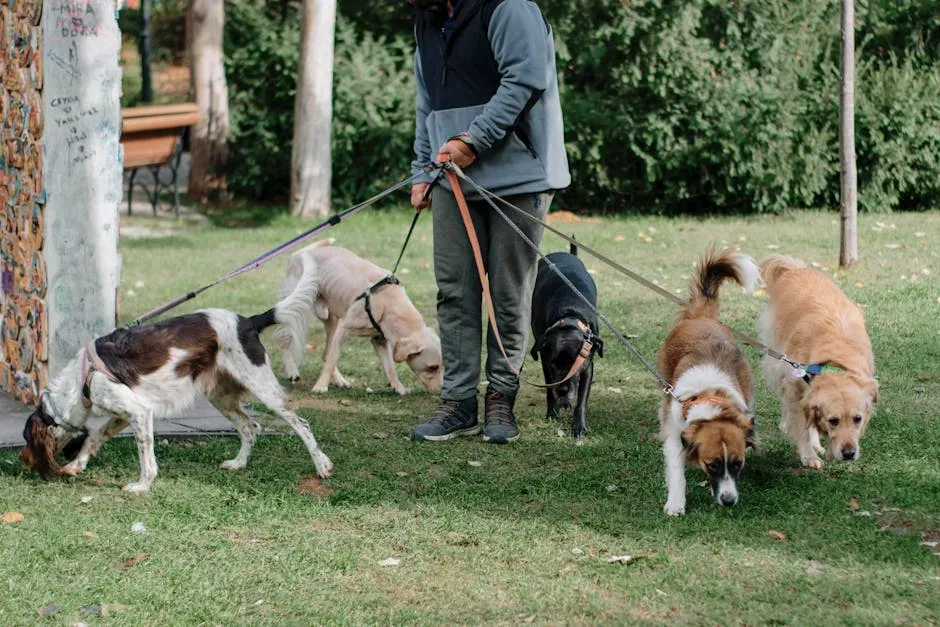
Imagine a stranger walking toward you at night in a dark alley versus the same person approaching you in a bright café with friends nearby. Your reaction would be completely different, even though the stranger is the same. Dogs experience people and other animals in a similar context-dependent way. Who is holding the leash is part of that context, just like the alley or the café is for you.
When a dog is with someone they trust who tends to handle situations calmly, a person in a hat, a jogger, or a passing dog may be filtered through that sense of safety. With a jumpy or unpredictable handler, the same figures can be perceived as suspicious or even threatening. So we end up thinking the dog is “unpredictable,” when in reality the dog is quite consistent: they are reading the whole scene, including the human attached to them, and making choices based on the version of the world they have learned to expect.
Why Dogs May Guard One Person but Ignore Another
Another fascinating twist is that dogs often seem more protective or “guardy” around specific people. Part of this can come from how that person moves, reacts, and has socialized the dog. A human who unconsciously stiffens, steps back, or clutches the leash when anyone approaches can accidentally teach the dog that visitors are threats that need to be pushed away. The intent might be “I’m nervous, please stay back,” but the dog translates it as “This is my job to handle now.”
On the flip side, someone who stays relaxed, greets others calmly, and gives the dog a clear job like sitting or checking in can reduce the need for any big display. In that context, the dog does not have to bark or lunge; the person already seems in control. This is why a dog might bark fiercely at guests when with one family member but greet the same guests politely when walking beside another. The dog is not changing its personality on a whim; the human is changing the social script.
How to Become the Calm, Clear Human Your Dog Needs
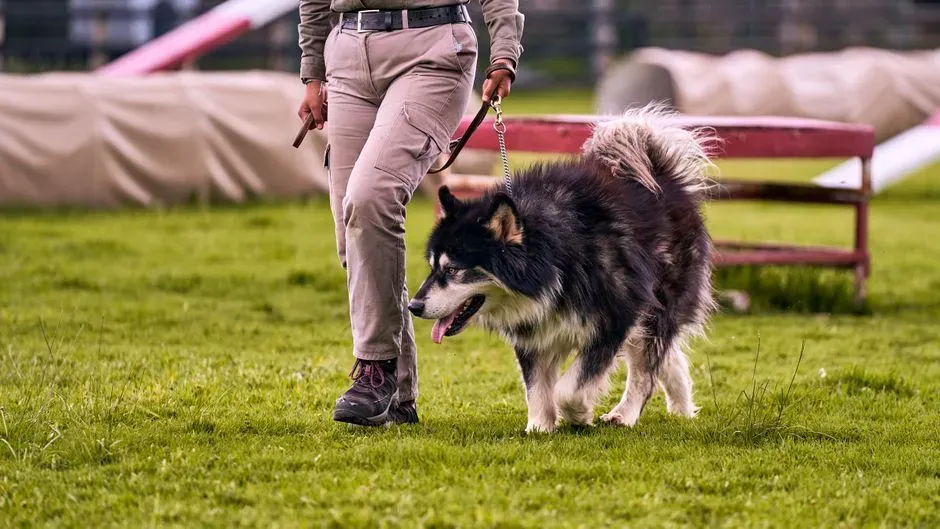
The good news is that you are not stuck with the emotional climate you accidentally created. You can intentionally shape the context your dog experiences by working on your own body language, timing, and expectations. Practicing loose-leash walking in quiet areas, rewarding your dog for even tiny moments of calm, and rehearsing simple cues like “look at me” away from distractions can build a shared language that travels with you into harder situations.
It also helps to pay attention to your own reactions. Notice when you hold your breath, tighten your grip, or start predicting disaster the moment you see another dog or person. Sometimes the most powerful training is not about correcting the dog, but about changing how you show up: softer shoulders, slower breathing, and clearer, more predictable responses. Over time, your dog learns that when you are on the other end of the leash, the world feels safer and more understandable.
Opinionated Conclusion: Your Dog’s Behavior Is a Mirror, Not a Mystery
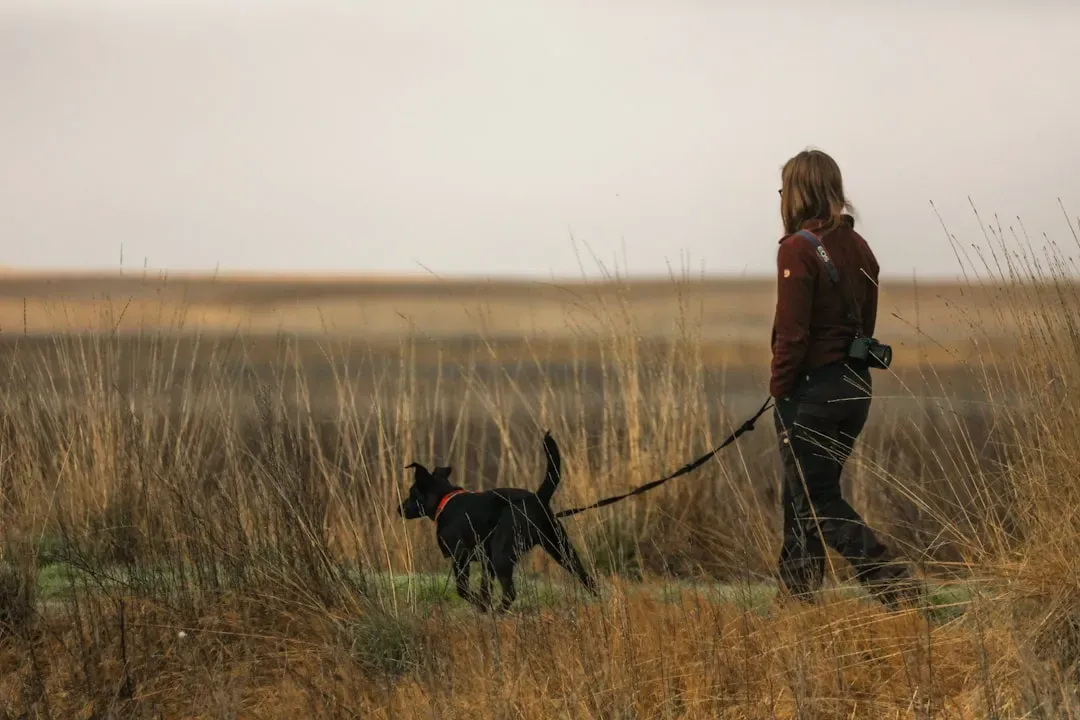
It is tempting to label dogs as stubborn, dramatic, or “good only for some people,” but that view misses something important and, honestly, a little uncomfortable: they are often reflecting us. The person holding the leash is not a neutral accessory; they are a moving, breathing context that can either calm everything down or quietly set the stage for trouble. When a dog behaves differently with different handlers, it is not proof that the dog is fake or manipulative – it is evidence that dogs are exquisitely tuned into the humans they live with.
In my view, this should change how we talk about “problem dogs.” Instead of asking why the dog is so reactive, nervous, or clingy, we should be asking how our own patterns, emotions, and habits are shaping the situations they find themselves in. That does not mean blame; it means responsibility and possibility. If who holds the leash can change the whole encounter, then we are not powerless – we are a big part of the solution. The real question is not just “Why is my dog like this?” but “What kind of context am I creating every time I pick up the leash?”


