
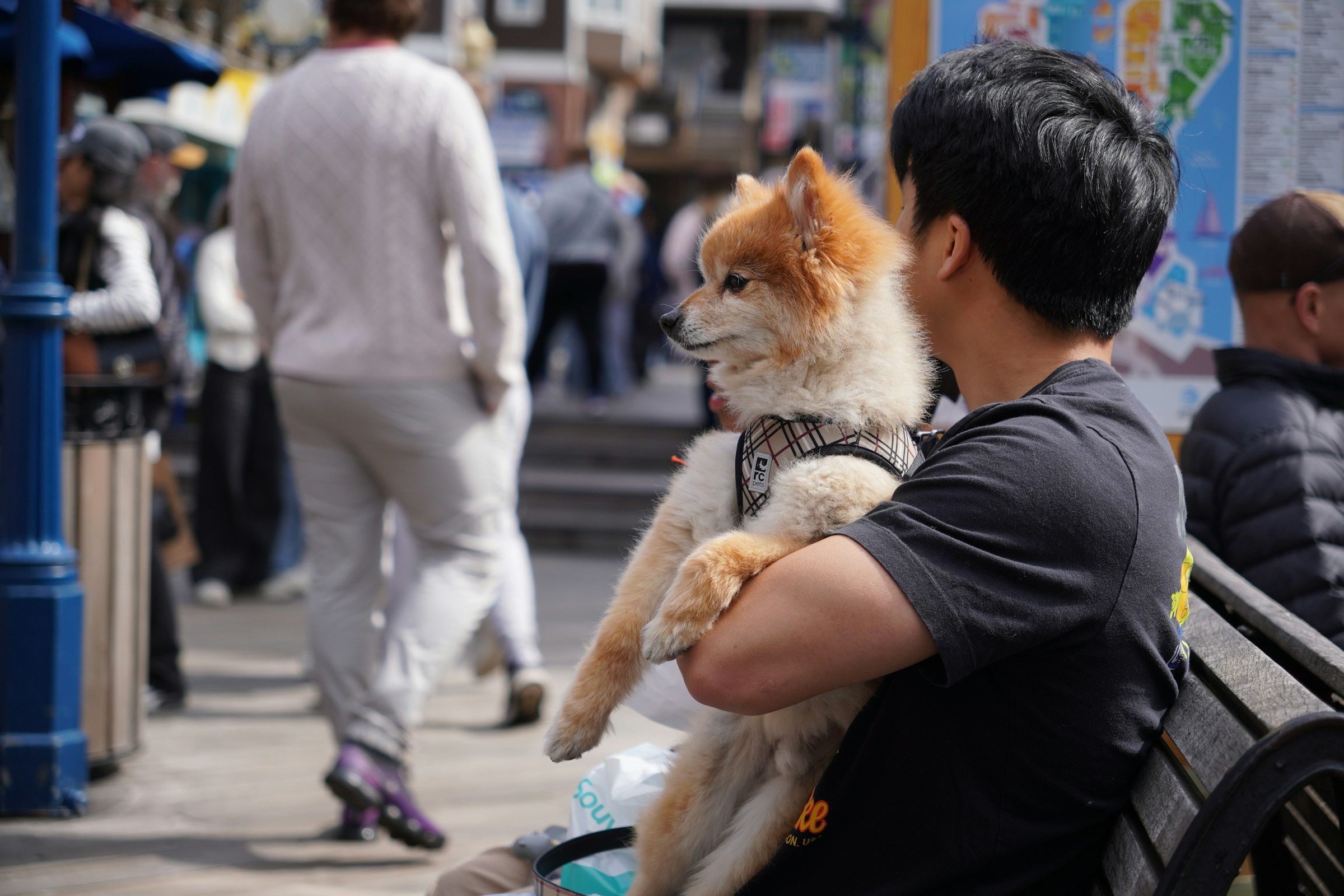
You’re standing at the counter, scrolling your phone, when suddenly your dog presses their whole body into your legs like a furry, living weighted blanket. It’s sweet, sure, but also a little intense. Are they just being clingy, or is there something deeper going on behind that lean?
This simple behavior can carry a lot of emotional weight for dogs: comfort, insecurity, habit, and sometimes even a quiet cry for help. Once you start really paying attention to when and how your dog leans, you’ll never see it as a throwaway gesture again. Let’s unpack what that full‑body press is really trying to tell you.
Leaning As A Canine Love Language
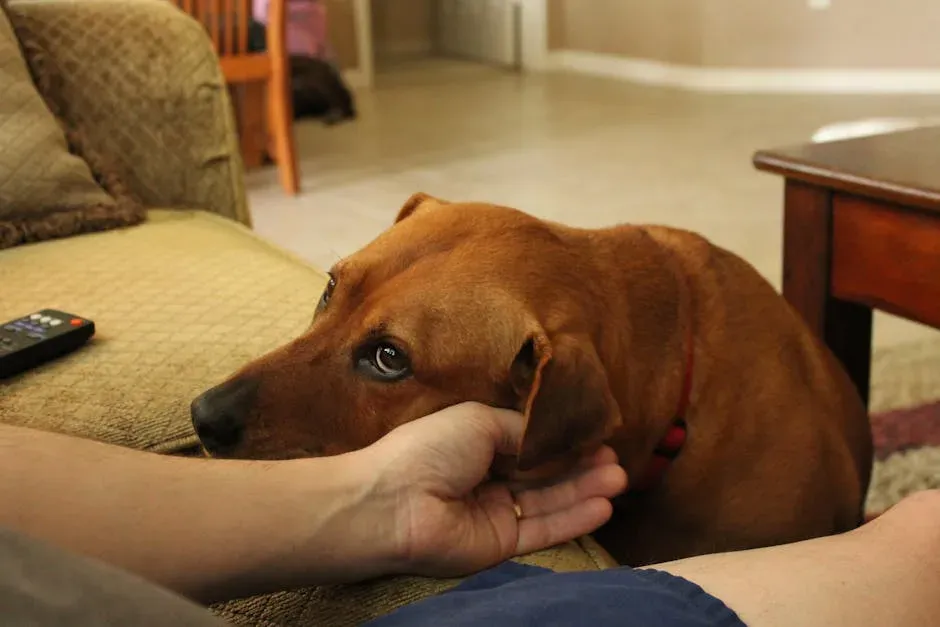
Here’s the heartwarming possibility: your dog might be leaning on you because you’re their safe place. Dogs are social animals; many of them genuinely crave physical closeness with the people they trust most. Pressing their weight into you can be a calm, content way of saying, “You’re my person and I feel good right here.”
Some dogs show love by licking your face, others by following you into the bathroom, and some by simply becoming a furry shadow glued to your side. A soft, relaxed lean, often paired with a loose body, slow blinking, or a gently wagging tail, is usually a sign that your dog is at ease. Think of it like their version of resting their head on your shoulder during a cozy movie night.
Seeking Security When The World Feels Scary

On the flip side, that lean can also be your dog’s way of saying they feel unsure. Just like a nervous child might grip a parent’s leg in a busy store, a worried dog will sometimes press their body into the person they feel safest with. You might notice this during thunderstorms, fireworks, vet visits, or when strangers are nearby.
The key difference is in the body language: a tense posture, tucked tail, pinned‑back ears, or yawning when they’re not tired can point to stress, not just affection. In these moments, your dog isn’t being “dramatic”; they’re telling you the environment feels overwhelming. Offering calm reassurance, a quiet space, or a distraction with a toy can help them feel more grounded than just pushing them away.
Guarding You Like Their Most Precious Resource
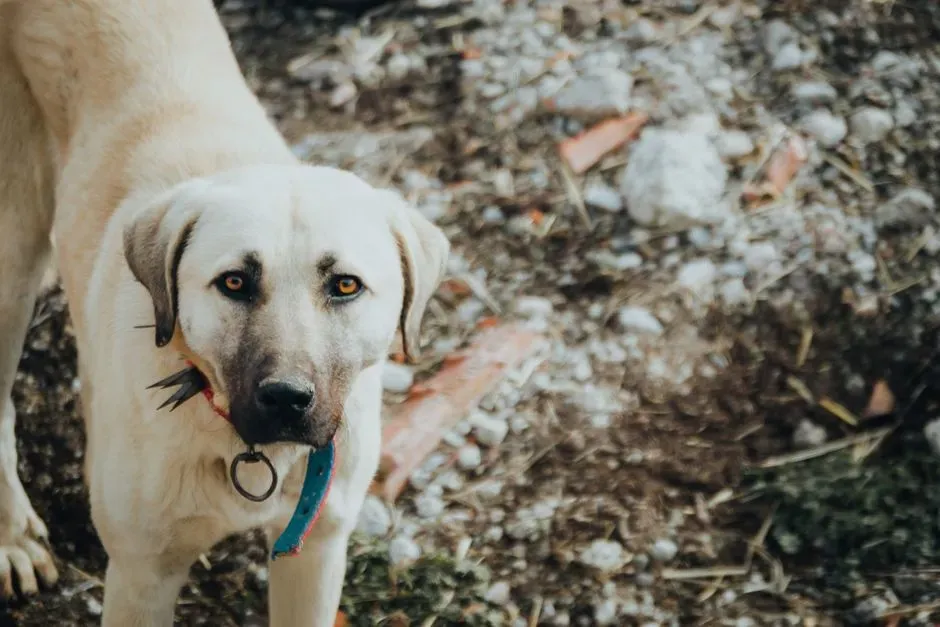
Sometimes, leaning is not only about closeness but also about positioning. A dog that leans into you while keeping a close eye on other dogs or people may be subtly trying to place themselves between you and whatever they see as a potential threat. It’s a quiet form of protective behavior that can look flattering at first: your dog thinks you’re worth guarding.
However, if this comes with stiff posture, hard staring, growling, or blocking others from approaching you, it can drift into resource guarding, where your dog sees you as “theirs.” That’s less cute and more concerning. In that case, it’s smart to get help from a qualified, reward‑based trainer or behavior professional before things escalate. You want your dog to feel secure with you, not possessive of you.
Leaning As A Leftover Habit From Puppy Days
Many dogs grow up learning that leaning gets them what they want: attention, petting, treats, or even just laughter. If you responded with affection when they were small and adorable, they may have locked that in as a reliable way to connect. Fast forward a few years, and now you’ve got a seventy‑pound “lap dog” who still thinks pressing into you is the right move.
This doesn’t mean you “spoiled” your dog; it just means they’re smart enough to repeat what worked. If the leaning is gentle and you enjoy it, there’s no real downside. But if it knocks you off balance or gets in the way, you can gently redirect that habit by rewarding calm behavior beside you, asking for a sit or down, and consistently giving attention when they’re not bowling you over.
Comfort, Warmth, And The Living-Weighted-Blanket Effect
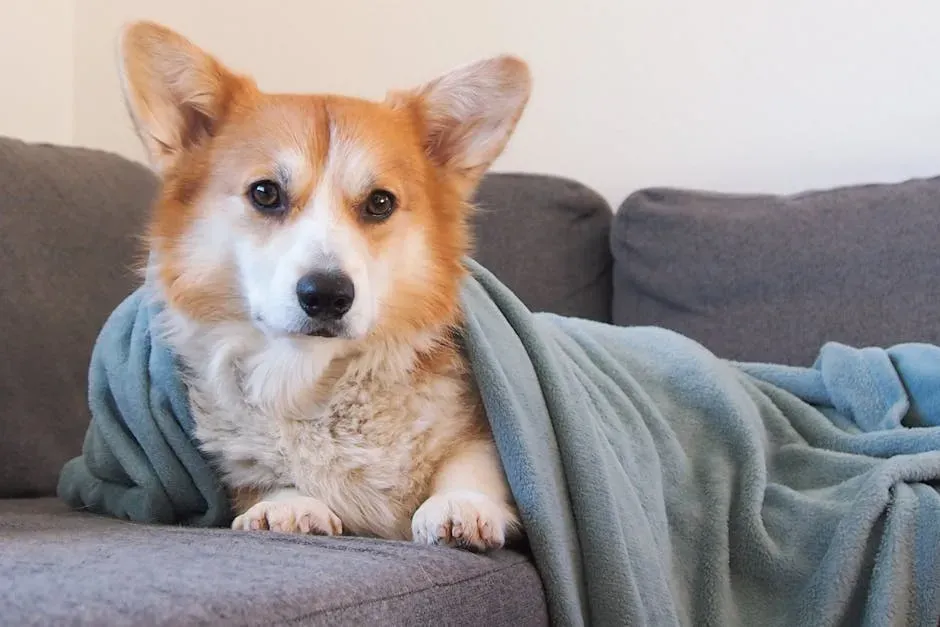
There’s a very practical side to leaning that has nothing to do with deep psychology: dogs like comfort and warmth. Your body is like a portable heater and padded headboard all in one. Leaning on you can simply feel physically good, especially on a chilly evening or when they’re trying to drift off to sleep.
Many people compare this to using a weighted blanket, and the comparison isn’t far off. Gentle pressure can be soothing for nervous systems, both human and canine. When your dog settles their weight into you with a relaxed sigh, it can be a sign that they’re using you as a soft, safe anchor to fully relax their muscles and let their guard down for a while.
When Leaning Might Signal Pain Or Discomfort
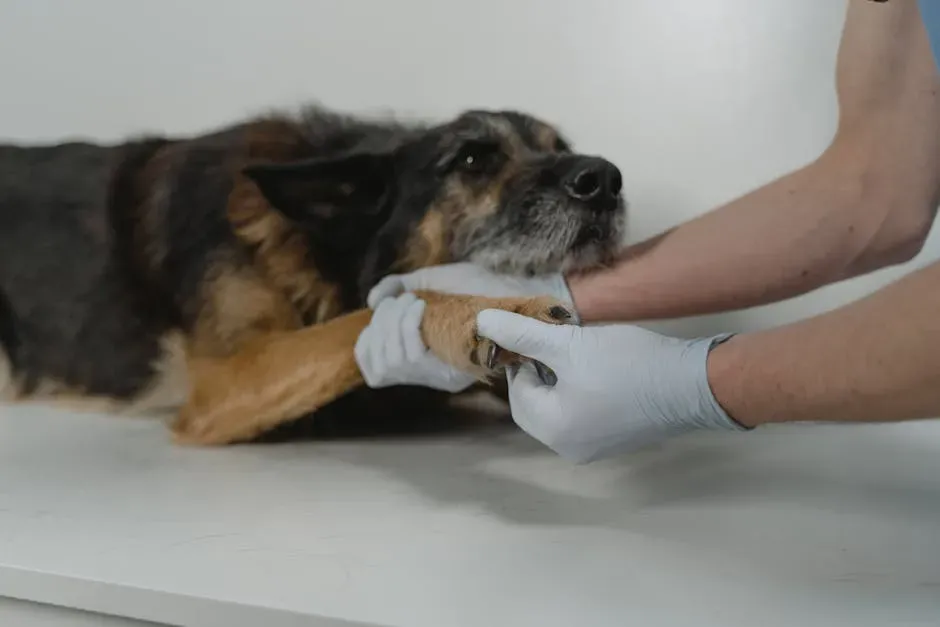
Here’s the part that often gets overlooked: sometimes leaning can be a subtle sign that your dog is uncomfortable or in pain. If they suddenly start leaning more than usual, or they seem to rely heavily on one side, they might be using you to support a sore limb, weak back end, or aching joints. Senior dogs or large breeds are especially prone to this kind of quiet compensation.
Other red flags include struggling to get up, limping, reluctance to jump, or changes in appetite and mood. If the leaning behavior changes suddenly or feels “off” to you, it’s worth listening to that gut feeling and checking in with your vet. It’s much better to rule out medical issues early than to assume it’s only emotional and miss something important going on in their body.
Teaching Healthy Boundaries Without Killing The Cuddle
It’s completely fair to adore your dog and still not love being flattened every time you stand still. Teaching boundaries does not mean you love them any less; it just means you’re setting up a way of living together that works for both of you. You can decide when leaning is welcome and when it’s not, just like you’d set boundaries with an overly clingy friend who always sits on your lap uninvited.
If the leaning is too much, calmly step aside, ask for an alternative behavior like sit or place, and reward that choice instead. Over time, your dog will learn that they still get connection and affection, just in a more manageable way. In my own life, I’ve found that creating specific cuddle times – like inviting my dog up on the couch after a walk – makes those leaning moments sweeter, because they feel like a shared ritual rather than an endless, one‑sided demand.
The Real Reason Your Dog Leans: A Mirror Of Your Relationship
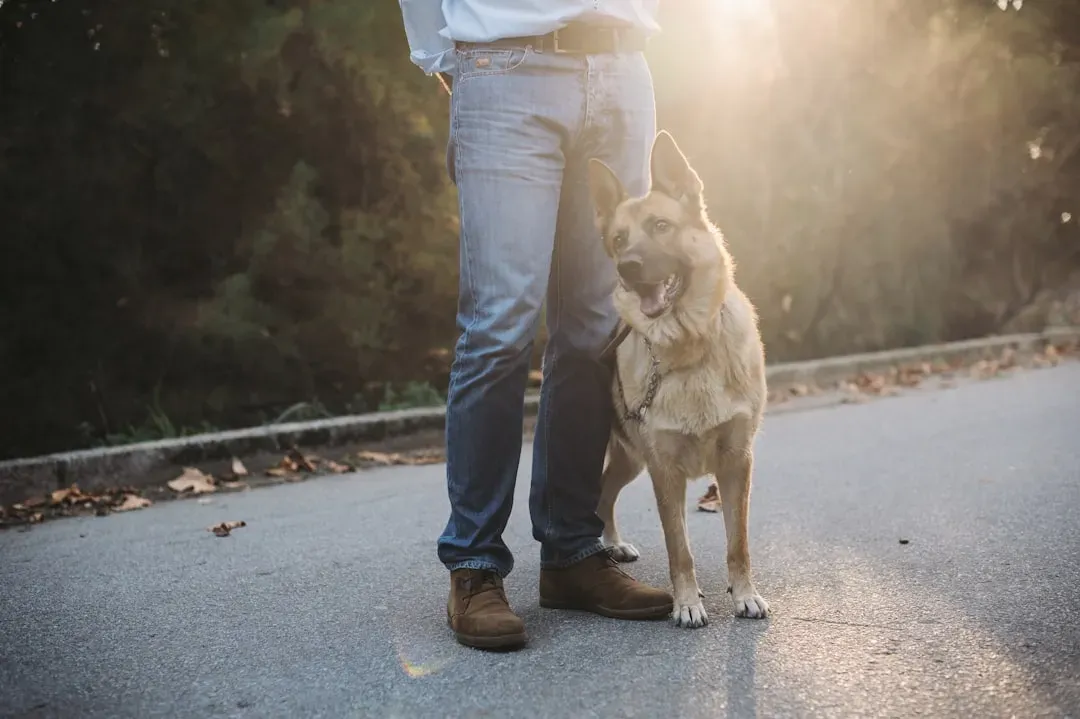
In the end, that full‑body lean is rarely just about “wanting pets.” It’s a snapshot of who your dog is and how they feel with you: affectionate, anxious, protective, tired, maybe even a bit achy. The more you watch the details – the timing, the body language, the context – the more clearly you’ll understand what your dog is actually saying without a single word.
My honest opinion? A dog that leans is a dog trying to connect, even if they do it awkwardly, heavily, or at the worst possible moment while you’re carrying hot coffee. The real magic comes from treating that lean as information, not just habit. Once you start responding with curiosity instead of autopilot, you and your dog can turn that simple press of fur and weight into a deeper, more respectful bond. Next time they lean in, will you lean in, too – mentally, not just physically?


