
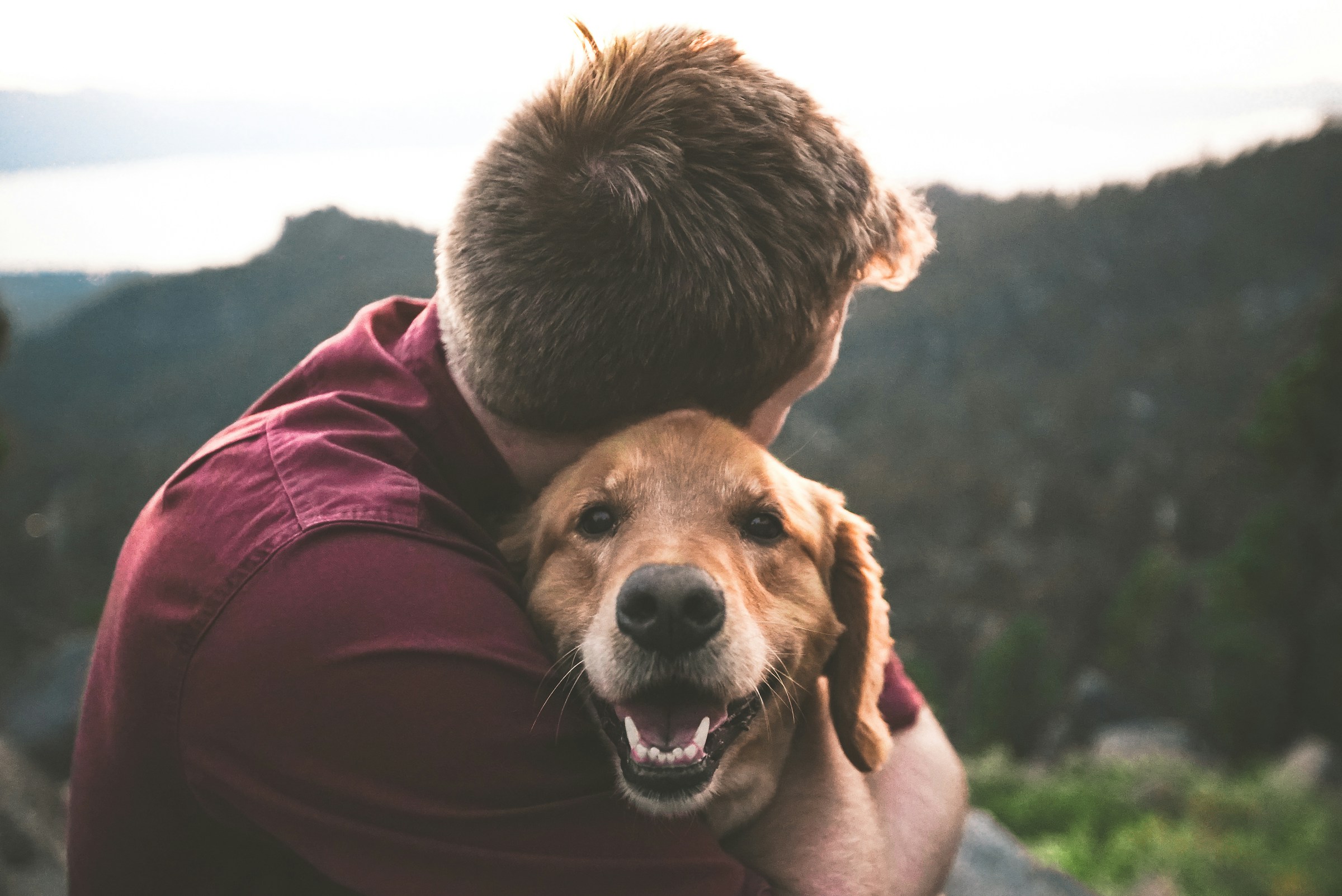
You know that sound your dog makes when they flops down next to you and lets out a long, dramatic sigh? It can feel almost human, like they’re saying they’ve just had the longest day of their life. A lot of people immediately assume it means their dog is bored or annoyed, and sometimes that’s true – but the full story behind that deep breath is far more interesting, and honestly, a lot more emotional.
The quiet truth is that those sighs are often tiny windows into your dog’s inner world: their comfort, their stress level, their expectations, and their bond with you. Once you understand what to look for – the body language, the context, the subtle differences between a contented exhale and a worried one – you’ll never hear your dog’s sigh the same way again. Let’s unpack what that sound can really mean when they stretch out beside you.
The Contentment Sigh: “I Feel Safe With You”
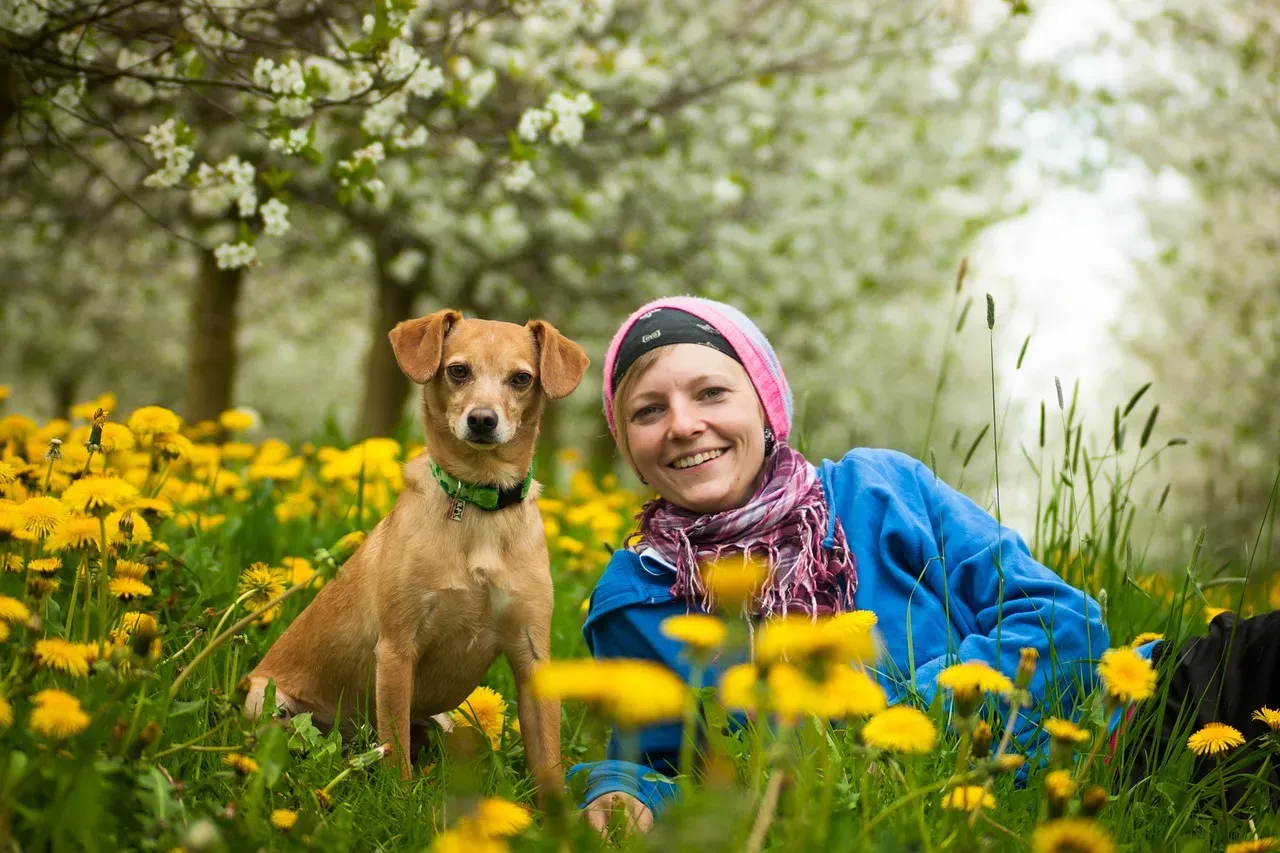
One of the most common meanings behind a dog’s sigh is simple, calm contentment. When your dog is lying next to you with a loose, relaxed body, soft eyes, maybe even slowly blinking, and they let out a long, slow exhale, that’s often their version of saying they feel safe and settled. It’s like the feeling you get when you finally lie down after a long day and your whole body just releases tension.
Look for the little clues: a gently wagging tail at rest, their head resting on their paws, muscles not stiff but almost melting into the floor or couch. In that moment, the sigh is not boredom, it’s relief – as if their nervous system is shifting down a gear. I’ve had dogs do this after we finish a walk and curl up on the sofa; that first big sigh feels like them saying, “Okay, we’re good now. Life is pretty great in this spot.”
The Mild Frustration Sigh: “I Guess We’re Not Doing That, Then”
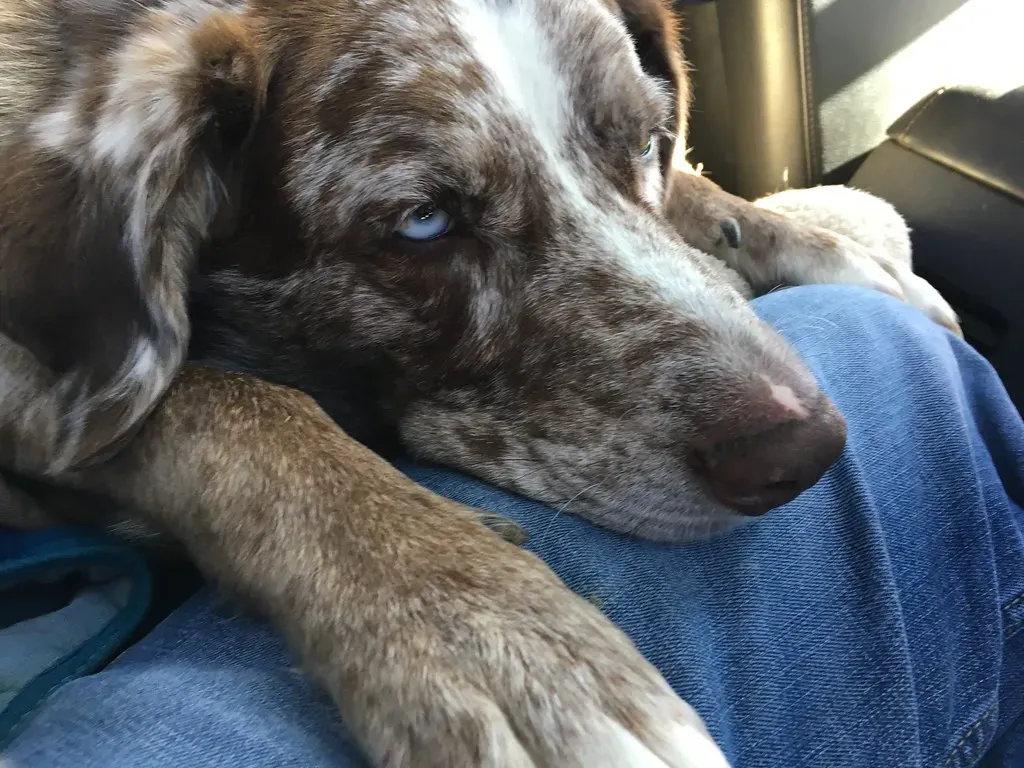
Sometimes, though, that sigh really is a little bit of disappointment – but not in a dramatic, movie-level way. Think about when your dog brings you a toy, stares at you expectantly, maybe bounces once or twice, and you’re busy on your laptop. After a minute of trying and failing to get your attention, they flop down, give you a side-eye, and sigh. That’s not serious distress; it’s more like a kid realizing playtime isn’t happening yet.
This kind of sigh usually comes with a slightly tense body, ears that are not fully relaxed, and eyes that keep flicking back to you as if they’re still hoping you might change your mind. There’s a bit of emotional letdown in it, a quiet “fine, I’ll wait,” rather than anything sinister. It can be a good reminder that, from your dog’s perspective, the day’s most exciting moments happen when you choose to engage – and sometimes their sigh is your cue that they’re ready for a little action.
The “Processing Emotions” Sigh: Coming Down After Excitement or Stress
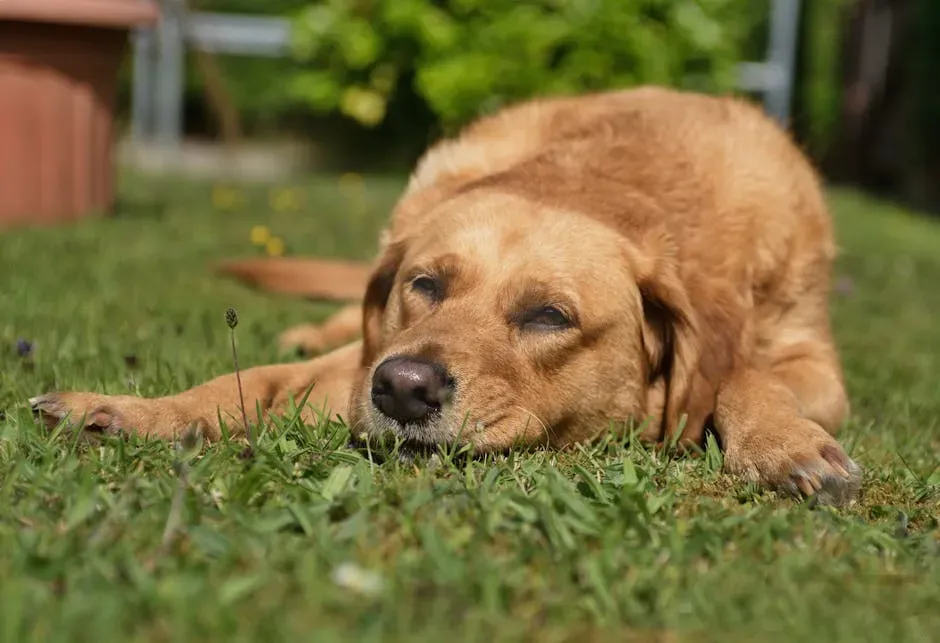
Dogs do not just sigh when they are calm or bored; they also sigh as they come down from a wave of emotion, whether that emotion was fun or stressful. After a burst of zoomies, a training session, a vet visit, or hearing the doorbell ring ten times thanks to delivery drivers, you might notice your dog settle down and exhale deeply. That sigh can function like a reset button, helping their body switch from a high-arousal state back to something more balanced.
In those moments, you may see them lick their lips, yawn, or shake off, then lie down and sigh. These are all little signs that their nervous system is trying to regulate itself. It is not a sign you have ruined their day; it is more like their brain saying, “That was a lot, let me just decompress.” Paying attention to this kind of sigh can actually tell you that your dog has had enough stimulation for now and might need rest instead of more excitement.
The Health-Check Sigh: When That Deep Breath Might Signal Discomfort
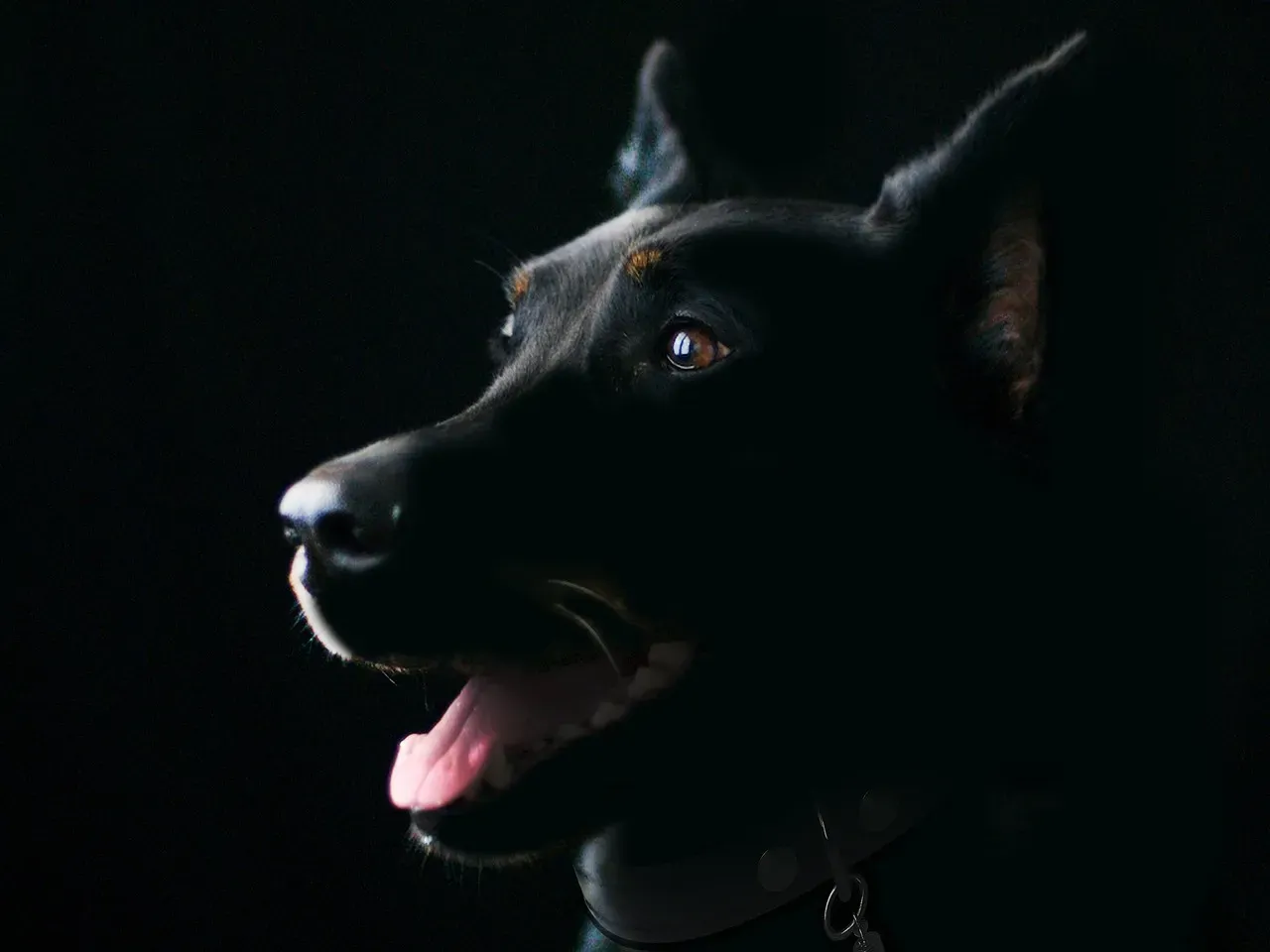
Most sighs are harmless and emotionally driven, but sometimes repeated or strained sighing can hint at physical discomfort or a breathing issue. If your dog is sighing a lot while also seeming restless, changing positions frequently, panting when it is not hot, coughing, or showing any sign of difficulty catching their breath, it is worth paying closer attention. In some cases, underlying problems like pain, heart or lung issues, or even simple joint discomfort can change how relaxed breathing sounds.
Context is everything here. A dog who sighs a few times while snoozing next to you is likely just fine. A dog who is sighing, seems uneasy, and cannot quite relax or keeps getting up and moving around may be trying to tell you something is off. When in doubt, trust your gut and talk to your vet; it is always better to investigate early than to write off a potential warning sign as “just a cute noise.”
Reading the Whole Picture: Body Language Is Your Decoder Ring
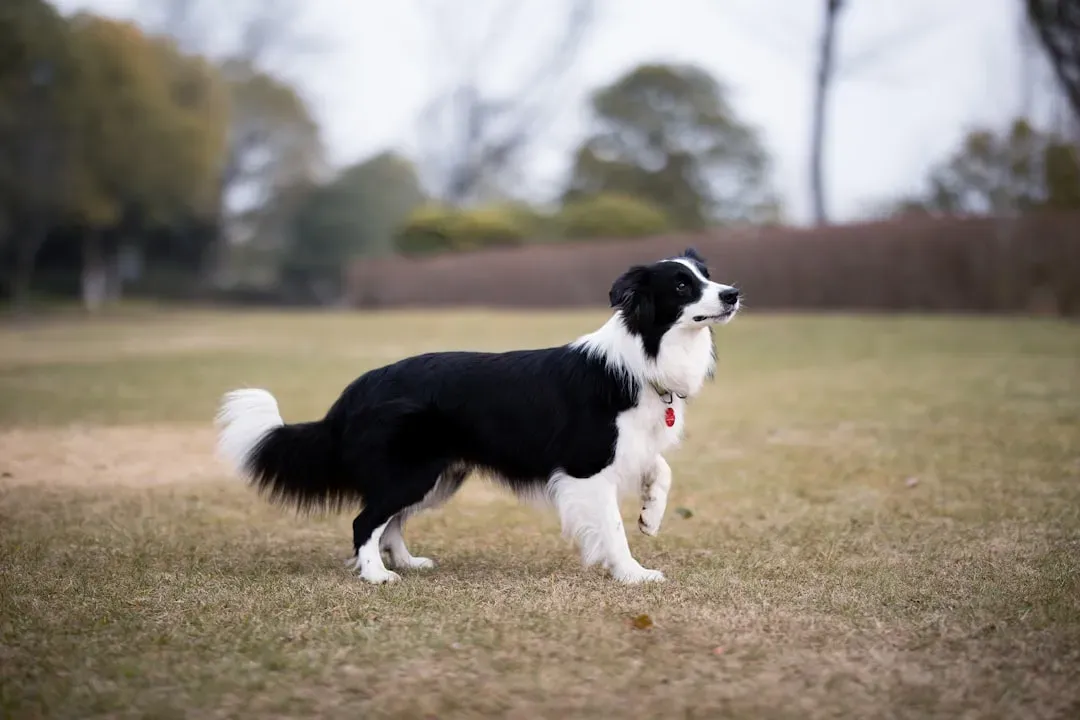
The biggest mistake people make is trying to interpret a dog’s sigh in isolation, as if the sound alone carries all the meaning. Dogs communicate with their entire body, so the real story lives in the combination of posture, facial expression, tail position, and what was happening right before they made that sound. A relaxed dog with a soft jaw, floppy ears, and a loose tail is telling a very different story than a dog with tight muscles, wide eyes, and ears pinned back.
Think of the sigh as the soundtrack, not the whole movie. Ask yourself: Were you playing and then stopped? Did something stressful just happen? Is your dog snuggled into you like a living weighted blanket, or lying a bit stiff and staring at the doorway? When you train yourself to check in with the whole scene instead of just the audio clip, you start to understand your dog’s emotional life in a much deeper, more accurate way.
Strengthening Your Bond: How You Respond to That Sigh Matters
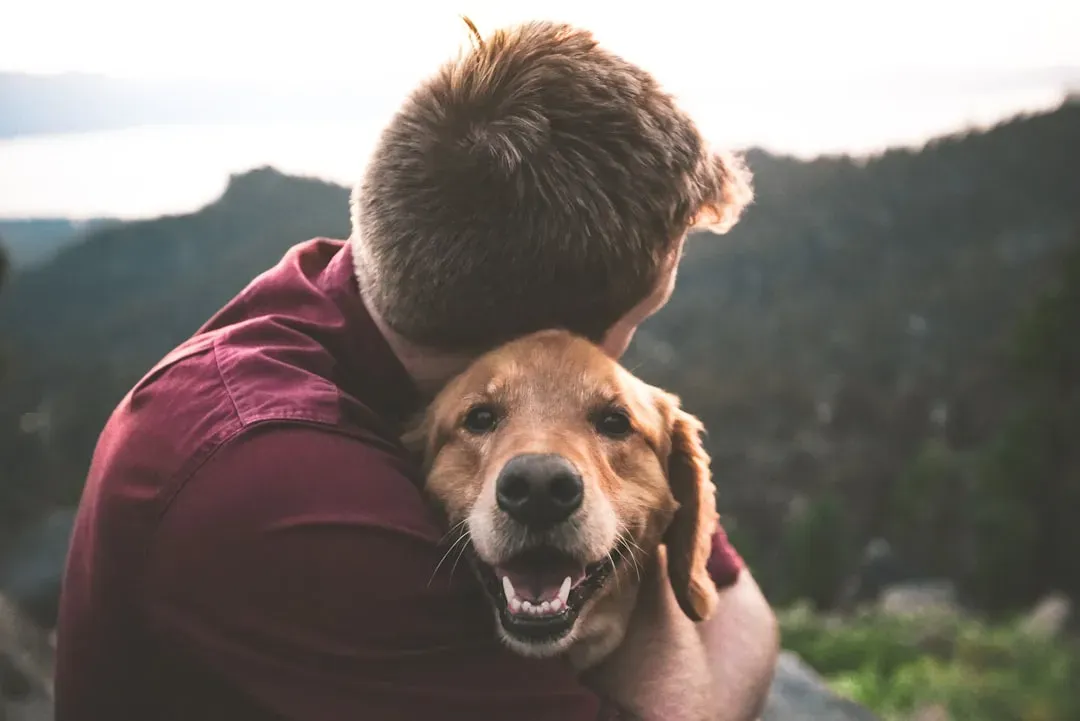
Here is the part a lot of people overlook: what you do after your dog sighs can shape how safe and understood they feel in your home. If the sigh is clearly a content one, honestly, you do not have to do anything – sometimes the kindest response is to just be there, maybe rest a hand lightly on their fur and share the moment of peace. That quiet, shared exhale can become part of your relationship’s emotional glue.
But if the sigh seems more like frustration or a gentle request, you can acknowledge it without jumping every time. Maybe you cannot play right now, but you can make eye contact, say something in a warm tone, and give a head scratch or promise playtime in a few minutes – and then actually follow through. Over time, your dog learns that their attempts to communicate do not vanish into a void, and that builds trust in a very real way.
Normal Sigh or Red Flag? Knowing When to Just Smile and When to Act
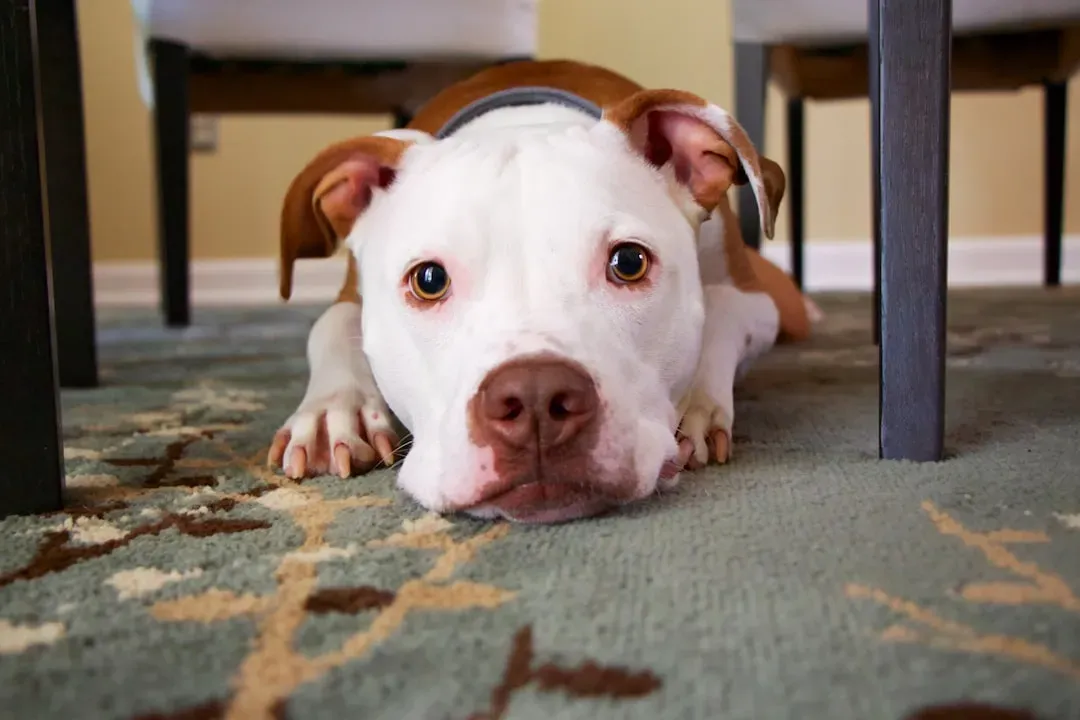
It is easy to swing to extremes: either worrying about every tiny sound your dog makes or brushing off everything as “just dog stuff.” The truth sits in the middle. An occasional deep breath while relaxing, especially when paired with sleepy eyes and a relaxed body, is normal and even healthy. It is part of how dogs settle themselves, process their day, and enjoy the comfort of being close to you.
What deserves attention is change: a dog who suddenly starts sighing far more than usual, pairing those sighs with restlessness, whining, or other signs of discomfort, or breathing in a way that just does not seem like their normal pattern. In those cases, I am firmly in the camp of “do not wait and see for too long” – reach out to a vet and get a professional opinion. You know your dog better than anyone else; if something in your gut says this is different, that alone is worth listening to.
Conclusion: A Sigh Is Never “Just” a Sigh
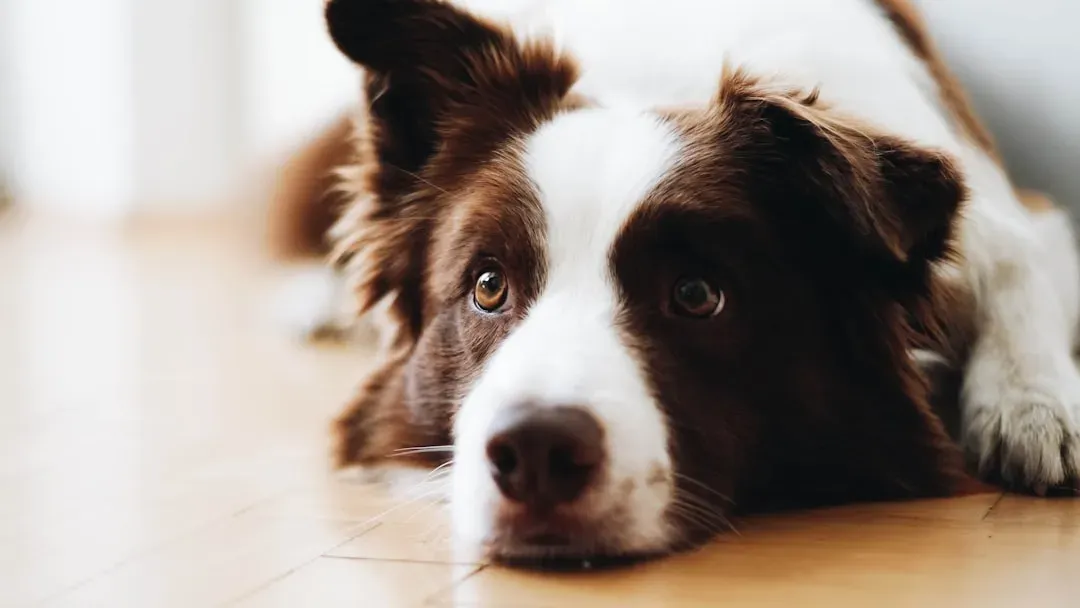
When your dog sighs while lying beside you, I think it is lazy and unfair to shrug and say they are simply bored. That sound is often a tiny emotional confession: sometimes it is deep comfort, sometimes gentle disappointment, sometimes a post-stress reset, and occasionally a quiet hint that something is not right. Dismissing it means missing out on one of the most intimate, subtle ways your dog lets you into their inner life.
If you start treating those sighs as conversation openers instead of background noise, your relationship with your dog changes. You notice patterns, you catch problems earlier, and you appreciate just how much is going on behind those eyes and under that fur. Next time your dog settles next to you, breathes out that long, dramatic exhale, and closes their eyes, ask yourself: is this just air, or is this trust you can hear?


