
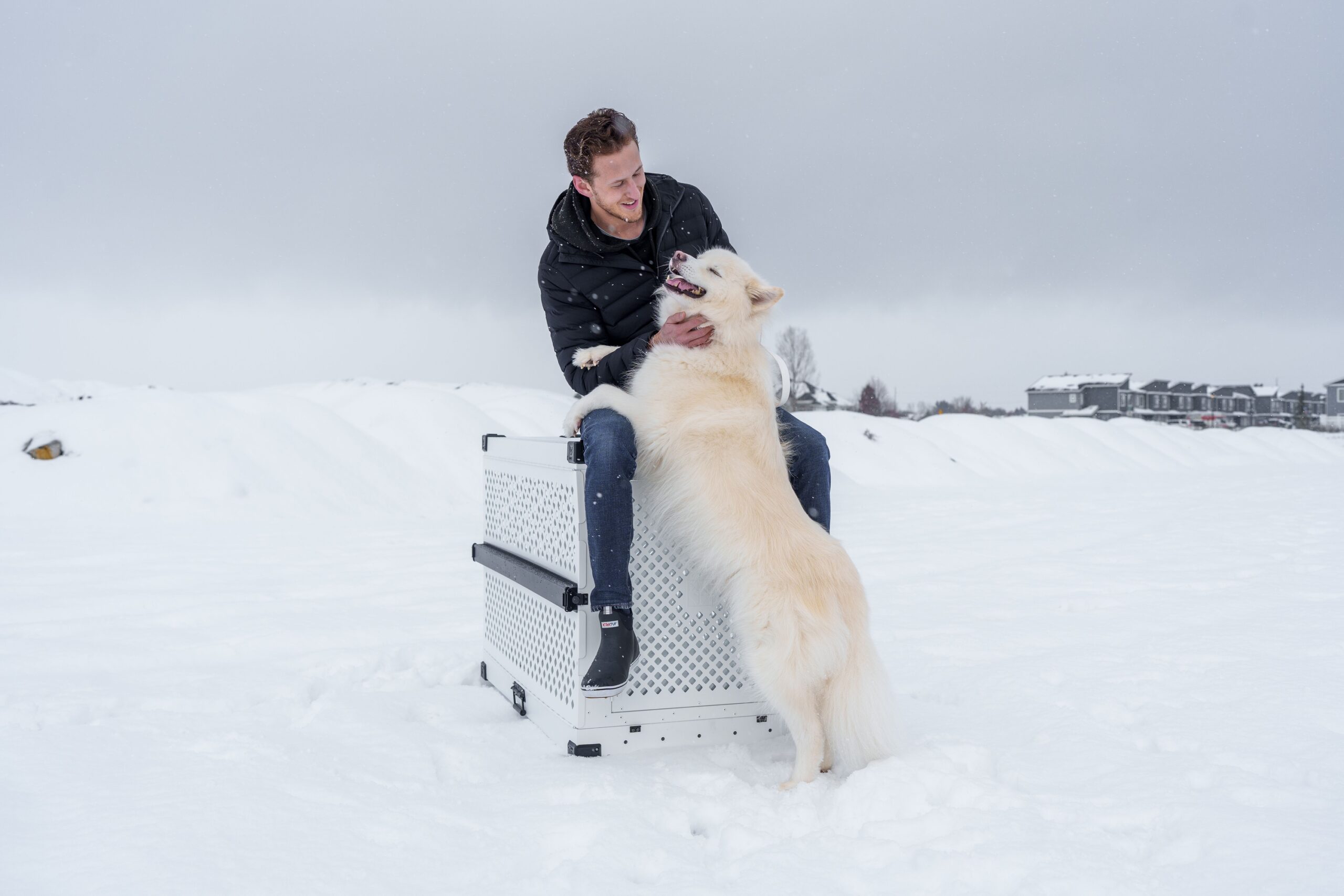
You know that split second of shock when you spot your dog proudly trotting over with your favorite shoe, the TV remote, or something suspiciously from the trash? Your heart jumps, your voice rises, and suddenly the whole house is paying attention. To you, it feels like pure chaos. To your dog, it might feel like the best game they’ve played all day.
Many dogs are not carefully plotting to ruin your stuff. Very often, they’re experimenting, exploring, and, most of all, reacting to what you do next. That big, dramatic response you give? For a bored or attention-hungry dog, it can be a jackpot. Once you see it through their eyes, the whole situation looks very different – and a lot more fixable.
That “Naughty” moment is often curiosity and natural dog behavior
Before we label a dog as mischievous, it helps to remember that most of what annoys us is completely normal dog behavior. Grabbing objects, mouthing things, carrying items around, and exploring with their nose and teeth are all part of how dogs understand the world. A sock on the floor, for a dog, is like a mysterious new gadget you just unboxed.
When dogs live in human homes, they don’t automatically know the difference between “for me” and “for humans only.” That distinction is something they learn over time from our reactions, our routines, and how consistently we protect certain items. If we leave things within easy reach and then explode with emotion when they get grabbed, we create a very intense, confusing learning environment for them.
Your big reaction can turn it into the best game ever
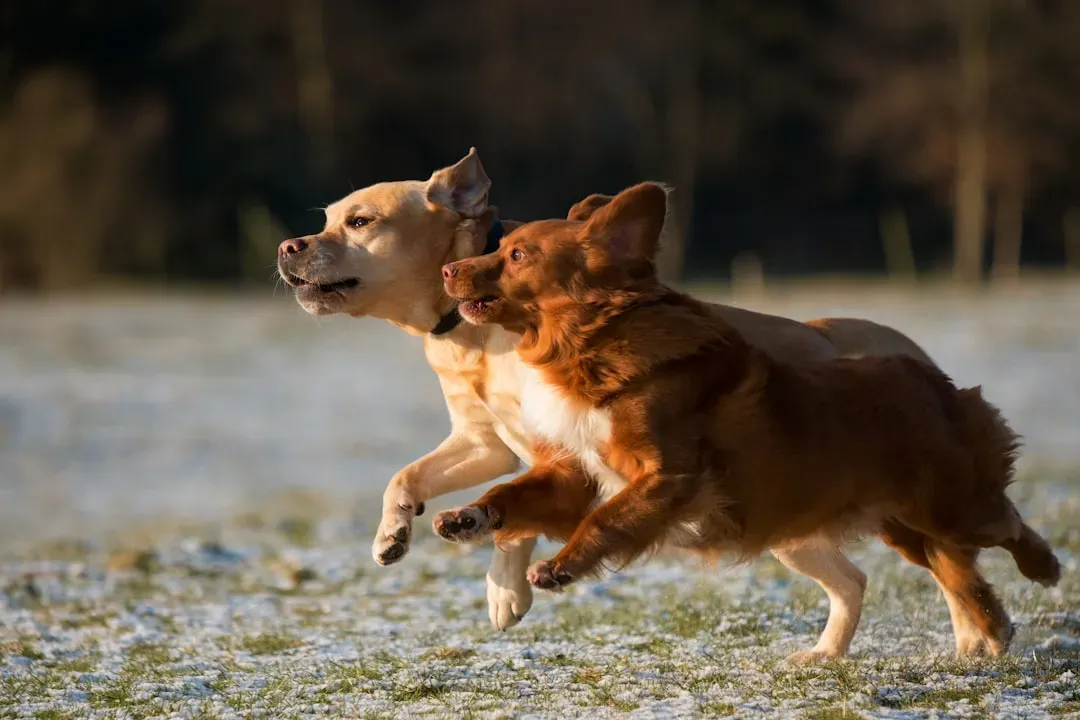
Picture it from your dog’s perspective: they pick up a slipper, and suddenly you stand up, your voice changes, you move quickly, and sometimes you even chase them. To a dog who’s been lying around all afternoon, that burst of energy might feel exciting rather than scolding. It can feel like an instant, high-intensity game of chase or tug.
Over time, some dogs learn that “steal a thing, get a human show” is a reliable way to create action. It is not that they understand the item is forbidden in a moral sense; they just know it gets you to respond strongly. If they are bored, under-stimulated, or craving connection, your dramatic reaction can accidentally become the reward that keeps the behavior going.
Attention is a powerful reinforcer – even if it’s annoyed attention
Dogs are social animals, and human interaction ranks very high in the list of things they care about. That includes petting and praise, but it can also include scolding, loud voices, or frustrated gestures. To some dogs, especially those that are very people-focused, almost any attention is better than being ignored.
This means that when you yell, grab, or lecture them after they pick something up, you may be feeding the very behavior you want to stop. It is like laughing at a child’s rude joke even while telling them it is inappropriate – the laugh is what sticks. The same thing can happen with a dog: the emotional energy in your response can feel rewarding, even if you think you are delivering a punishment.
Chasing and grabbing can feel like play, not discipline
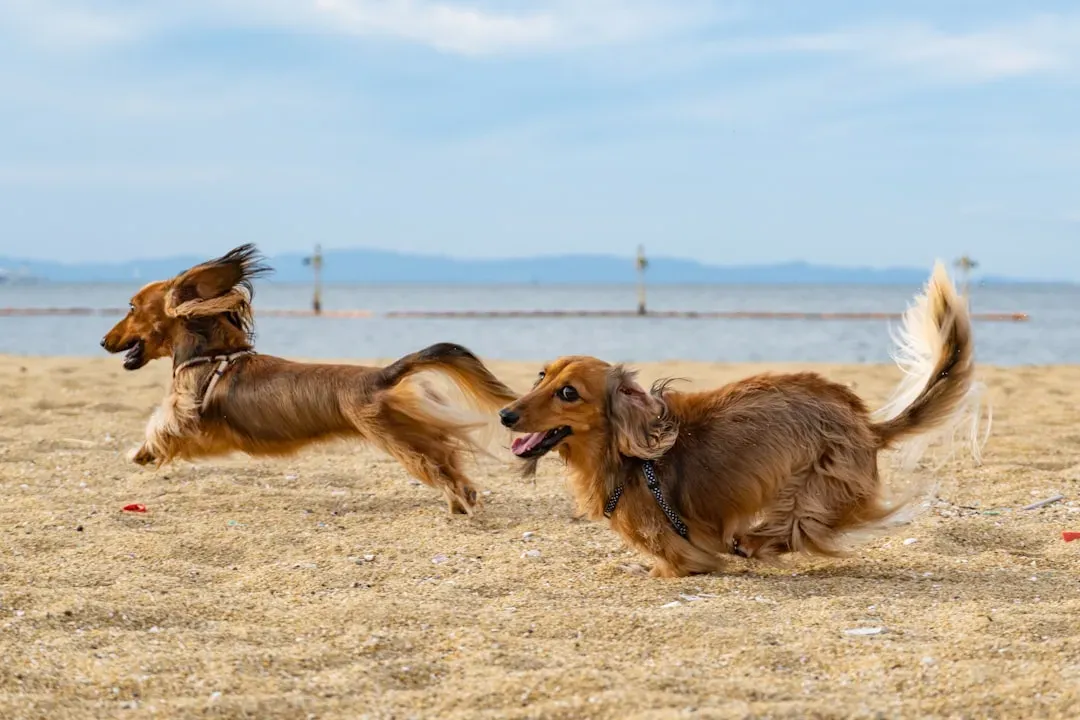
When you rush toward your dog to grab the object back, there is a good chance they will dart away, spin, or bounce around the room. Many dogs interpret that movement as an invitation to chase, especially if their tail is up and their body is already excited. Your intention may be to stop the behavior, but the body language you are showing often looks a lot like rough play in dog terms.
Once that chase pattern starts, it can become a habit on both sides. The dog learns “I run away with the thing, the human runs after me,” and you learn “I have to move faster next time.” It can escalate the stakes, increasing frustration for you and adrenaline for your dog. What started as a simple grab-and-go can turn into a full-on game your dog will happily repeat.
Calm, boring reactions can quietly deflate the drama
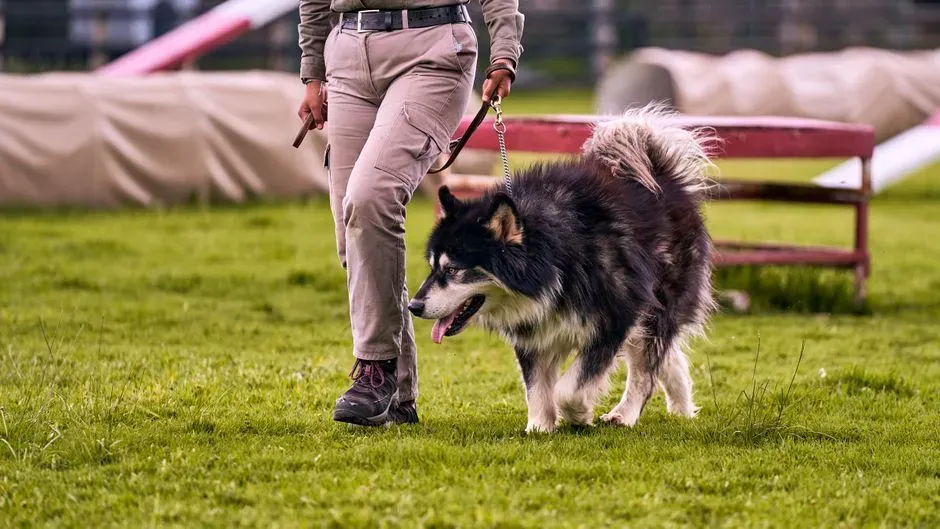
This is where your response really matters. If you stay calm, keep your voice level, and move slowly instead of lunging, you remove a lot of the excitement from the moment. For many dogs, this makes the whole “I brought you the shoe” routine far less interesting, and over time, less likely to be repeated just for fun.
Instead of shouting or chasing, you can call your dog to you, offer a high-value treat, and calmly ask them to drop the item. Once they do, you can quietly remove the forbidden object and replace it with something they are allowed to chew or carry. The idea is simple: the exciting part becomes cooperation and trading, not the theft itself.
Teaching a solid “trade” can turn crises into training wins
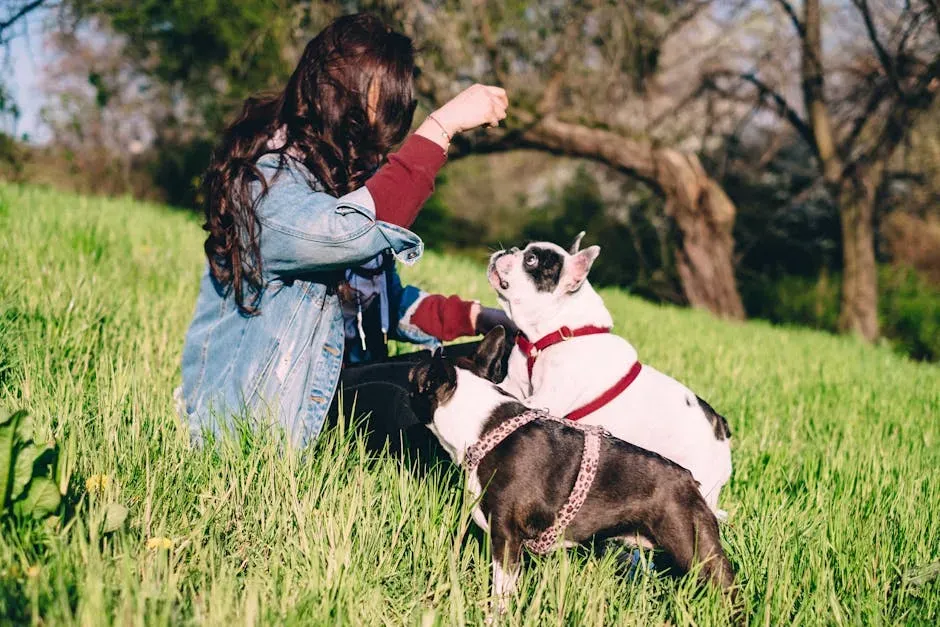
One of the most useful skills you can teach is a gentle trade: your dog gives you what they have, and you give them something even more rewarding. Practicing this with safe, low-value objects when everyone is relaxed builds a habit long before you need it in an emergency. Over time, the cue to “drop” or “give” can become a reliable safety tool instead of a frantic scramble.
When dogs learn that handing something over leads to something good, they are less likely to play keep-away. It also reduces tension and the risk of resource guarding, because your dog does not feel like you are always trying to take things away with no benefit to them. A calm trade teaches them that cooperation pays off, and it keeps you from turning every incident into an emotional battle.
Setting up the environment beats blaming your dog
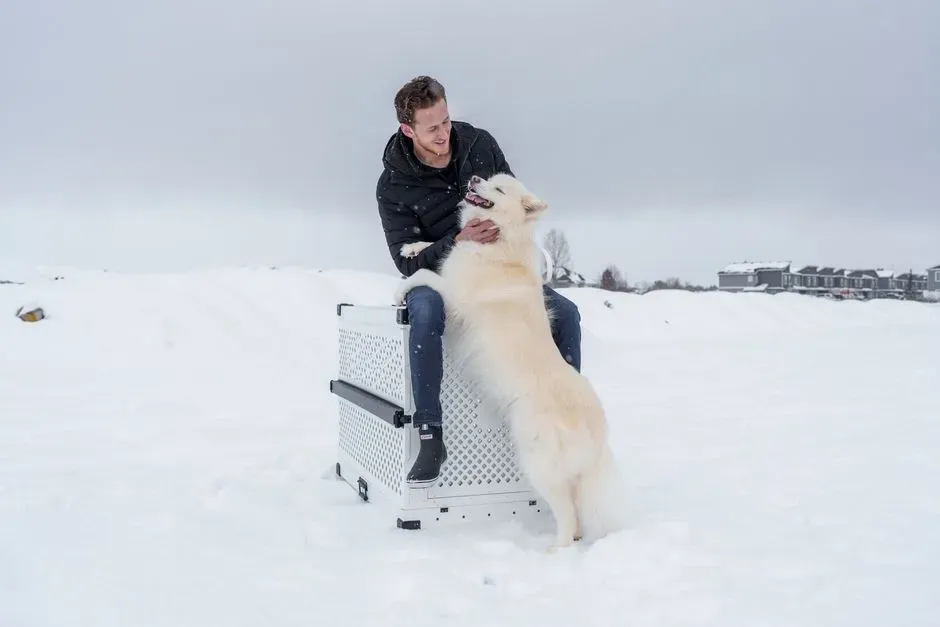
It is easy to feel like your dog “should know better” once they have lived with you for a while, but they still rely heavily on what is available to them. If tempting, unsafe, or fragile items are scattered within easy reach, a curious dog will almost certainly investigate. That is not disrespect – it is just opportunity meeting instinct.
A better approach is to manage the environment as if you were living with a very curious toddler. Keep laundry contained, trash secured, and especially precious objects out of reach. Pair that with plenty of legal outlets – chews, toys, puzzles, and playtime – and the urge to grab random household items usually drops dramatically, because your dog’s needs are being met in easier, more satisfying ways.
Conclusion: Your reaction can shape the story more than the “bad” object
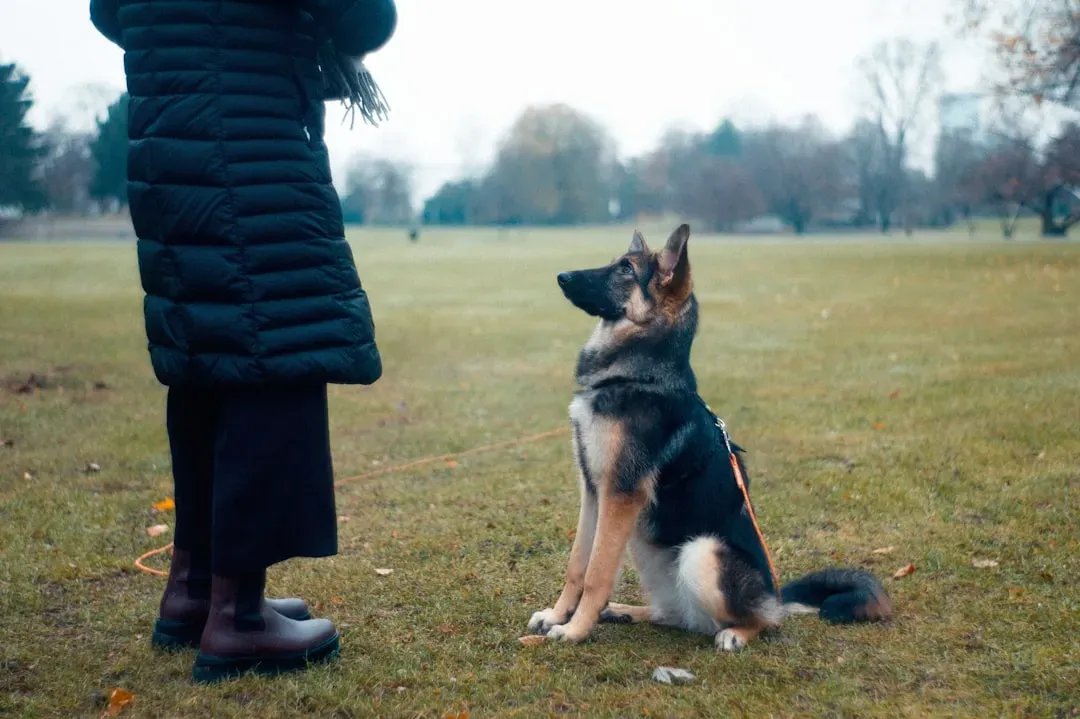
Here is the uncomfortable truth I had to learn with my own dog: most of the chaos around stolen socks and chewed-up remotes was not just about my dog making bad choices. It was about me accidentally turning those moments into dramatic, high-energy events. Once I dialed down the emotion, managed the environment better, and taught a calm trade, the “naughty” episodes almost disappeared.
So when your dog proudly parades in with something they definitely should not have, it is worth pausing before you explode. Ask yourself what they might be getting from your reaction, and whether you can turn that moment into a quiet training opportunity instead of a showdown. In the end, your dog is not plotting revenge; they are navigating a human world with a dog brain, and your response is a huge part of the lesson they learn. The next time it happens, will you play the old game – or write a better script together?


