
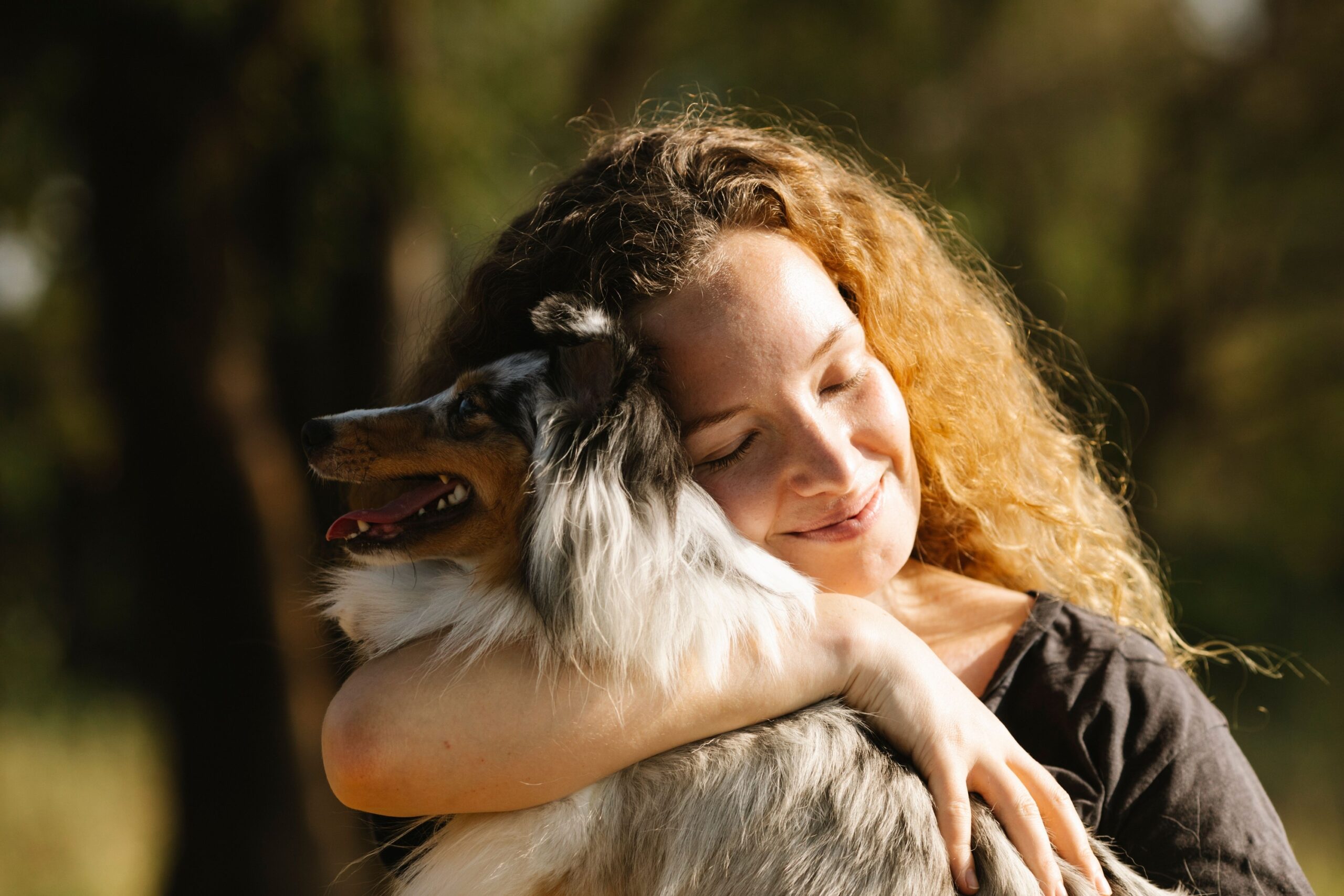
You wrap your arms around your dog, bury your face in their fur… and they turn their head away. For a split second, it stings. Are they annoyed? Did you do something wrong? It feels weird when the animal you adore seems to brush you off like a teenager dodging a family photo.
But that seemingly “rude” little head turn is often the opposite of rejection. In dog language, it can be a polite, peacekeeping move, a quiet way of saying, “I love you, but this is a bit much for me right now.” Once you start seeing it that way, the whole interaction looks completely different – and honestly, a lot more beautiful.
That Head Turn Is Often a Calming Signal, Not a Snub
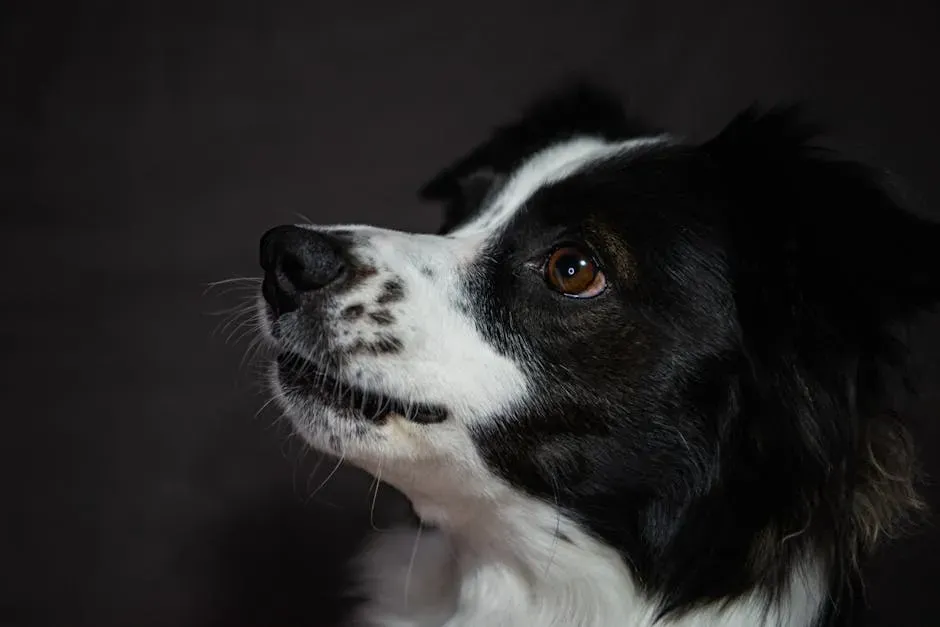
One of the most surprising things many dog owners learn is that turning the head away can be a classic canine calming signal. Dogs often use subtle body language to diffuse tension or show they’re not a threat, and a head turn is one of their gentlest tools. When your dog looks away while you’re hugging them, they might be saying, “I’m trying to keep this friendly and safe.”
Think of it like a human averting their eyes in a crowded elevator – not because they dislike everyone, but because direct eye contact would feel intense. Your dog may actually be trying to cooperate with you emotionally, just using the language they know. Once you realize that, their “rejection” starts to look a lot more like kindness.
Why Human Hugs Can Feel Overwhelming to Dogs
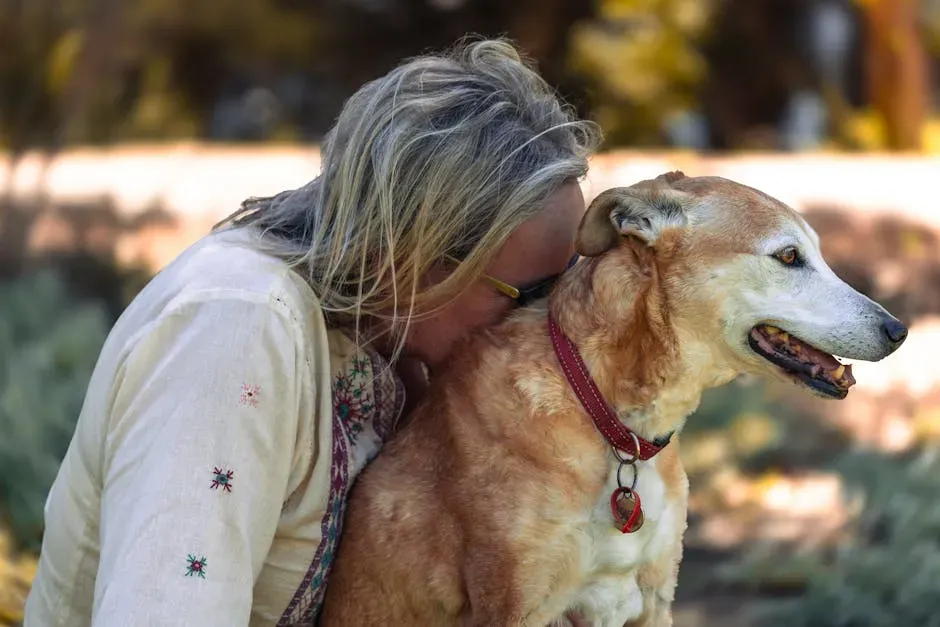
Here’s the hard truth: many dogs don’t naturally experience hugs the way humans do. We see wrapping arms around someone as warmth and affection; dogs can feel it as restraint. Having weight over their shoulders, faces close, and bodies pressed together can trigger a sense of being trapped, especially for sensitive or cautious pups.
Imagine if a friend greeted you by pinning your arms to your sides every single time. Even if you trusted them, a part of your brain would be on high alert. That doesn’t mean your dog dislikes you – it just means their nervous system is wired differently. Turning the head away during a hug may be their way of coping with a type of affection that is a bit too human for their comfort.
Reading the Rest of the Body: It’s Not Just About the Head
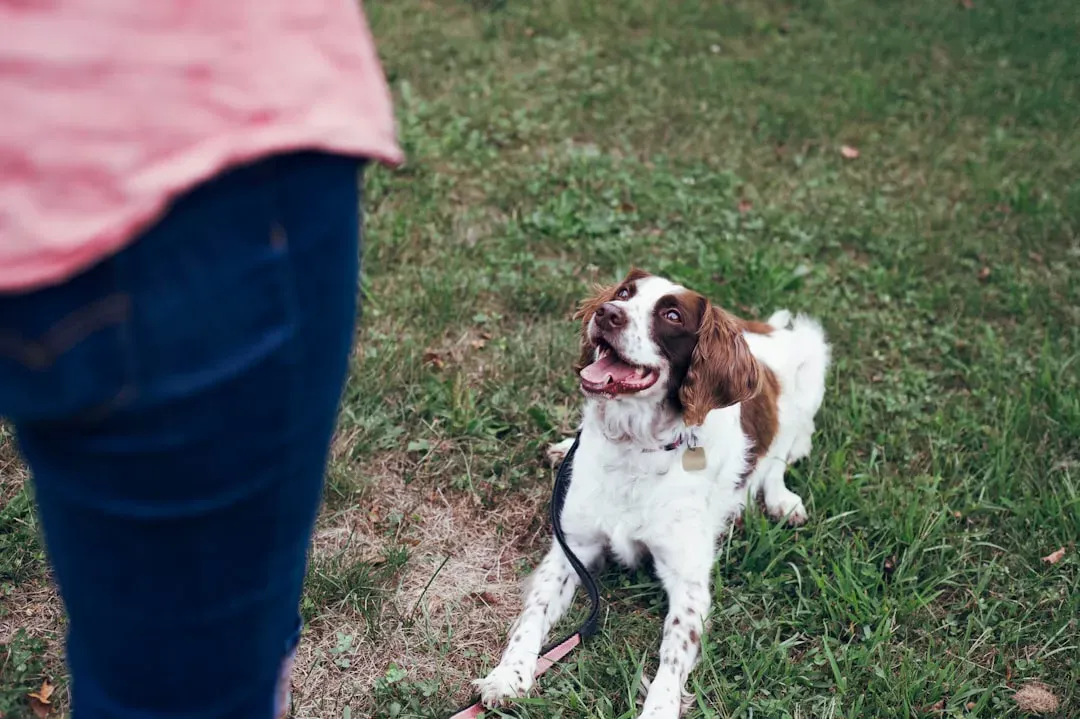
The head turn alone doesn’t tell the whole story; the rest of your dog’s body is like the subtitles. If their ears are slightly back, mouth closed, body a bit stiff, and tail low or still, the head turn is probably part of a bigger “this is uncomfortable” message. You might also notice lip licking, yawning, or a little side-step away – classic signs that your dog is politely asking for space.
On the other hand, if they turn their head slightly but their body is loose, tail softly wagging, and they quickly come back for more contact on their own terms, they might just be managing excitement or sensory overload. Context matters. The more you zoom out and read the full picture, the better you’ll understand what that tiny head movement really means.
Stress, Conflict, and the Polite Dog Dilemma
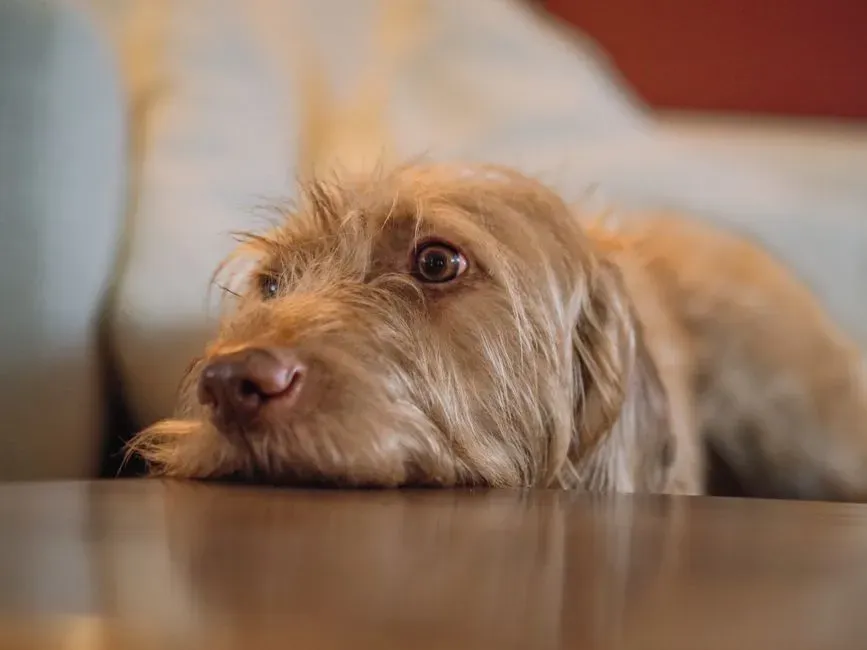
Plenty of dogs are what you might call “polite people pleasers.” They’ll tolerate things they don’t truly enjoy because they adore you and want to keep the peace. A dog who stands still while being hugged but turns their head away, freezes slightly, or blinks rapidly could be in a state of mild stress or social conflict – torn between wanting to be close and wanting the pressure to stop.
This is where it gets emotional for a lot of owners. Realizing your dog has been quietly enduring affection they do not fully enjoy can feel a bit heartbreaking. But it is also a powerful turning point: once you see the signs, you can start interacting in ways that make them feel good, not just ways that make you feel loved.
Affection They Usually Prefer Over Tight Hugs
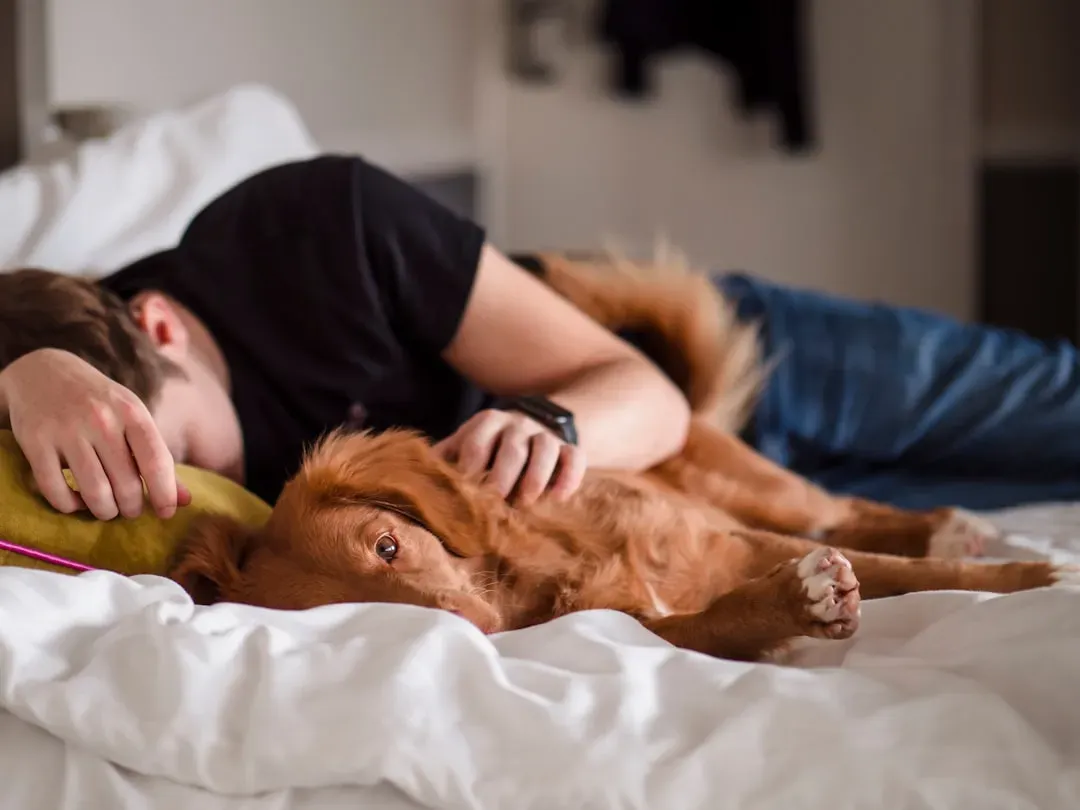
The encouraging news is that most dogs are not anti-affection – they just prefer dog-friendly versions of it. Many enjoy gentle chest rubs, soft scratching behind the ears, side-body strokes, or simply leaning against you on the couch. Some dogs would pick lying at your feet while you work over being squeezed any day of the week.
Pay attention to what your dog actively seeks out. Do they nudge your hand to ask for more petting in a certain spot? Do they choose to snuggle up next to your leg or flop their head in your lap on their own? Those behaviors tell you what feels safe and comforting to them. When you meet them where they are, affection becomes a shared language rather than a one-sided human habit.
How to Test Whether Your Dog Actually Likes Hugs

If you really want to know how your dog feels, try giving them a choice. Instead of swooping in for a full wraparound hug, sit or kneel down and open your arms slightly. Let them come to you – or not. If they lean in, relax into your body, or choose to stay close on their own, they are more likely genuinely comfortable in that moment.
Then experiment gently. Hold them for a brief second, then release and see what they do. If they immediately move away, shake off, lick their lips, or avoid eye contact, that is valuable feedback. If they stay, ask for more, or seem loose and easy in their body, you might have one of the rare dogs who truly enjoys being hugged. The goal is not to force them into that category, but to honestly discover who they are.
Respecting Their Signals Can Deepen Your Bond
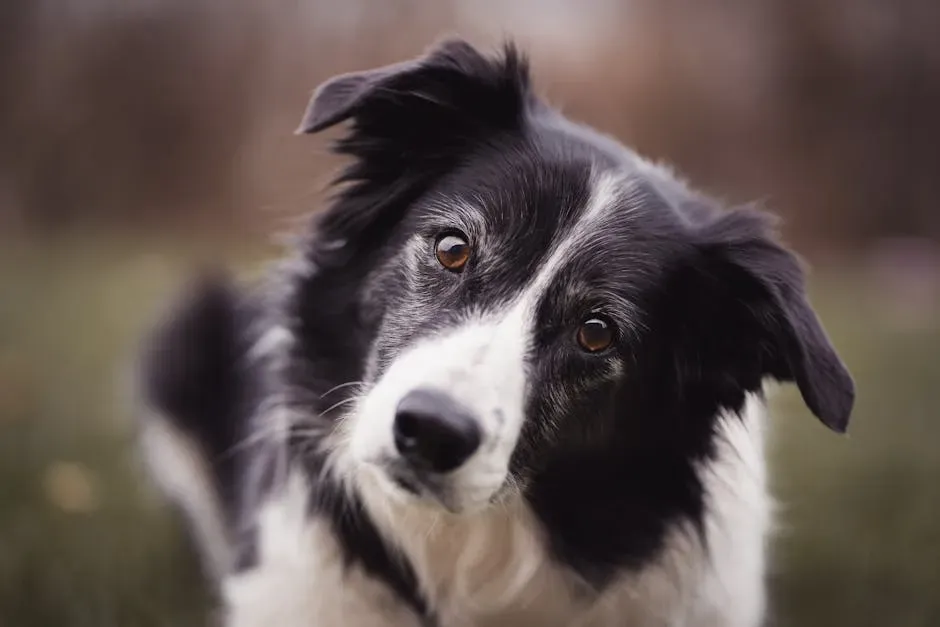
There is something incredibly intimate about listening to your dog’s no. When you notice that head turn and respond by softening your touch, loosening your arms, or switching to a type of affection they clearly enjoy, you’re telling them that their feelings matter. Over time, that builds trust in a way no number of forced cuddles ever could.
I still remember the first time I stopped mid-hug because a dog I loved turned her head, licked her lips, and gave me that quiet “please not like this” look. I let go, scratched her chest instead, and she melted into me with this huge sigh. In that moment, I realized our relationship wasn’t about me getting comfort my way – it was about us finding comfort together. When your dog turns their head away from your hug, they might not be rejecting you at all. They might be inviting you to learn their language a little better. And once you do, you may find that the connection you share is deeper, gentler, and far more real than you ever expected – doesn’t that change how you see that tiny head turn forever?


