
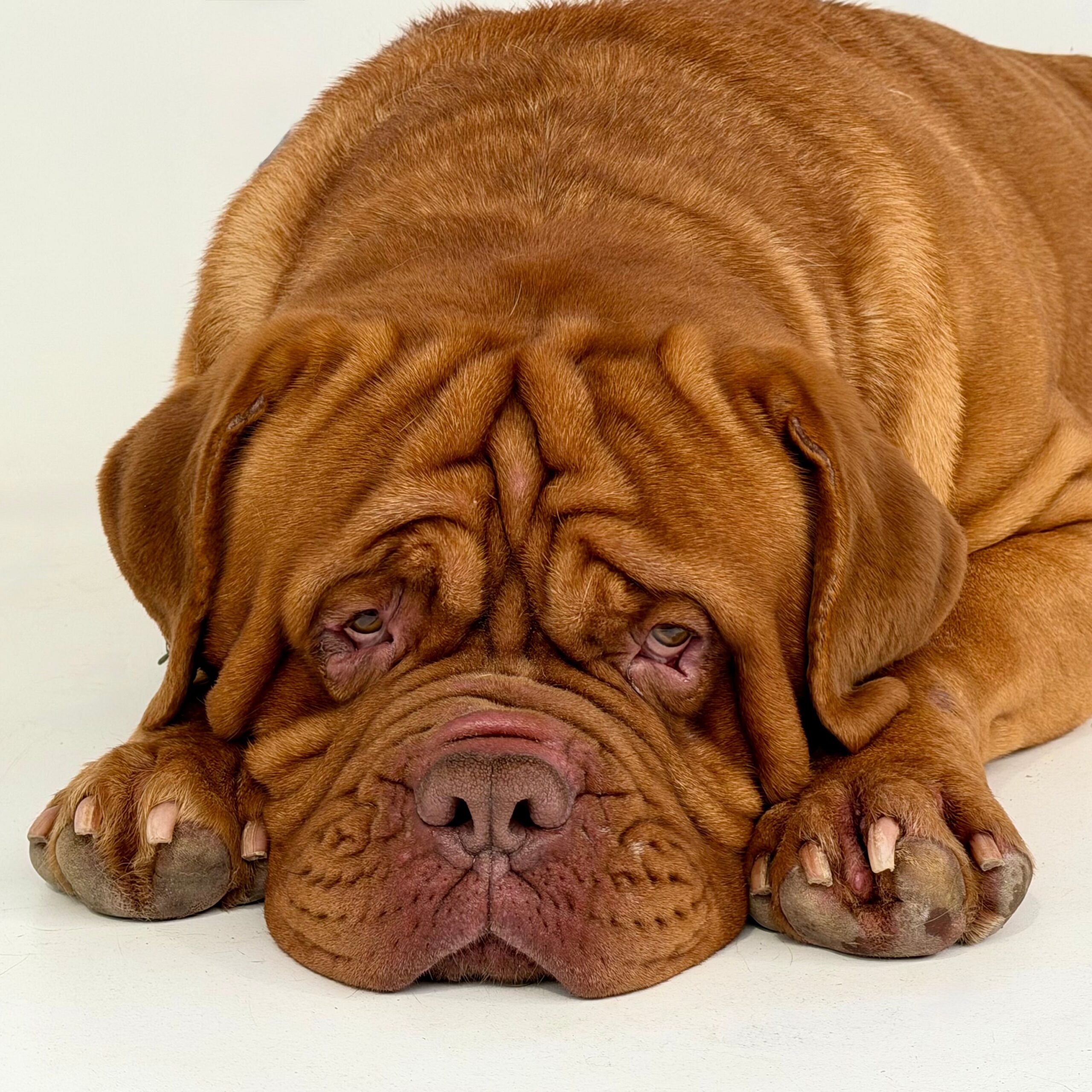
Most dog owners are convinced they’d know instantly if their dog was hurting. Vets hear that confidence every single day, right before they diagnose a problem that’s been quietly building for months. Dogs are wired by evolution to mask pain until it’s nearly unbearable, which means the “obvious” signs you’re waiting for almost never show up first.
What actually shows up looks nothing like pain. It looks like a personality quirk, a mood swing, or a random “off” day you shrug away in seconds. Here’s what vets say is really going on underneath those small changes, and why catching them early can quietly buy your dog years of comfortable life.
#1 – Suddenly Getting “Clingy” Or Velcro-Dog Mode
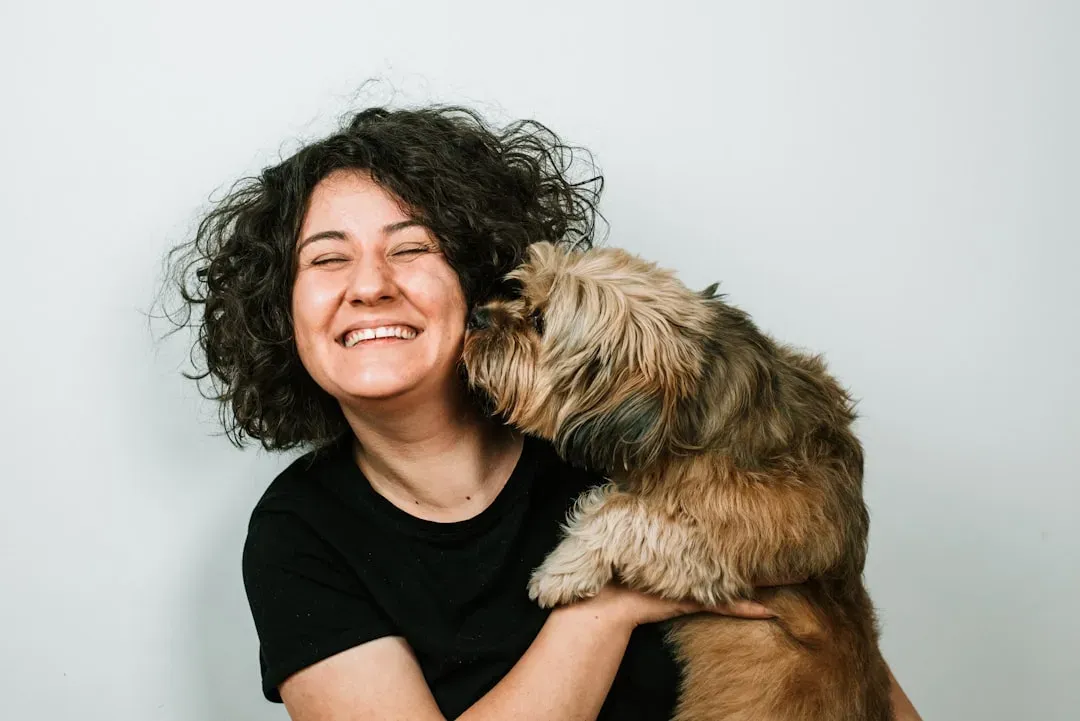
When a normally independent dog suddenly turns into your shadow, vets don’t call it sweet, they call it a signal. A lot of dogs go looking for safety the moment something feels wrong, and for most of them, you’re the safety.
Owners love to write this off as “extra affection,” but a real spike in clinginess rarely comes from nowhere. Vets see it constantly alongside early joint pain, GI upset, or urinary issues. If your dog is suddenly following you room to room, panicking when a door closes, or refusing to be left alone, it isn’t always separation anxiety developing overnight. It’s often a dog quietly saying, “Something’s wrong, and I want backup.”
#2 – Hiding Away In Corners Or Under Furniture
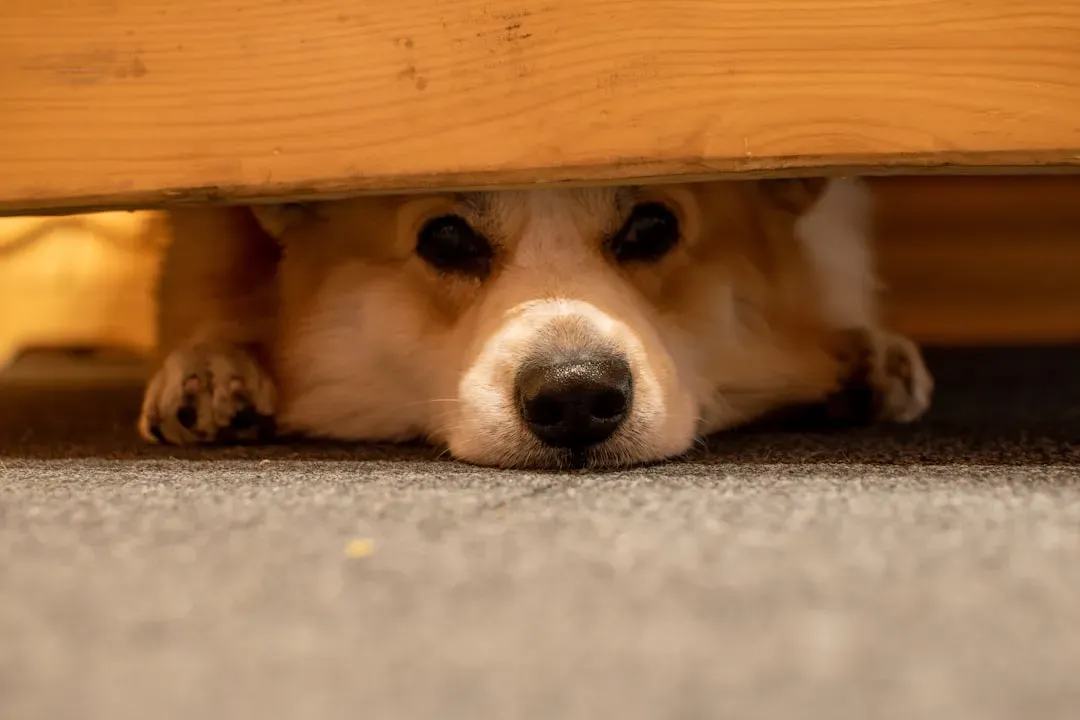
Here’s the twist: the opposite behavior can mean the exact same thing. When a social, people-loving dog suddenly starts choosing isolation, vets take that just as seriously as clinginess.
Dogs in pain often crawl under beds, disappear behind couches, or retreat to a quiet corner to escape touch, noise, and movement. Owners chalk it up to “getting moody” or “just getting older,” but pain and nausea genuinely make dogs crave stillness and darkness. If your dog used to greet you at the door and now stays curled up on the bed, that’s not a personality shift. That’s a body trying to protect itself.
Fast Facts
- Survival Instincts – In the wild, showing weakness made dogs and their ancestors vulnerable to predators. Hiding pain was a necessary survival mechanism that never fully switched off.
- Pet dogs still appear to act in a stoic manner, suppressing many of the more obvious signals of pain and injury to protect themselves and their social standing in their pack.
- As one veterinary resource puts it, it would be suicide in the wild for an injured wolf to whine or cry out, so they don’t.
- Many dogs will continue walking, running, or playing despite discomfort, especially when motivated by routine, excitement, or their bond with humans.
#3 – Sleeping “More”… But Not Resting Normally
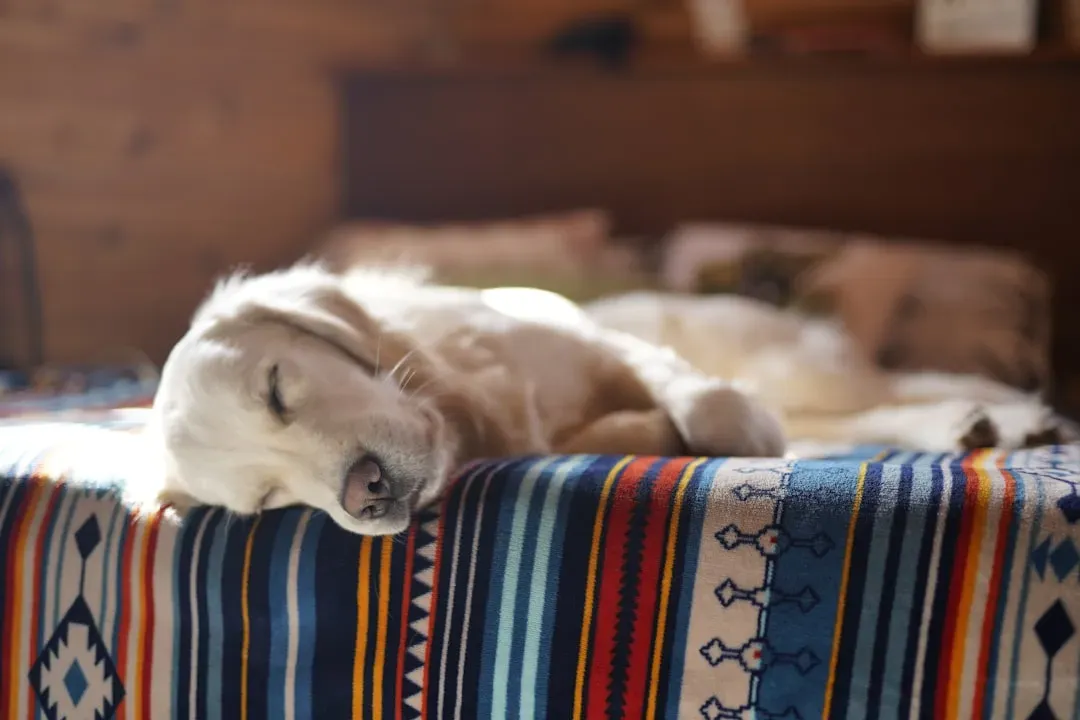
Everyone loves the excuse, “dogs sleep 12 to 14 hours a day, it’s totally normal.” Vets roll their eyes at that one, because normal sleep and coping sleep look completely different up close.
A dog who flops heavily, shifts positions constantly, sighs, or wakes at the smallest sound isn’t resting, they’re managing discomfort. Pain drains energy fast, so dogs quietly do less long before they ever whine or limp. Many people call this “slowing down with age,” but vets are blunt about it: age isn’t a diagnosis. Often it’s untreated arthritis, dental pain, or a chronic issue slowly stealing your dog’s spark.
#4 – Getting Irritable Or Snappy “Out Of Nowhere”
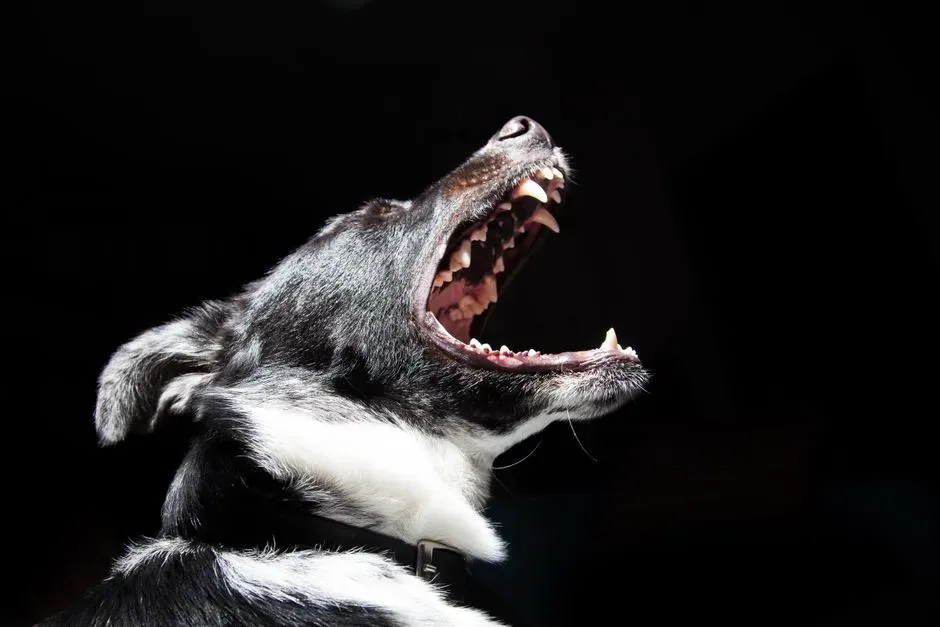
Most people label a sudden growl or snap as “bad behavior.” Vets see something else entirely: a dog protecting a body part that hurts, not a dog turning mean.
Watch for stiffening, growling, or air-snapping when someone touches the hips, spine, or tail, picks the dog up, or leans on them during grooming. Punishing that reaction only teaches the dog to hide the pain better and warn less next time. Vets see this constantly in older small breeds and large dogs with joint issues, and the message is almost always the same one: “That hurts, please stop.”
#5 – Subtle Limping, Stiffness, Or “Bunny Hopping”
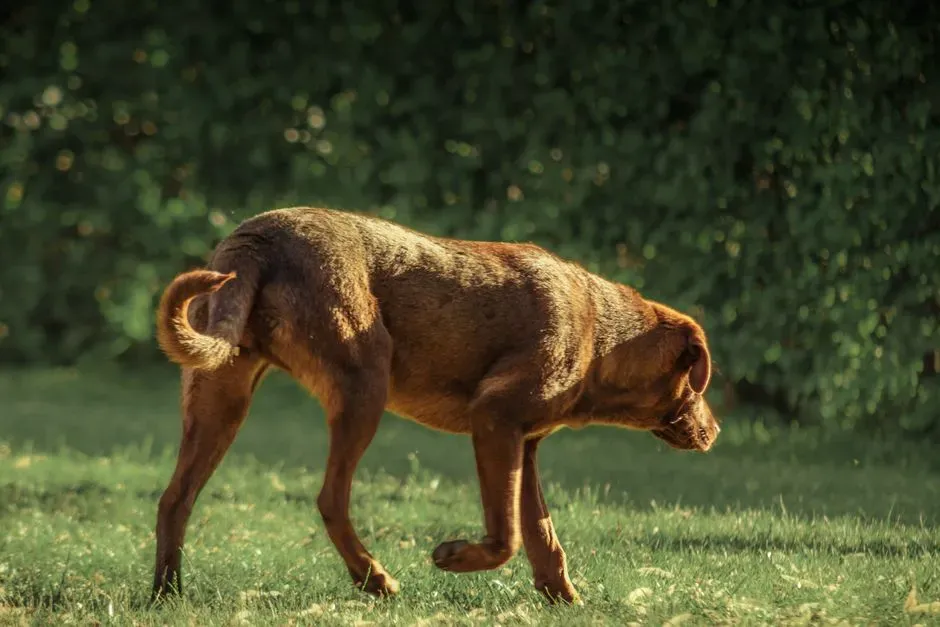
Most owners wait for a dramatic limp before they worry. Vets wish they wouldn’t, because the earliest gait changes are tiny: a shortened stride, hesitation at the top of the stairs, or the classic “bunny hop” where both back legs move together.
Watch for a dog struggling to jump into the car, pausing before stairs, sitting sideways instead of squarely, or moving stiffly right after a nap before “warming up.” By the time lameness is obvious, permanent joint damage may already be underway. Early weight management, joint support, or pain relief can genuinely add years of comfortable movement, which is exactly why vets say ignoring the little hitch is one of the costliest mistakes owners make.
#6 – Licking, Chewing, Or Staring At One Spot
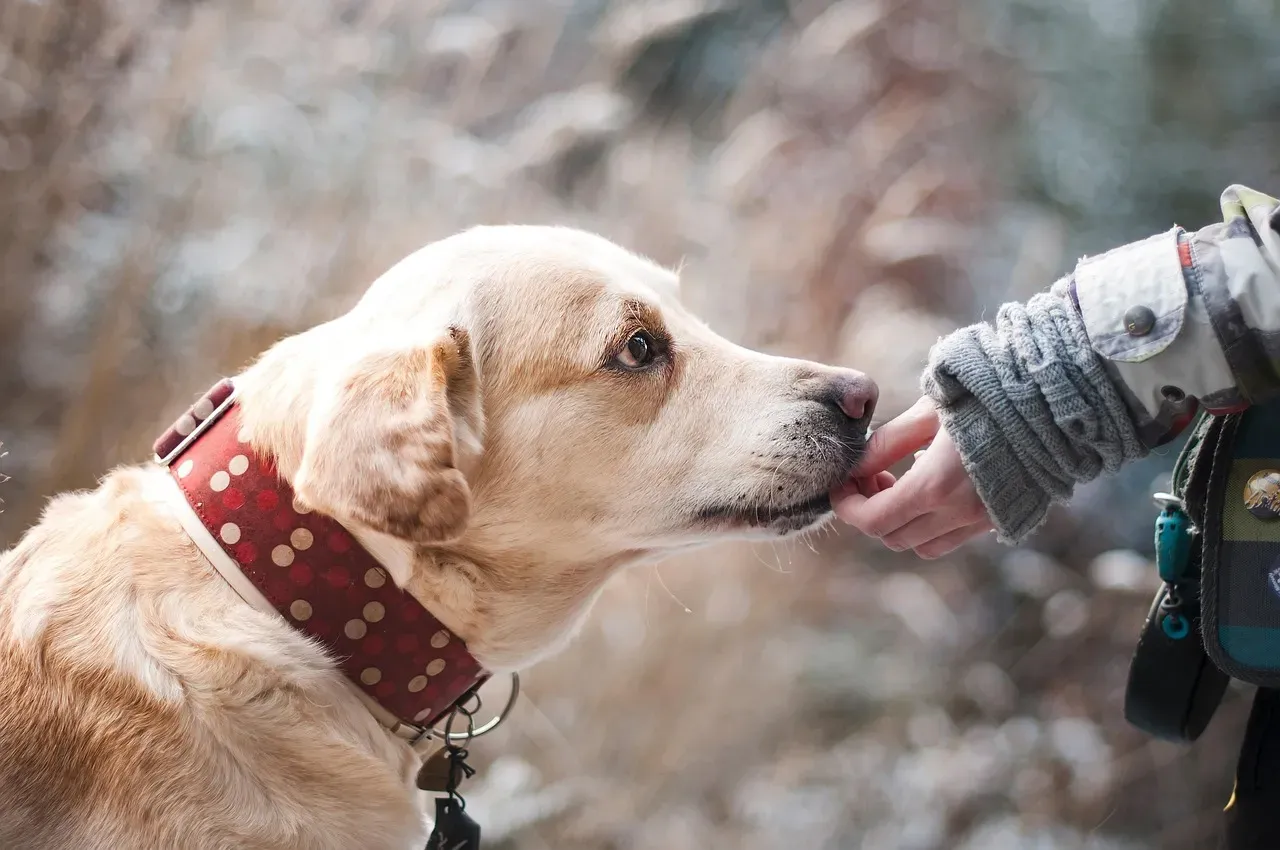
People joke about dogs “obsessively” licking their paws. Vets don’t laugh, they investigate, because repetitive licking, chewing, or even just staring at one body part is one of the clearest discomfort signals there is.
Look for constant paw licking that turns fur reddish-brown, chewing at the hips or back, or a dog that keeps returning its gaze to one joint or side of the body. The mistake most owners make is stopping at “probably allergies” and never digging further. Chronic licking can point to arthritis, cruciate injuries, back pain, or even referred pain from internal organs, so any spot your dog won’t leave alone deserves a vet’s eyes, not just a cone.
#7 – Changes In Eating Habits Without Losing All Appetite
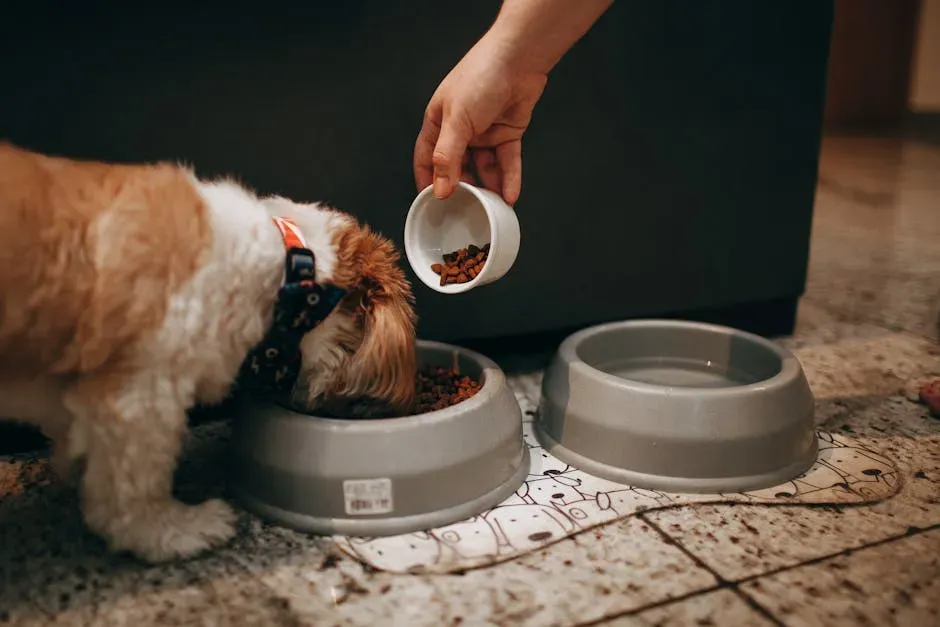
Most people assume pain means a dog stops eating entirely. Vets see the quieter version first, which is exactly why owners miss it: many uncomfortable dogs still eat, they just eat differently.
Watch for slower eating, dropped food, a sudden preference for soft food, or a dog that walks away mid-meal and comes back later. Dental pain is a sneaky culprit here, broken teeth, infected gums, and oral tumors can hurt badly, but dogs adapt instead of screaming about it. If your food-obsessed dog starts leaving crumbs behind, that’s not them “getting picky.” It’s often one of the earliest clues something internal isn’t right.
Quick Compare
| Normal Aging | Hidden Pain |
|---|---|
| Slows down gradually over years | Changes noticeably within weeks |
| Still greets you, just calmer | Avoids interaction or hides away |
| Eats a bit slower overall | Drops food, skips meals, or shifts to soft food |
| Naps more but wakes easily | Restless, paces, or pants while at rest |
#8 – Panting, Pacing, Or Restlessness When It’s Not Hot
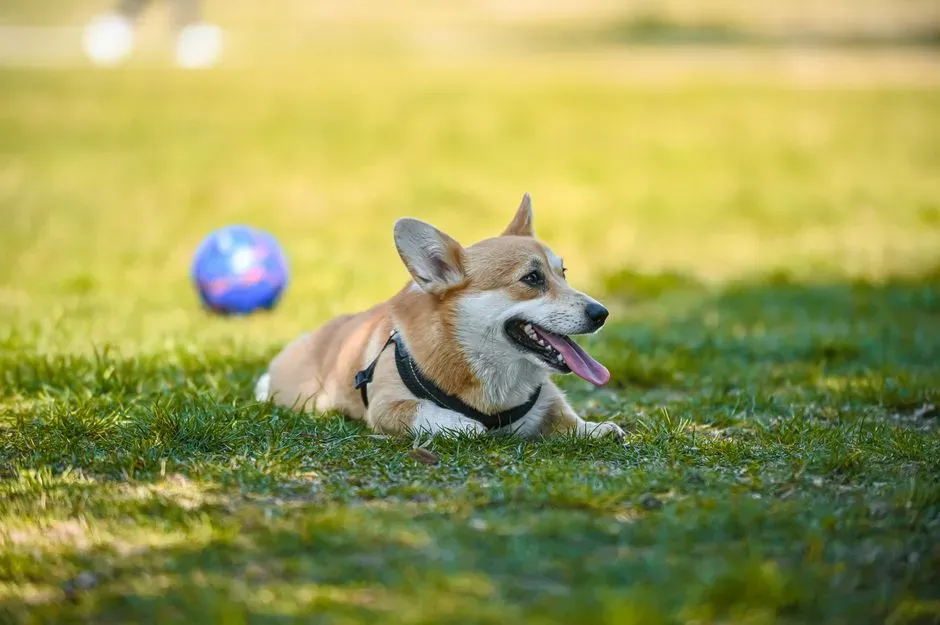
Panting isn’t only about heat, and vets remind people of this constantly because it still gets ignored. Panting at rest in a cool room can signal pain, anxiety, or even a serious heart or lung issue, and paired with pacing, it jumps to the top of the worry list.
Watch for a dog who paces at night and can’t settle, switches positions repeatedly, or seems noticeably more comfortable standing than lying down. Some dogs with abdominal or back pain avoid lying flat altogether, or stretch into a “praying position” to relieve pressure. If your dog seems like they simply can’t switch off for no clear reason, that’s not quirky behavior, it’s a reason to rule out pain before calling it personality.
#9 – Sudden House-Soiling Or “Accidents” In A Trained Dog
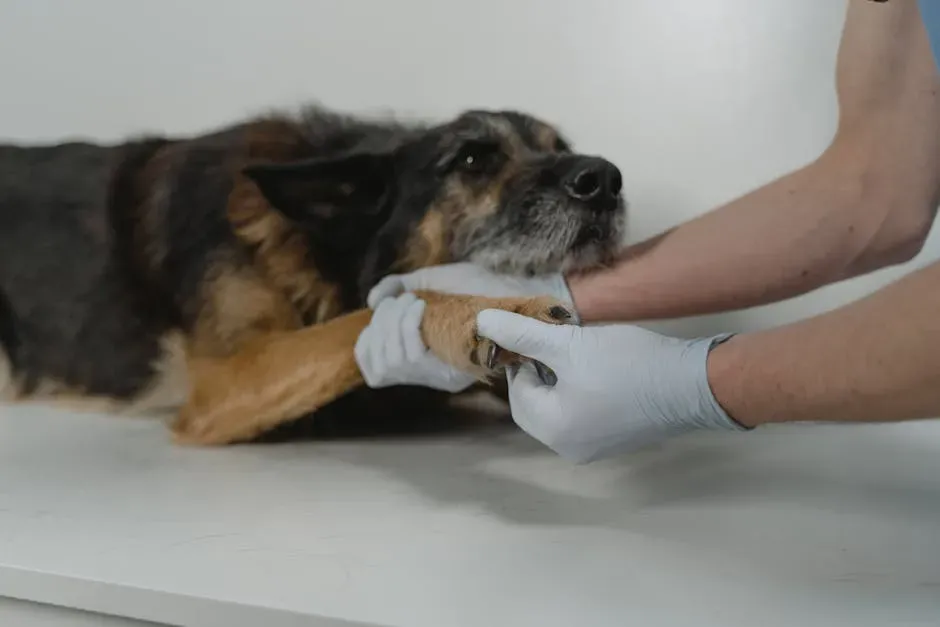
People assume accidents mean bad training or spite. Vets see it very differently: when a fully house-trained dog suddenly starts having accidents indoors, medical issues jump straight to the top of the list.
Arthritis, spinal pain, urinary tract infections, and bladder stones can all make it physically difficult to posture normally or hold it. Watch for a dog hesitating to squat, leaking urine while lying down, or straining repeatedly with little result. Punishing these accidents is one of the most unfair things an owner can do without realizing it, because vets repeatedly discover that “stubborn” older dogs are actually dogs in pain or dealing with a completely treatable urinary issue.
#10 – Avoiding The Stairs, Car, Or Favorite Activities
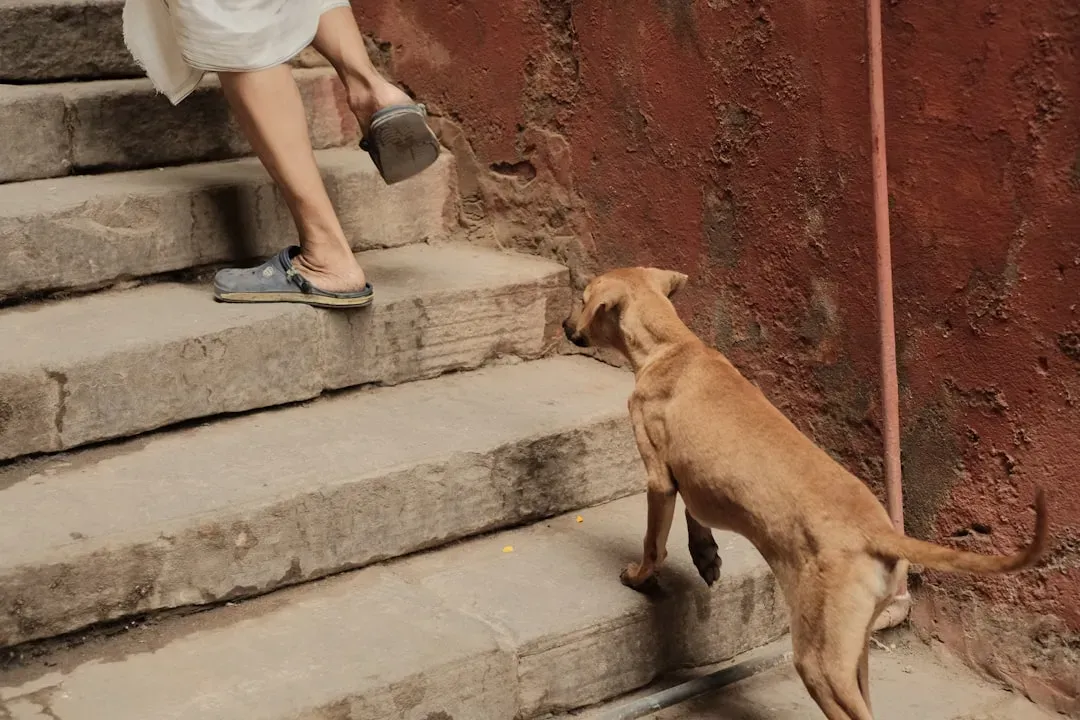
One of the saddest things vets hear is, “He just doesn’t like walks anymore.” Dogs don’t randomly abandon the things they love for no reason at all.
Watch for a dog stopping at the base of the stairs and staring, needing to be lifted into the car, falling behind on walks instead of leading the way, or suddenly saying no to fetch after years of obsession. Owners rationalize this as “getting lazy,” but vets push back hard, because dogs are wired for movement and curiosity. Opting out is a symptom until proven otherwise, and by the time the limp is obvious, you’ve likely missed months of quiet discomfort already.
#11 – Subtle Face Changes: Squinting, Furrowing, Or “Hard” Eyes
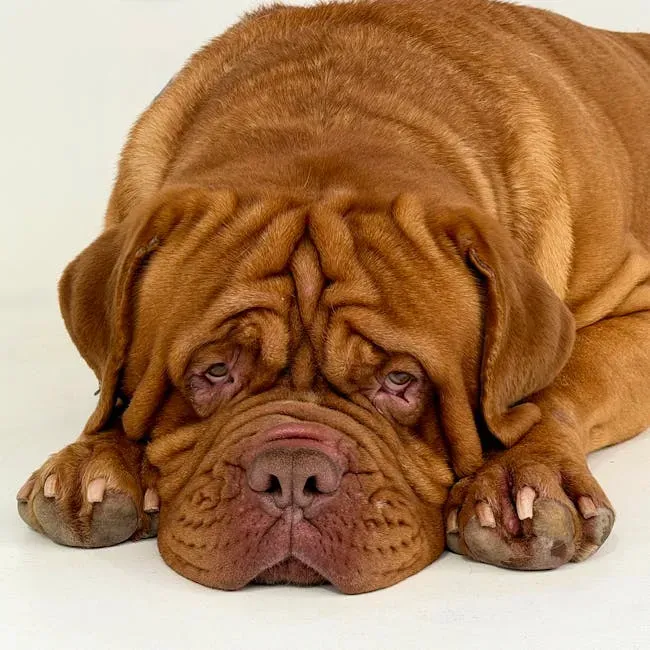
Pain can literally rewrite a dog’s expression, and most owners miss it entirely because they’re looking for drama instead of nuance. Vets are trained to spot what’s called a “pain face”: squinting, a furrowed brow, tight lips, pinned ears, or a tense, glazed look in the eyes.
Watch for one eye squinting more than the other, a constantly furrowed forehead, or ears held slightly back even at rest. These micro-expressions show up with everything from ear infections and dental pain to chronic arthritis. Owners call it “just his serious face,” but when that look is new or lingers, it’s often the closest thing to your dog saying, “my head is pounding.”
Worth Knowing
- The Glasgow Composite Measure Pain Scales for cats and for dogs come from the University of Glasgow in Scotland and have been validated for assessment of acute pain.
- Vets caution that the same facial pain indicators can be used in dogs but have not yet been validated by research the way they have in some other species.
- Researchers note that behavioral changes indicating pain may not be what we expect, and pain might not be recognized if the caregiver expects more active clinical signs.
- Facial pain scales generally track facial action units or specific muscular movements that change the position of the ears and whiskers, tighten the eyes, and open the nostrils.
#12 – Grooming Or Letting You Touch Less Than Usual
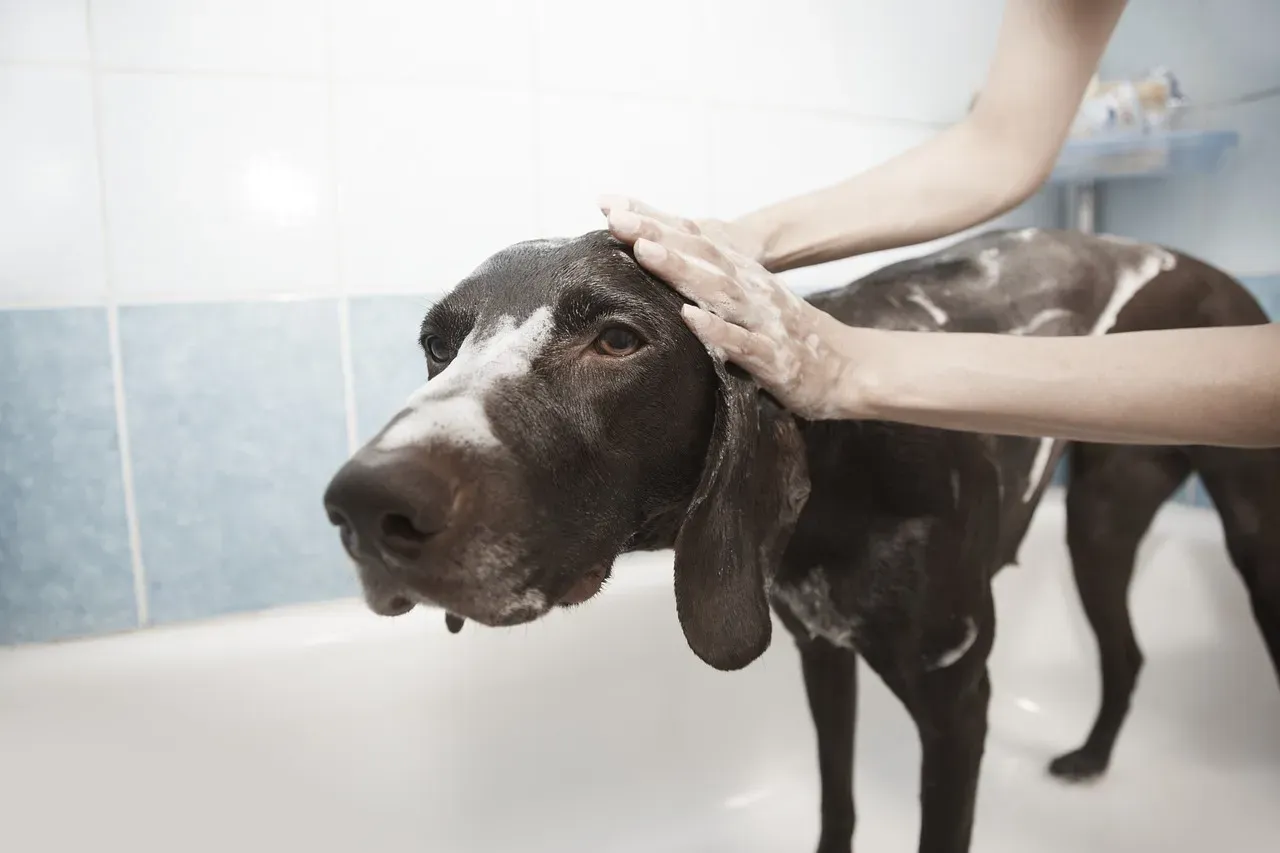
Touch tells its own story, and vets pay close attention when an owner says, “she used to love being brushed or picked up, and now she moves away.” A dog in discomfort will often seek touch differently, or avoid it entirely.
Watch for flinching when you reach toward certain areas, tolerating short petting before leaving sooner than usual, or refusing grooming they once loved, like nail trims or baths. Sometimes the grumpiness only shows up in specific moments, being lifted onto the couch, having a leash clipped near the neck, being towel-dried. None of that is random, and reduced tolerance for handling is one of the clearest invisible-pain clues vets wish more people took seriously.
#13 – Weird Postures: Hunched Back, Tucked Belly, Or “Praying” Pose
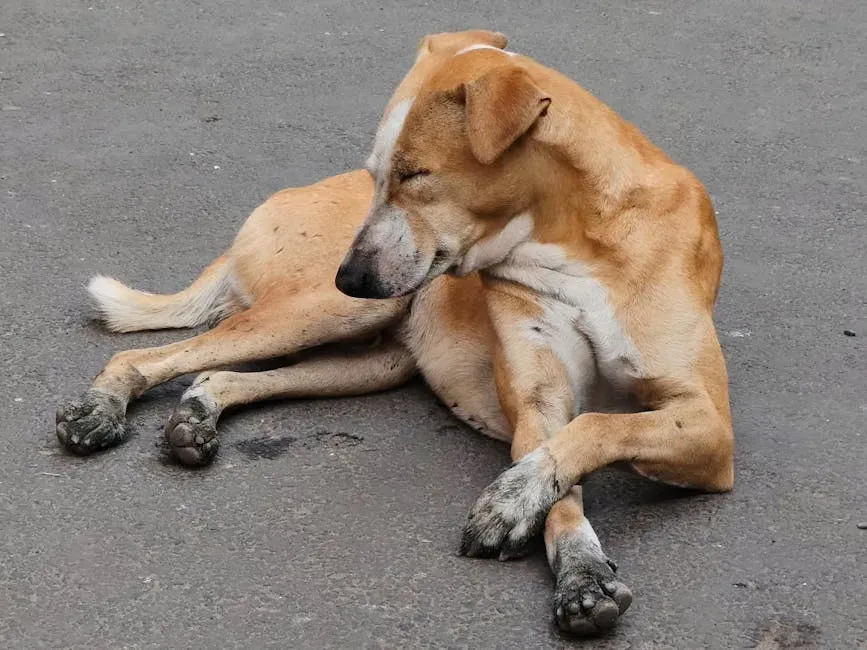
Posture is one of the biggest pain tells there is, and vets spot it instantly while most owners walk right past it. Dogs dealing with spinal, abdominal, or orthopedic pain often stand or lie in very specific, unnatural ways just to relieve pressure.
Watch for a hunched back with the head lowered, a tight and tucked-up belly, a tail clamped down even when nothing is scary, or a “praying position” held far longer than a normal stretch. Owners often say, “he just likes to stretch like that,” without realizing the dog may be trying to escape internal pressure or back pain. When a posture looks different and it sticks around, it’s rarely a quirk, it’s the body trying to find relief.
#14 – Getting “Quieter,” Less Playful, Or Just… Dull
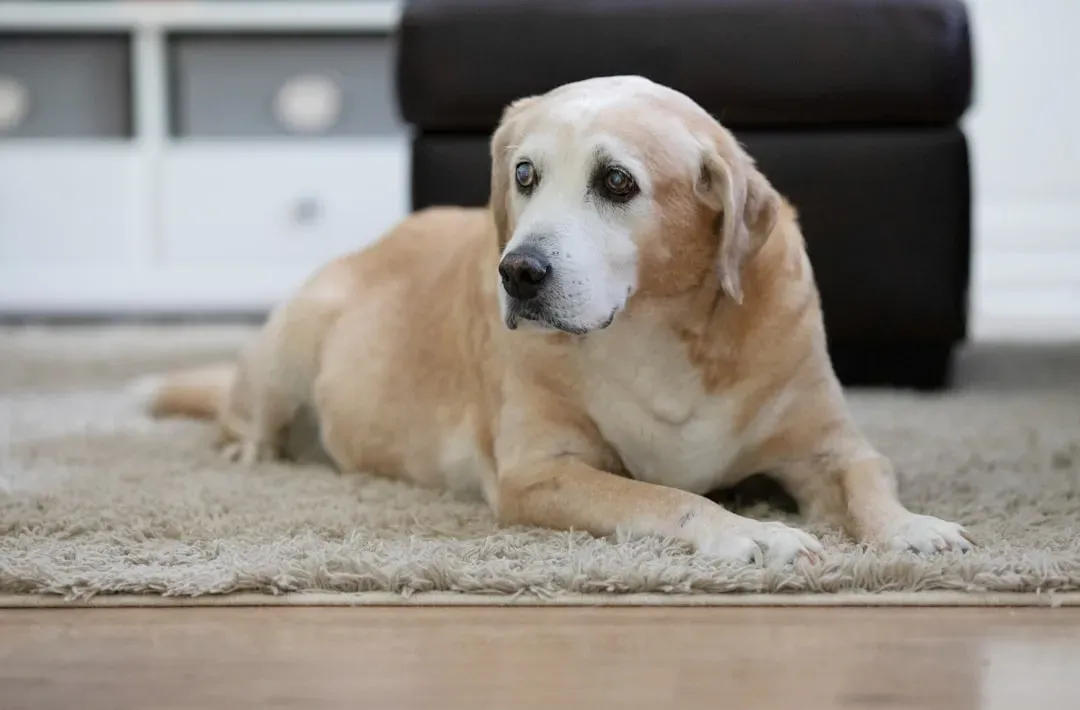
The most dangerous sign on this entire list is also the easiest one to write off completely: personality change. A dog who becomes more withdrawn, less playful, or generally dull is often living with chronic discomfort long before any dramatic symptom ever shows up.
Watch for less interest in toys or training, a quieter greeting at the door, fewer zoomies, or more time spent sleeping through what used to be play time. Here’s the uncomfortable truth vets keep repeating: a lot of what people casually call “old age” is actually untreated pain. Dogs are masters at enduring in silence, and by the time they give up the things that made them them, they’ve probably been hurting for a while.
The Bottom Line
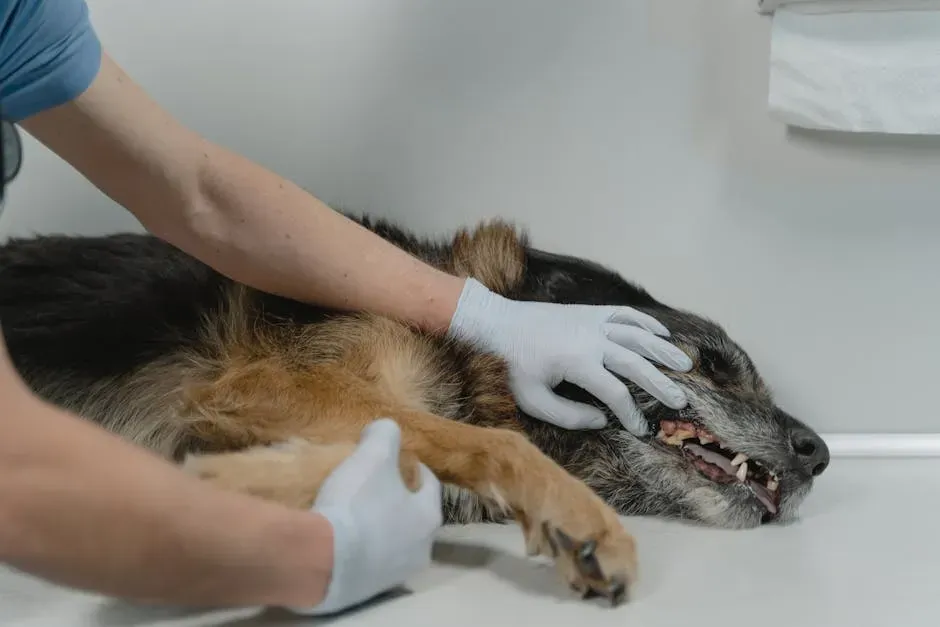
The real shock here isn’t that dogs hide pain, it’s how loudly their bodies are already speaking once you know what to look for. Clinginess, hiding, “laziness,” accidents, restless sleep, sudden grumpiness, even a tiny change in the eyes or posture, none of these are random quirks when they show up suddenly or build slowly over time.
Vets aren’t asking anyone to panic over every odd moment. They’re asking owners to stop dismissing patterns and start checking them early, because that’s the difference between a small, fixable problem and a life-altering one. My honest opinion after digging into this: most “personality changes” in dogs are actually pain wearing a disguise, and the dogs who suffer longest are usually the ones labeled “just stubborn” or “just getting old.” Don’t wait for your dog to scream. They almost never do.
Did we nail the signs you’ve noticed in your own dog, or do you think some of these are overblown? Be honest and drop your take in the comments.


