
Most people think a rescue dog is “fixed” the moment you bring them home, feed them, and tell them they’re safe. They’re not. Behind the wagging tail and the settling-in period, many rescues spend weeks or even months quietly waiting for the other shoe to drop – braced for the next crate, the next shelter, the next goodbye.
The real transformation almost never announces itself. It shows up in the smallest moments: a sigh, a slower blink, a bowl left half-eaten. If you know what to look for, you can actually pinpoint the day your rescue dog silently decides, “Okay… this is home.” Here are the 18 gestures that prove it.
#1 – They Finally Sleep on Their Back, Belly Exposed
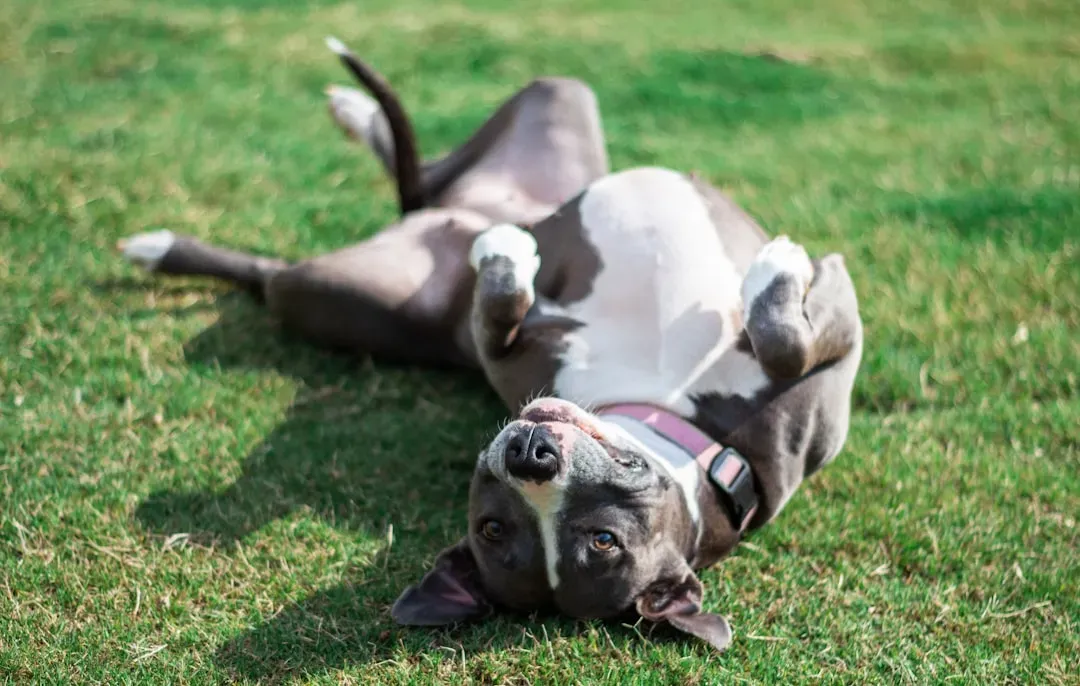
A dog on their back, paws in the air, looks a little ridiculous – but it’s one of the biggest trust milestones there is. Dogs only expose their belly when they feel completely safe, and for a rescue who’s learned the world can turn on them without warning, that’s not a small ask. When your dog starts napping in that goofy “dead bug” pose in the middle of the room instead of curled tight in a corner, their nervous system is finally saying: threat level, low.
Plenty of rescuers admit this is the moment they cry a little in the kitchen. A dog who used to flinch at every creak now snores through the vacuum. Watch for longer, deeper naps during the day and a noticeably softer startle response when doors close or footsteps pass by.
#2 – They Choose You Over the Doorway
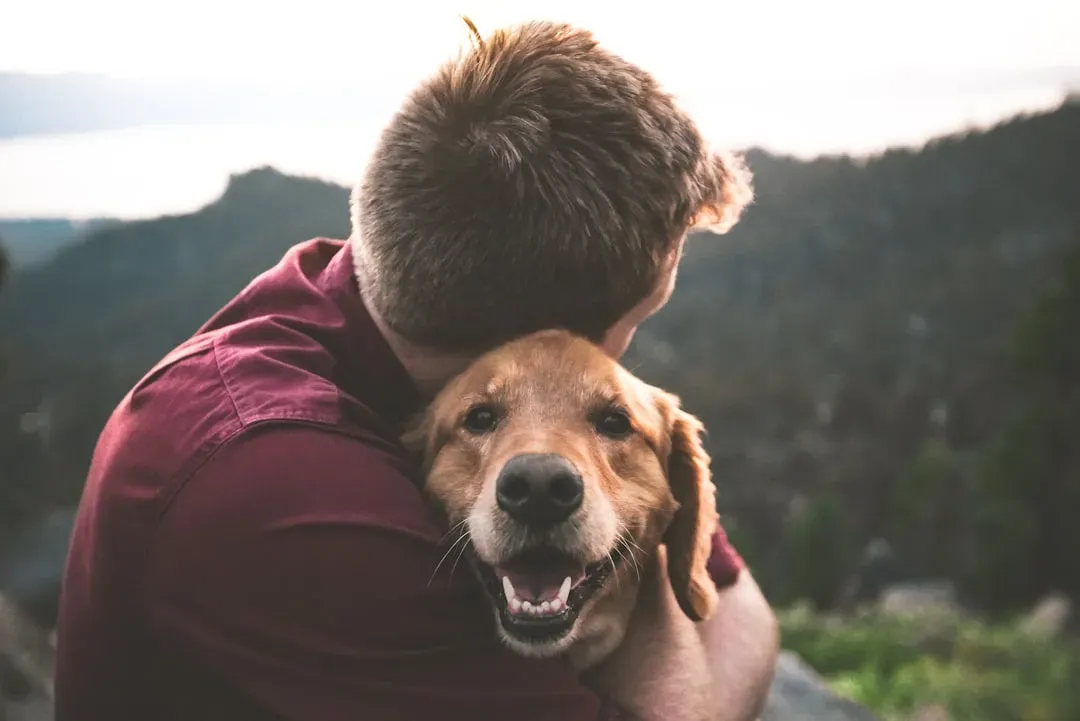
Early on, a lot of rescue dogs park themselves near exits – hallways, front doors, crate openings. It’s not a coincidence. They’re quietly positioning themselves to run if everything falls apart again. When that same dog abandons the doorway to curl up against your legs on the couch, something has shifted: staying now feels safer than escaping.
Pay attention during chaos – a delivery knock, kids yelling, a loud TV. A dog still bracing for change tends to hover near the exits, watching and waiting. A dog who believes they’re truly home does the opposite: they move toward their person for reassurance and settle into favorite “people spots” instead of watching the threshold.
#3 – Their Eating Style Shifts From Scarcity Mode to “Meh, I’ll Finish Later”
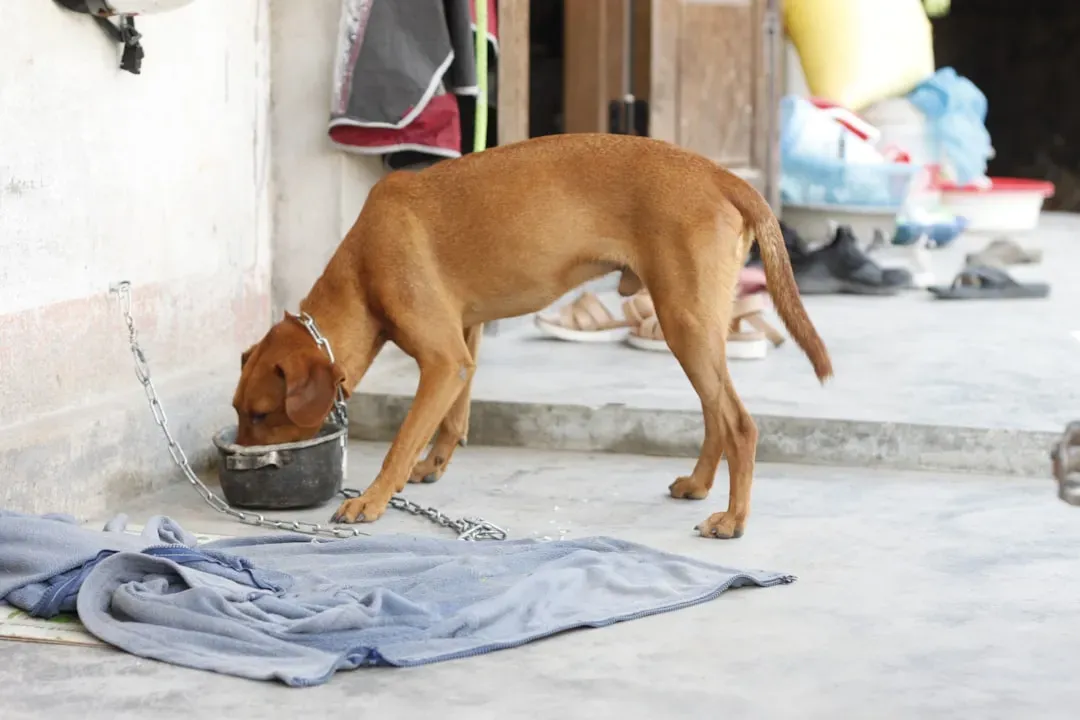
A lot of rescue dogs inhale food like it’s their last meal on earth. That isn’t bad manners – it’s trauma logic. Once they understand meals are predictable, their entire relationship with food changes. The day your dog walks away from a half-full bowl and comes back to it later is a quiet, massive win. It means their body no longer believes food is a one-time event.
You might also notice the guarding fade – or disappear entirely – and your dog staying relaxed even when someone walks behind them while they eat. Owners sometimes complain online that their rescue “got picky” once they settled in, but that’s rarely entitlement. It’s a dog who finally trusts the bowl will be full again tomorrow.
Fast Facts
- Scarcity mode often looks like gulping food in seconds flat, guarding the bowl, or even snapping if someone gets close.
- A settled dog can walk away mid-meal and casually return later without a second thought.
- Consistent meal times and locations tend to speed up this shift more than any special food ever could.
- Growling near the bowl usually softens gradually before it disappears entirely – it rarely vanishes overnight.
#4 – They Start Ignoring You (In the Best Possible Way)
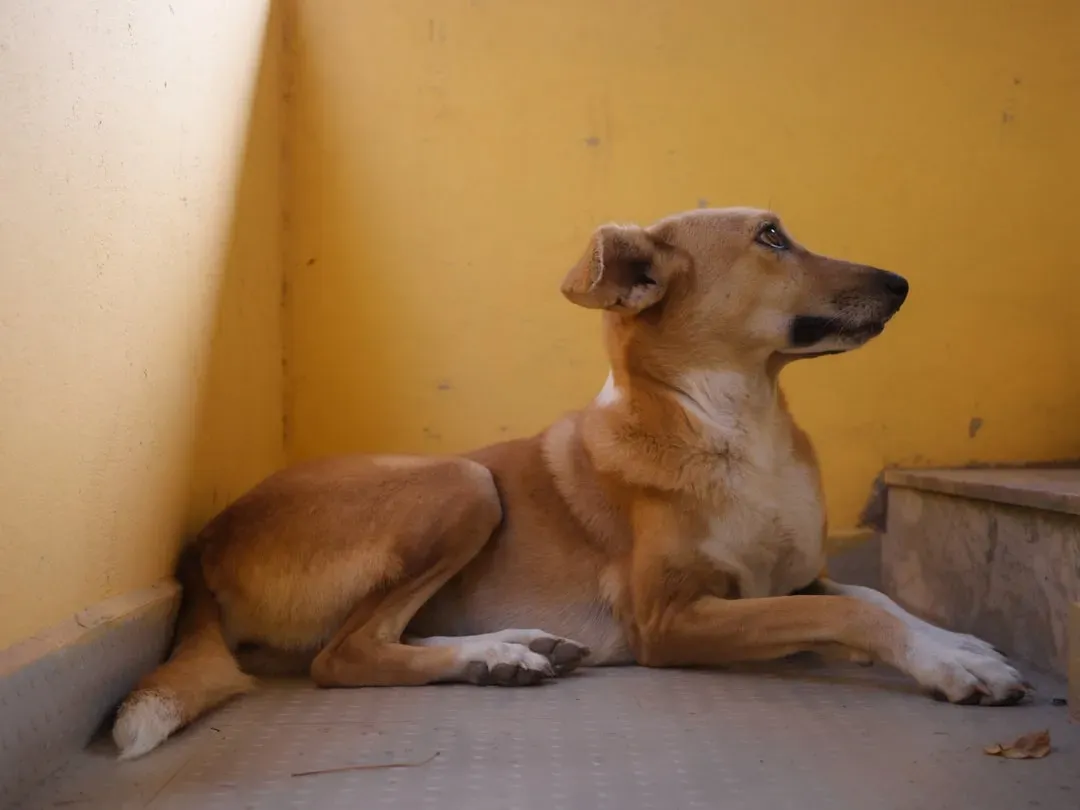
This one sparks debates. Some owners get genuinely offended when their once-clingy rescue suddenly starts… ignoring them. But experienced fosterers know this is gold. A dog who doesn’t feel the need to monitor your every move is a dog who believes you’ll still be there even if they close their eyes or leave the room.
In the early weeks, many rescues shadow you into the bathroom, stare at you constantly, or panic the moment you stand up. When they stop jolting awake every time you shift on the couch – and instead nap in another room entirely – that’s not disconnection. That’s confidence. They’ve learned your patterns are stable, not random, and that you always come back. Tuning you out is proof they’ve stopped bracing for abandonment.
#5 – They Build Little Routines You Never Taught Them
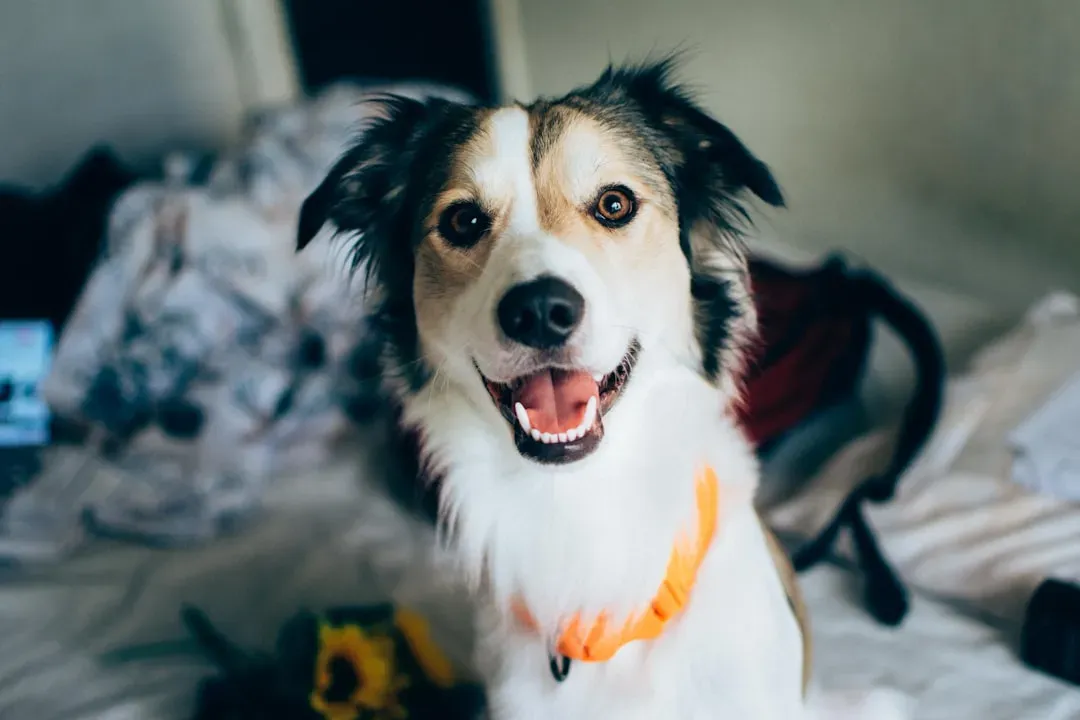
When a rescue dog starts inventing their own rituals, it’s a huge sign they’ve decided this life is permanent. Maybe they trot to the window every day at 5 p.m. to wait for you, or they grab a toy after dinner and claim “their” corner of the couch without being asked.
These self-made rituals mean your home has stopped being a temporary stop and become the map inside their head. Some get oddly specific – circling the yard in the exact same order, checking on each family member at bedtime before finally settling. Behaviorists often say predictability heals. A dog who commits to a routine is quietly betting that tomorrow will look just like today.
#6 – Their Startle Recovery Gets Faster and Cleaner
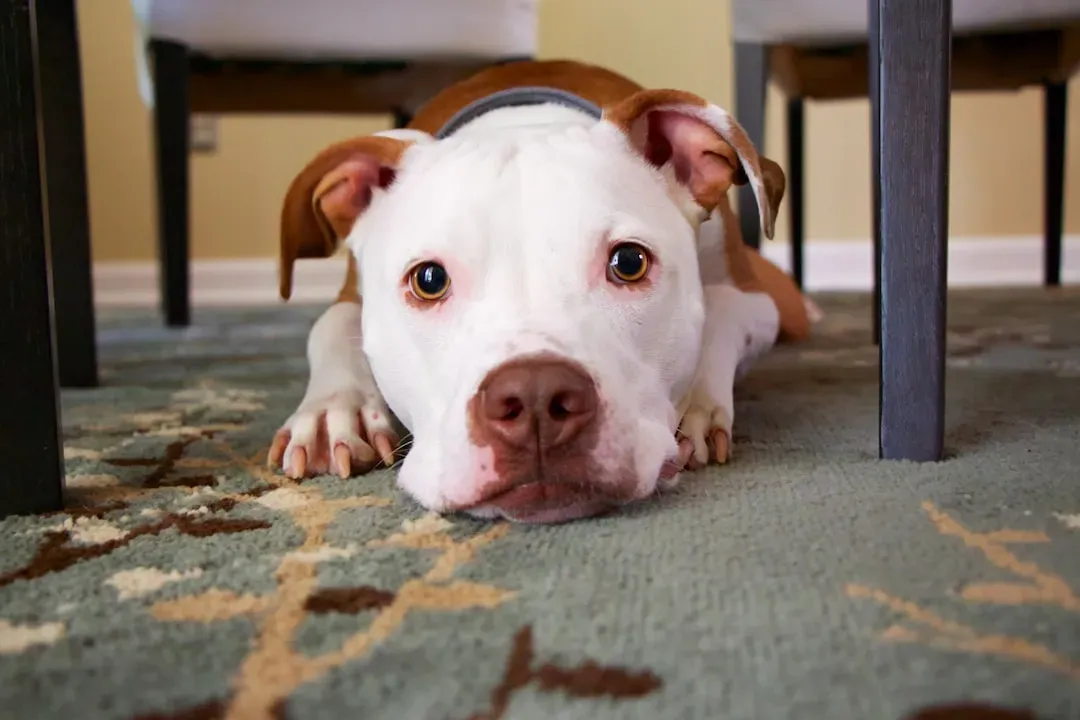
Most people focus on whether a dog ever gets scared – wrong metric. Even confident, well-adjusted dogs get spooked sometimes. The real tell is what happens right after the scare. Early on, a rescue dog can stay locked in panic mode for hours over a single loud noise. Once they’ve stopped bracing for constant danger, they startle, then shake it off like nothing happened.
Instead of hiding for the rest of the night, they wander back to chewing a toy within minutes. Instead of clinging to your leg, they glance at you, then simply resume what they were doing. It’s not zero fear that signals healing – it’s resilience. That’s the sign their brain has decided the world is mostly safe.
#7 – They Play Like a Puppy Again (Even If They’re a Senior)
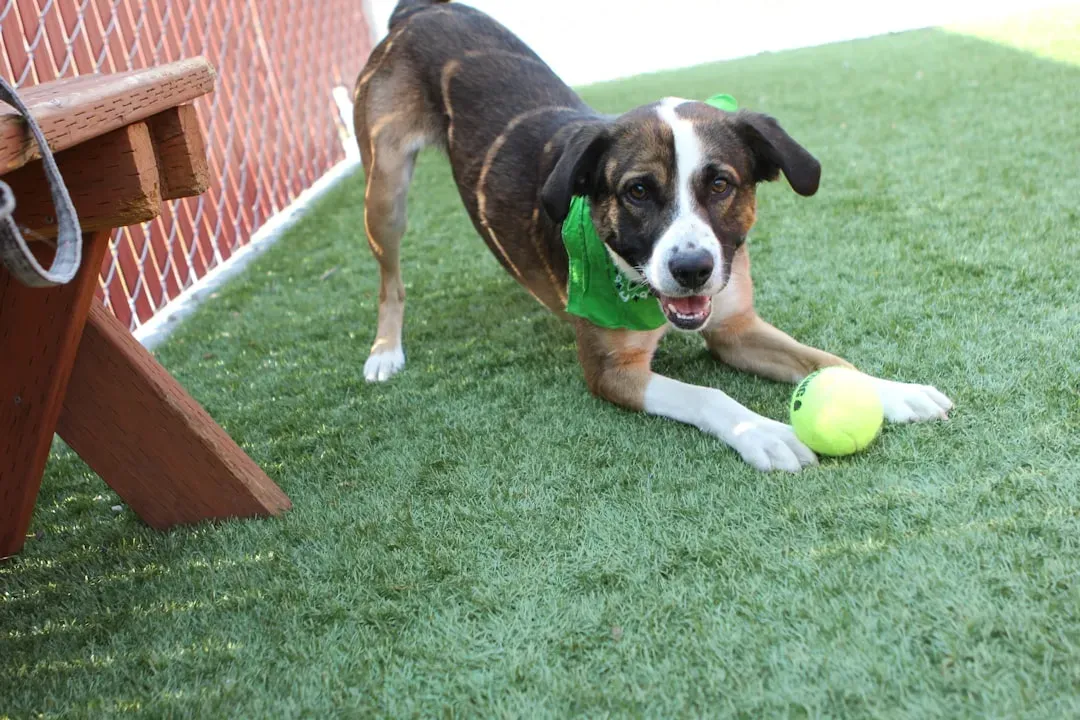
One of the clearest signs a rescue dog has finally dropped their guard is the return of real, ridiculous play. Not stiff, cautious movement – full-on loose limbs and silly play bows. A dog in survival mode doesn’t waste energy on zoomies. Every ounce of effort goes toward staying safe, not having fun.
When they finally sprint around the yard like a maniac for absolutely no reason, that’s joy, not disobedience. Watch for spontaneous zoomies after walks, or tug and chase games they start themselves instead of just responding to yours. Some older rescues shock their owners by turning goofy and borderline chaotic months into their new life. People joke they “created a monster” – but really, they finally gave that dog enough security to act their age emotionally, not just chronologically.
#8 – Their Eyes Soften, and Their Face Actually Changes

This sounds a little “woo” until you’ve lived with a shut-down rescue. Early on, their eyes can look glassy, hard, or hyper-alert even when their body seems calm. Over time, as they stop bracing, you’ll see a noticeable softening around the eyes and mouth – more blinking, fewer long, hard stares. That’s a nervous system quietly waving a white flag.
Watch for more squinty “smiling eyes” when you talk to them, and a relaxed jaw instead of tight lips or constant heavy panting. People argue online about whether dogs actually “smile,” but anyone who’s watched a traumatized dog decompress has seen this exact before-and-after. Their whole face starts telling a different story: I don’t have to be on guard 24/7 anymore.
#9 – They Start “Asking” Instead of Just Reacting
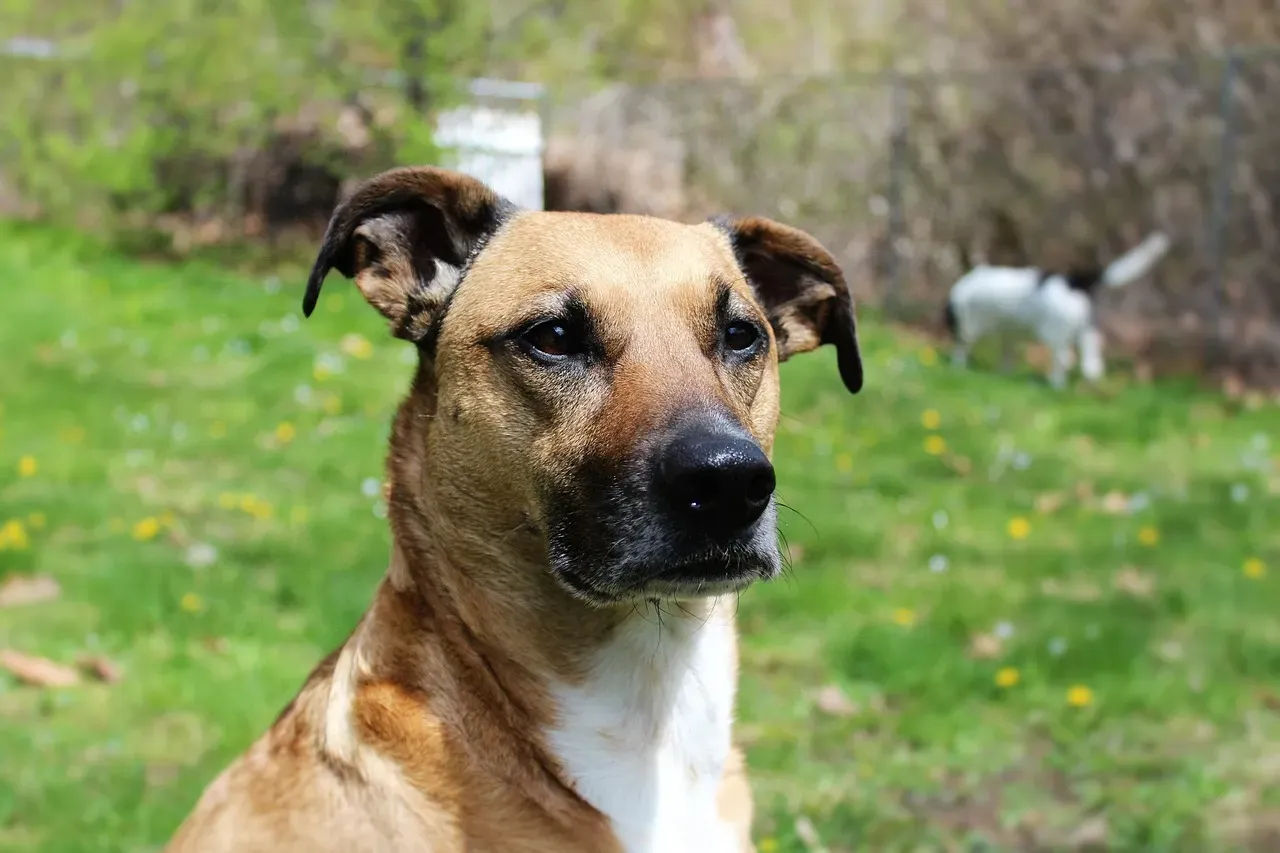
At first, many rescues don’t bother asking for anything – they’ve learned nobody listens. So they grab, bolt, hide, or shut down instead. Once they stop bracing for chaos, they start experimenting with actual communication. The dog who used to steal food off the counter might start whining softly, pawing at you, or walking to the treat jar and looking back like they’re making a request.
This “checking in” behavior is a massive mindset shift. They’re betting that humans might actually answer their needs now, and they’re willing to risk a subtle signal instead of jumping straight to survival mode. You might see them nudge you for comfort during a storm, or sit calmly by the door making eye contact instead of having an accident. That’s not neediness – that’s trust in a two-way conversation they didn’t think was possible.
Worth Knowing
- Soft whining or a gentle paw tap often replaces grabbing, bolting, or counter-surfing.
- Sitting calmly by the door with steady eye contact is a request – not an accident waiting to happen.
- Nudging for comfort during storms shows they now expect a response instead of riding out fear alone.
- Walking to the treat jar and glancing back is a rescue dog’s version of asking politely.
#10 – They Don’t Flinch at Everyday Human Movement Anymore
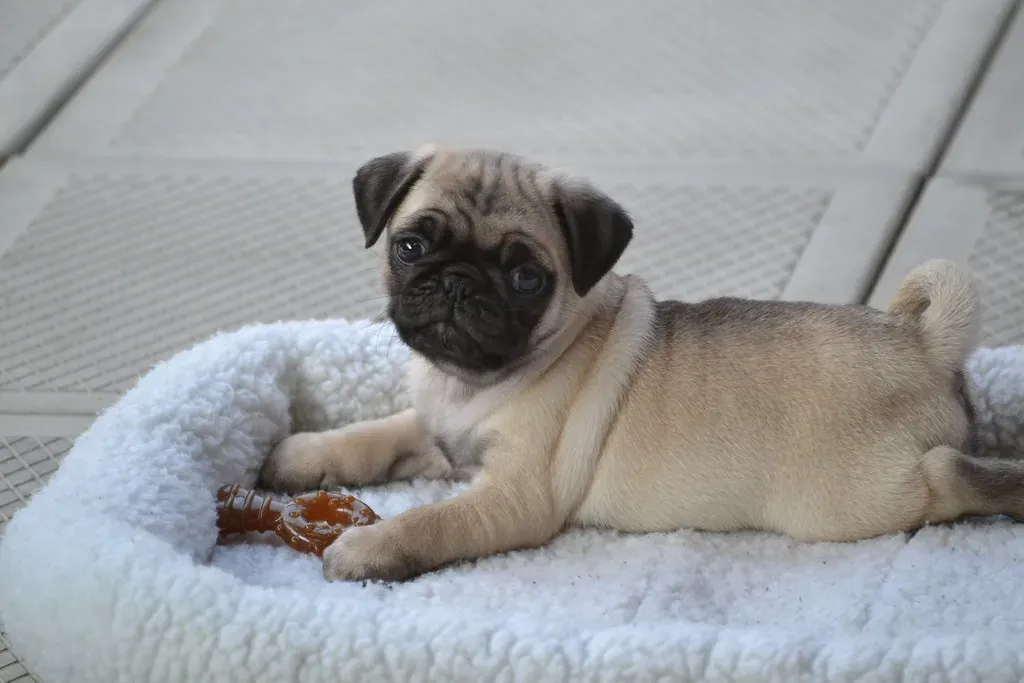
Many rescue dogs, especially from neglectful or chaotic homes, react hard to ordinary human motions – reaching for a remote, pulling on a jacket, standing up too fast. It’s heartbreaking to watch, and it’s also information. Their brain is pre-writing the story: last time I saw that movement, something bad happened.
When they finally stop ducking, backing away, or freezing at those same movements, they’re literally rewriting those associations in real time. You’ll be able to step over them without a flinch, or reach toward their collar without them flattening or rolling away. Some trainers will tell you this matters more than any trick you could ever teach – loose, unbothered body language around human hands and limbs is a true, deep safety signal.
#11 – They Start Guarding Less… and Then, Not at All

Guarding – of toys, people, food, beds – gets treated like a character flaw, but in rescues it’s usually just logic. If resources have always been scarce or stolen, you protect what’s yours. The turning point comes when your dog finally realizes there’s no competition and no sudden loss waiting around the corner anymore.
Over months, the growling, stiffening, and hovering quietly fades. You’ll be able to walk past their bowl without a flicker of tension, and they’ll share the couch with other pets without a second thought. This doesn’t mean you ignore guarding in the early days – safety still matters. But when it melts away on its own, that’s not a training trick. That’s their brain finally filing away a new belief: nothing I love keeps disappearing here.
#12 – They Willingly Use Their Crate or Bed as a True “Safe Place”
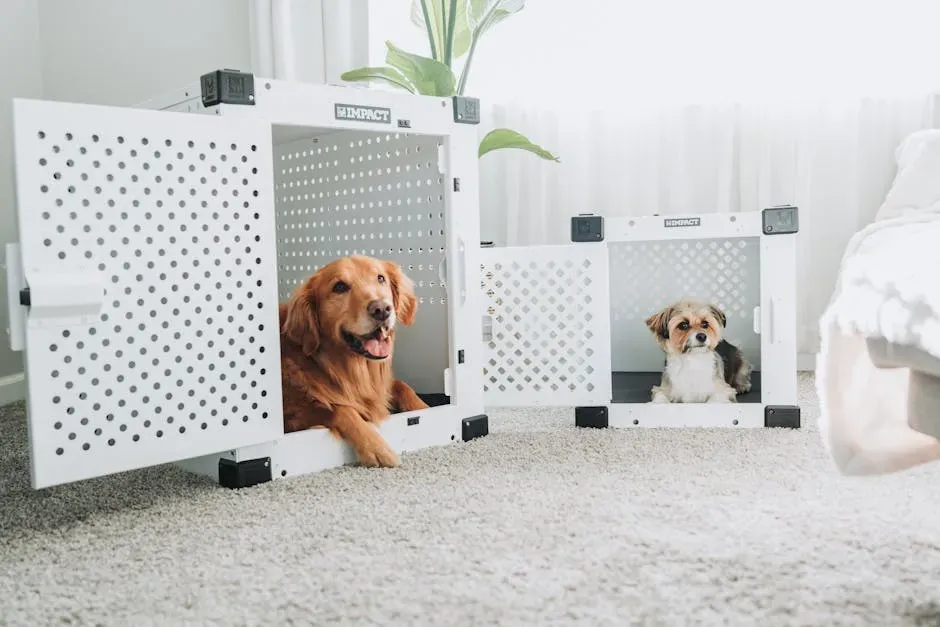
Early on, crates and beds get complicated. Some rescues refuse to go in at all; others never want to come back out. Both extremes usually point to anxiety. The real sign they’ve stopped bracing is when they move freely in and out of their space, choosing it for comfort instead of using it as a hiding spot under duress.
They might wander into their crate during a loud family gathering, nap for twenty minutes, then casually rejoin everyone like nothing happened. Watch for them stretching out on their bed in high-traffic rooms instead of tucked away, or dragging a favorite toy to their spot like it’s home base. When a rescue claims a bed instead of a hiding place, they’re investing in the idea that this house is finally, truly theirs.
#13 – They Handle Being Alone Without Imploding
Separation issues are incredibly common in rescues, and most owners underestimate how long this part takes to heal. A dog who’s been bounced from home to home understandably panics at a closed door. The deep shift happens when your dog can be left alone for reasonable stretches without pacing, howling, destroying furniture, or self-harming.
Real progress looks like eating, napping, or chewing calmly while you’re gone – the kind of thing you only notice from a camera or the state of the house when you get back. It doesn’t always mean they love being alone. It means their system no longer interprets every closed door as abandonment. Social media loves the clingy “velcro dog” aesthetic, but honestly, emotional independence is the healthier sign that they’ve stopped bracing for the next move.
#14 – Their Reactions to New People Get Nuanced, Not Extreme
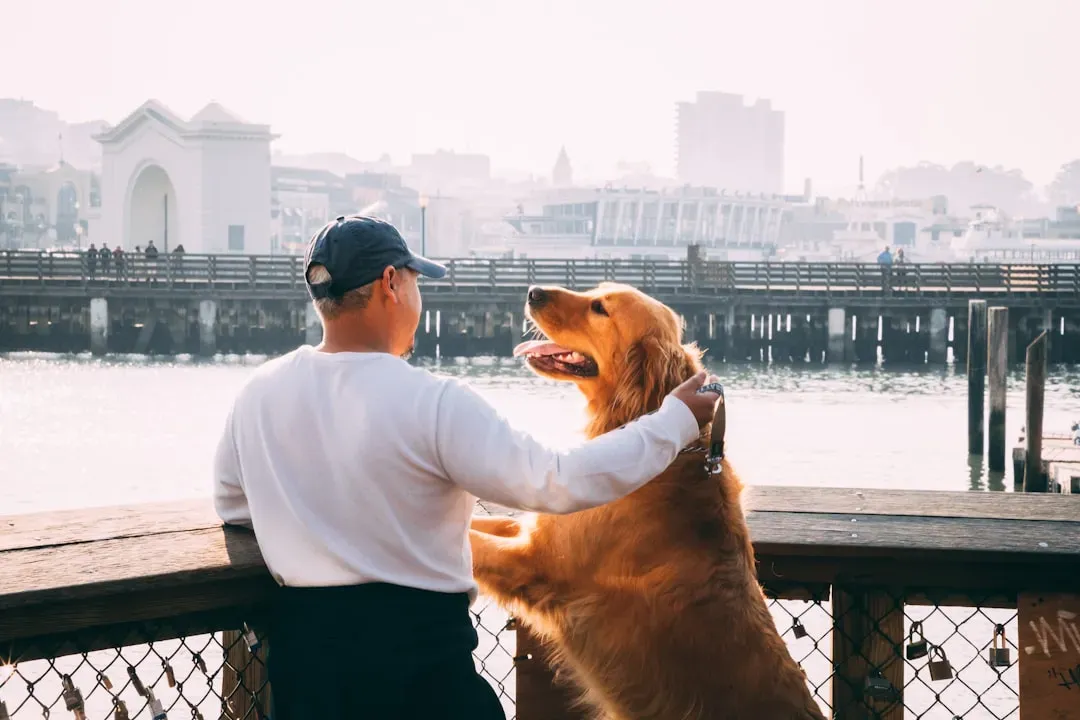
Early on, many rescues swing to one of two extremes with strangers: over-the-top friendliness or a complete shutdown. Both are survival strategies, not real personality. Once they settle in, you’ll see something far more dog-normal – curious sniffing, polite interest, or even a shrugging “I don’t really care about you” reaction.
They stop panicking the second guests arrive, even if they choose to hang back at first, and they warm up faster to regular visitors as they start recognizing faces and scents. Some people misread a more selective dog as “turning antisocial,” but really, they’re just dropping the old scripts. A dog with options is a dog who finally believes the situation is stable enough to actually choose how they feel.
#15 – Their Body Goes Loose Around Household Sounds They Used to Fear
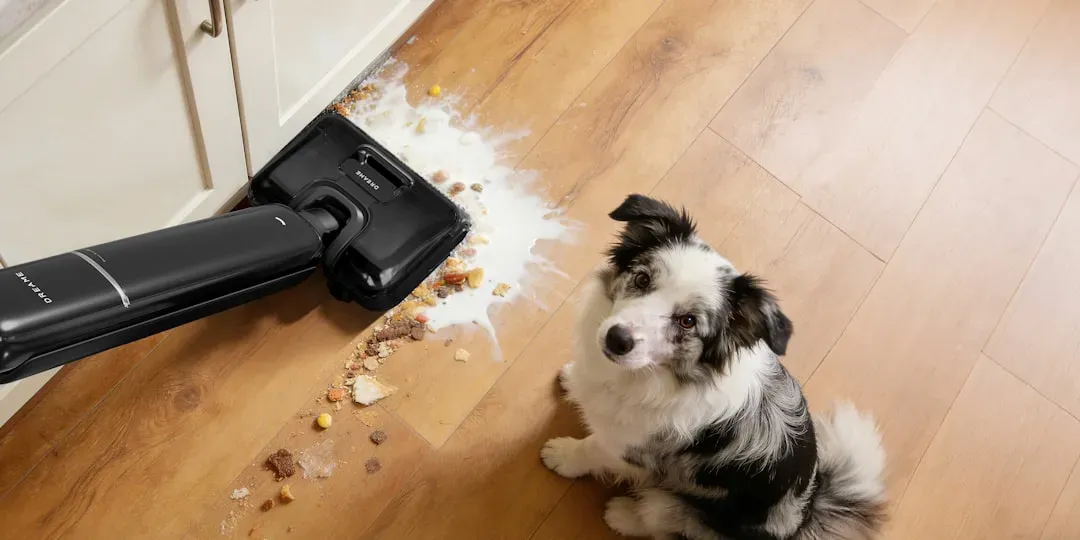
Washing machines, hair dryers, garbage trucks, blenders – some rescues treat these like monsters. The real metric isn’t whether they ever notice the sound. It’s whether they stop organizing their entire day around avoiding it. When they can nap through laundry day or chew a toy while a storm rolls outside, their nervous system has quietly revised its own risk assessment.
You’ll catch yourself saying, “remember when the vacuum used to send her under the bed?” – and that memory is the whole point. They might glance at the noise and shrug it off, or even follow you curiously to “supervise” instead of fleeing the room. Plenty of dogs keep a healthy respect for fireworks forever, and that’s fine. But the everyday clatter of life no longer gets to run their day.
At a Glance
- Vacuums, blenders, and hair dryers are among the most common early startle triggers for rescues.
- Sleeping through laundry day or a running dishwasher is a strong sign the nervous system has recalibrated.
- Fireworks and thunderstorms often stay harder-wired fears even in otherwise settled dogs – that’s normal.
- Curiously “supervising” a noise instead of fleeing the room shows genuine confidence, not just tolerance.
#16 – They Start Showing Quirky, Almost “Weird” Personal Habits
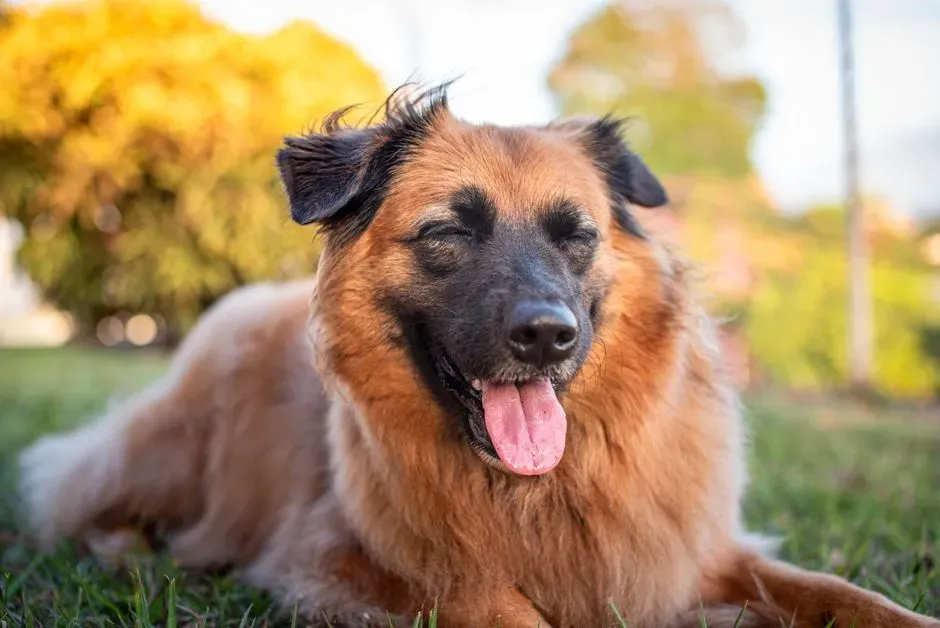
Here’s the part longtime dog people secretly love: the moment the rescue dog starts getting weird. The exact way they carry a toy, the odd little dance before lying down, the insistence on one particular window spot every day at 3 p.m. Quirkiness is personality finally pushing past survival mode.
These aren’t generic “good dog” behaviors – they’re intensely individual, like rituals with one specific stuffed animal or random little grumbles and happy sighs that mean nothing to anyone but them. Most dogs don’t feel safe enough to be idiosyncratic in an unstable environment. Some owners find the quirks inconvenient. Anyone who’s done the hard yards of rescue knows they’re actually the clearest proof that dog is finally home.
#17 – They Recover From Corrections Without Melting Down

Any real home involves gentle boundaries – no counters, no jumping on faces, no herding the kids at full speed. For a lot of rescues, even a mild “hey, off” can trigger an outsized reaction early on: cowering, submissive urination, hiding for hours. That’s not guilt. That’s history talking.
When they’ve stopped bracing for punishment, they can hear “no,” adjust, and move on without emotionally collapsing. You interrupt a behavior, they pause, then try again in a slightly better way. They stop spiraling into appeasement behaviors like frantic lip-licking or excessive rolling over. Owners sometimes misread this calm resilience as “stubbornness,” but in rescues it usually means the opposite – they no longer assume every correction is the start of something worse.
#18 – They Stop Watching the Door and Start Watching Your Face
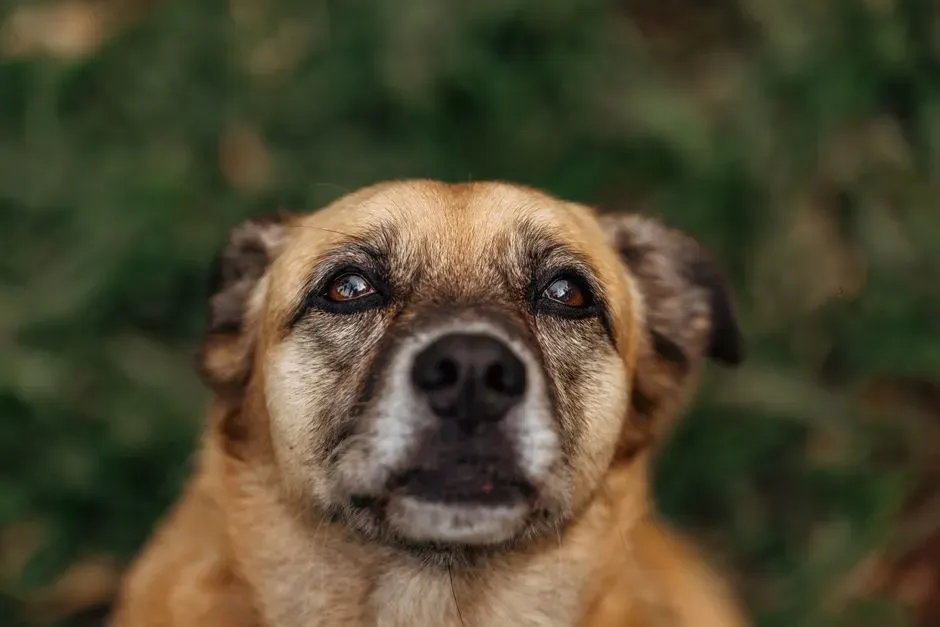
Maybe the most powerful, least talked-about gesture on this list is where a dog chooses to place their attention. New rescues fixate on doors, windows, gates – any clue about who might leave or arrive next. As they settle, that gaze gradually drifts from the perimeter of the house to the people living inside it.
Watch for them checking in visually on walks, looking up at your face instead of scanning the horizon nonstop, or reading your tone and expression and adjusting their own energy to match it. This isn’t just training focus – it’s relational focus. They’ve stopped tracking exits and entry points like a security guard on shift. They track you, like family. When a rescue dog picks your expression as their compass instead of the doorframe, that’s the clearest sign of all: they’ve stopped bracing for change, and started building a life.
The Bottom Line

Most people judge a “successful” rescue by how fast the dog learns to sit, stay, or stop having accidents. That’s a low bar, and honestly, it misses the whole point. The real story gets written in softer eyes, slower breathing, half-finished food bowls, and completely unnecessary 2 a.m. zoomies.
A rescue dog who has stopped bracing for change doesn’t just obey better – they exist differently. Their whole body votes yes on the idea that tomorrow will look like today. Not every dog will show all 18 of these gestures, and some will always carry a little of their past in the way they move through the world, and that’s okay too.
Quick Compare
- Bracing dog: hovers by exits, guards food, flinches at ordinary movement.
- Settled dog: curls up beside you, walks away mid-meal, stays loose and relaxed.
- Bracing dog: tracks doors, windows, and strangers non-stop.
- Settled dog: tracks your face and voice instead, like family.
But when even a handful of these signs start showing up, you’re not just a pet owner anymore. You’re the stable chapter after a long, messy prologue – and honestly, that’s a bigger achievement than any trick you’ll ever teach them. Which sign did your rescue show first? Tell us in the comments.


