
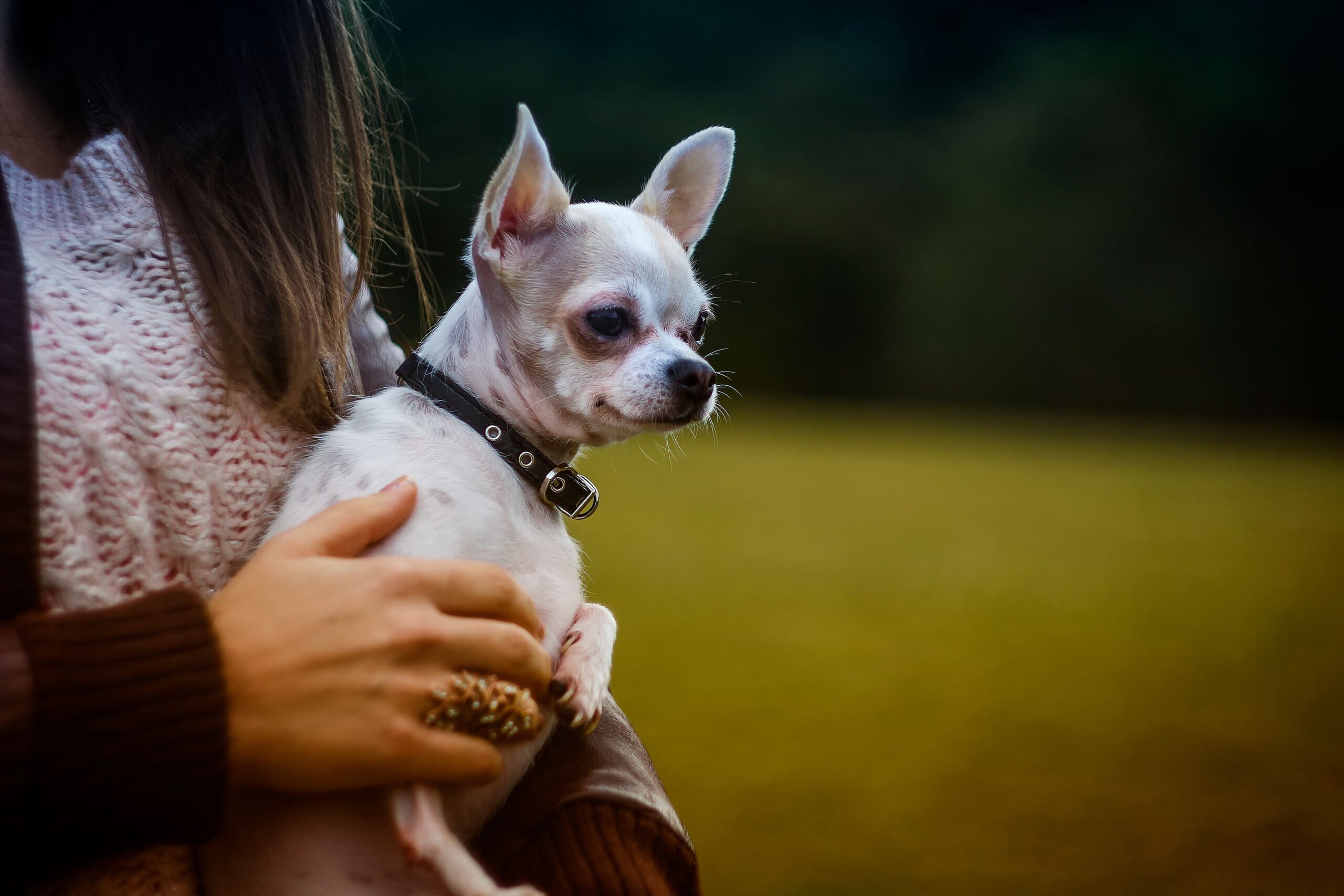
Ask a Chihuahua owner why their four-pound dog just launched itself at a Great Dane on a leash, and you’ll get the same confident answer every time: “He’s just protective.” Ask anyone else standing nearby, and you’ll get a very different read on what just happened. No dog in America seems to split a room faster than this one – tiny, trembling, dressed in a hoodie, and somehow still one of the most polarizing pets you can own.
Chihuahua owners will defend the barking, the shaking, the sweaters, and the attitude like it’s a hill worth dying on. Everyone else just watches quietly, unconvinced, wondering if the dog is actually fine or if love has simply made the owner blind. Trainers and vets have opinions on exactly which side is right – and the answers aren’t as simple as either camp wants to believe.
#1 – “They’re Not Mean, They’re Just ‘Protective'”
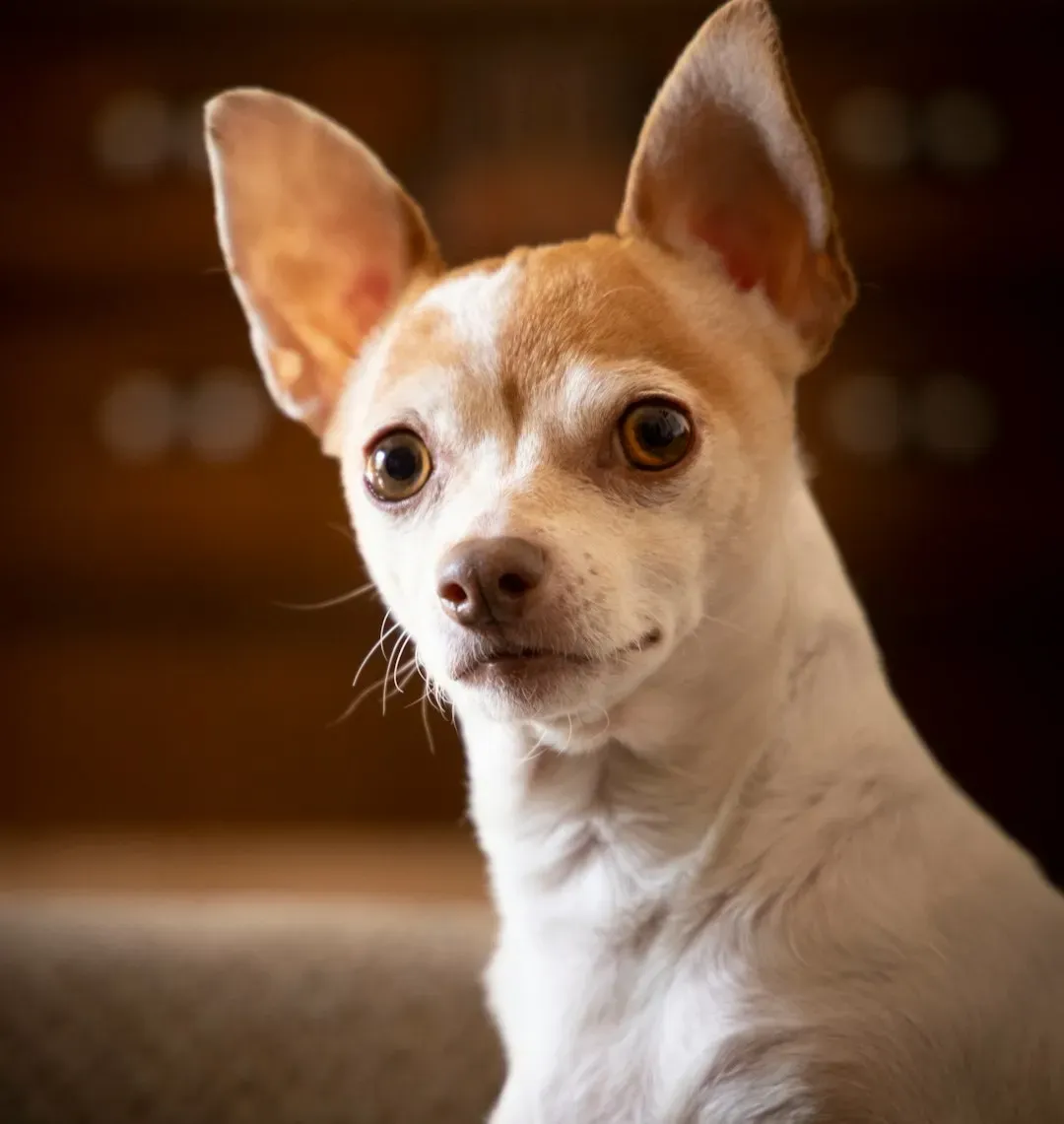
Every Chihuahua owner has said some version of this sentence: “He’s not aggressive, he’s just protective of me.” Meanwhile, the person whose ankle just got nipped is thinking something a lot less generous. To outsiders, the snarling and lunging looks exactly like what it would be called in any bigger dog: a bite risk.
Behaviorists point out that fear-based reactivity is massively underdiagnosed in small breeds, mostly because people find it funny instead of alarming. A Chihuahua that growls at strangers usually isn’t guarding you out of devotion – it’s terrified and has never been taught that it doesn’t have to fight every battle. The real double standard is this: the same behavior that gets a German Shepherd labeled dangerous gets a Chihuahua labeled “sassy,” and that gap is exactly why the breed’s reputation never improves.
#2 – The Never-Ending Barking They Call “Communication”
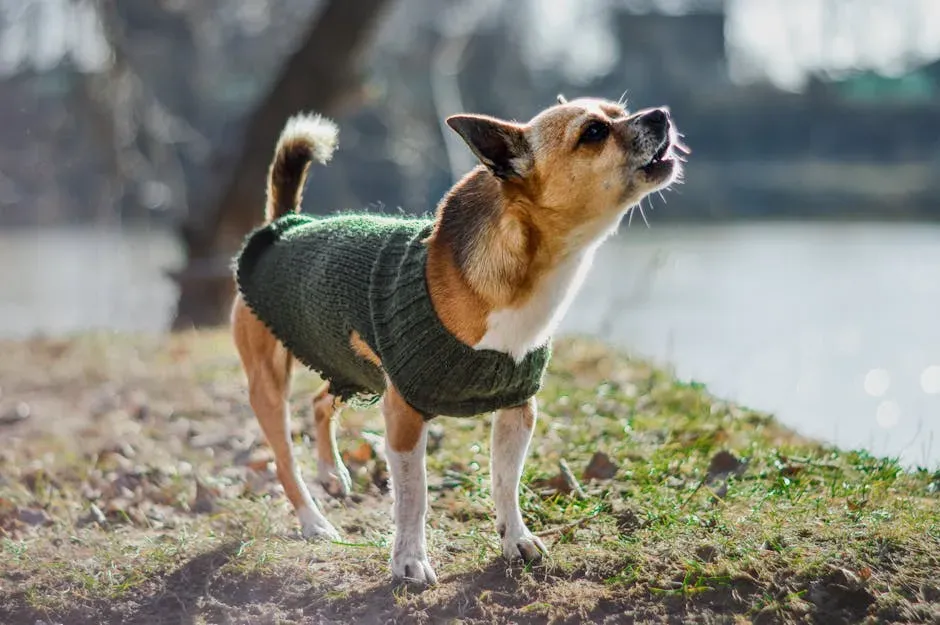
To the rest of the world, a Chihuahua’s bark is less a sound and more a full-body alarm system with no off switch – the doorbell, a passing car, a leaf blowing past the window. Owners just shrug and say, “She’s talking to us.” That “conversation” tends to happen at 2 a.m., through apartment walls that were never built for it.
Most people don’t realize Chihuahuas were historically bred as alert dogs, wired to react to the smallest shift in their environment. That instinct never got the memo about modern apartment living. The uncomfortable part is how often owners accidentally reward it – picking the dog up, talking to it, even yelling, all of which register as attention to a dog that just wanted to be noticed. Neighbors have usually figured out the pattern long before the owners have.
#3 – Dressing Them Like Tiny Humans
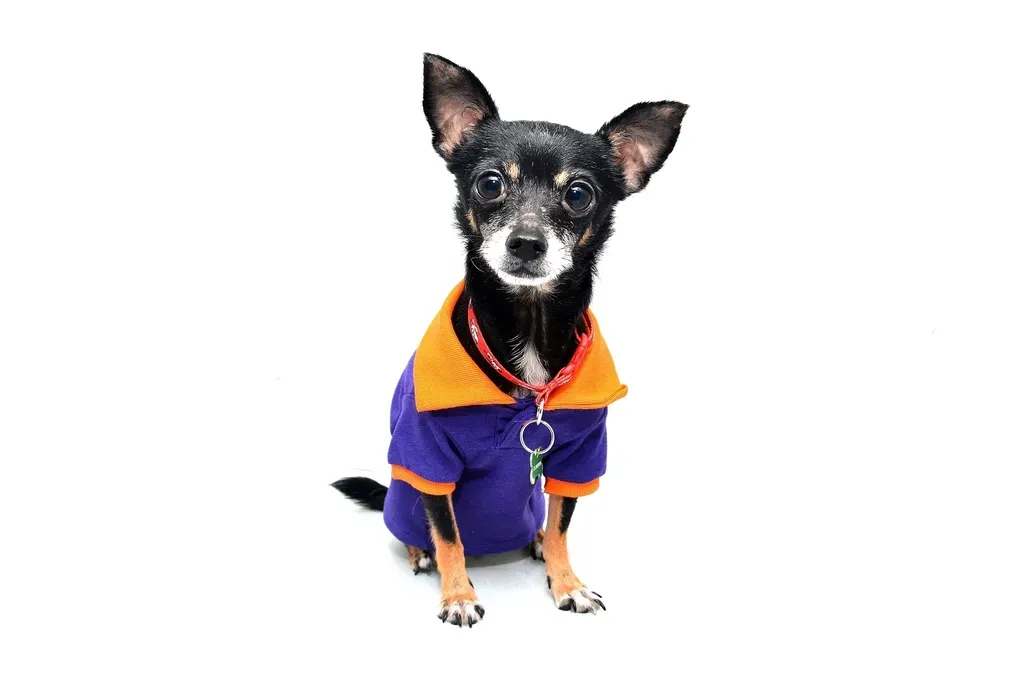
A Chihuahua in a hoodie, sunglasses, and a tiny Halloween costume is peak “outsider judgment” material – it looks like a person who has fully lost the plot. Owners push back immediately, pointing out that with almost no body fat and a coat that offers barely any insulation, their dog gets cold faster than a Labrador gets bored.
That part is genuinely true – Chihuahuas are noticeably more prone to hypothermia in mild cold than most medium and large breeds. A thermal sweater in January is closer to medical gear than fashion. What annoys critics most, though, is that these dogs often do love being dressed up, associating the ritual with warmth and closeness to their favorite human – so while the internet mocks “dog fashion people,” a decent chunk of those outfits are doing exactly what they’re supposed to.
Fast Facts
- Adult Chihuahuas typically weigh just 2 to 6 pounds, with almost no insulating body fat
- Their short, single coat offers little protection from wind or cold
- Small dogs lose body heat far faster than large breeds relative to their size
- Most vets recommend a light coat or sweater once outdoor temps drop below 45°F
#4 – Carrying Them Everywhere Like Fragile Porcelain
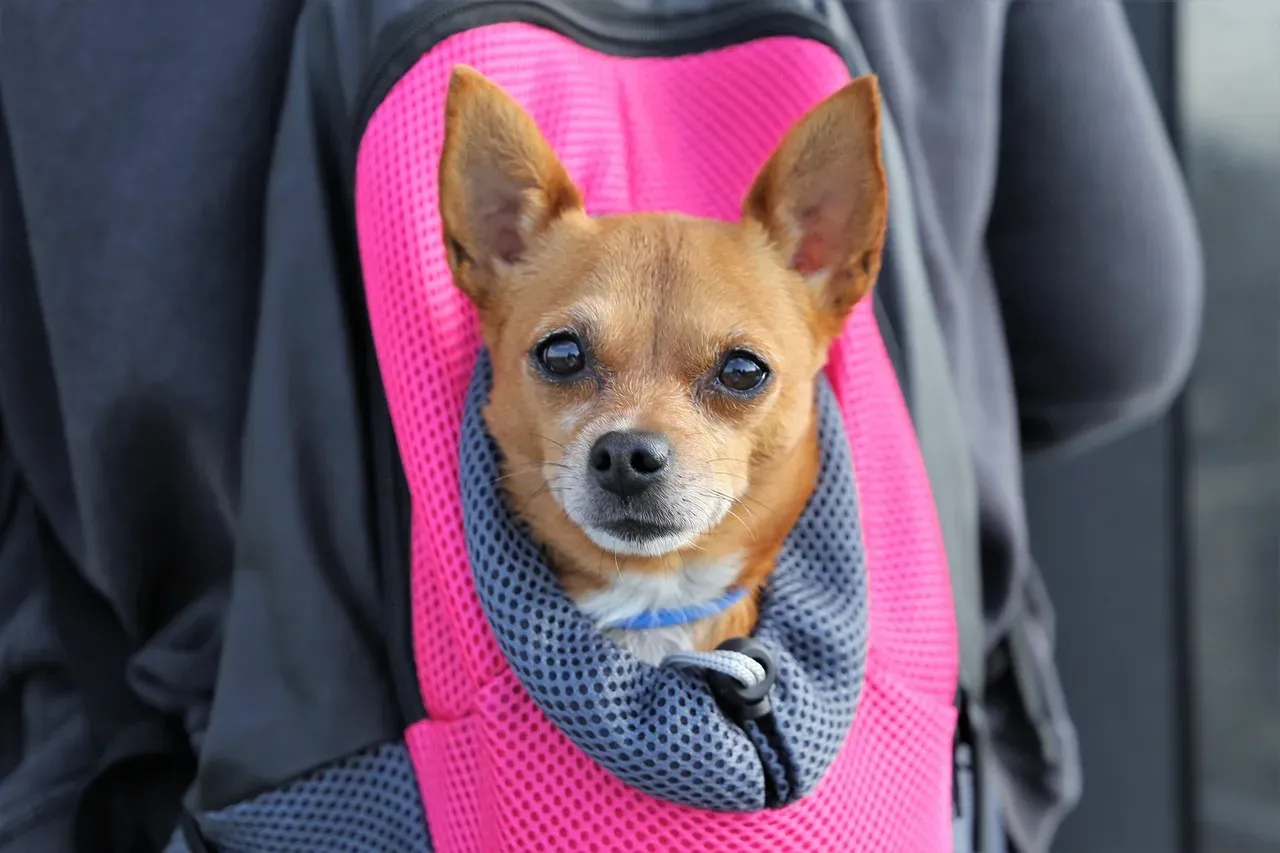
Malls, sidewalks, grocery store aisles – somewhere in every crowd is a Chihuahua who apparently has never touched pavement, tucked into a bag or cradled like a newborn. Outsiders see a spoiled, overprotected animal that’s never allowed to just be a dog. Owners see a legitimate safety plan.
A short fall from an owner’s arms can fracture a leg or dislocate a kneecap in a dog this small. Being at eye level with a stranger’s off-leash Rottweiler is also a real risk most bigger-dog owners never have to think about. The problem is that “protecting a fragile animal” and “never letting it walk on its own feet” look identical from the outside, and even Chihuahua owners argue about where one ends and the other begins.
#5 – Letting Them Get Away With Behavior No Big Dog Could
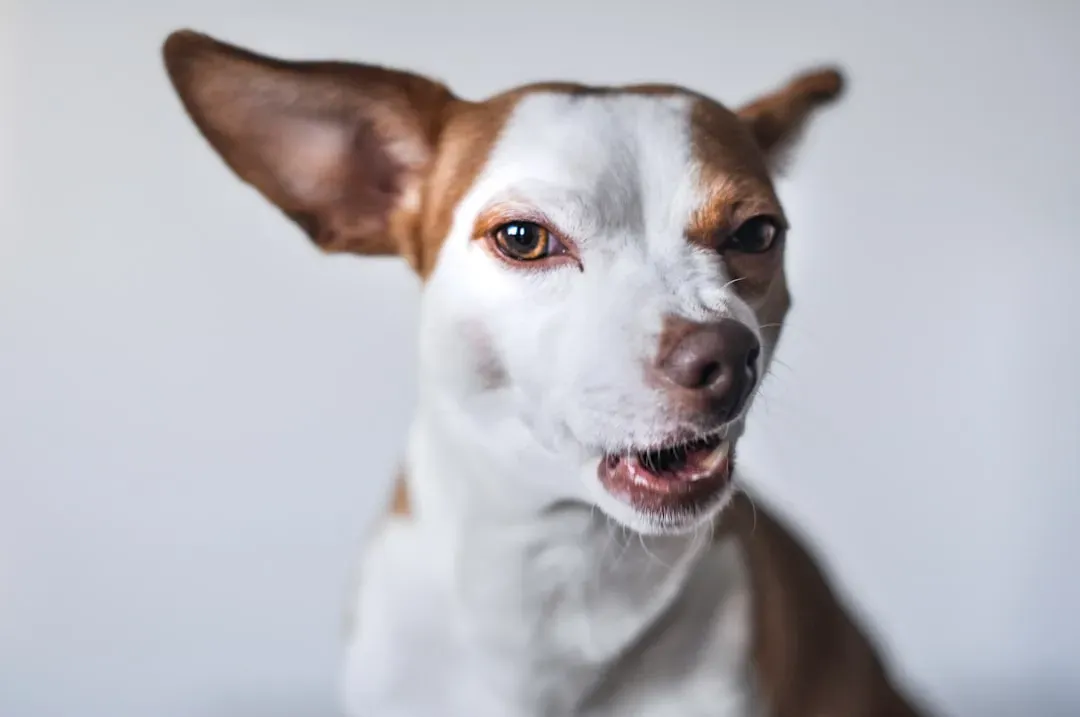
Jumping on guests, growling over the couch, snapping when picked up the wrong way – if a 70-pound dog did any of this, someone would be calling it dangerous. When a Chihuahua does it, the response is usually a laugh and “she’s just got a big personality.”
Trainers call this “size privilege” one of the most persistent welfare problems small dogs face. The behavior isn’t cute, it’s a symptom of a dog that’s stressed, under-socialized, and has never had a rule enforced in its life. Apply the exact same standards you would to a Labrador – sit, stay, off, leave it – and most “spicy” Chihuahuas calm down faster than anyone expects.
Quick Compare
- Growls at a guest: a big dog gets labeled dangerous, a Chihuahua gets called “picky about men”
- Snaps when handled wrong: a big dog gets muzzle-trained, a Chihuahua gets called “just her personality”
- Jumps and nips at ankles: a big dog gets enrolled in obedience class, a Chihuahua gets scooped up and cuddled
- Guards the couch: a big dog gets flagged as a liability, a Chihuahua gets called “protective of her spot”
#6 – Calling It “Velcro” Instead of Admitting It’s Separation Anxiety
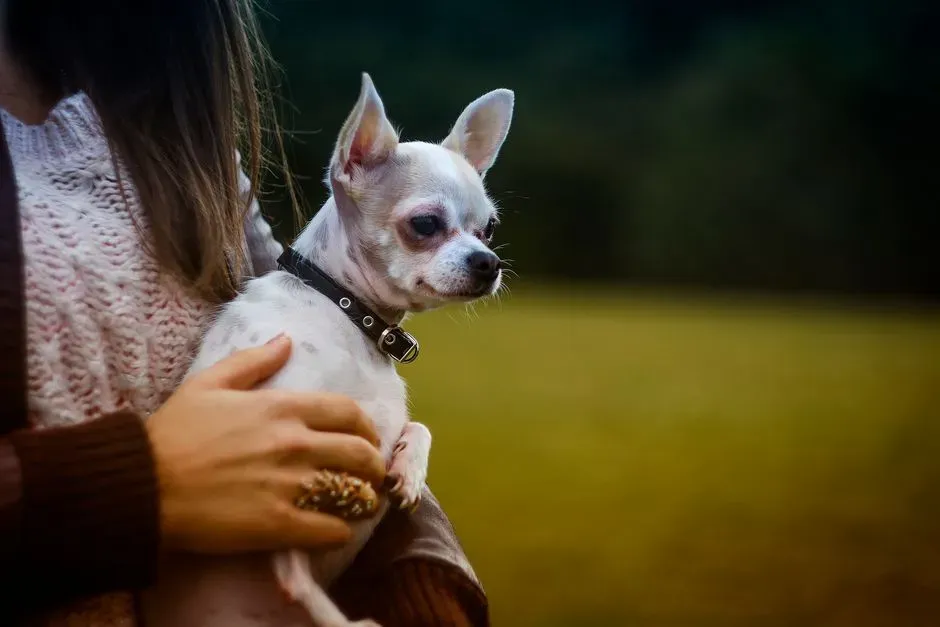
“She follows me into the bathroom, she can’t live without me” sounds sweet right up until the dog starts screaming, drooling, or shredding furniture the second the owner steps outside for the mail. Non-owners clock it immediately as something is wrong here. Owners call it loyalty.
Behaviorists are far less romantic about it: what gets framed as “clingy and cute” is very often textbook separation anxiety. Chihuahuas were bred purely for companionship, so intense bonding is baked into the breed, but it becomes a real problem when owners never practice being apart, never crate train, and reward panic with constant reassurance instead of calm exposure. Treating an anxious brain like a compliment instead of a condition is where things quietly go wrong.
#7 – Pretending the Constant Shaking Is “Just What They Do”
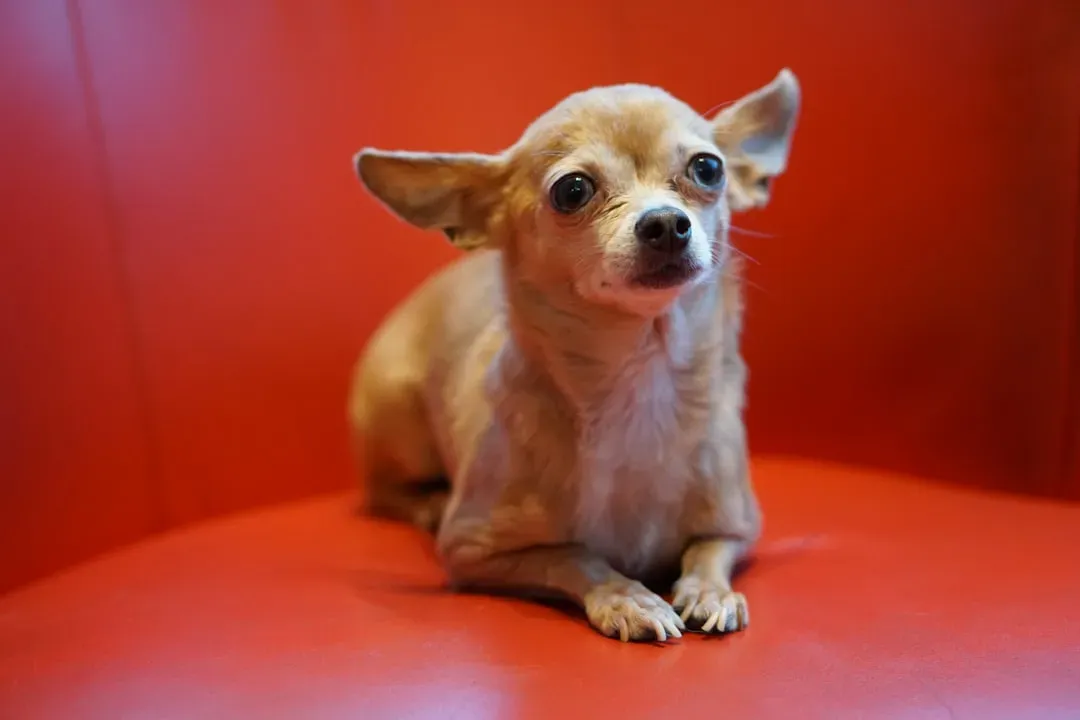
Ask why their dog is trembling and most Chihuahua owners answer without missing a beat: “Oh, they all shake, it’s normal.” To anyone unfamiliar with the breed, a permanently vibrating animal looks like a medical emergency in progress.
Both sides are partly right here. Chihuahuas do run hotter metabolically and tolerate cold badly, so mild shivering in a cool room is genuinely normal. But tremors can also signal pain, low blood sugar, thyroid problems, or anxiety, and “they all do it” is sometimes just a convenient excuse to skip a vet visit. The smarter move is treating shaking as a symptom worth ruling out, not a quirky personality trait to wave away.
Worth Knowing
- Cold rooms or drafts – the most common and totally harmless cause
- Excitement or anticipation, like right before a walk or mealtime
- Stress or anxiety in new places or around unfamiliar people
- Low blood sugar, which shows up more often in puppies and toy breeds
- Underlying pain, dental disease, or thyroid issues in older dogs
#8 – Insisting They’re “Fine” Around Kids When They’re Clearly Not

Because Chihuahuas are small, people assume they’re automatically safe for families, almost like a plush toy that happens to breathe. Owners back that assumption up loudly – “she’s great with kids” – while the dog in question is frozen stiff, whale-eyed, and cornered by a toddler’s grabby hands.
That frozen stillness isn’t calm, it’s a dog that has completely shut down and has nowhere left to go. Many Chihuahuas have genuinely low tolerance for unpredictable noise and rough handling, which makes them a mismatched pick for young kids unless the adults are actively managing every interaction. When the inevitable snap happens, the breed gets blamed as “vicious,” when the real failure was nobody setting boundaries for the kid or the dog.
#9 – Treating Them Like Cats Instead of Dogs
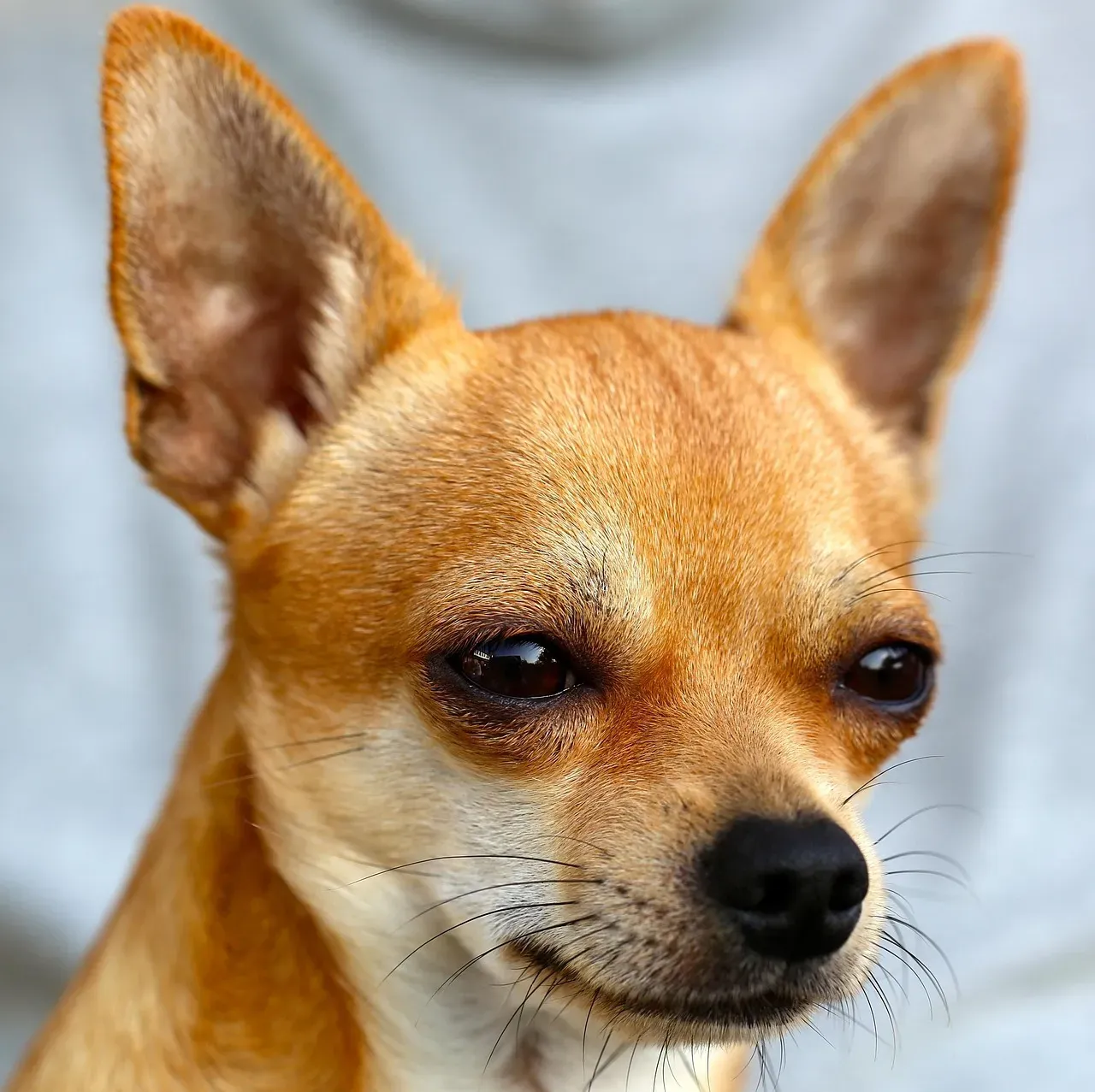
Plenty of Chihuahuas never take a real walk, never do a training session, and spend their entire day perched on the back of the couch like a small furry gargoyle. “She doesn’t like walks,” owners say, as if exercise were optional instead of a basic need.
This indoor-only lifestyle is a major reason so many small dogs develop behavioral problems, from reactivity to house-soiling. An under-stimulated brain doesn’t relax – it invents its own chaos. Chihuahuas don’t need marathon runs, but they do need real sniffy walks and short training sessions that actually challenge them, because the more they get bubble-wrapped indoors, the more fragile and reactive they tend to become.
#10 – Overfeeding While Calling Them “Naturally Petite”

Everyone has seen the Chihuahua waddling down the sidewalk, ribcage completely buried under fat, while the owner insists, “he barely eats” or “she’s just stocky.” The math tells a different story than the excuse does.
When a dog is supposed to weigh four to six pounds, a single extra pound is a 15 to 25 percent weight gain – roughly like a grown adult carrying dozens of extra pounds. That single “cute chubby” label is actually a major risk factor for joint damage, heart strain, and a shorter lifespan, and it’s one of the few health problems in this breed that’s almost entirely preventable. Owners aren’t usually being careless on purpose; they just badly underestimate how unforgiving a four-pound frame is to every extra bite.
At a Glance
- Ideal weight for most Chihuahuas: roughly 4 to 6 pounds
- One extra pound can equal up to 25 percent of total body weight
- Human equivalent: similar to an average adult gaining dozens of pounds
- Extra weight adds real strain to already delicate knees, joints, and airways
#11 – Defending Their “Big Dog in a Small Body” Attitude
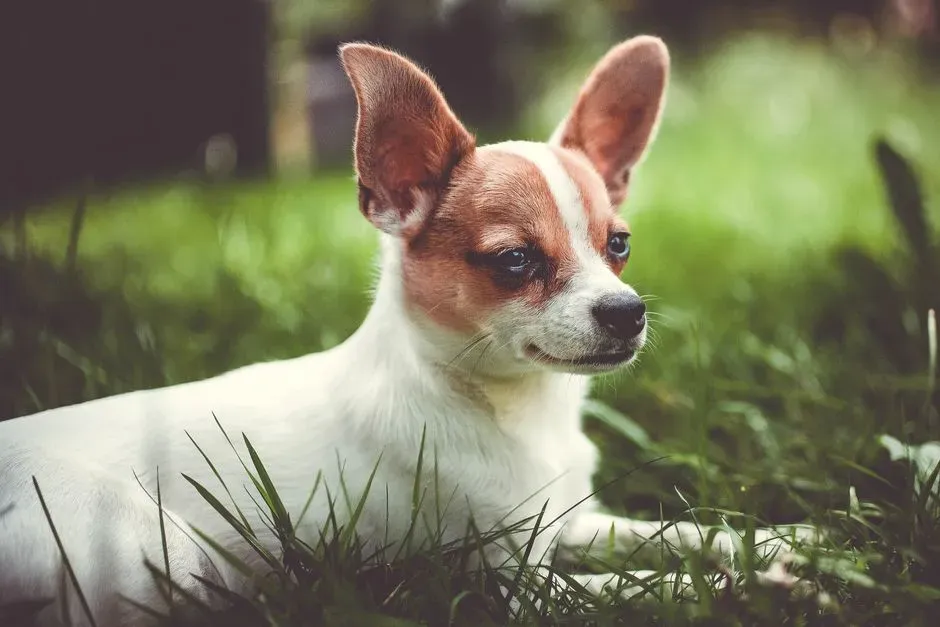
Chihuahua owners love bragging that their dog “thinks it’s a Doberman,” laughing as it charges a Great Dane at the park like it has a death wish. To everyone watching, it looks less like confidence and more like an accident waiting to happen.
That so-called big dog energy is really a mix of genetic boldness, underlying fear, and zero intervention from the human holding the leash. Nobody quietly judging this scene is wrong to worry, because a single bite or rough paw swipe from a larger dog can hospitalize a Chihuahua in seconds. Real advocacy for this behavior would look like body-blocking, leash management, and picking safe playmates – not filming a five-pound dog squaring up to a shepherd for likes.
#12 – Bragging About Skipping Exercise While Splurging on Accessories
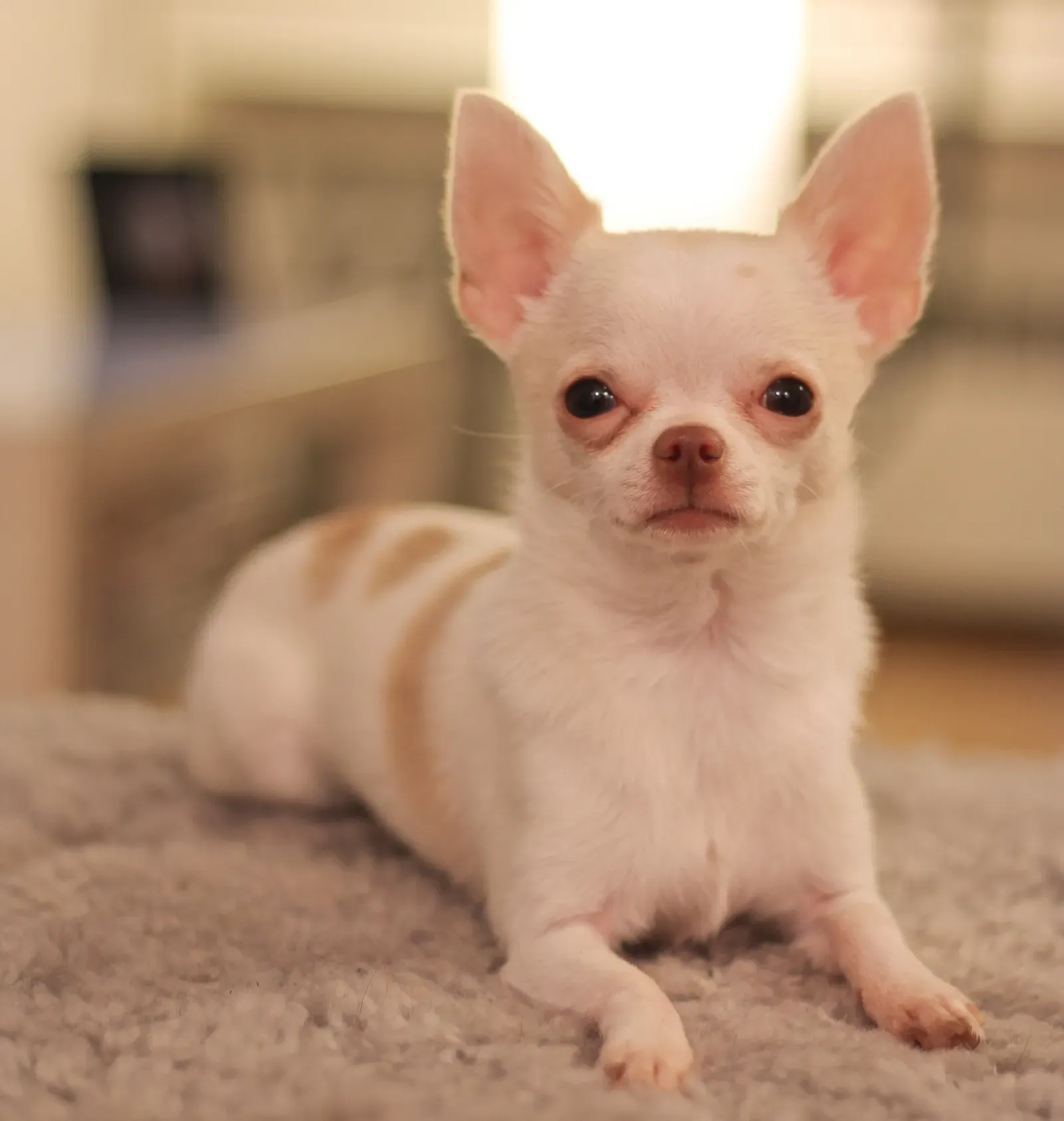
“Chihuahuas are great, they barely need any exercise” is one of the most repeated lines that sells first-time owners on the breed. What rarely gets mentioned in the same breath is how much mental enrichment these dogs actually require to stay stable.
A tired brain does far more for reducing anxiety and reactivity than any trendy accessory ever will. Instead, the budget usually goes toward strollers, seasonal outfits, and matching harnesses, while puzzle toys and basic obedience work sit untouched. Outsiders notice the mismatch immediately – all the money on appearance, none of the effort on stability – because consistency is just harder to enjoy than a shopping cart.
#13 – Claiming They’re “Hypoallergenic” or Totally Easy-Care
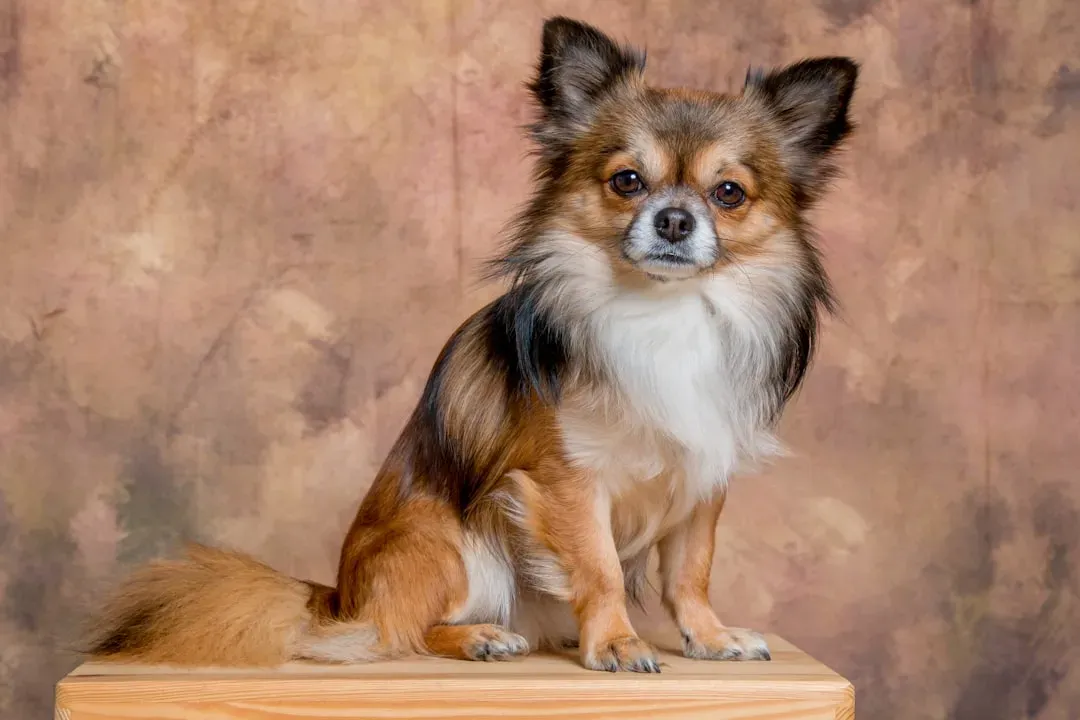
“They barely shed” and “they’re so low-maintenance” are two of the most confidently wrong sentences Chihuahua owners say out loud. Anyone with fur-covered black jeans and a lint roller in every room already knows better.
Chihuahuas can shed heavily for their size, and their crowded little mouths make them genuinely prone to dental disease without near-obsessive brushing. Non-owners quietly notice the untrimmed nails and neglected teeth on dogs marketed as the “easy apartment breed,” while owners keep defending the image because admitting otherwise cracks the whole low-effort narrative. The vet bills and the breath tell a very different story than the reputation does.
Fast Facts
- Dental disease risk is unusually high due to crowded teeth in a tiny jaw
- Shedding can be moderate to heavy, especially in double-coated Chihuahuas
- Nails need trimming every few weeks since they rarely wear down naturally
- Daily brushing is the single biggest factor in preventing tartar buildup
#14 – Turning the Dog Into a Personality Test, Not Just a Pet
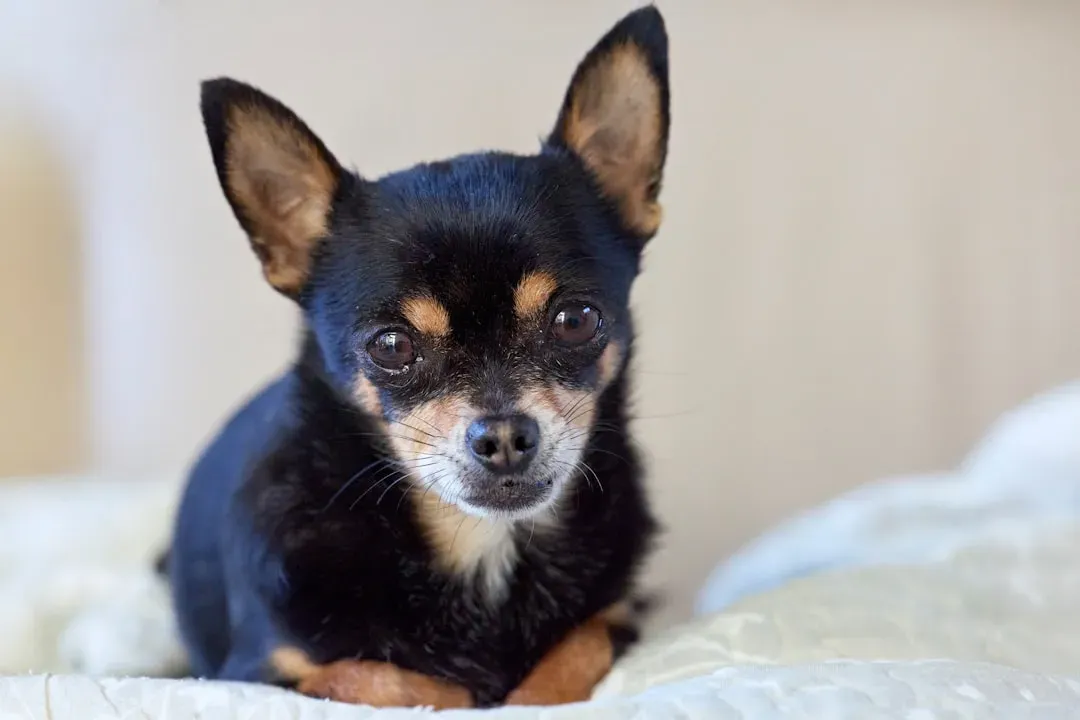
Eventually, the identity merges completely: “You have to be strong to handle a Chihuahua,” or “if you don’t like my dog, you don’t like me.” What sounds like affection to an owner reads as ego wrapped in fur to everyone else.
No other mainstream breed gets weaponized as a personality trait quite like this one – “spicy,” “sassy,” “no one messes with me.” That pressure makes any criticism of the dog feel like a personal attack, so “my dog barks too much” turns into “you’re attacking my lifestyle,” and the animal quietly stops being a dog with needs and becomes a brand instead. Once a pet becomes your identity, admitting you might be raising it wrong becomes almost impossible.
The Bottom Line
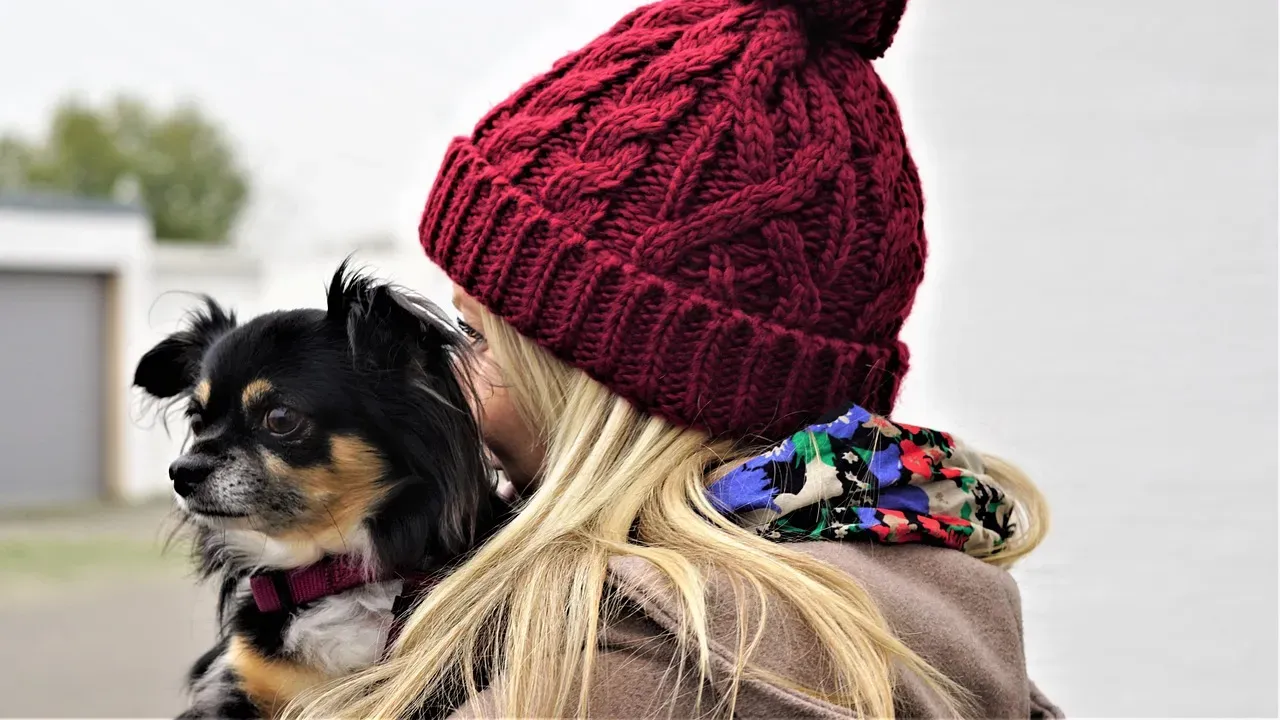
Chihuahuas were never really the problem – the stories humans build around them are. Owners defend the barking, the shaking, the outfits, and the chaos as “just how they are,” while everyone else quietly clocks anxiety, under-training, and preventable health issues dressed up in sequins.
The breed is tiny, but the margin for error is enormous: small bodies, oversized emotions, and owners who too often mistake indulgence for love. Strip away the memes and the stereotypes, and a well-bred, well-trained Chihuahua is sharp, genuinely affectionate, and far less dramatic than the internet gives it credit for. The real question was never whether Chihuahuas deserve better – it’s whether their owners will ever put the phone down long enough to actually give it to them.


