
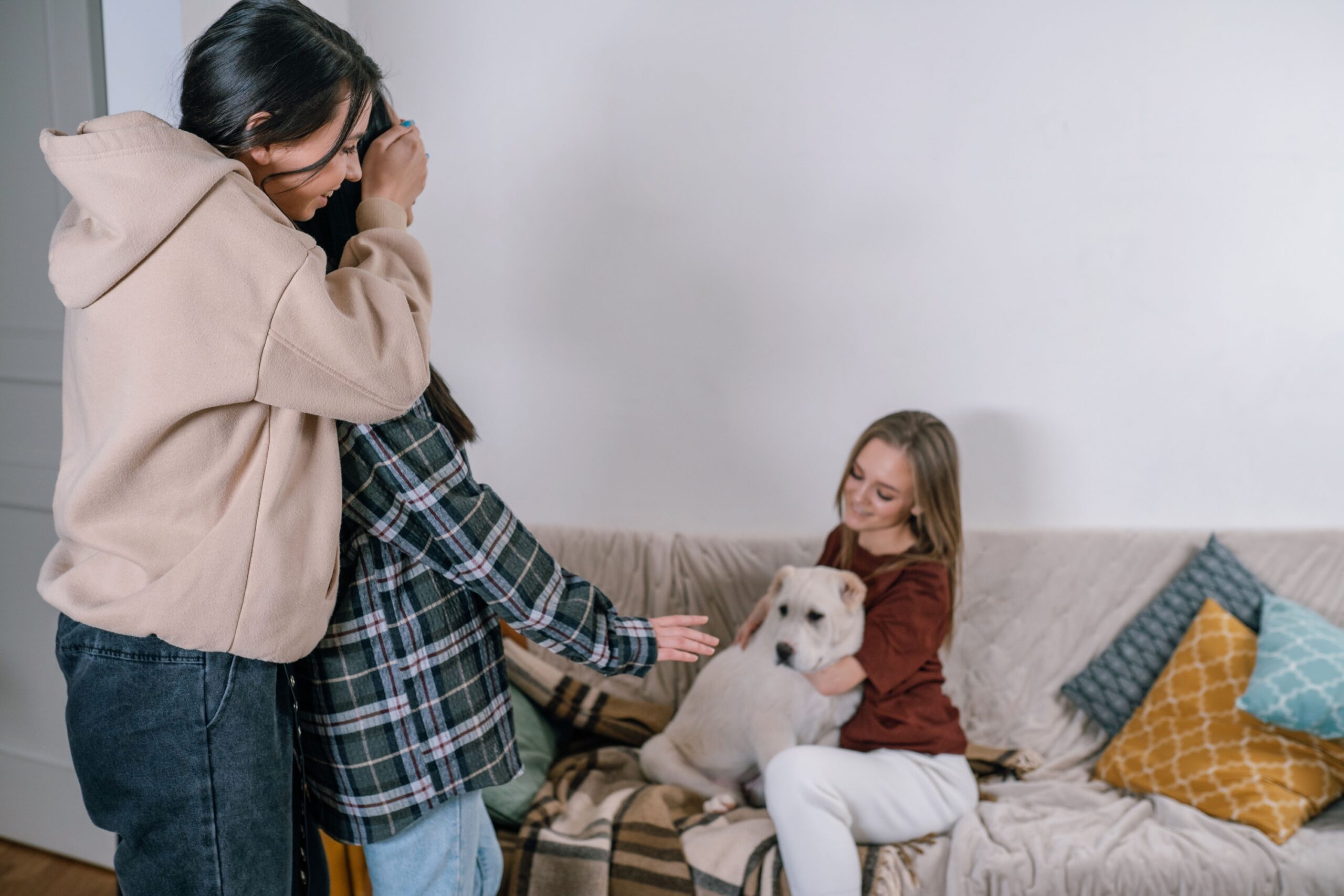
Dog owners love a good hero story. Your pup steps between you and an approaching dog, tail high, chest out, and it is so tempting to think they are bravely shielding you like a furry bodyguard. Sometimes, that really is part of what is going on. But in a lot of cases, the truth is more complicated, less cinematic, and much more interesting once you know what to look for.
What your dog does in the next five to ten seconds tells you far more than the dramatic moment where they park themselves in front of you. Are they loose and wiggly, or stiff and glaring? Do they glance back at you for guidance, or lock onto the other dog like a laser? When you start reading the small details instead of the big story in your head, you realize this behavior can mean confidence, anxiety, pushiness, jealousy, or, yes, sometimes genuine concern. Let’s break it down in a way that actually helps you and your dog in real life.
It Looks Like Protection, But It Might Just Be Blocking Access
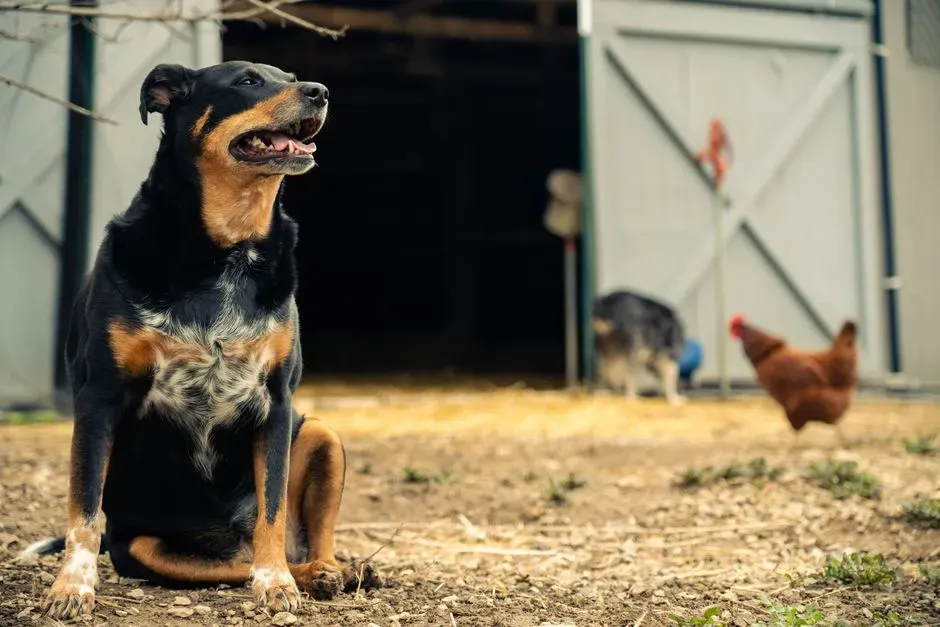
Here is an unglamorous possibility: your dog is not shielding you like a movie hero, they are simply putting themselves in the best position to control the situation. Many dogs quickly learn that if they plant their body between you and another dog, they can influence who gets close to your legs, your hands, and your treats. It is less about guarding your safety, and more about blocking access to a valuable resource: you.
This is especially common in dogs who lean, press against your legs, or physically nudge other dogs away when they approach. Think of it like a pushy friend sliding between you and someone new at a party, not because they fear danger, but because they want your full attention. The behavior can still become a problem, but understanding it as “resource control” rather than pure heroism helps you respond more calmly and more effectively.
Body Language: The Small Details That Change the Whole Story
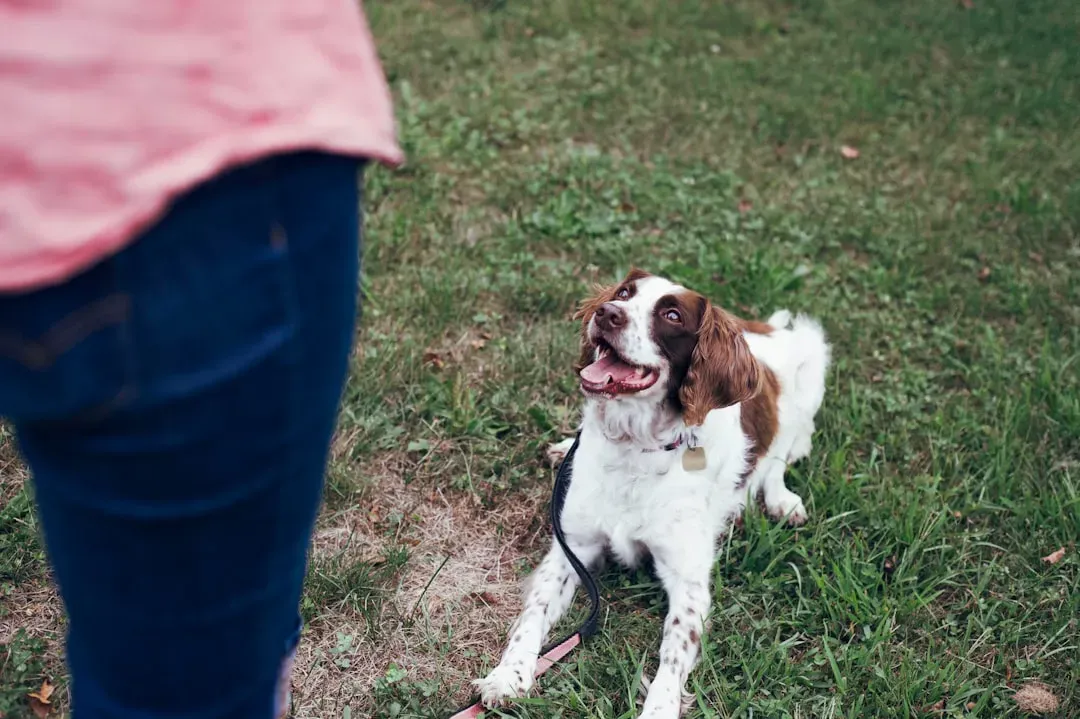
The exact same “between you and the other dog” move can mean radically different things depending on how the rest of the dog looks. A dog who is relaxed, soft-eyed, and wagging loosely from the hips is having a completely different emotional experience from a dog who is stiff, upright, and holding their tail like a flag. If you only focus on position and ignore everything else, you are basically reading one word out of an entire paragraph.
Start noticing a few key details: Is the mouth loose or clamped shut? Are the ears neutral, forward, or pinned back? Is the tail low and swishy, or high and tight? Is the dog shifting their weight forward or sideways, or are they leaning against you for support? When you pay attention to those little signals, you can often tell whether you are looking at curiosity, playful excitement, mild unease, or a dog who is one step away from starting a serious argument.
Confidence vs. Anxiety: Are They Standing Tall or Hiding Behind You?
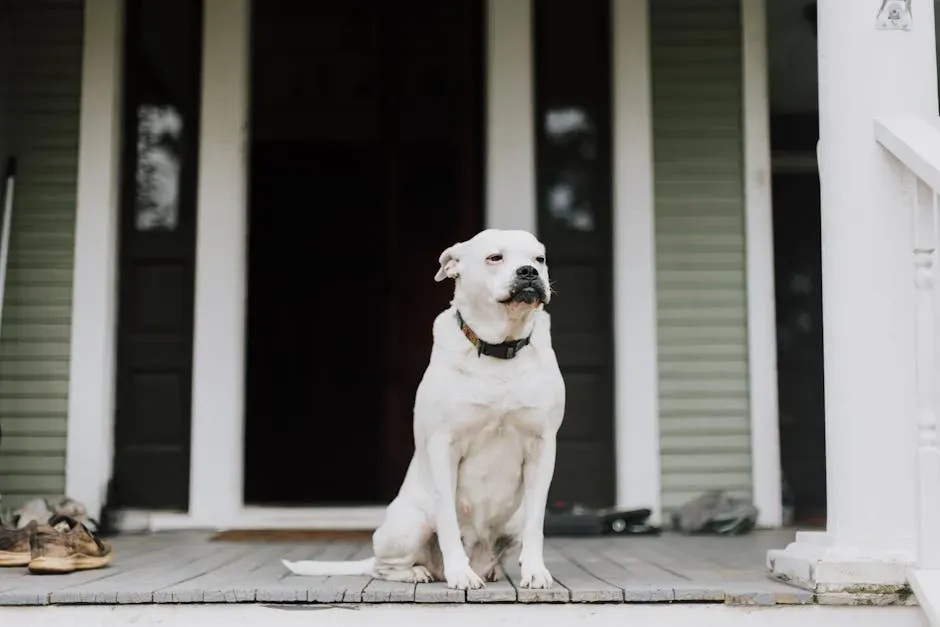
Some dogs step in front because they feel bold. They are confident, maybe even a bit too full of themselves, and they want to be first to greet, first to size up the other dog, and first to decide what happens. They may plant their feet, stand tall, and look like they own the whole sidewalk. Their “protection” is often more about showing off or managing the social scene than genuinely worrying about your safety.
Other dogs do something that looks similar from the outside, but if you watch closely, they are actually nervous. They might edge in front and then subtly angle back toward you, glancing over their shoulder to see how you are reacting. Sometimes they are not guarding you at all – they are trying to use you as a shield, like a child peeking from behind a parent’s leg on the first day of school. One of the biggest mistakes owners make is praising this as heroic, when what the dog really needs is calm reassurance and more distance from what scares them.
Jealousy, Resource Guarding, and the “You’re Mine” Vibe
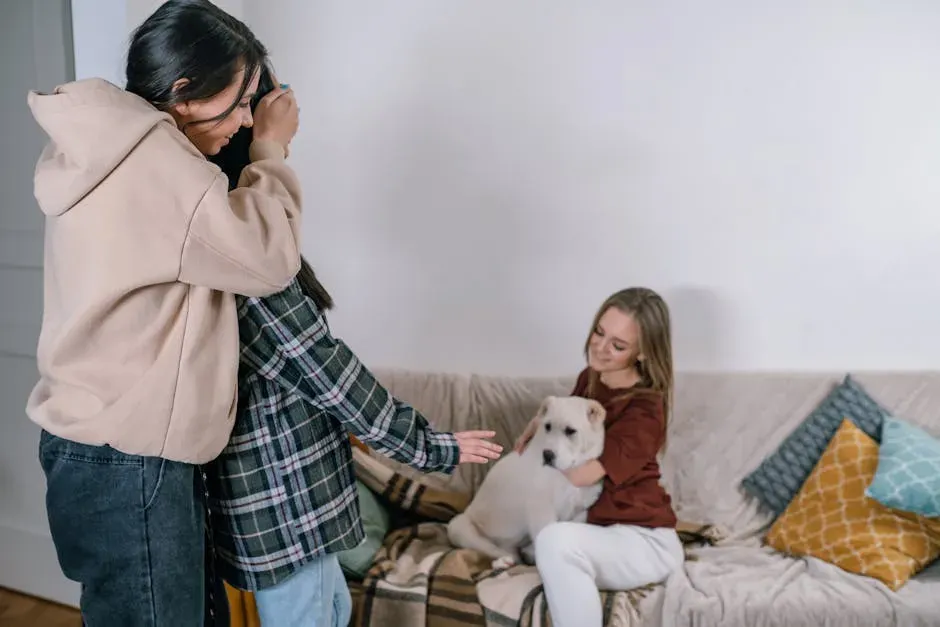
There is a very real social side to this behavior. For plenty of dogs, stepping between you and another dog is basically their way of saying, “Back off, this human is taken.” It can be a form of social jealousy or classic resource guarding, especially in homes with multiple dogs or when you are giving attention, food, or toys. The dog is not analyzing danger; they are reacting to competition.
You will often see this when you pet another dog and your own charges in, wedging themselves between you and the newcomer. Sometimes it is harmless and playful, and sometimes it is the first crack in the wall that later becomes full-on growling or snapping when other dogs approach. Interpreting this as “aw, they love me so much they’re protecting me” feels emotionally nice, but it can blind you to the fact that your dog is rehearsing a pushy pattern that will get worse if you do not set some boundaries.
What Happens Next: The Crucial Five Seconds After They Step In
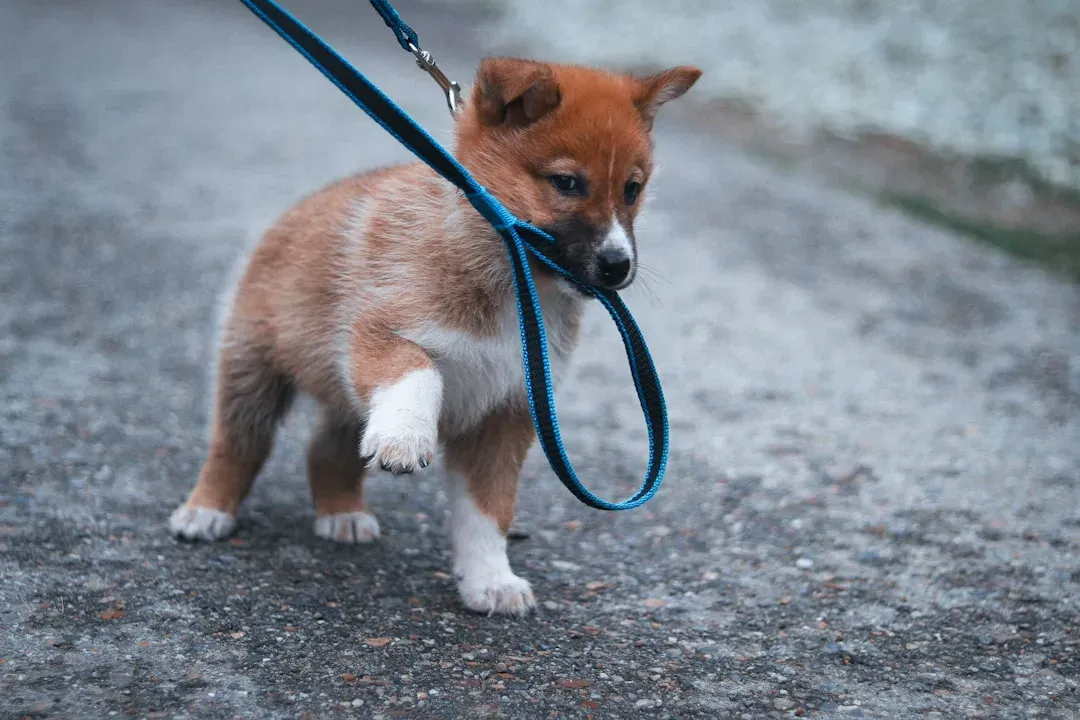
If you want to understand your dog, watch what they do right after they plant themselves in front of you. Do they relax, sniff, maybe arc sideways to greet the other dog politely? That often points to curiosity or mild concern without a strong agenda. Do they instead tense up, stare, lunge, or start grumbling under their breath? Now you are looking at something that is much closer to defensive behavior, with the potential to spill into a reactive outburst.
This is also where your own reaction matters. If you tighten the leash, gasp, or start yanking them away every time another dog appears, your dog may learn that other dogs are a big deal that justifies a big response. On the other hand, if you calmly guide them to the side, ask for simple cues like “watch me” or “let’s go,” and reward them for staying loose and responsive, you show them there is no need to take over as the security team. The moment after they move between you and another dog is your best chance to either reinforce drama or build calm.
How Your Response Can Turn a Small Quirk into a Big Problem (or Not)
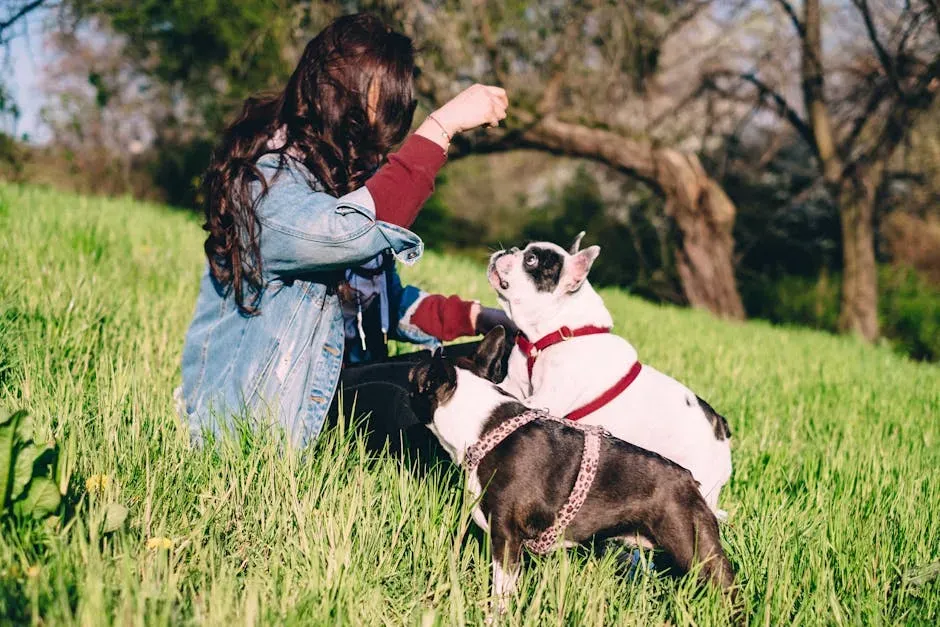
I have seen owners proudly encourage this behavior because it makes them feel loved and protected, only to end up with a dog who barks, lunges, or even bites when other dogs come near. When you treat every blocking move as noble protection, you may accidentally reward pushiness and tension. The dog learns that throwing themselves in front of you always gets praise, petting, and sometimes the other dog leaving, which feels like a success from their point of view.
A healthier approach is to quietly redirect instead of celebrating the drama. Step slightly to the side, create an arc around the other dog, and reinforce any sign of relaxed, non-confrontational behavior. Teach alternative responses like walking on one side, checking in with you, or sitting calmly while others pass by. Your job is not to shame or scold your dog for their instincts, but to steer them toward behaviors that actually keep everyone safe and make daily walks less like a security drill and more like a stroll.
True Protection Does Exist – But It Is Rarely the Whole Picture
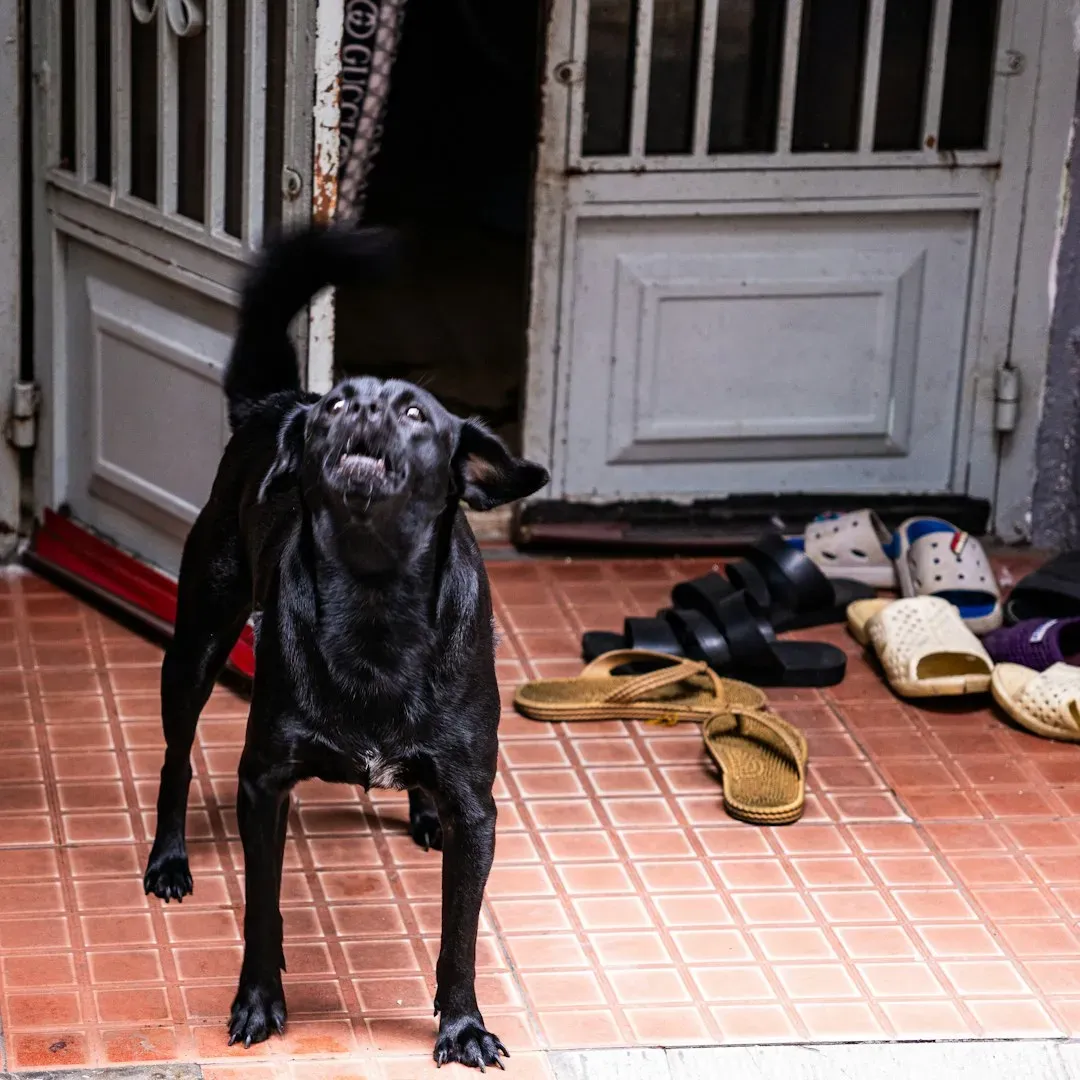
There are absolutely dogs who show genuine protective behavior, especially with people they have lived with for a long time. Some will move closer, step forward, or even get between their person and what they interpret as a threat. But even in those cases, what they are responding to is usually a mix of your body language, their own emotional history, breed tendencies, and past experiences. It is rarely a clean, cinematic instinct to “protect at all costs” and nothing else.
It is also worth remembering that real protection is often quiet. A truly confident dog may simply step closer, watch carefully, and be ready to respond if needed, without ever puffing up or starting a conflict. The loudest, most dramatic dogs – the barkers, lungers, and over-the-top blockers – are often the ones who feel the most insecure inside. It is more helpful to see them as worried or over-aroused than as fearless guardians.
Conclusion: Stop Chasing the Hero Story and Start Reading Your Dog Honestly
There is something incredibly flattering about believing your dog would stand between you and danger, and sometimes they really might. But hanging onto that story no matter what you see in front of you can make you miss the truth: many dogs are jockeying for attention, trying to control social access, or managing their own nerves rather than selflessly guarding your life. I personally find it far more beautiful to see dogs as complex, emotional, slightly messy creatures than as flawless little superheroes.
If you watch their body language, notice what happens in those crucial few seconds after they move in front of you, and respond with calm, thoughtful guidance instead of pure emotion, you will understand them better – and they will feel safer with you. In the end, the most important thing is not whether your dog is secretly your bodyguard, but whether you are consistently their safe, predictable anchor in a confusing world. When your dog steps between you and another dog, what do you see now that you did not see before?


