

You laugh, and suddenly here comes your dog, paws skidding on the floor, eyes bright like you just rattled the treat jar. It feels cute and a little mysterious, especially when you were nowhere near the snack cupboard. Are they really that tuned in to your joy, or is something else going on?
The truth is, your dog probably is responding to your laughter, but not in the simple, cartoonish way we like to imagine. It is rarely just the sound of a giggle that pulls them in. It is a whole emotional storm of body language, tone, scent, and past memories tied together. Once you see how many signals you are throwing off when you laugh, their zoomies start to make a lot more sense.
The Emotional Gravity Of Your Voice
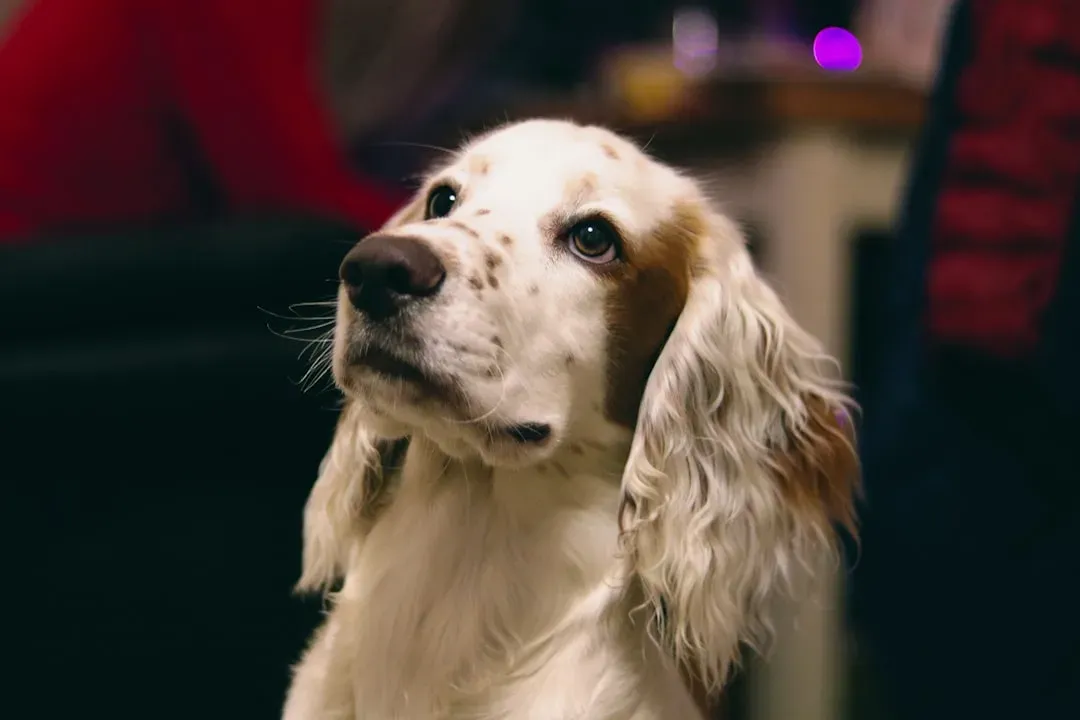
Dogs live in a world where your voice is basically emotional GPS. When you laugh, your tone usually shoots up in pitch, gets faster, and carries more energy, which often sounds a lot like how you speak during playtime. To a dog, that emotional flavor is way more important than the specific words coming out of your mouth.
Over time, they learn that certain sounds from you mean good things: attention, play, cuddles, or treats. So when you laugh, it can feel like an emotional magnet pulling them in. It is not that they understand the joke; they understand that this sound usually predicts fun, and they do not want to miss out.
Your Body Language Is Practically Shouting “Play With Me”
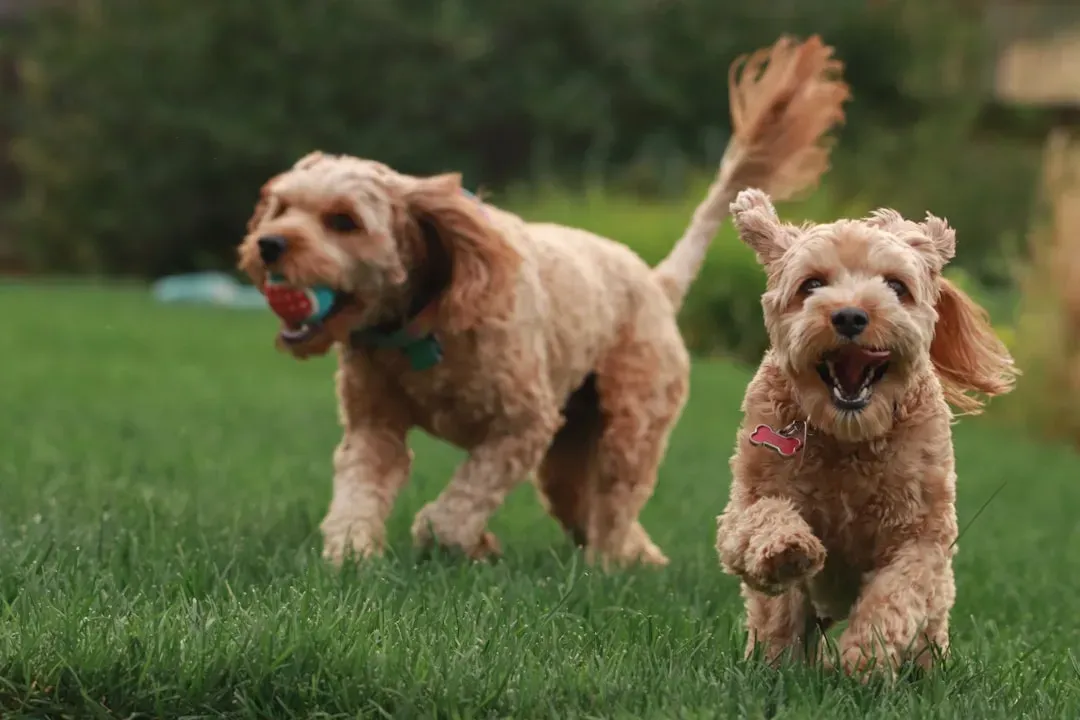
Think about what your body does when you really laugh. You lean forward, clap your hands, move your arms, maybe even bounce in your seat or on your feet. To another human, that just looks like you enjoying yourself. To a dog, all that movement looks suspiciously like an invitation to play.
Dogs are body language experts. Many of the postures we take when we are excited or amused mirror their own play signals: loose limbs, bouncy movements, relaxed shoulders, softer facial muscles. When you suddenly switch from still and boring to animated and lively, your dog reads that shift as a green light that something fun is happening, and they rush in like a kid hearing the ice cream truck.
Laughter Often Predicts Good Stuff (And Dogs Are Pattern Ninjas)

Dogs are shockingly good at spotting patterns, even subtle ones we do not notice in ourselves. Maybe you laugh when you are watching funny videos, and right after, you often get up to grab a snack, stretch, or call your dog over for a cuddle. In your mind, those events are separate; in your dog’s mind, laughter often comes before something pleasant.
So your laugh becomes less of a random sound and more like a signal: something is happening, and it might involve me. That pattern-learning is the same ability that lets them recognize the faint clink of their leash from two rooms away or the way your footsteps change right before you head to the door. Laughter, to them, is just another piece in that predictive puzzle.
Dogs Really Can Read Your Mood (And It Matters To Them)
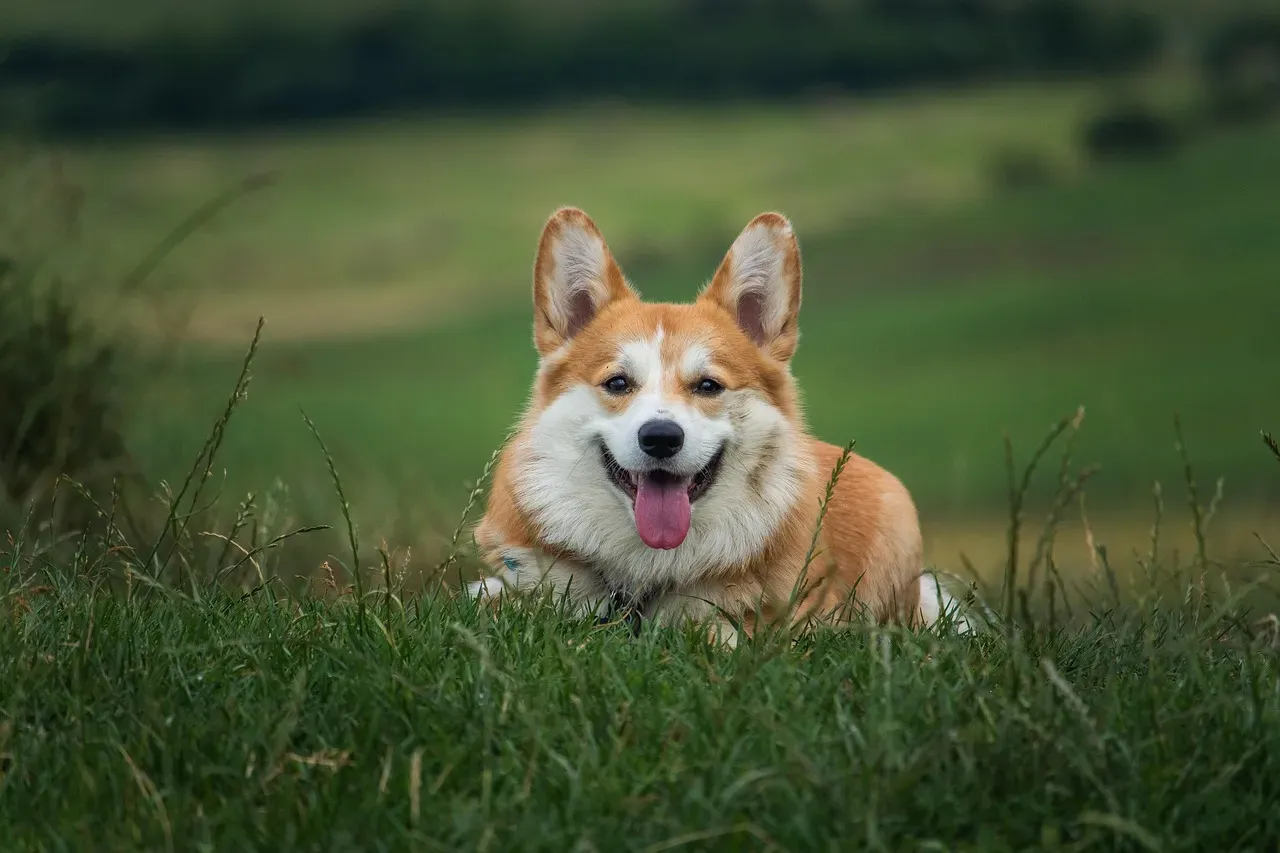
There is growing evidence that dogs can pick up on human emotions using both sight and sound, and that they can match facial expressions with emotional tones of voice. In everyday life, that means your dog is constantly scanning you for clues: Are you relaxed? Stressed? Sad? Excited? Your laughter is a loud, clear signal that your emotional weather just turned sunny.
Because they are social animals who depend on you for safety and connection, your emotional state genuinely matters to them. A laughing, relaxed human usually means a safe, low-threat environment where they can also let their guard down and engage. Some dogs seem to rush over when you laugh almost like they are soaking in your happiness, as if they are thinking, “You are good? Then I am good too.”
Curiosity, FOMO, And The “What Did I Miss?” Instinct

There is also a very simple, very relatable reason your dog may stampede into the room when you laugh: plain old curiosity. A sudden burst of sound, especially from a person they care about, is like a notification ping they cannot ignore. They hear it, and their brain goes straight to, “What is happening, and is it for me?”
That fear of missing out is strongest in dogs who are highly bonded to their people or naturally more inquisitive. If laughter regularly happens when other people are around, toys are out, or something exciting is going on, your dog is basically running toward the social spotlight. From their point of view, wherever the most energy is, that is where they should be too.
Stress Relief, Safety, And Why Your Happiness Calms Them

Dogs are incredibly sensitive to tension in a home. Raised voices, stiff posture, or sharp movements can put them on edge, even if no one is angry at them. Laughter, especially big, genuine laughter, tends to live on the opposite side of that emotional spectrum, and many dogs naturally gravitate toward that calmer, safer feeling.
When you laugh, your muscles relax afterward, your voice stays higher and softer, and your whole presence feels less threatening. That can make you feel more approachable to your dog, especially if they are a bit anxious or cautious by nature. Some dogs even seem to use their humans’ happiness like a security blanket: if you are at ease, then the world must not be such a scary place right now.
When Your Dog Seems Confused Or Overwhelmed By Your Laughter

Not every dog comes barreling in happily when you laugh; some actually look worried or startled, especially if your laugh is big and loud or very sudden. To them, it might sound less like joy and more like a shout or a bark, especially if they came from a noisy or stressful background. Their body might stiffen, their ears might go back, or they may approach slowly instead of charging in.
In those cases, it can help to soften your voice afterward, crouch down, and offer calm reassurance or gentle play so they can learn that your laughter is safe and positive. Over time, many nervous dogs will rewrite that mental file from “intense, maybe scary” to “oh, that sound leads to affection and treats.” Your reactions after you laugh can shape how they feel about it in the long run.
How To Turn Your Laughter Into A Positive Signal
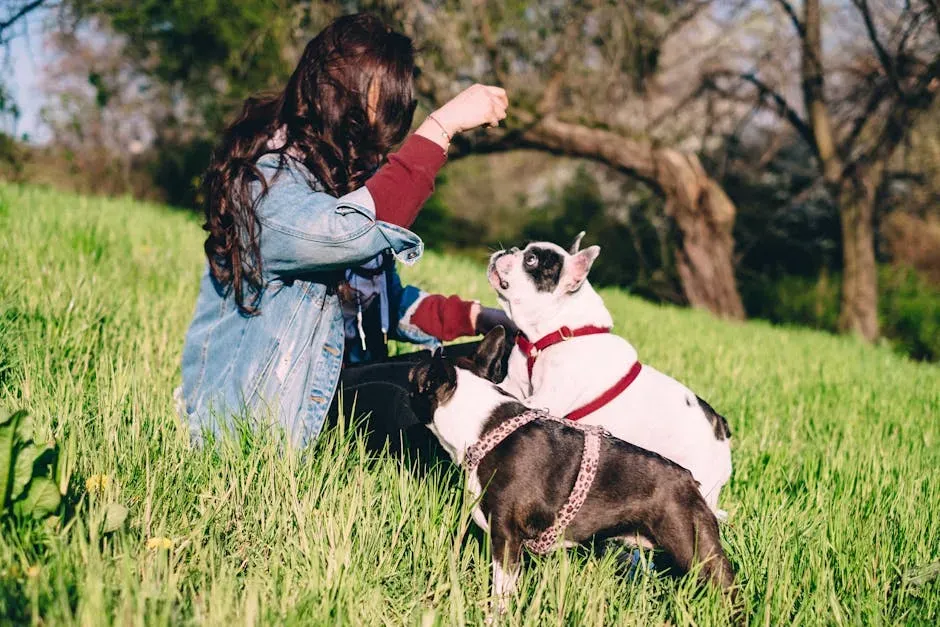
If you like the idea that your dog runs to you when you are happy, you can actually lean into it and make your laughter part of your training toolkit. When you are in a good mood and your dog comes over after you laugh, reward them with play, praise, or a quick training game. You are reinforcing the idea that coming to you when you sound joyful is always a smart move.
Over months and years, that consistent pairing can turn your laugh into a kind of informal recall cue, especially indoors. It also deepens your bond because your dog learns that your good moods are not just background noise; they are moments where they are invited to share in the fun. In a quiet, subtle way, you are teaching them that your joy includes them.
Conclusion: Your Dog Is Responding To The Whole You, Not Just The Sound
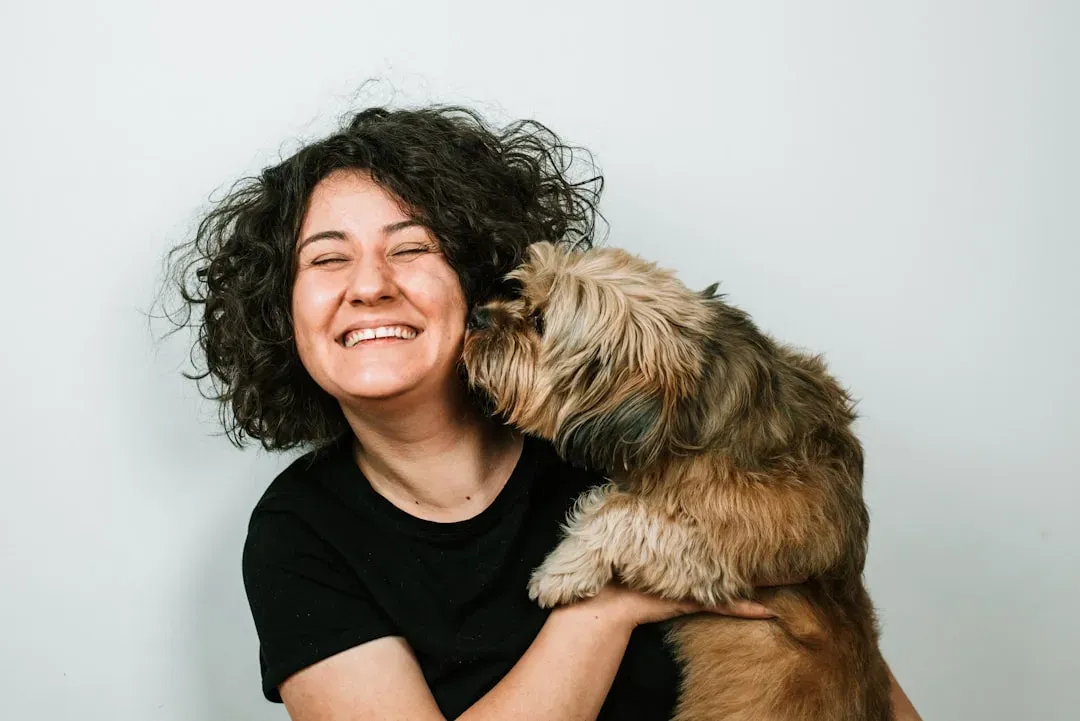
When your dog comes running as you laugh, it is not just about the sound of your voice echoing down the hallway. They are responding to a whole mix of things at once: your body language, your tone, the emotional vibe in the room, and all the memories of past good moments wrapped around that sound. Personally, I find that idea way more moving than the myth that they simply “like the noise.”
In my view, the way dogs key into our laughter is one of the clearest signs of how deeply entangled their emotional lives are with ours. They do not understand the joke, but they understand you, and that is what matters. Next time they come sprinting in when you crack up at something on your phone, maybe pause and see it as what it really is: your dog choosing to be close to you when you are at your happiest. Did you expect something that simple to be that profound?


