
You tell yourself he’s just tired. Just stiff. Just getting old, like all dogs do. But vets will tell you something uncomfortable: a huge chunk of what people casually blame on age is actually pain, disease, or cognitive decline quietly progressing in the background – and most of it is treatable if someone catches it in time.
Real aging is supposed to be gentle. Slower, yes. Calmer, sure. But not miserable, not confused, not in constant pain. The gap between what owners accept as “normal” and what vets actually see in exam rooms is bigger than most people realize – and by the end of this list, you may recognize a few things in your own dog you’ve been quietly ignoring.
#1 – Sudden “Laziness” or Sleeping Way More Than Usual
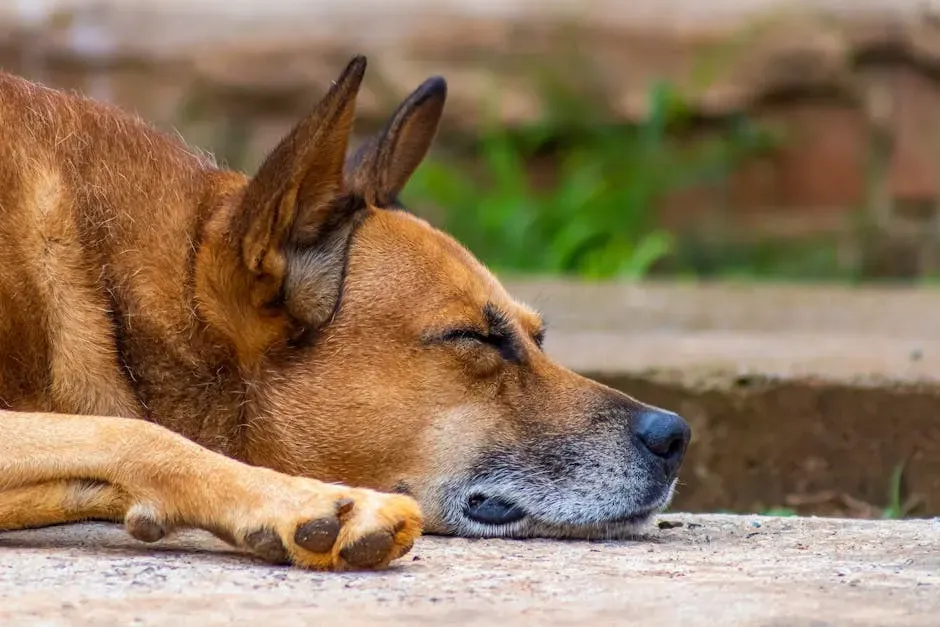
Everyone shrugs when an older dog starts sleeping more: “He’s just old.” But a sharp drop in energy is one of the biggest red flags vets wish owners took seriously. Seniors do nap more, sure – but going from playful to permanently parked on the couch in a matter of months isn’t a normal slowdown, it’s a symptom looking for an explanation.
Often that “laziness” is chronic joint pain, heart disease, low thyroid, early cancer, anemia, or infection hiding in plain sight. Arthritic dogs don’t always limp – many simply stop greeting you at the door or quit jumping on the bed. If your dog used to trail you from room to room and now barely lifts his head, that isn’t age until a blood panel and a pain check prove it.
#2 – Morning Stiffness That’s “Fine Once She Warms Up”
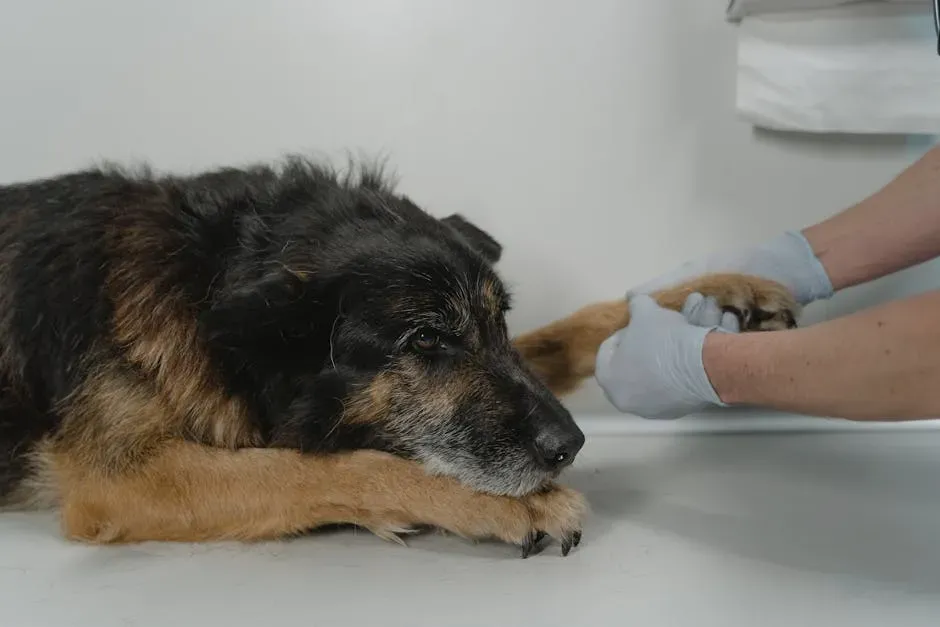
“She’s a little stiff in the morning, but once she gets going, she’s fine” is a sentence that makes vets wince. That warm-up stiffness is classic untreated arthritis, not harmless aging. Dogs are shockingly good at masking pain, pushing through it right up until the day they can’t anymore.
Watch for hesitation on stairs, a wide awkward turn before lying down, or sitting crooked instead of square. Here’s the part few owners realize: by the time stiffness is visible, joint damage has usually been quietly building for years. Medication, injections, supplements, and weight management can make a dramatic difference – but only if someone stops calling it “just getting old.”
#3 – Drinking and Peeing More, Brushed Off as an “Old Bladder”
“Yeah, he leaks a little and drinks like a fish now – he’s just old.” That combination is actually one of the loudest internal alarm bells a dog can ring. Increased thirst and urination is strongly tied to kidney disease, diabetes, Cushing’s disease, and bladder infections – none of which have anything to do with a birthday.
Look for a water bowl that empties faster than it used to, middle-of-the-night bathroom trips, or sudden accidents in a dog who’s been house-trained for a decade. Most vets consider this pattern “must-investigate,” not normal wear and tear. A simple blood and urine test can catch serious problems while they’re still very manageable.
#4 – Weight Gain Everyone Blames on “Slowing Down”
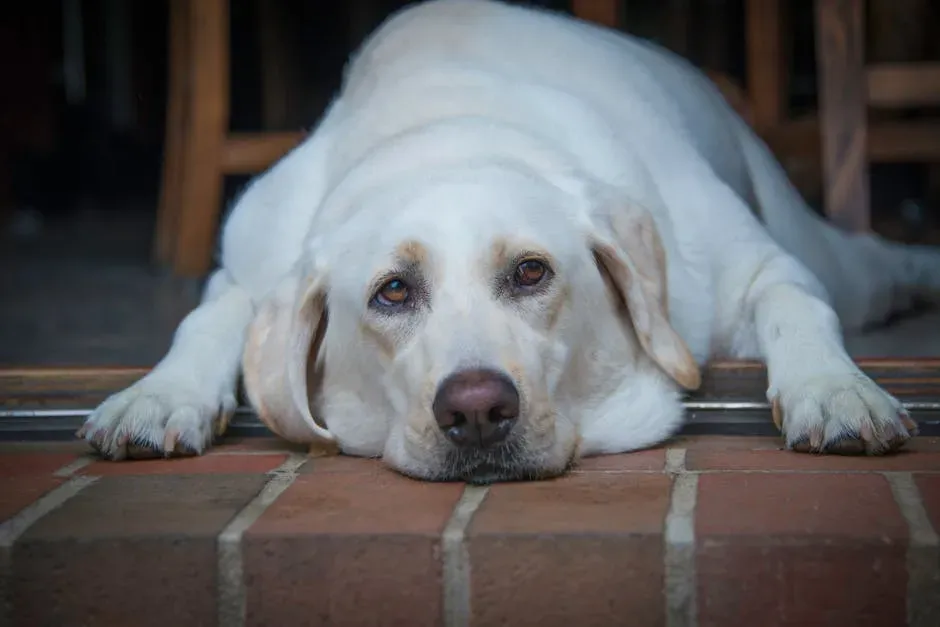
“Of course she’s chubby, she doesn’t move like she used to” is one of the most expensive sentences an owner can say. Extra weight doesn’t just sit there quietly – it actively worsens joint pain, heart strain, breathing, and even cancer risk. People treat the weight gain as a symptom of age, when it’s often the thing driving the decline.
Watch for a disappearing waistline, ribs you can no longer feel, or heavy panting after mild activity. Even a few extra pounds on a mid-size dog is like you wearing a loaded backpack all day, every day. Lean dogs consistently live longer and move more comfortably than their overweight littermates – and many seniors could act like their old selves again if the food bowl got measured instead of guessed.
Fast Facts
- Dogs kept at a lean body condition have been shown in long-term research to live noticeably longer than overweight littermates
- Extra pounds add direct mechanical strain to already-vulnerable hips, knees, and spines
- Carrying excess weight makes anesthesia and surgery riskier if treatment is needed later
- A monthly rib-check and weigh-in catches creeping weight gain long before it becomes obvious
#5 – Weight Loss Brushed Off as “Thinning Out With Age”

The opposite mistake happens just as often: a dog slowly loses weight, and owners tell themselves, “He’s just getting old and skinny.” Unexplained weight loss in a senior dog should never be waved away – it’s one of the earliest signs of serious illness, including cancer, kidney or liver disease, malabsorption, or an overactive thyroid.
People rationalize it – “he’s pickier now,” “he just eats slower” – but a dog who used to hold his weight and is suddenly bony in the hips needs a vet visit, not a new bag of kibble. Even dental pain can quietly cause weight loss because chewing hurts. Catching the real cause early can buy months, even years, of good quality time.
#6 – “Grumpiness” or Snapping That’s Actually Pain
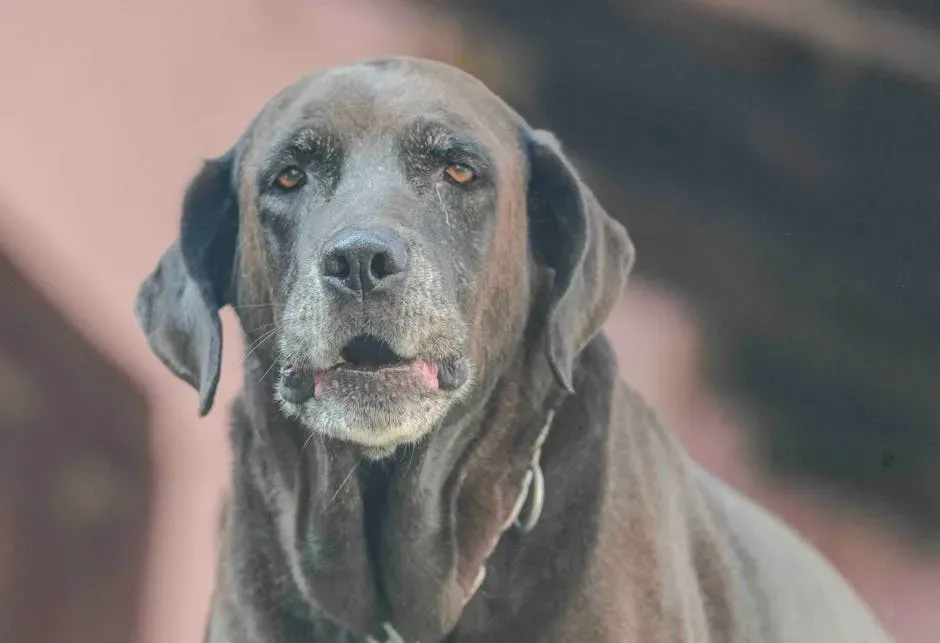
“He’s getting cranky in his old age” sounds harmless – until you realize how many of those “grumpy” seniors are hurting every single day. Pain rewires behavior fast. A once-sweet dog may start growling when touched, avoiding kids, or snapping when picked up, especially around the hips, back, or neck.
Watch for a dog who no longer wants to be hugged, growls when brushed, or retreats to lie alone in a quiet corner. Dogs don’t wake up one day and decide to become jerks at eleven years old – they react to discomfort, confusion, or fear. Treat the underlying pain, and a surprising number of “cranky” seniors turn right back into cuddly marshmallows.
#7 – “He Can’t Hear Me Anymore” (When It’s Not Actually Deafness)
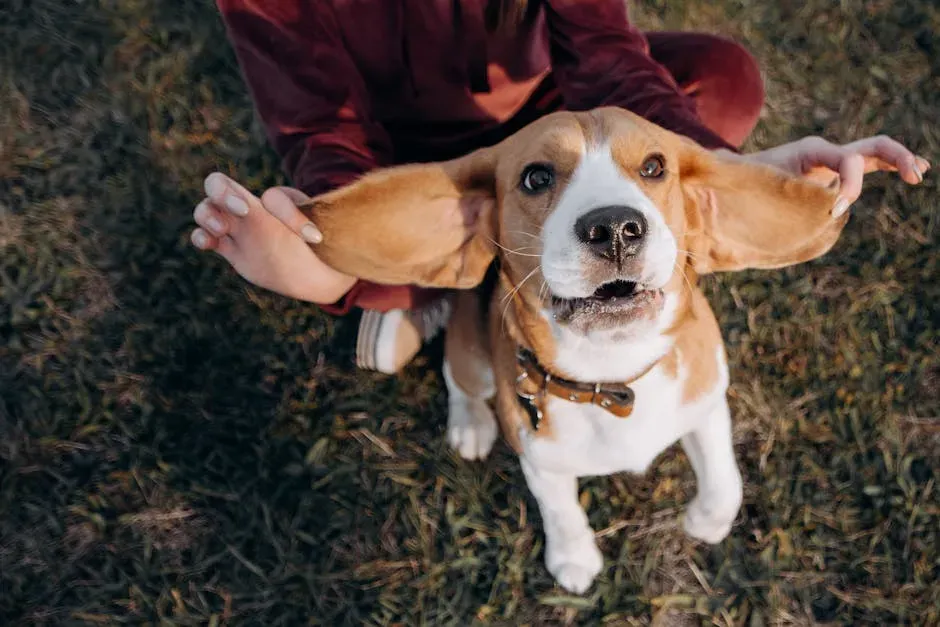
Hearing loss is real and common in older dogs, but the full story is messier than “he’s deaf now, oh well.” Owners frequently mistake inattention, cognitive decline, or even anxiety for deafness – and because they assume nothing can be done, they never adapt how they communicate.
Notice a dog who ignores you calling but startles when you walk up behind him, or who reacts to the treat bag but not to his name. True age-related hearing loss tends to be gradual and total, not selective. Selective “deafness” often points to cognitive changes or a training breakdown – and even genuine hearing loss can be managed beautifully with hand signals and floor vibrations.
#8 – Cloudy Eyes Dismissed as “Old Dog Eyes”

Plenty of people see cloudy eyes and assume blindness is just part of getting old. That assumption can cost a dog his sight. Some haze is a harmless aging change called nuclear sclerosis – but true cataracts, glaucoma, and high blood pressure in the eyes are serious conditions that cause real pain and permanent vision loss.
Normal aging haze usually doesn’t affect vision much, while cataracts look distinctly whiter and glaucoma can bring redness, squinting, or a suddenly enlarged eye. Here’s what most owners never hear: some eye emergencies are measured in hours, not days, for saving sight. Writing off redness or sudden clumsiness as “he just can’t see anymore, poor guy” without an exam can be an irreversible mistake.
#9 – Nighttime Restlessness Blamed on “Old Dogs Just Don’t Sleep”
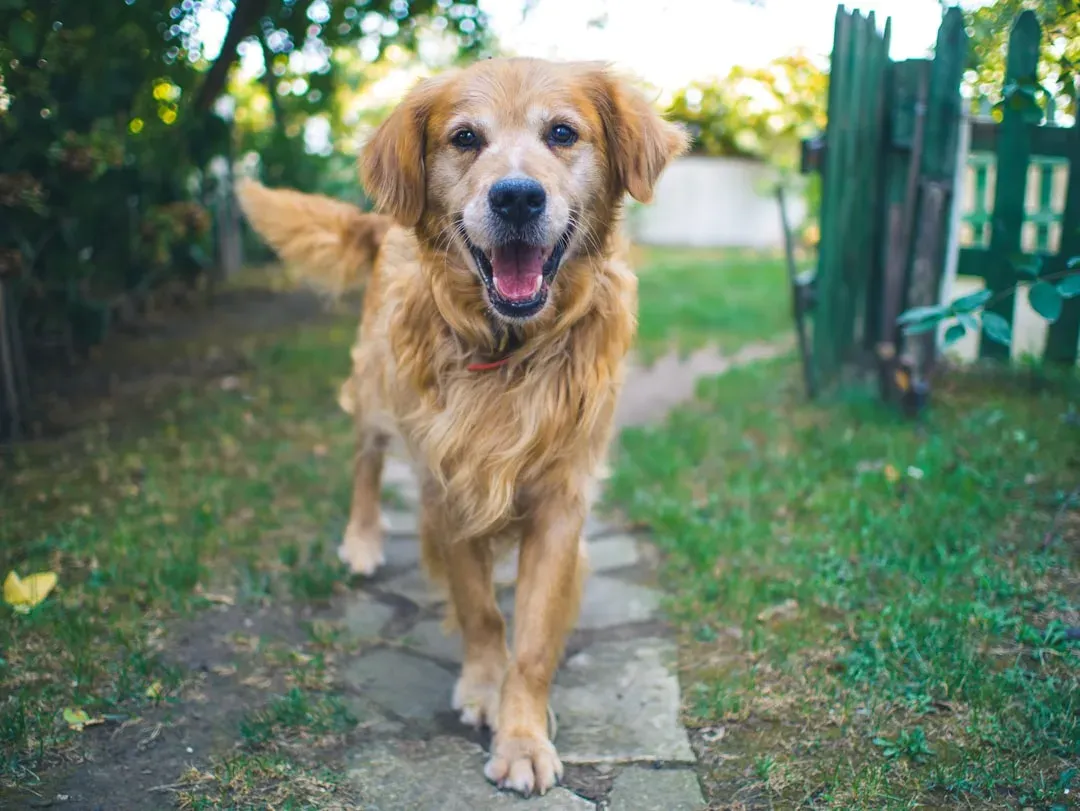
If your senior paces, pants, or wakes you up repeatedly at 3 a.m., it’s tempting to joke that he’s like an old man who can’t sleep anymore. But nighttime chaos like this is frequently a red flag for pain, anxiety, or canine cognitive dysfunction – not random aging static.
Watch for pacing and staring at walls, getting stuck in corners, or whining at night when he used to sleep through it fine. Cognitive decline can slowly scramble a dog’s internal map and sleep-wake cycle, but diets, supplements, medications, and enrichment can genuinely slow that down. This is one of the most exhausting senior-dog problems for families, and it’s absolutely worth raising with a vet early rather than white-knuckling through it.
Worth Knowing
- Vets often use the acronym DISHA to describe canine cognitive dysfunction: Disorientation, Interaction changes, Sleep-wake changes, House-soiling, and Activity changes
- Symptoms usually creep in slowly, over months rather than appearing overnight
- Nighttime pacing or waking is frequently the very first sign families notice
- Consistent routines and mental enrichment can meaningfully slow how fast symptoms progress
#10 – “He’s Just Getting Senile” – Cognitive Changes Played for Laughs
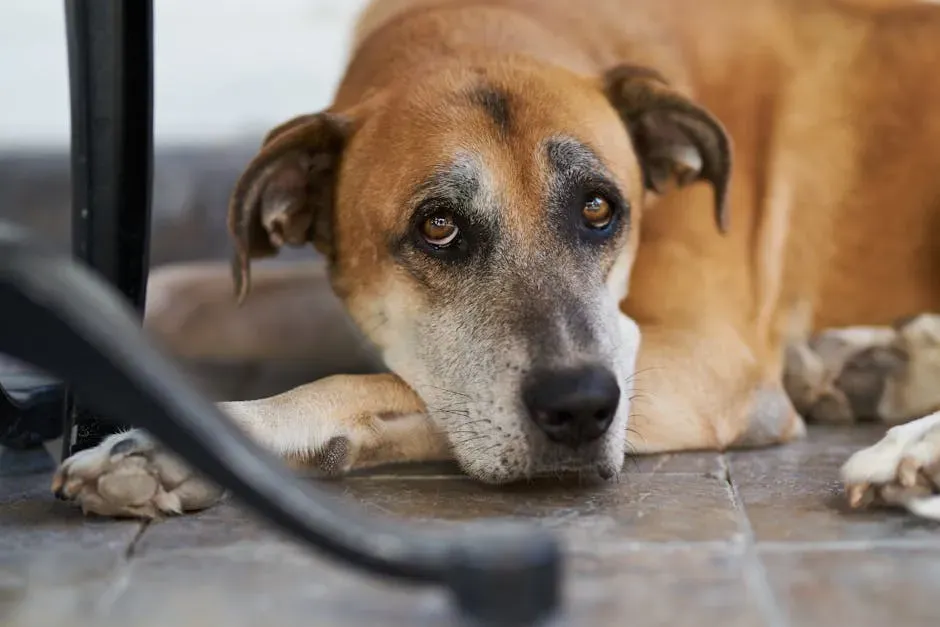
People joke that their dog is “senile now” like it’s a punchline, but to the dog, it’s genuinely frightening. Real cognitive dysfunction isn’t quirky – it’s confusing and anxiety-inducing, and it’s often manageable if it’s caught early instead of dismissed as a personality quirk.
Watch for blank staring, getting stuck behind furniture, or forgetting routines as basic as where the door is. The heartbreaking part is that many owners assume nothing can help, so they never even mention it at a checkup. Prescription medications, brain-supporting diets, puzzle toys, and consistent daily structure can slow the progression and meaningfully reduce a dog’s distress.
#11 – Bad Breath Written Off as “Doggy Breath”
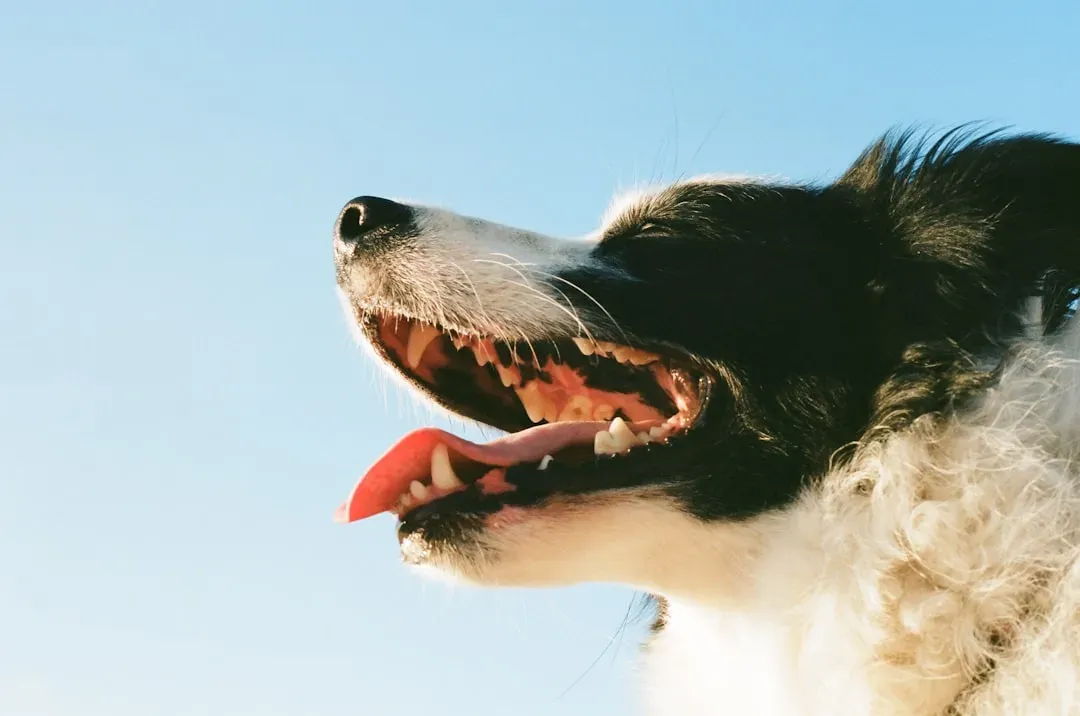
If you can smell your dog’s mouth from across the room, that’s not “old dog smell” – in a lot of cases, that’s rotting tissue and active infection. Dental disease is one of the most under-treated sources of chronic pain in senior dogs, and owners routinely wave it off as inevitable.
Look for brown or gray buildup, red or bleeding gums, or a dog who suddenly chews only on one side. Rotten teeth don’t stay contained in the mouth – the bacteria can enter the bloodstream and stress the heart, liver, and kidneys over time. Many seniors act noticeably younger and more engaged after a proper dental cleaning, simply because a constant ache is finally gone.
#12 – Slowing Down on Walks That Isn’t Just “He’s Old Now”
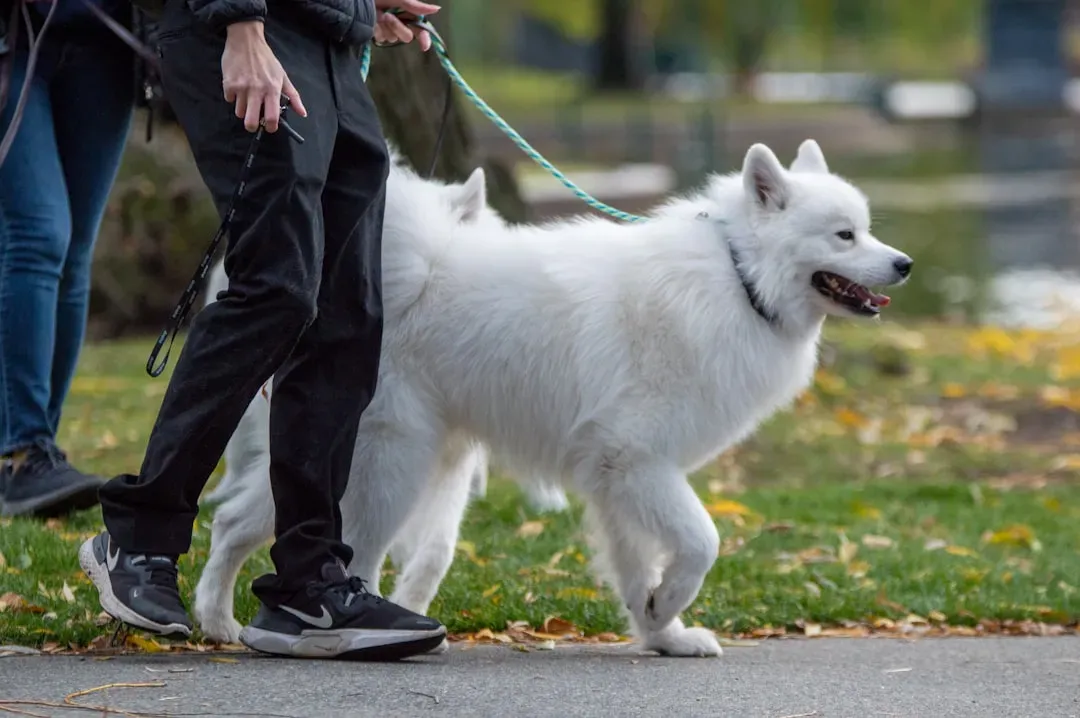
When a dog starts lagging on walks, most owners just shorten the route and say he can’t keep up like he used to. Sometimes that’s a fair adjustment. But often that slower pace is a symptom, not a personality shift – heart disease, lung problems, or severe arthritis can all masquerade as simple slowing down.
Pay attention to harder panting, more frequent rest stops, or a sudden aversion to hills. If your dog used to power-walk and now drags behind within the first block, that’s worth investigating, not just a reason to buy a shorter leash. Adjusting exercise is smart; skipping the vet visit can mean missing treatable conditions that quietly steal months or years of active life.
#13 – New House-Soiling Excused as “Old and Incontinent”
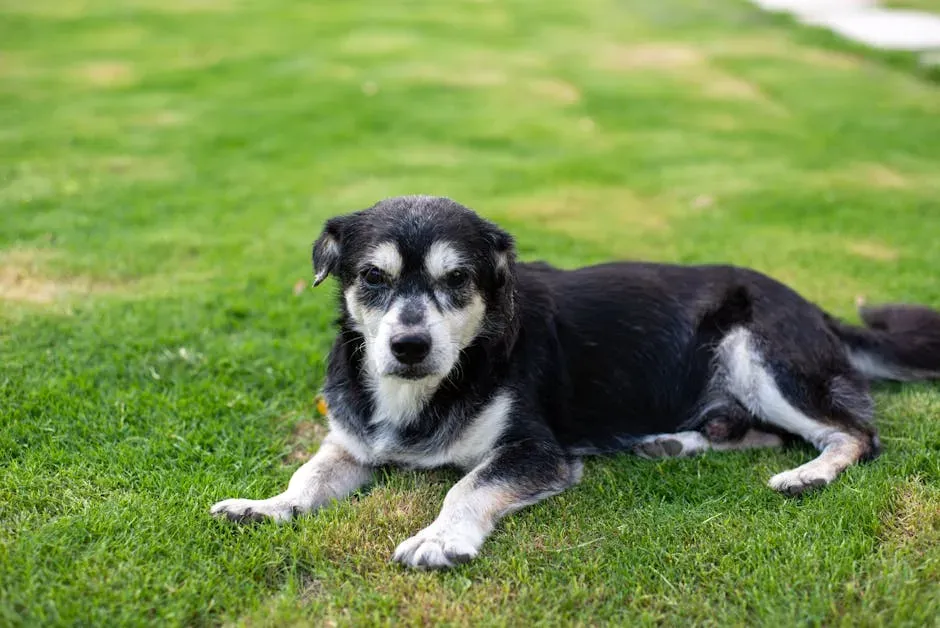
When a senior starts having accidents indoors, owners often accept it instantly: “She can’t help it, she’s old.” But sudden or worsening house-soiling can signal infection, organ disease, hormonal imbalance, or cognitive changes – not just age-related incontinence.
Notice the difference between dribbling and full puddles, straining, blood in the urine, or a dog who seems genuinely upset after an accident. Most urinary issues respond well to medication or diet changes, and even true sphincter incontinence often improves with prescription treatment. Chalking it up to “old-lady bladder” means more discomfort for her and a lot more unnecessary laundry for you.
#14 – New Lumps and Bumps Dismissed as “Fatty Old Dog Lumps”
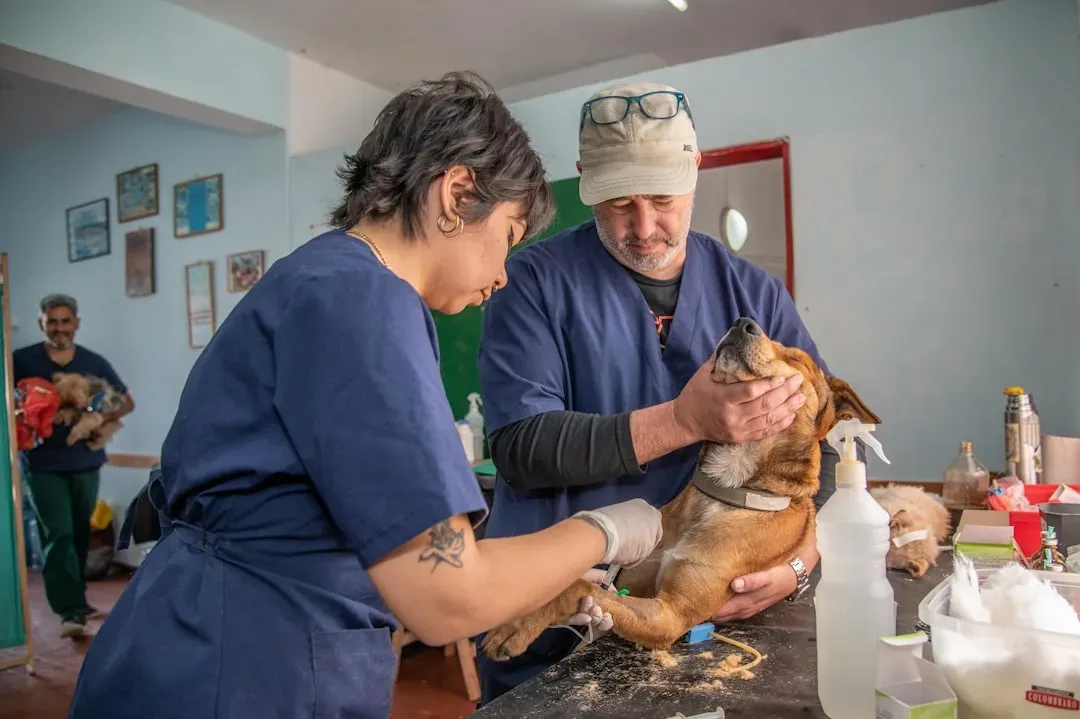
“Just another old man lump” is something you hear constantly at the dog park. Lipomas are common and usually harmless, but not every lump is a lipoma – and you genuinely cannot tell what a mass is just by looking at it or feeling it with your fingers.
Every new lump, bump, or swelling on a senior dog deserves an exam and, ideally, a quick needle sample. Some slow-growing cancers can be removed completely if caught early, buying your dog more healthy years. The risky move is assuming every new mass is “just age” – by the time it’s large, ulcerated, or interfering with movement, the options shrink fast.
Quick Compare
- Often lower concern: soft, freely movable under the skin, slow-growing, unchanged for months
- Often higher concern: firm, fixed to tissue underneath, growing quickly, ulcerated, red, or bleeding
- Either way: only a needle sample or biopsy can tell you which type you’re dealing with
#15 – Panting More, Even at Complete Rest
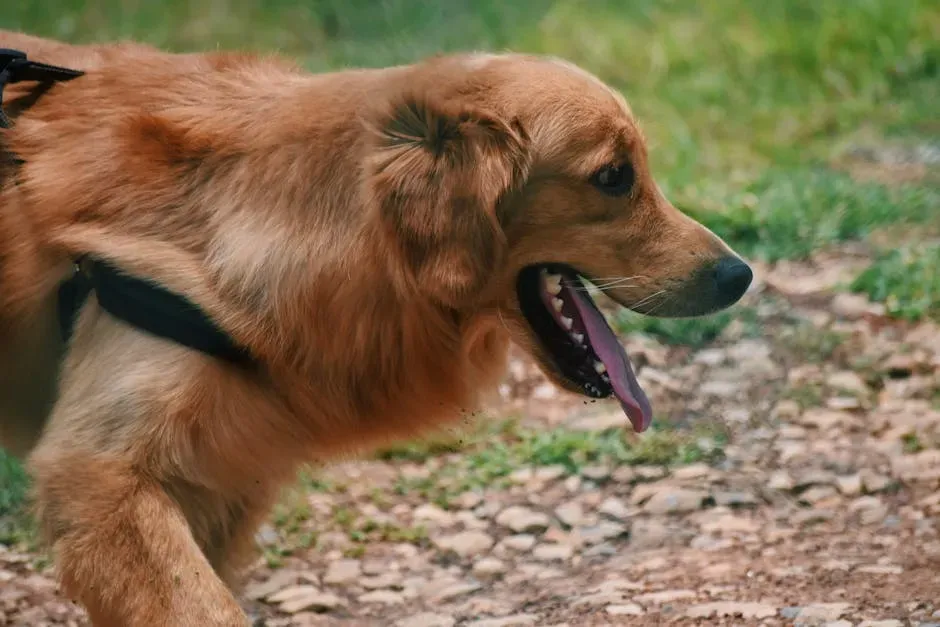
Many owners chalk up heavier panting to being older and out of shape. But panting when it isn’t hot and your dog isn’t exercising is often a quiet alarm for pain, heart or lung disease, Cushing’s disease, or anxiety.
Watch for heavy breathing while just lying there, a belly that visibly heaves with each breath, or a dog who can’t seem to settle into a comfortable position. Older dogs do regulate temperature less efficiently, that part is true – but a senior suddenly panting far more than he used to isn’t a harmless quirk. Treat the actual cause, and the “old man huffing” often eases dramatically.
#16 – Sudden Clinginess Brushed Off as “Needy Old Dog”
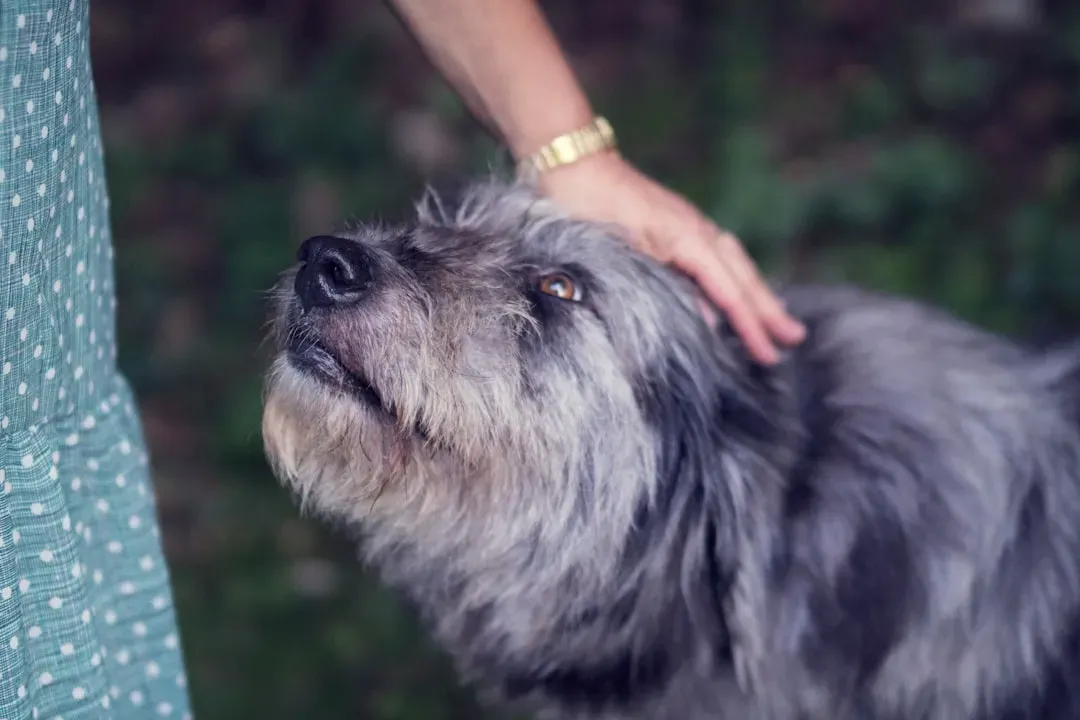
Some seniors turn into velcro dogs almost overnight – following you room to room, panicking when you step outside, howling if left alone for even a minute. Owners often find it sweet, or mildly annoying, and call it being “needy in his old age.”
In reality, new anxiety in a once-independent dog is a significant signal something’s off – cognitive dysfunction, hearing or vision loss, or internal illness can all create this constant unease. A lot of “clingy” behavior is actually fear: the dog may sense he’s losing his footing in a world that suddenly feels confusing. Behavior support, environmental adjustments, and sometimes medication can give him back a real sense of safety.
#17 – Losing Interest in Toys and Play
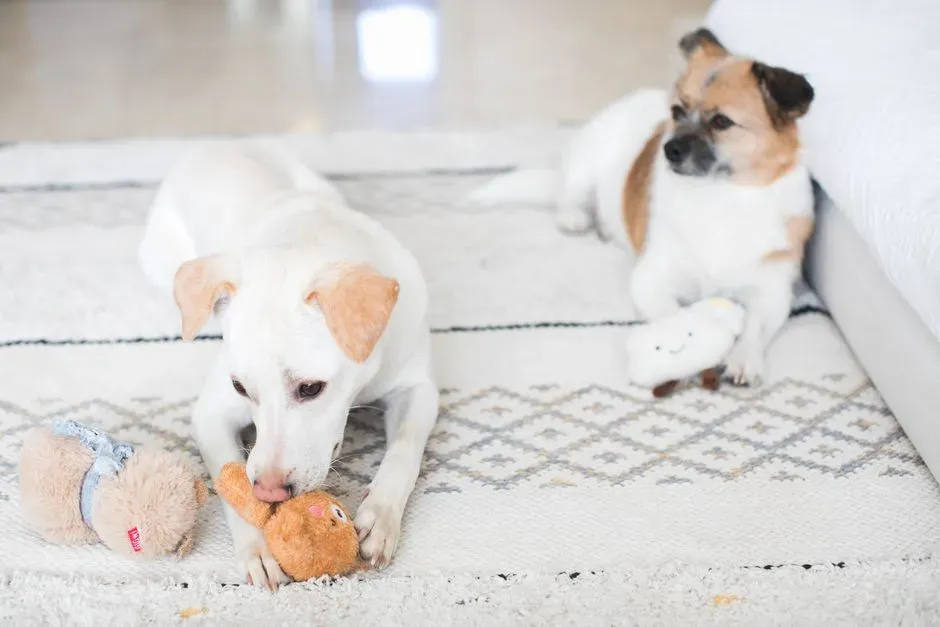
“When did he last play with his ball?” Most owners can’t remember, and they assume it’s just normal for a senior dog to stop caring. Sometimes that’s true – but a dog who completely drops all interest in toys, games, or favorite activities is often showing an early sign of pain, depression, or illness, not simple boredom with life.
Watch for a dog who stares at the toy without chasing it, grabs it and drops it seconds later, or watches younger dogs play from the sidelines. We love the image of the “old and wise” dog calmly doing nothing all day, but emotionally healthy seniors still show flashes of curiosity and joy. When that spark disappears entirely, something bigger is usually going on in the body or the brain – and it’s worth mentioning even if it feels too small to matter.
#18 – The Owner Deciding “There’s No Point, He’s Old Anyway”
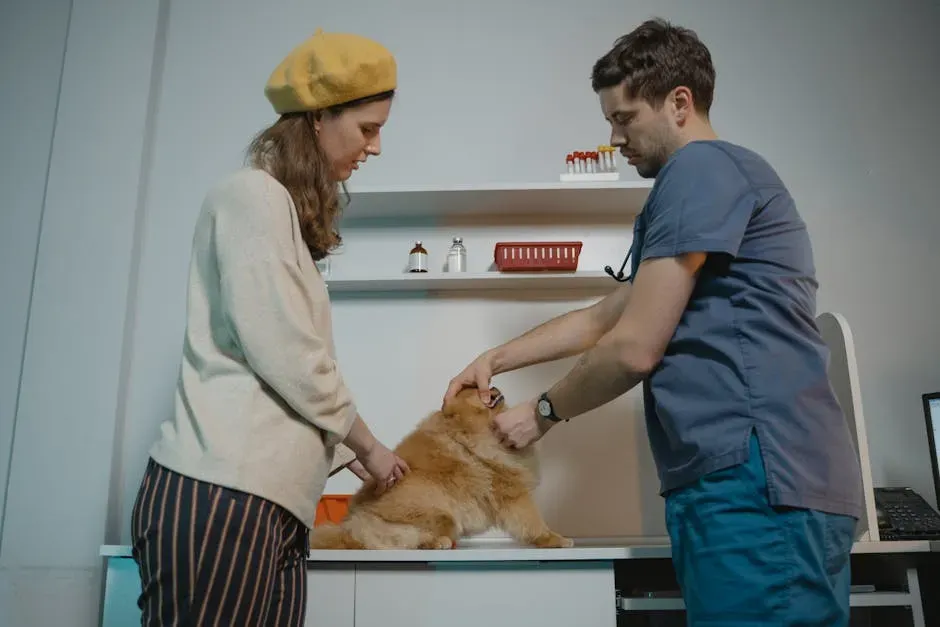
The most dangerous “age-related change” on this entire list isn’t in the dog at all – it’s in the owner’s mindset. The moment someone decides, “she’s old, nothing can be done,” they stop bringing up symptoms, stop pursuing diagnostics, and quietly accept a quality of life far below what modern veterinary care could actually offer.
You’ll hear it as “I don’t want to put her through anything,” or “the vet will just say it’s age anyway.” There are real limits, and not every senior needs aggressive surgery or invasive testing. But assuming nothing can be improved is usually flat-out wrong – pain control, simple medications, diet changes, and a few home modifications can turn a miserable stretch into a genuinely comfortable retirement.
The Bottom Line
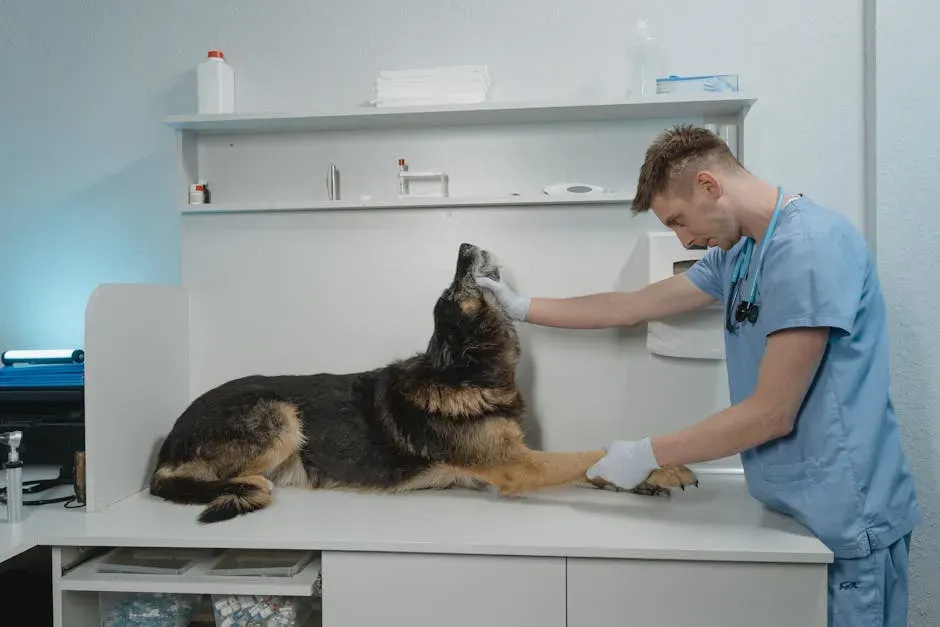
Older dogs absolutely change – but far too many of those changes get lazily tossed into the “just age” bucket when they’re actually neon signs pointing to pain, disease, or cognitive decline that could be helped. “He’s just old” has quietly become the most dangerous sentence in dog ownership, a blanket excuse that lets fixable problems fester until they turn into emergencies.
At a Glance
- Sudden energy drops, weight changes, or increased thirst deserve bloodwork, not a shrug
- New lumps, cloudy eyes, or persistent bad breath should always get a hands-on exam
- Nighttime pacing, clinginess, or “senility” jokes are often early cognitive dysfunction
- Pain hides well in dogs – grumpiness and slowing down are common disguises for it
Real aging should look like slower but still engaged, calmer but still curious, more naps but not misery. If your dog’s world has shrunk into pain, confusion, constant accidents, or restless nights, that isn’t a fate you’re required to accept – it’s a message. The most loving thing you can do for an old dog isn’t gentler standards. It’s refusing to let “it’s just age” be the final answer before you’ve even asked the question.


