
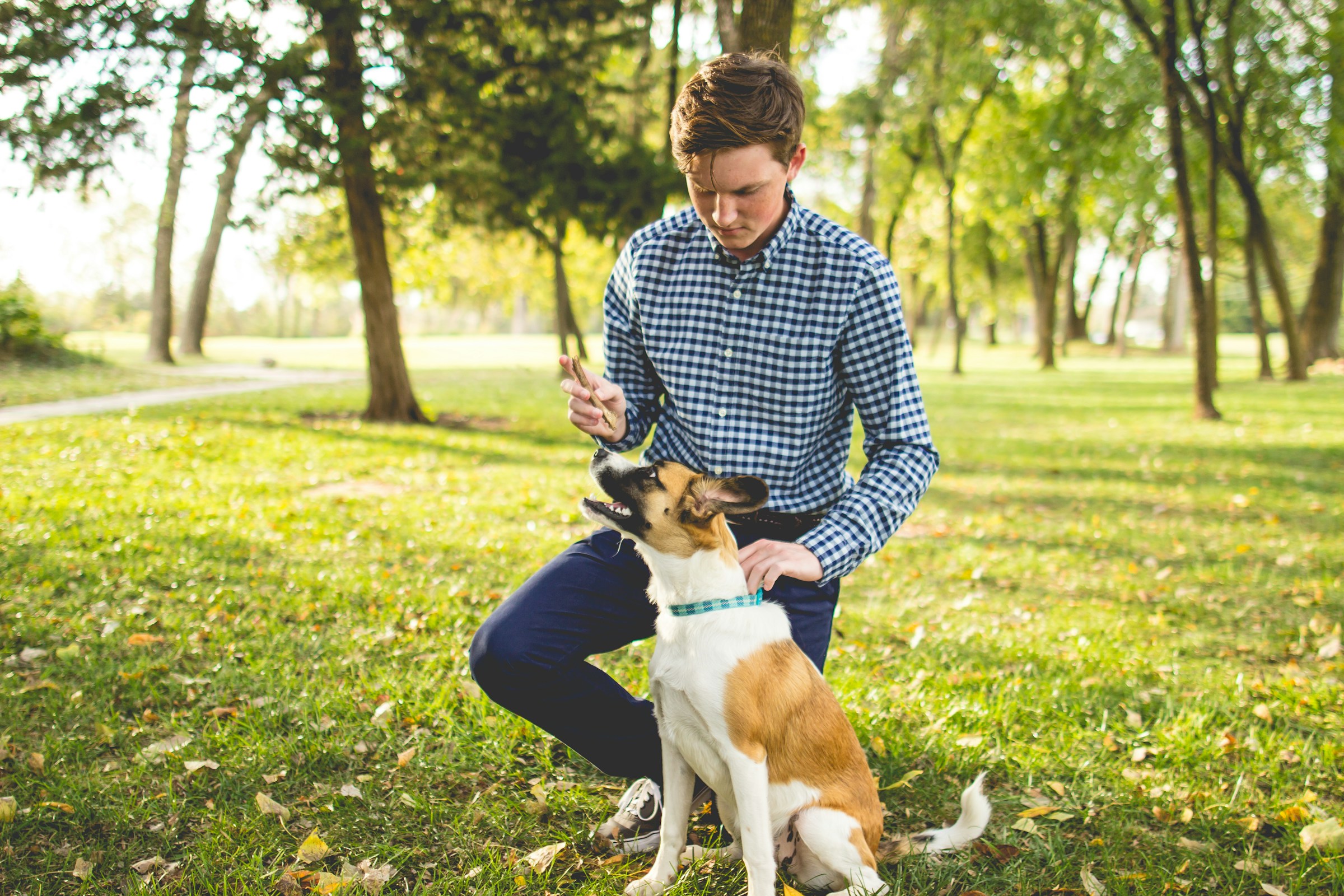
Your dog still comes when you call. Still wags when you walk in. Still eats from your hand like nothing’s wrong. Everything looks completely fine on the outside – and that’s exactly what makes this so unsettling.
Behaviorists who spend their careers watching dogs shut down, freeze, or flinch will tell you the same uncomfortable thing: trust rarely breaks in one dramatic moment. It erodes in tiny, everyday habits that look totally normal – even loving – on the surface. Here are 18 of them, and what they’re quietly teaching your dog about you.
#1 – Yelling When They’re Scared Or Confused
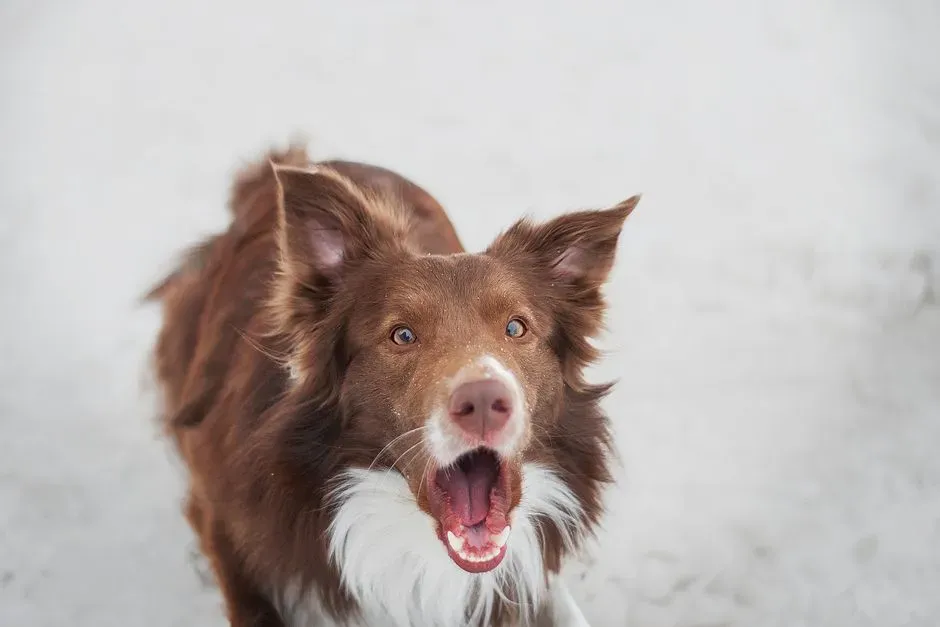
Dogs don’t hear “discipline” when you yell; they hear danger coming from the person they rely on most. A raised voice or sudden outburst can startle a dog so badly that they avoid eye contact or hesitate to come when called. Over time, they learn your mood is unpredictable, so it feels safer to keep a little emotional distance.
People often say, “He knows what he did,” but most dogs are reacting to tone and body language, not guilt. That “guilty look” is usually appeasement, not understanding. You still need boundaries – but calm, consistent corrections build trust in a way shouting never will.
But #2 is even harder to watch.
#2 – Grabbing, Pinning, Or “Alpha Rolling” Them
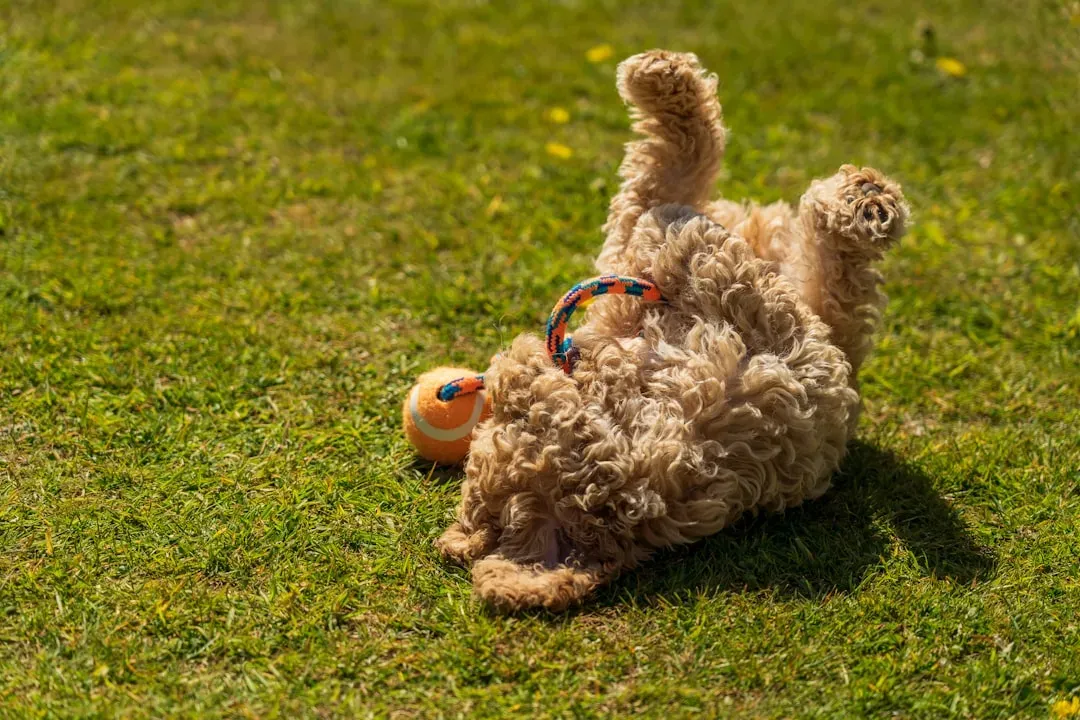
Some outdated TV trainers made “alpha rolling” look tough and effective. In reality, forcing a dog onto their back or pinning them is one of the fastest ways to shred trust. To a dog, being physically overpowered by the person they depend on feels terrifying, not educational.
There are no bad dogs, only inexperienced owners.
Barbara Woodhouse
Many dogs simply go still, which owners misread as “submissive” or “fixed.” In truth, that’s often a freeze response – pure stress. Over months, they may flinch when you reach toward them or avoid touch altogether, because you don’t need to dominate a dog, you need to guide one.
Still, #3 might be the one you don’t even notice you’re doing.
#3 – Rough Play That Crosses Their Comfort Line
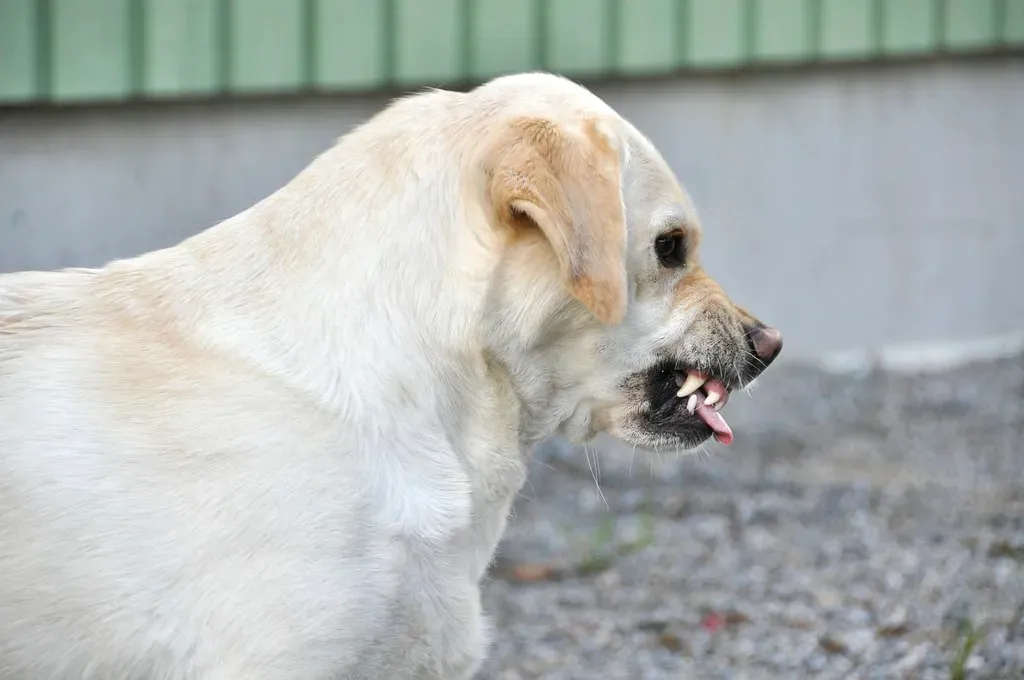
Wrestling, grabbing paws, tugging ears, hugging too tightly – some dogs tolerate it, but plenty quietly hate it. When you ignore the lip licking, the turned-away head, the stiff body, or the whale eye, your dog learns that you don’t listen when they say “no.”
We normalize “he loves being messed with,” but a lot of dogs are just enduring it. Over time, they stop seeking contact and start eyeing hands with suspicion. Respectful play means quitting while they’re still happy – not when they finally protest.
Yet #4 is the one behaviorists say matters most.
#4 – Constantly Ignoring Their Signals To Stop
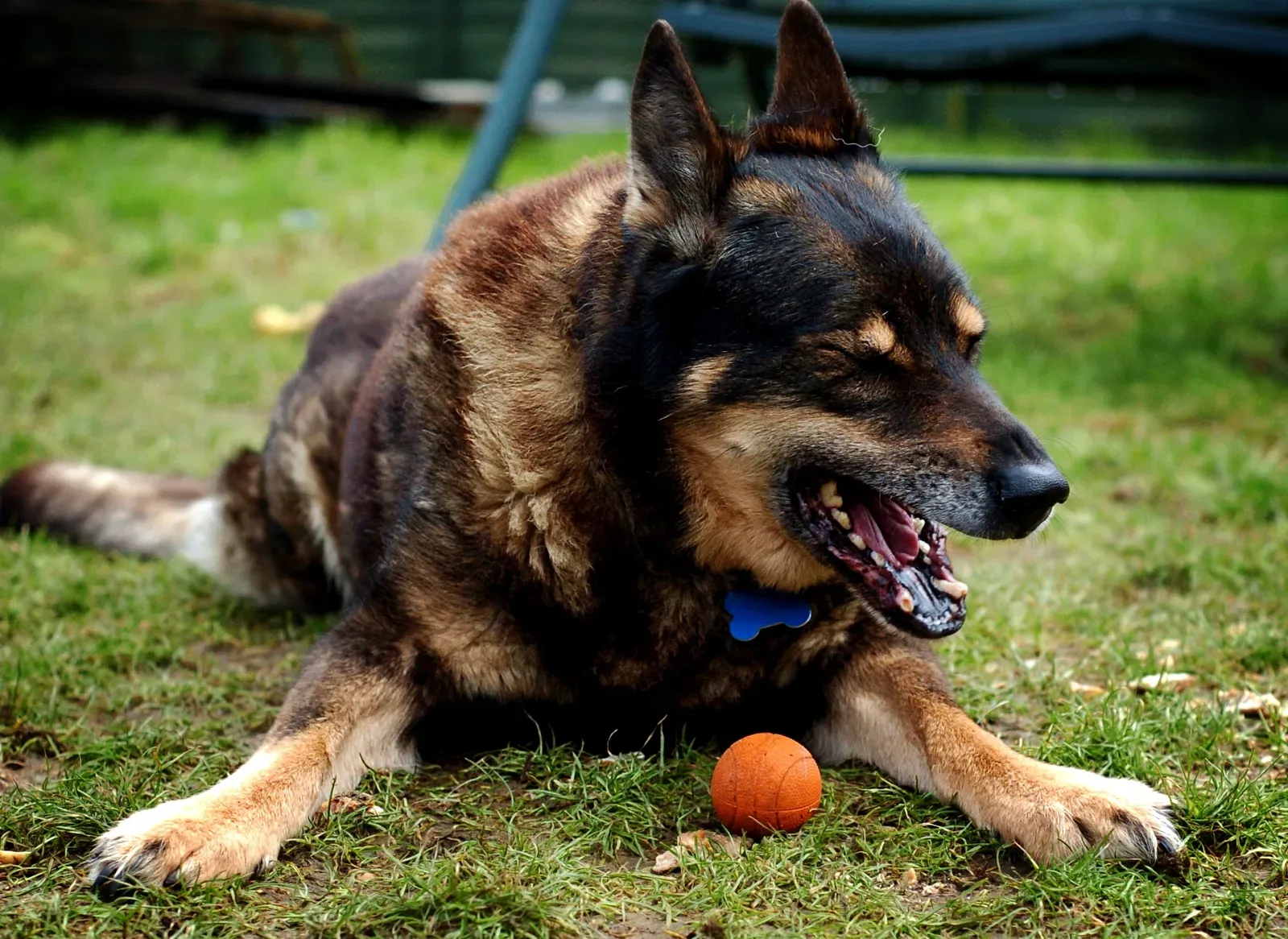
Most people only notice the loud signals: a growl, a snap, a bark. But by then, the dog has already tried the polite stuff – looking away, moving away, yawning, licking lips. When every early warning gets ignored or punished, the dog learns it’s not safe to communicate at all.
This is where trust really collapses. A dog whose signals are respected learns to relax and show you more of who they are. A dog whose signals are dismissed learns to shut down or explode instead. Trainers put it simply: listen at the whisper so they never have to shout.
Fast Facts
- Dogs rely on subtle “calming signals” long before growling or snapping
- Common early signals include lip licking, yawning, and turning the head away
- Whale eye – showing the whites of the eyes – often signals discomfort
- Freezing is a stress response, not calm compliance
And #5 might be the sneakiest one of all.
#5 – Teasing With Food, Toys, Or Affection
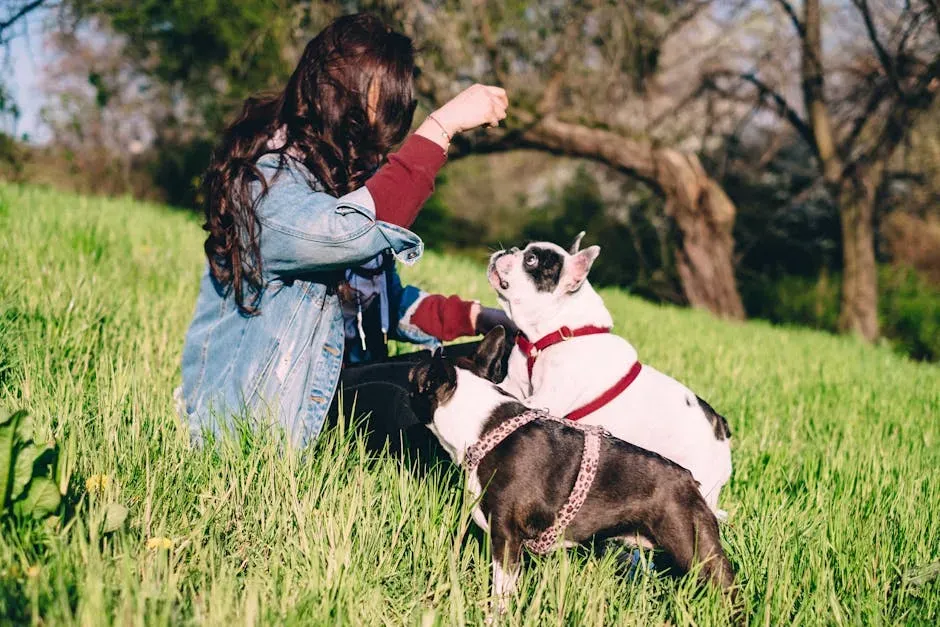
It seems harmless: faking a ball throw, pulling a treat away last second, calling them over just to clip nails. But to a dog, repeated broken promises turn you into a walking bait-and-switch.
Dogs are pattern machines. When “come here” sometimes means snuggles and sometimes means a bath or a scolding, they start hesitating every single time. Genuine trust is when your dog believes that what you offer is what they’ll actually get – no hidden catch.
Wait until you see #6.
#6 – Forcing Unwanted Social Interactions
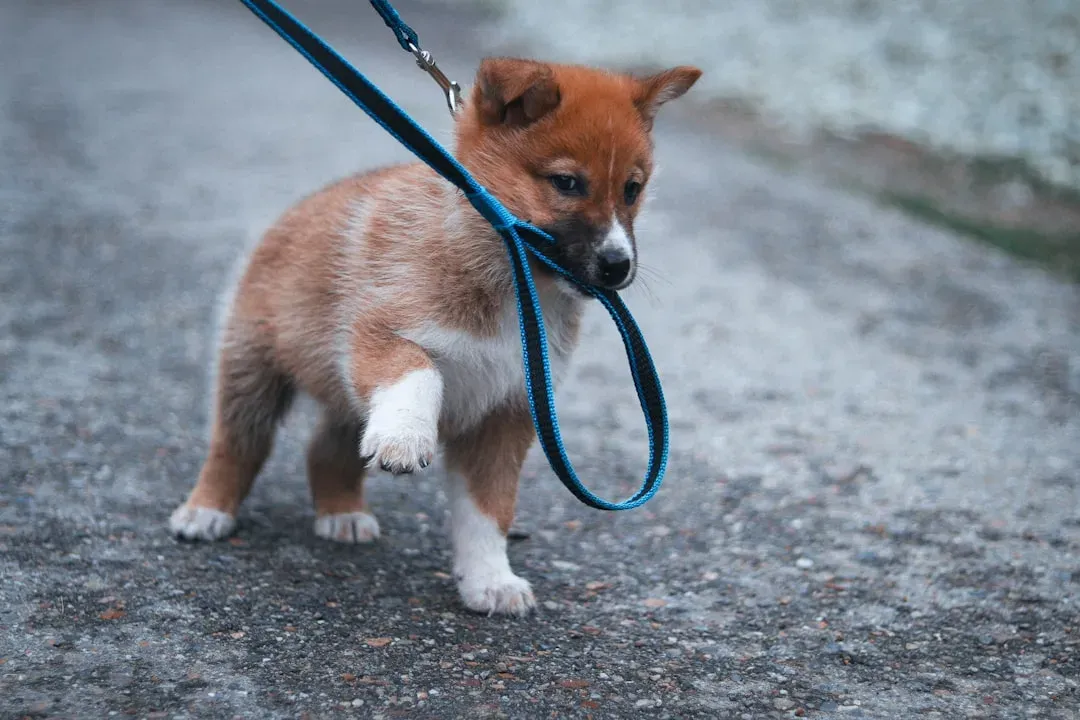
“Go say hi!” is one of the most overused phrases at dog parks and patios. When you drag a hesitant dog forward on a tight leash or let strangers loom and grab, you’re teaching them their discomfort doesn’t matter to you.
A socially pressured dog with no escape route can become reactive or shut down entirely. Imagine being pushed into hugs with strangers every time you left the house. Advocating for your dog – “no, he’s not saying hi right now” – quietly tells them: I see you, and I’ve got your back.
But #7 might be quietly happening in your own living room.
#7 – Unpredictable Rules And Boundaries
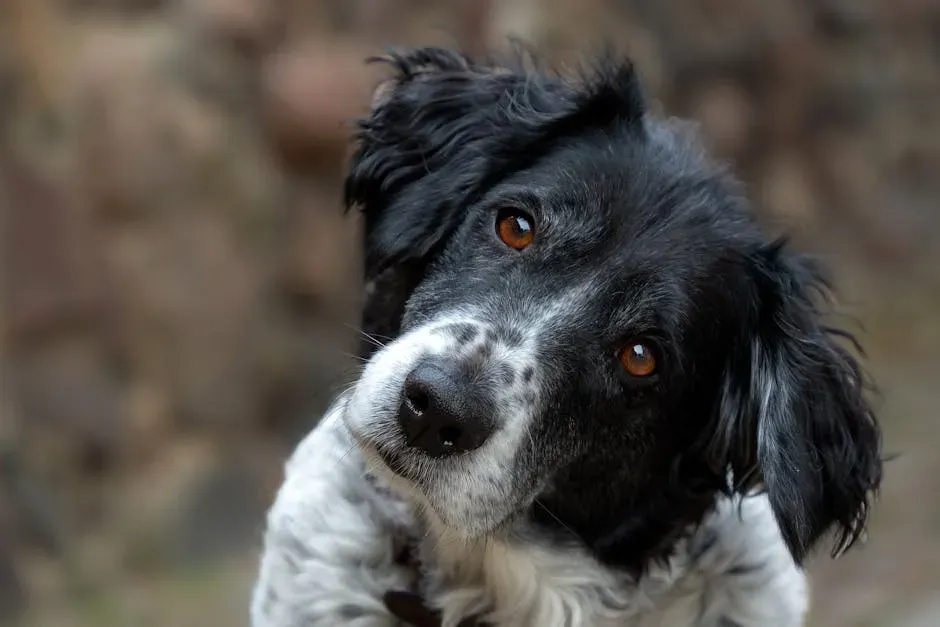
One day the couch is okay. The next day you’re yelling at them for being on it. This inconsistency doesn’t teach flexibility – it teaches confusion and low-level anxiety.
Dogs thrive on patterns, and when rules shift with your mood, they never truly know what’s safe. Over months, you might call it “stubbornness,” but really, they’re just guessing. A dog that trusts the rules will offer better behavior with far less stress, because they finally understand how the game works.
Then there’s #8 – which looks nothing like neglect on the surface.
#8 – Leaving Them Crated Or Alone Far Too Long
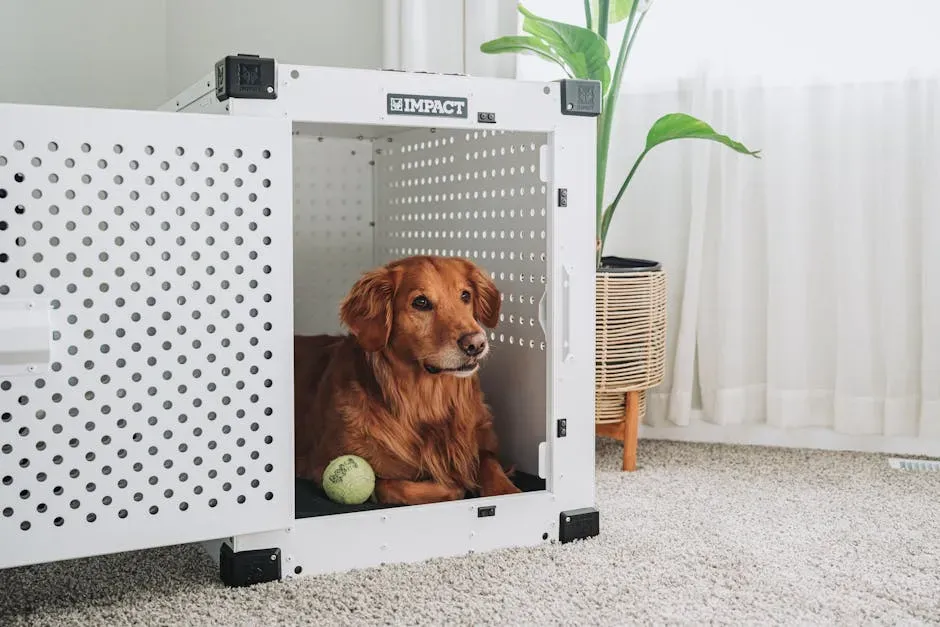
Crates and alone time aren’t the villains here – overuse is. When a dog spends most of their day shut away with little stimulation, they slowly learn their needs don’t matter much in this household.
Eight to ten hours alone, minimal interaction after, weekends spent in front of screens – it adds up fast. Some dogs go quiet and “easy,” which owners mistake for contentment when it’s really resignation. Trust isn’t just about moment-to-moment kindness; it’s about reliably showing up.
Worth Knowing
- Most veterinary behaviorists suggest adult dogs do best with no more than 4 to 6 hours alone at a stretch
- Puppies and senior dogs typically need bathroom and social breaks even more often
- A tired, unstimulated dog can look “calm” while actually being shut down
- Enrichment toys, sniffing walks, and short training sessions can offset long alone hours
Which brings us to #9, the one every groomer has seen.
#9 – Rough, Sudden Handling During Grooming Or Vet Visits
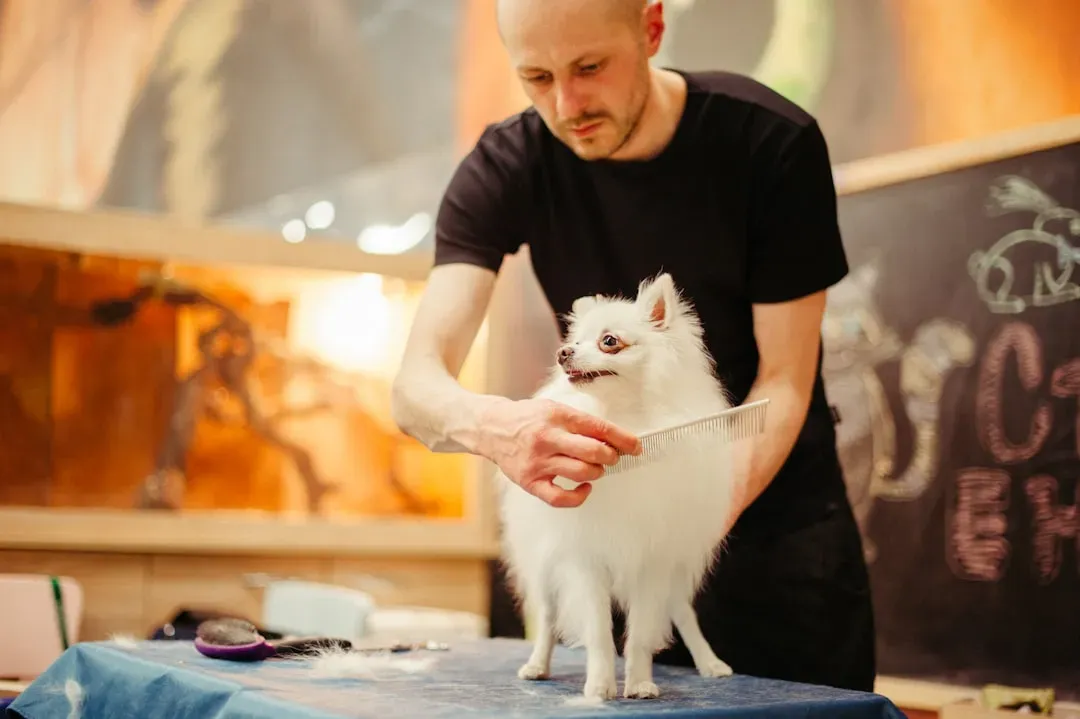
Most dogs don’t naturally love nail trims or ear cleanings, but how you handle those moments decides whether they trust you more or less afterward. Pinning them, yelling, or “just getting it done” while they thrash may solve today’s task, but it makes the next time twice as hard.
If every grooming session feels like a betrayal, your dog starts bracing the moment you reach for supplies. Cooperative care – going slow, using treats, working at their pace – signals that you won’t bulldoze over their fear. That belief becomes a huge part of lasting trust.
But #10 flips a decades-old myth on its head.
#10 – Withholding Comfort When They’re Clearly Afraid

There’s a stubborn myth that comforting a frightened dog “reinforces the fear.” Science says otherwise – you can’t reward an emotion like you reward a sit. What you can do is teach your dog that when they’re scared, you either show up or you don’t.
Turning away or mocking them with “don’t be a baby” creates a lonely kind of panic. Over time, some dogs simply stop seeking you out for help. A dog that trusts you when the world feels loud and scary will trust you everywhere else, too.
Now here’s where it gets controversial: #11.
#11 – Using Pain-Based Tools Or Harsh Corrections
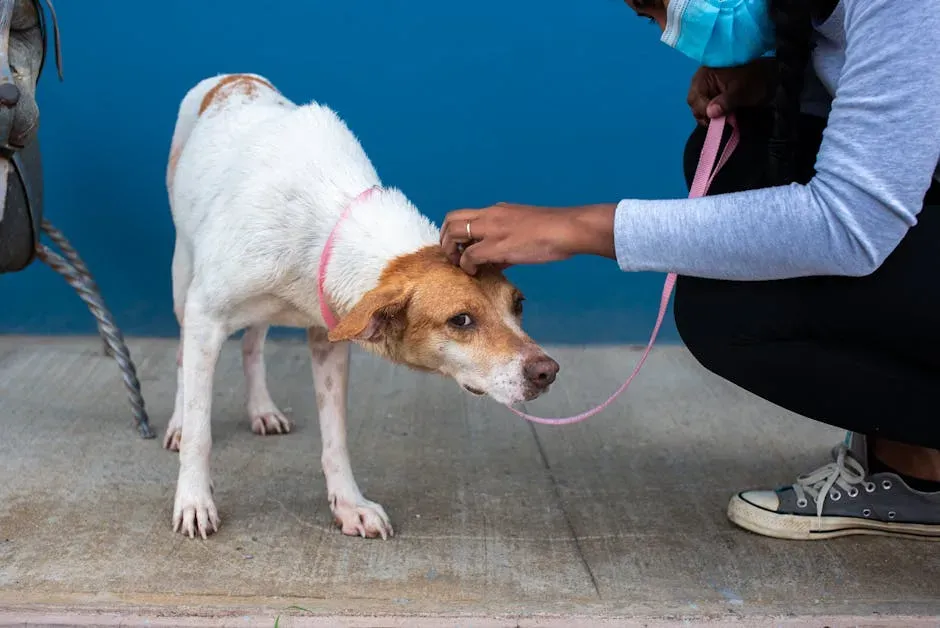
Prong collars, shock collars, leash pops – yes, they can stop behaviors quickly. But the cost is often your dog’s sense that you are safe, especially without professional guidance. When corrections arrive as sudden pain, your dog starts bracing for impact around you.
Dogs don’t read intent, they feel sensations. If looking at another dog can cause pain, they may become anxious or reactive instead of obedient. Positive reinforcement isn’t soft – it builds a dog who wants to work with you instead of one who’s just avoiding punishment.
Quick Compare
- Positive reinforcement: rewards wanted behavior, builds confidence, encourages willing cooperation
- Pain-based correction: stops behavior fast, but often breeds fear, avoidance, or redirected aggression
- Reward-based dogs tend to offer behaviors; punished dogs tend to hide them
And #12 might explain more than you think.
#12 – Frequently Rehoming, Boarding, Or Shuffling Their Environment
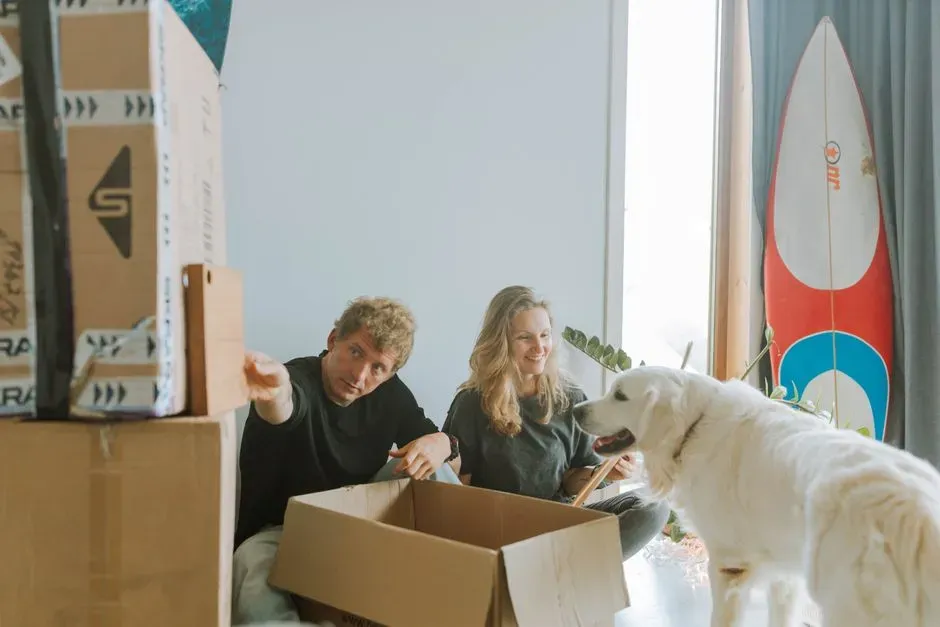
Life happens – moves, emergencies, travel. But for a dog, being repeatedly passed off to new people or bounced between homes can feel like the ground is never stable.
Dogs form deep attachments, and losing a settled place more than once often leaves them hyper-clingy or oddly distant, as if half-expecting everything to change again. Occasional boarding is normal, but treating a dog like a temporary accessory sends a loud message: nothing lasts.
Then there’s #13, the one owners feel guiltiest about.
#13 – Ignoring Chronic Pain Or Behavior Changes
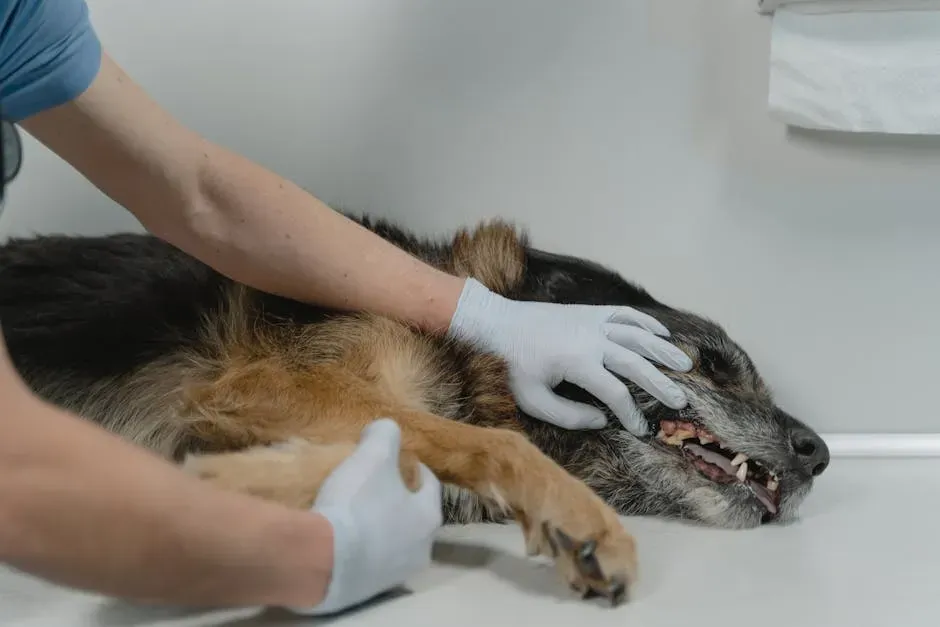
A dog slows down, gets snappy, or stops wanting to be touched, and the owner chalks it up to “personality.” In reality, pain is one of the biggest, most overlooked reasons dogs pull away emotionally.
If your dog limps or guards their body and you dismiss it, they learn their suffering doesn’t move you. Prompt vet care and treating their behavior as communication are acts of trust-building. A dog that learns “you notice when I’m not okay” builds a bond that’s nearly unshakeable.
But #14 is the trust-breaker hiding in plain sight.
#14 – Inconsistent Or Unfair Punishment
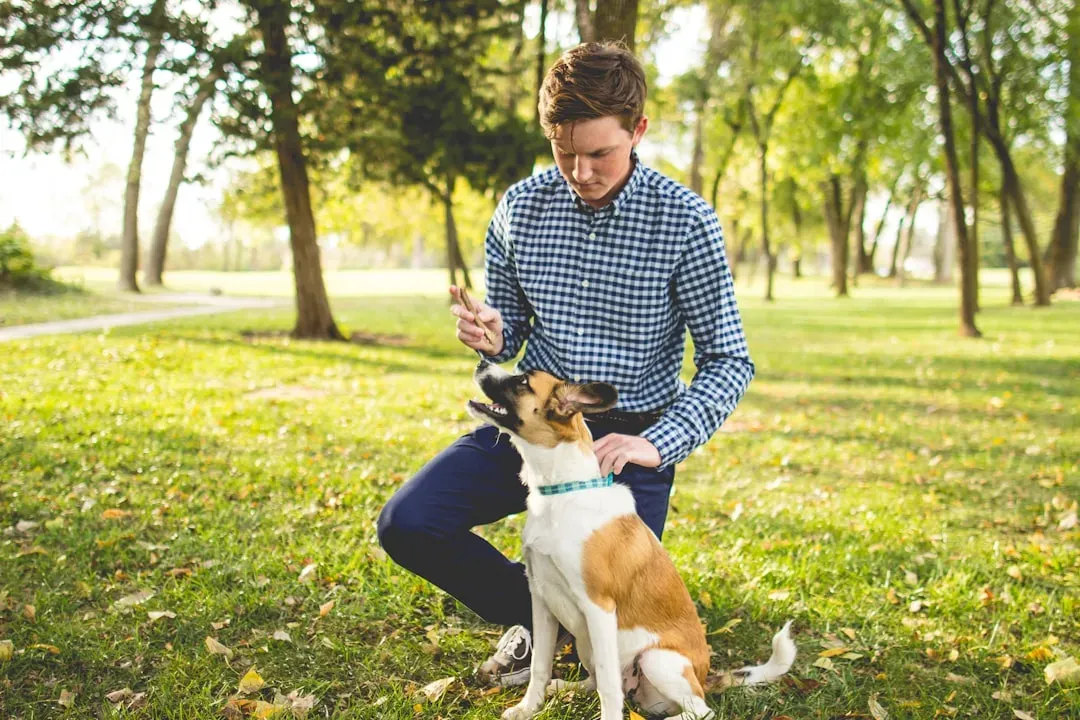
Scolding them for chewing a shoe you left on the floor. Laughing at barking one day, punishing it the next. These things teach a dog that your reactions are a random storm they have to endure.
Dogs don’t understand “you should know better” – they understand what happens in the moment. Over time, they may start slinking around you or checking your mood before approaching, and that’s not respect, that’s wariness. Fair training means managing the environment, not asking a dog to guess the rules.
Which leads to #15 – a mistake almost every dog owner has made without realizing it.
#15 – Using The Crate, Bed, Or Carrier As Punishment
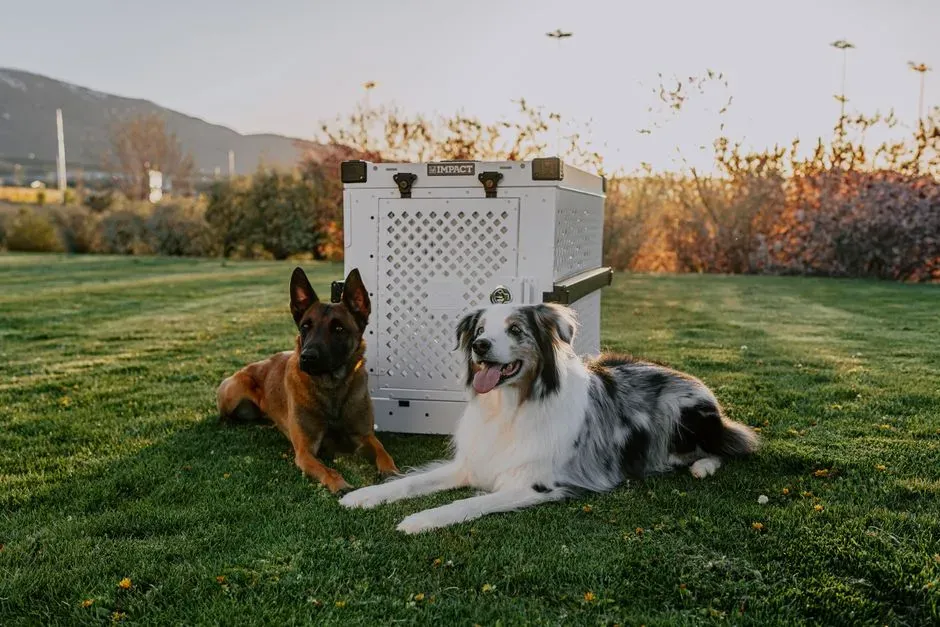
Your dog’s safe spaces should feel like a cozy bedroom, not a jail cell. When you angrily yell “go to your crate!” every time you’re upset, their refuge becomes a place of dread instead of comfort.
A dog that loves their crate will walk in willingly and often choose it on their own. One that’s been “sent” there as punishment may resist, whine, or tremble, because from their perspective, it’s where they’re exiled when you’re mad. Keeping those spaces strictly for rest and calm tells your dog: this is where you’re safe, not where you’re shamed.
But #16 happens even in the calmest, most loving homes.
#16 – Constantly Interrupting Their Rest And Personal Space
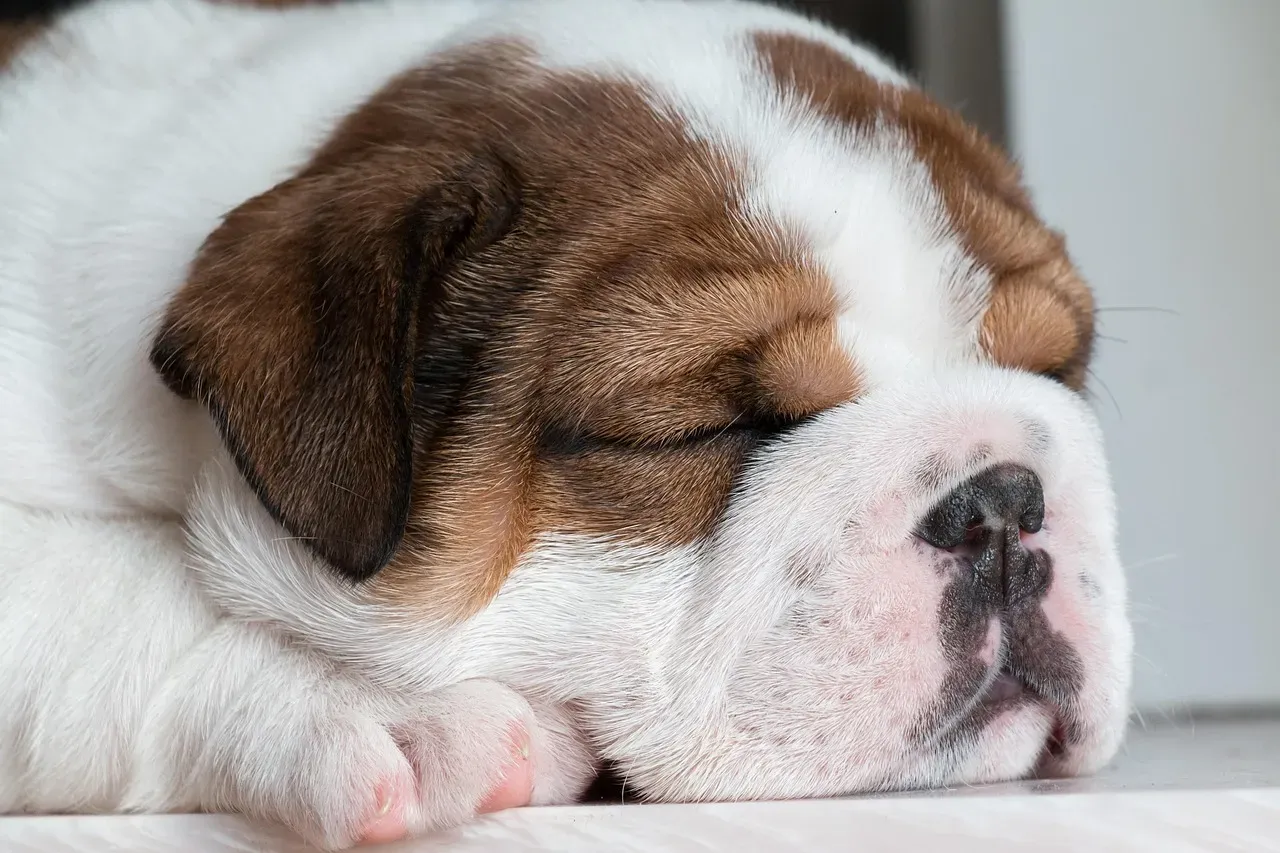
Dogs sleep 12 to 14 hours a day. When you or your kids constantly poke them awake to play, you’re teaching them nowhere is truly safe to relax.
Many bites happen when dogs are disturbed at rest – they’ve given subtle warnings for months, only to be ignored, until they stop warning and just react. A dog that trusts you to let them sleep will sleep deeper, be less cranky, and engage with you far more willingly on their own terms.
At a Glance
- Adult dogs typically sleep 12 to 14 hours a day
- Puppies and senior dogs can need closer to 18 to 20 hours
- Chronically interrupted sleep can increase irritability and lower stress tolerance
- Most warning nips happen when a resting or sleeping dog is startled
And #17 is uncomfortable to admit.
#17 – Comparing Them To Other Dogs And Expecting Them To “Just Cope”
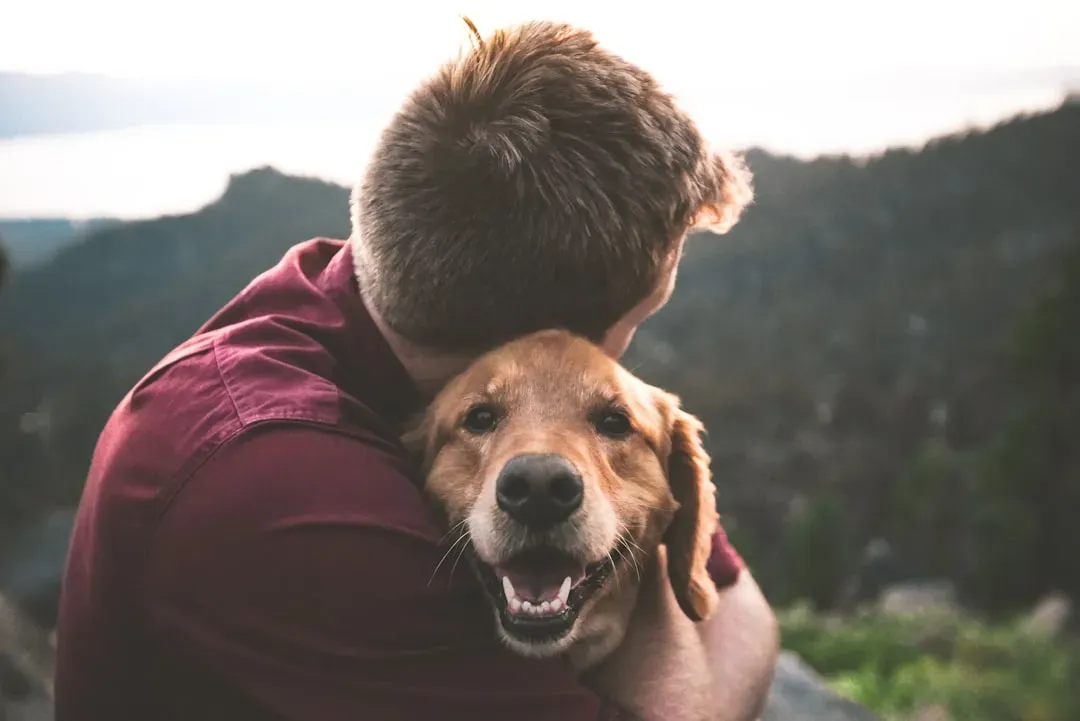
“He’s not friendly like my last dog.” “She should be able to handle the dog park.” Dogs may not understand the words, but they absolutely feel the energy of constant disappointment.
Forcing a shy dog into chaos or dismissing their breed traits as “being difficult” teaches them their authentic self is a problem you’re always trying to fix. Supporting the dog in front of you – not the one you imagined – tells them: you’re enough, and I’m on your team.
Last but definitely not least – #18.
#18 – Treating Them Like Décor Instead Of A Sentient Family Member
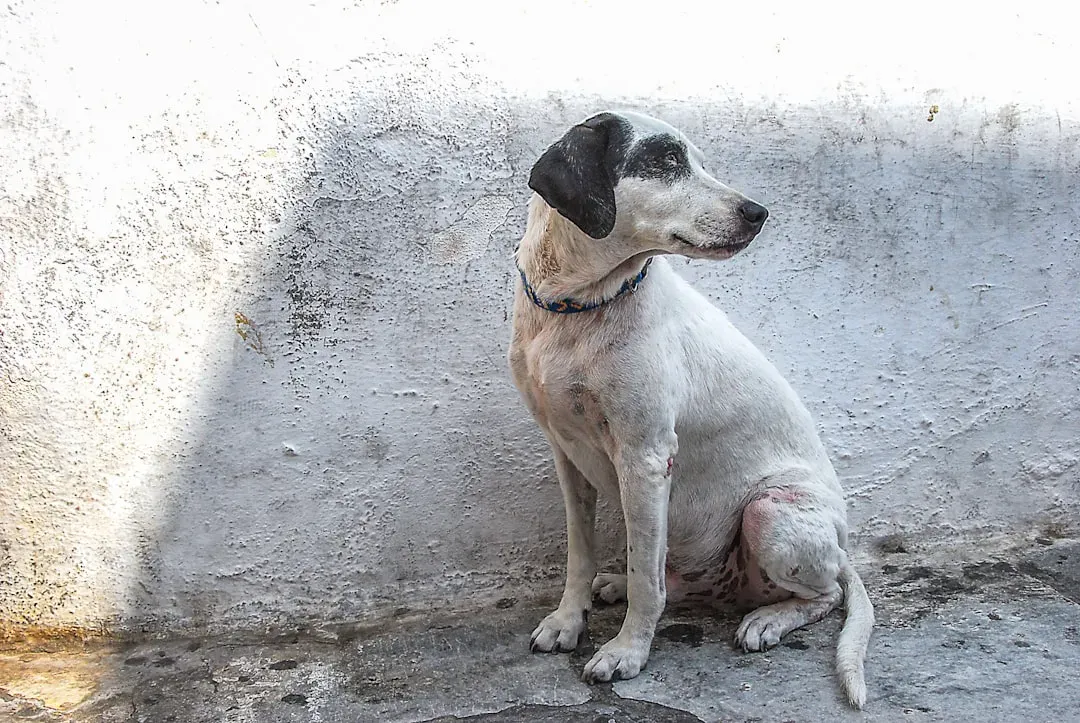
This is the quietest trust killer of all: a life where a dog is technically cared for – food, water, a yard – but rarely truly seen. No walks, no games, no real engagement, just existing alongside humans who barely interact beyond “move” and “shush.” Over months and years, the dog becomes emotionally invisible, and the bond never deepens.
Some people call these dogs “low maintenance” or “so chill,” but often they’re just shut down. Trust isn’t only about not hurting them – it’s about showing them, consistently, that their inner world matters to you. When you truly see your dog, they respond in ways no training hack can fake.
The Bottom Line
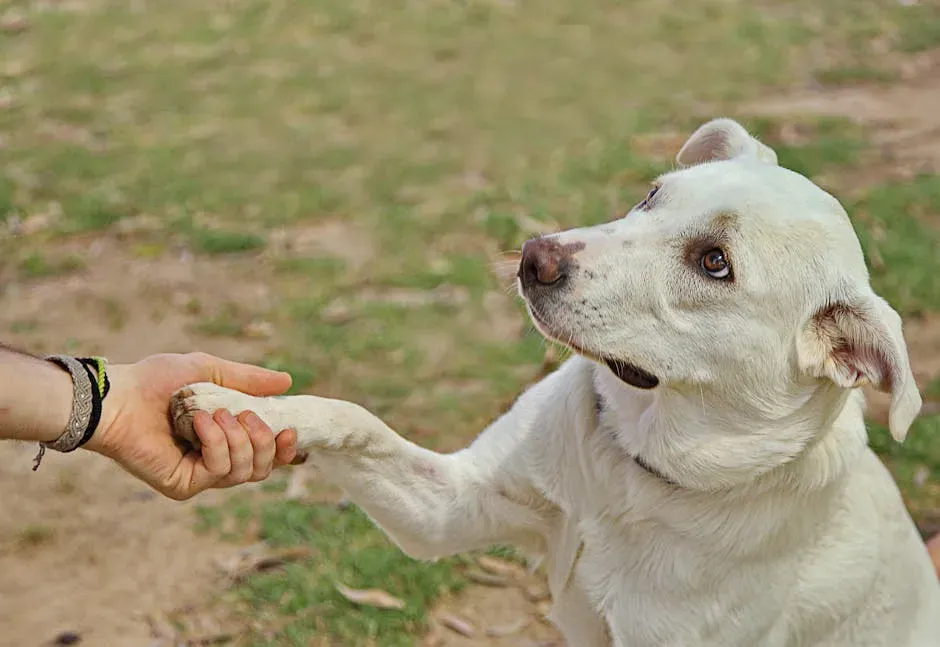
Most people imagine trust as one huge dramatic moment – a single betrayal or a single rescue. But with dogs, it’s almost always the opposite: small choices, repeated daily, that either prove you’re safe or prove you’re not.
Yelling, rough handling, ignored signals, inconsistent rules, emotional neglect – none of these destroy a relationship overnight. They sand it down until there’s almost nothing left. The good news is the repair works the same way: listening when they say “no,” protecting their space, choosing calm over anger, and showing up when they’re scared.
Some people will insist dogs are tough and just get over it. I don’t buy that for a second – I’ve watched a frightened, shut-down dog slowly come back to life once someone finally started listening. Which side are you on, and did we miss a quiet trust-killer you’ve seen with your own eyes?


