
You’d think doing everything exactly the same way would be the kindest gift you could give an aging dog. Same walk, same bowl, same crate, same bedtime – consistency as love, right? Except a lot of the routines that once meant “you’re safe here” quietly start meaning the opposite once a dog’s body and brain begin to change.
Nobody means any harm. These are good owners doing what worked for years. But some of the most well-intentioned habits on this list are the exact ones making an old dog feel more confused, more sore, and more alone in their own home. By the time you reach #1, you may realize you’ve been doing it too.
14. The “Same Long Walk” You Refuse to Shorten
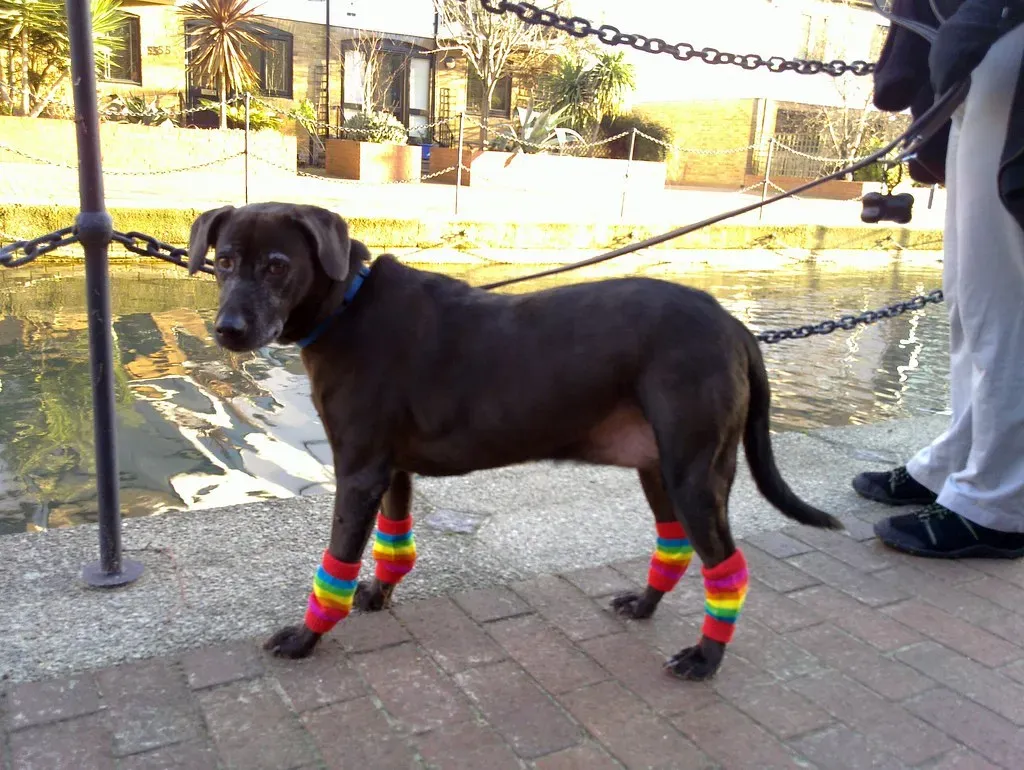
We like to believe keeping the exact same walking route is comforting. In reality, aging joints and dimming senses can quietly turn a beloved 45-minute loop into a silent endurance test. An arthritic dog pushed to keep the same pace and distance may start to associate walks with pain instead of pleasure, which chips away at their sense of safety with you leading the way.
They may lag behind, pant hard, or flatly refuse to walk – and plenty of owners mislabel that as “being stubborn.” Watch for the small tells: hesitating at the door, slowing on a specific hill, avoiding certain stairs. That’s your dog quietly telling you, “this doesn’t feel good anymore,” and shorter, sniffier walks (even split into two or three mini-trips) usually feel far safer than being dragged through the old route out of habit.
Fast Facts
- Limping or stiffness that shows up after rest, not during activity, often points to arthritis rather than a fresh injury.
- Hesitating at doors, slowing on inclines, or refusing stairs are classic early mobility red flags.
- Two or three short walks generally strain joints less than one long outing.
- A slow, sniff-heavy 15-minute walk can be just as mentally satisfying as a brisk 45-minute one.
13. The “He’s Always Eaten This” Food Bowl
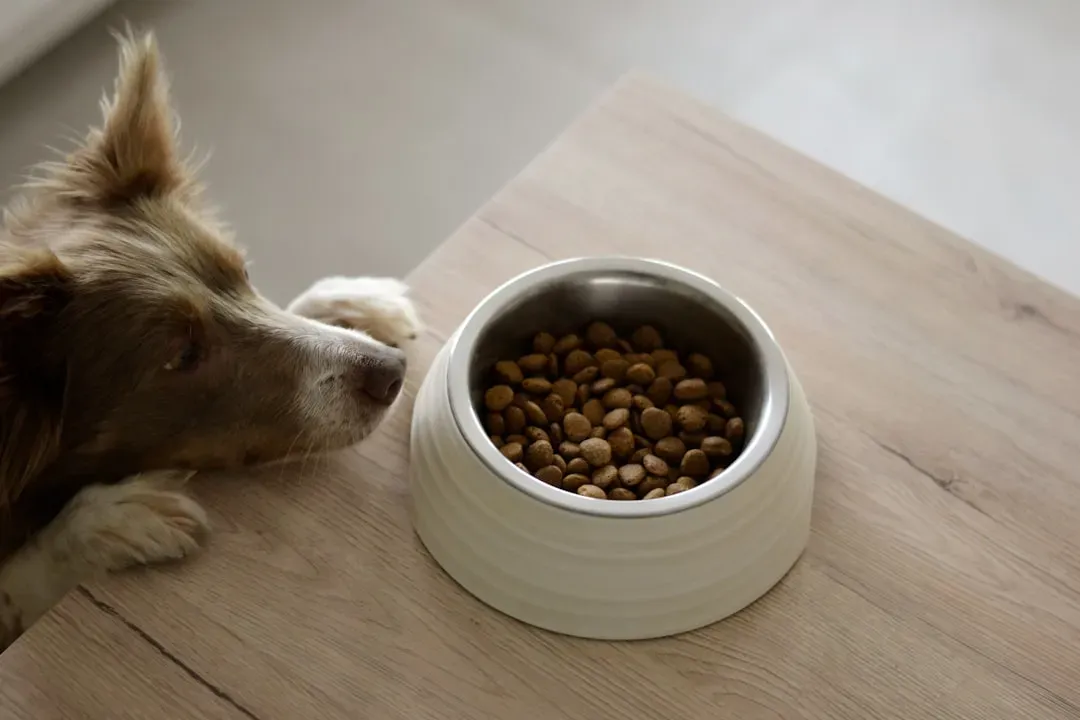
Plenty of owners say it like a badge of honor: “He’s eaten the same food his whole life.” For a senior dog, that loyalty can quietly backfire. Aging bodies process nutrients differently, and staying on the wrong formula can worsen joint pain, stomach upset, or even cognitive decline – none of which announce themselves as an obvious “symptom.”
If every meal is followed by gas, discomfort, or restless nights, your dog can start to feel uneasy around feeding time without you ever noticing why. A vet-guided switch to smaller, more frequent meals, softer textures, or joint- and kidney-friendly formulas often does more for a senior’s sense of stability than never changing the bag. What feels “steady” to us can, for their gut, be a slow drip of low-grade discomfort.
12. The Empty House Routine “He’s Always Handled”
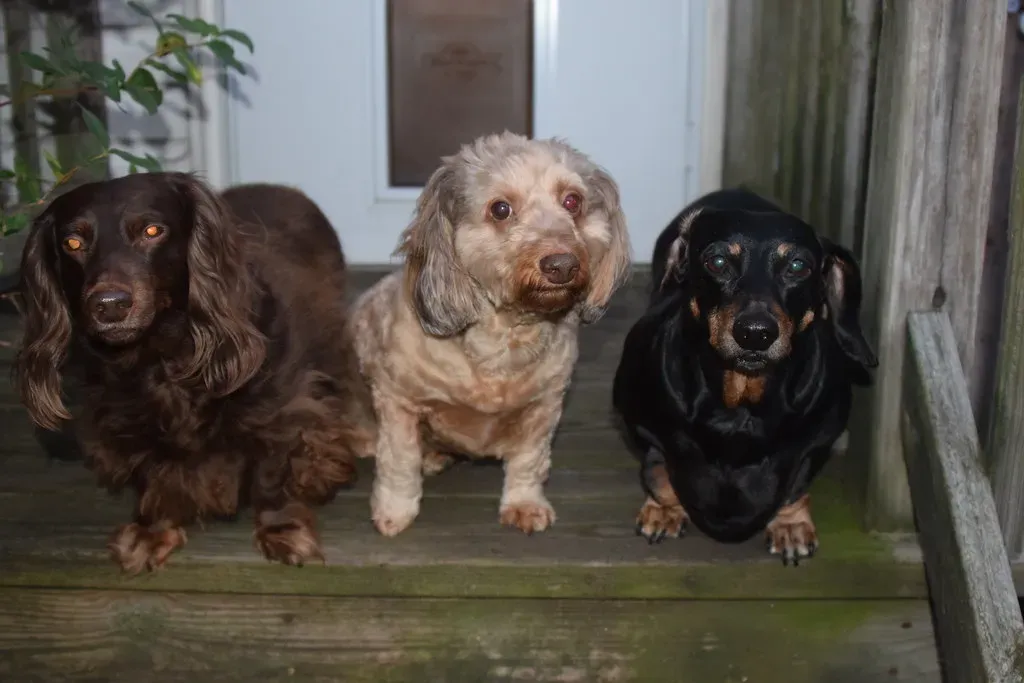
Many people keep their workday schedule exactly the same and assume the dog is fine because he “always handled it.” Age changes that math. Hearing loss, fading vision, and cognitive decline can turn a quiet, empty house into a confusing, echoing space where every noise feels suspicious and every hour drags.
Seniors are far more prone to separation anxiety and sundowning-style confusion when left alone too long. A dog who can’t hear you come in or see clearly in dim light gets startled easily, which reinforces that the house isn’t safe without you in it. Shorter stretches alone, a pet sitter, low background noise, or a cozy confined space can rebuild that sense of security fast.
11. The “Fetch Till He’s Tired” Play Sessions
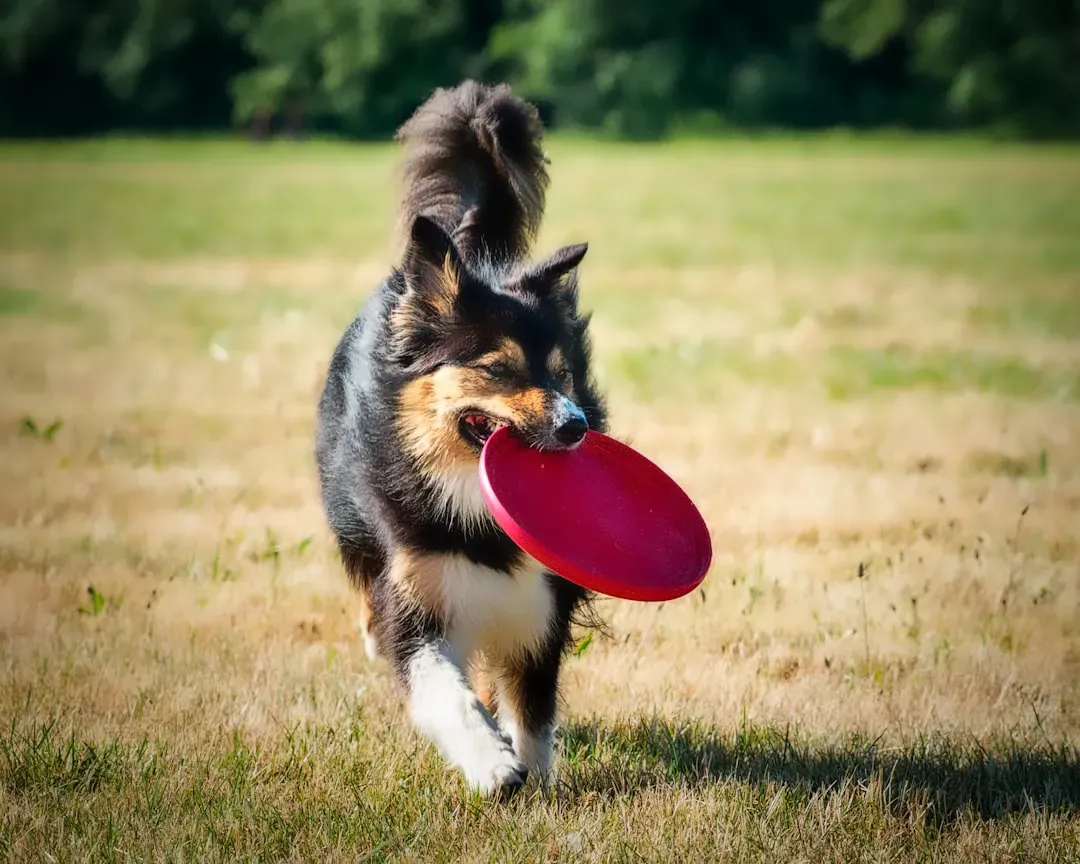
“Fetch till he’s tired” may have been your golden rule when your dog was five. At twelve, that same expectation can genuinely hurt him. Older dogs will often overexert themselves just to please you, chasing the ball and leaping for the toy, and only show how much it cost them later – stiff, shaky, panting long after play has ended.
That delayed pain teaches a rough lesson: exciting play with you is followed by feeling awful. Once that link forms, an old dog can start avoiding toys, zoomies, or even you approaching with a ball in hand. Gentler sessions – sniff games, soft floor tug, a puzzle feeder – let them stay engaged without the crash, and ending play while they still feel good beats stopping only once they’re wrecked.
10. The Same Bed, Same Spot, Same Hard Floor
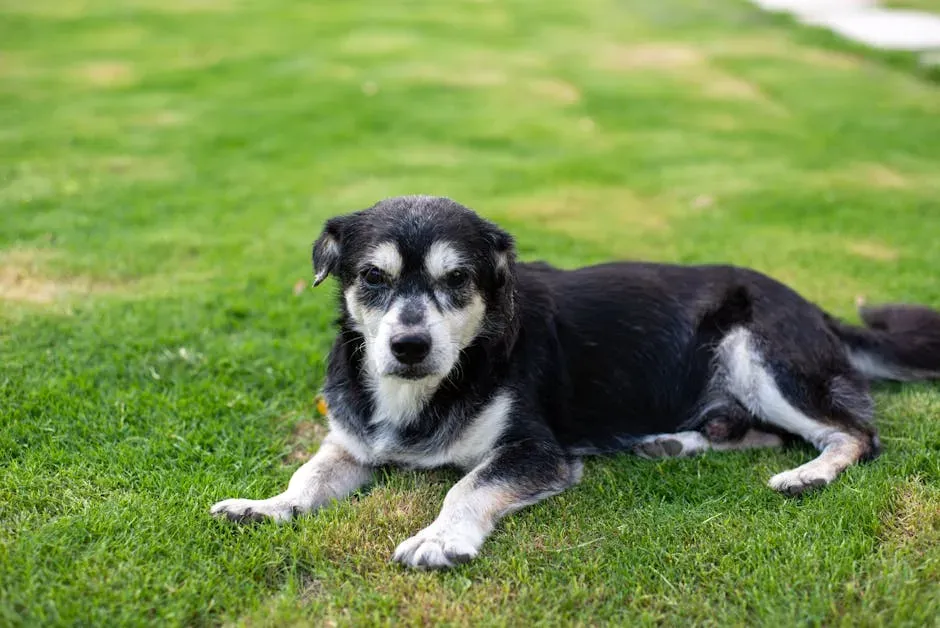
A lot of people proudly keep the same bed, crate location, or sleeping spot for years, treating familiarity as comfort itself. But floors get harder as joints get weaker. A dog who used to sprawl happily on tile now struggles to get up, shifting restlessly all night trying to find a position that doesn’t ache.
There’s also the temperature factor – seniors feel drafts and cold far more sharply. A bed under a window that was fine at three years old can now leave them chilly and stiff by morning. Orthopedic support, non-slip rugs, and moving their resting spot away from drafts and heavy foot traffic sends a clear message: this is still your safe, soft place. For some dogs, simply being allowed back into the same room as their person cuts anxiety dramatically.
9. The Grooming Routine That Used to Be No Big Deal
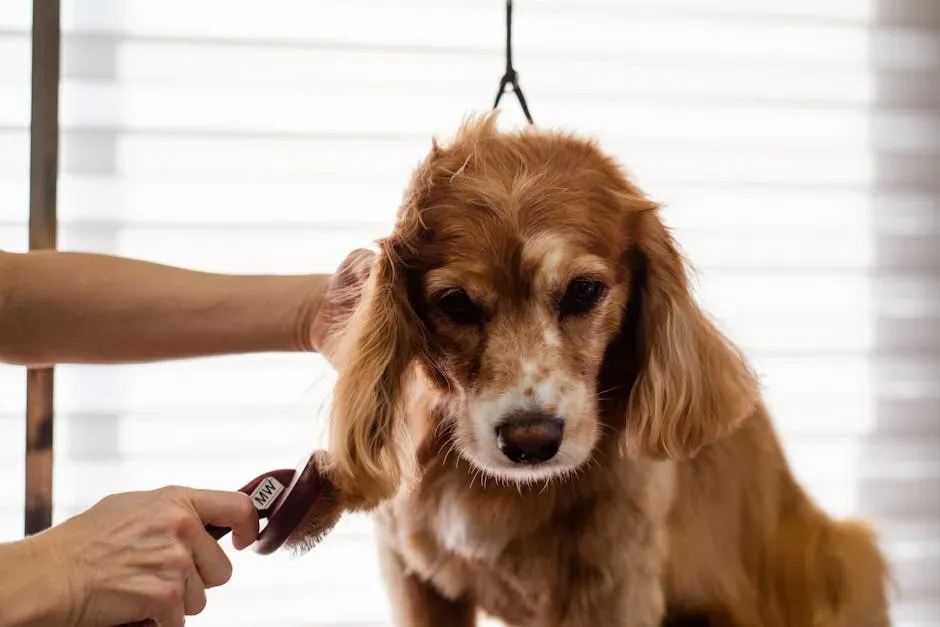
Bath day, nail trims, brushing – maybe your dog once tolerated, even enjoyed, all of it. With age, touch feels different. Arthritic joints, sensitive skin, and fading hearing can turn a routine grooming session into something that feels sudden and disorienting, especially if you’re still moving at the same brisk pace you used when they were young.
“He used to be fine at the groomer” quietly turns into “he shakes the whole car ride there.” Keep the old pace and your dog starts to dread your hands reaching for the brush or clippers – and that dread is lost trust. Slower sessions at home, non-slip mats, warm water, and built-in breaks (or splitting bath day and nail day apart) restore the sense of safety the old marathon routine was quietly draining.
Worth Knowing
- Warm, not hot, water and a non-slip mat cut down on slipping-related panic in the tub.
- Splitting nail trims and baths across separate days limits how long a senior has to hold still.
- Grooming during your dog’s most alert hours tends to go smoother than early morning or late evening.
- Narrating each touch (“touching your ear now”) helps a hearing-impaired dog anticipate what’s coming next.
8. The Chaos of Full-House Parties and Playdates
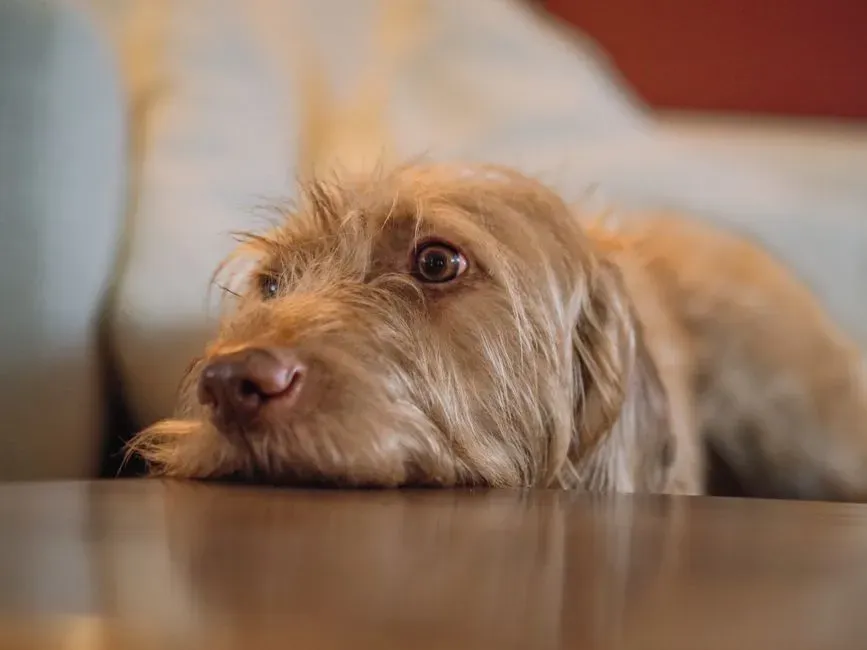
“He’s always been great with company” is often the line right before a stressed old dog snaps. Aging dogs lose patience for chaos fast – kids racing through rooms, guests crowding in, other dogs jumping around. Their senses process everything more slowly, so a loud living room that used to be “fun” can now feel like a relentless wall of noise and motion.
They might slink under a table or growl when approached, and families often misread that as him “getting grumpy in his old age.” Forcing him into every gathering can make his own home feel like a place he can’t escape. A “do not disturb” room with a comfy bed, water, and white noise – plus permission to skip the greetings and roughhousing – isn’t spoiling him. It’s protecting the little tolerance he has left.
7. The House Rules That Never Bent
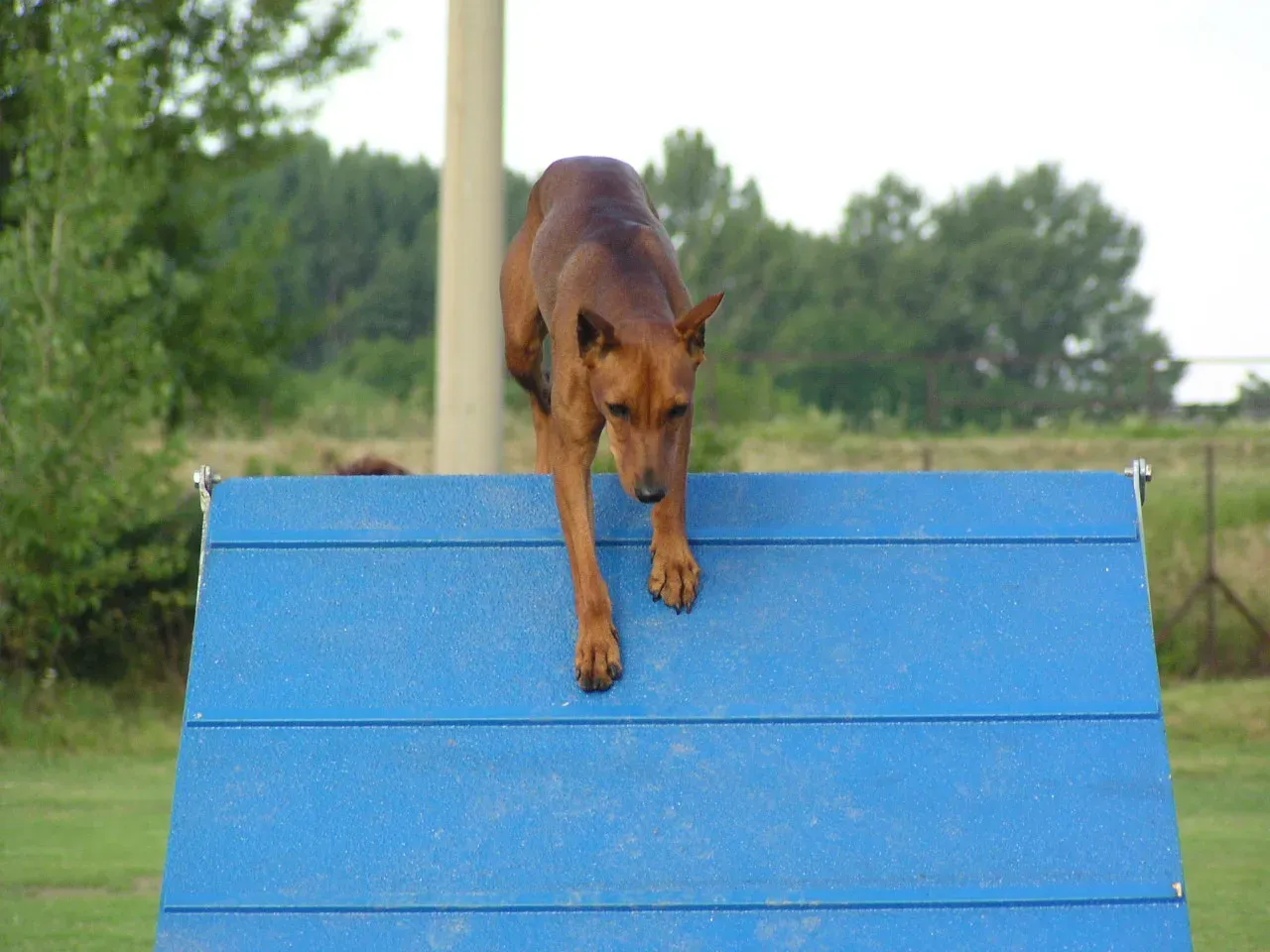
Many owners cling to old rules – no furniture, stairs only, backyard only – simply because “that’s how it’s always been.” For a senior dog who now struggles with cold floors, isolation, or slippery stairs, those unbending rules stop being structure and start being cruelty. A dog physically unable to follow the old rules is constantly set up to fail, and that failure chips away at his confidence.
Sometimes the kindest move for an old dog’s security is loosening up: a ramp to the couch, a step to the bed, permission to sleep closer, gates instead of stairs, runners across slick hallways. People will argue dogs need consistency, and they’re not wrong – but aging dogs need consistency of comfort, not consistency of rules that no longer fit their body. The rule should serve the dog, not the other way around.
6. Forcing the Old Nighttime Routine on a Changed Brain
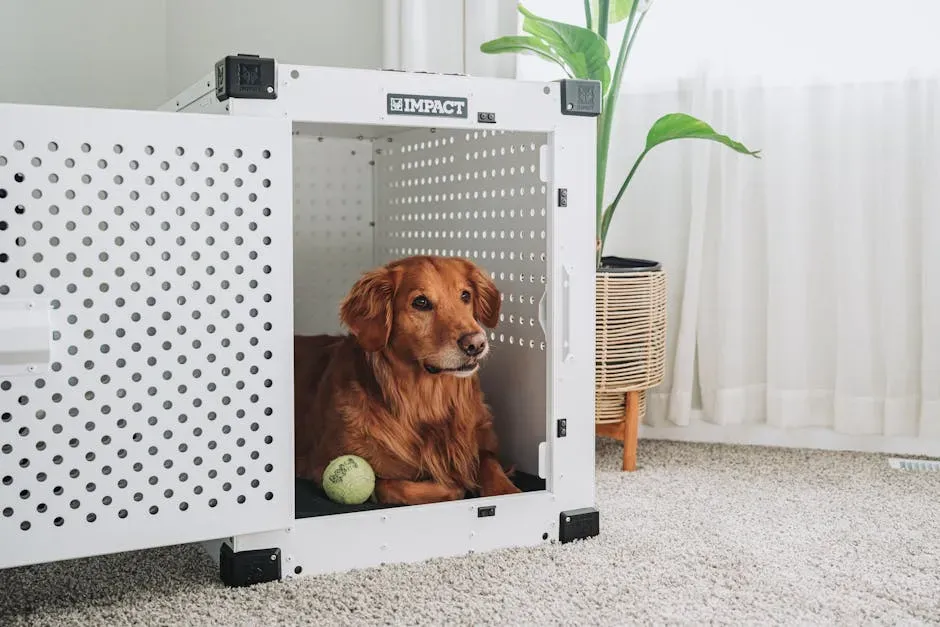
Many senior dogs start pacing, whining, or waking at strange hours. Owners often respond by clamping down harder on the old “sleep all night in the crate, no exceptions” rule. For a dog dealing with cognitive decline, vision loss, or nighttime anxiety, strict confinement can feel less like a cozy den and more like being locked in a scary box.
Instead of assuming he’s just being difficult, it’s worth asking what’s actually changed – does he need a late-night bathroom break now? Softer bedding? A nightlight so dark corners stop looking like threats? Some seniors settle instantly once they’re allowed to sleep near their person or with gentle background noise. Trying to force the old crate routine back into place usually just makes the nights, and the insecurity, worse.
Quick Compare
- Old routine: Crate closed, lights off, no exceptions until morning.
- Adapted routine: A late-night potty break, a nightlight left on, and the crate door open or bed moved closer.
- Old routine: Whining dismissed as “testing boundaries.”
- Adapted routine: Whining checked first for pain, confusion, or a bathroom need.
5. Training Like He’s Still Three Years Old
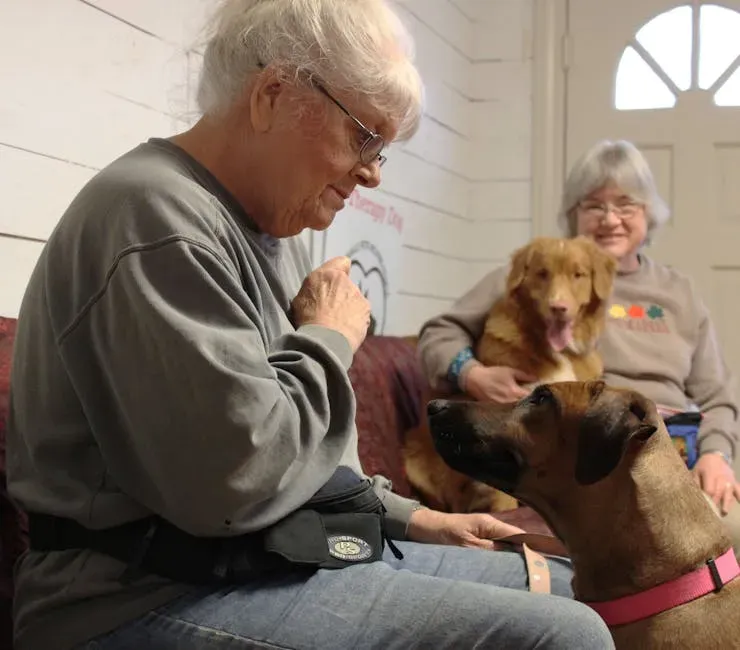
Here’s a hard truth many owners don’t want to hear: an old dog forgetting cues is usually a sign of brain or sensory changes, not stubbornness. Yet some people respond with sharper corrections and endless repeats of “Sit! You KNOW this!” When a dog can’t hear as well, can’t see hand signals clearly, or can’t hold a sit because his hips ache, repeated pressure only teaches him that interacting with you is stressful.
A secure-feeling senior needs training to shift from performance to connection – gentle, low-stress games with big rewards instead of drills, slower responses accepted without frustration, calm redirection instead of scolding. Before assuming he’s ignoring you, ask: can he hear? See? Does that position hurt? Matching your expectations to his aging reality tells him he’s understood, not wrong, in his own home.
4. The Crate That Became a Lonely Box
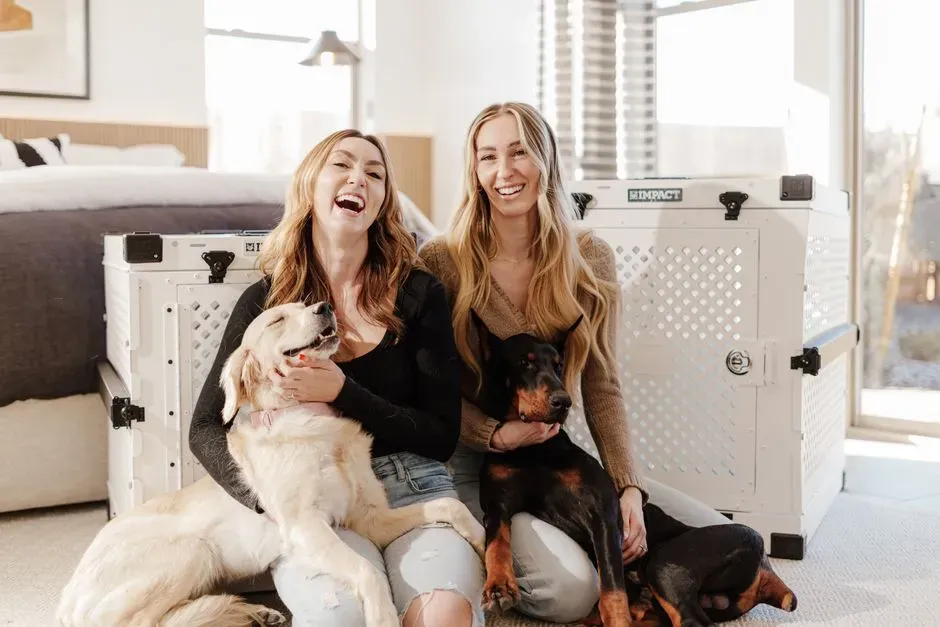
Crates can be wonderful when used well. But treating the crate as the only acceptable safe place – and confining a senior there for long stretches simply because “that’s his spot” – can backfire hard. Older dogs may struggle with stiffness if they can’t reposition freely, and can grow more anxious if they wake up in pain or confusion and feel trapped with no way out.
A place that once felt like a cozy den can quietly morph into a lonely box of discomfort. Consider a gated room instead, with multiple soft spots, easy water access, and low lighting. If you still use a crate, upgrade the size, add thicker orthopedic padding, and leave the door open when you’re home. A truly secure dog needs to feel he has choices, not just one single place to exist.
3. The Same Rough Handling, Now on Fragile Joints
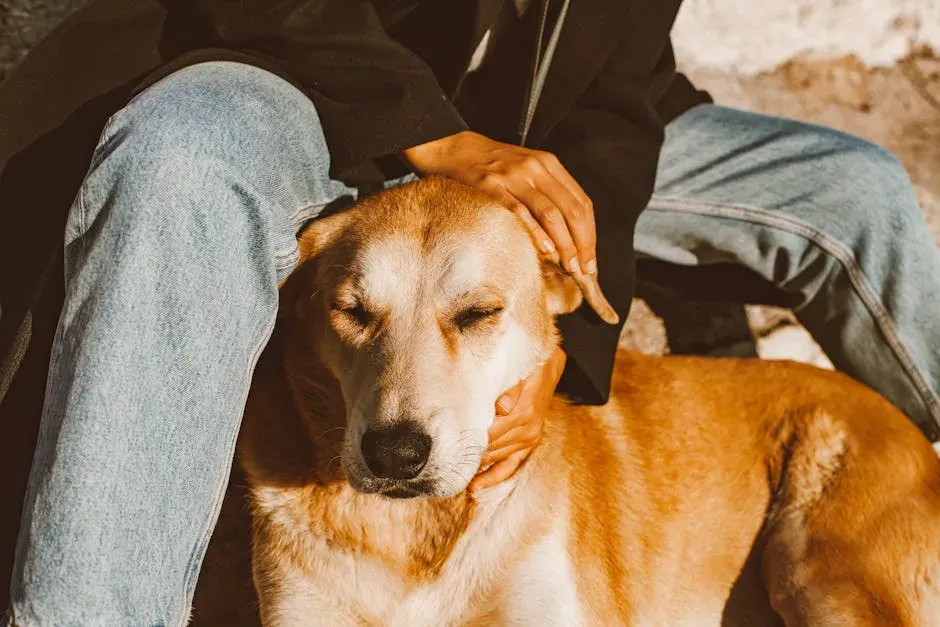
Most of us are guilty of it: ruffling ears, patting hips, lifting them onto furniture, playfully nudging them out of the way – exactly like we did when they were young. Once arthritis, neuropathy, or spinal issues set in, those “harmless” habits can become tiny shocks of pain. If every touch carries a risk of hurting him, his trust in your hands starts eroding, and that’s a brutal way to lose security without ever raising your voice.
Old dogs tend to prefer slow, predictable touch – soft chest rubs, gentle neck strokes, steering clear of sore hips and backs. Offering your hand and waiting for him to lean in, rather than grabbing, goes a long way. Watch for flinches, tongue flicks, or pulling away – that’s feedback. The more consistently your touch equals comfort instead of surprise pain, the safer he feels sharing space with you.
2. Acting Like His Eyes and Ears Haven’t Changed
Most people seriously underestimate how much fading vision and hearing reshape a dog’s emotional world. A dog who can’t hear you coming or see a doorway clearly is living in a slightly delayed, fuzzy version of your home. Sudden approaches from behind, lights flipped off too fast, or being called from another room can startle and disorient him so often that the world stops feeling predictable at all.
Small tweaks restore a surprising amount of security: turning lights on before he enters a new room, using consistent rugs or runners to “map” familiar paths, pairing touch with visual cues for a deaf dog, and tapping the floor or touching him gently before lifting or grooming him. Ignoring the sensory changes and expecting him to navigate like a young dog sets him up for constant, low-level fear that never fully goes away.
At a Glance
- Turn on lights a beat before a vision-impaired dog walks into a new room.
- Use textured rugs or runners to “map” frequently used paths in low light.
- Pair verbal cues with hand signals early, before hearing loss becomes severe.
- Approach from the front or tap the floor gently before touching a sleeping senior.
1. Blaming “Old Age” Instead of Adapting
The most well-meant but damaging routine on this whole list isn’t physical – it’s mental. It’s deciding “he’s old, that’s just how it is” and quietly switching to autopilot. Once we blame every change on age, we let ourselves off the hook for adjusting anything, and pain, anxiety, digestive upset, and cognitive decline all get written off as inevitable instead of manageable.
The dog’s world shrinks while our habits stay exactly the same. A truly secure senior lives somewhere that keeps evolving around him – ramps where stairs used to rule, walks that get shorter but sniffier, a bed that gets softer and closer, lights that stay on a little longer. The message he needs, over and over, is simple: my person notices, my person responds, I am safe here. Clinging to old routines out of pure habit sends the opposite one – you have to cope with this alone now.
The Bottom Line
Here’s the part that stings a little: most of these routines were never careless. They came from love, from habit, from genuinely believing sameness equals safety. But a lot of “we’ve always done it this way” turns out to be exactly what’s keeping an old dog stuck in a body and a world that no longer fits him.
The walk that used to be freedom is now a grind. The favorite bed is now a pressure point. The dependable crate is now a lonely box. Stability was never really about refusing to change – it’s about changing in the ways that protect a dog’s comfort, confidence, and trust as he ages.
“Fine” is a low bar for a dog who spent his whole life giving you everything without asking for much back. The real question isn’t whether you’ve always done it this way – it’s whether you’re willing to rebuild the routine around who your dog is today, not who he was at three.


