
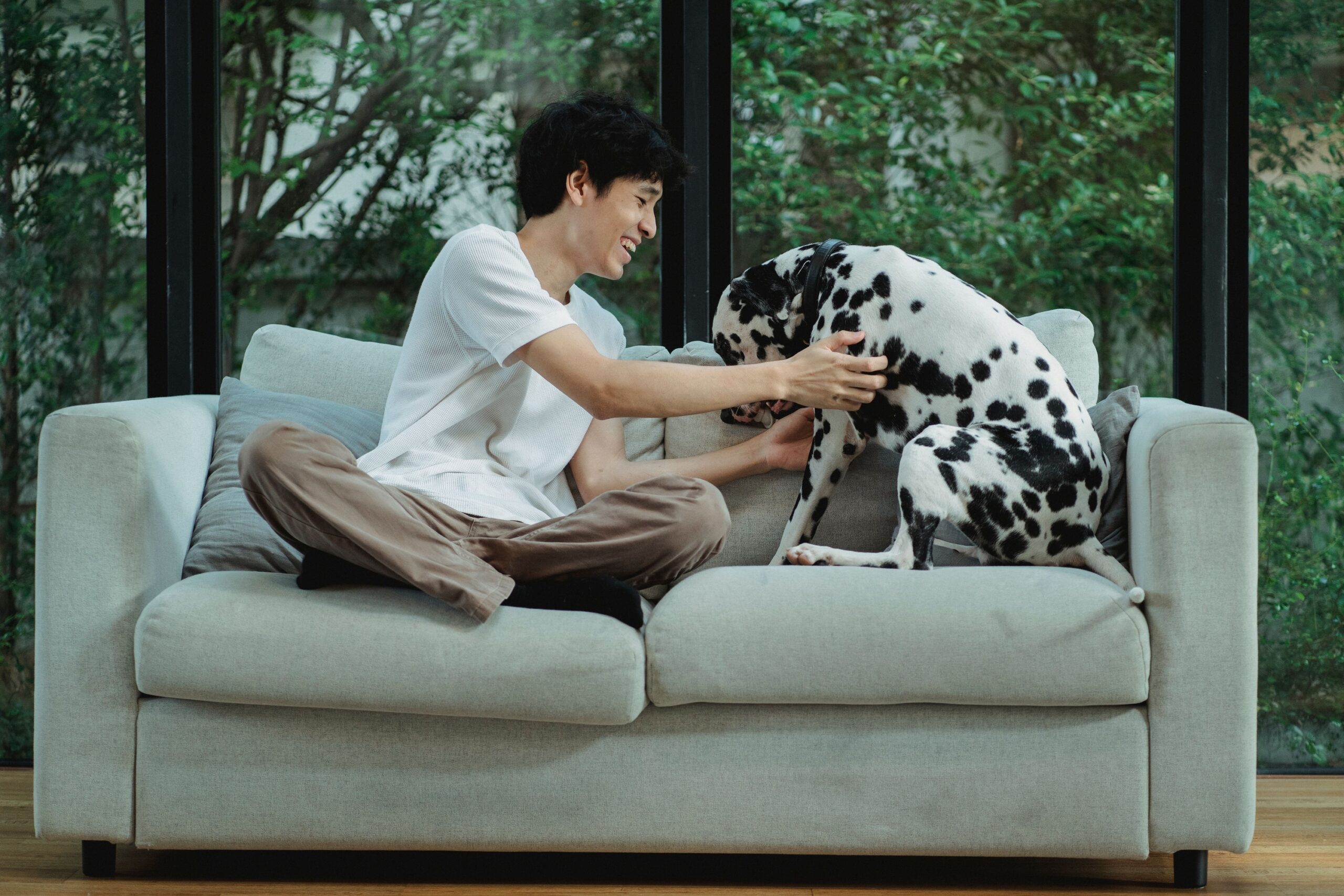
Everyone loves to say a rescue dog “just needs love and time,” like healing runs on a calendar. Foster carers know that’s not quite true. They’ve watched dogs live in a home for weeks, still flinching at every footstep, still sleeping like they might have to run at 3 a.m. – and then, without warning, something in the dog just… lets go.
It’s almost never a movie moment. It’s a weird midnight zoomie, a nap sprawled dead-center on the kitchen floor, or a scared dog stealing a sock and not flinching afterward. Foster carers have seen this exact pattern so many times it stopped looking random years ago. Here are the 17 moments they say give it away – and once you know them, you’ll never read a “good dog” the same way again.
#1 – The First Deep, Snoring Sleep Right in the Open
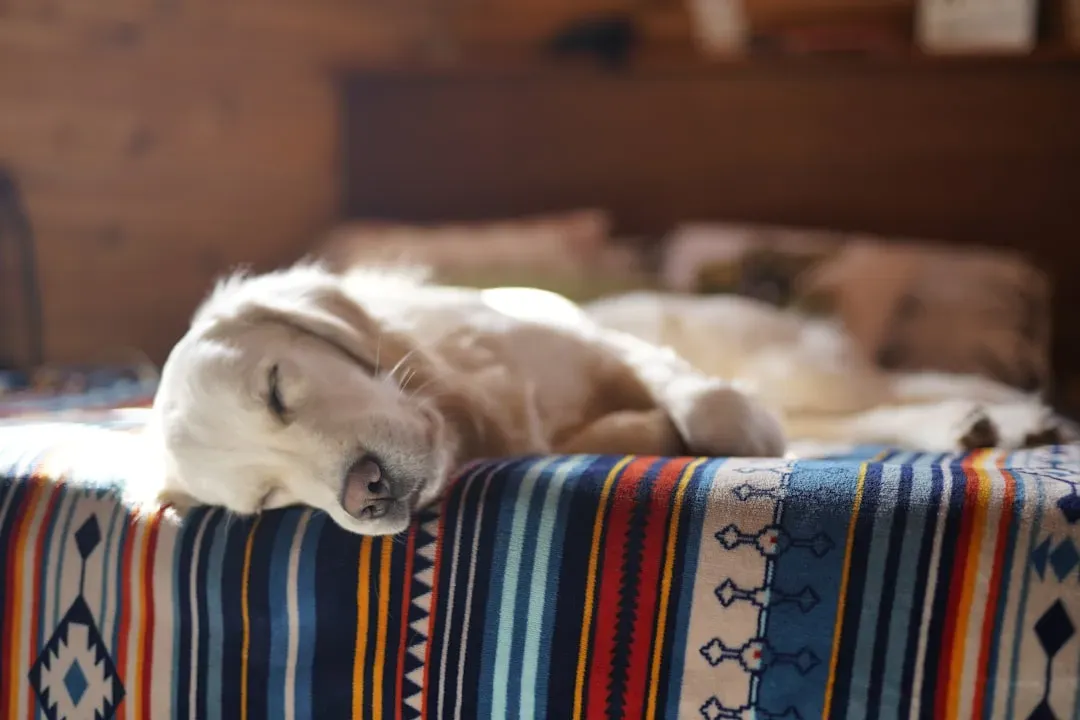
Foster carers will tell you the first real snore is usually the first real sign of trust. Dogs in survival mode sleep light, tucked into corners, flinching awake at the smallest sound. Then one night, something changes.
They stop curling tightly behind the couch or jammed in a crate corner. They flop flat on their side, ribs exposed, sometimes right in the middle of the rug – and they snore. Loud, rude, unbothered snoring, like their body finally believes nothing bad is coming. Most fosters quietly grab a photo the second it happens, because they know it’s not “just a nap.” It’s a nervous system standing down for the first time in who knows how long.
Fast Facts
- Stressed dogs often sleep in short bursts, waking at the slightest sound.
- Curling tightly or facing the door are common self-protective sleep positions.
- A relaxed dog will sleep belly-up or sprawled flat, often mid-room.
- Loud, steady snoring usually signals deep sleep – a sign the nervous system finally feels safe.
#2 – When They Choose You Over the Open Door
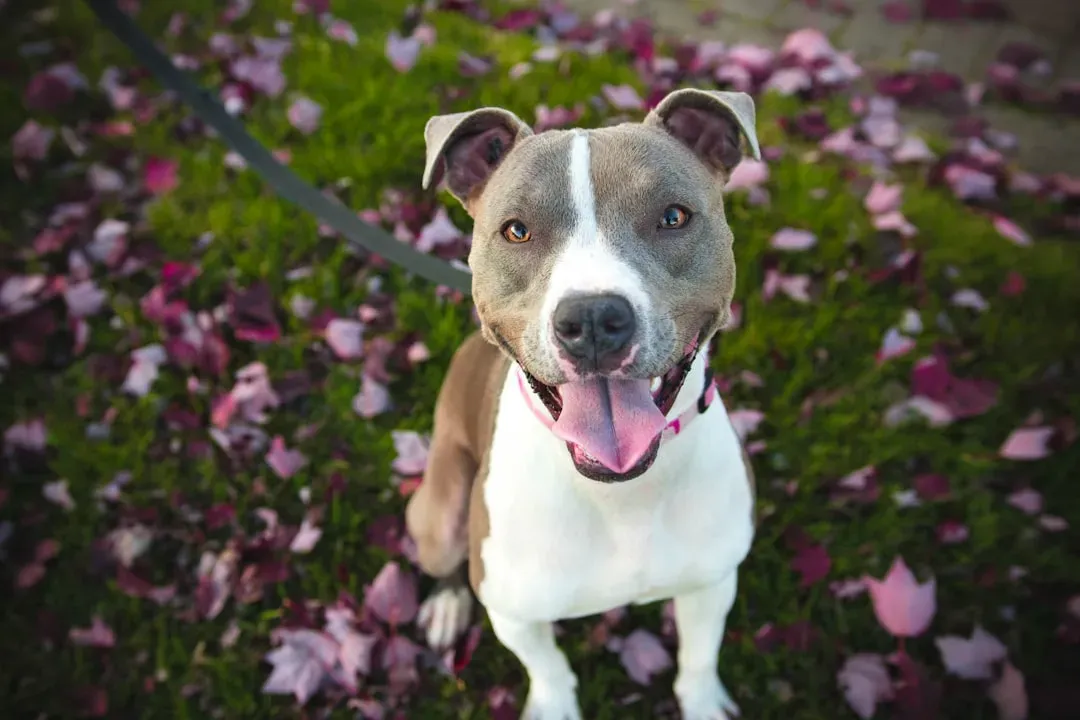
At first, most foster dogs are obsessed with exits – doors, gates, the car, anything that might lead “away.” You’ll catch them glancing at the door, then back at you, quietly calculating.
Then one day it flips. You open the front door, step aside, and they don’t bolt – they look back at you instead. Behaviorists call this a “check-in,” but fosters know it as the moment a dog quietly changes their emergency plan from escape to stay. It’s often over in half a second, but once a dog picks you over the unknown, everything else – recall, leash walking, house training – gets easier almost overnight.
#3 – The Awkward, Silly Zoomies Out of Nowhere
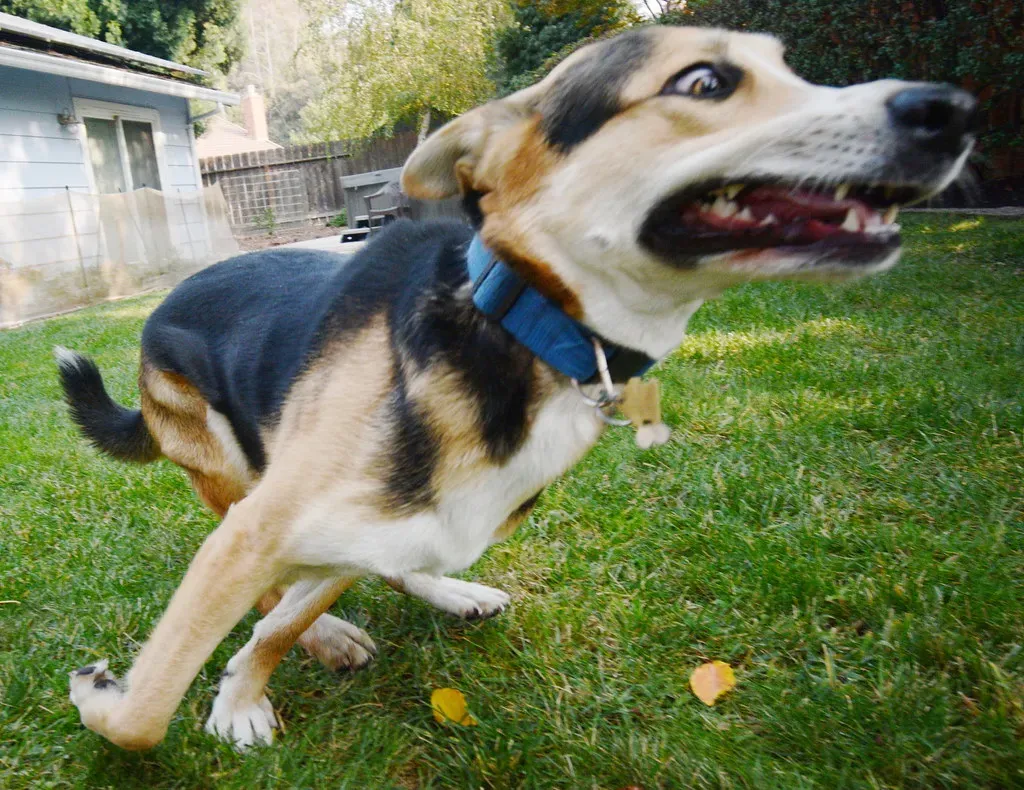
New adopters often panic the first time a shut-down dog suddenly tears through the house like a baby deer on roller skates. Foster carers just grin, because those chaotic zoomies almost always mean the fear finally cracked.
For the first time, the dog feels safe enough to be ridiculous instead of hyper-alert. You’ll see gangly sprints, sideways hops, toy pounces that make zero sense, maybe a wipeout off the couch followed by a look that says “you saw nothing.” First-time owners scold it. Seasoned fosters film it, because silly is the exact opposite of shut down.
#4 – The First Time They Break a Rule Without Panic
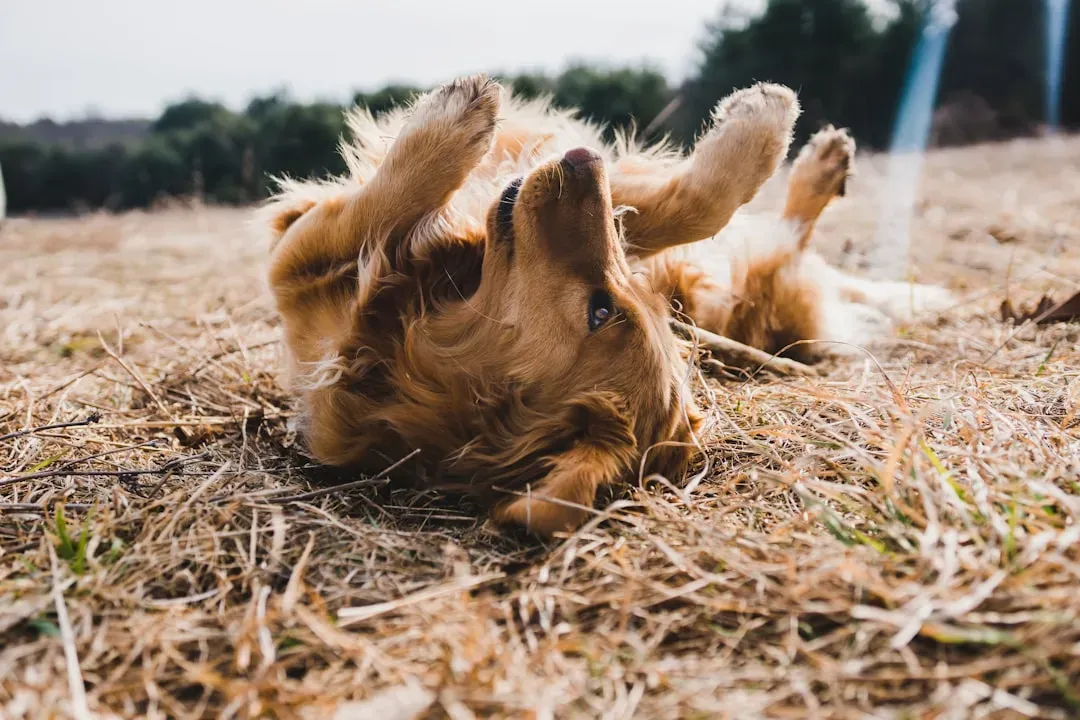
Here’s the controversial one: plenty of foster carers secretly love it when a once-terrified dog does something naughty and doesn’t spiral afterward. Chewing a slipper, sneaking onto the forbidden couch, lifting food off the counter – that tiny act of rebellion usually means they no longer see you as a threat.
Early on, fearful dogs move like ghosts – silent, apologetic, barely taking up space. Then one day you catch them mid-mischief, and instead of freezing or cowering, they give you a side-eye and keep chewing anyway. That’s not disrespect, that’s confidence – and foster carers often say they knew things had shifted the moment a dog finally had the nerve to steal a sock and get away with it.
#5 – The Slow-Blink, Soft-Eye Stare From Across the Room
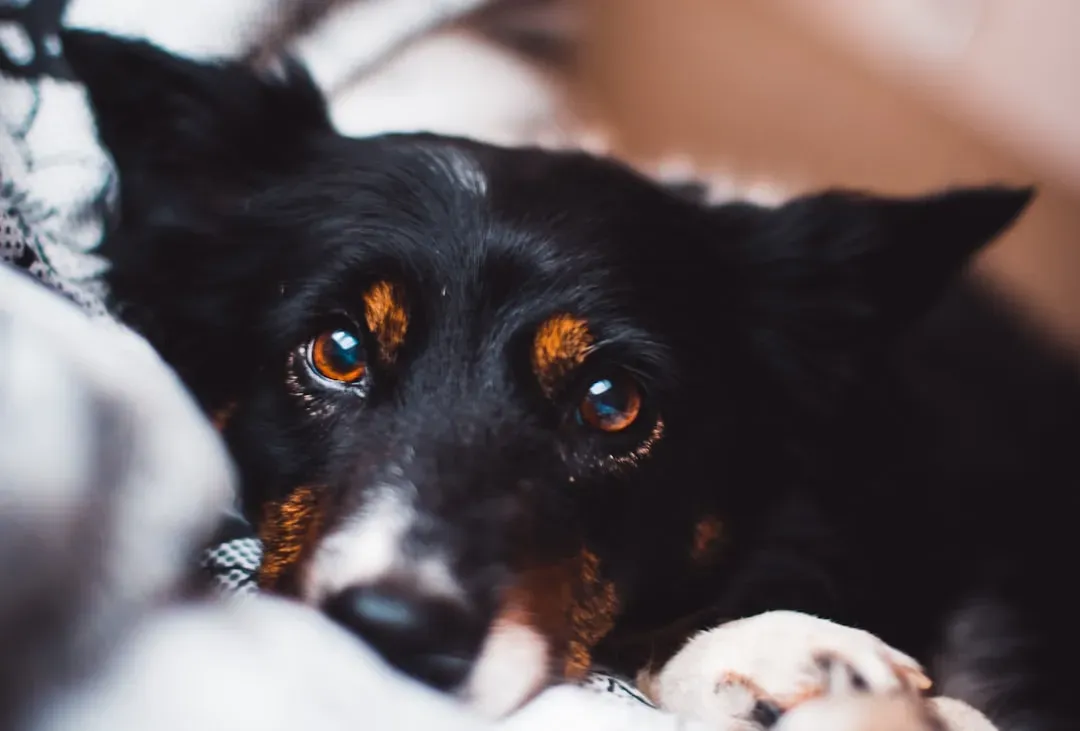
Most people look for big gestures – tail wags, kisses, cuddles. Foster carers look at the eyes. Traumatized dogs often have hard, glassy, darting eyes that never stop scanning the room for danger.
Then one evening, usually while nothing special is happening, they give you a long, soft look and slowly blink. No tension in the brow, no whites showing – just softness. That slow blink is the closest thing to a canine exhale, and once it shows up, you start seeing it everywhere: on the couch, by the door, even in the vet’s waiting room.
#6 – When They Finally Bring You Their Favorite Toy
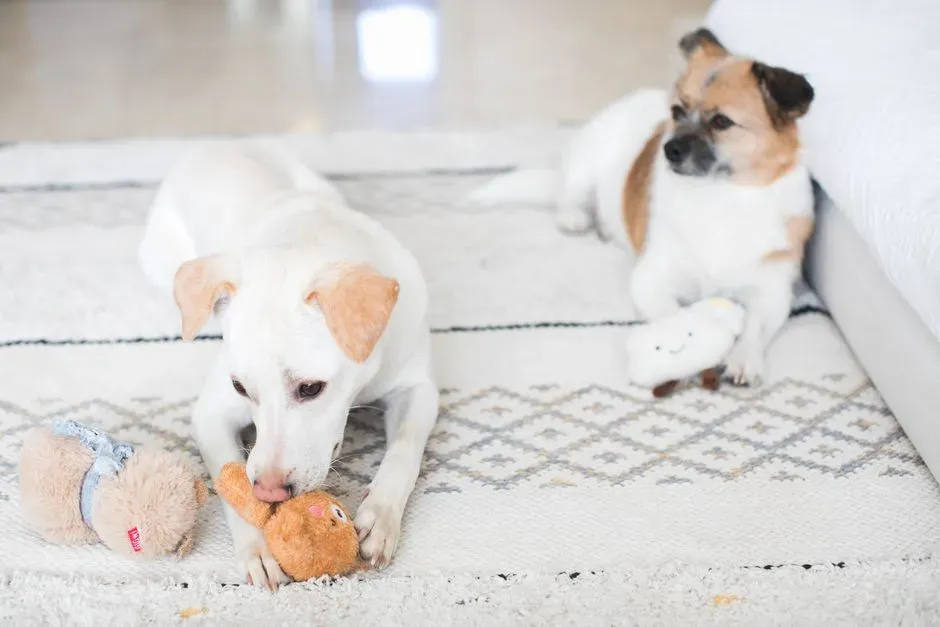
Plenty of dogs will chase a ball – that’s drive, not necessarily trust. What actually gets foster carers emotional is the first time a dog brings their favorite toy to you and waits, not to hoard it, but to share it.
For a dog who’s lived with scarcity or rough handling, sharing something precious is a real risk. At first they may stash toys under the bed or guard them quietly. Then one day they walk over, toy in mouth, tail relaxed, and drop it at your feet like an offering. Foster carers say this is the moment they stop feeling like “the human in the house” and start feeling like someone’s actual person.
At a Glance
- Hoarding or hiding toys often signals fear of scarcity or past resource guarding.
- Bringing a toy without stiffening or growling shows a relaxed, trusting mindset.
- A loose tail and soft mouth while holding a toy are strong trust indicators.
- Sharing a favorite item is often considered one of the clearest bonding milestones a dog can offer.
#7 – Choosing to Sleep in Doorways and “Guard” the House
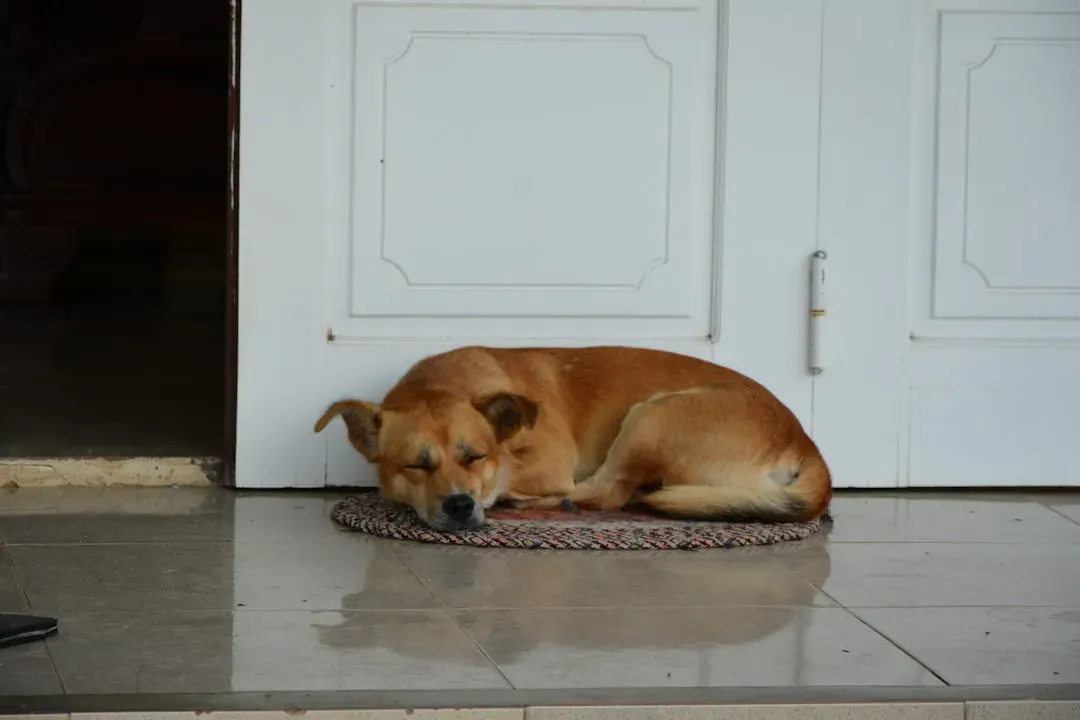
This one splits opinions online – some call it protectiveness, others call it anxiety. But experienced fosters notice a clear pattern: once a dog feels truly settled, they start sleeping in strategic spots – doorways, hallway intersections, the foot of your bed – not hiding, just calmly stationed where they can see everyone.
Early on, scared dogs squeeze into tight, hidden spaces – under furniture, behind curtains, crates jammed shut. Later, you’ll find them stretched across the bedroom threshold, relaxed but watchful. People argue about whether this is “resource guarding of humans.” Most fosters read it simpler than that: “I live here now. These are my people.”
#8 – The First Happy Groan, Sigh, or “Talking” Noise
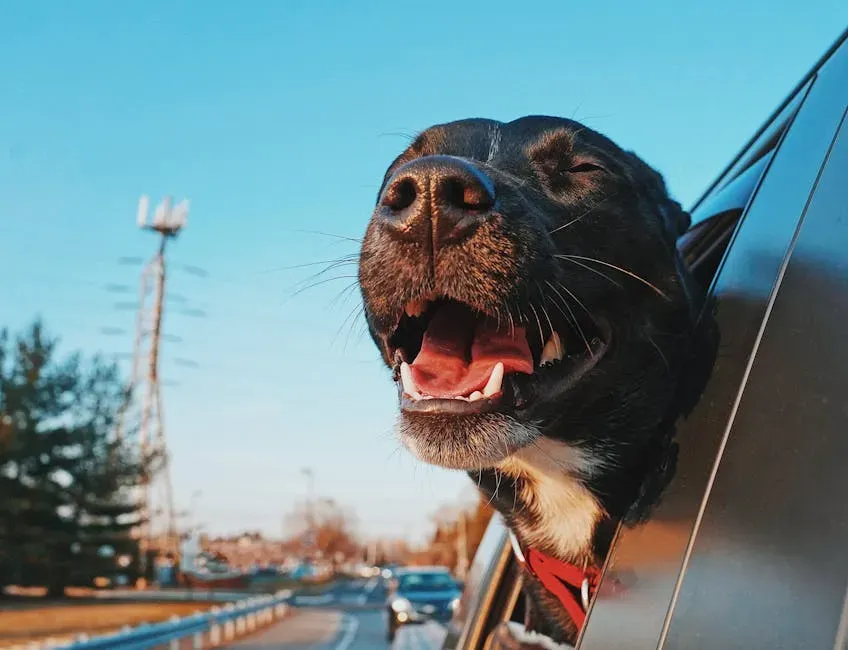
A lot of shut-down dogs are eerily silent at first – no barking, no whining, almost no sound at all, like they’re afraid their own voice might get them in trouble. Foster carers wait for the day that changes.
It usually starts small: a deep, contented sigh when they flop beside you, or a strange little groan at just the right scratch spot. Over time it can grow into full “conversations” – grumbles, soft howls, dramatic complaints when dinner runs five minutes late. A dog who finally feels safe enough to make noise is a dog who believes their needs will be heard, not punished.
#9 – Taking Treats Gently Instead of Snatching or Refusing
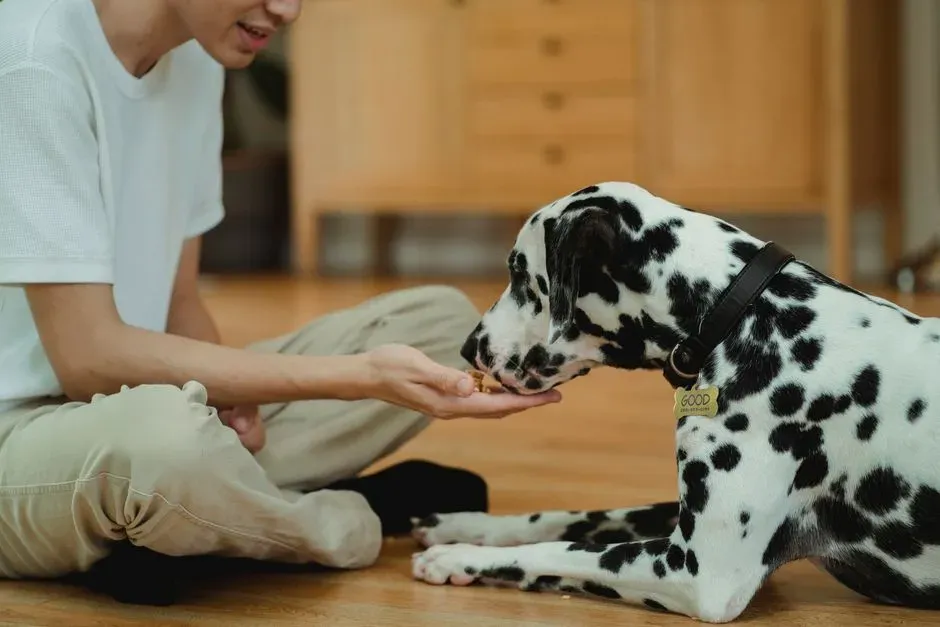
Treat-taking tells foster carers more than most people realize. Scared dogs usually do one of two things at first: snatch food like it might vanish, or refuse it entirely because they’re too stressed to eat. Both are survival responses, not bad manners.
Then something subtle shifts. Their eyes soften, their body leans in instead of away, and they take the treat slowly, lips careful around your fingers. That gentleness means their nervous system finally believes there will be another treat, another meal, another tomorrow in this same safe place.
Quick Compare
- Snatching: Fast, tense grab – often rooted in past food scarcity or competition.
- Refusing: Too stressed to eat – a sign the dog doesn’t yet feel safe enough to relax.
- Gentle taking: Slow, soft-mouthed acceptance – a clear signal of trust and security.
#10 – Following You From Room to Room Without Anxiety
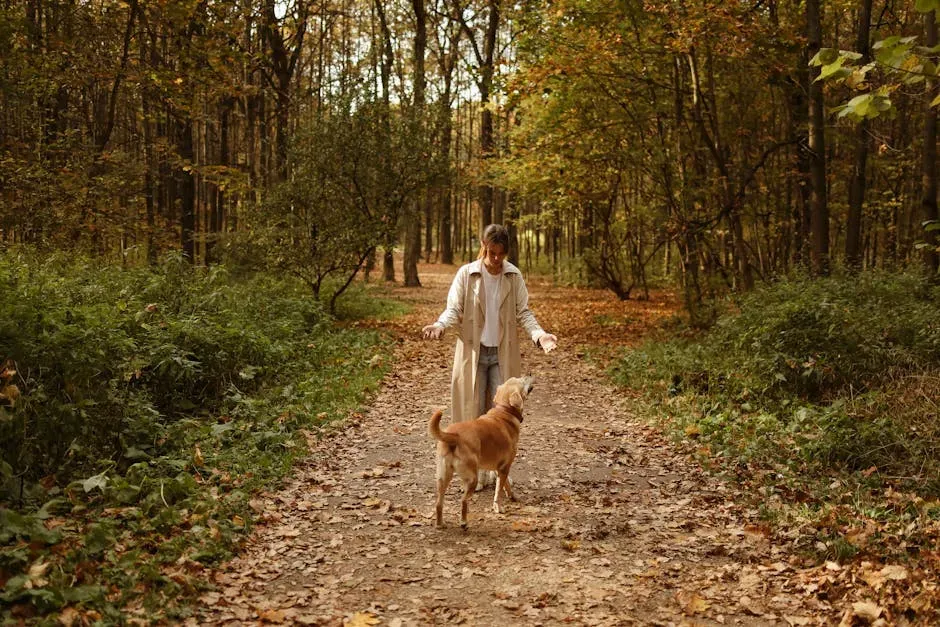
Clinginess gets a bad reputation online, but fosters draw a sharp line between anxious shadowing and calm companionship. At first, fearful dogs either avoid you completely or panic when you move. Then one day, the pattern shifts – they just get up and quietly follow, tail neutral, simply wanting to be near you.
This isn’t frantic pacing or whining at closed doors. It’s casual loyalty: they flop on the bathroom mat, curl in the kitchen corner, snooze under the desk like a furry paperweight. Foster carers say this is when the house stops feeling like a temporary setup and starts feeling like a pack.
#11 – Showing Their Belly Without Freezing
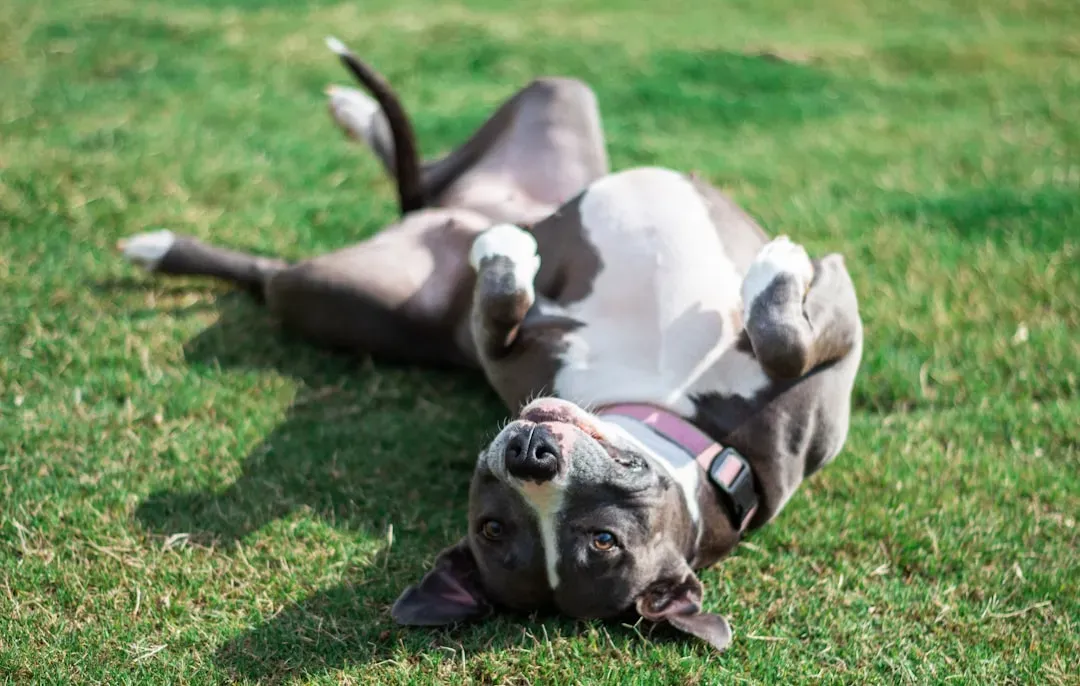
Belly-up can be misleading. Some dogs roll over as a stiff, submissive reflex, still bracing for something bad. Foster carers look for the difference: a loose, wiggly body, soft eyes, and total freedom to hop up at any second. That’s not collapse – that’s genuine vulnerability.
You’ll catch it on the couch, on the grass, right in the middle of the kitchen floor – a full sprawl, maybe a ridiculous upside-down squirm that makes no anatomical sense. For a dog who’s experienced rough handling, exposing their most vulnerable spot without watching you out of the corner of their eye is one of the loudest silent statements they can make.
#12 – Seeking Comfort When Startled Instead of Shutting Down
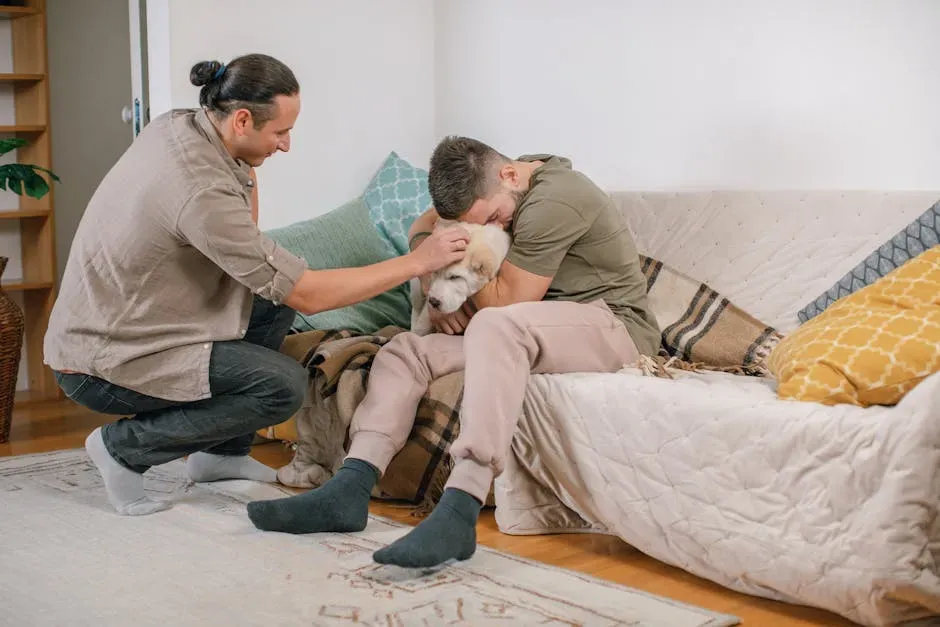
Early in a placement, loud noises or sudden movement often send dogs into fight, flight, or freeze. Fireworks, a dropped pan, a raised voice on TV – they bolt, hide, or go completely blank.
What makes foster carers tear up is the first time that changes – the dog rushes toward their person instead of away. They press against your leg during a storm, climb into your lap after a car backfires, nose under your arm when the vacuum starts. That choice isn’t an accident; it’s a learned belief that you equal safety, not danger. When fear hits and your dog picks your side of the couch as the safest place on earth, that’s a dog who’s finally set down their last emotional suitcase.
#13 – Ignoring Old Triggers That Used to Terrify Them
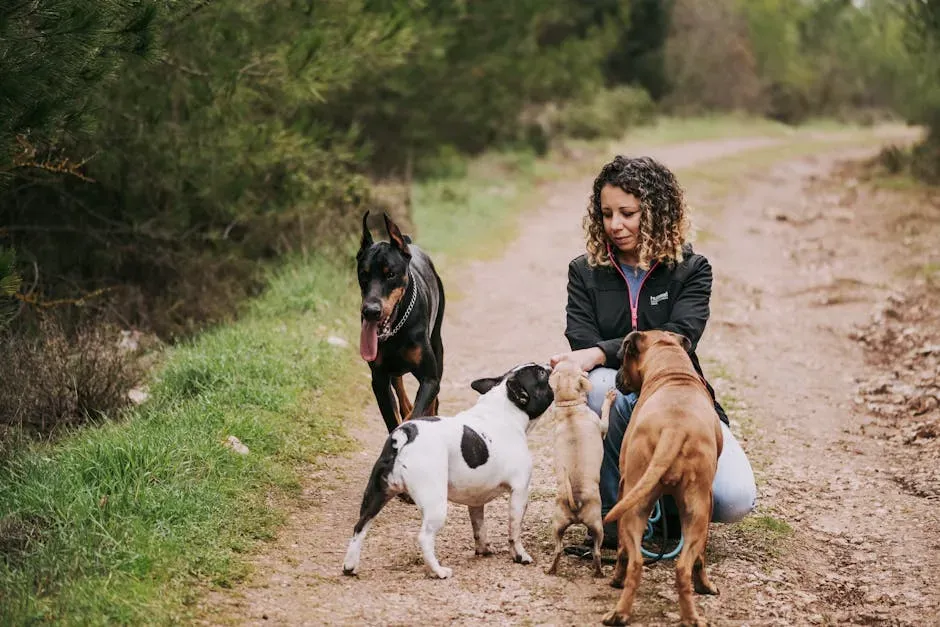
Foster carers keep a quiet mental list: hats, men’s voices, plastic bags, brooms, certain floor textures. Tiny “nothing” things that can be major panic buttons for a dog with a rough history. In the first weeks, you’ll see full-body flinches and frantic avoidance around those triggers.
Then, on some random Tuesday, it just stops. You pick up the broom and the dog barely glances over before going back to chewing a toy. A neighbor slams a car door and instead of bolting, the dog lifts its head, sighs, and resettles. Critics say, “maybe they just got used to it” – and that’s exactly the point. Desensitization plus trust is the whole equation, and when the world gets noisy but your dog stays emotionally anchored, that’s real healing, not obedience.
Worth Knowing
- Common trigger objects include hats, umbrellas, brooms, and plastic bags.
- Men’s voices or fast, sudden movement can be especially triggering for dogs with unknown histories.
- Gradual exposure paired with positive experiences typically works better than forcing a dog to “face” a fear head-on.
- Fully ignoring a former trigger is considered one of the strongest signs of long-term recovery.
#14 – Choosing “Their Spot” and Returning to It Every Day
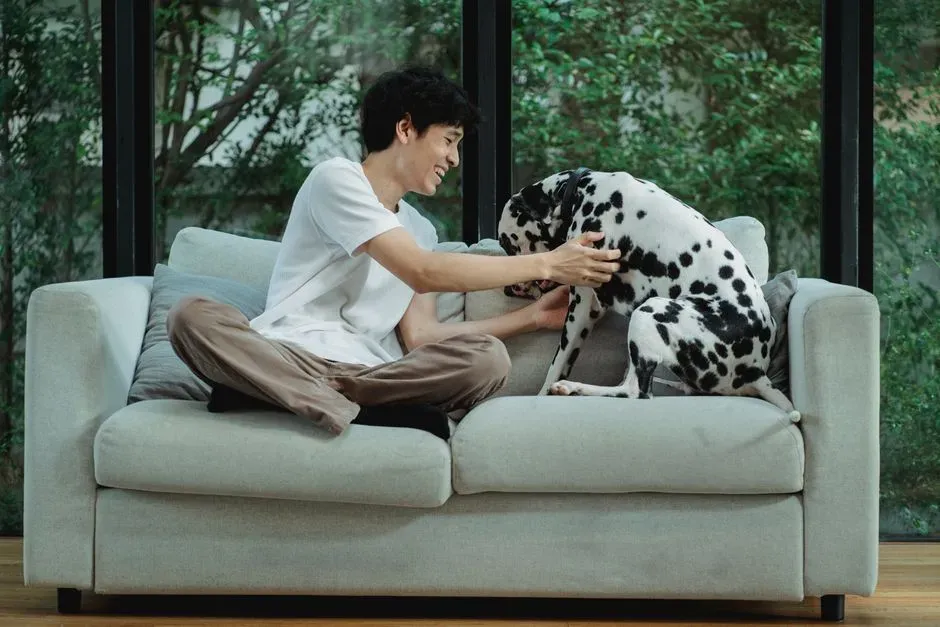
One underrated milestone fosters mention constantly: the day a dog claims a specific spot as theirs and keeps coming back to it. A corner of the couch, a particular stair, a sunny patch of floor, a bed dragged into some hilarious location of their own choosing.
Early on, stressed dogs drift restlessly, sleeping wherever they drop or wedging into hidey-holes. Once they feel like they belong, patterns emerge – the same armchair after breakfast, the same crook of the couch during movie nights. Some people find it annoying when the dog always claims “their” seat. Fosters secretly love it, because it’s the clearest sign a once-homeless animal finally believes this address is permanent.
#15 – Greeting You Calmly Instead of Frantically or Not at All
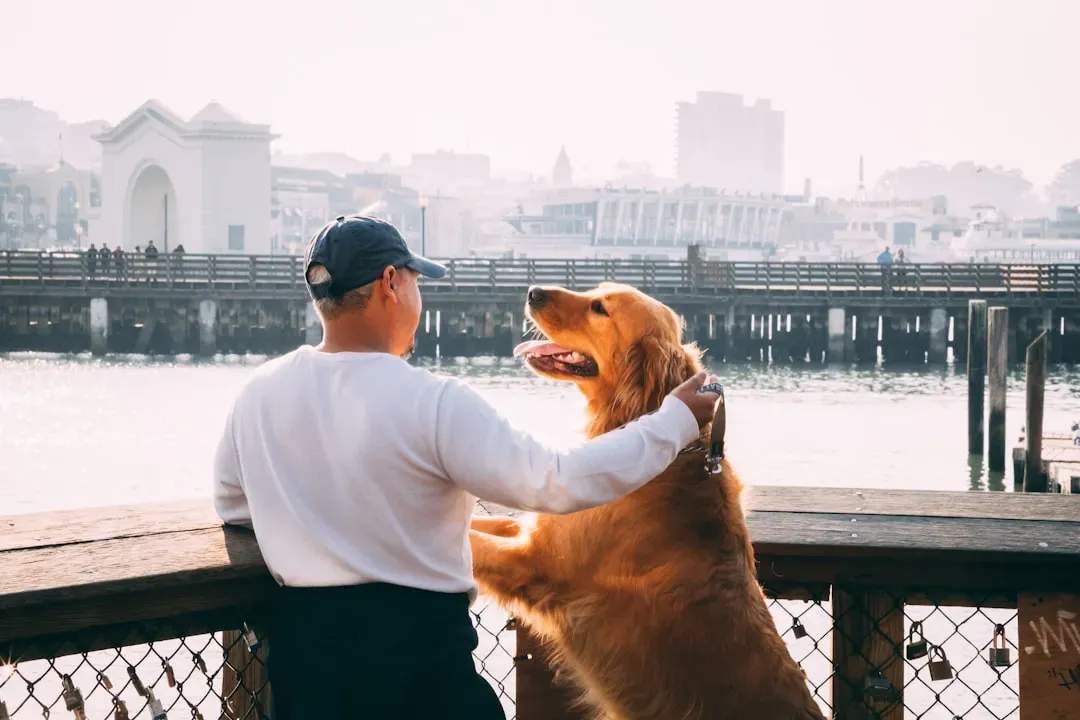
Most people misread greetings – wild jumping equals love, aloofness equals indifference. Foster carers see it differently. Early on, many stressed dogs either explode at the door, frantic and borderline hysterical, or barely react at all, locked somewhere inside their own heads. Neither extreme means the dog is doing fine.
The real breakthrough comes when a dog greets you with balanced joy – tail wagging, body wiggly, maybe a toy in their mouth, but no manic desperation behind it. They’re happy you’re back, but they also believed all day that you would be. That quiet trust in your return means the old pattern of people disappearing has finally been overwritten by something steadier.
#16 – Playing “Wrong” With Other Dogs and Loving It
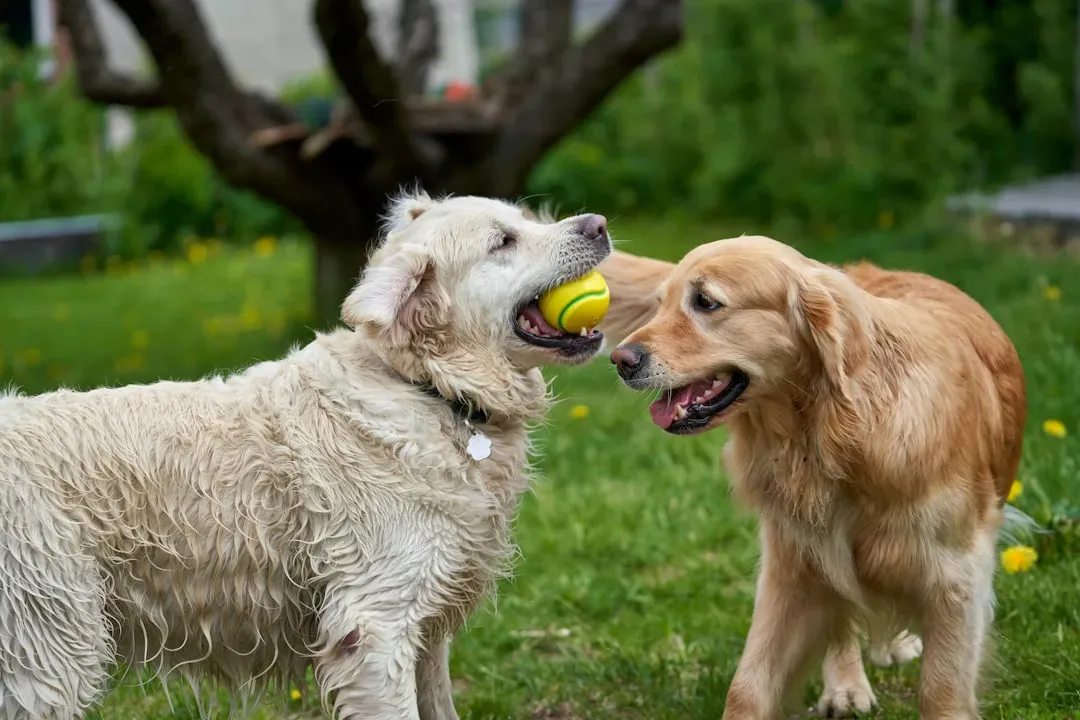
Social play is complicated. At first, many foster dogs have no idea how to interact – too rough, too stiff, or completely checked out. Over time, with the right canine friends, something shifts: they start playing “wrong,” but joyfully. Awkward bows, mistimed chases, goofy upside-down wrestling that looks like chaos but feels like freedom.
Foster carers watch for the moment a dog stops copying others and starts inventing their own weird little games – stealing a toy just to “accidentally” drop it, zooming in lazy circles, play-barking with zero edge of fear. It’s rarely picture-perfect dog-park etiquette, and that’s exactly the point. A dog who once shut down around other dogs choosing messy, exuberant play is proof they’re no longer running on fear scripts alone.
#17 – When They Finally Ask for Affection on Their Own Terms
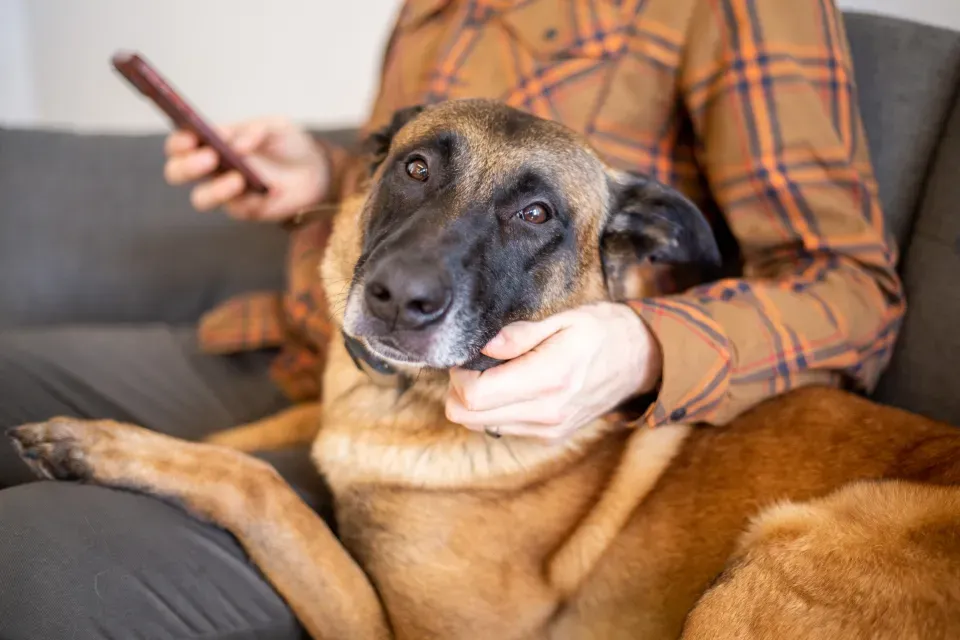
Foster carers almost unanimously agree: the most powerful moment isn’t when you pet the dog – it’s when the dog comes to ask for it. Early on, most fosters keep touch short and predictable, respecting space. Some dogs tolerate it politely but stay stiff. Others avoid it completely, history hanging off them like a shadow.
Then, often months in, it happens quietly. You’re on the couch, and you feel a nose press into your hand. A paw rests on your knee. They lean their full weight into your side and sigh. No coaxing, no bribing – they chose this. Foster carers remember the date it happens the way people remember anniversaries, because it’s the clearest sign a dog has finally let go of whatever came before and stepped fully into life with you.
The Bottom Line

The real turning points with a rescue dog almost never look like a movie scene. They’re quiet – a snore in the middle of the living room, a toy dropped gently at your feet, a scared dog choosing your lap during a storm instead of the back of a closet.
Dogs are not our whole life, but they make our lives whole.
Roger Caras
These aren’t quirks. They’re hard-won signals that a nervous system battered by chaos finally believes in stability. Training, structure, and boundaries still matter, but the moments that stick with lifelong fosters are about consent, choice, and small acts of courage from an animal that can’t explain what it survived.
Anyone who still says “it’s just a dog” hasn’t watched these 17 shifts happen in real time. Once you have, you don’t forget it – and you start noticing it in every rescue dog you meet.


